
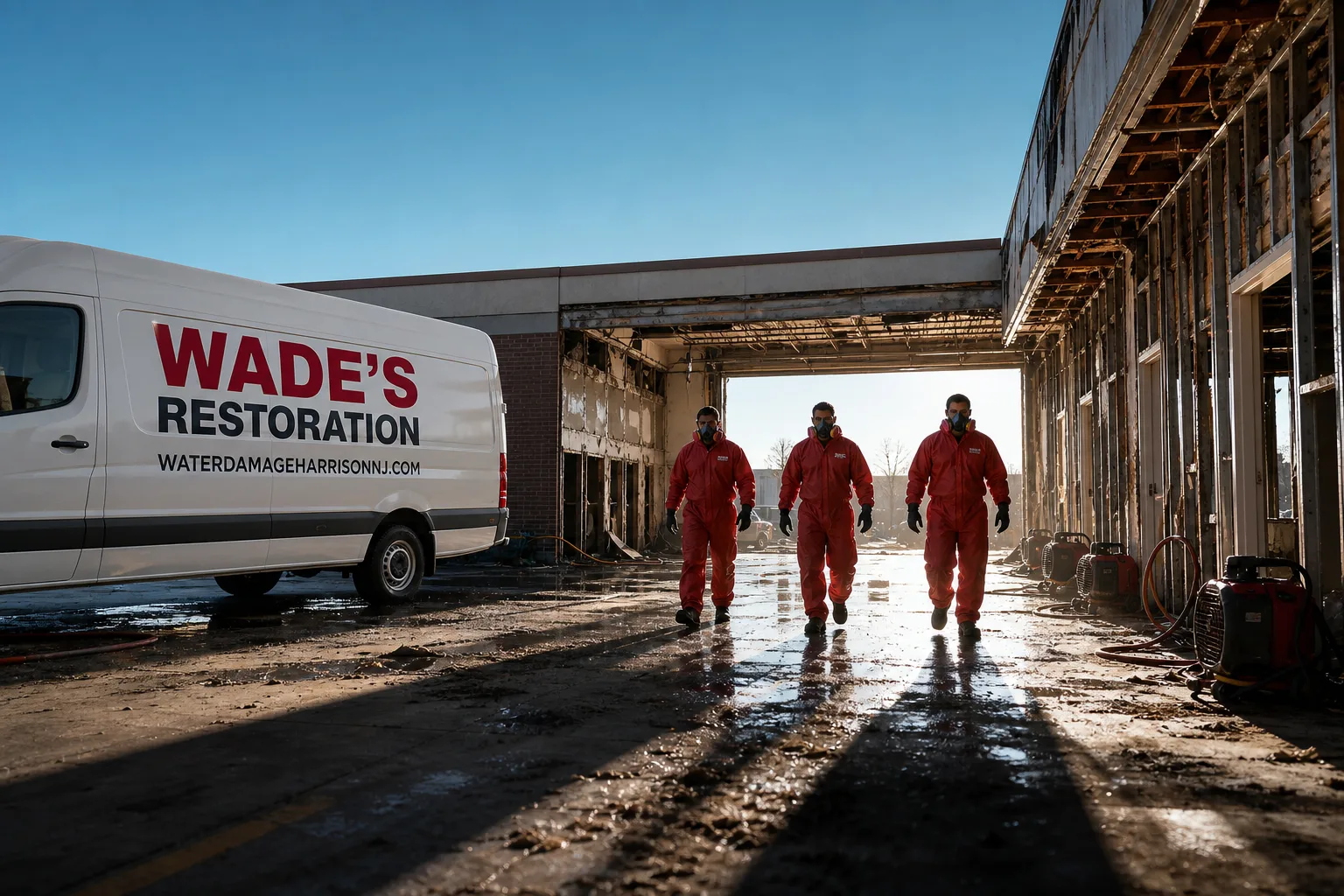
Free visual inspection and a written scope of work before any mitigation begins - photos, moisture readings, and drying logs go in your claim file
The scope we write is the scope we bill. Anything new gets shown to you, in writing, before we touch it.
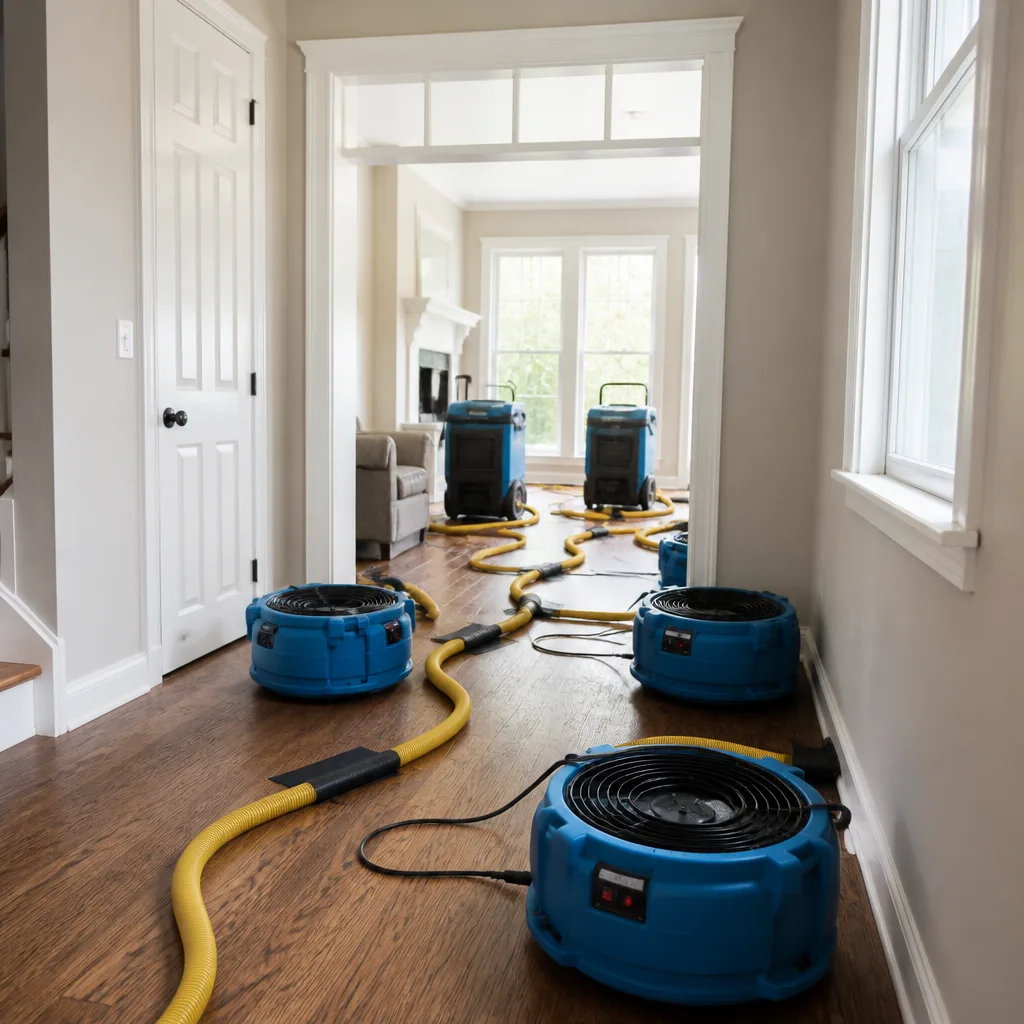
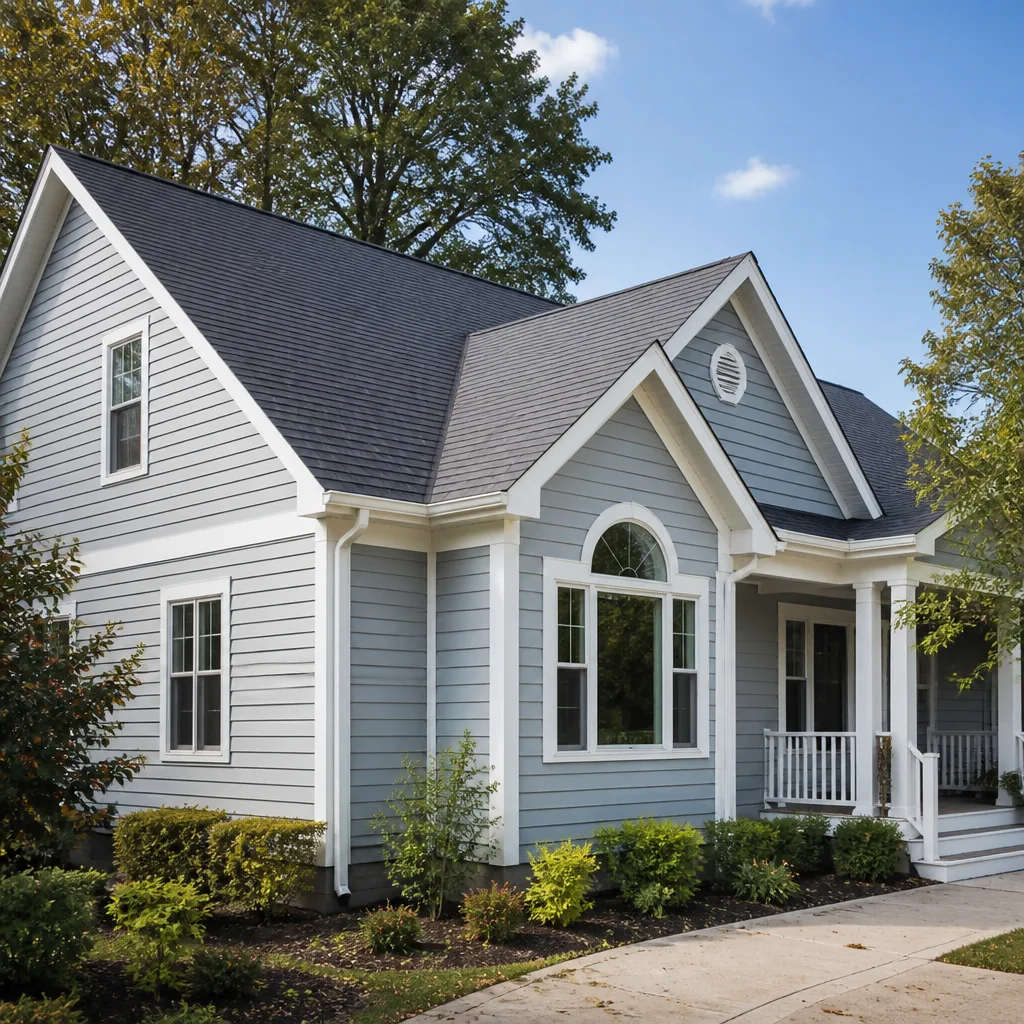
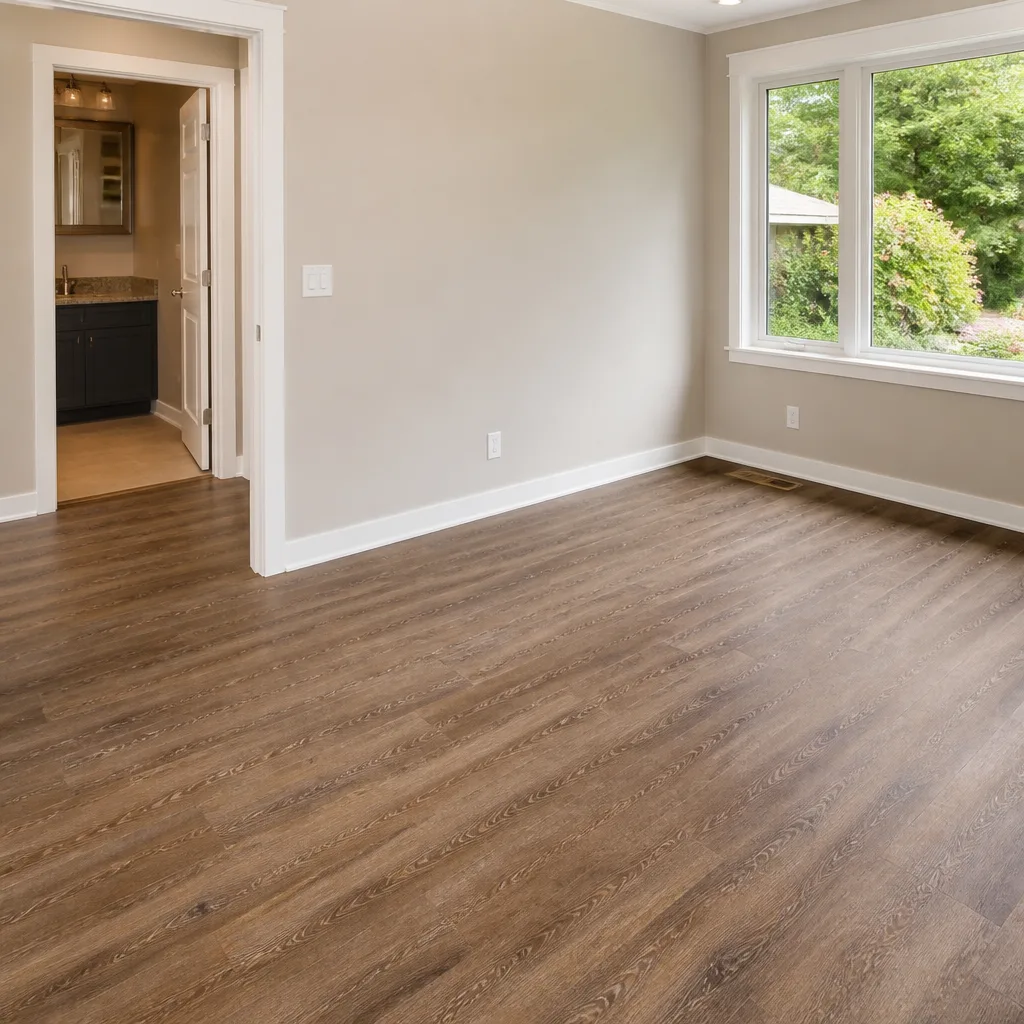
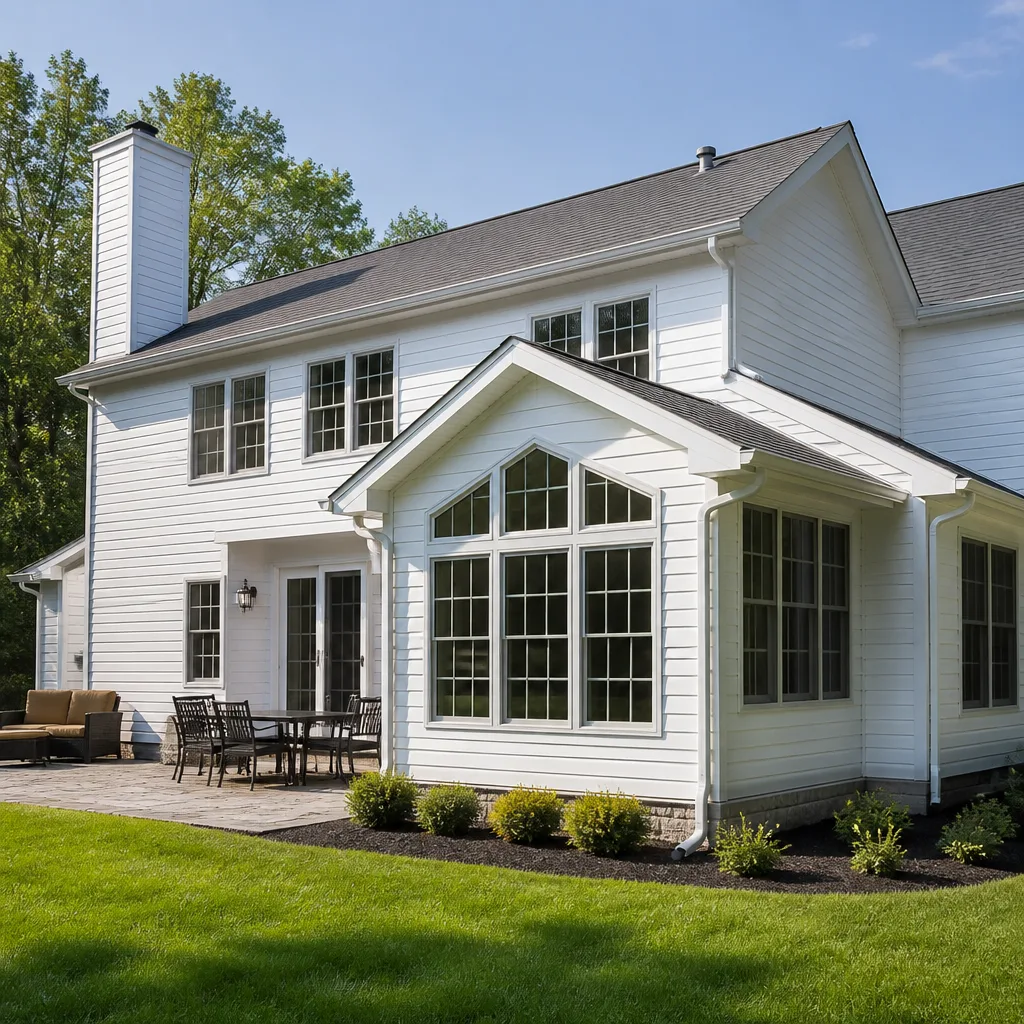
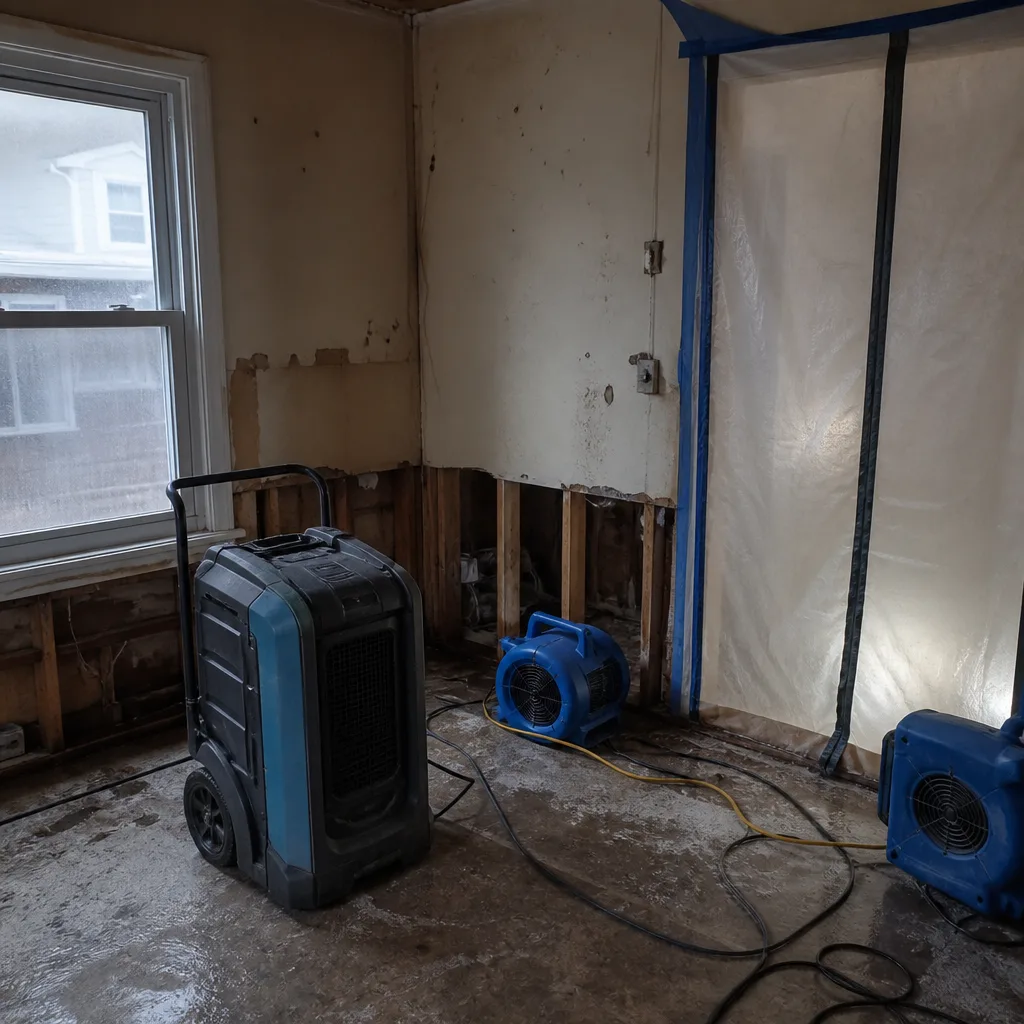 Before
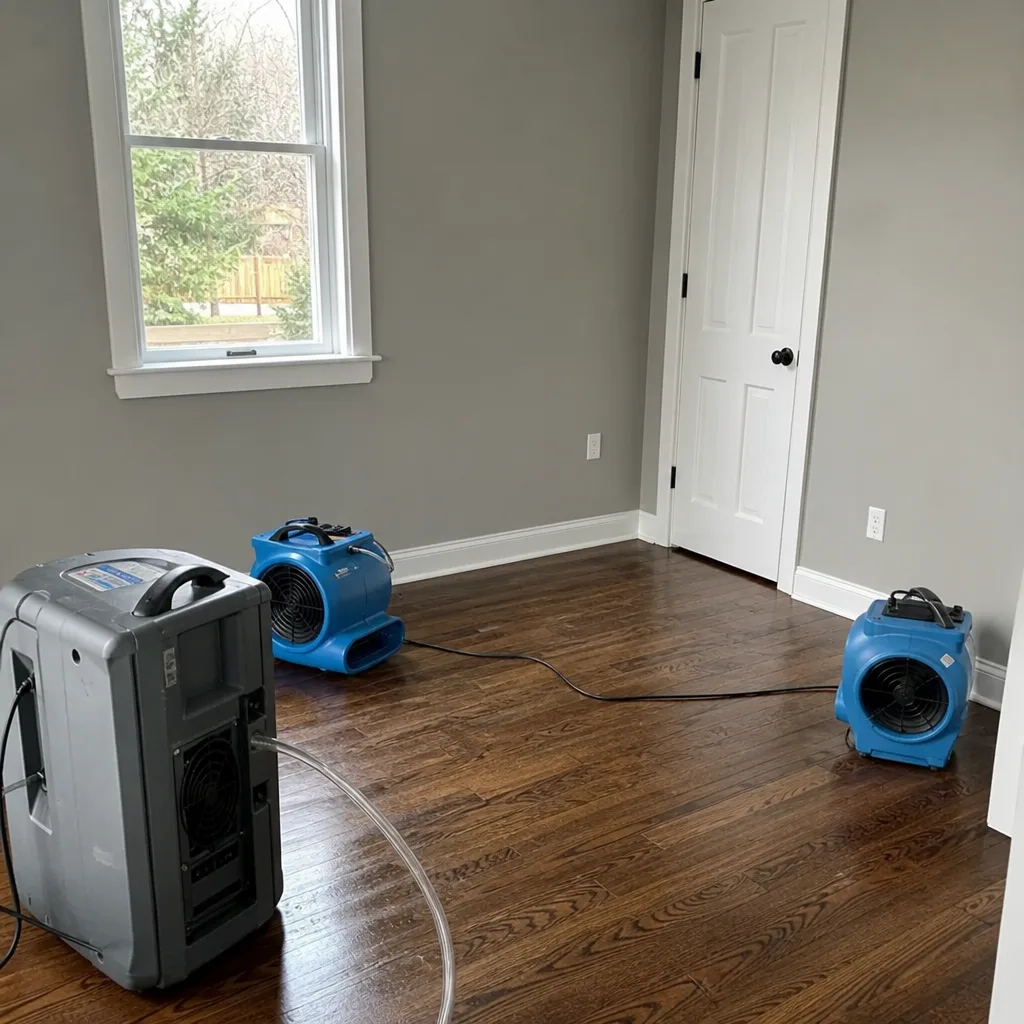 After
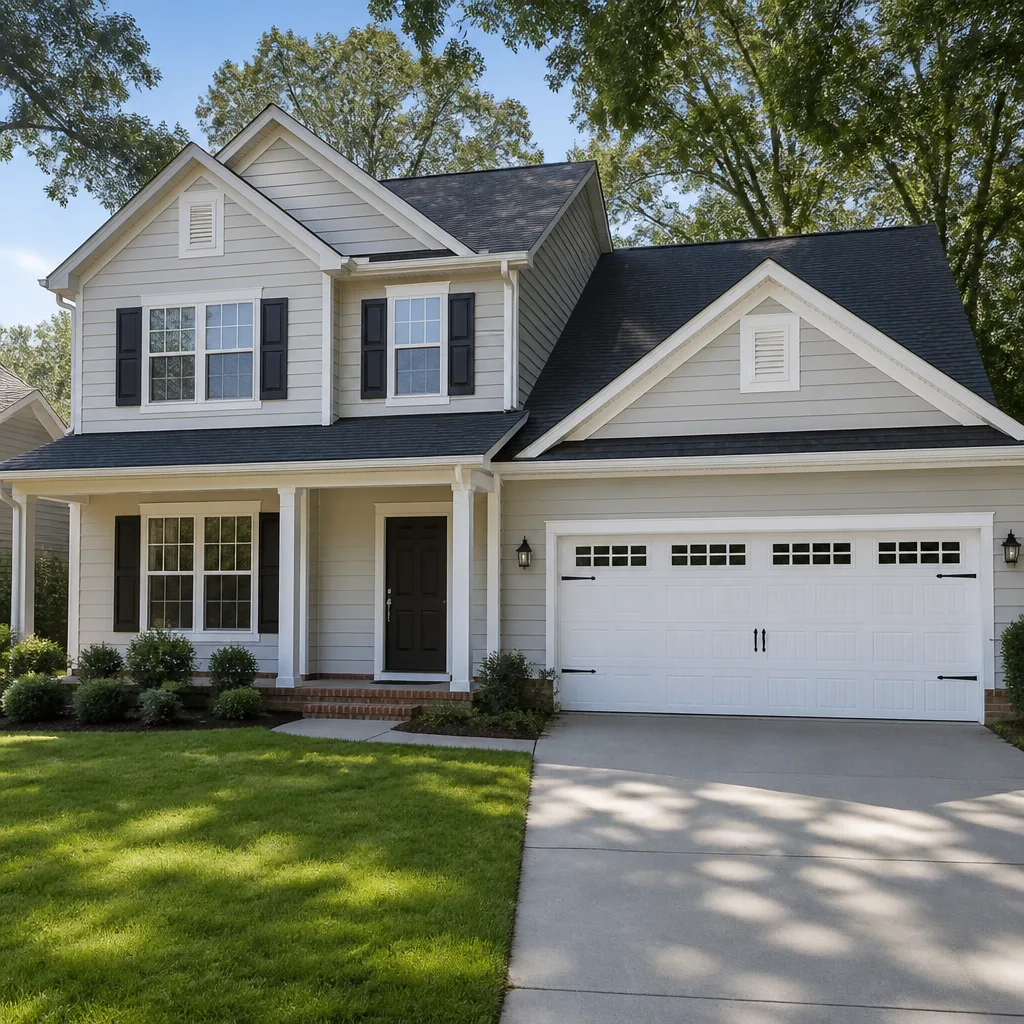
After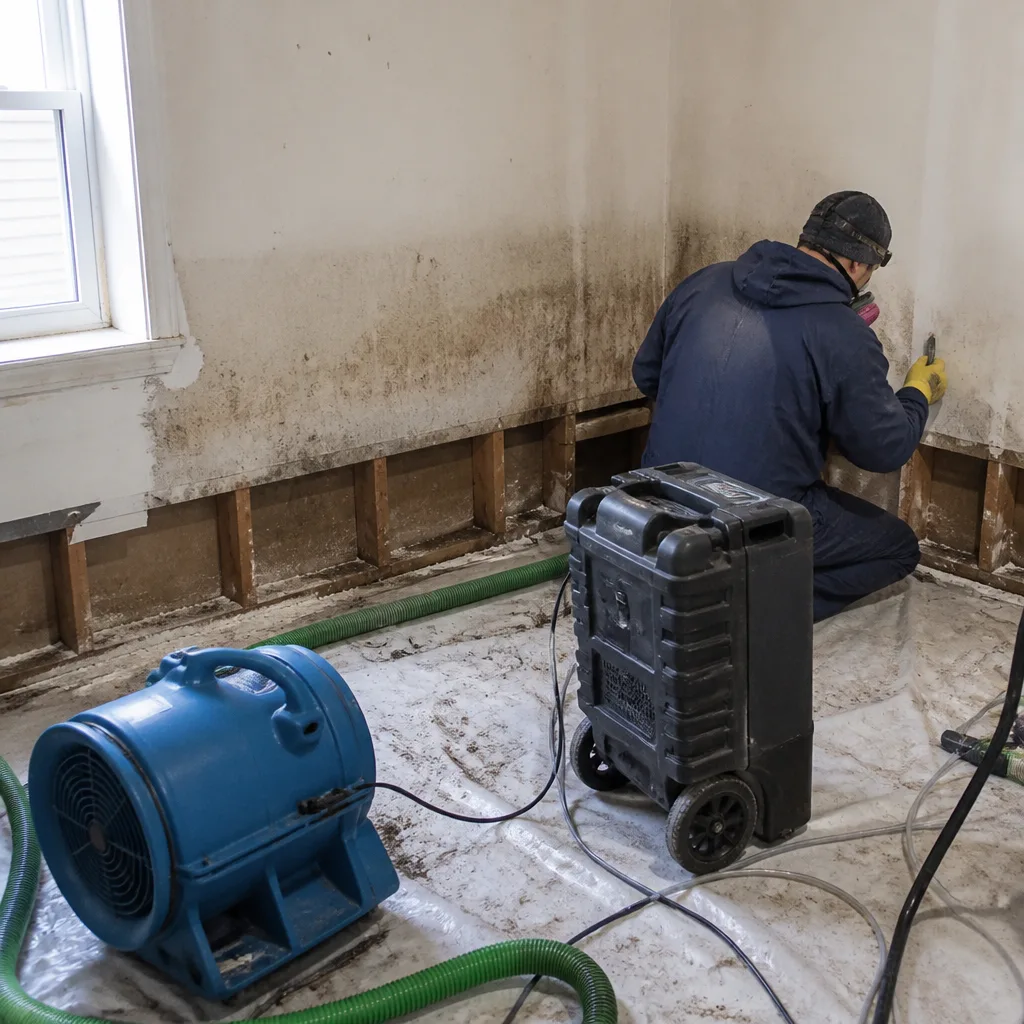 Before
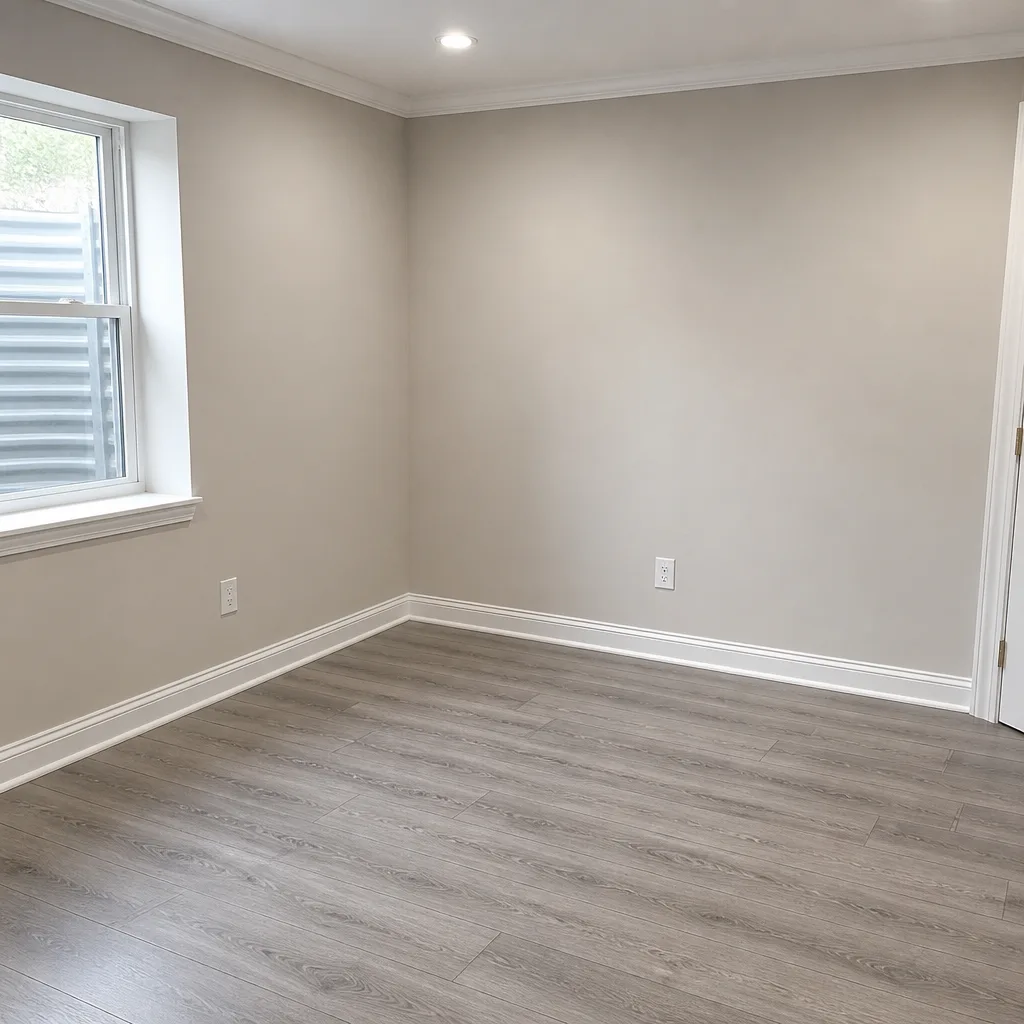 After
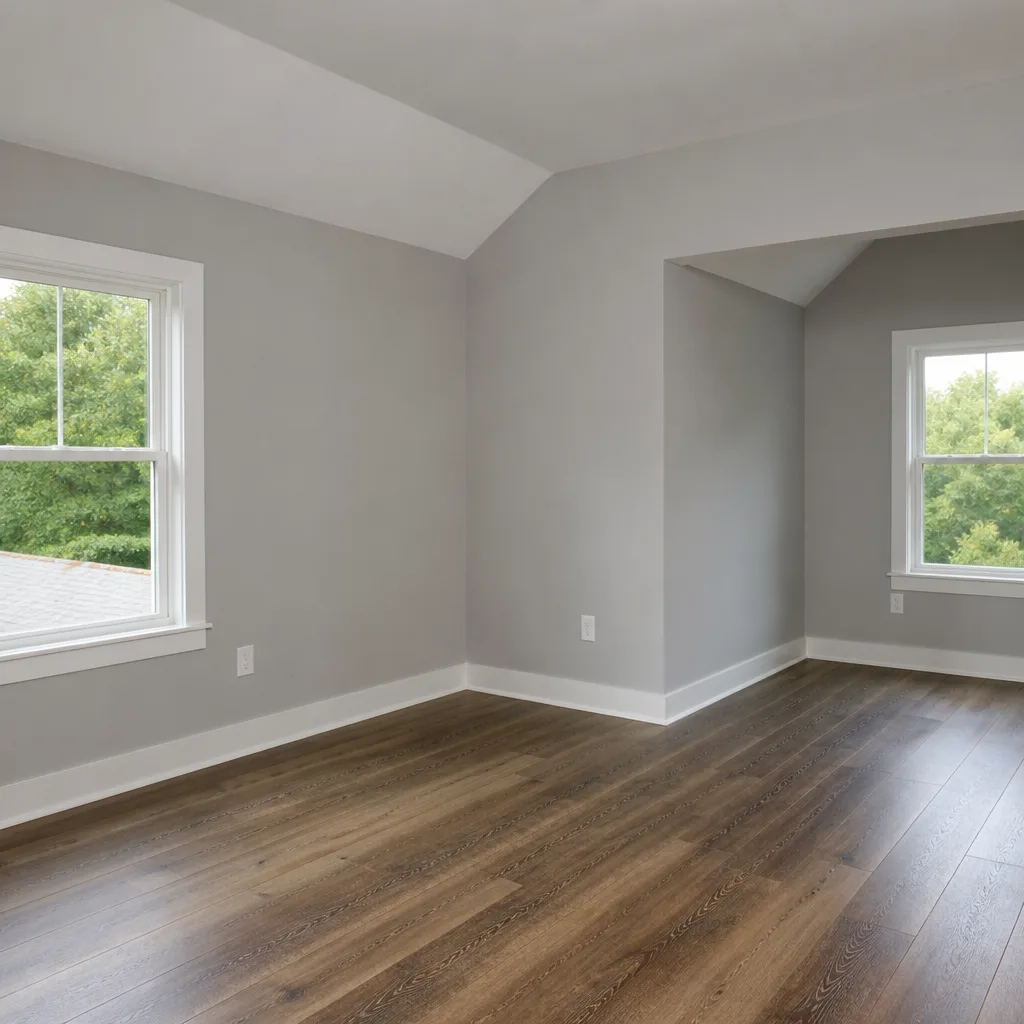
After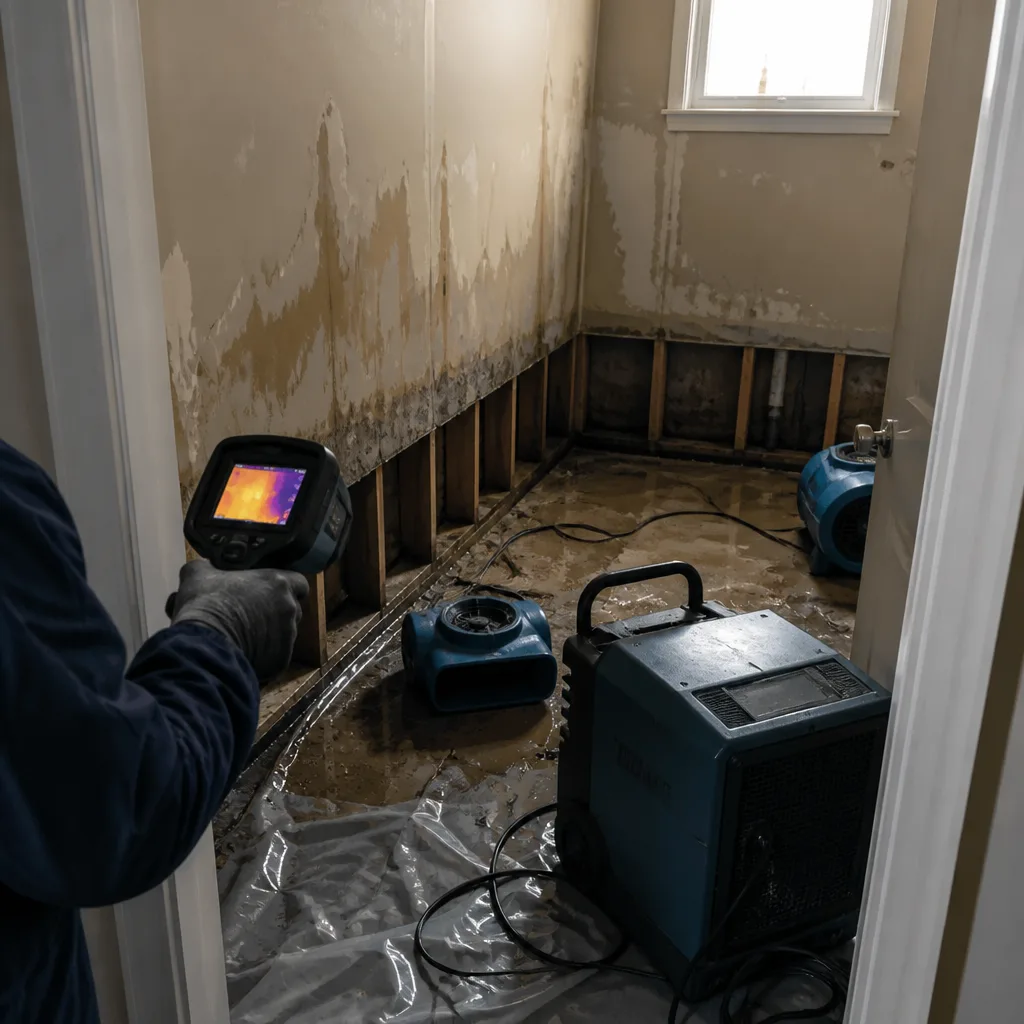 Before
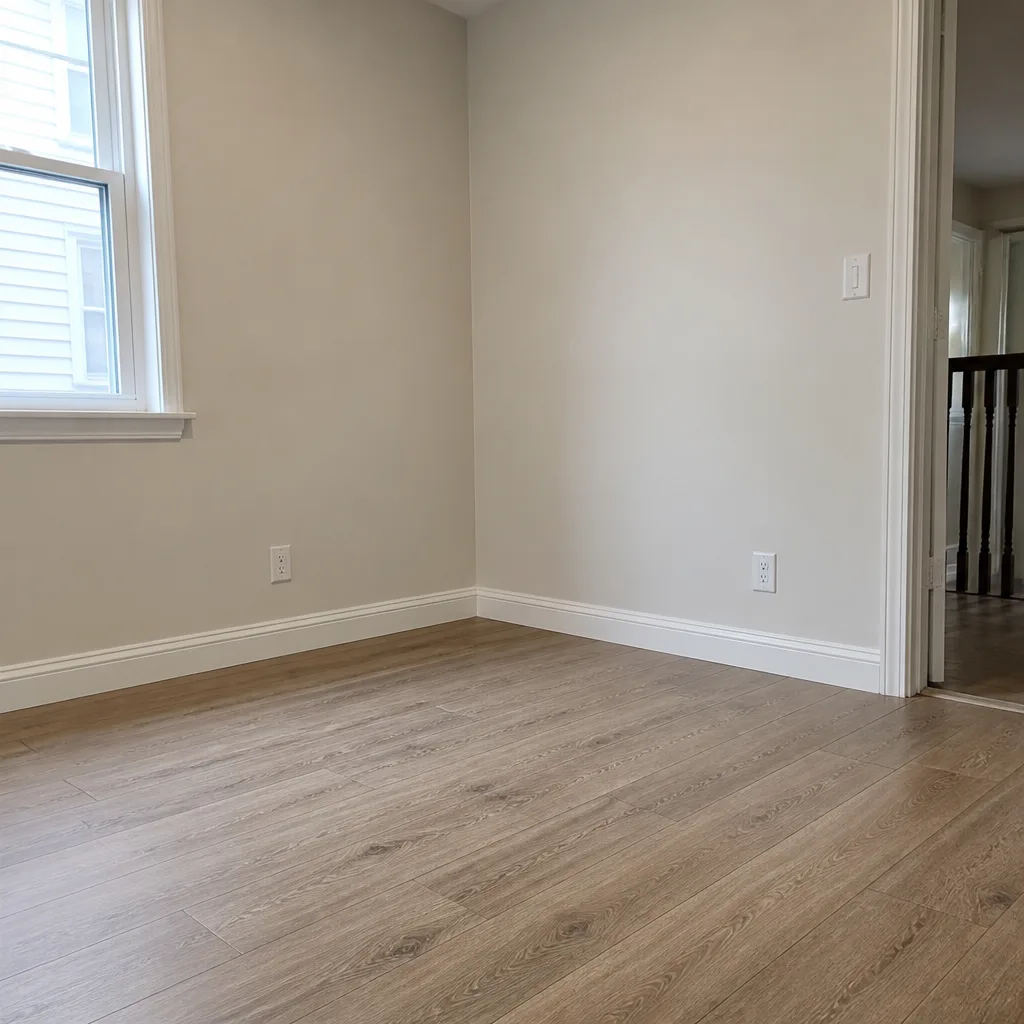 After
After24/7 Emergency Storm & Disaster Restoration in Union City
Storm damage in Union City moves fast, and so do we. When a nor’easter rips flashing off a roof on Bergenline Avenue or a wind-driven branch smashes a fourth-floor window above a shared stairwell, you need crews who know this city’s buildings. Call Wade’s Restoration at (856) 501-6142 any hour. A live person answers, Wade Ferris himself picks up, and we head out to Union City with extraction and stabilization equipment already loaded. The first hour decides whether water saturates one apartment or migrates through shared masonry into three stacked units below. We start the moment you call.
Understanding Storm & Disaster Restoration Severity in Union City Properties
Union City’s housing stock makes storm impact categorically different from what a suburban home would see. Most buildings are pre-1940s, four-to-six-story attached brick tenements with shared party walls, original cast-iron drains, and flat or low-slope roofs. When a storm breaches a roof membrane or blows out a window, water enters a building where there is almost no cavity separation between units. That water migrates laterally through floor joists and vertically through original horsehair plaster, producing Category 2 and Category 3 contamination within 48 hours even in units that were never directly wet. Our Storm & Disaster Restoration crews run moisture mapping room by room, floor by floor, because treating only the visible wet apartment in a connected Union City tenement is how you guarantee a callback mold claim six weeks later. Soot from a fire in one unit travels the same shared voids, and smoke residue settles behind lath and plaster where a standard cleanup never reaches. We extract, contain, dry, and then verify with documentation you can hand to an adjuster.
Why Union City Property Owners Choose Wade’s Restoration
- 45-minute response commitment into Union City. When a pipe bursts or a storm tears open a roof, we are not scheduling you for tomorrow. Wade heads out immediately, with extraction running inside the hour in most of Union City.
- 24/7 live answer, no answering service. Call (856) 501-6142 at 3 a.m. and you get Wade, not a menu tree. He is the one who shows up, and he is the one you call back.
- IICRC-certified crews, WRT and ASD certified. Our people carry the Water Restoration Technician and Applied Structural Drying certifications, plus Fire Smoke Restoration Technician credentials. That is the training that keeps a multi-unit Union City job from turning into a liability.
- Free visual inspection and honest scope. We look at the damage, take moisture readings with thermal imaging and hygrometers, and tell you what actually needs doing. No pressure, no inflated line items. If you already have a written estimate from another company, we will give you a free second opinion. No charge for that.
- Direct insurance billing and adjuster coordination. Wade talks to your carrier so you do not have to translate between two sides. Photo documentation from the first hour gets attached to the claim, and the line-item scope matches industry-standard estimating software.
- One team from extraction through reconstruction. The crew that pulls the water out is the same crew that rebuilds the wall. Nobody hands your home off to a subcontractor you have never met, and nobody says “that’s a different department.”
Our Storm & Disaster Restoration Process
Inspection & Assessment
We walk the full affected footprint, including adjacent units through shared walls and floor cavities. Thermal imaging finds moisture that is not visible yet. We categorize the water, map the migration, and give you a written scope before any demolition starts.
Extraction & Stabilization
Standing water comes out with truck-mounted and portable extraction units. If the storm left openings in the roof or windows, we board up and tarp now so no more water enters while we work. Stabilization stops the loss from growing.
Drying & Dehumidification
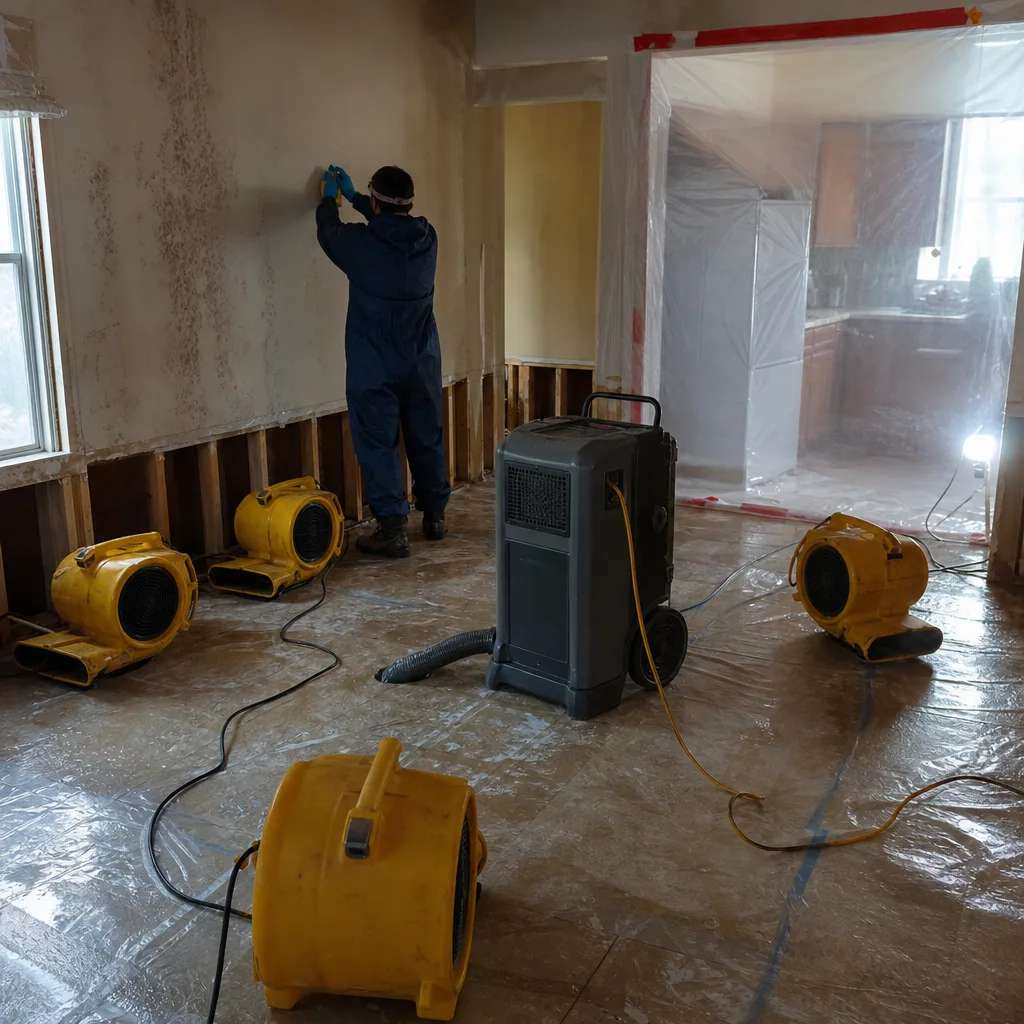
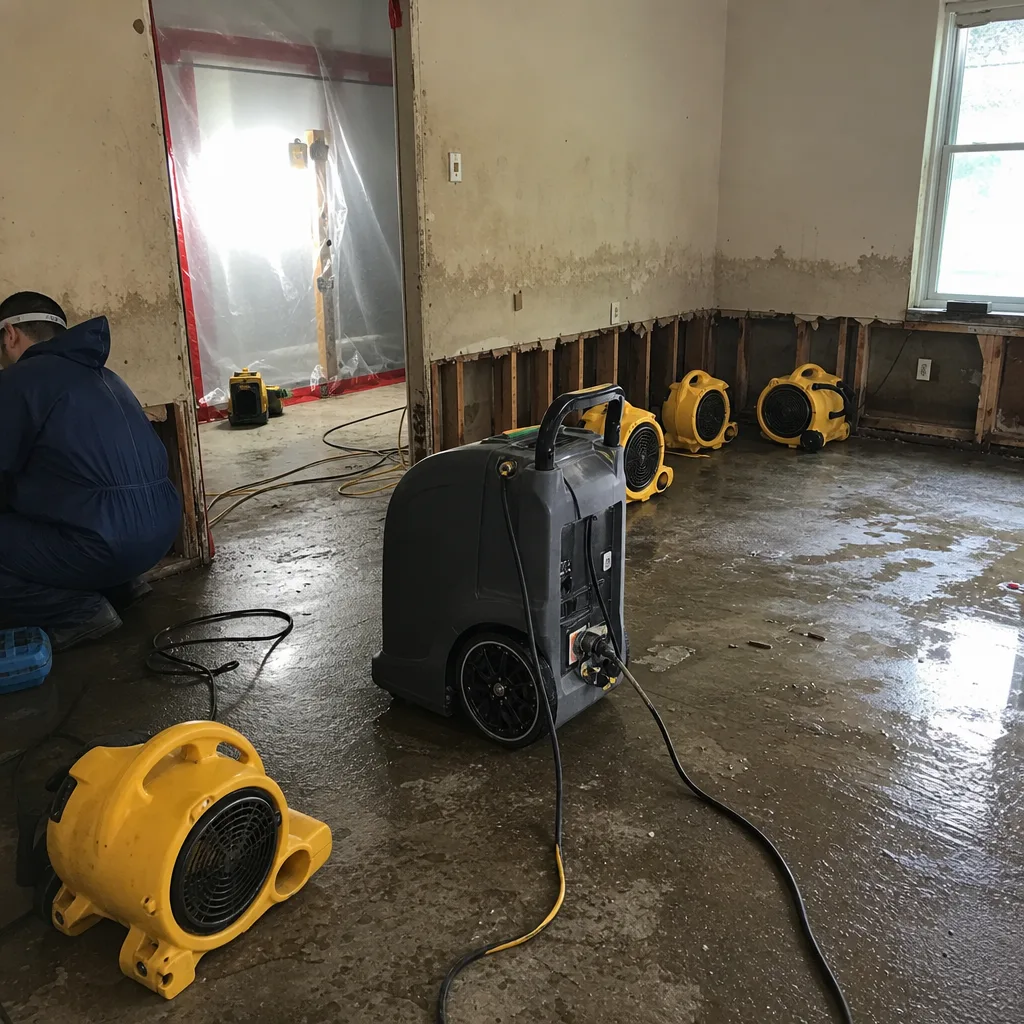
We set air movers and LGR dehumidifiers, including Phoenix and Dri-Eaz equipment, with a drying plan built for Union City’s masonry envelope. Brick and plaster hold moisture differently than drywall, so we take daily moisture readings and adjust placement until the structure hits dry standard.
Cleaning & Sanitization
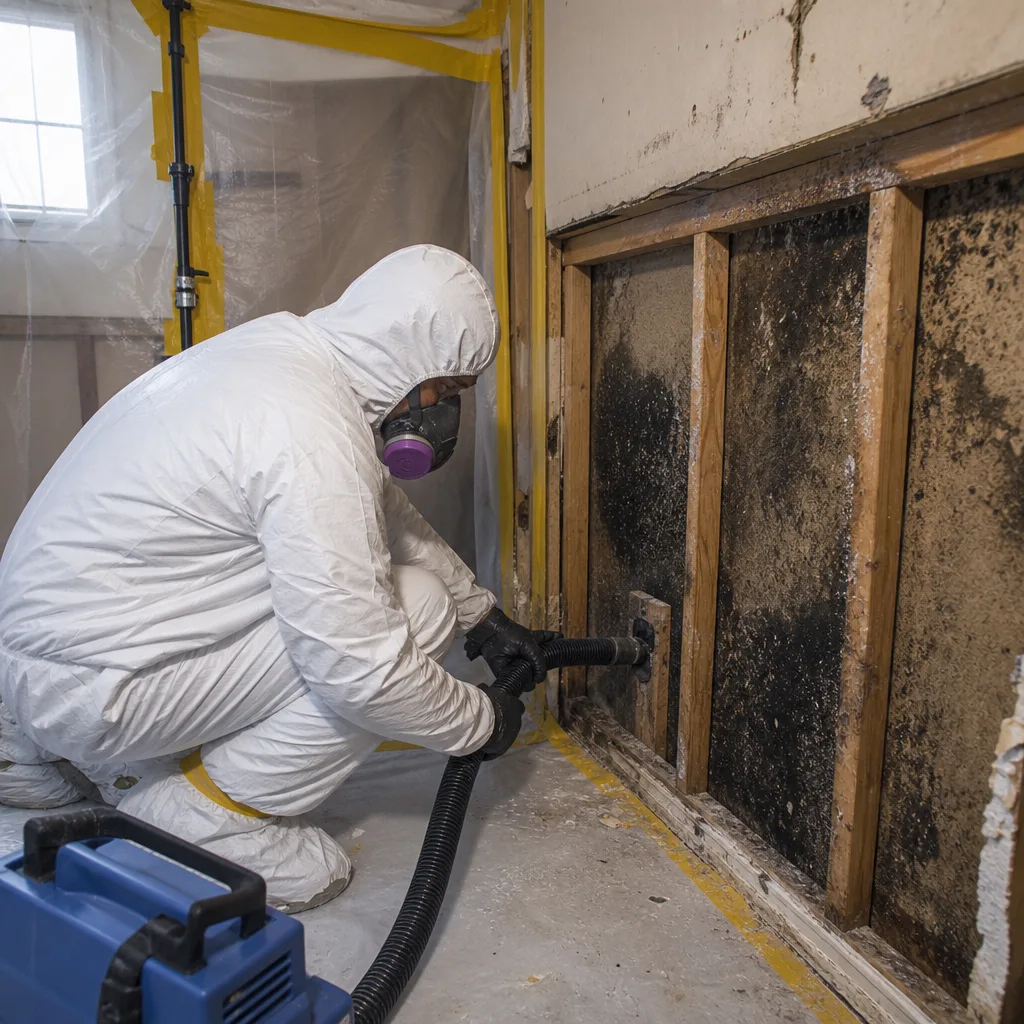
For Category 2 or 3 water, we apply antimicrobial treatments and clean salvageable surfaces. HEPA air scrubbers run during any mold-impacted work. In storm damage with sewage or floodwater contact, we treat it as a contamination event from the start.
Specialty Treatment for Storm & Disaster Restoration
Brick masonry and horsehair plaster need targeted drying. We use Injectidry systems to pull water from inside wall cavities without tearing out every wall, and we protect original plaster where it is salvageable. For multi-unit losses, we run simultaneous containment on each floor so drying does not cross-contaminate.
Repairs & Restoration
Once the structure is dry and verified, we rebuild. New drywall, plaster patches, paint, flooring, trim, and any roof or window repairs from the storm. The 90-Day Done Right Promise applies in writing on every water, fire, and mold job: if it is not done right, Wade makes it right.
Need Emergency Storm & Disaster Restoration in Union City Now?
Crews minutes away, answering live 24 hours a day. The sooner we start, the less it costs.
Working With Your Insurance Company
Storm and flood claims in Union City almost always involve insurance, often more than one policy when multiple units are involved. We document from the first hour: photos of every room, moisture readings on a running log, and a line-item scope of work that your adjuster can read against industry-standard pricing. Wade talks to the insurance company directly, so you are not the one stuck relaying technical details between a mitigation crew and a claims department. If your carrier pushes back on a line item, we explain why the work is necessary and show the documentation that supports it.
What We Provide Your Insurer
- Thorough documentation of the loss
- Photos of all damage, room by room
- Moisture readings and drying logs
- A detailed, line-item scope of work
- Direct coordination with your carrier
Built for Union City’s Loss Calendar
Union City has its own disaster rhythm, and we know it well. From October through March, nor’easters push wind-driven rain against brick facades on exposed upper-story units west of JFK Boulevard. Freeze-thaw cycles work on every open mortar joint, and by late January the accumulated water is running down inside wall cavities, not outside where you can see it. Spring brings the thaw and the first visible staining on ceilings, plus flat-roof scuppers clogged with winter debris backing water up onto membranes. Summer thunderstorms overwhelm the old cast-iron roof drains faster than they can discharge, especially on the older tenement blocks running east toward the Palisades. When Hurricane Sandy hit, Union City’s position atop the escarpment spared the street-level tidal flooding that swamped Hoboken and Jersey City, but the wind damage to windows and roofs on the upper floors was substantial. Any serious storm restoration in Union City has to account for the age of these systems, because a 1920s roof drain does not have the capacity of a modern one, and a 90-year-old brick wall has already soaked up decades of weather before this storm ever arrived.
Storm & Disaster Restoration Across Union City’s Neighborhoods
Response routes matter in a city this dense. When we get a call from the blocks around Washington Park or from Palisade Avenue near the border with North Bergen, we know we are likely looking at wind damage to upper-story windows or roof membrane failures over occupied rental units. Along Bergenline Avenue, the commercial storefronts on the ground floor with three or four apartments above create a stacked loss: water from a failed parapet or clogged scupper runs straight down through the retail space and into the residential units, and every affected party has a different insurer. In the dense tenement blocks between Summit Avenue and Park Avenue, shared party walls mean a single burst pipe or wind-driven leak almost always migrates into the neighboring unit through the floor cavity. Near the high rises around the western edge by North Hudson Park, storm exposure changes: taller buildings with more glass take wind differently, and blown-out windows or damaged balcony doors send rain into upper-floor units with finished interiors that hold water for days before detection. The neighborhoods change, but the pattern is the same: older masonry, shared walls, and water that does not stay where it landed.
We responded to a fourth-floor leak on Bergenline Avenue where a clogged scupper had backed water through the flat roof membrane and down through original horsehair plaster into three stacked units. Our Spanish-speaking crew set containment on each floor, ran moisture mapping and structural drying with Dri-Eaz and Phoenix equipment, and coordinated a scope of work with the landlord and two tenants’ insurance adjusters before mold could set in. That is the Union City job in one story: multiple floors, multiple parties, multiple claims, one crew working all of it at once.
Specialized Storm & Disaster Restoration Services We Offer in Union City
Storm Damage Cleanup
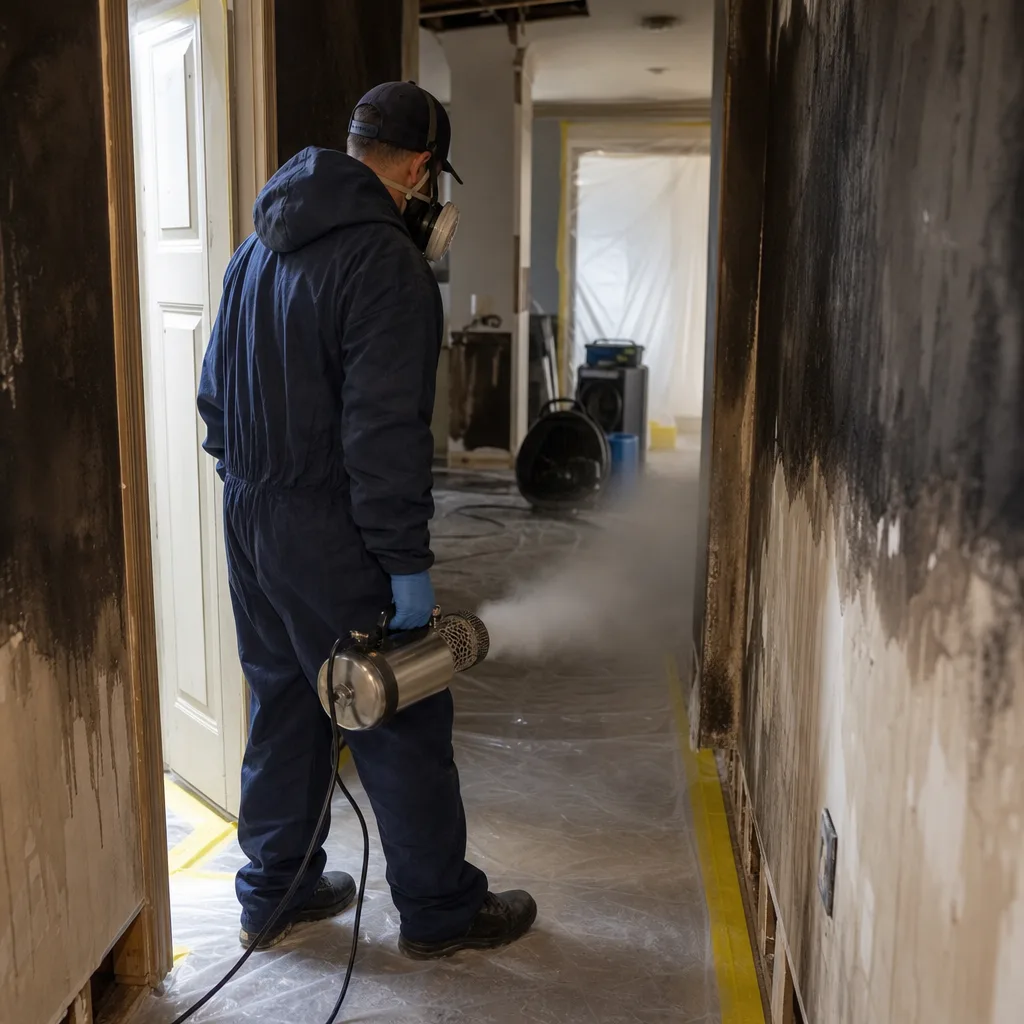
After a storm, Union City tenements need more than standing water removal. We pull wet debris, safe off compromised ceilings, remove saturated plaster where it will not dry, and set drying equipment sized for masonry construction. Cleanup includes the adjacent units, not just the one that called first, because in this housing stock the water has already traveled.
Flood Damage Restoration
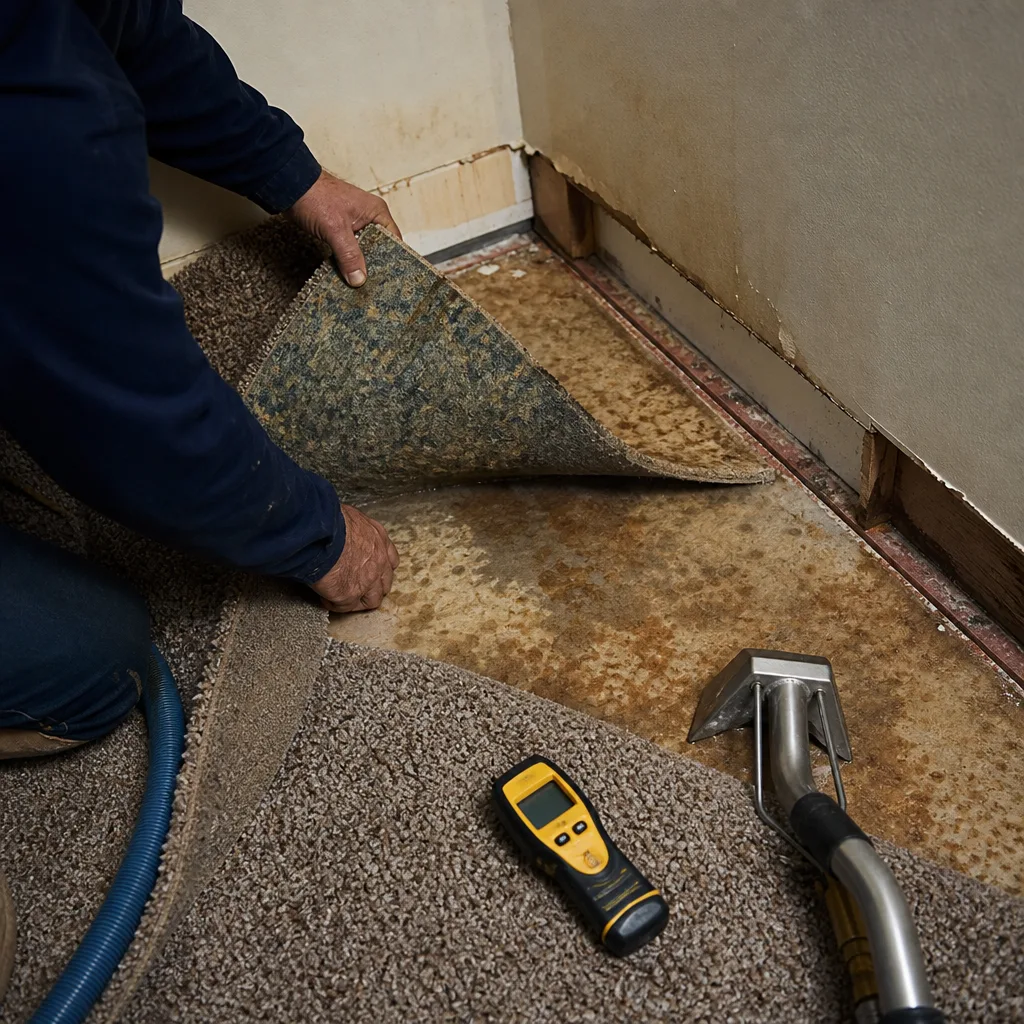
Whether the source is a backed-up roof drain, a burst supply line, or a flooded basement in one of the older buildings with below-grade utility rooms, flood damage in Union City requires Category 2 or 3 water handling. We extract, remove contaminated materials, sanitize, and dry to a documented standard your insurer will accept. Basement floods in the row houses off Central Avenue often involve cast-iron drains that are original to the building and no longer sized for modern rainfall intensity.
Emergency Board-Up
When a storm blows out a window on a top-floor unit or a tree limb comes through a roof, the building is open to weather, pests, and theft. We board up and secure the opening the same day, often within the hour. On upper floors, this means working from ladders or lifts in wind conditions, which is exactly why you want a crew that does this on pre-war masonry buildings regularly. A proper board-up on an attached tenement also protects the units below from water running down through the breach.
Roof Tarping
Flat and low-slope roofs on Union City’s older buildings do not shed wind the way a modern pitched roof does. When membrane is peeled back or flashing is torn away, tarping has to be secured against wind uplift and weighted so it does not become a sail. We tarp before interior drying begins, because drying a unit while water is still entering through the roof is a losing game. The tarp stays until permanent roof repairs are scheduled, and we coordinate that timeline with your adjuster.
Debris Removal
Storm debris in a dense neighborhood like Union City is not just a cleanup problem; it is a sidewalk and egress hazard. We remove fallen plaster, broken glass, soaked insulation, and structural debris from inside units, then handle disposal in accordance with local requirements. We also clear roof drains and scuppers of the storm debris that caused the backup in the first place, so the next rain event does not repeat the loss.
What happens when you call
- 1
A real person answersNo phone trees - you reach a local pro.
- 2
You get an upfront price rangeHonest numbers before anyone is dispatched.
- 3
A background-checked tech heads outLicensed & insured, dispatched right away.
- 4
You approve before work beginsNothing starts until you say go.
Storm & Disaster Restoration Costs in Union City, NJ
Storm damage restoration in Union City runs on a wide range because the building stock is so varied. A straightforward roof leak into one apartment with minor ceiling damage and a few days of drying typically runs $1,200 to $3,800. A multi-unit event where water has migrated through shared walls and floor cavities, with containment on multiple floors and three to five days of structural drying, generally lands between $6,000 and $18,000. Emergency board-up for a blown-out window or roof breach runs $350 to $900 for same-day response and materials. Roof tarping on flat tenement roofs typically runs $450 to $1,500 depending on access difficulty and square footage. The variables: how many units are affected, whether Category 3 water is present, whether original plaster must be removed or can be dried in place with Injectidry cavity drying, and how much reconstruction is required. Insurance covers most of these losses, and we bill your carrier directly. Call (856) 501-6142 for a free inspection and a firm written scope, no commitment required.
Free second opinion. If you have a written estimate from another company, Wade will review it for free. No charge for that, and Senior and Veteran discounts apply always.
We Also Serve Cities Near Union City
Our crews serve Union City and the surrounding Hudson County area, including Storm & Disaster Restoration in Union City neighbors like Hoboken, Secaucus, Jersey City, and North Arlington. Dispatch and scheduling are coordinated from the brand’s New York City office; crews serve Union City locally. Same response standard applies everywhere we work.
Serving Union City, NJ - Our Local Coverage Area
We’re based in the Union City area and know this community well. Use the map below to see our service coverage - if you’re nearby, we can almost certainly help.
Union City Storm & Disaster Restoration Questions, Answered
How quickly can mold start in Union City’s century-old plaster walls after a roof leak?
Mold can start colonizing in wet plaster and lath within 48 to 72 hours in Union City’s older buildings, especially in warm months, because plaster holds moisture longer than modern drywall and the wall cavities are rarely vented. We start drying within hours, not days, and run HEPA air scrubbers during any mold-impacted work.
What does water category mean for a burst pipe in a Union City walk-up?
A burst clean supply line in a walk-up is Category 1 water at the point of release, but by the time it has run through floor cavities, soaked original plaster, and picked up decades of accumulated dust and debris, it is treated as Category 2 or 3. In attached masonry buildings, we almost always handle it as contaminated water and apply antimicrobial treatment after extraction.
Why do I need bilingual Spanish-speaking crews for storm restoration in Union City?
Union City’s tenant population is heavily Cuban-American and broader Latino, and restoration work affects tenants, landlords, and family members who may be more comfortable communicating in Spanish. Our Spanish-speaking crew members explain what is happening, what to expect, and what tenants need to do, so nobody is left confused or frightened in the middle of a storm loss.
How do you handle simultaneous multi-unit drying in an attached brick tenement?
We set containment on each affected floor, run separate airflow and dehumidification plans per unit, and take daily moisture readings that we document for each apartment. The drying plan accounts for shared walls and floor cavities, and Wade hands the full moisture log to the landlord and each affected unit’s insurer at the end. Almost nobody in this trade does that.
Do I need emergency board-up after a storm breaks windows on a top floor of a Union City tenement?
Yes. An unsealed window on an upper floor lets rain, wind, and pests into the building, and water runs down through the floor cavities into the units below. Board-up is a same-day priority, and we do it before any interior drying starts. Call (856) 501-6142 and Wade will head out.
How fast can someone actually get to my building in Union City?
Typically within 45 minutes for emergency storm response anywhere in Union City. Wade answers the phone himself and heads out from the local crew staging. Call (856) 501-6142 and ask for him.
Will insurance cover storm damage in a Union City rental building?
Most storm damage is covered under the applicable property policy, but multi-unit buildings often involve separate policies for the landlord and each tenant. We provide the photo documentation, moisture logs, and line-item scope each insurer needs, and Wade coordinates directly with the adjusters so the claim moves without you relaying everything between two sides.
What should I do in the first 30 minutes after storm damage hits my Union City apartment or building?
Turn off the water if a pipe burst, avoid wading through standing water if it may be electrically charged or sewage-contaminated, move valuables off the floor if safe to do so, and call (856) 501-6142. Then take photos of everything before anything is moved. Do not open walls or pull baseboards; that can spread contamination and complicate the insurance documentation. We will be there fast.
If storm damage is spreading through your Union City building right now, do not wait. Call Wade’s Restoration at (856) 501-6142 and a live person answers, day or night. We will get there fast, tell you straight what needs doing, and handle the insurance side so you do not have to.
Written by Wade Ferris, Owner at Wade’s Restoration, serving Union City since 2007.