
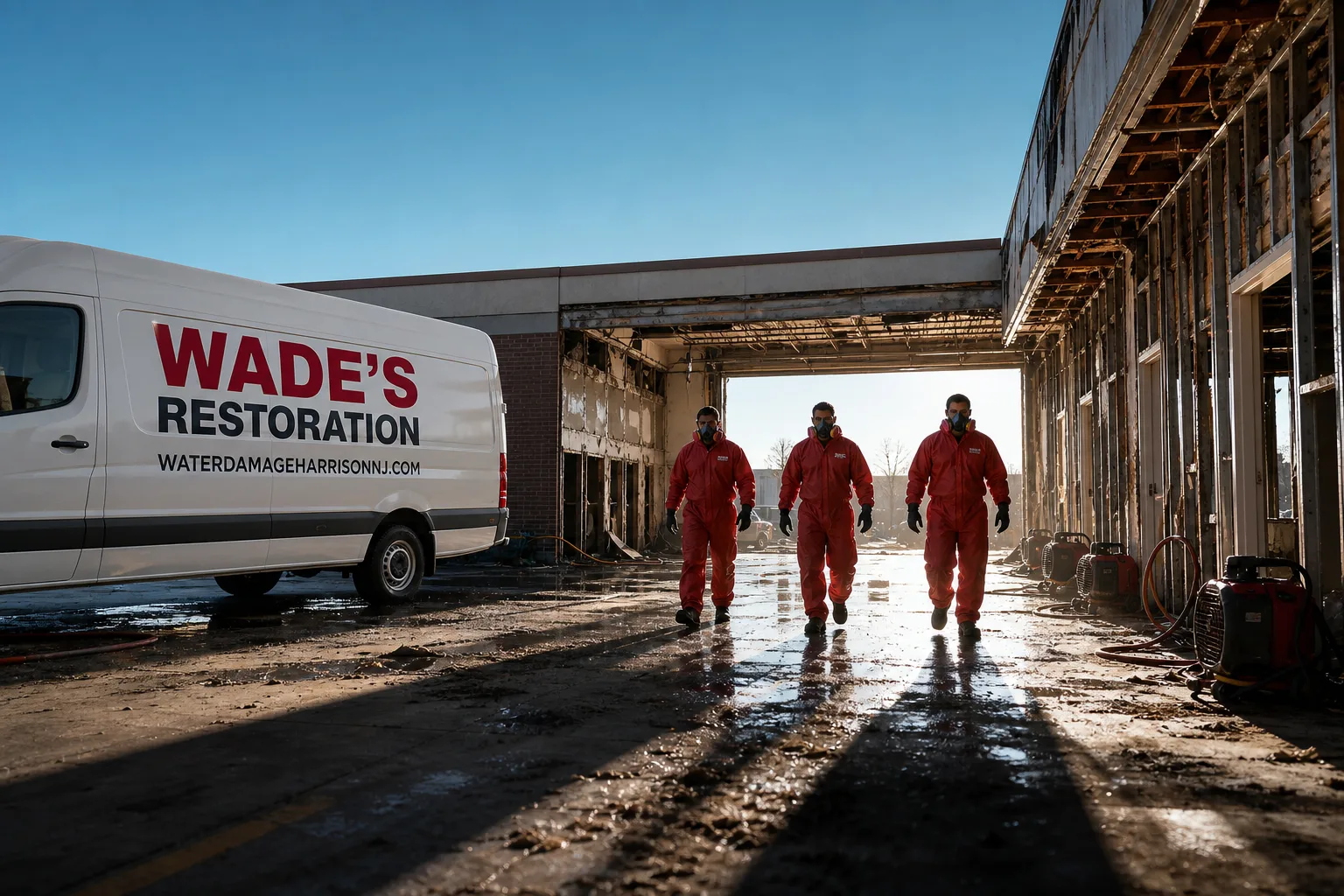
Free visual inspection and a written scope of work before any mitigation begins - photos, moisture readings, and drying logs go in your claim file
The scope we write is the scope we bill. Anything new gets shown to you, in writing, before we touch it.
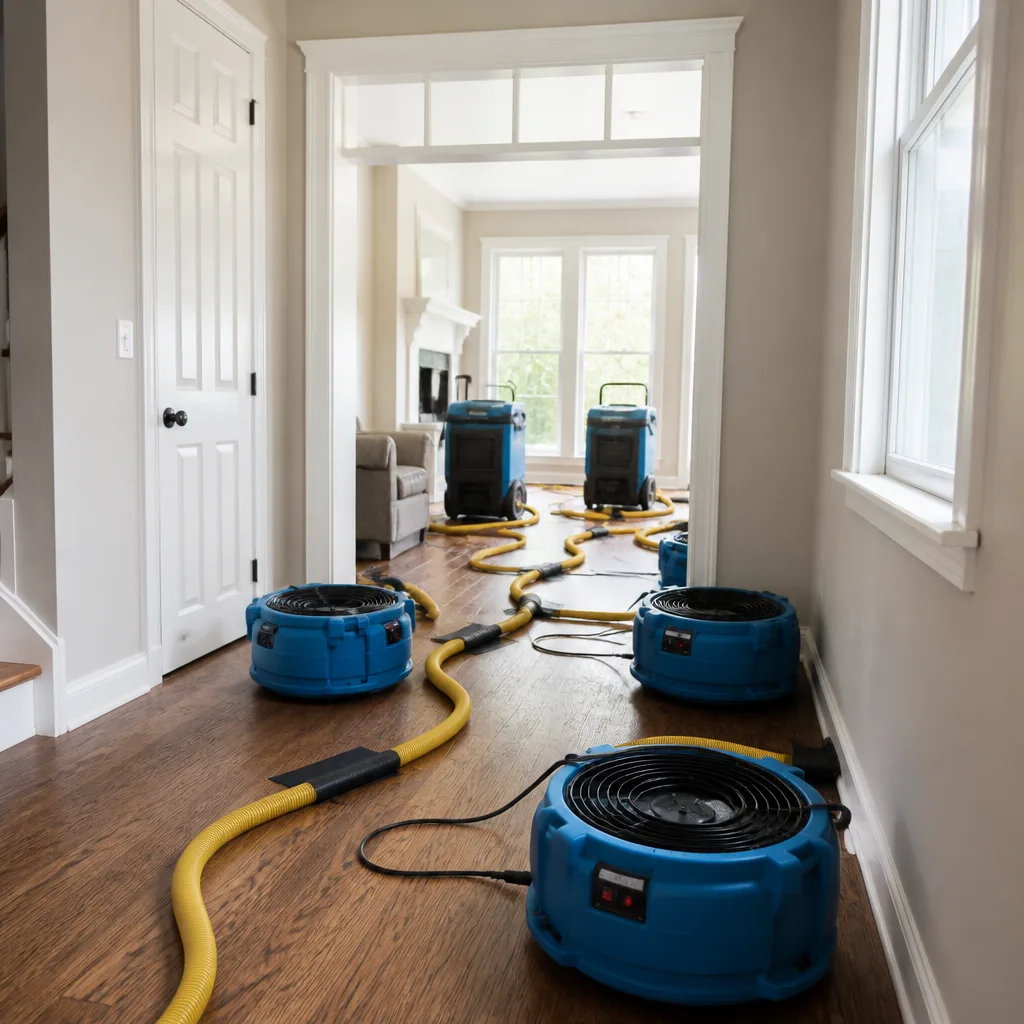
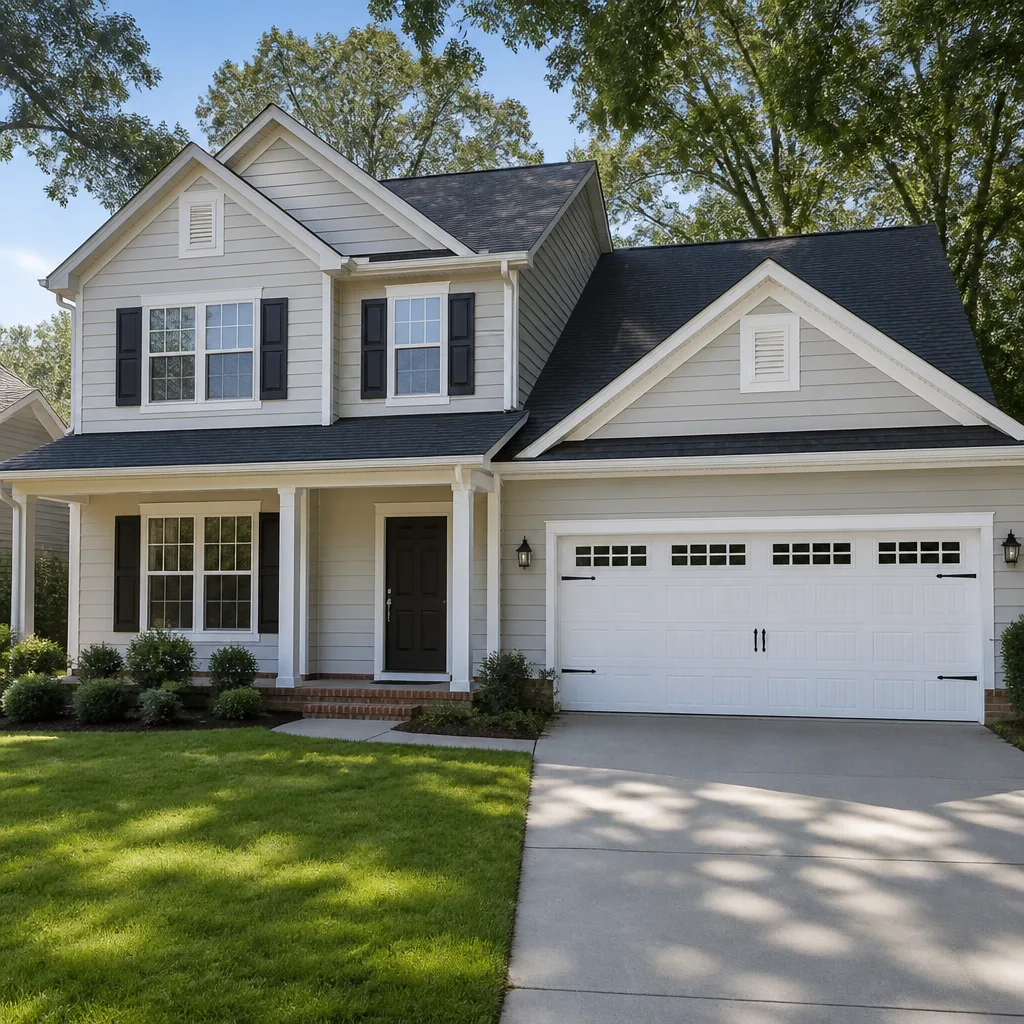


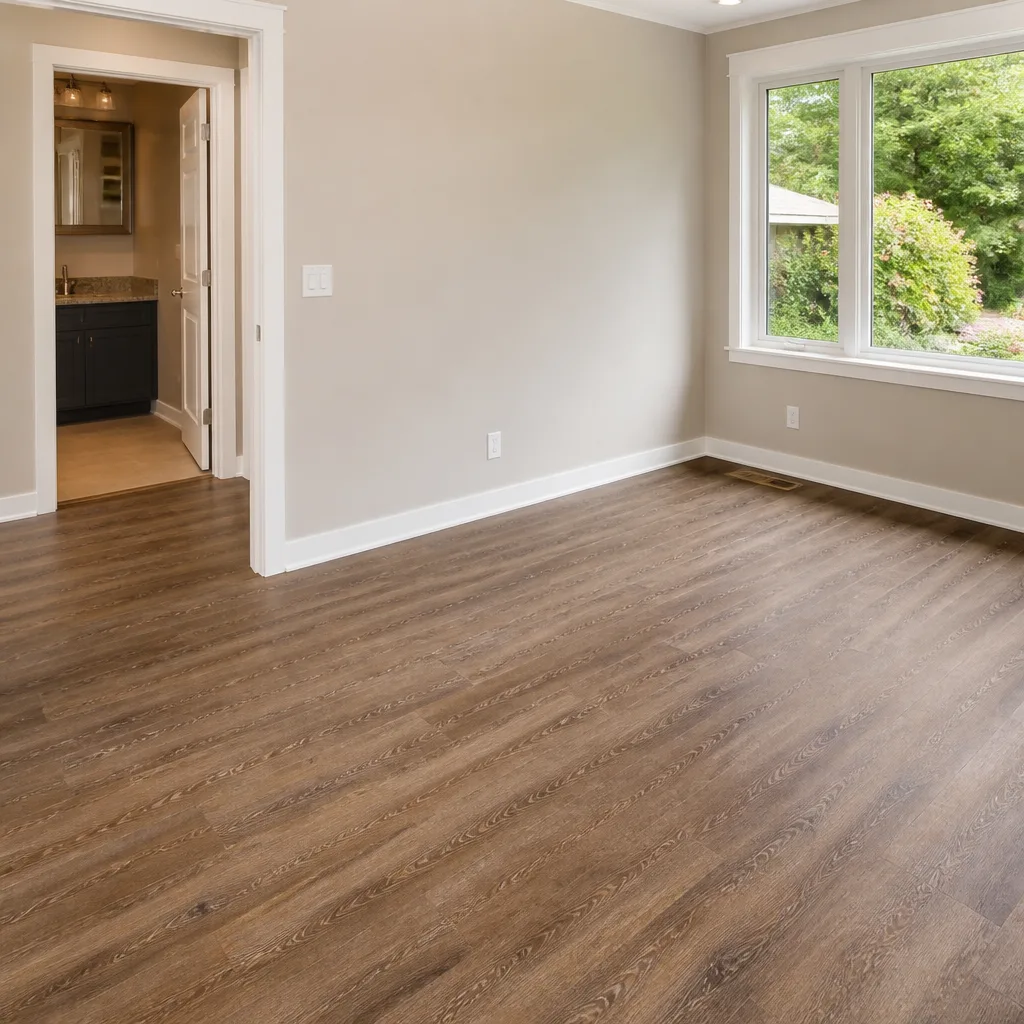
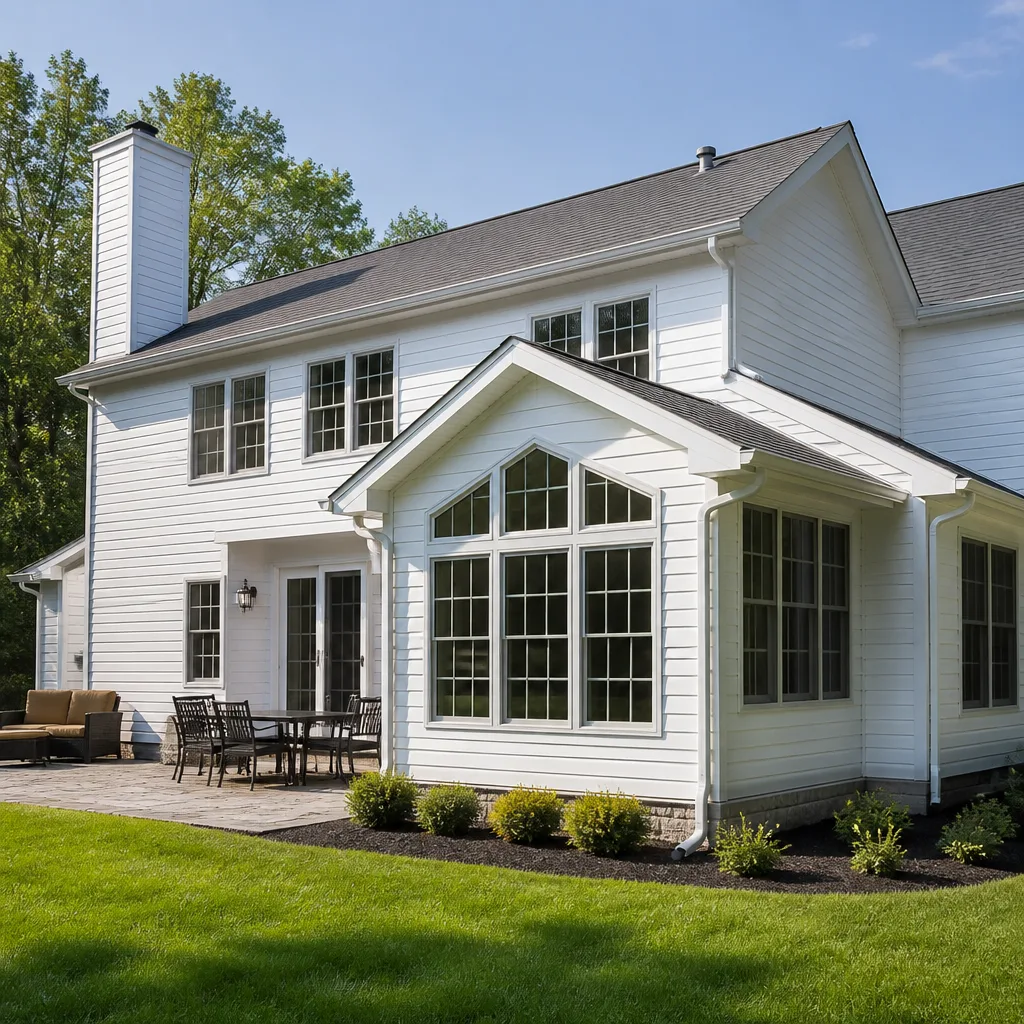
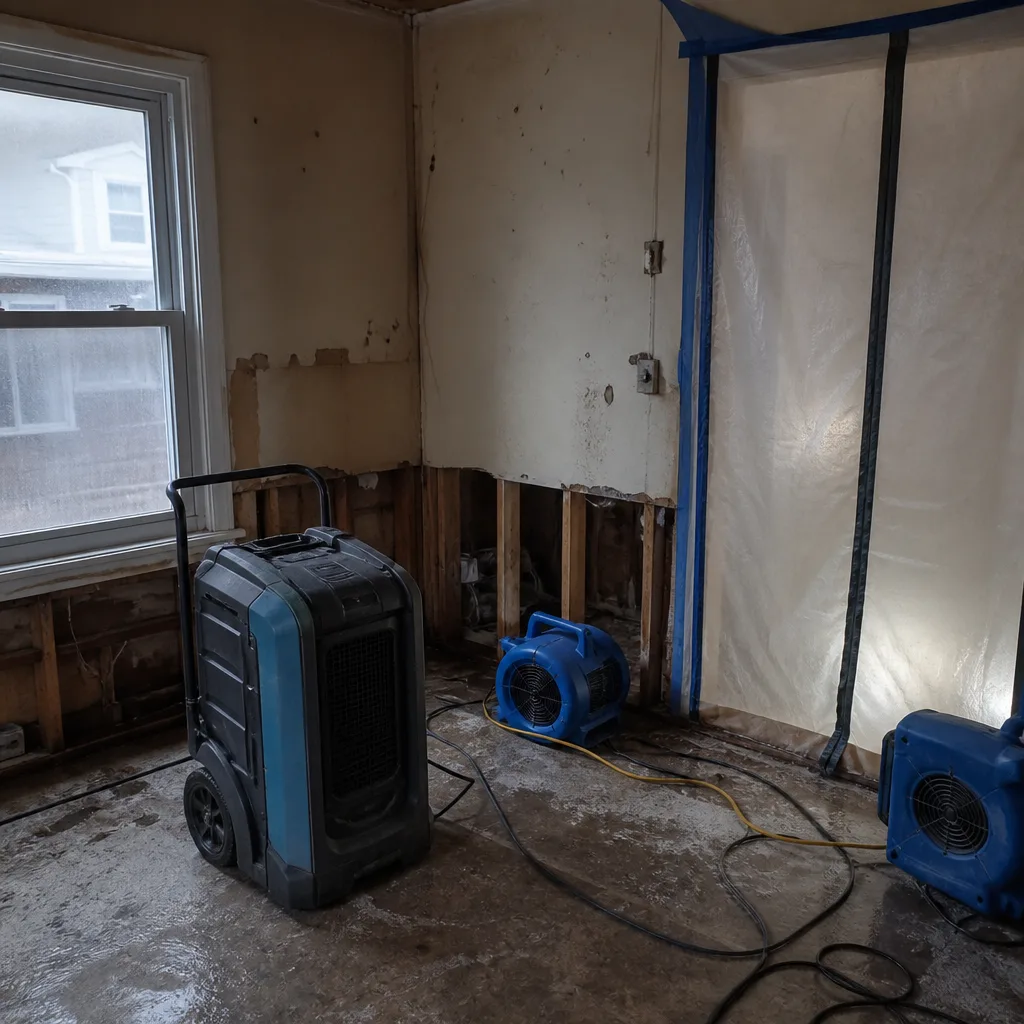 Before
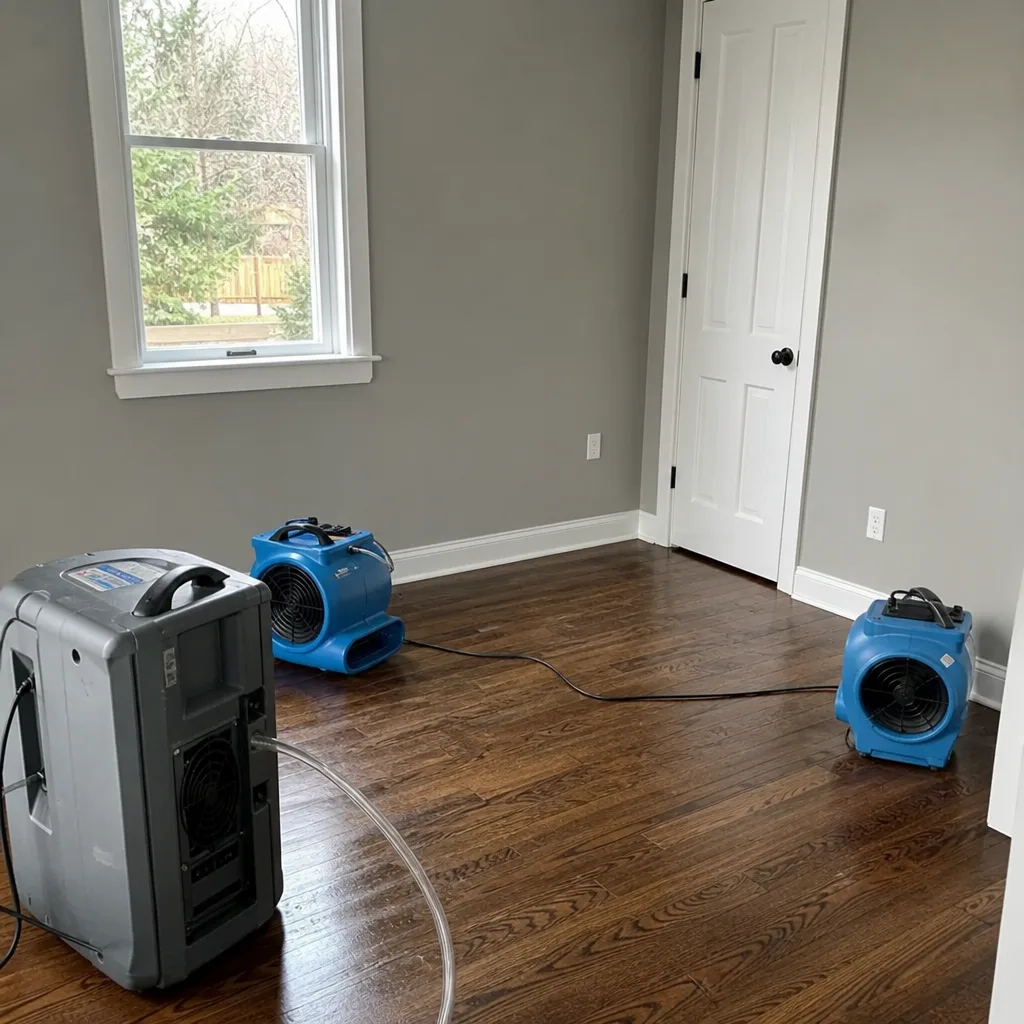 After
After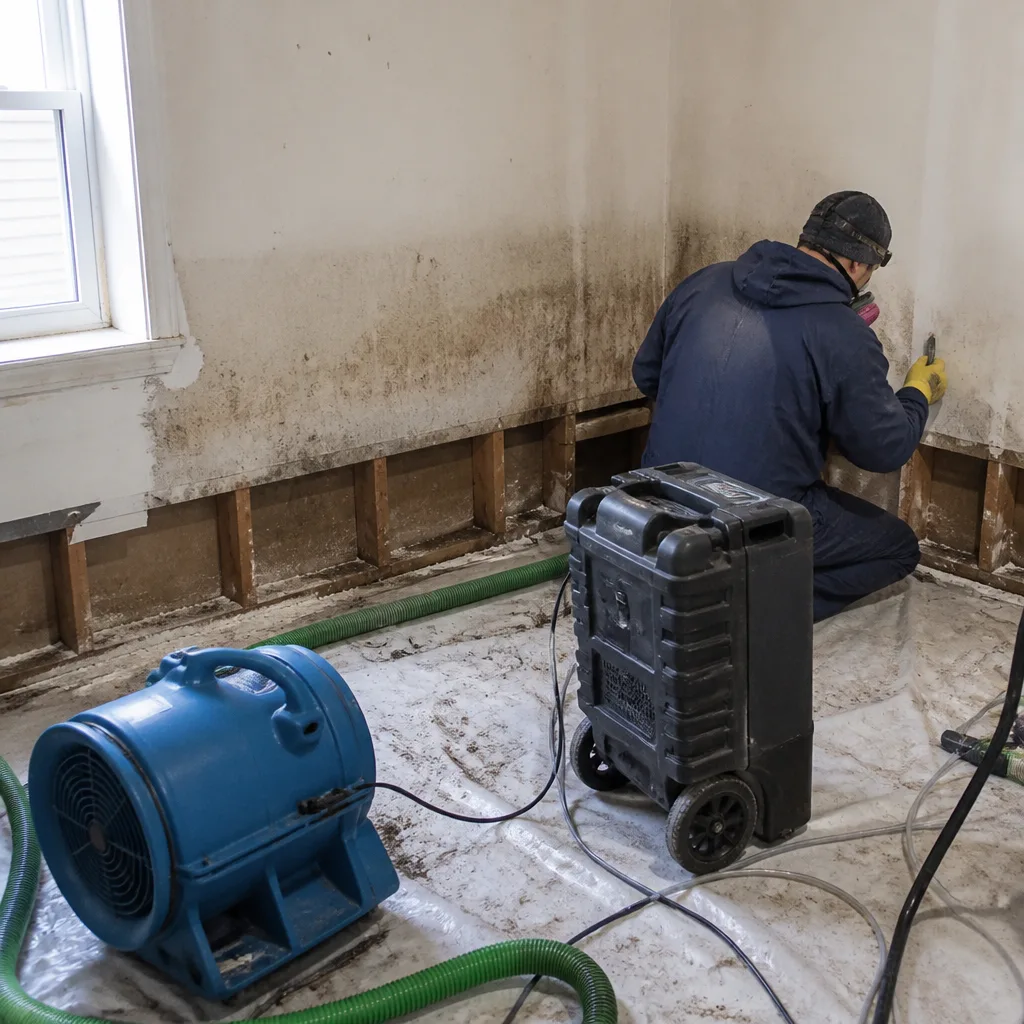 Before
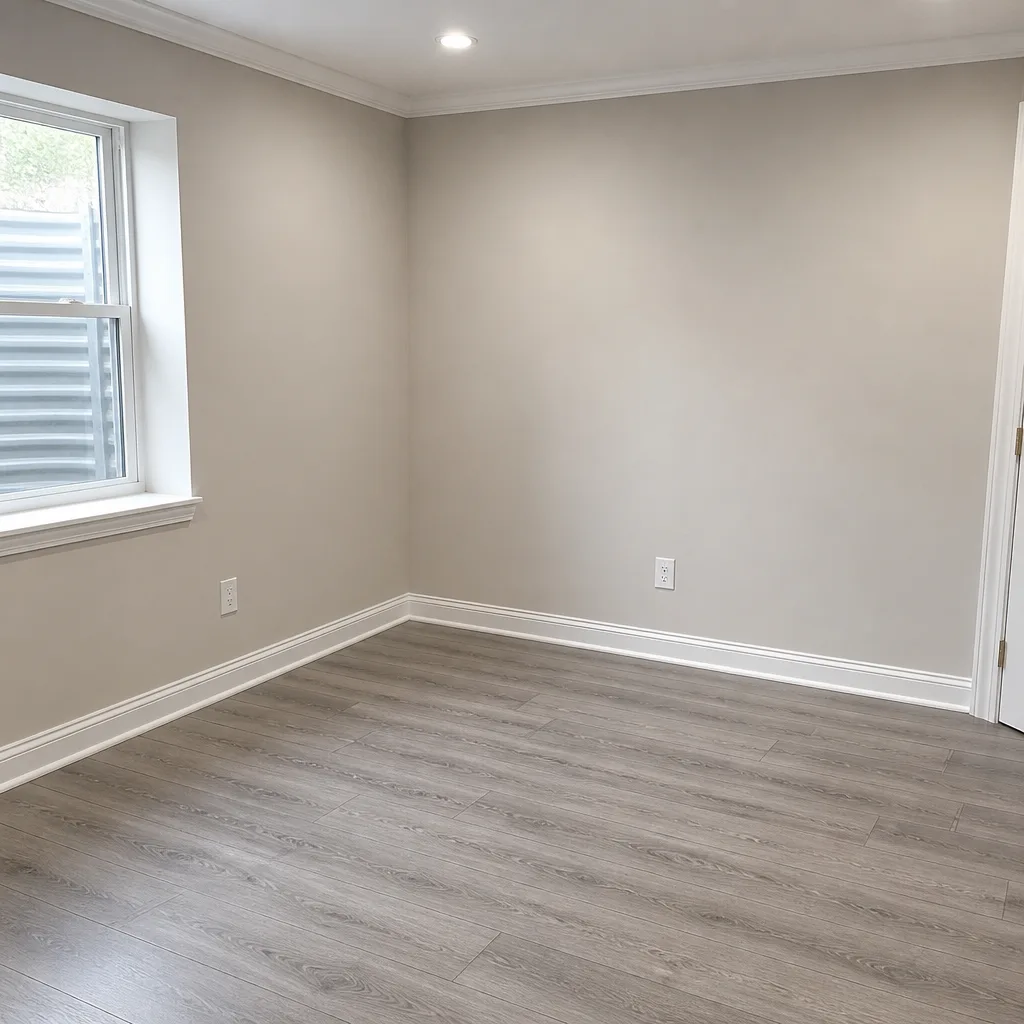 After
After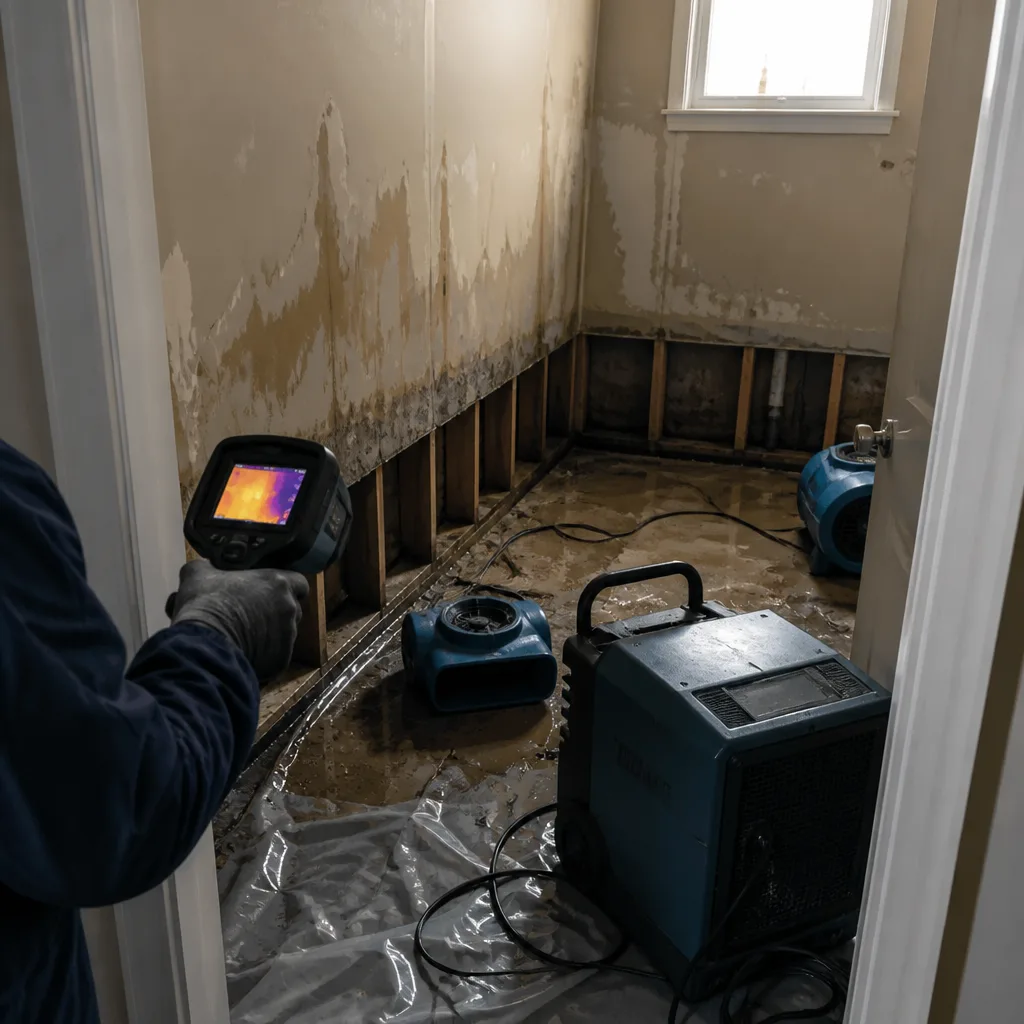 Before
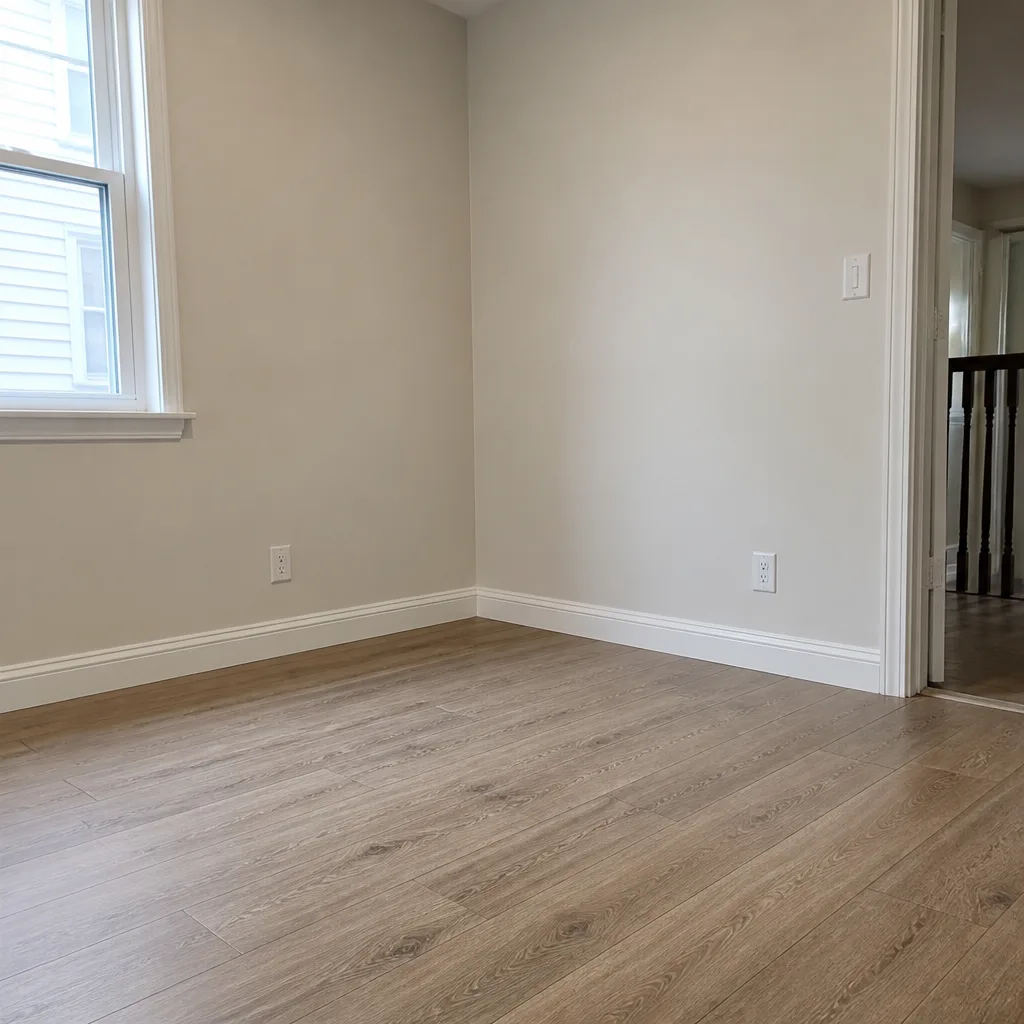 After
After24/7 Emergency Storm & Disaster Restoration in Jersey City
Storm damage in Jersey City doesn’t wait for business hours, and neither do we. When a nor’easter pushes water past the bulkhead or a summer thunderstorm sends a combined sewer lateral surging into your basement, you need a crew that can be on-site within the hour. Call (856) 501-6142 and you’ll get Wade Ferris, the owner, not an answering service. He answers his own phone, 24 hours a day, seven days a week. Our Storm & Disaster Restoration team works across Jersey City, and we head out immediately for storm damage, flood water, and wind-driven debris. The first hour matters more than most people realize: saltwater from the Hudson and Newark Bay starts corroding galvanized supply lines fast, and sewage-tainted water becomes a biohazard the moment it sits.
Understanding Storm & Disaster Restoration Severity in Jersey City Properties
Jersey City’s housing stock makes storm restoration a different animal here than in the suburbs. In Van Vorst Park and Hamilton Park, you’re dealing with pre-WWI brick rowhouses that still have original horsehair plaster, cast iron drains, and lime mortar. Those materials soak up water differently than drywall and modern framing. In the post-1990s glass high-rises along the waterfront, you get water intrusion through curtain wall failures, roof drains backing up under wind load, and basement parking levels that channel storm surge. Then there’s the water classification itself. A “basement flood” that comes from a backed-up combined sewer lateral in The Heights isn’t Category 1 clean water. It’s Category 3, meaning sewage-contaminated. Calling it a flood and treating it with a wet vac leaves biohazard residue behind plaster, under baseboards, inside wall cavities. We classify by source first, not by what the water looks like. That’s the difference between a restoration that holds and one that fails six months later when the mold blooms.
Why Jersey City Property Owners Choose Wade’s Restoration
- 45-minute response commitment for storm and flood damage anywhere in Jersey City. Wade heads out himself, and extraction starts inside the hour when the site is accessible.
- 24/7 live answer. No voicemail, no call center, no “leave a message and we’ll get back to you.” You call, Wade answers. Even at 2 a.m.
- IICRC-certified crews with WRT (Water Damage Restoration Technician), FSRT (Fire & Smoke Restoration Technician), and AMRT (Applied Microbial Remediation Technician) credentials. Background-checked, uniformed, and holding real training, not a franchise orientation.
- Free visual inspection on every storm call, whether or not you file a claim. You’ll know what you’re dealing with before you commit.
- Direct insurance billing and adjuster coordination. Wade talks to your carrier, so you’re not relaying messages between two sides.
- One team from extraction to reconstruction. The same crew that pumps the water also rebuilds the wall. No handoffs, no scope gaps, no finger-pointing.
Our Storm & Disaster Restoration Process
Inspection & Assessment
We arrive, walk the property, and map the full scope of water, wind, and debris damage. We use thermal imaging and moisture meters to find water behind plaster, under flooring, inside wall cavities. You get a written scope before any work starts.
Extraction & Stabilization
Standing water comes out first with truck-mounted extraction and XPOWER submersible pumps. We stabilize the site immediately: board-ups on broken windows, roof tarping over exposed decking, and shoring where structural integrity is in question.
Drying & Dehumidification
Dri-Eaz and Phoenix dehumidifiers and air movers go in same day. In Jersey City’s tightly-packed rowhouses, humidity traps behind brick and plaster, so we run daily moisture readings, not guesswork. You get a full drying log at the end.
Cleaning & Sanitization
Every affected surface is cleaned, then treated with antimicrobial agents where water classification requires it. Category 3 water means full Biohazard & Crime Scene Cleanup in Jersey City protocol, not just a mop and fan.
Storm-Specific Treatment
Saltwater intrusion gets dedicated treatment, including corrosion control on exposed supply lines and fasteners. Combined sewer backups get containment, HEPA air scrubbing, and our Sanitization Services in Jersey City include clearance testing before anyone re-enters the space.
Repairs & Restoration
We handle Reconstruction & Cleanup - Jersey City to pre-loss condition: drywall, plaster, trim, flooring, paint. If your property falls under FEMA’s Substantial Damage 50% Rule, we coordinate with your NFIP adjuster on elevation compliance requirements before pulling permits.
Need Emergency Storm & Disaster Restoration in Jersey City Now?
Crews minutes away, answering live 24 hours a day. The sooner we start, the less it costs.
Working With Your Insurance Company
Storm damage claims in Jersey City carry wrinkles that other places don’t. NFIP flood claims have their own documentation standards. FEMA’s Substantial Damage 50% Rule can change the entire restoration path if your property is in a Special Flood Hazard Area. And a storm that damages both your roof and your basement often gets split between wind and flood coverage, which means two adjusters, two sets of paperwork, and two scopes. Wade has handled hundreds of these. He takes moisture readings every single day and hands the homeowner the full log at job’s end. He photographs everything, documents everything, and deals with the adjuster directly. You won’t be the one stuck relaying information between the carrier and the restoration crew.
What We Provide Your Insurer
- Thorough documentation of the loss
- Photos of all damage, room by room
- Moisture readings and drying logs
- A detailed, line-item scope of work
- Direct coordination with your carrier
Built for Jersey City’s Loss Calendar
Jersey City gets hit from three angles: the Hudson River, Upper New York Bay, and Newark Bay. That means storm surge doesn’t come from one direction here. In Paulus Hook and Exchange Place, water pushed by a nor’easter can arrive from the river and the bay at the same time, a dual-exposure pattern that fails standard single-front flood assumptions. January and February bring deep freezes that burst supply lines in uninsulated rowhouse walls and vacant upper-floor units. March and April bring thaw, saturating the ground and backing up storm drains across Journal Square and The Heights. Summer thunderstorms dump inches in an hour, overwhelming century-old combined sewers that serve the old rowhouse blocks. Then comes hurricane season, when every waterfront high-rise and every landfill-built block watches the surge forecasts. We plan around all of it, because we work here every day.
Storm & Disaster Restoration Across Jersey City’s Neighborhoods
Paulus Hook and Exchange Place sit on former Hudson River landfill and squarely in FEMA Special Flood Hazard Areas. When Sandy’s surge hit in 2012, it came at those blocks from the Hudson and Upper New York Bay simultaneously. Restoration there means planning for water entry from two fronts, not one. Van Vorst Park and Hamilton Park have pre-WWI brick and brownstone rowhouses with semi-finished basements dug before modern flood-zone awareness existed. Those basements trap water and humidity, and the original cast iron drains and galvanized supply lines corrode fast once saltwater touches them. Up in The Heights, the blocks off Central Avenue are dense mid-century brick with century-old combined sewer laterals. Heavy rain backs those laterals into basement apartments, and what people call a “basement flood” is actually Category 3 sewage. Bergen-Lafayette rowhouses battle the same issue. Newport’s high-rises have their own storm profile: curtain wall leaks, roof drain failures under wind load, and parking garage flooding that channels water into mechanical rooms below grade. We know the difference between a Paulus Hook surge loss and a Heights sewer backup before we park the truck, because the response plan has to be different.
Specialized Storm & Disaster Restoration Services We Offer in Jersey City
Flood Damage Restoration
The waterfront neighborhoods of Jersey City don’t flood like the rest of Hudson County. In Paulus Hook and Exchange Place, saltwater intrusion means corrosion on galvanized supply lines and fasteners, saturation behind original horsehair plaster, and a drying cycle that accounts for trapped humidity in masonry walls. We run moisture mapping across every affected room and treat saltwater as its own problem, not just “water.”
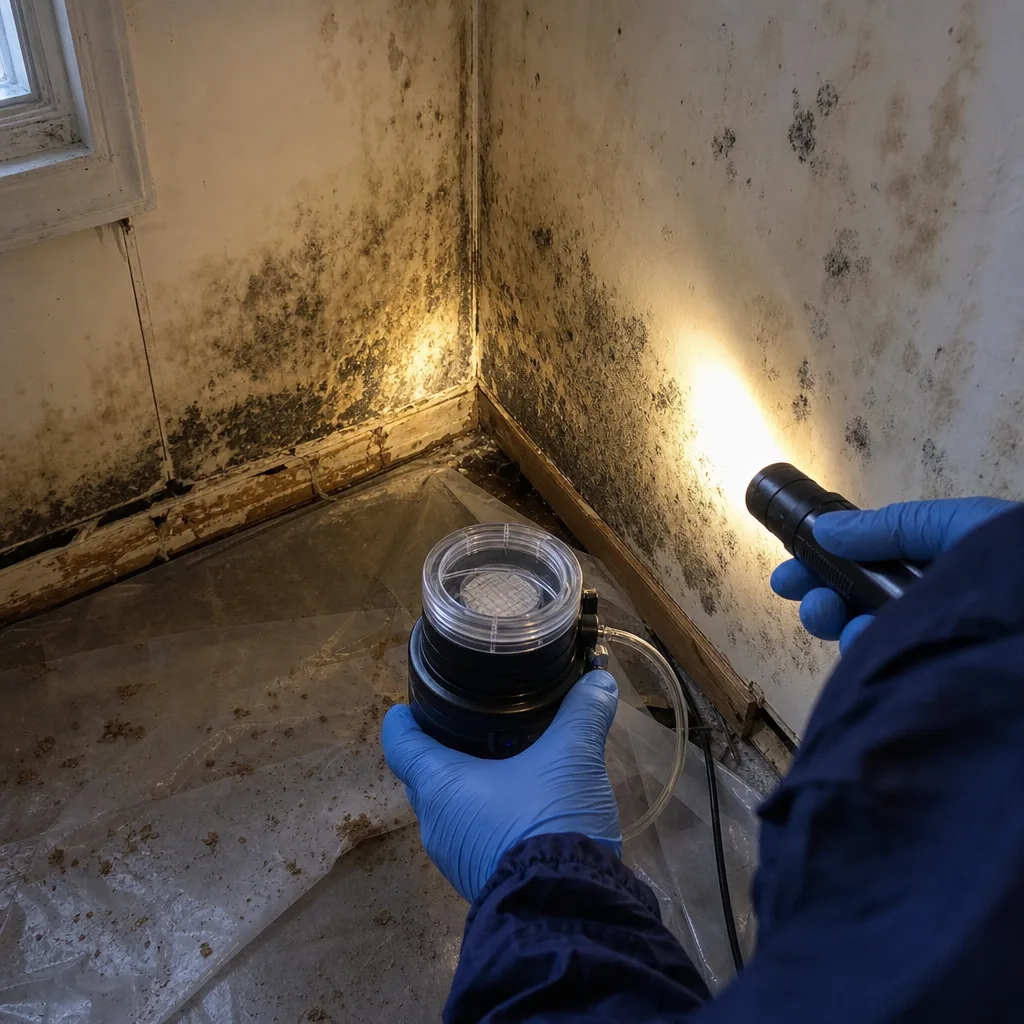
Storm Damage Cleanup
Wind-driven rain, broken windows, water-soaked insulation, collapsed ceiling sections. In Jersey City’s older rowhouses, storm cleanup usually means working around original terracotta tile and lime mortar that can’t just be cut out and replaced. We remove what’s unsalvageable, stabilize what can be dried, and document everything for your carrier.
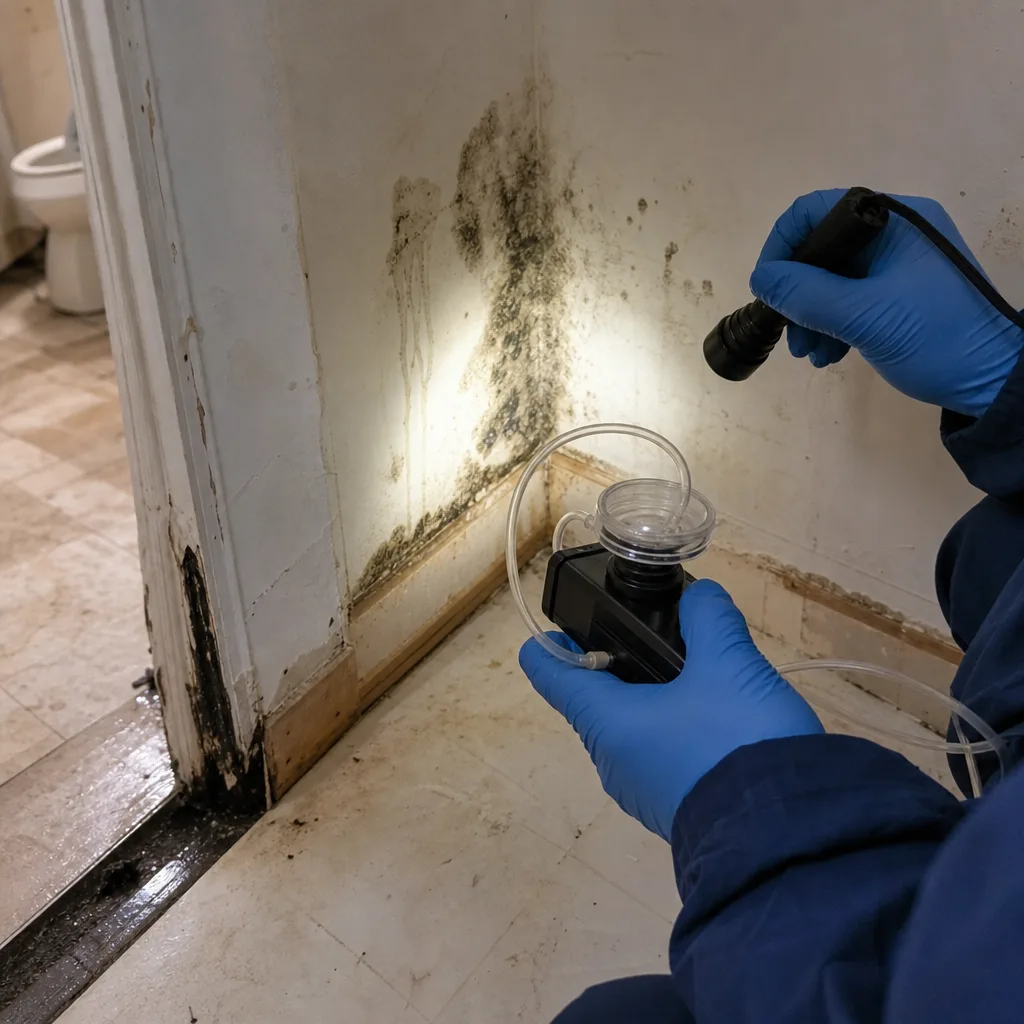
Emergency Board-Up
A broken window on a Hamilton Park brownstone isn’t just an eyesore, it’s an open invitation for more water and opportunistic access. We board up same day, with materials that hold against the next storm, not just until the adjuster arrives.
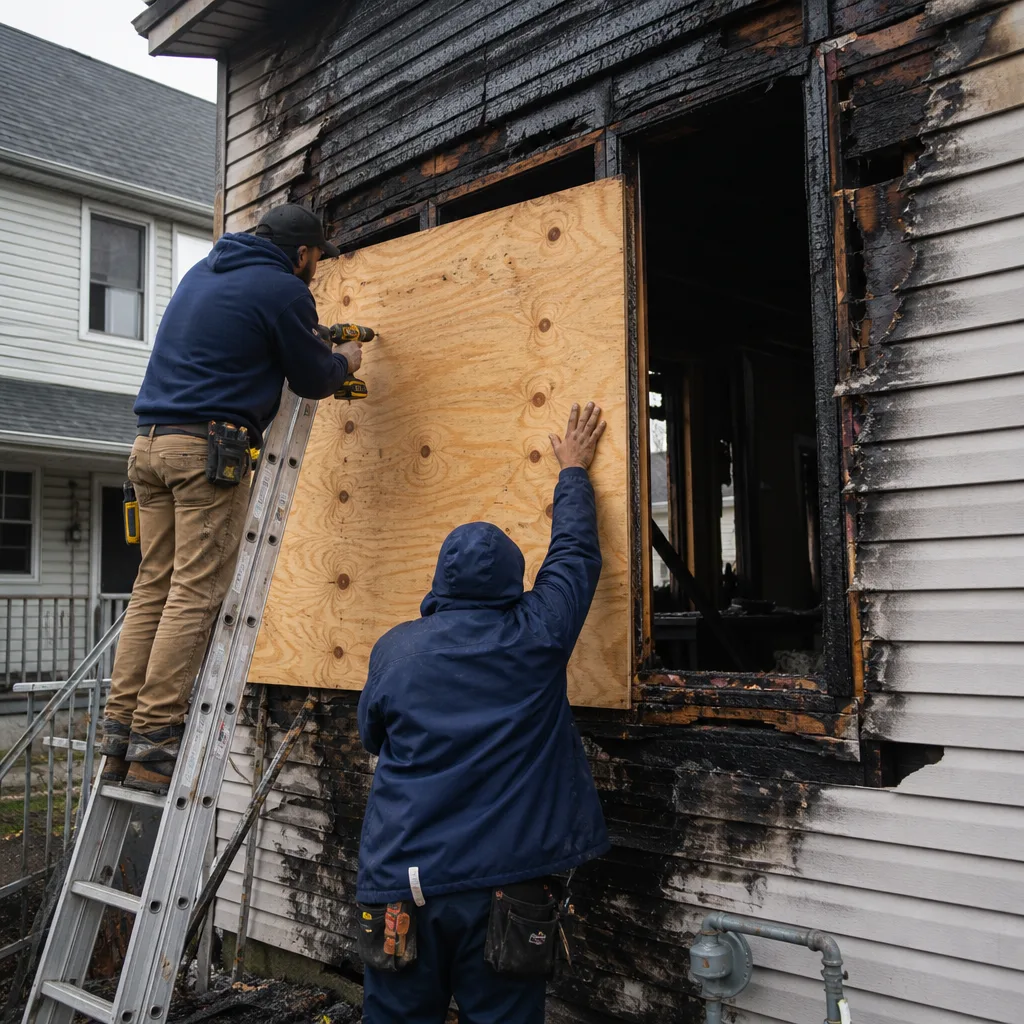
Roof Tarping
When a nor’easter tears off a section of membrane or opens a hole in a flat roof over a Journal Square apartment block, you need tarping before the next rain. We tarp tight, secure it properly, and document the condition so the next storm doesn’t finish what the first one started.
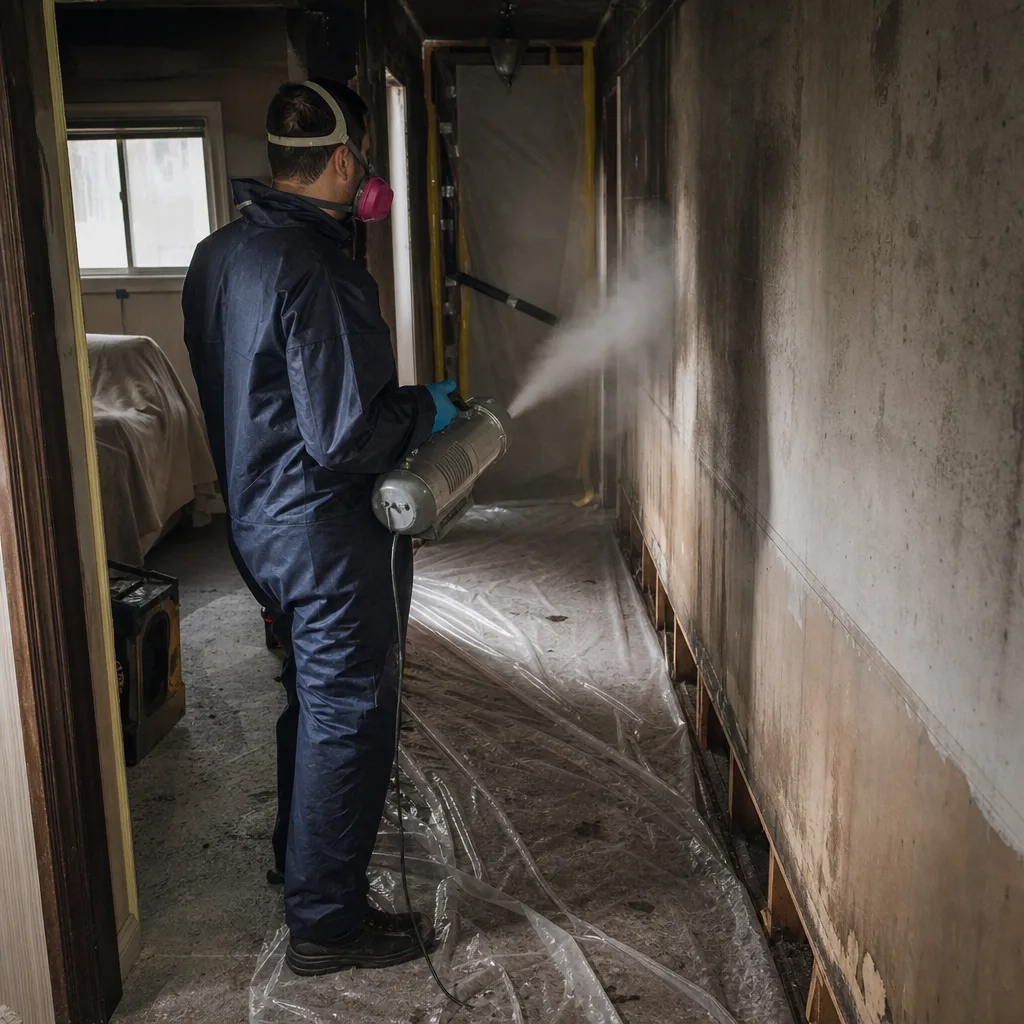
Debris Removal
Storm debris in Jersey City isn’t just branches. It’s sheet metal from rooftops, broken glass from storefronts on Newark Avenue, saturated drywall from basement apartments, and sometimes sewage-contaminated material that has to be handled as biohazard. We remove it, contain it, and get it out without spreading contamination.
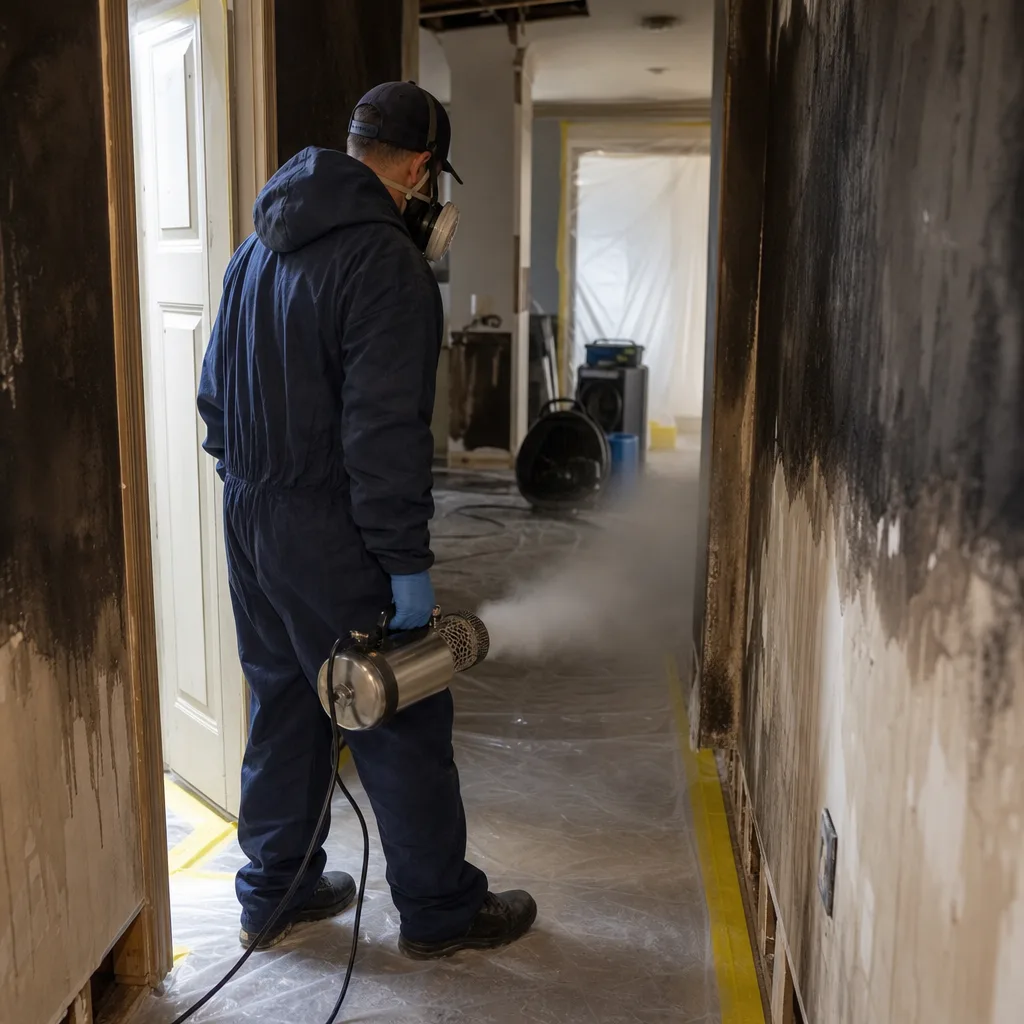
What happens when you call
- 1
A real person answersNo phone trees - you reach a local pro.
- 2
You get an upfront price rangeHonest numbers before anyone is dispatched.
- 3
A background-checked tech heads outLicensed & insured, dispatched right away.
- 4
You approve before work beginsNothing starts until you say go.
Storm & Disaster Restoration Costs in Jersey City, NJ
Straight numbers for Jersey City: a standard Category 1 basement flood in a single-family rowhouse typically runs $2,800 to $5,500, including extraction, drying, and antimicrobial treatment. A Category 3 sewage backup in The Heights or Bergen-Lafayette, with full biohazard containment and clearance testing, commonly lands between $5,000 and $12,000 depending on square footage and how long the water sat. Saltwater intrusion in a Paulus Hook or Exchange Place basement with supply line corrosion runs $4,500 to $9,000. Wind damage board-up and tarping is usually $650 to $2,200, and full storm restoration with structural repairs can hit $15,000 to $40,000 on a waterfront property. What moves the price: water category, square footage affected, whether original plaster requires specialized drying, saltwater involvement, and whether FEMA’s Substantial Damage 50% Rule triggers elevation compliance. Call (856) 501-6142 for a free visual inspection. You’ll get a written scope before work starts, not a vague estimate that balloons after.
We Also Serve Cities Near Jersey City
Our storm and flood crews cover all of Hudson County. We serve Storm & Disaster Restoration customers in Hoboken, Union City, Harrison, and Secaucus, with the same 45-minute response commitment and the same direct-to-owner accountability.
Serving Jersey City, NJ - Our Local Coverage Area
We’re based in the Jersey City area and know this community well. Use the map below to see our service coverage - if you’re nearby, we can almost certainly help.
Jersey City Storm & Disaster Restoration Questions, Answered
How does Jersey City’s dual surge from the Hudson River and Upper New York Bay change the drying plan for a Paulus Hook basement?
Dual surge means water enters from two directions, so we don’t assume a single-front drying plan. We map moisture across the entire perimeter, not just the side facing the river, and run multiple drying zones with Dri-Eaz dehumidifiers and air movers positioned for cross-ventilation. Saltwater from the bay requires corrosion treatment on exposed fasteners and supply lines before we close the walls.
Is a backup from a combined sewer lateral in The Heights really Category 3 water?
Yes. Combined sewers carry stormwater and raw sewage in the same pipe. When a century-old lateral backs up into your basement apartment, that’s sewage. It’s Category 3 water, meaning full biohazard containment, antimicrobial treatment, and clearance testing. Treating it as a Category 1 flood leaves pathogenic residue in wall cavities and under flooring, and that’s how you get mold and odor that keeps coming back. Call (856) 501-6142 for a proper assessment.
Will FEMA’s 50% Substantial Damage rule stop my Jersey City restoration mid-job?
It can, if your property is in a Special Flood Hazard Area and the damage plus planned improvements exceed 50% of the structure’s market value. In Paulus Hook, Exchange Place, and other waterfront zones, that threshold could trigger mandatory elevation compliance. We check this before pulling permits, not after drywall is hung. If you’re in the flood zone, we coordinate with your NFIP adjuster early so you’re not hit with a stop-work order halfway through the job.
Why does my Hamilton Park rowhouse smell musty weeks after a nor’easter even though the water is gone?
Because the water isn’t actually gone. In pre-WWI rowhouses, water saturates horsehair plaster, lime mortar, and original terracotta tile, materials that hold moisture far longer than drywall. If the drying plan didn’t include moisture mapping behind those surfaces, trapped humidity feeds mold you can’t see. We take daily readings and hand you the full log, so you know the walls are actually dry, not just dry on the surface.
Do you handle saltwater intrusion differently in Newport after a coastal storm?
Yes. Saltwater is corrosive, so we don’t just dry it, we treat the surfaces it touched. Galvanized supply lines, pipe straps, electrical boxes, and fasteners all need corrosion assessment. We rinse, treat, and document everything, because salt residue keeps working long after the water evaporates. In Newport’s high-rises, that often includes mechanical rooms below grade where saltwater channeled through parking levels.
How fast can you actually get to my Jersey City property?
We commit to 45 minutes from your call to us heading out, anywhere in Jersey City. Wade answers his own phone, 24/7. He doesn’t take a message and call you back in the morning. Call (856) 501-6142 and the extraction equipment is on the road inside the hour when the site is accessible.
Will my insurance cover storm damage restoration?
Most Jersey City storm damage is covered, but it depends on the cause. Wind damage typically falls under your homeowner’s or commercial property policy. Flood damage from surge or combined sewer backup usually requires a separate NFIP flood policy. We document everything from the first hour, take photos room by room, and deal directly with your adjuster so you’re not stuck interpreting coverage language alone.
What should I do in the first 30 minutes after storm water enters my Jersey City home?
Shut off power to the affected area if you can do so safely, move valuables up, and call (856) 501-6142. Don’t wade into standing water in a basement if you don’t know the source; if it’s a combined sewer backup, it’s sewage. Don’t turn on fans or your HVAC system, because that spreads contamination. Take photos. Then let us handle the rest.
Written by Wade Ferris, Owner at Wade’s Restoration, serving Jersey City with storm, flood, and disaster restoration backed by the 90-Day Done Right Promise.