
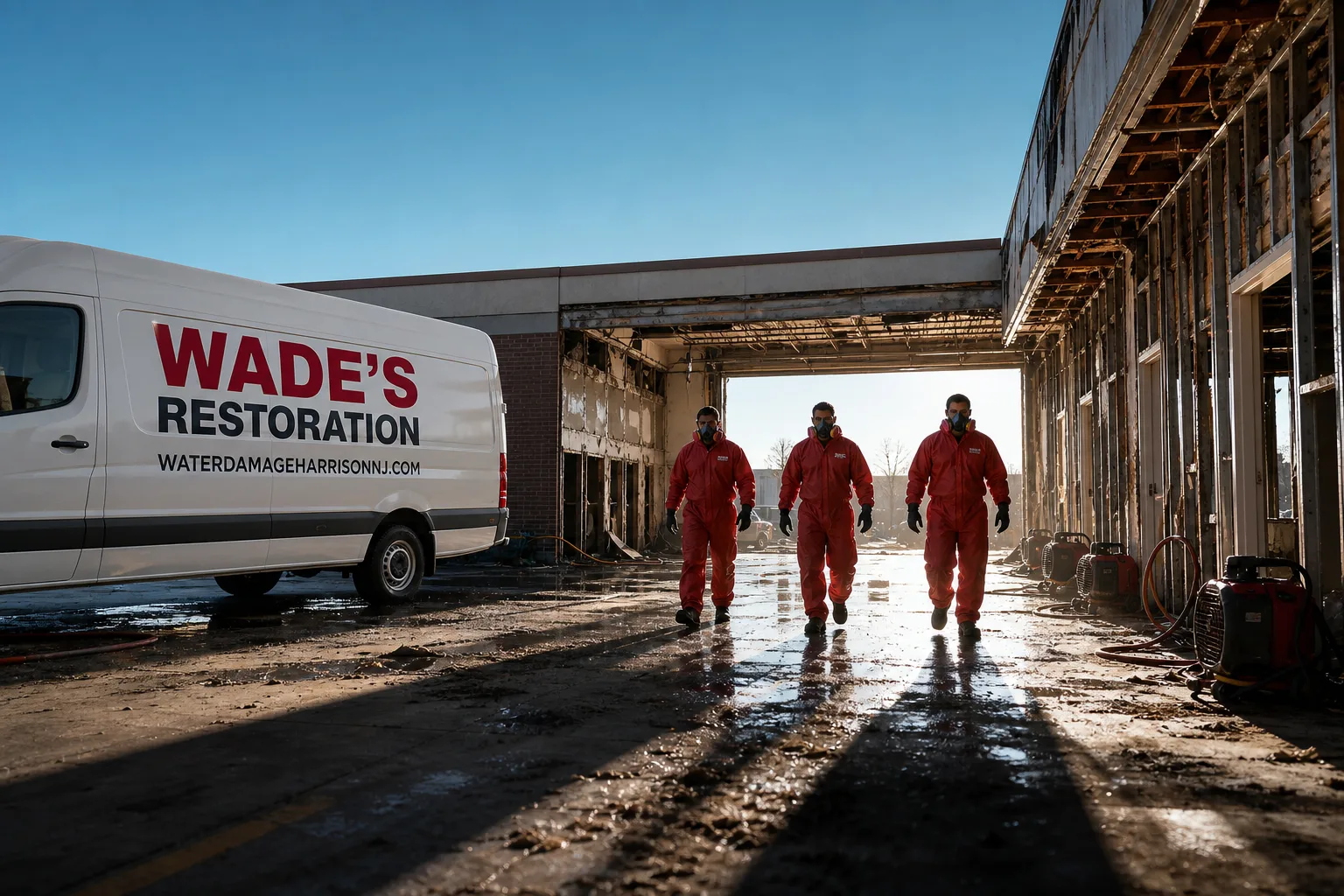
Free visual inspection and a written scope of work before any mitigation begins - photos, moisture readings, and drying logs go in your claim file
The scope we write is the scope we bill. Anything new gets shown to you, in writing, before we touch it.
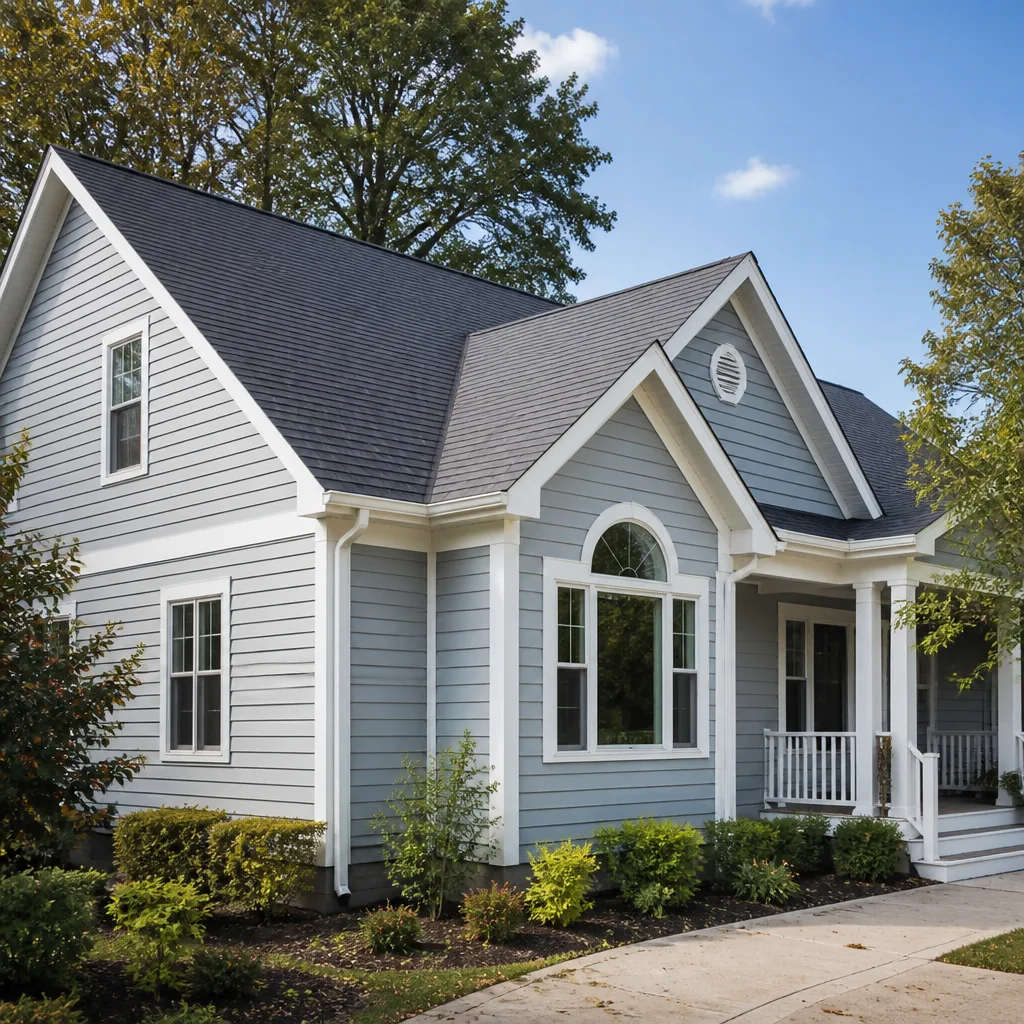
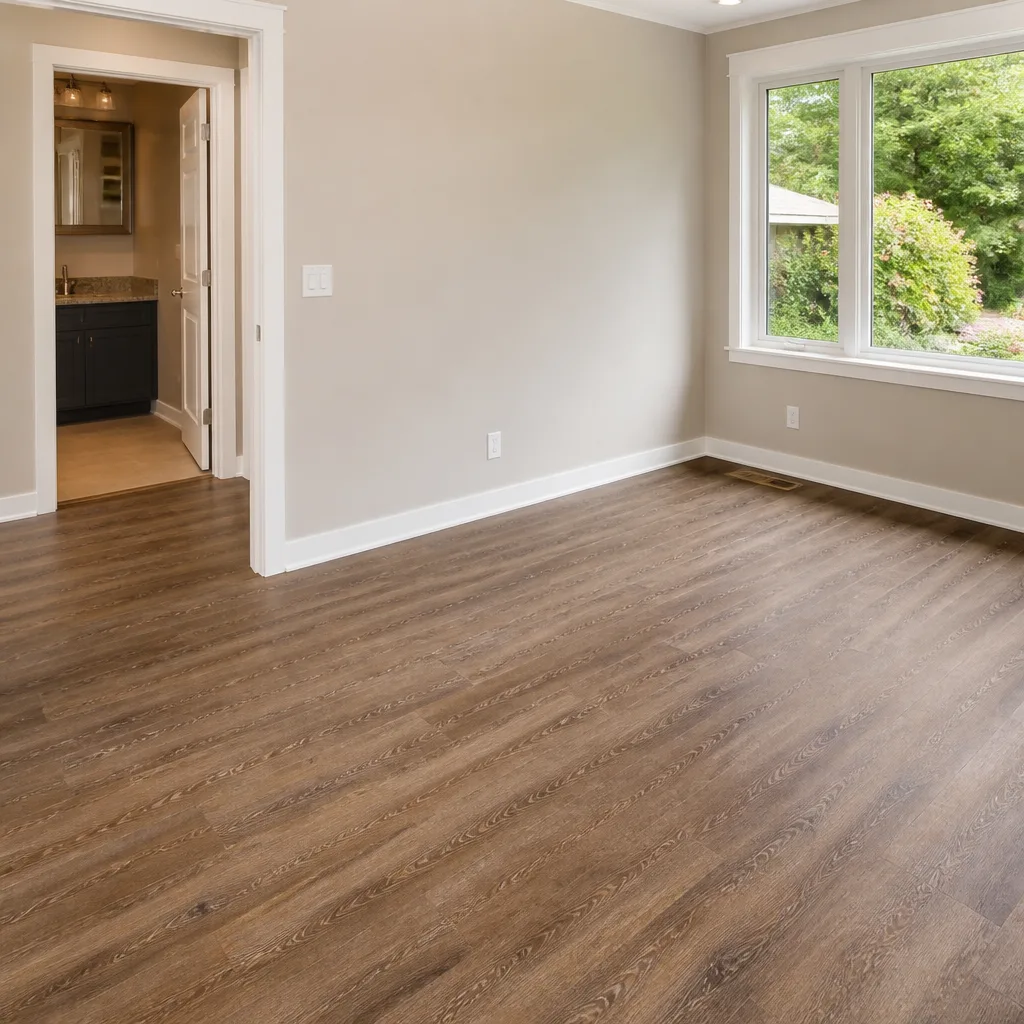
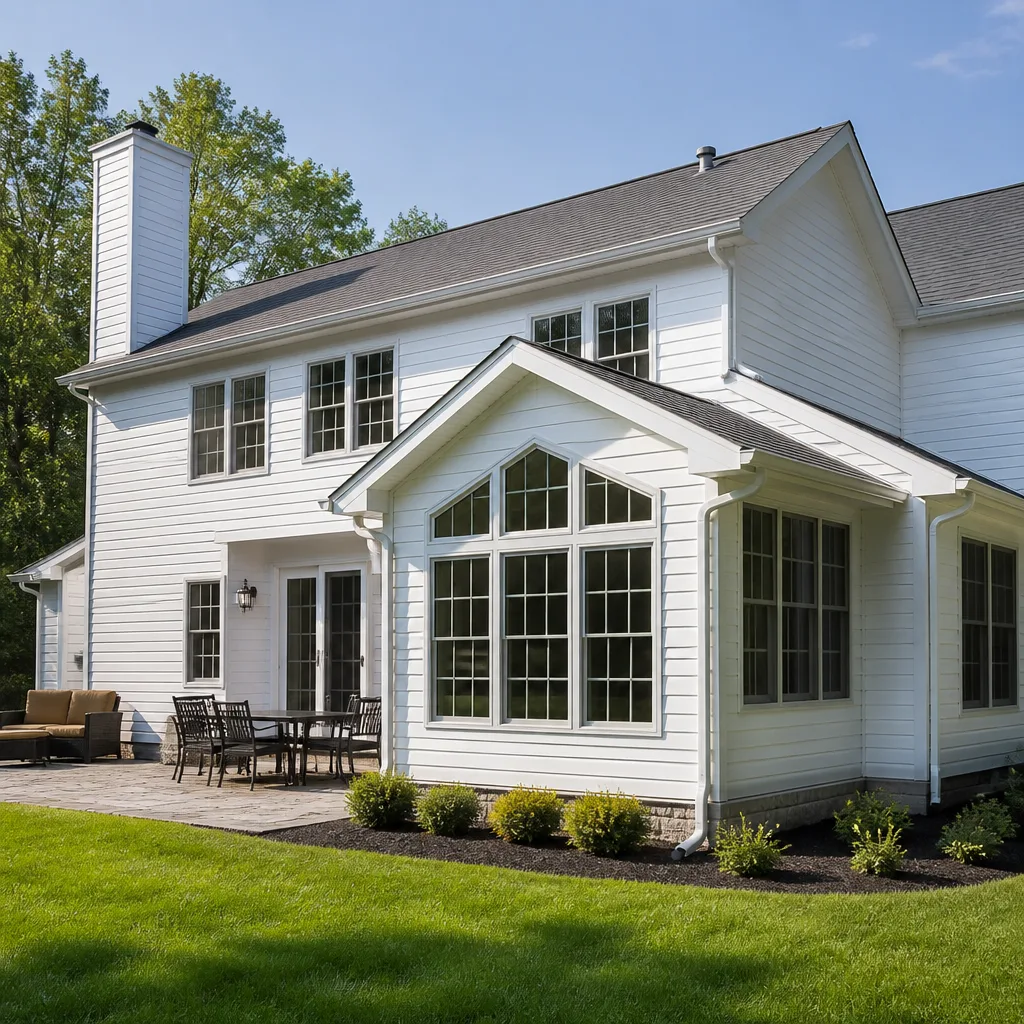
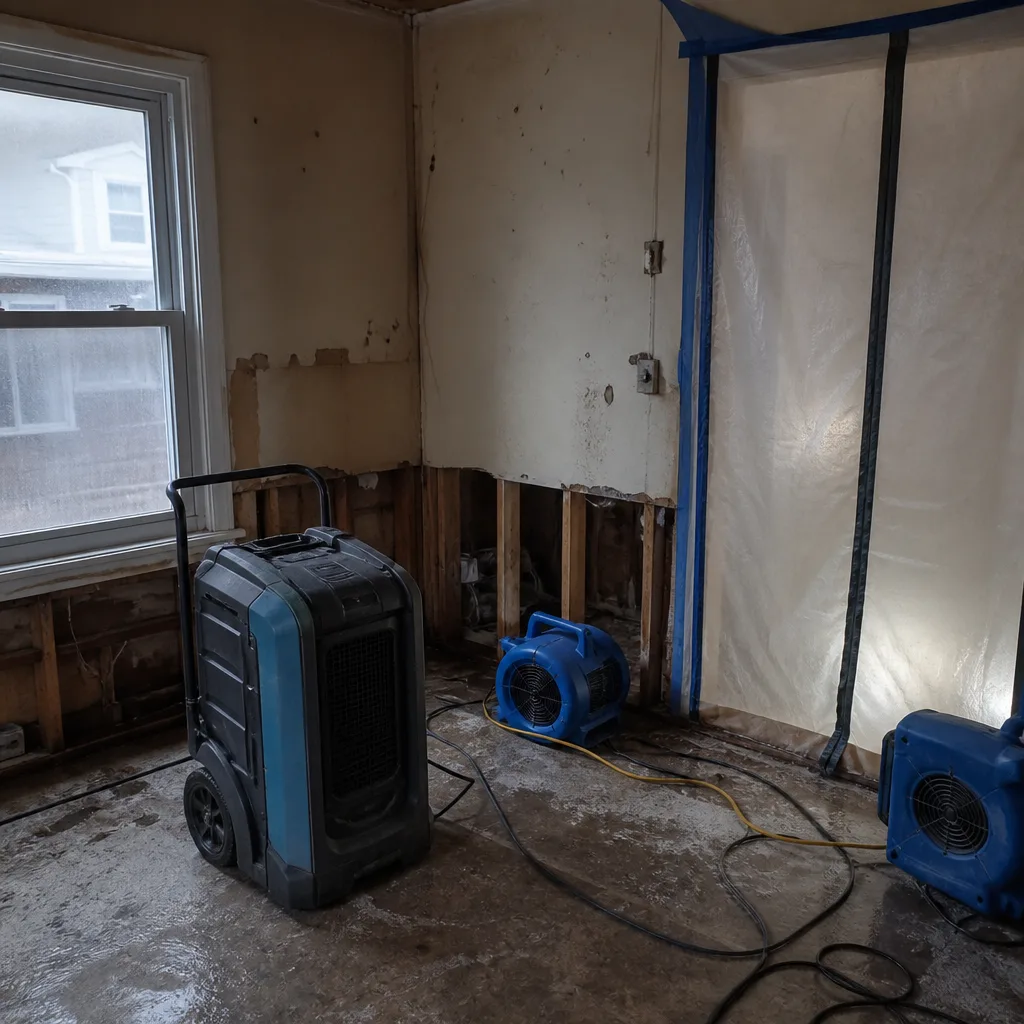 Before
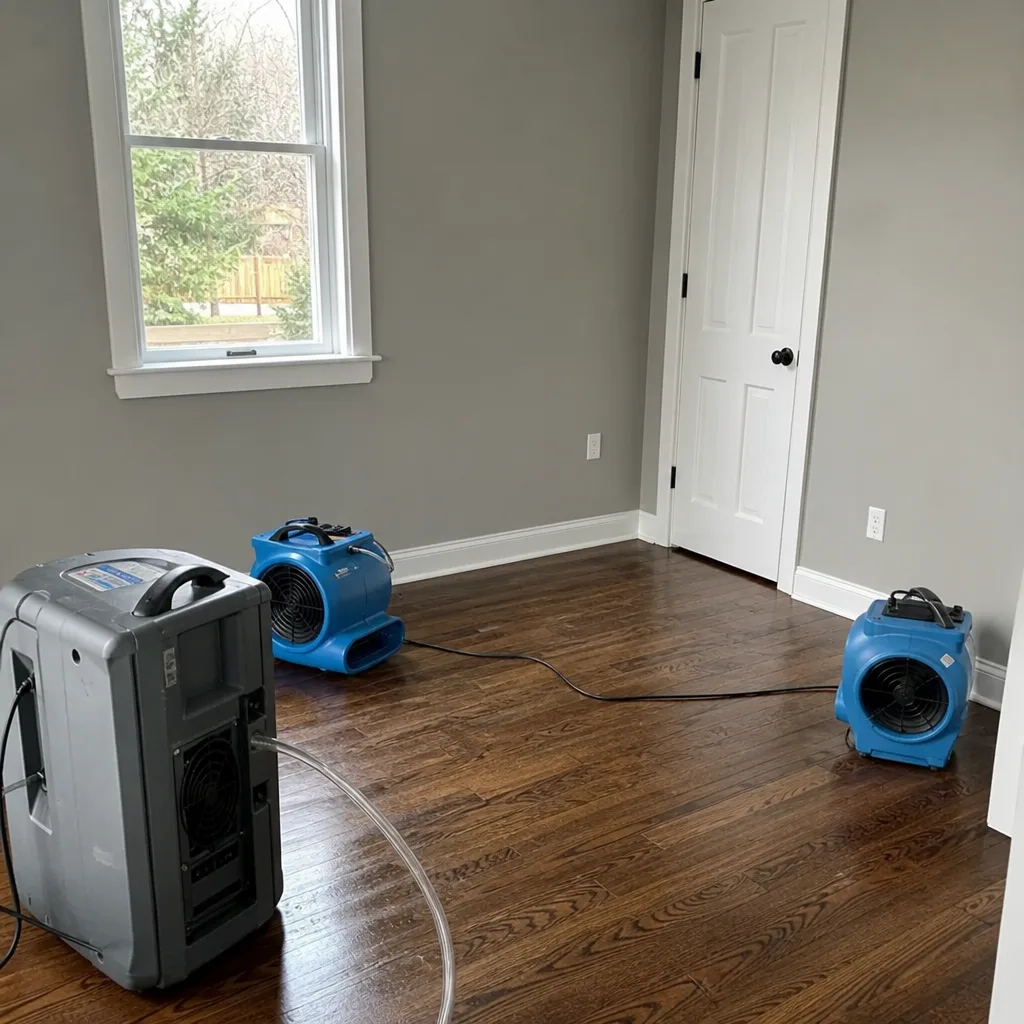 After
After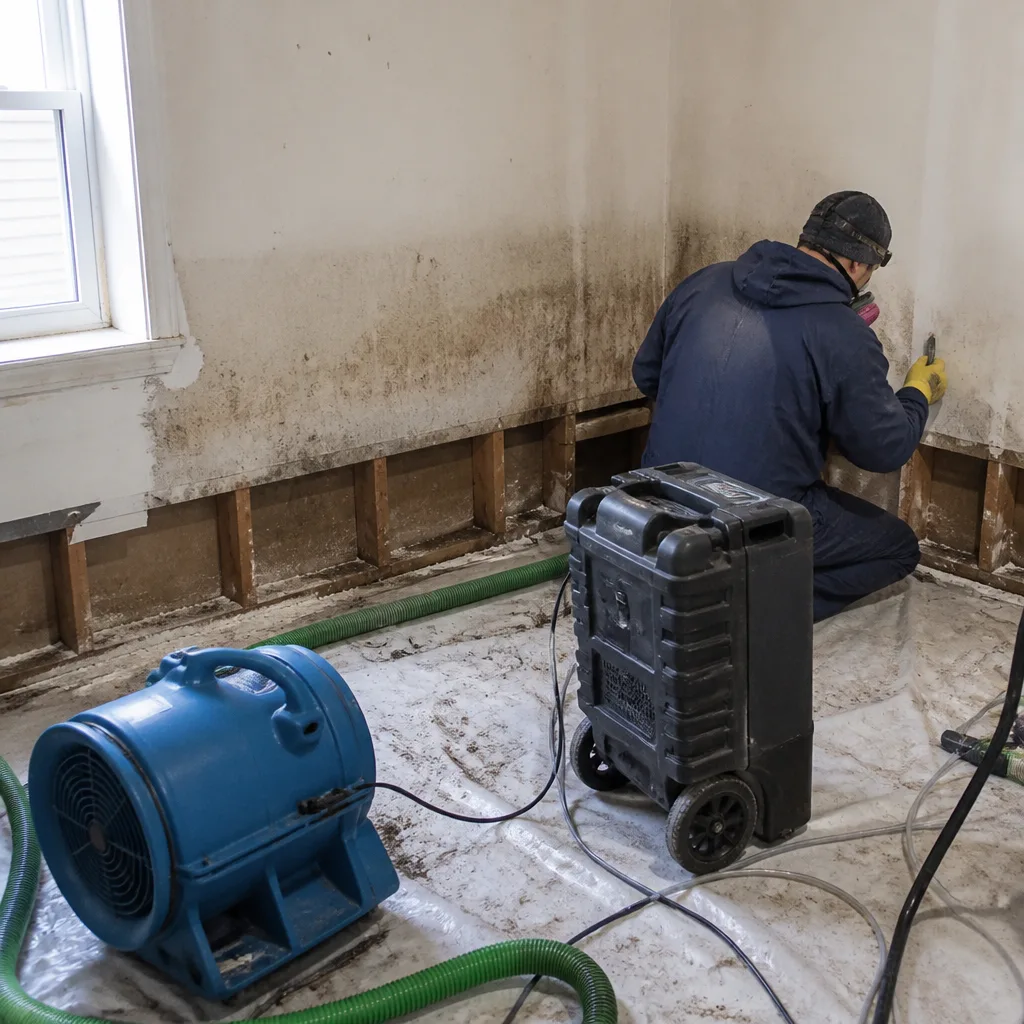 Before
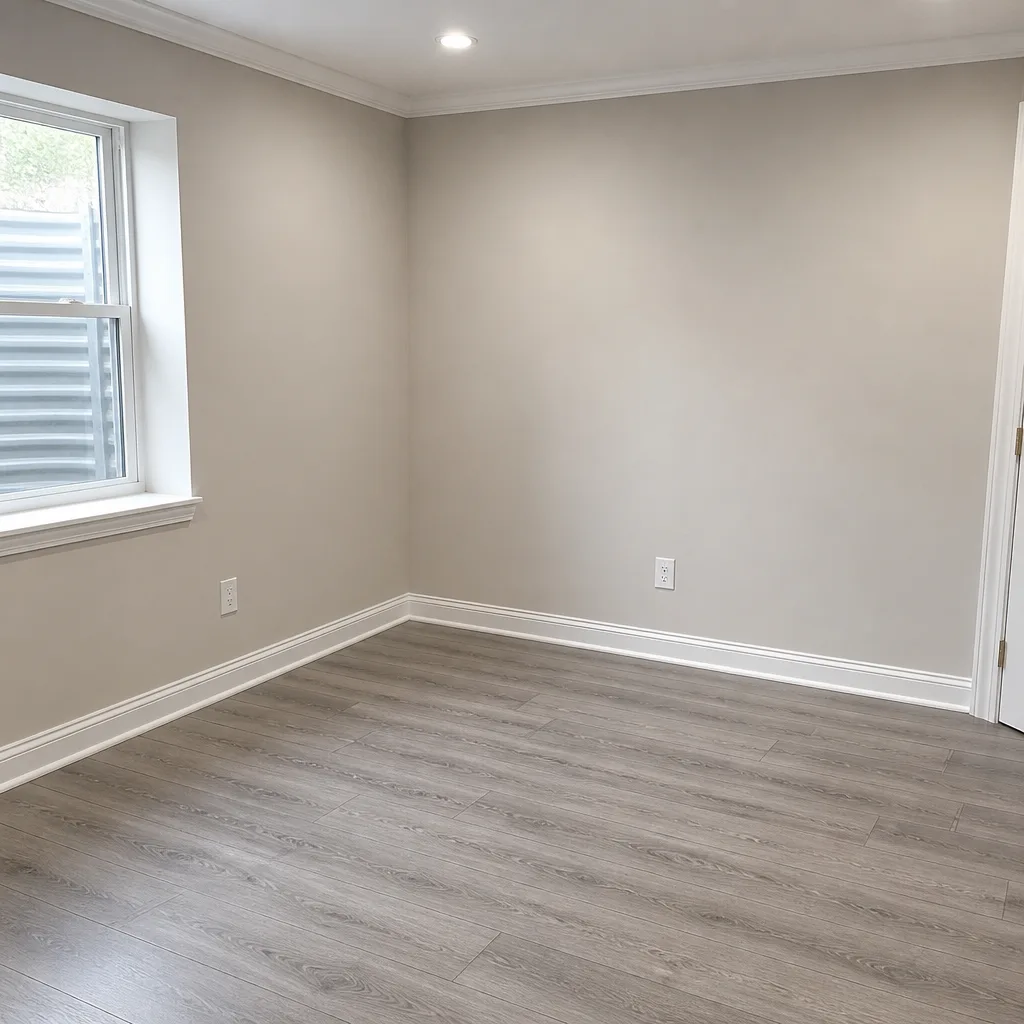 After
After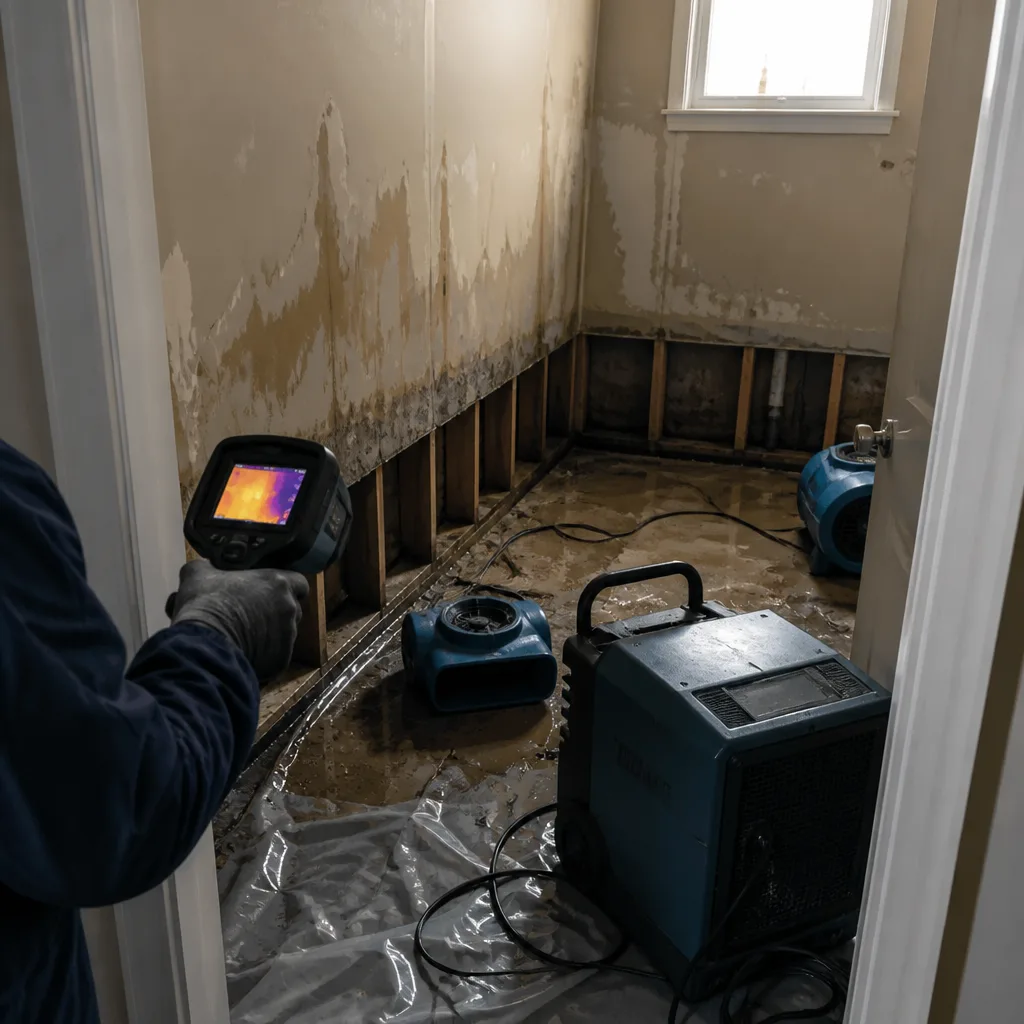 Before
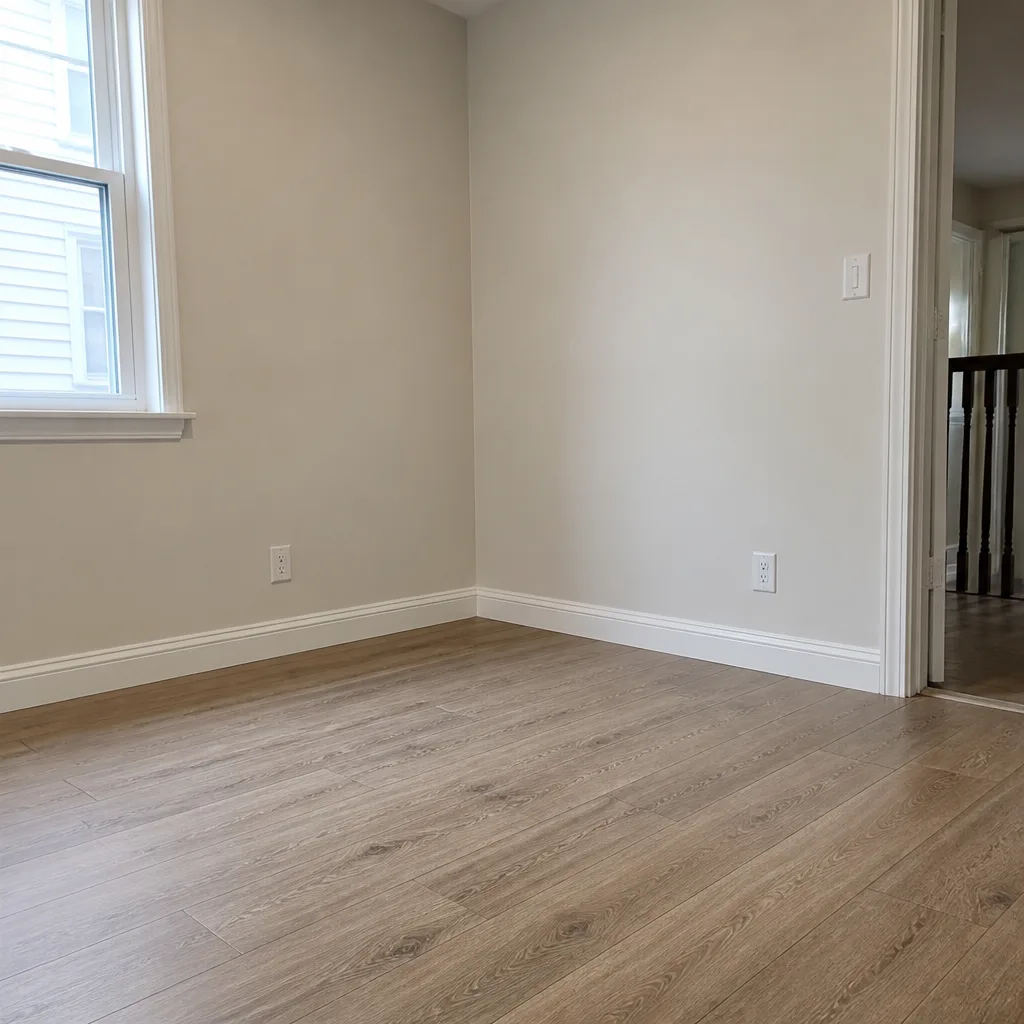 After
After24/7 Emergency Storm & Disaster Restoration in Secaucus
Storm damage in Secaucus doesn’t wait for business hours, and neither do we. Wade Ferris answers his own phone at (856) 501-6142, day or night, and can have a crew rolling toward your neighborhood inside 45 minutes. Whether a nor’easter just peeled siding off your Harmon Meadow townhome or wind-driven rain is pouring through a broken window on Huber Street, the first hour determines how much gets torn out and how much can be saved. We’ll give you a free visual inspection, a straight answer about what you’re looking at, and a written scope before any work starts. No answering service. No corporate call center. Just a local owner who knows Secaucus and shows up.
Understanding Storm & Disaster Restoration Severity in Secaucus Properties
Storm restoration in Secaucus is different from anywhere else in Hudson County, and it starts with what’s under your feet. Nearly the entire town sits on filled Meadowlands marsh, which means the soil under your foundation stays saturated year-round. When a storm pushes water through a wall or roof opening, that water meets a slab already fighting hydrostatic pressure from below. What looks like a straightforward Category 1 clean-water intrusion from wind-driven rain often becomes a Category 2 situation within 48 hours as moisture wicks through drywall, insulation, and framing that were already damp from chronic ground moisture. Our crews run moisture mapping with thermal imaging and hygrometers across the entire first floor, not just the obvious wet spot, because in Secaucus the damage usually extends further than the visible stain. For older homes on Huber and Centre streets with shallow basements, we check cove joints and floor cracks for active water movement. For townhome slabs in the Harmon Meadow corridor, we’re looking for efflorescence and elevated concrete moisture readings, signs that the storm water has joined a pre-existing groundwater problem. Severity here isn’t just about how much rain fell. It’s about what the water found waiting when it got in.
Why Secaucus Property Owners Choose Wade’s Restoration
- 45-minute response commitment: When you call us from Secaucus, Wade heads out immediately. He knows the fastest routes across Route 3 and Paterson Plank Road, and he’s not waiting for a dispatch queue.
- A real person answers, 24/7: Call (856) 501-6142 at 3 a.m. and you get Wade or a member of his team, never an automated system that tells you to leave a message.
- IICRC-certified crews: Our technicians hold WRT and FSRT certifications, which means they’ve trained specifically on water damage and fire/smoke restoration standards, not just general contracting.
- Free visual inspection: We’ll come look at the damage, tell you what needs to happen, and give you a written scope. No charge for that, and no obligation.
- Direct insurance billing: Wade deals with your adjuster directly, so you’re not stuck relaying messages between two sides. Photo documentation and line-item estimates go straight to your carrier.
- One team from start to finish: The same people who do the emergency board-up handle the drying, the repairs, and the final reconstruction. No handing you off to a subcontractor you’ve never met.
Our Storm & Disaster Restoration Process
Inspection & Assessment
We arrive with moisture meters, thermal imaging, and a checklist specific to Secaucus building types. Wade looks at the storm damage and also checks what the Meadowlands water table might be doing below your slab. You get a written summary of everything we find before we touch a single wall.
Extraction & Stabilization
Standing water comes out first with truck-mounted extraction units. Then we stabilize the structure: emergency board-up on broken windows and doors, roof tarping on wind-damaged sections, and temporary shoring where needed. Speed matters here because Secaucus weather turns fast.
Drying & Dehumidification
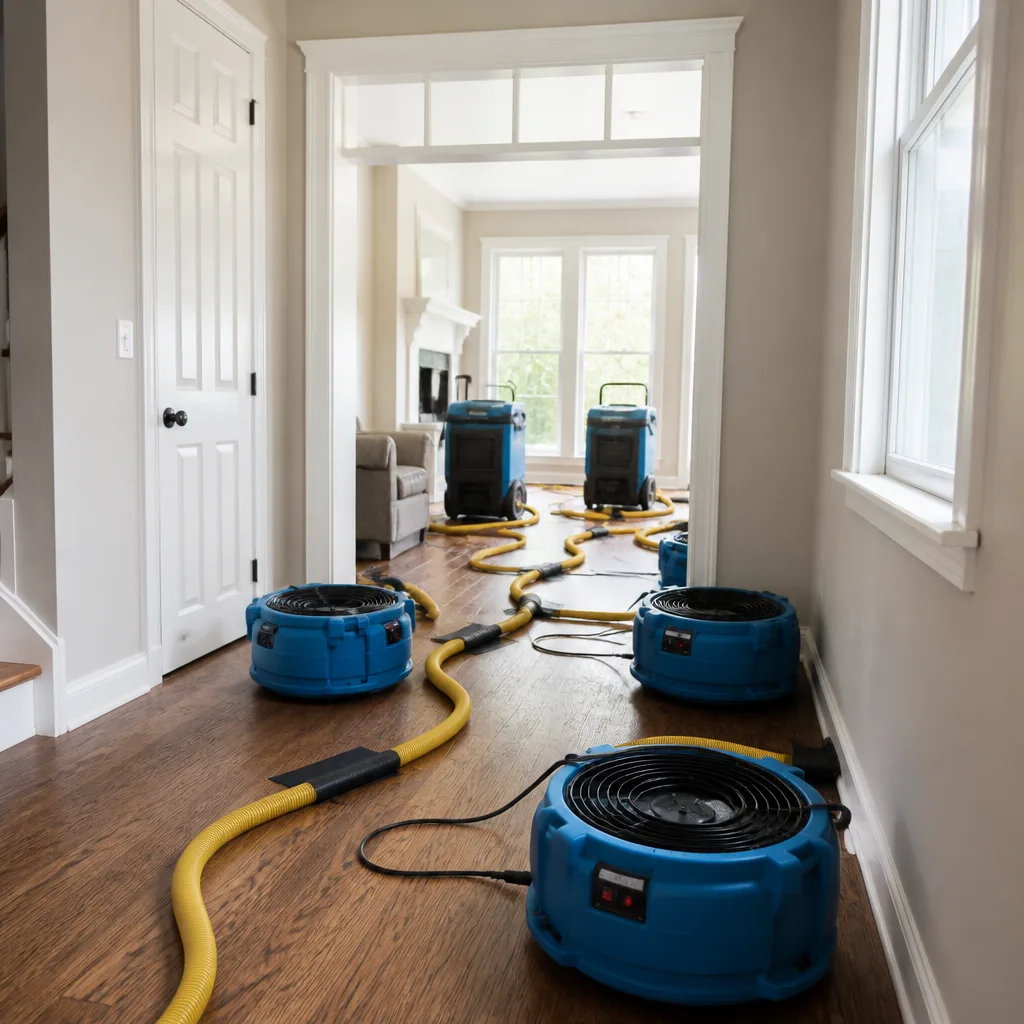
We set up a drying system sized to the actual moisture load, not a one-size-fits-all formula. That means Dri-Eaz Phoenix dehumidifiers and XPOWER air movers positioned according to moisture mapping data. We take readings every single day and hand you the full log at the end.
Cleaning & Sanitization
Storm water carries whatever it picked up along the way, so every affected surface gets cleaned and treated. We apply antimicrobials to framing and prevent mold before it can take hold behind baseboards or inside wall cavities.
Flood Cuts & Specialty Treatment for Secaucus Slabs
In townhomes and condos built on Meadowlands fill, we often make flood cuts up the drywall and install drainage mats or vapor barriers against the slab before anything gets reclosed. This is the step most restoration companies skip, and it’s the step that stops chronic dampness from coming back.
Repairs & Restoration
Once the structure is dry and stable, we rebuild: drywall, insulation, trim, flooring, paint. The same crew that started the job finishes it, and every water, fire, and mold job is covered by our 90-Day Done Right Promise in writing. If it’s not done right, Wade comes back and makes it right.
Need Emergency Storm & Disaster Restoration in Secaucus Now?
Crews minutes away, answering live 24 hours a day. The sooner we start, the less it costs.
Working With Your Insurance Company
Storm damage claims in Secaucus get complicated because the adjuster often doesn’t understand what the Meadowlands water table does to a slab foundation. That’s where direct adjuster communication matters. From the first hour on site, we document everything: photos of every damaged room, moisture readings taken daily, and a line-item scope of work written in the format insurers expect. Wade talks to your adjuster directly, explains why a flood cut was necessary or why the drying plan had to account for groundwater wicking, and makes sure the claim reflects the actual work required, not just what’s visible from the street. You’re never the one stuck relaying technical information between a restoration crew and an insurance desk.
What We Provide Your Insurer
- Thorough documentation of the loss
- Photos of all damage, room by room
- Moisture readings and drying logs
- A detailed, line-item scope of work
- Direct coordination with your carrier
Built for Secaucus’s Loss Calendar
Secaucus gets hit by a predictable set of storm problems every year, and we plan for them. January and February bring deep freezes that burst supply lines in older homes along Huber and Centre streets, where copper piping has been in place since the Eisenhower administration. March and April mean snowmelt and spring rain saturating already-wet Meadowlands fill, which shows up as basement seepage and damp slab floors in townhomes throughout the Harmon Meadow corridor. Summer thunderstorms roll through fast and hard, overwhelming storm drains and sending flash water into ground-level units and garages off County Avenue. September through November is nor’easter season, with sustained winds that test roof edges, siding, and window flashing across every neighborhood in town. The Hackensack River backwater from a major coastal system remains the wild card. Hurricane Sandy showed what happens when a storm surge meets a river basin that has nowhere to drain, and every restoration crew working Secaucus now scopes structural drying with that benchmark in mind. If you live here long enough, you’ll face at least two of these in a single year.
Storm & Disaster Restoration Across Secaucus’s Neighborhoods
Response routes and building types change the job depending on where in Secaucus you live, and we know the difference. The older single-family homes and two-families on Huber Street and Centre Avenue sit on shallow foundations with basements that were never designed to handle modern stormwater loads. We usually find foundation seepage there after heavy rain, and emergency board-ups on those bungalows require careful anchoring because the original framing wasn’t built for high wind loads. Over in the Harmon Meadow corridor, the townhome complexes off Park Plaza Drive and Plaza Center are a completely different animal: slab-on-grade construction over engineered fill that stays wet, which means storm water intrusion often mixes with ongoing vapor transmission through the concrete. Drying plans there run longer and require vapor barrier work that wouldn’t be necessary uptown. The condo buildings near the Hackensack River’s edge, particularly around Riverside Station Boulevard and the areas that flooded during Sandy, need flood cuts and dehumidification sized for true flood water exposure, not just wind-driven rain. When a storm hits Secaucus, we’re moving between these zones the same day, and the drying plan for each one looks different.
Specialized Storm & Disaster Restoration Services We Offer in Secaucus
Storm Damage Cleanup
After wind tears through and rain gets in, the cleanup has to be fast and thorough. We remove wet debris, damaged drywall, soaked insulation, and anything the storm carried through the opening. In Secaucus, we’re also checking for water that traveled beyond the obvious intrusion point, because slab wicking spreads moisture horizontally through floor assemblies faster here than in towns on higher ground.
Flood Damage Restoration
Flood water is a different problem than clean rainwater. It’s Category 3 water: it’s been on the ground, through the drainage system, or backed up from the Hackensack River. Everything it touches gets cut out and replaced, and the drying plan has to account for what the saturated Meadowlands fill is pushing up through your slab at the same time.
Emergency Board-Up
A broken window or blown-out door in Secaucus is an open invitation to more weather. Our team anchors plywood with fasteners sized to the wind loads this town actually sees, not the light-duty approach that works inland. For older Huber Street homes with original framing, that means extra anchoring points so panels don’t blow off before a tarp can go on.
Roof Tarping
When nor’easter winds peel shingles or tear off roof sections, the next storm will find that opening. We get a tarp over the damaged area fast, using fasteners and furring strips that hold through another blow. Then we document everything for your insurance claim so the permanent repair gets scoped correctly.
Debris Removal
Storm debris in Secaucus can include everything from tree limbs to shingles to pieces of siding from three houses down. We clear it, separate salvageable materials for your claim documentation, and haul the rest away so the restoration work can start on a clean site.
What happens when you call
- 1
A real person answersNo phone trees - you reach a local pro.
- 2
You get an upfront price rangeHonest numbers before anyone is dispatched.
- 3
A background-checked tech heads outLicensed & insured, dispatched right away.
- 4
You approve before work beginsNothing starts until you say go.
Storm & Disaster Restoration Costs in Secaucus, NJ
Storm restoration pricing in Secaucus runs higher than inland Hudson County towns because of what the work actually involves here. A standard emergency board-up on a broken window or door runs $200-$500 depending on opening size and wind-load anchoring requirements. Roof tarping on storm-damaged sections typically costs $400-$900 for the materials, fastening, and labor. Flood cuts and water extraction in a Harmon Meadow townhome usually fall in the $2,500-$5,000 range when the slab wicking problem gets addressed properly with drainage mat and vapor barrier work. Full storm damage restoration including drying, dehumidification, antimicrobial treatment, and reconstruction typically runs $6,000-$15,000 for a single-level townhome, higher for older two-family homes on Huber Street where foundation seepage compounds the storm damage. What moves the price: the size of the affected area, whether flood water (Category 3) was involved, how long the water sat before we arrived, and whether the slab needs vapor barrier work. Most storm claims in Secaucus are covered by homeowners insurance when the damage came from a storm event, and we bill directly. The free visual inspection gives you a firm written number before any work starts, so there’s no phone-quote-to-door-quote surprise. Call (856) 501-6142 and we’ll come take a look at no charge.
We Also Serve Cities Near Secaucus
Wade’s Restoration runs storm and disaster restoration crews into every town around Secaucus. If you’re in Union City, Lyndhurst, Hoboken, or Rutherford, the same 45-minute response commitment applies, and the same 24/7 live answer is waiting. The crew that knows Secaucus slabs knows your neighborhood too.
Serving Secaucus, NJ - Our Local Coverage Area
We’re based in the Secaucus area and know this community well. Use the map below to see our service coverage - if you’re nearby, we can almost certainly help.
Secaucus Storm & Disaster Restoration Questions, Answered
Why do Secaucus townhomes need flood cuts after a storm even if the river didn’t visibly overflow?
Flood cuts are needed because wind-driven rain and stormwater enter through walls and then meet the saturated Meadowlands fill under the slab. Even when the Hackensack River stays in its banks, hydrostatic pressure pushes moisture up through concrete and into drywall, where it wicks upward behind baseboards and inside wall cavities. Cutting the lower 12 to 24 inches of drywall lets the assembly dry properly and prevents mold from forming where you can’t see it. In Harmon Meadow townhomes specifically, we find elevated slab moisture days after the storm passes, which tells us the groundwater component is active. Call (856) 501-6142 for an assessment if your townhome felt damp after a storm but you didn’t see standing water.
How fast does our crew get a tarp over wind-damaged roofs in Secaucus before another nor’easter hits?
We aim to have a tarp on a storm-damaged roof inside 4 hours of your call, and often sooner when the damage is in central Secaucus near our response routes along Route 3 and Paterson Plank Road. The tarp gets fastened with furring strips and screws rated for sustained wind, not just stapled down. If we’re between storms and the weather is clear, we’ll do a temporary seal that buys time for a proper roofing repair. Call us the moment you see daylight through the roof deck. The longer the opening sits, the more water gets into insulation and framing, and the more the repair cost climbs.
What do your moisture readings tell us about a Secaucus basement slab that keeps feeling damp weeks after a storm?
Elevated concrete moisture readings on a Secaucus slab, typically above 20% on a Protimeter scale, mean groundwater is still moving through the slab. That’s the Meadowlands water table at work. The storm may have triggered it, but the chronic dampness is structural: hydrostatic pressure from saturated fill underneath pushes vapor upward continuously. We measure this daily during drying and compare readings across the slab surface to map where the pressure is concentrated. If the numbers stay high after the visible storm water is gone, the fix is a drainage mat and vapor barrier installed before reflooring, not more air movement alone. A slab that never gets this treatment will keep dampening the room and will eventually feed mold growth behind whatever you put over it.
Why do Huber Street homes need different drying plans than condos off Plaza Drive after the same storm?
Because the foundations are different. Huber Street homes are mostly mid-century construction with basements or crawl spaces that are below grade and open to soil. Water enters at the cove joint and through floor cracks, so drying means dehumidifying the basement air, removing wet framing, and often excavating or sealing the foundation. Condos off Plaza Drive sit on slab-on-grade construction over engineered fill, with no basement to vent. Drying those means pulling moisture out through the slab itself with low-grain refrigerant dehumidifiers and air movement directed across the concrete surface. What works for one building type fails for the other, and we plan accordingly from the first moisture map.
How does Hurricane Sandy still affect restoration scoping in Secaucus today?
Sandy set the baseline for what a storm can do to Secaucus. Large sections of town flooded with river backwater that carried contaminants and salt, and many repairs from that era were done wrong: drywall replaced over unmitigated slabs, insulation reinstalled before the framing was dry, and vapor barriers omitted to save money. We still find those failed repairs when we open walls after newer storms. The benchmark matters because any drying plan for a river-adjacent Secaucus property has to assume the worst-case flood water path, even when a smaller storm only caused modest visible damage. Sandy taught every honest restoration crew in this town what underestimating the Meadowlands water table costs homeowners.
How quickly can someone actually get to my house in Secaucus after I call?
We commit to 45 minutes or less for emergency calls inside Secaucus. Wade Ferris answers his own phone, and when it’s a storm emergency, he heads out immediately with the right equipment already on the truck. For calls in the middle of the night, the same commitment applies. We’re not routing through a national dispatch center. The phone number is (856) 501-6142 and a real person picks up.
Will insurance cover storm damage restoration in Secaucus, or is this out of pocket?
Most storm damage in Secaucus is covered by standard homeowners insurance when the cause was a covered peril: wind, hail, lightning, or wind-driven rain. Flood damage from river overflow or storm surge is typically not covered unless you carry a separate flood policy through the National Flood Insurance Program. We document everything from the first hour with photos, daily moisture logs, and a line-item scope of work, then coordinate directly with your adjuster so the claim reflects what actually happened. If you’re unsure what your policy covers, call (856) 501-6142 and we’ll help you figure out what documentation your carrier needs before you file.
What should I do in the first 30 minutes after storm damage to my Secaucus home?
Shut off electricity to affected areas if water is present. Move valuables out of wet zones if you can do so safely. Take photos of everything before anything is moved or cleaned. Then call us at (856) 501-6142. Don’t try to remove standing water yourself if it may have come from outside, because that’s Category 3 water and requires protective gear. Don’t enter rooms where ceilings are sagging or where structural damage is visible. And don’t wait. The first 30 minutes determine whether you’re looking at a drying job or a full tear-out and rebuild.
Written by Wade Ferris, Owner at Wade’s Restoration, serving Secaucus and surrounding Hudson County communities. To reach Wade directly, call (856) 501-6142 any time, day or night.