
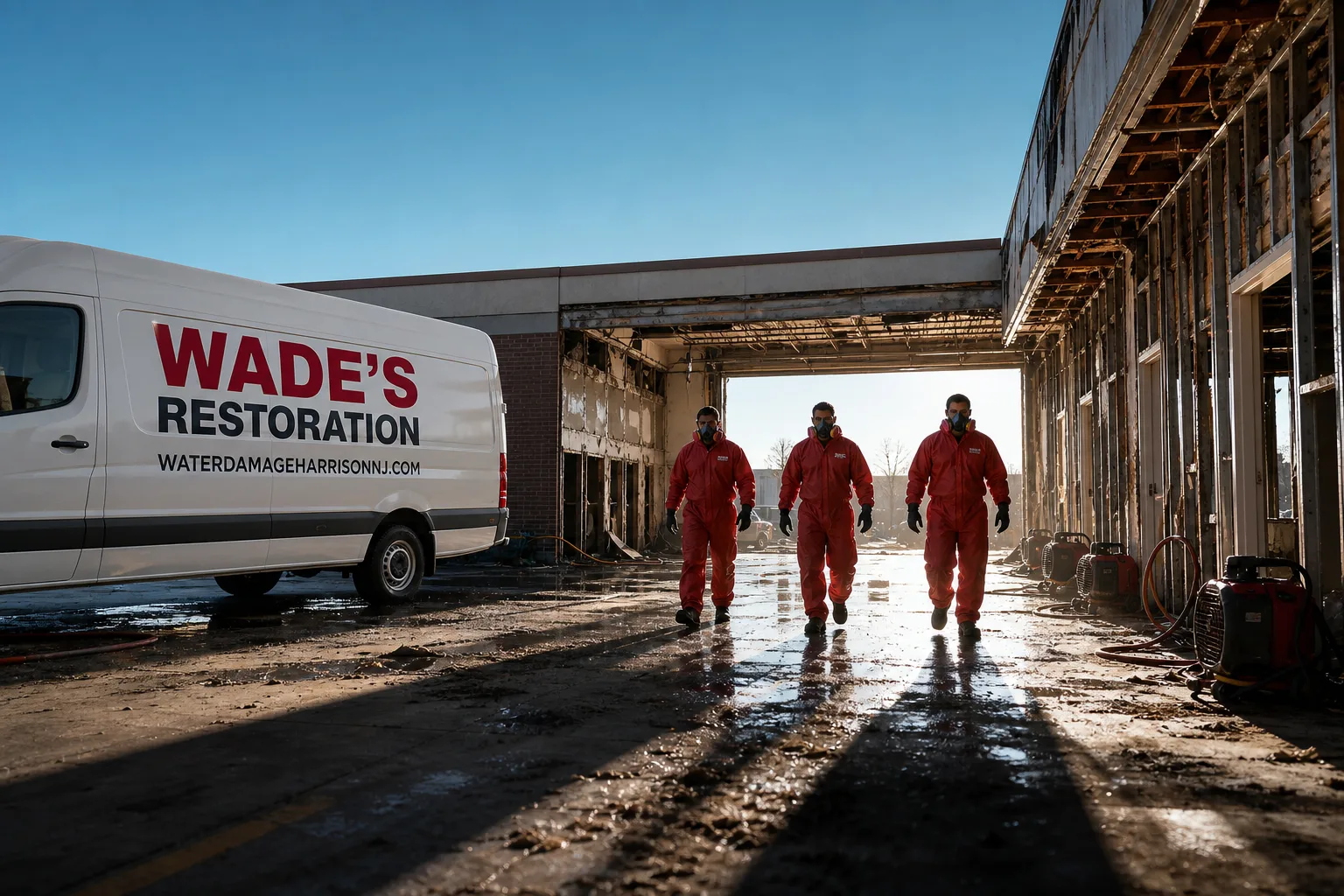
Free visual inspection and a written scope of work before any mitigation begins - photos, moisture readings, and drying logs go in your claim file
The scope we write is the scope we bill. Anything new gets shown to you, in writing, before we touch it.
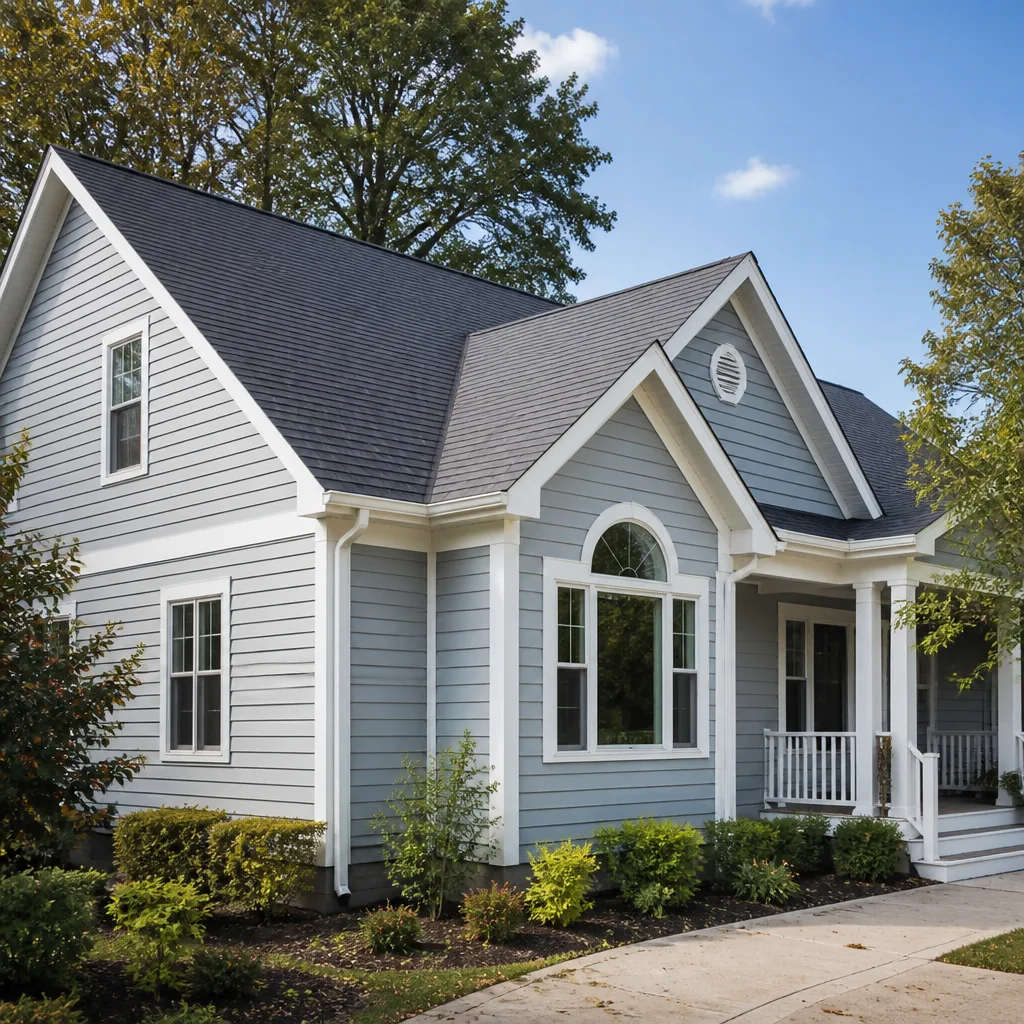
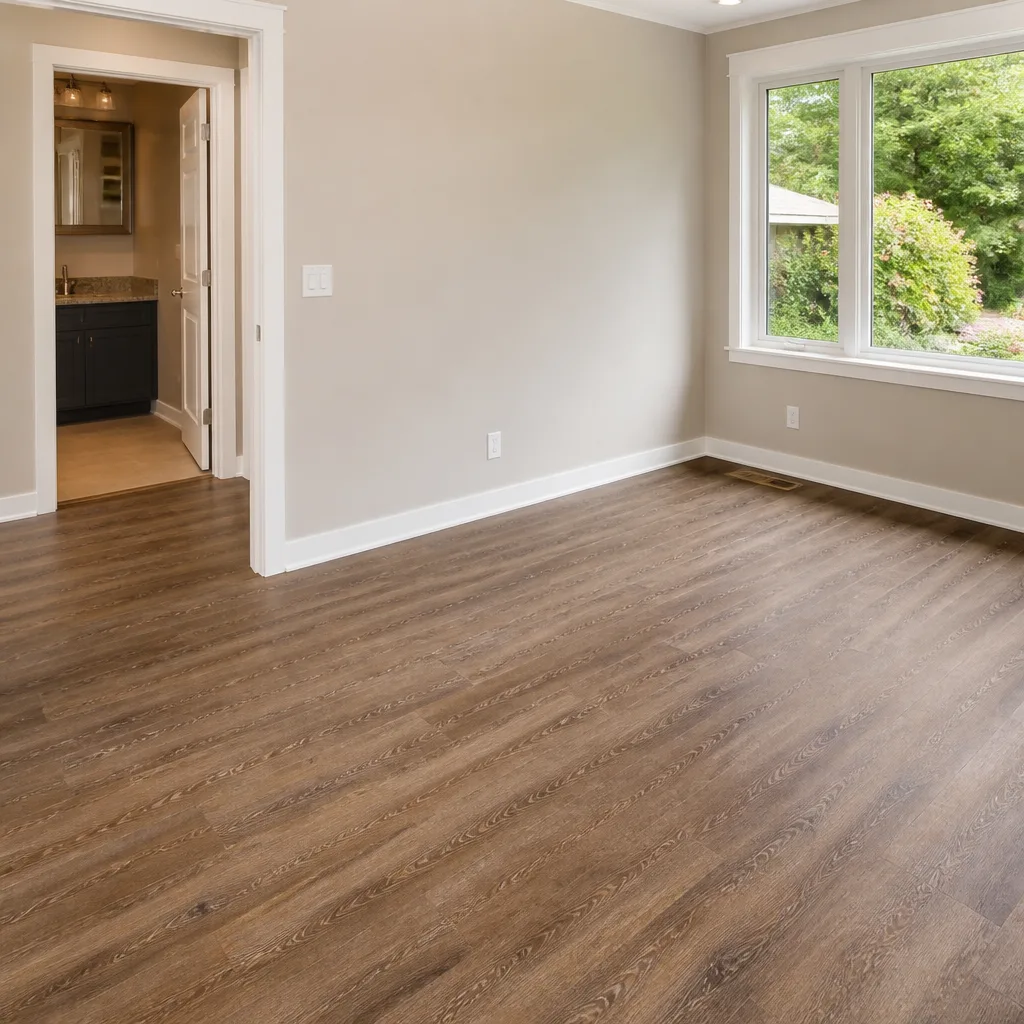
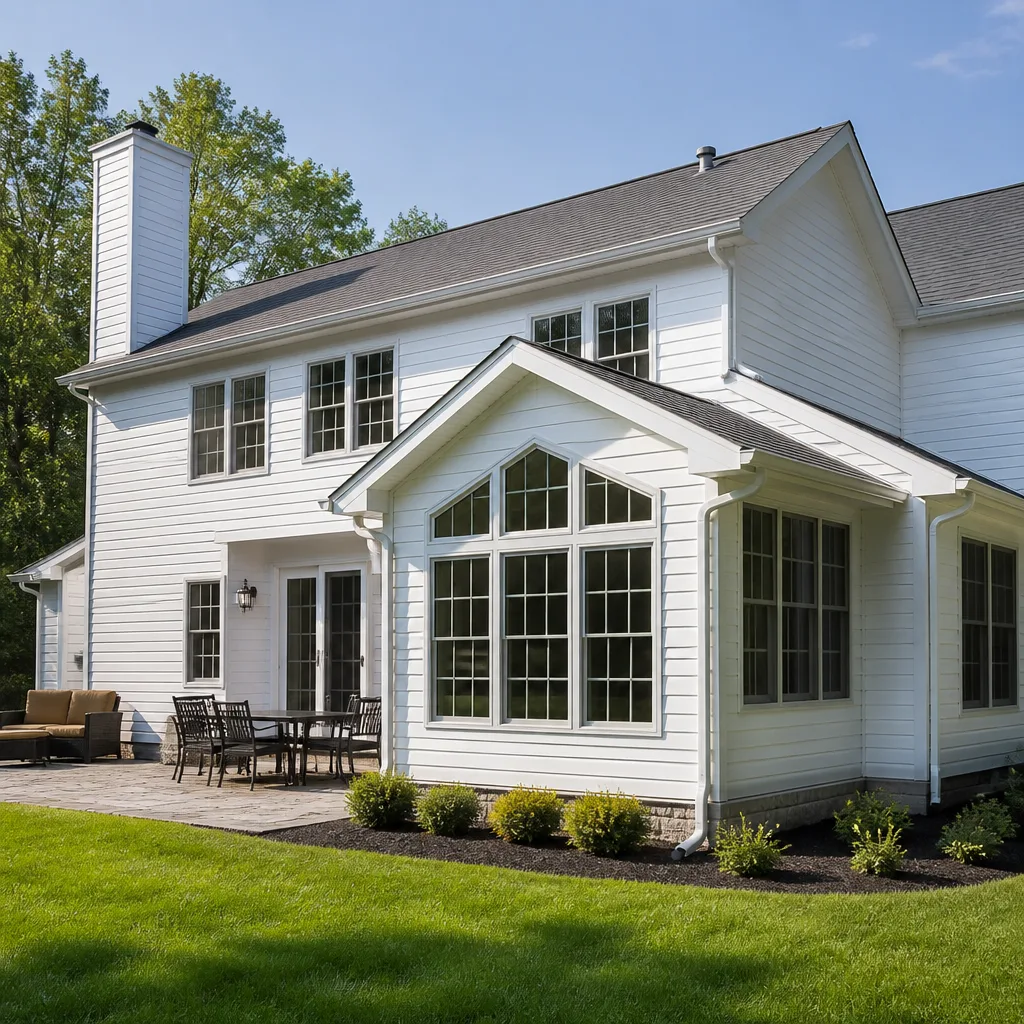
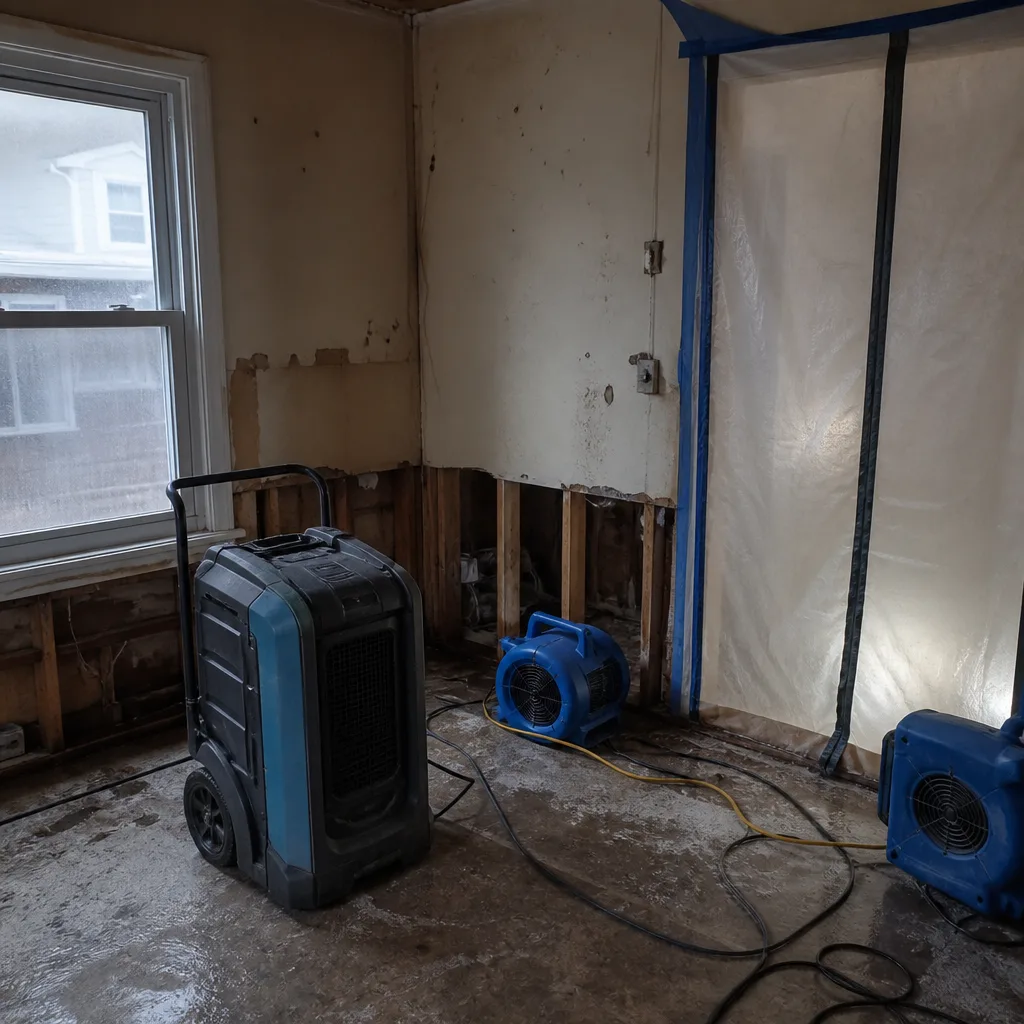 Before
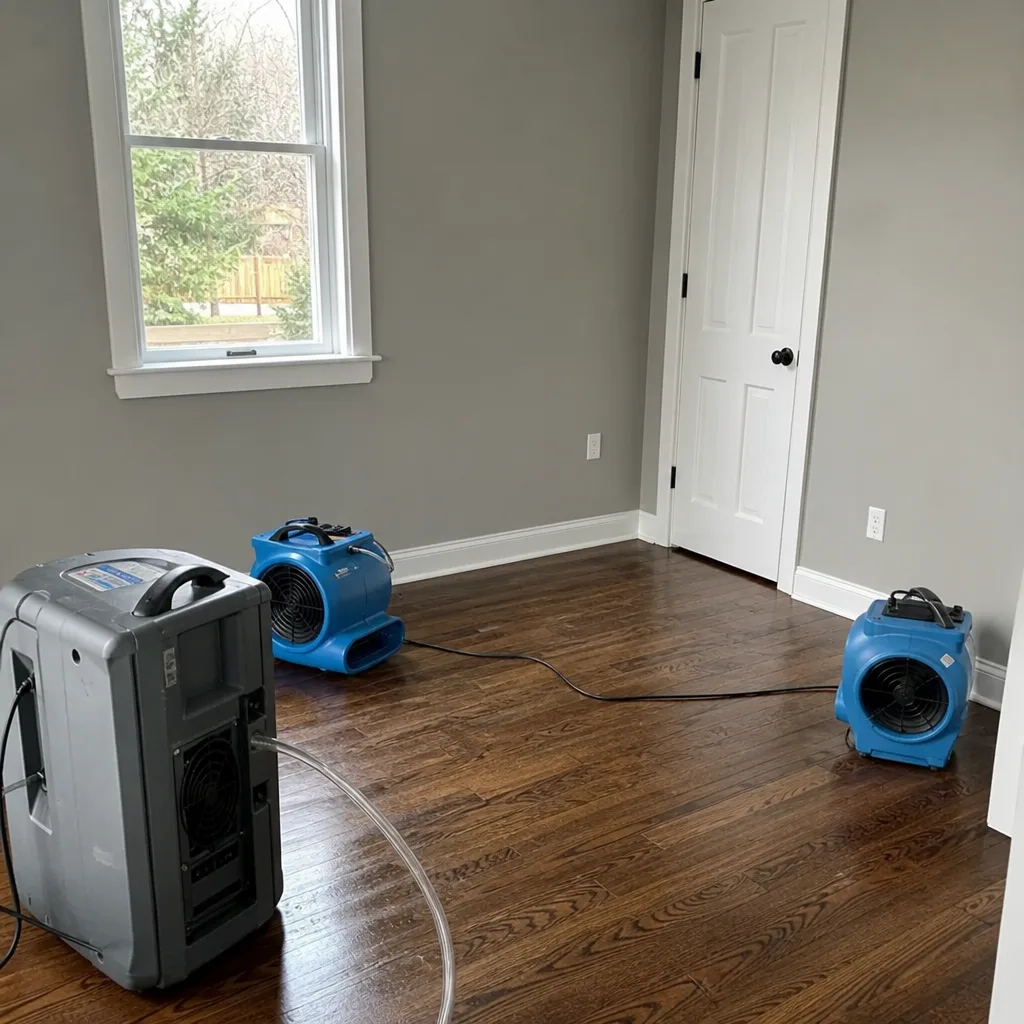 After
After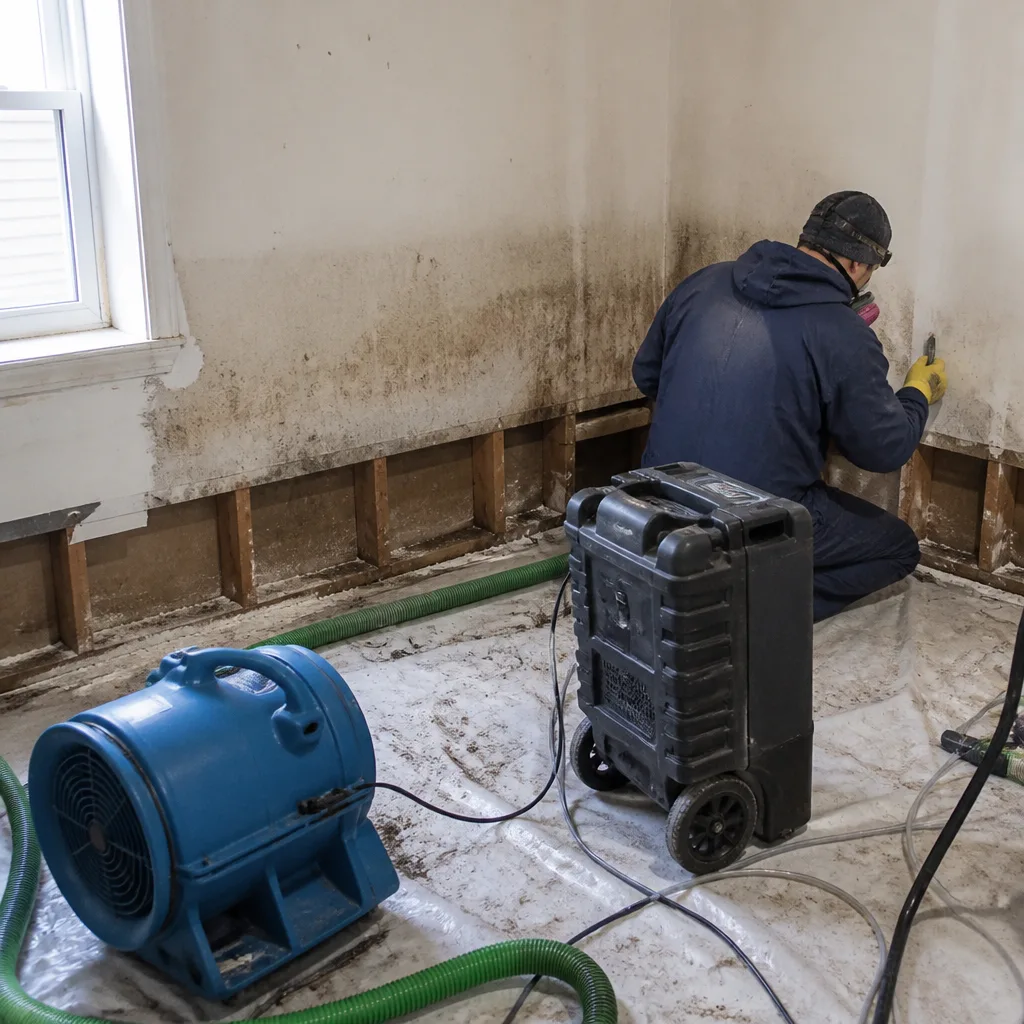 Before
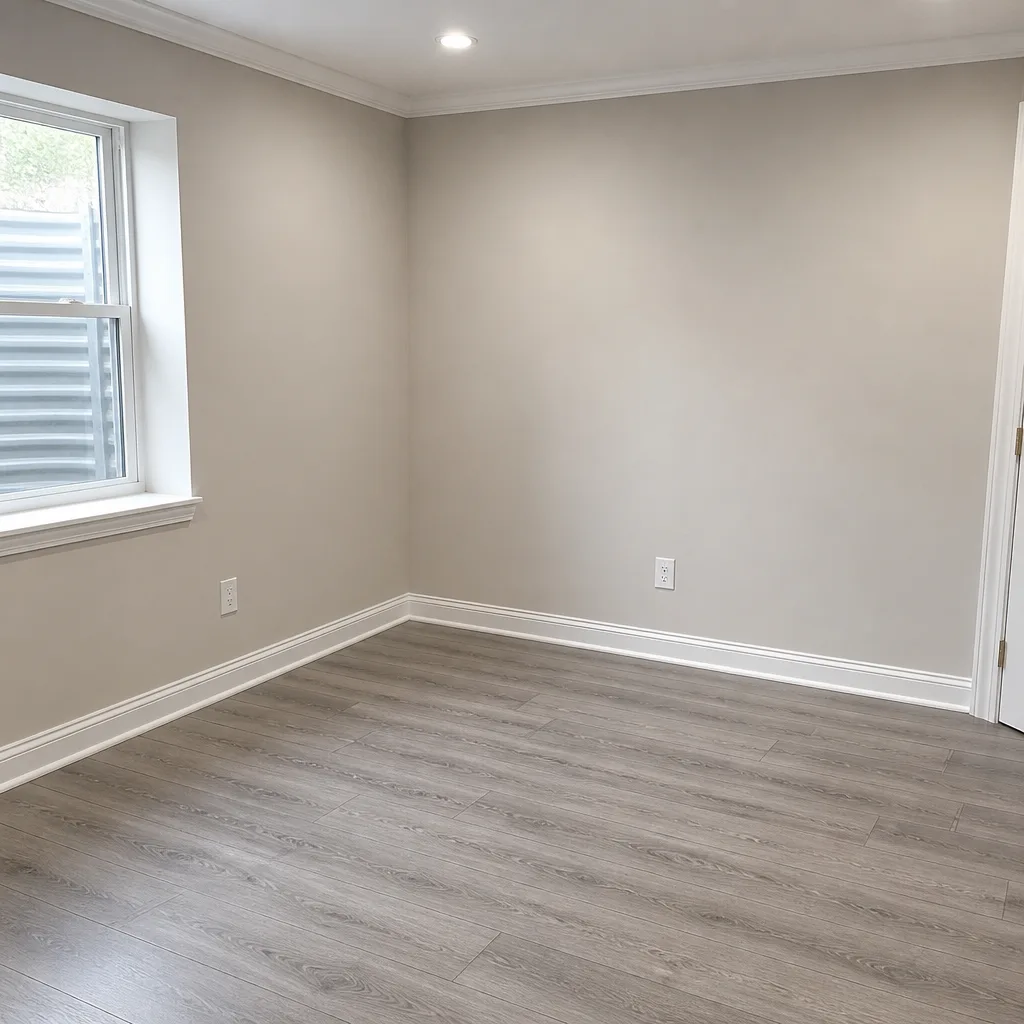 After
After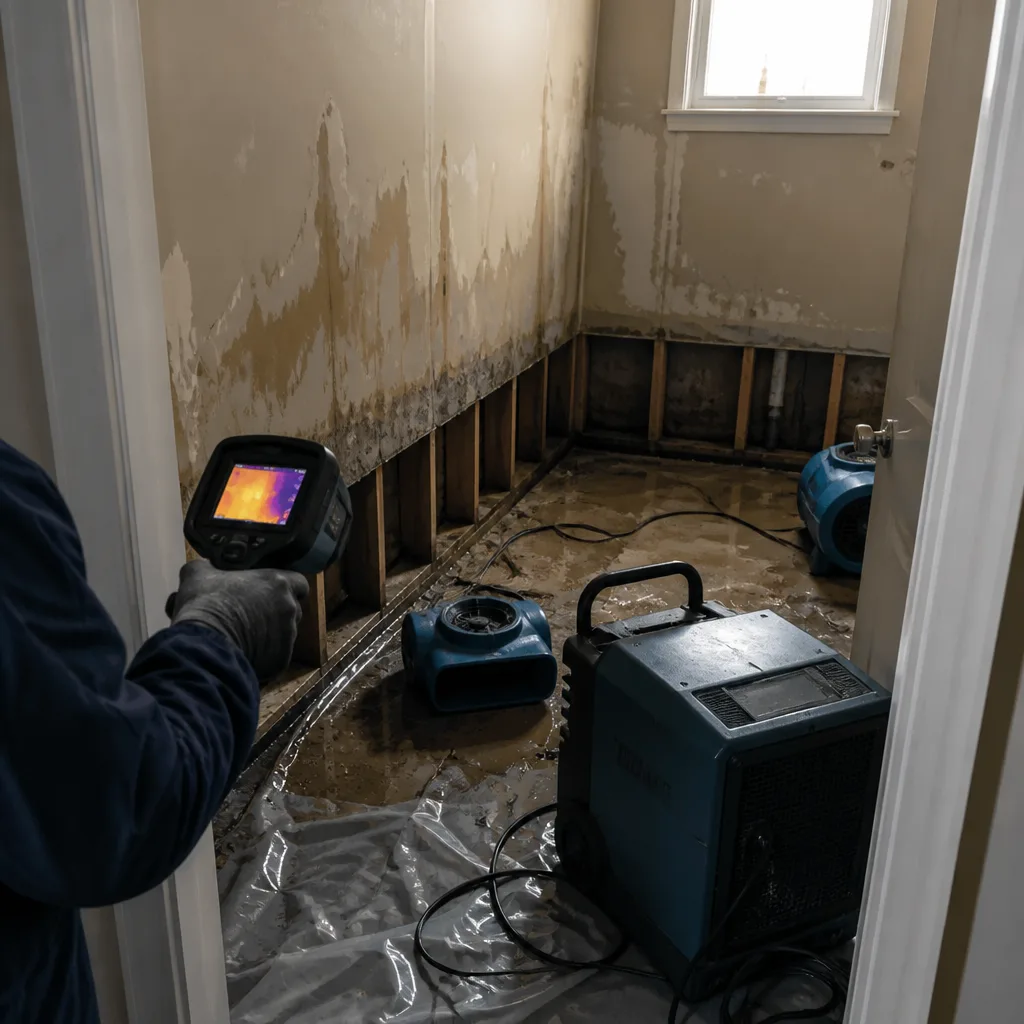 Before
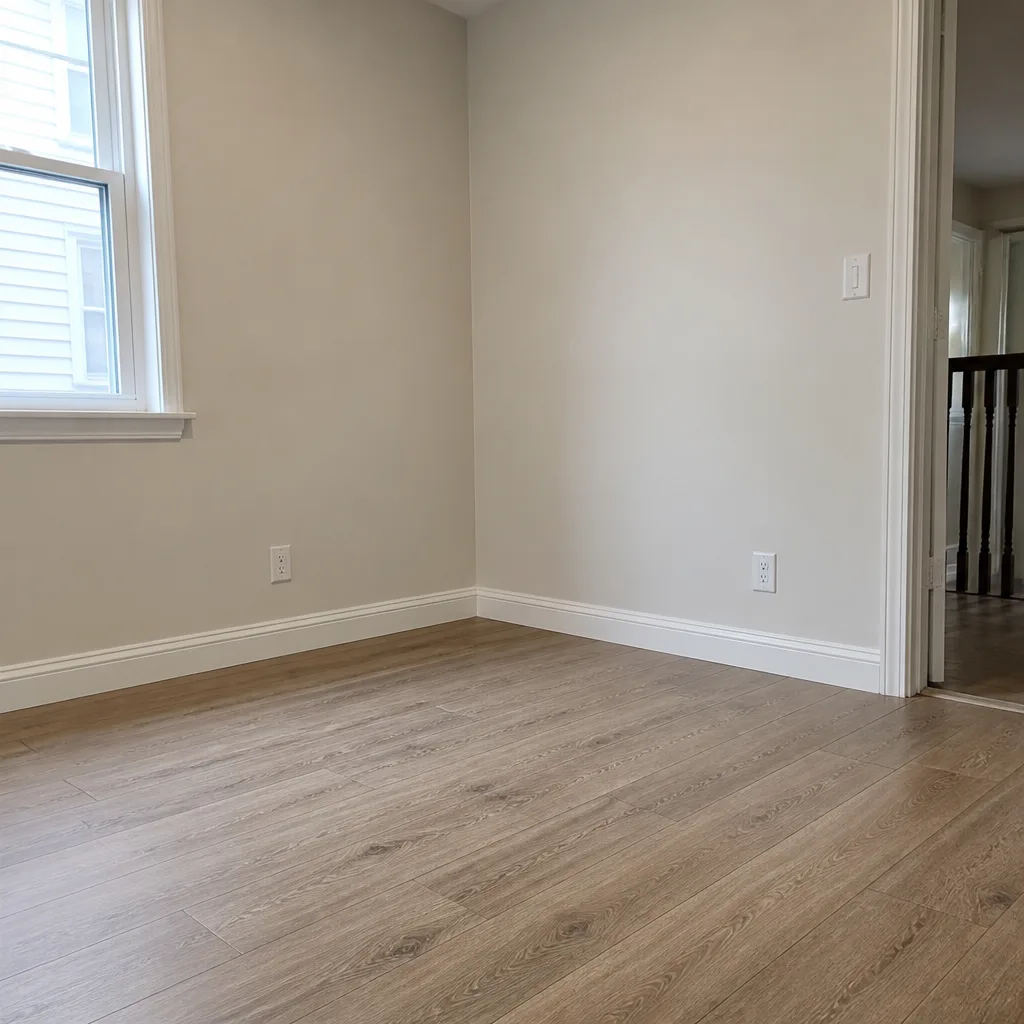 After
After24/7 Emergency Storm & Disaster Restoration in North Arlington
When the Passaic River jumps its banks or a nor’easter tears through Bergen County, North Arlington homes take a beating that inland towns never see. Wade’s Restoration answers live at (856) 501-6142 around the clock, and Wade Ferris heads out himself, usually arriving within 45 minutes of your call. Floodwater here isn’t just water. It’s Category 3 black water carrying industrial-era sediment, sewage, and whatever else the river picked up upstream. The first hour determines whether you’re drying out a basement or tearing out drywall, framing, and everything that water touched. That’s why our Storm & Disaster Restoration crew stages equipment before the crest, not after. We serve North Arlington with extraction, board-up, roof tarping, and full structural drying, all backed by the 90-Day Done Right Promise in writing.
Storm & Disaster Restoration Severity in North Arlington Properties
North Arlington’s housing stock runs overwhelmingly to post-WWII capes, colonials, and split-levels built between the 1940s and 1970s. Most sit on cinder-block or poured-concrete basements with no modern waterproofing membrane. That matters when Category 3 water enters. Porous cinder block wicks contaminated water upward, and original cast-iron drain lines often backflow during Passaic surges, reintroducing sewage after extraction. We classify every loss by water category before touching anything. Category 1 is clean supply-line water. Category 2 carries detergents or biological contaminants. Category 3, what North Arlington gets from the Passaic, contains pathogens, heavy metals, and raw sewage. Protocols differ drastically. Category 3 demands full containment, antimicrobial treatment, and removal of saturated porous materials. We use thermal imaging to map moisture migration through walls, then set Dri-Eaz dehumidifiers and Phoenix air movers based on actual readings, not guesswork. Every day, Wade takes moisture readings and hands you the full log at job’s end.
Misclassifying Passaic backup is the most expensive mistake a restoration crew can make in North Arlington. Treating Category 3 water like Category 1 leaves contaminated sediment inside wall cavities, under baseboards, and in original framing. Mold follows within days. Codes here require Category 3 protocols on river flooding, period.
Why North Arlington Property Owners Choose Wade’s Restoration
- 45-minute response commitment. Wade heads out as soon as you hang up, and he’s on the road from a metro dispatch office coordinating crews serving North Arlington locally. No call center, no queue.
- 24/7 live answer. You get Wade’s cell, or a real person who reaches him. Never an automated system. At 2 a.m. with floodwater rising, that’s the only kind of answer that helps.
- IICRC-certified crews. Wade’s team holds WRT, FSRT, and AMRT certifications. They handle Category 3 water, fire damage, and mold remediation to industry standards, not franchise shortcuts.
- Free visual inspection. Wade walks the property, takes readings, and tells you what’s actually needed. No charge for that. Then he hands you a written scope before any work starts.
- Direct insurance billing. We coordinate with your adjuster from day one, send photos and drying logs, and bill your carrier directly wherever your policy allows.
- One team from extraction to reconstruction. The same crew that pumps out the basement is the crew that replaces drywall, treats framing, and rebuilds. No handoffs, no third parties.
Our Storm & Disaster Restoration Process
Inspection & Assessment
Wade arrives with thermal imaging, moisture meters, and hygrometers. He maps the full extent of water migration, classifies the water category, and documents everything from the first hour for your insurance file.
Extraction & Stabilization
We extract standing water with truck-mounted and portable XPOWER units, then stabilize the property. If the Passaic is still rising or windows are blown out, we board up and tarp the roof immediately to stop further damage.
Drying & Dehumidification
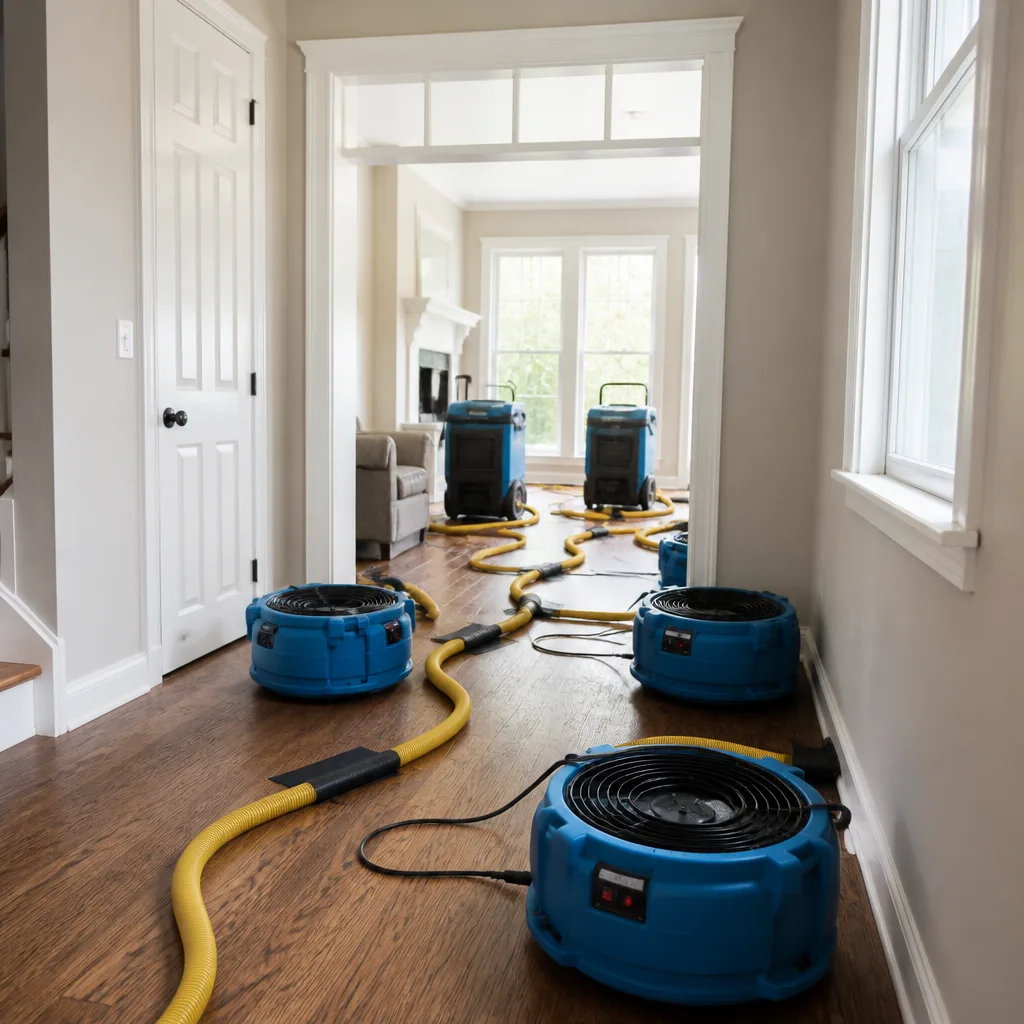
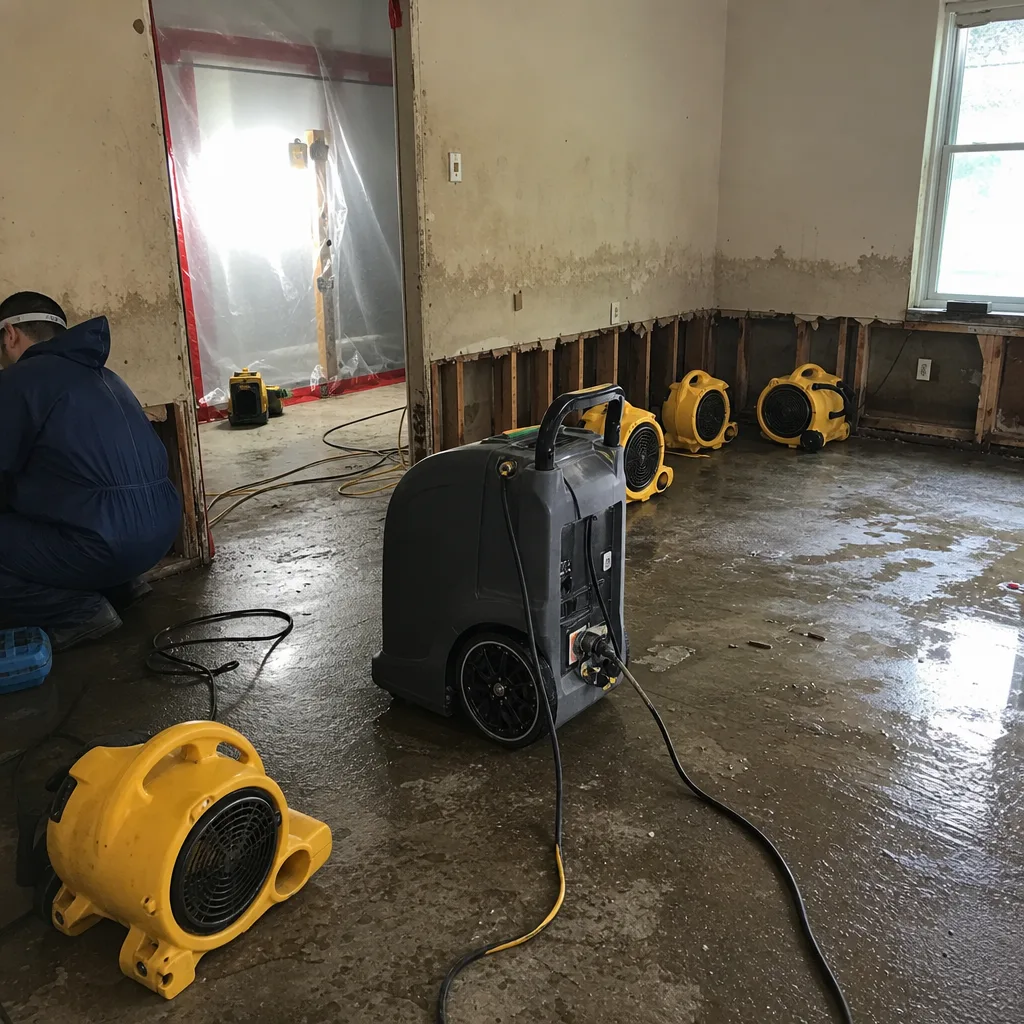
Dri-Eaz dehumidifiers and Phoenix air movers run on a drying plan built from daily moisture readings. In North Arlington’s cinder-block basements, this means interior wall cavities stay monitored for weeks, not days.
Cleaning & Sanitization
Category 3 water demands biohazard cleanup in North Arlington with antimicrobial treatment on framing, concrete, and any salvageable surfaces. We run HEPA air scrubbers during the entire process to capture airborne contaminants and mold spores.
Mold Prevention & Specialty Treatment
With 1940s and 1950s basements sitting on river floodplain, mold prevention isn’t optional. We apply antimicrobial agents to original framing and monitor moisture levels until readings confirm the structure is dry enough to close up.
Repairs & Restoration
We replace damaged drywall, insulation, and flooring, then handle reconstruction and cleanup in North Arlington to final finish. One crew, one scope, one warranty: the 90-Day Done Right Promise in writing.
Need Emergency Storm & Disaster Restoration in North Arlington Now?
Crews minutes away, answering live 24 hours a day. The sooner we start, the less it costs.
Working With Your Insurance Company
Flood claims in North Arlington get complicated because the Passaic crests 12 to 36 hours after the storm passes. Your adjuster needs storm-date documentation and moisture logs showing exactly when water entered and how long it sat. We provide that from the first day. Wade has dealt with adjusters on hundreds of Passaic flood claims. He speaks their language, sends them industry-standard estimates, and handles the back-and-forth directly so you’re not stuck relaying information between two sides. Photos of every room, line-item scopes, and daily drying logs go straight to your carrier. If your policy covers flood damage, we bill them directly. If you’re out of pocket, we give you the written scope before work starts so you know exactly what you’re paying for.
What We Provide Your Insurer
- Thorough documentation of the loss
- Photos of all damage, room by room
- Moisture readings and drying logs
- A detailed, line-item scope of work
- Direct coordination with your carrier
Built for North Arlington’s Loss Calendar
North Arlington’s storm damage follows a pattern that repeat clients know well. January and February bring deep freezes that burst supply lines in older capes and split-levels, flooding basements while families are away for the day. March and April thaw brings snowmelt and spring rains that saturate the ground, pushing groundwater into cinder-block foundations through hairline cracks. Summer thunderstorms hit fast and hard, overwhelming the borough’s storm drains and backing up primary lines into basements. Fall nor’easters bring wind damage, downed trees, and torn roof flashing on aging shingles. But the big one is the Passaic. Upstream runoff from Morris and Essex County watersheds pushes the river over its banks a full day after the storm clears, soaking Riverside County Park, parts of High Street, and the low-lying streets off River Road. If you live in the floodplain, you know the drill. Wade stages extraction equipment in advance of the crest because that’s what works here.
Storm & Disaster Restoration Across North Arlington’s Neighborhoods
Properties along River Road and the streets feeding it see the worst of the Passaic. We regularly stage equipment at homes on Prospect Avenue, Schuyler Avenue, and the blocks between Route 7 and the river when the National Weather Service predicts cresting. Those cinder-block basements flood fast, and the water is always Category 3. Farther east, around Kearny Avenue, wind damage outpaces flood damage. Older rooflines, original flashing, and single-pane windows fail under nor’easter gusts, sending water through attics and walls. The hilly streets north of the Belleville Turnpike see more sump pump failures during heavy rain because foundations sit close to bedrock and groundwater rises quickly. In the Memorial and Ridge Road corridors, the split-levels from the 1950s and 1960s are the most vulnerable to backflow through original cast-iron drains. Wherever the damage happens, our Storm & Disaster Restoration team adjusts the equipment plan to the house, not the other way around.
Specialized Storm & Disaster Restoration Services We Offer in North Arlington
Flood Damage Restoration
North Arlington’s location on the lower Passaic floodplain means flood restoration here is a repeat-client industry. We extract Category 3 water, remove contaminated porous materials, treat framing with antimicrobial, and dry the structure to verified moisture levels. Cast-iron drain backflow gets addressed before it re-contaminates the space.
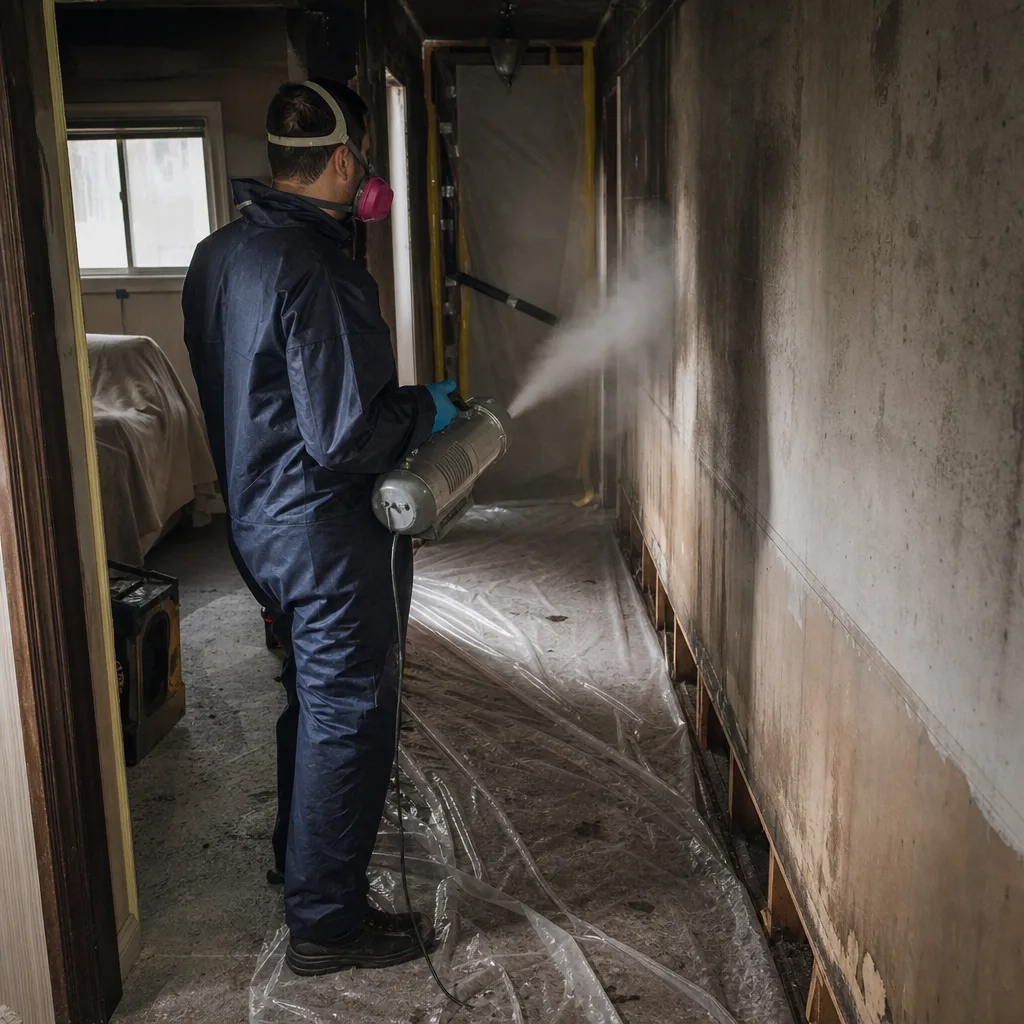
Storm Damage Cleanup
After a storm, the damage isn’t just water. Downed limbs, blown-in debris, shattered glass, and mud are all part of the cleanup. We clear what’s dangerous, document what’s damaged, and get the property stable enough for drying and repairs to begin.
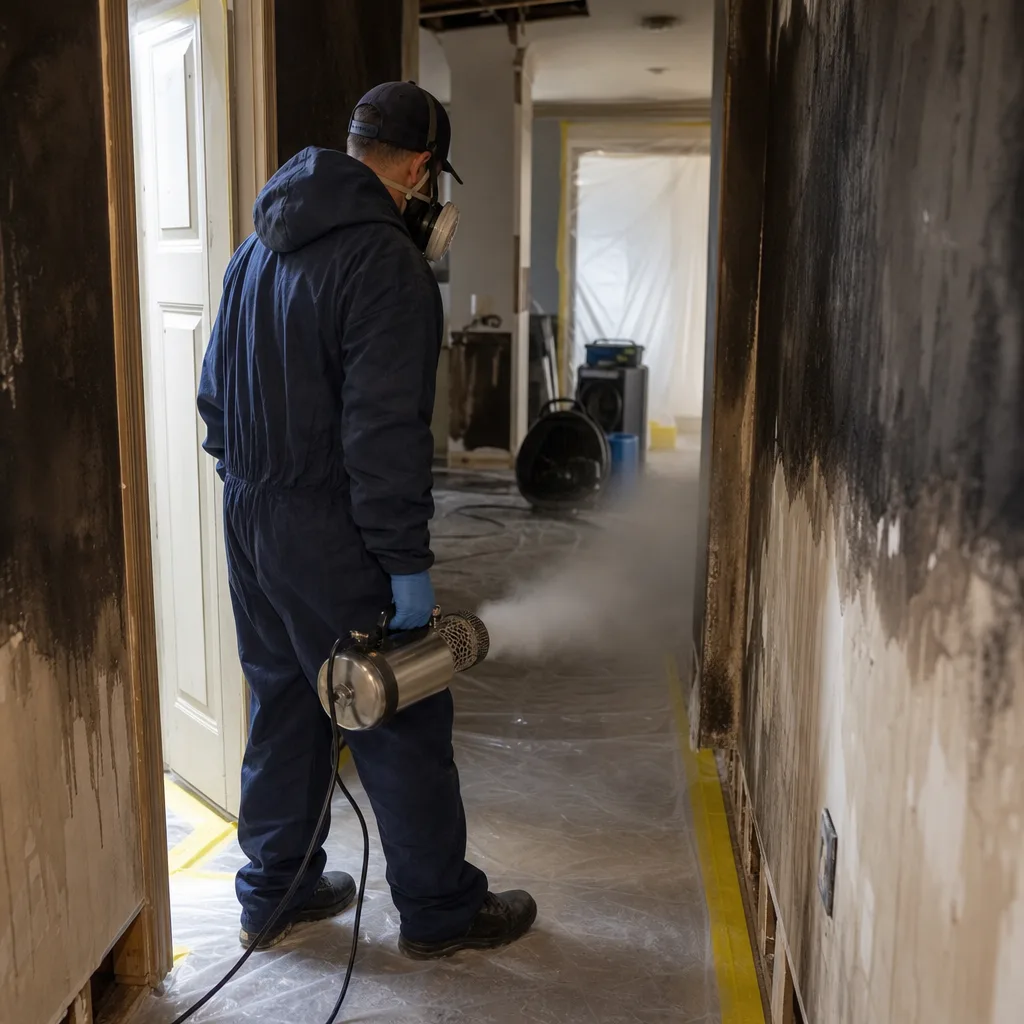
Emergency Board-Up
When windows blow out or tree limbs punch through walls, securing the house is job one. We board up openings with plywood cut to fit, tarp damaged roof sections, and prevent further water intrusion before we start drying. Board-up also prevents opportunistic break-ins on unoccupied homes.
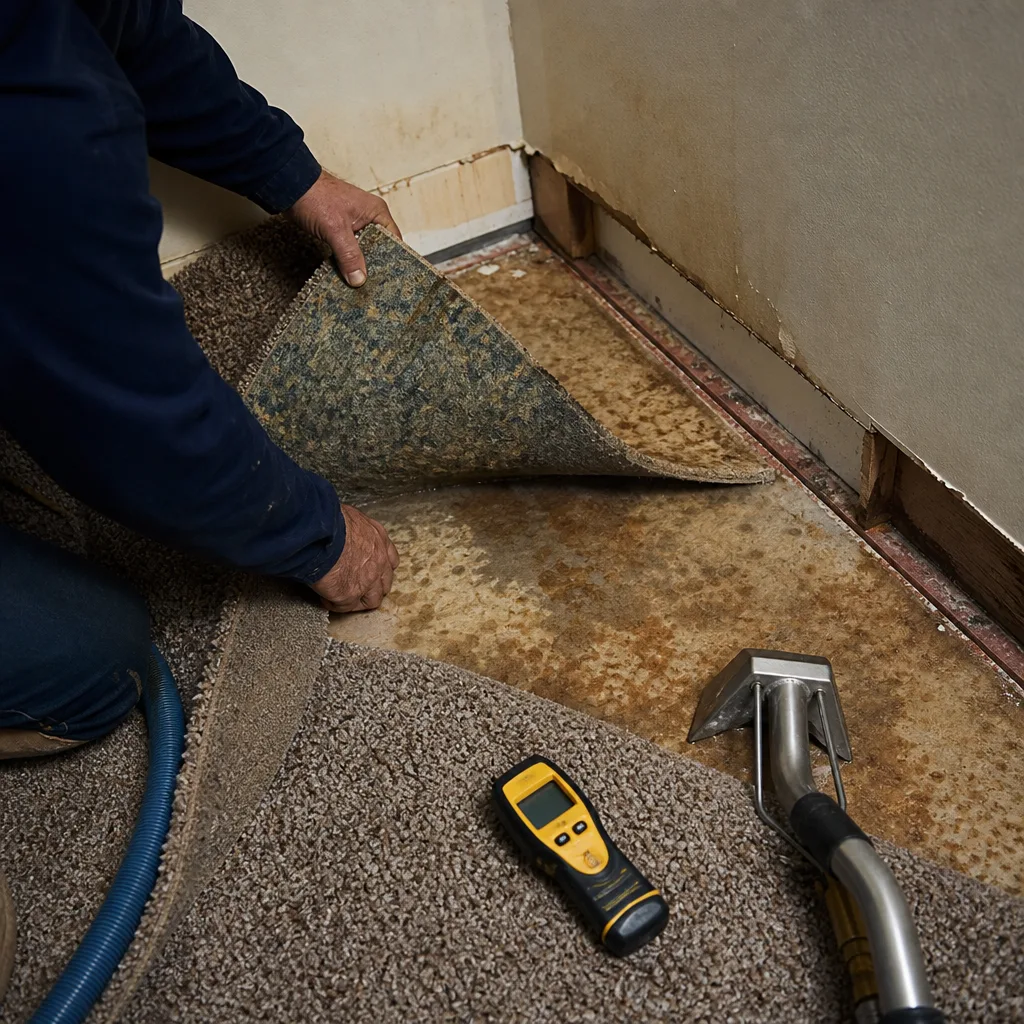
Roof Tarping
Nor’easters tear flashing and shingles off aging rooflines all over North Arlington. We tarp exposed roof sections to stop active water intrusion, then document the damage for your claim. Permanent roof repair happens after the structure is dry.
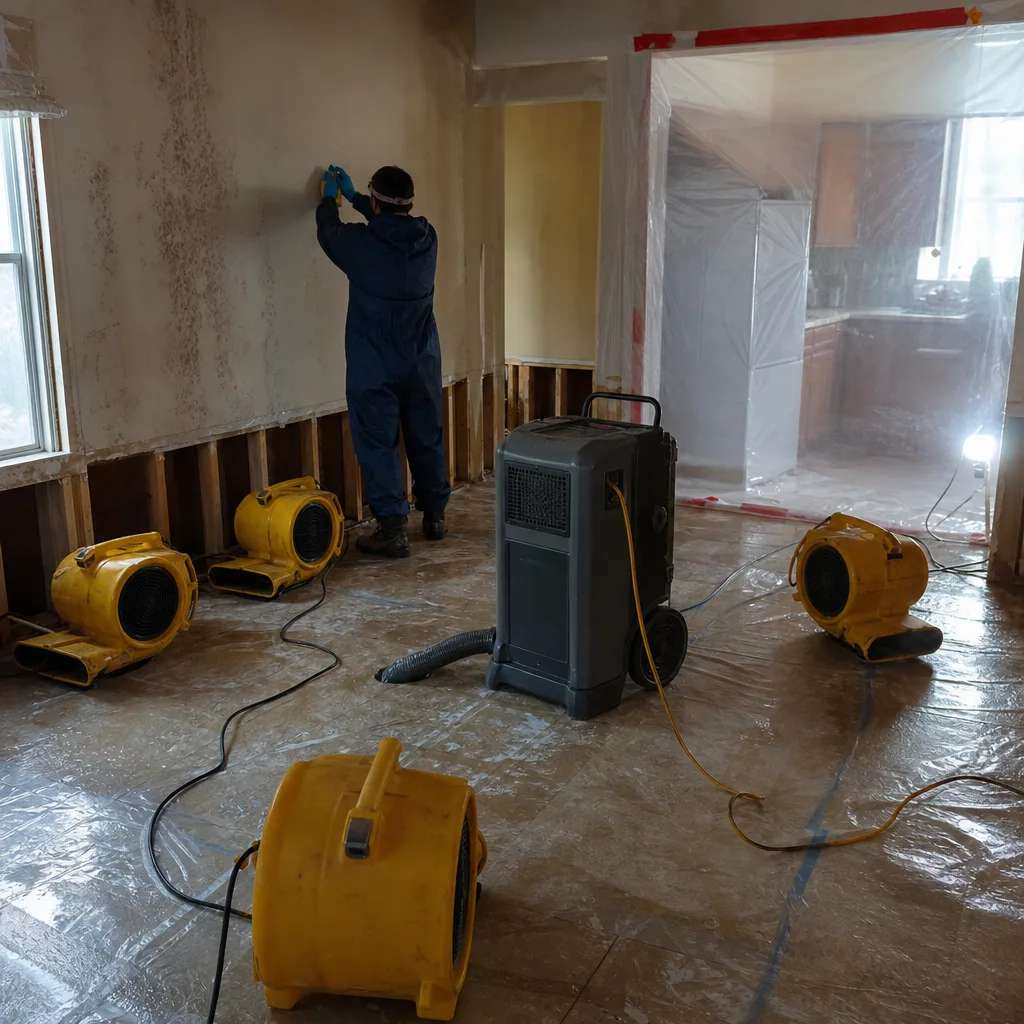
Debris Removal
Floodwater and wind leave behind a mess that’s often contaminated. We remove saturated drywall, insulation, carpet, and damaged framing. We also handle yard debris that’s blocking access or holding moisture against the foundation.
What happens when you call
- 1
A real person answersNo phone trees - you reach a local pro.
- 2
You get an upfront price rangeHonest numbers before anyone is dispatched.
- 3
A background-checked tech heads outLicensed & insured, dispatched right away.
- 4
You approve before work beginsNothing starts until you say go.
Storm & Disaster Restoration Costs in North Arlington, NJ
Flood restoration in North Arlington runs $3,500 to $9,000 for a typical basement flood event involving Category 3 water, extraction, drying, and basic drywall replacement. Roof tarping runs $400 to $1,200 depending on access and roof pitch. Emergency board-up runs $300 to $900 per opening. Debris removal after a storm runs $500 to $2,500 depending on volume and contamination level. Full reconstruction after a severe flood pushes $15,000 to $45,000 in run-of-the-mill 1950s split-levels, and more when original boilers or cast-iron drain lines need replacement. What moves the price: how long water sat before extraction started, whether the water was Category 3, how much drywall and insulation must come out, and whether mold has already taken hold. Insurance covers most storm and flood damage when you have the right policy. We provide a free visual inspection, take readings, and give you a written scope before any work begins. Call (856) 501-6142 and Wade will walk the property with you.
We Also Serve Cities Near North Arlington
Wade’s Restoration serves the entire lower Passaic corridor and surrounding Bergen and Hudson County towns. If you’re in Lyndhurst, Kearny, Rutherford, or Harrison, we can be there just as fast. Same live answer, same written scope, same 90-Day Done Right Promise.
Serving North Arlington, NJ - Our Local Coverage Area
We’re based in the North Arlington area and know this community well. Use the map below to see our service coverage - if you’re nearby, we can almost certainly help.
North Arlington Storm & Disaster Restoration Questions, Answered
Why do I need Category 3 (black water) protocols for Passaic River flooding in North Arlington?
Passaic River floodwater carries raw sewage, industrial sediment, and agricultural runoff. It must be treated as Category 3 black water. That means full containment, removal of saturated porous materials, antimicrobial treatment, and HEPA air scrubbing. Treating it as anything less leaves pathogens and contaminants inside your walls. Call (856) 501-6142 and we’ll walk you through exactly what your house needs.
How long after a storm does flooding actually hit North Arlington homes near the river?
The Passaic crests 12 to 36 hours after the storm passes. Upstream runoff from Morris and Essex County watersheds pushes the river over its banks well after skies clear. That means homeowners on River Road and the streets feeding it can flood on a sunny day after the storm. We stage equipment in advance of the crest, not after.
My 1950s North Arlington split-level got river water in the basement; what materials must come out?
Category 3 water means saturated drywall, insulation, carpet, and pad all come out, no question. Porous materials cannot be sanitized after black water exposure. Original framing can sometimes be saved with antimicrobial treatment if moisture readings come down fast enough. Cast-iron drain lines often need inspection too. Wade’s daily moisture log tells you exactly where you stand. Call (856) 501-6142 for a free inspection.
Does mold always grow after a Passaic flood in North Arlington basements?
If the structure isn’t dried to verified moisture levels within 48 to 72 hours, mold is nearly guaranteed in cinder-block basements with no waterproofing membrane. That’s why we treat framing with antimicrobial during restoration and keep monitoring until readings confirm the structure is dry enough to close up. Skipping this step is why so many North Arlington homeowners deal with mold months after a flood.
Will my older boiler and cast-iron drains complicate storm damage restoration in North Arlington?
Yes. Original oil-fired boilers and cast-iron drain lines are common in North Arlington’s 1940s to 1970s housing stock. Cast iron backflows during river surges, reintroducing sewage after extraction. Old boilers sit low and often take water damage. We coordinate with licensed HVAC and plumbing contractors to address these before rebuilding.
How fast can you actually get to my North Arlington home?
Wade heads out as soon as you call. Most North Arlington properties are reached within 45 minutes. Crews are dispatched from a metro office coordinating service locally in North Arlington, and the equipment truck follows right behind. At 2 a.m. with floodwater rising, that’s the difference between a cleanup and a rebuild. Call (856) 501-6142 now.
Will my insurance cover Passaic flood damage in North Arlington?
If you carry flood insurance, yes. If you only have homeowners coverage, maybe not. Standard homeowners policies typically exclude rising river water unless you bought a separate flood policy. Storm damage from wind-driven rain, fallen trees, or burst pipes is usually covered. We document everything from the first hour and coordinate directly with your adjuster. Wade has handled hundreds of Passaic claims and knows exactly what your carrier needs. We’ll bill them directly wherever possible.
What should I do in the first 30 minutes after floodwater enters my North Arlington basement?
Shut off the electricity to the affected area if you can do so safely without stepping in water. Don’t walk through the water if there’s any chance it contacted electrical systems. Call (856) 501-6142. Then start moving valuables upstairs if the water is shallow enough to work safely. Don’t try to pump it out yourself with a shop vac if it’s river water. The contamination is the problem, not just the water. Wade will be on the way.
Written by Wade Ferris, Owner at Wade’s Restoration, serving North Arlington since 2007.