
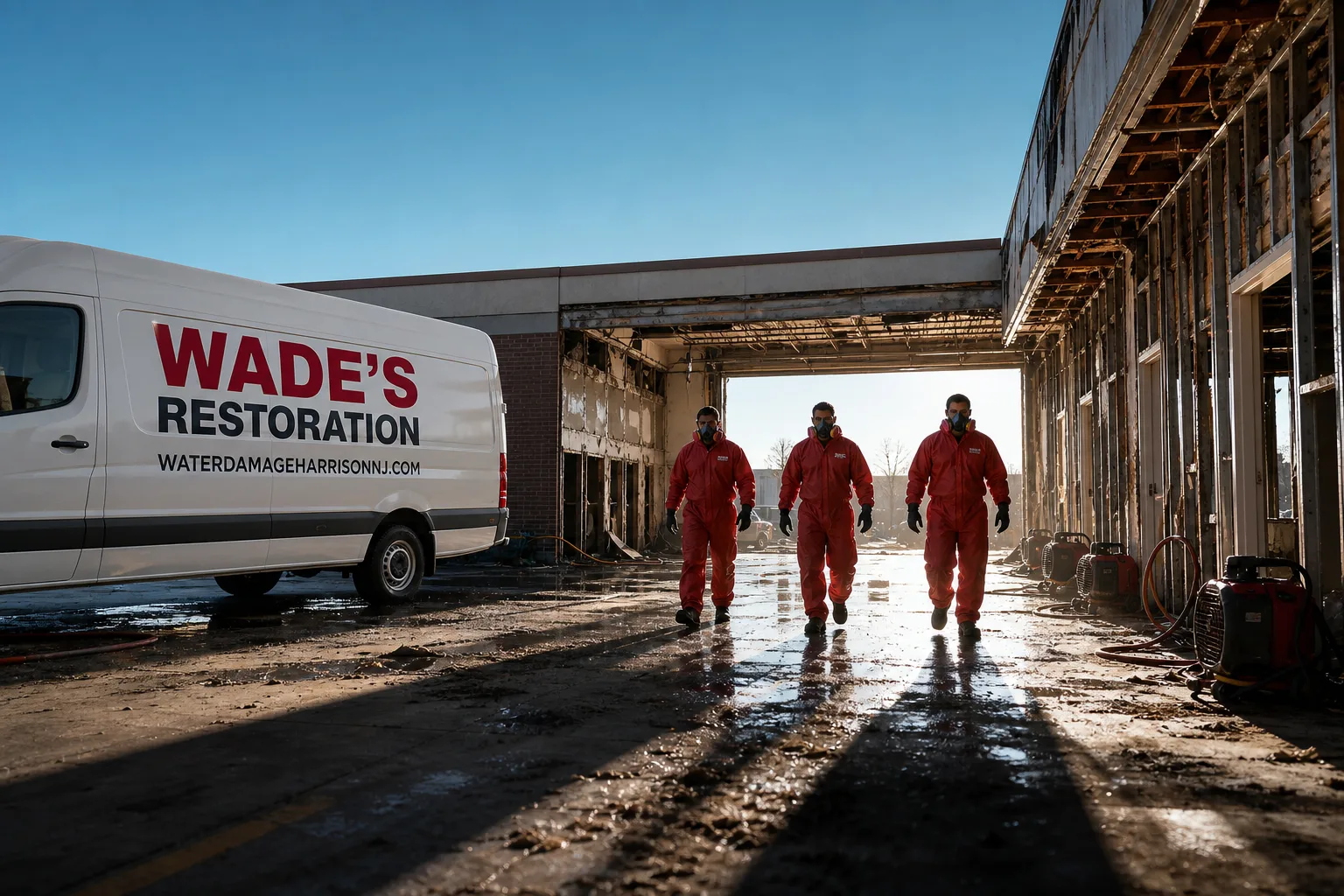
Free visual inspection and a written scope of work before any mitigation begins - photos, moisture readings, and drying logs go in your claim file
The scope we write is the scope we bill. Anything new gets shown to you, in writing, before we touch it.
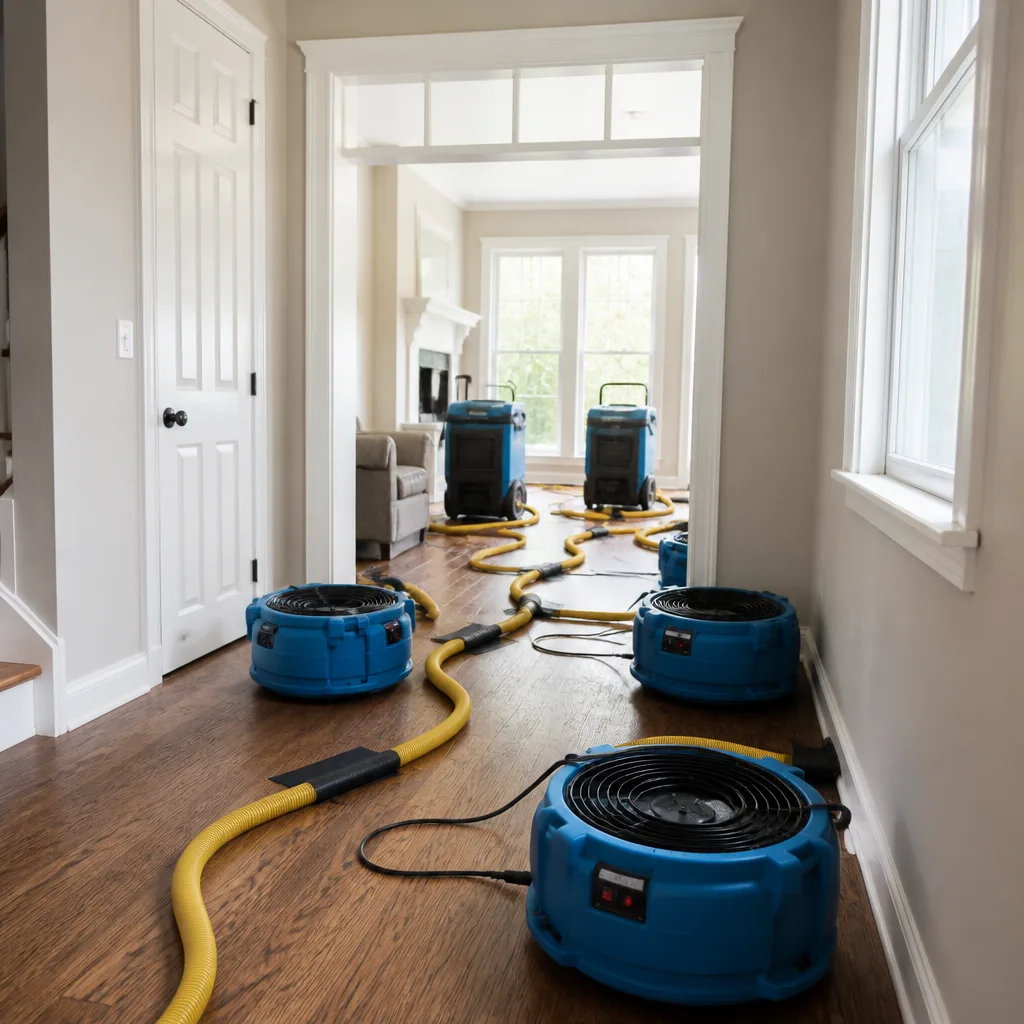
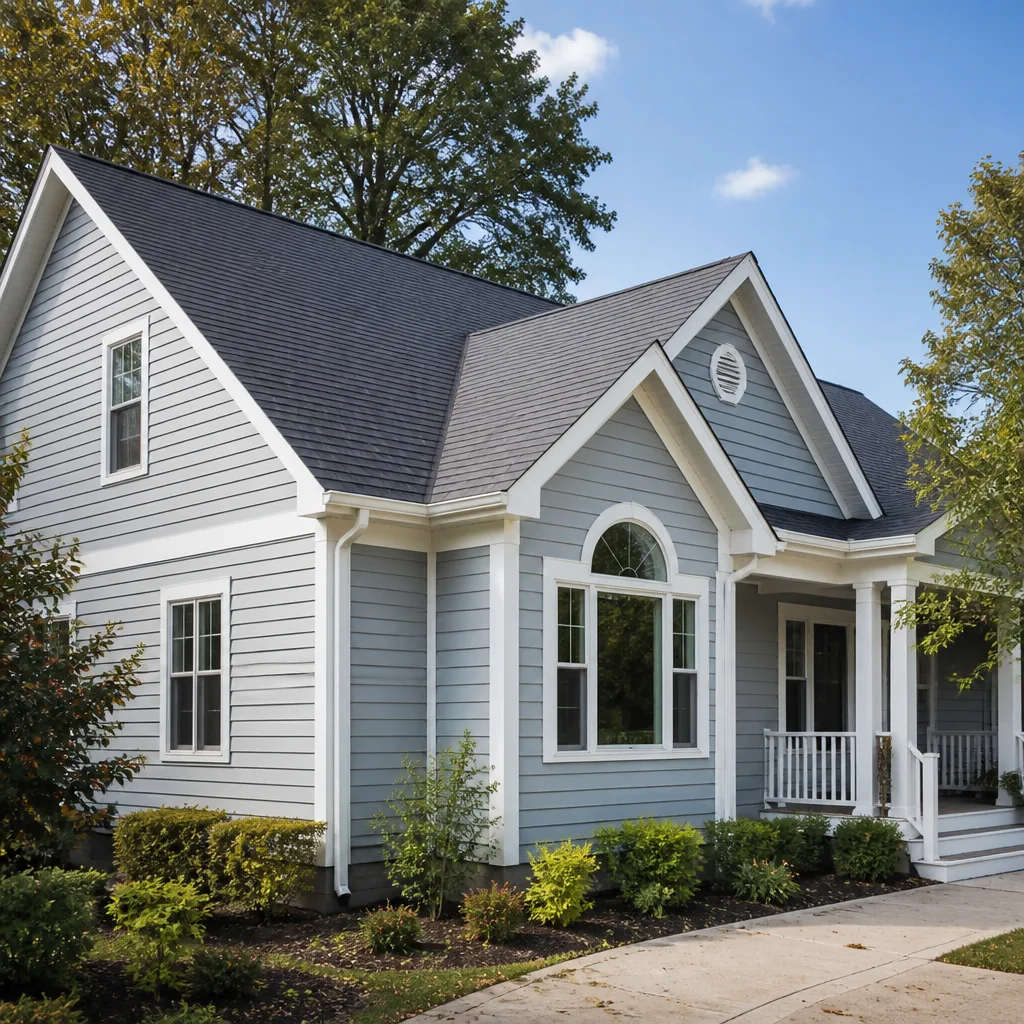
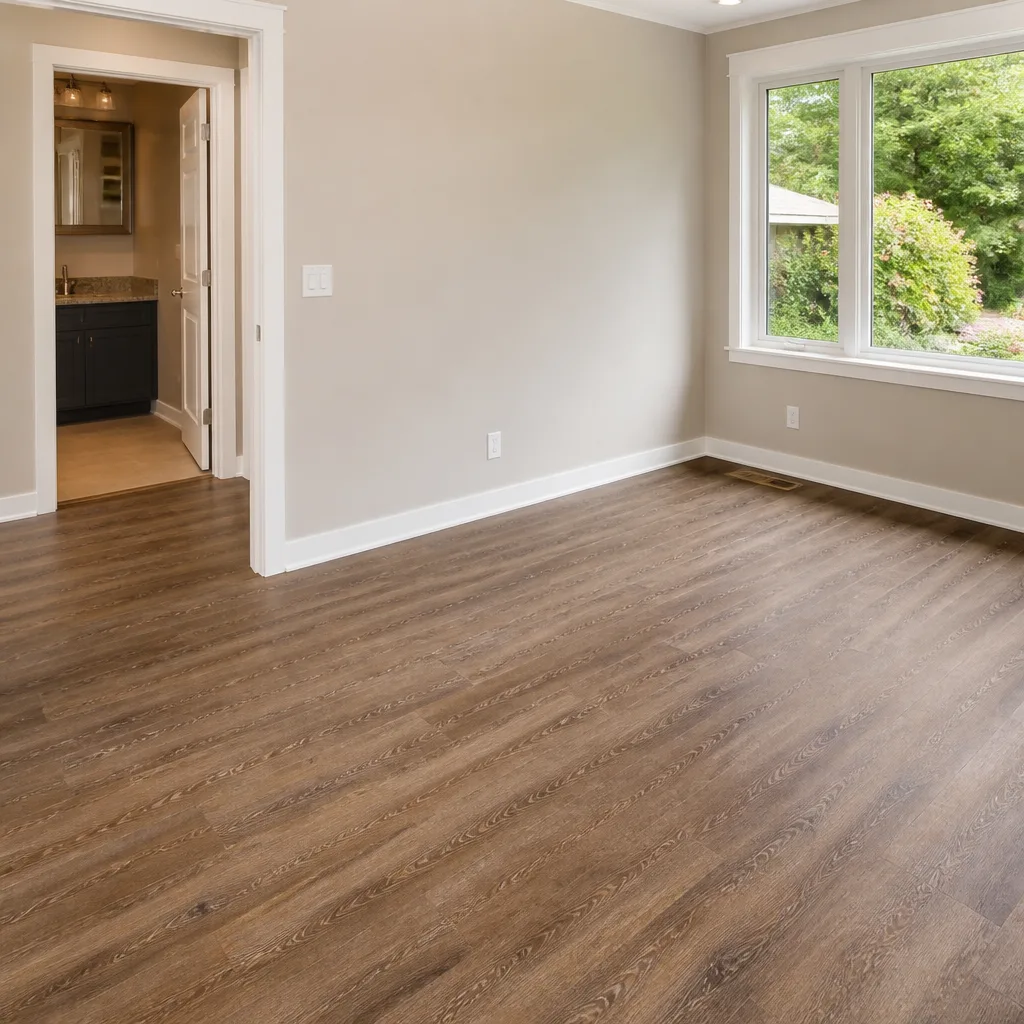
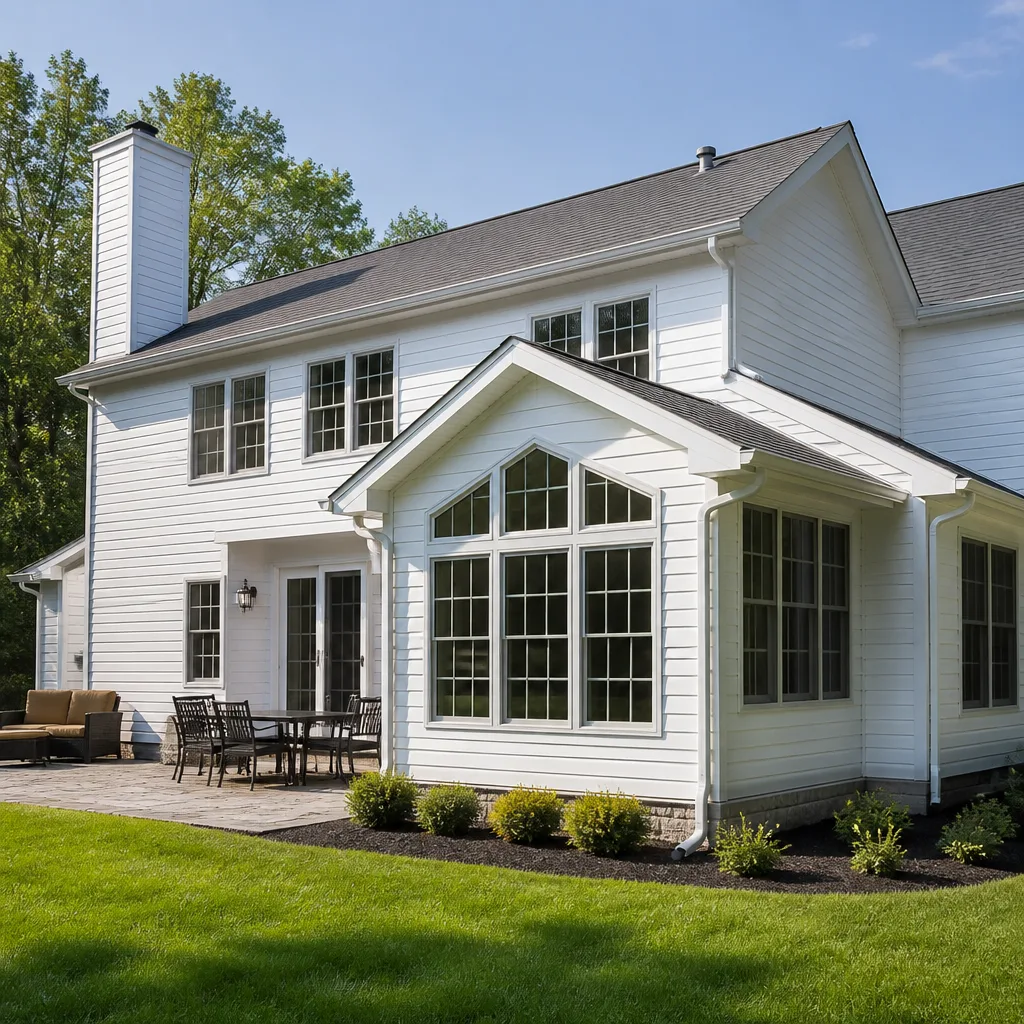
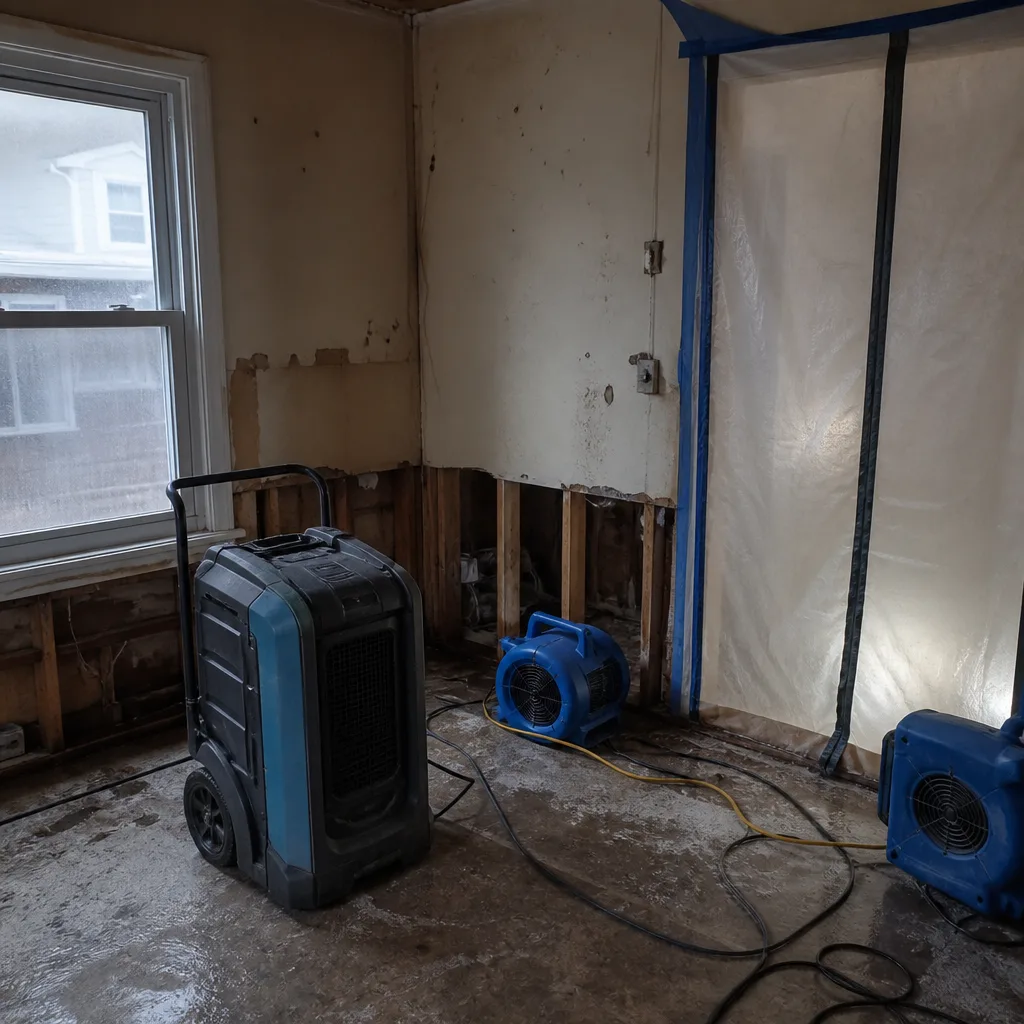 Before
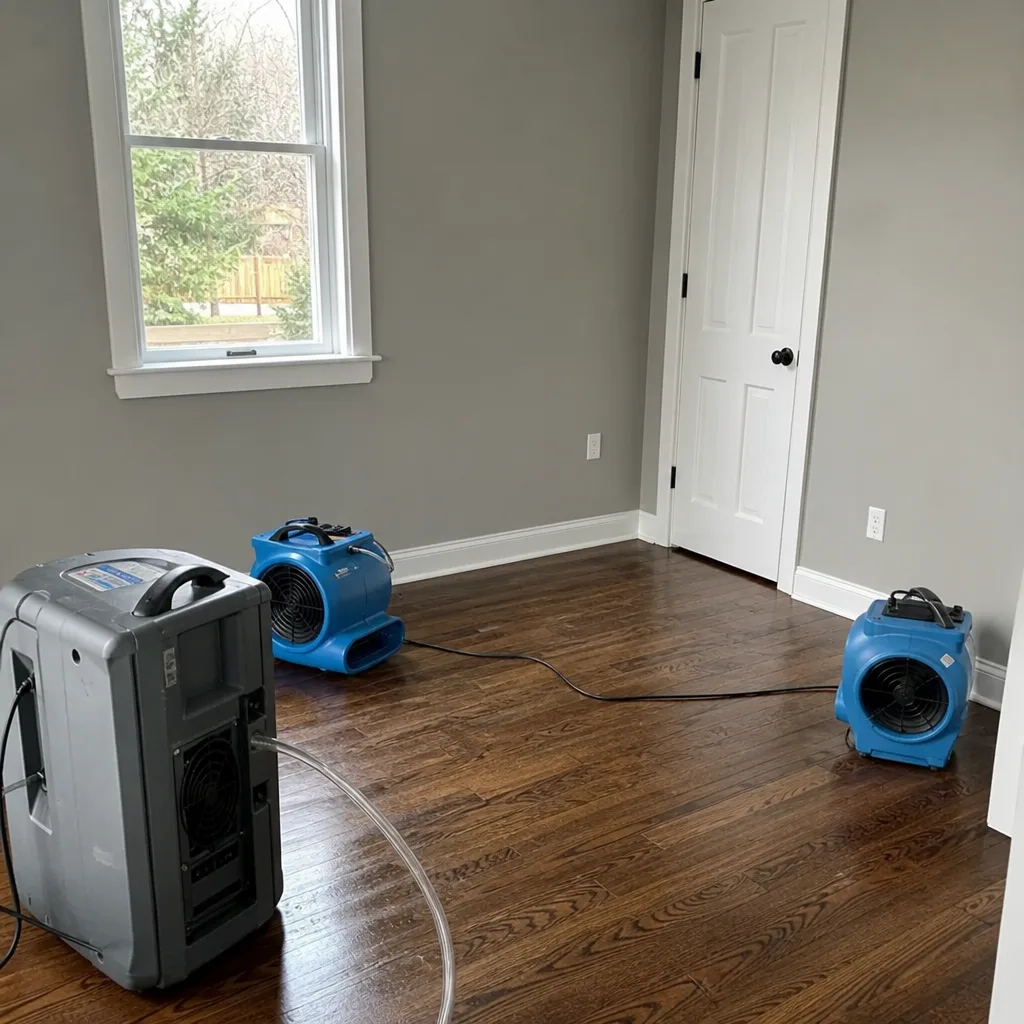 After
After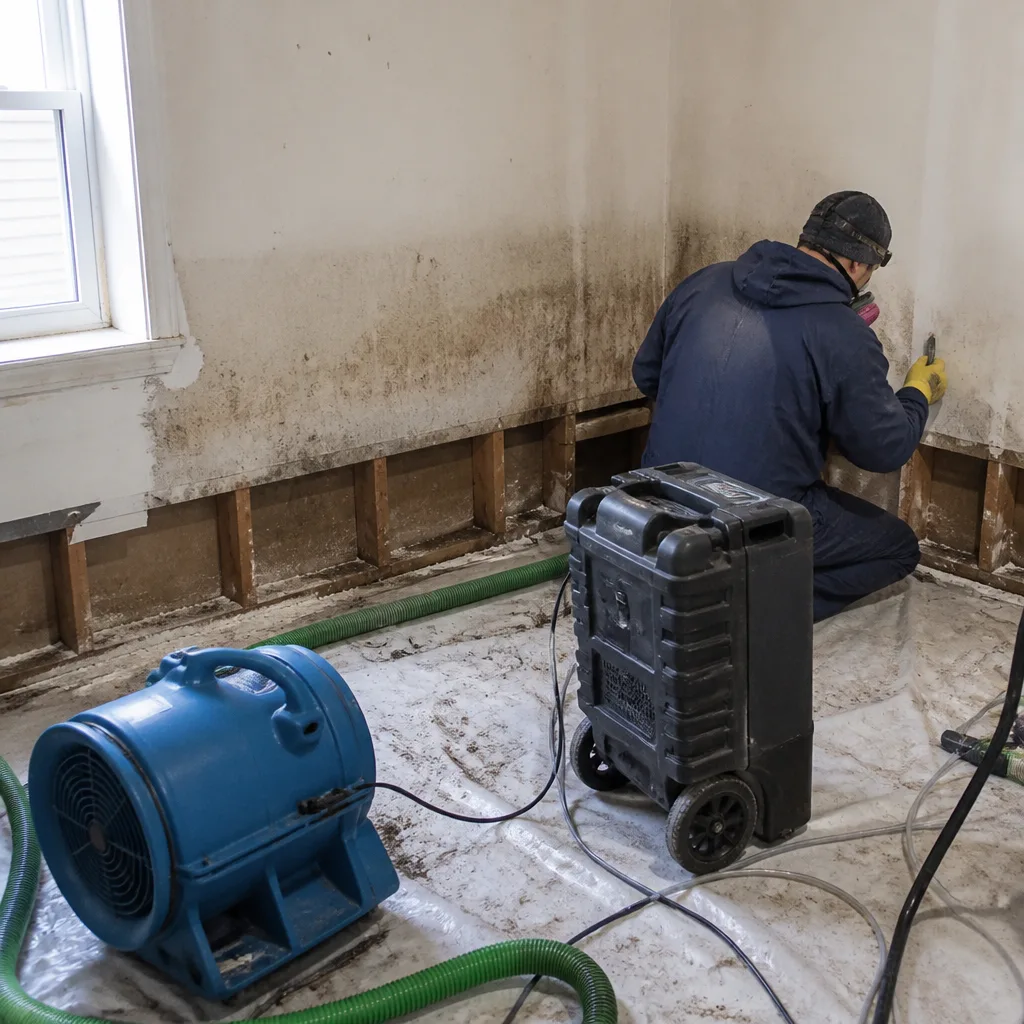 Before
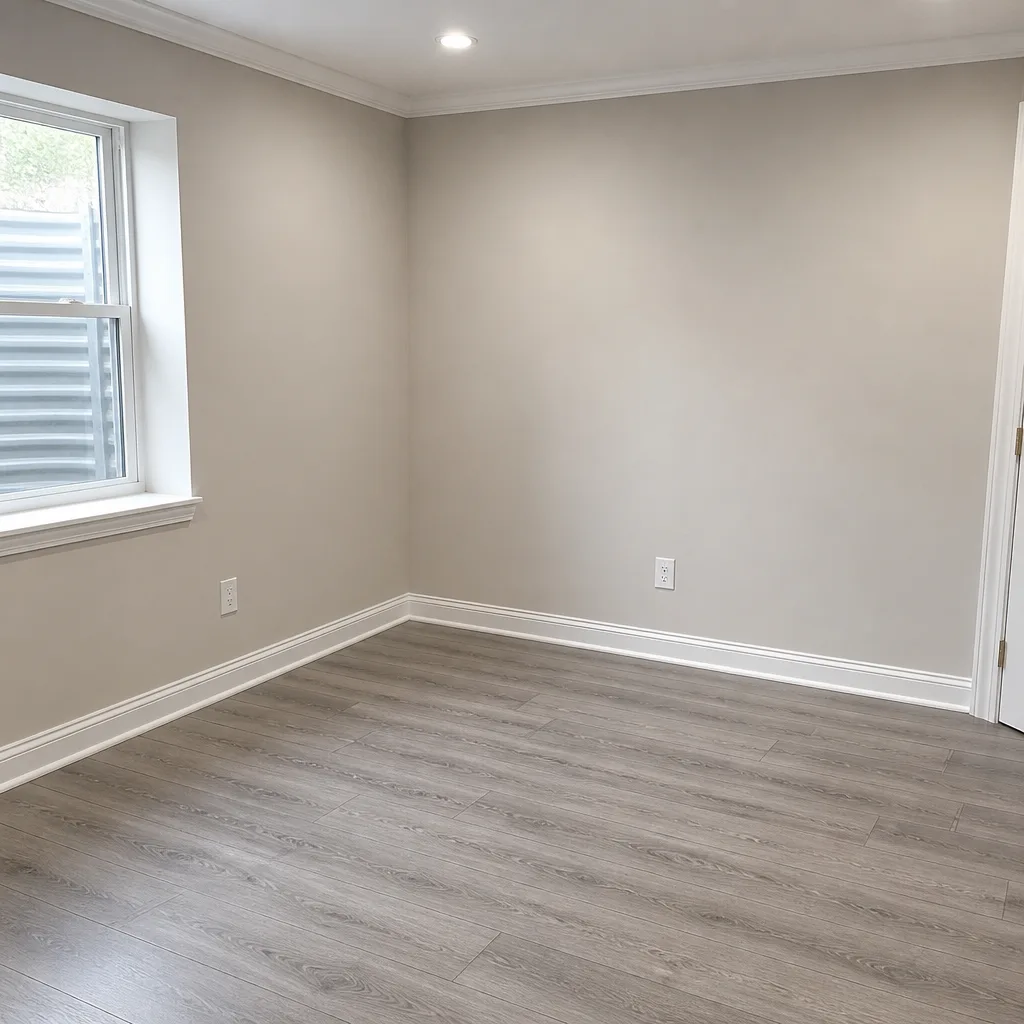 After
After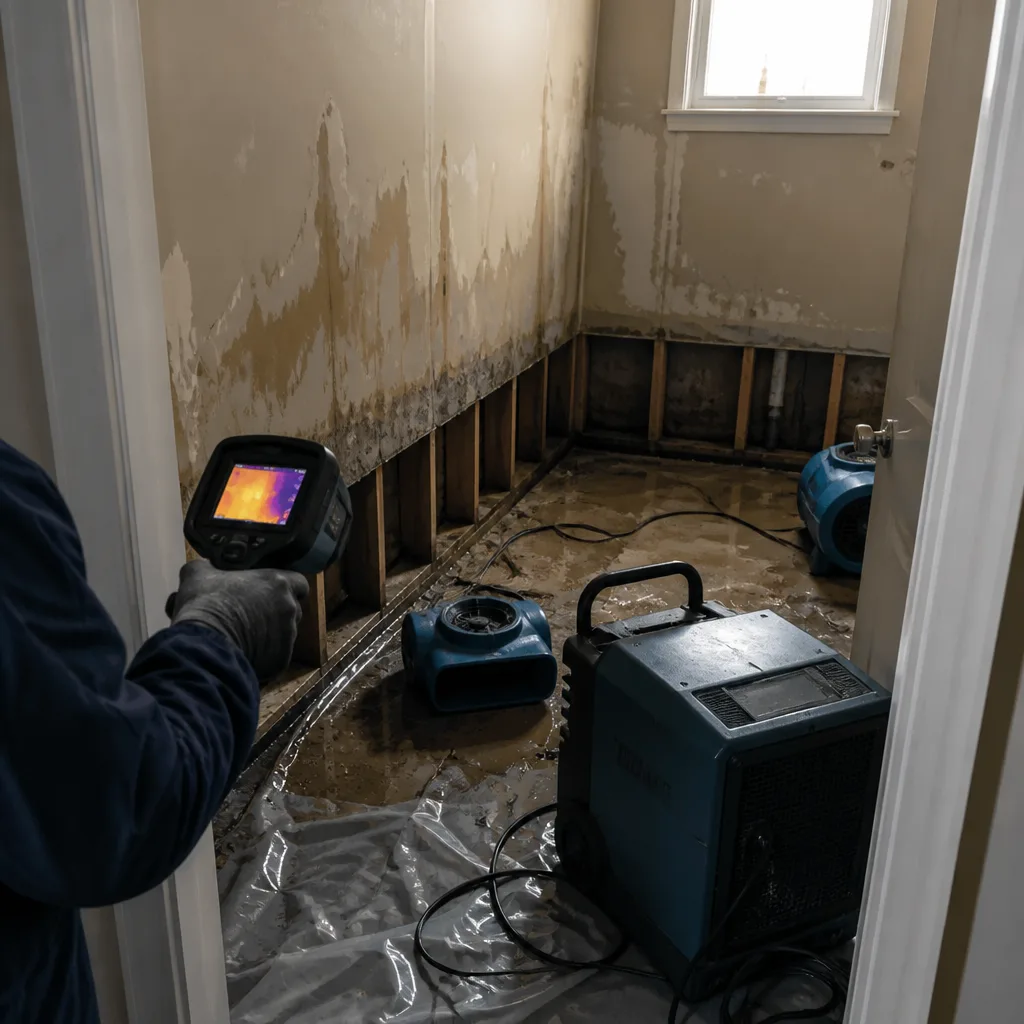 Before
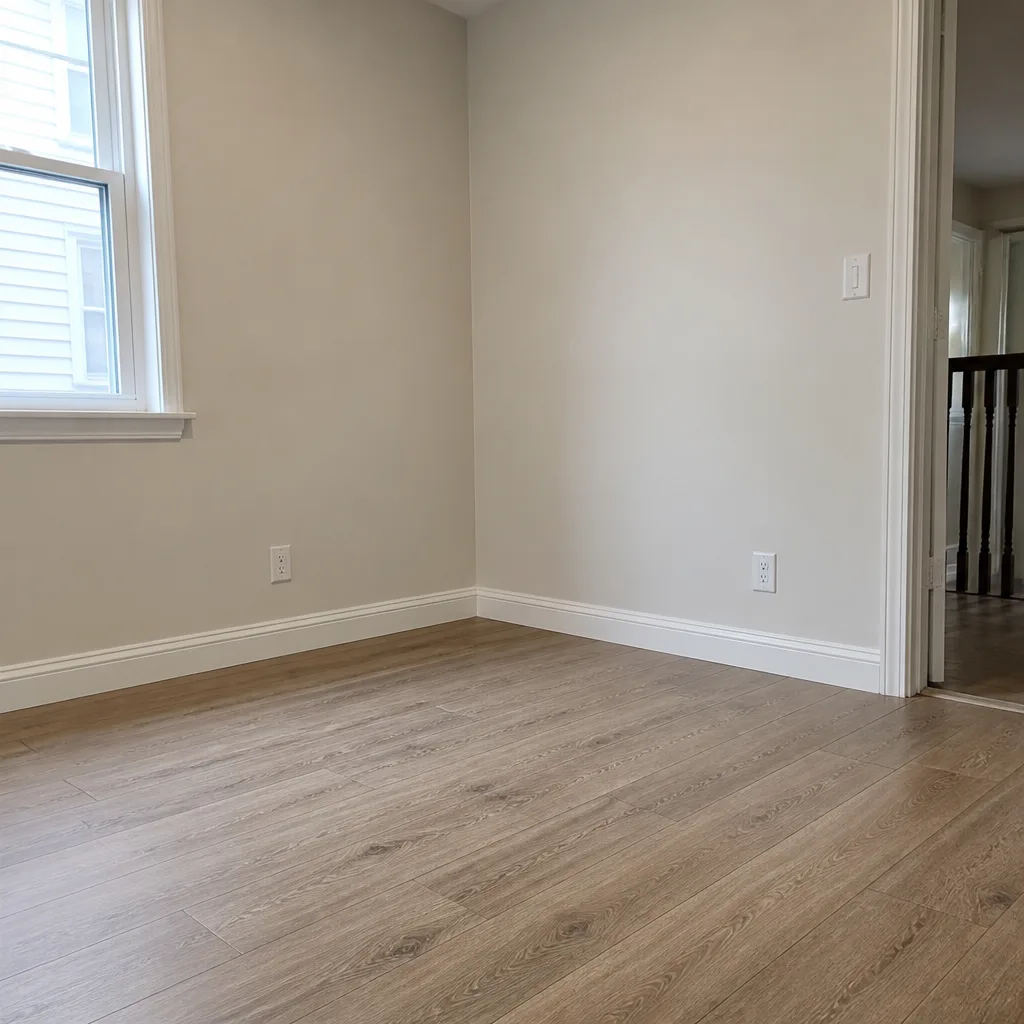 After
After24/7 Emergency Storm & Disaster Restoration in Harrison
Storm damage in Harrison moves fast, and the first call you make determines how much of your home survives the next 48 hours. Wind opens envelopes, water follows, and every hour that passes pushes Category 1 water toward Category 3 contamination. That’s why we answer live, 24 hours a day, with crews that can be on your Harrison block within 45 minutes of your call. Call (856) 501-6142 right now and you’ll get Wade himself, not a call center, not a queue. He’ll tell you straight what can be saved and what needs to go, then he heads out to start the board-up and extraction before the next band of weather arrives.
Understanding Storm & Disaster Restoration Severity in Harrison Properties
Harrison’s housing stock wasn’t built for the wind loads and flood depths it takes now. Most of the row homes and two-family frames between 1900 and 1945 went up before modern vapor barriers, before sealed envelopes, before anyone thought about wind-rated doors or impact glazing. When a nor’easter pushes Passaic River water into those uncoated rubble-stone foundations, you’re not just dealing with wet drywall. You’re dealing with Category 3 contaminated water that has carried river silt, sewage backflow from Harrison’s combined sanitary/storm sewers, and whatever else the Passaic picked up on its way through. Within 24 to 48 hours, that moisture migrates through plaster, behind lathe, and into framing cavities where it feeds entrenched mold from prior incomplete remediations. We see it on almost every flood call near the riverfront: drywall pulled open to reveal colonies that predate this storm, hidden behind framing that was never properly dried between claims. That’s not a simple dry-out. That’s a full containment and documentation job before restoration can even begin.
Why Harrison Property Owners Choose Wade’s Restoration
- A real person answers, day or night. Wade Ferris picks up his own phone. You’ll talk to the owner before you ever talk to a crew, and the same owner signs off on your restoration plan.
- Boarded up and stabilized within hours, not days. Harrison’s row homes share party walls. A failed window on one house is a liability for three neighbors. We get there fast.
- IICRC-certified crews, WRT and FSRT credentialed. The people Wade sends understand Category 3 water, soot morphology, and mold containment on pre-war row homes. They’re not general laborers with a wet vac.
- Every single job gets a free visual inspection. Before any scope is written, before any equipment enters your home, you get an honest read on what actually needs to happen. No charge for that. Ever.
- Direct insurance billing and adjuster communication. Wade deals with your carrier directly. You’re not the middleman relaying information between two sides while your home sits open to the weather.
- One team from emergency extraction to reconstruction. We don’t hand you off to a third party after the drying. The people who stabilize your home are the people who rebuild it, and Wade oversees all of it.
Our Storm & Disaster Restoration Process
Inspection & Assessment
We walk the full structure, outside and in, with thermal imaging. We’re mapping moisture, checking wind-load damage on windows and doors, and documenting anything that predates this storm so insurance scopes are clean.
Extraction & Emergency Stabilization
Standing water comes out with truck-mounted and XPOWER extractors. Windows get boarded, damaged doors get replaced or reinforced with wind-rated units, and roof breaches get tarped before the next weather system arrives.
Drying & Dehumidification
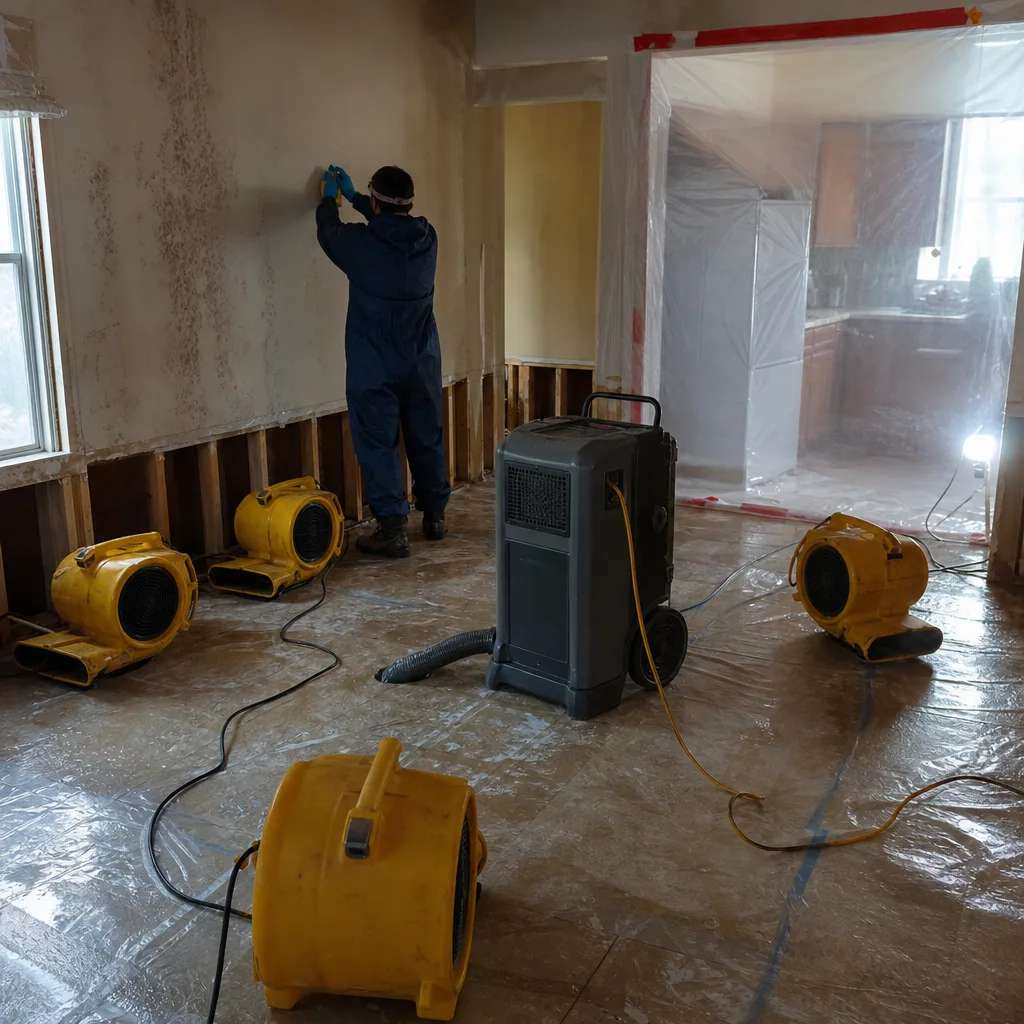
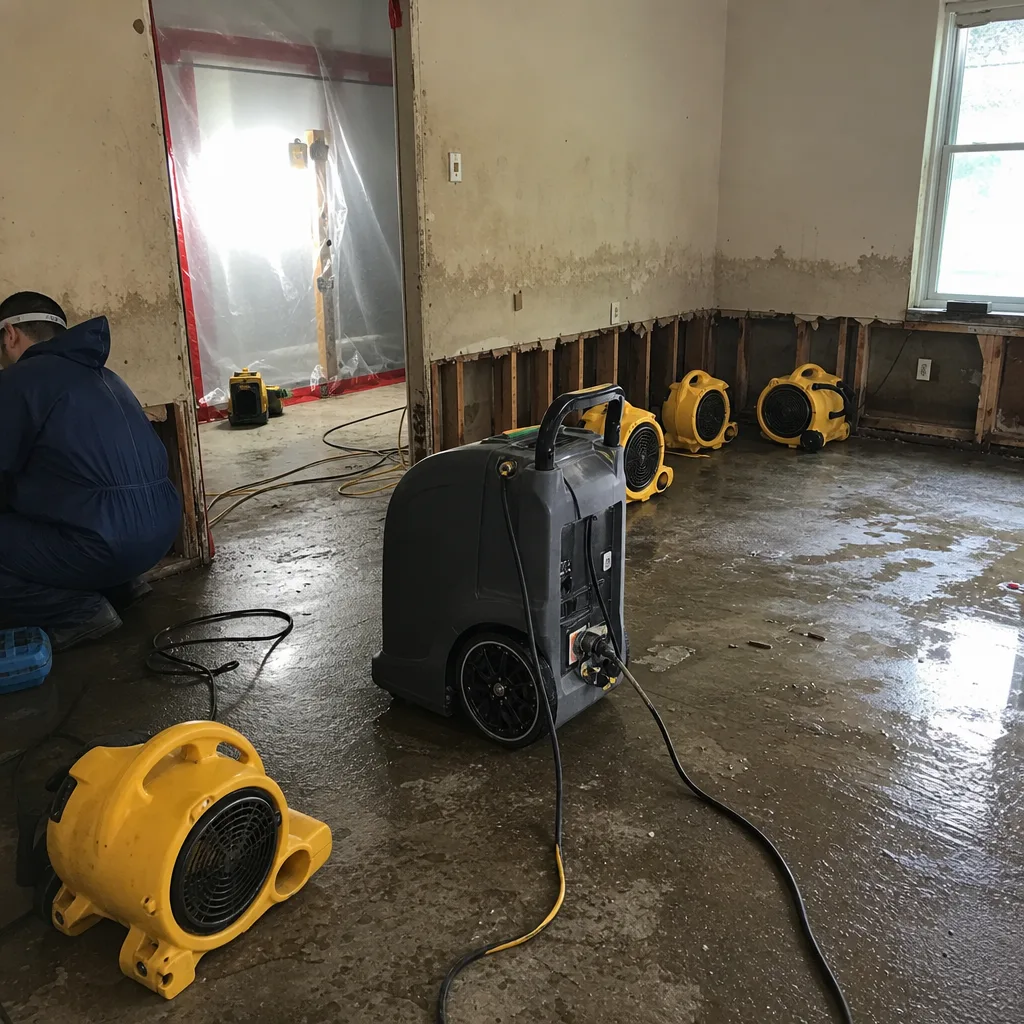
Dri-Eaz dehumidifiers and B-Air air movers in every affected cavity. Hygrometers and daily moisture readings track the drying curve. On Harrison flood calls, this stage accounts for the fact that rubble-stone foundations hold water longer than modern poured concrete.
Cleaning & Sanitization
Flood water in Harrison is Category 3. We treat it like it. Antimicrobial application, HEPA vacuuming, and air scrubbing before any material gets sealed back in. Silt from the Passaic gets properly removed, not painted over.
Mold Documentation & Removal
Here’s where Harrison’s history matters. If we find colonies from a prior short-cut remediation, we document them thoroughly, then contain and remove them per IICRC S520. This protects your current claim from being blamed for preexisting damage.
Repairs & Restoration
We put it back right: wind-rated doors per Harrison code, new drywall, proper insulation, restored trim. The 90-Day Done Right Promise applies to every water, fire, and mold restoration job. If it’s not done right, Wade makes it right in writing.
Need Emergency Storm & Disaster Restoration in Harrison Now?
Crews minutes away, answering live 24 hours a day. The sooner we start, the less it costs.
Working With Your Insurance Company
Storm damage claims in Harrison’s FEMA AE flood zone are particular. Flood coverage under NFIP policies treats damage differently than wind damage under a standard homeowners policy, and your adjuster is going to ask questions about what was preexisting and what was caused by this event. That’s why we document from the first hour. Every photo, every moisture reading, every material sample gets logged and passed directly to your carrier. Wade deals with the adjuster directly, so you’re not stuck translating what a drying technician said into what an adjuster needs to hear. We’ve handled enough Passaic River flood claims to know what insurers in this market actually require: line-item scopes, cause-and-origin documentation, and proof that containment protocols were followed from extraction through clearance.
What We Provide Your Insurer
- Thorough documentation of the loss
- Photos of all damage, room by room
- Moisture readings and drying logs
- A detailed, line-item scope of work
- Direct coordination with your carrier
Built for Harrison’s Loss Calendar
Harrison doesn’t have one storm season. It has four distinct loss patterns, and we’ve seen all of them repeat year after year in Harrison. January and February bring deep freezes that burst supply lines in pre-war row homes where the original plumbing still runs through unheated mud sills. March and April bring spring thaw, where snowmelt from the Passaic basin meets already-saturated ground and basement seepage starts on the blocks closest to the river. Summer delivers the convective storms that dump two inches in an hour, overwhelming Harrison’s aging combined sewers and forcing Category 3 backflow into basements that had just been dried from the last event. Then comes fall and early winter, when nor’easters push wind loads against single-pane windows and original doors that have been handling storms since before anyone in Harrison worried about wind ratings. Each season produces a different damage signature, and each signature requires a different drying plan, a different containment strategy, and often a different insurance conversation. The one constant is this: the faster the response, the smaller the loss.
Storm & Disaster Restoration Across Harrison’s Neighborhoods
We’ve run storm calls on nearly every block in Harrison, and we’ve learned how the housing stock changes the work. Along Hamilton Street and the numbered streets running east toward the river, the oldest row homes sit directly in the Passaic floodplain. Those blocks flood first and dry last because the rubble-stone foundations under them don’t shed water. Up toward Frank E. Rodgers Boulevard and the blocks around the Red Bull Arena, you’re looking at mixed-use brick structures with flat roofs that pond water and eventually find their way into top-floor apartments after heavy wind-driven rain. Over near the Harrison PATH station, the newer construction handles wind better, but the below-grade parking structures and utility vaults carry their own flood risk when the combined sewers back up. And in the residential streets south of Veterans Plaza, the two- and three-family wood frames from the 1920s show the same vulnerability every nor’easter: original single-pane windows that flex under wind load and doors that fail at the jamb. Every one of these areas has a slightly different failure pattern, and a restoration crew that treats them all the same is going to miss something.
Specialized Storm & Disaster Restoration Services We Offer in Harrison
Emergency Board-Up
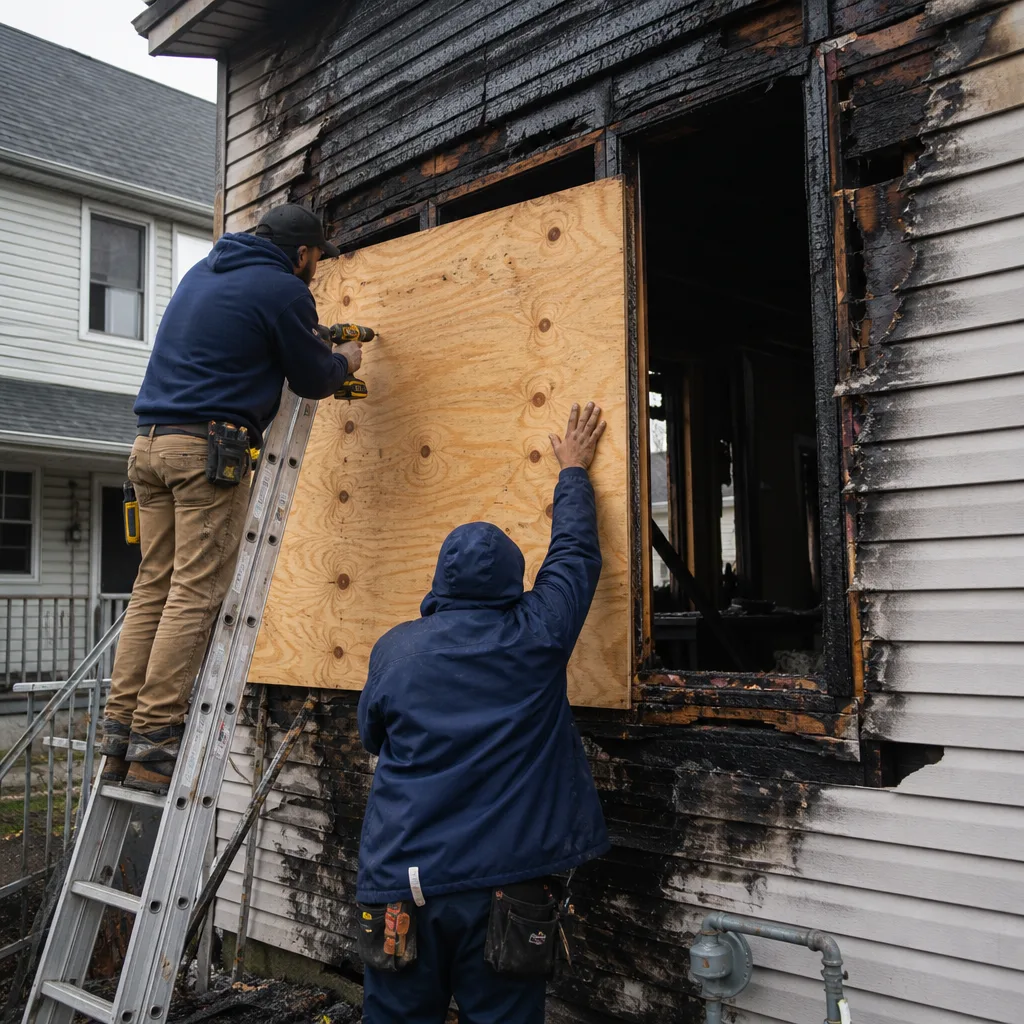
When wind takes out a window or a door in a Harrison row home, the clock starts immediately. Rain gets in, pests get in, and the temperature swings start working against whatever’s left of the building envelope. We board with plywood cut to fit the actual opening, secured properly, not just nailed over the trim. On riverfront blocks, we’ll use Storm & Disaster Restoration board-up that accounts for the fact that another storm is probably coming. The board-up has to hold through the next wind event, not just the next few hours.
Storm Damage Cleanup
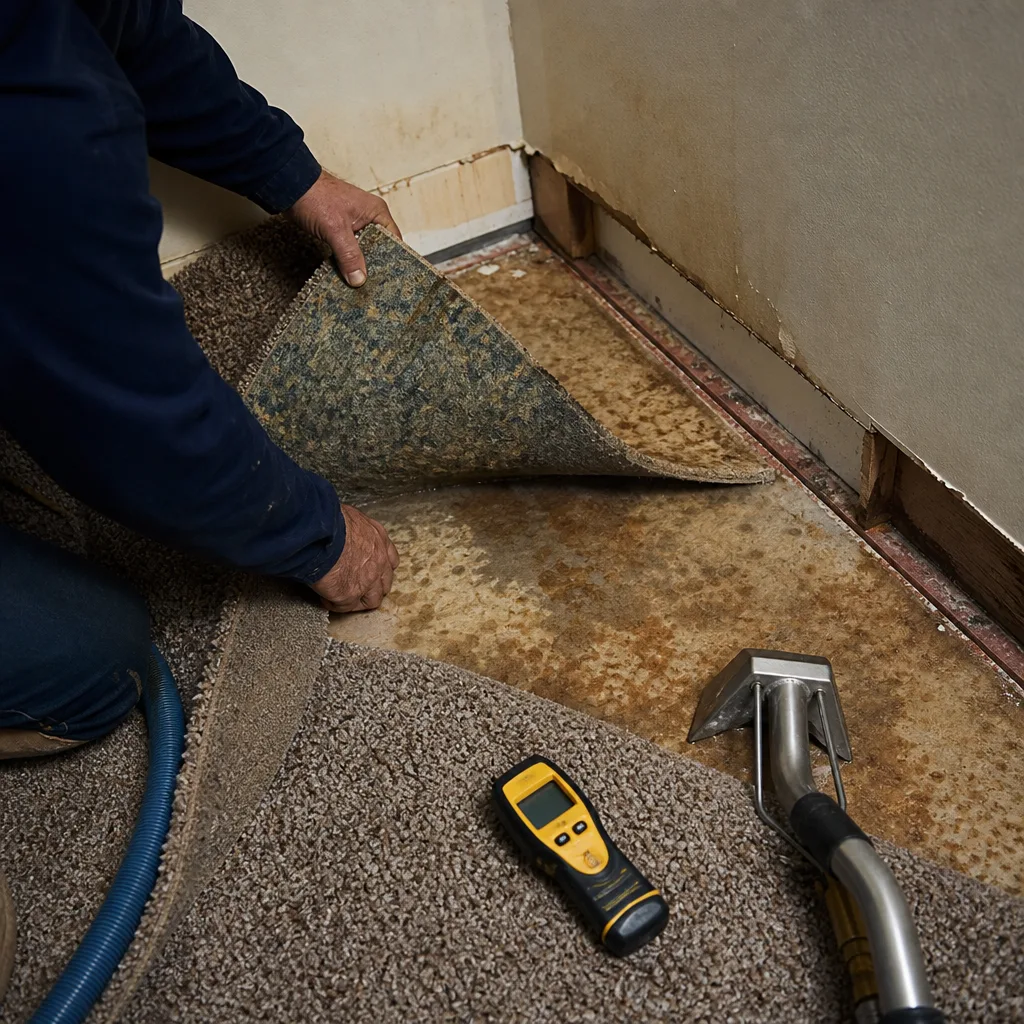
After the water recedes and the wind dies down, Harrison’s streets are left with a specific kind of mess: Passaic River silt, sewage backflow residue, wind-blown debris from flat roofs and construction sites, and the interior damage that comes from water finding every crack in a 1920s envelope. Our cleanup is structural, not cosmetic. We remove contaminated materials, dry what can be saved, and document what can’t. Then we hand you a written scope before any replacement work starts.
Flood Damage Restoration
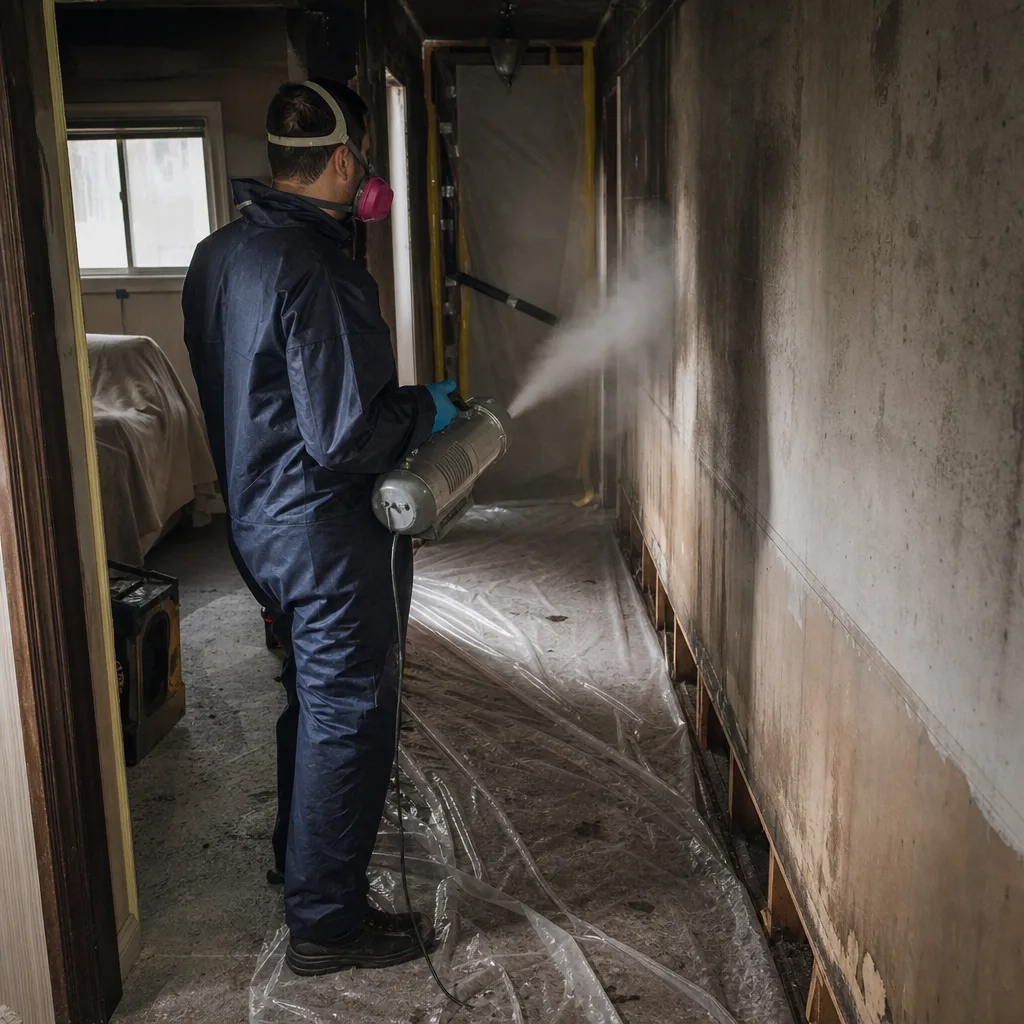
Flooding here isn’t an isolated event. It’s a recurring condition for the row homes in the AE zone, and treating it like a one-time cleanup is how homes end up with hidden mold colonies behind framing. We approach every Passaic River flood call as if the water is still in the wall cavities until we prove otherwise. Containment, extraction, drying, and clearance testing before anything gets closed back up.
Roof Tarping
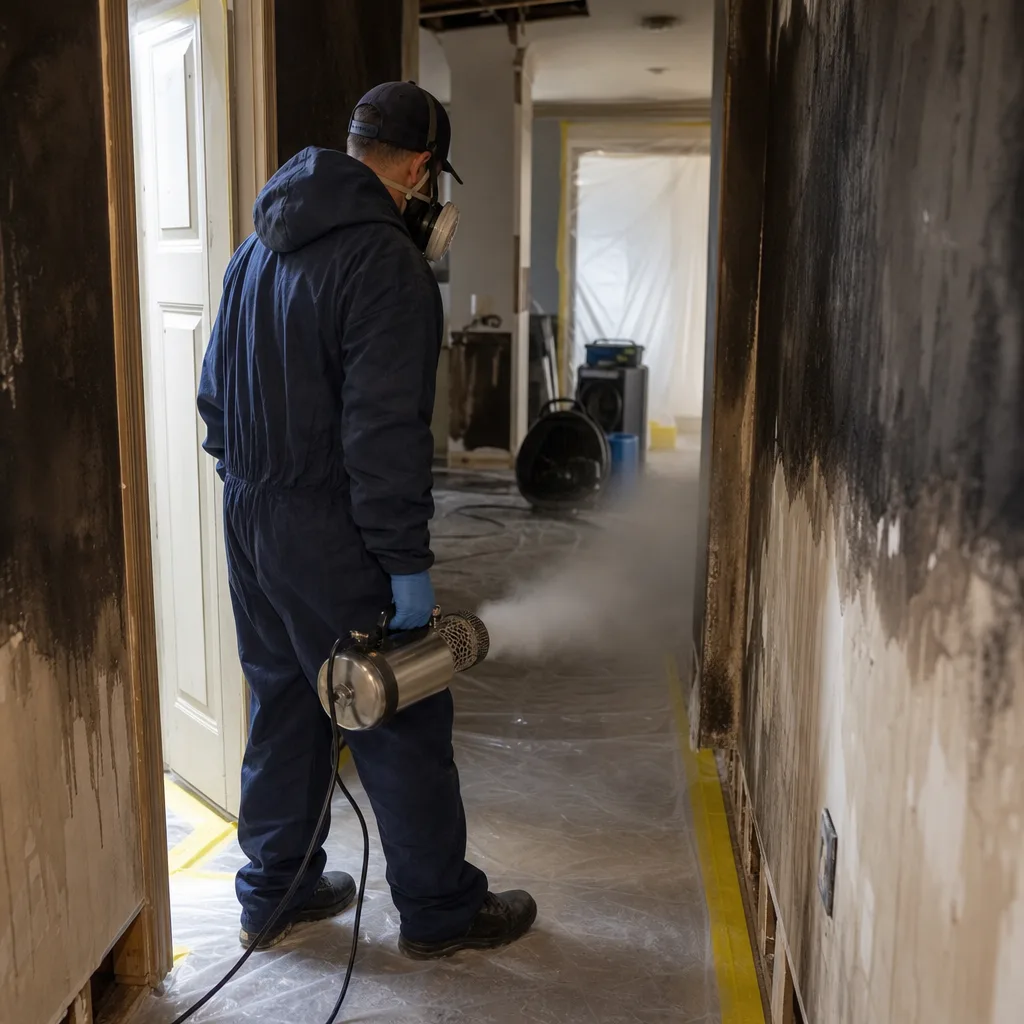
Wind-driven rain finds every weakness in Harrison’s aging flat and low-slope roofs. A small puncture over a top-floor apartment becomes a full interior water migration problem within hours. We tarp fast, secure the tarp properly to hold through follow-up winds, and then assess what the actual roof repair scope is. A tarp is triage, not a fix, but it’s triage that saves thousands of dollars when done right.
Debris Removal
Post-storm debris in Harrison isn’t just branches and leaves. It’s chunks of old roof membrane, broken glass from pre-war single-pane windows, and building materials from construction sites near the riverfront. We remove it, sort what the insurance claim needs documented, and haul the rest. You shouldn’t have to live with the storm’s aftermath in your yard while you’re waiting for an adjuster to call back.
Wind Damage Repair
This is where Harrison’s pre-1945 construction and modern wind loads collide. Original doors that have never been upgraded, windows with single-pane glass that flexes under nor’easter pressure, and roof edges that peel back under sustained gusts. We repair the visible damage and reinforce what’s behind it so the next storm doesn’t start the cycle over. Wind-rated units go in where Harrison’s code requires them, and we make sure the building envelope is tighter after the repair than it was before the storm.
What happens when you call
- 1
A real person answersNo phone trees - you reach a local pro.
- 2
You get an upfront price rangeHonest numbers before anyone is dispatched.
- 3
A background-checked tech heads outLicensed & insured, dispatched right away.
- 4
You approve before work beginsNothing starts until you say go.
Storm & Disaster Restoration Costs in Harrison, NJ
Storm restoration pricing in Harrison runs on a simple logic: the damage type, the contamination category, and the age of the structure. A basic storm damage cleanup with board-up on a single window might run $800 to $1,500 before any reconstruction. Flood damage restoration on a first-floor apartment in the AE zone, with Category 3 water and containment, typically falls between $4,000 and $12,000 depending on how far the water traveled and whether prior mold gets uncovered. Emergency board-up alone runs $400 to $900 per opening. Roof tarping starts around $500 and runs up with roof area and access difficulty. Wind damage repair on a pre-war row home door with a wind-rated replacement typically lands between $1,800 and $4,500 installed, depending on what the jamb needs. Every one of these numbers gets firmed up with a free visual inspection and a written scope before work starts. Insurance covers most of these losses when documented properly from the first hour. That’s why the documentation discipline matters as much as the drying work.
We Also Serve Cities Near Harrison
We’re active in the surrounding Hudson County towns and the Passaic River corridor. If you’re in Kearny, North Arlington, Jersey City, or Lyndhurst, the same crew that works Harrison responds to your storm calls, and the same 45-minute response commitment applies. Storm damage doesn’t respect municipal boundaries, and we don’t either.
Serving Harrison, NJ - Our Local Coverage Area
We’re based in the Harrison area and know this community well. Use the map below to see our service coverage - if you’re nearby, we can almost certainly help.
Harrison Storm & Disaster Restoration Questions, Answered
After a nor’easter, how quickly should I get wind-damaged windows and doors boarded up in Harrison before the next storm?
Same day, ideally within two to three hours of the damage being discovered. Harrison’s weather patterns don’t wait, and a second wind event can turn a failed window into a full interior water migration. Call (856) 501-6142 and Wade can have a board-up crew on your block within 45 minutes.
Does Harrison require wind-rated doors or impact glazing for row homes near the Passaic River flood zone?
Harrison’s current building code applies wind-load and flood-zone requirements to new construction and substantial repairs, including wind-rated doors for replacements in exposed locations. A failing pre-1945 door that gets replaced after storm damage often must be upgraded to a current wind-rated unit. We pull permits and handle the code compliance so you don’t have to navigate the municipal process.
What does a failing pre-1945 row-home door mean before a big storm in Harrison?
It means the weakest point in your building envelope is about to become the first place wind-driven rain gets in. Original doors in Harrison’s row homes were never designed for the wind loads the Passaic corridor generates in a nor’easter, and when they fail at the jamb, the interior exposure is immediate. A pre-storm inspection and reinforcement is cheaper than a post-storm restoration.
How do I know if my Harrison row home’s foundation can be dried in place after a flood, or if it needs more invasive work?
You don’t know until someone takes real moisture readings through the structure, not just at the surface. Rubble-stone foundations from Harrison’s pre-1945 building stock hold water differently than modern concrete, and daily moisture logs tell us whether the drying curve is moving or stalled. That’s the documentation Wade hands you at job’s end, and it’s the same documentation your adjuster needs to see. Call for a free visual inspection and we’ll tell you straight what your foundation is doing.
Can you handle the insurance documentation for storm damage in Harrison’s FEMA AE flood zone?
Yes, and this is where experience in Harrison specifically matters. Flood claims under NFIP treat damage differently than wind claims, and your adjuster will question what was preexisting. We document every stage, including any prior mold colonies we uncover from earlier incomplete remediations, so your current claim stays clean. Wade communicates directly with your carrier so the scope is accurate and defensible.
How fast can someone actually get here?
We commit to 45 minutes for Harrison emergency calls when we’re already on a job in the area, and we answer the phone live 24/7. Wade himself picks up after hours. That’s not a promise of a static arrival time for every scenario, but it’s the same commitment he’s been holding since 2007.
Can we stay in the home during storm restoration?
It depends on the contamination category and where the damage sits. Category 3 flood water or sewage backflow means the affected areas need containment and you may need temporary relocation until clearance testing passes. For clean-water wind damage held to one room, staying is often workable. We’ll give you a straight answer at the free inspection, not after you’ve already signed a contract.
What should I do in the first 30 minutes after storm damage in Harrison?
Call us at (856) 501-6142. Then, if it’s safe, shut off power to the affected areas and move valuables up off the floor. Don’t enter standing water if there’s any chance it’s carrying sewage backflow from Harrison’s combined sewers. Don’t try to dry it yourself with household fans; Category 2 or 3 water needs controlled extraction and proper drying equipment or you’ll just spread the contamination. Let us take it from there.
Written by Wade Ferris, Owner at Wade’s Restoration. Storm & Disaster Restoration in Harrison, NJ, handled by the same owner who answers the phone, backed by the 90-Day Done Right Promise in writing on every job.