
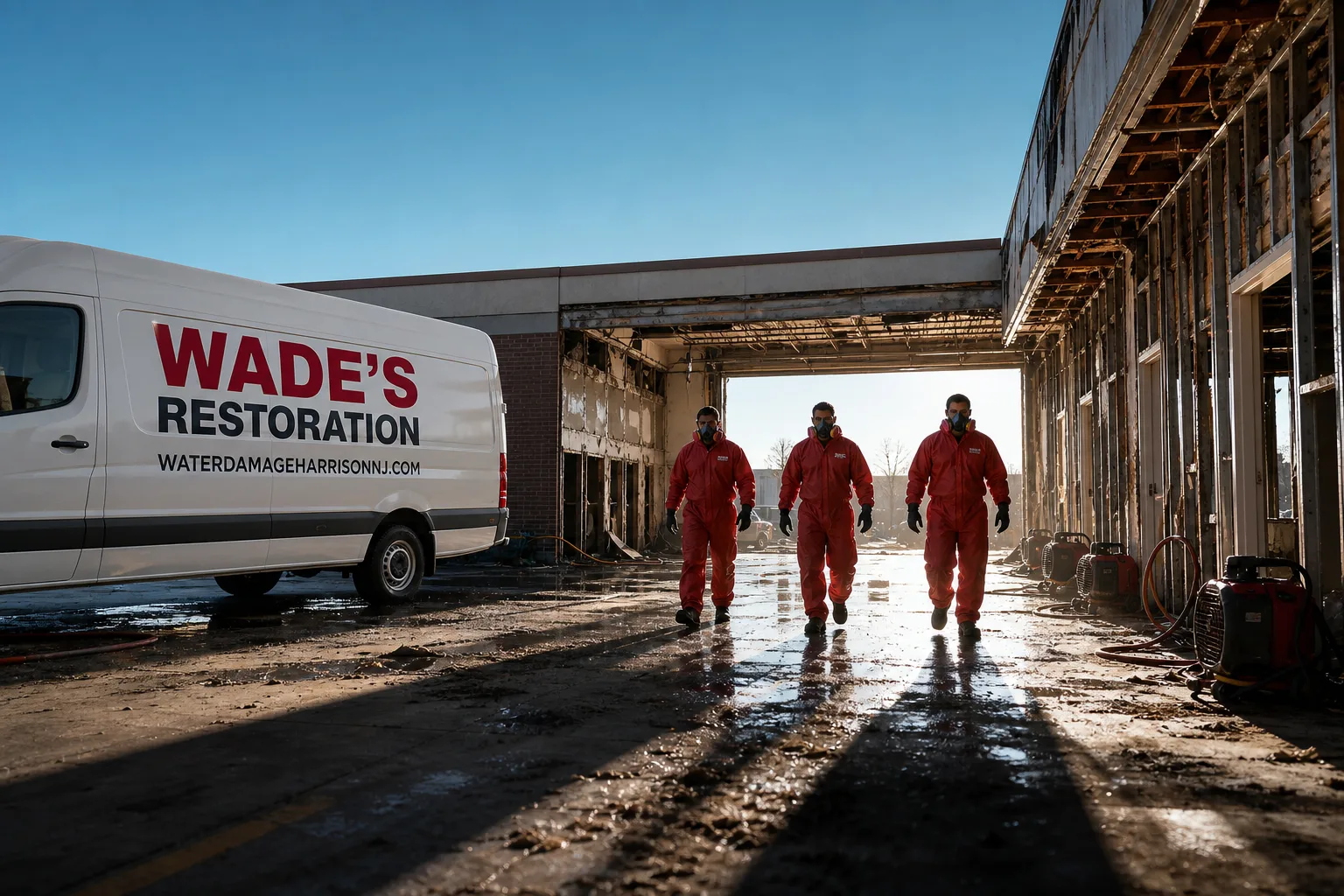
Free visual inspection and a written scope of work before any mitigation begins - photos, moisture readings, and drying logs go in your claim file
The scope we write is the scope we bill. Anything new gets shown to you, in writing, before we touch it.
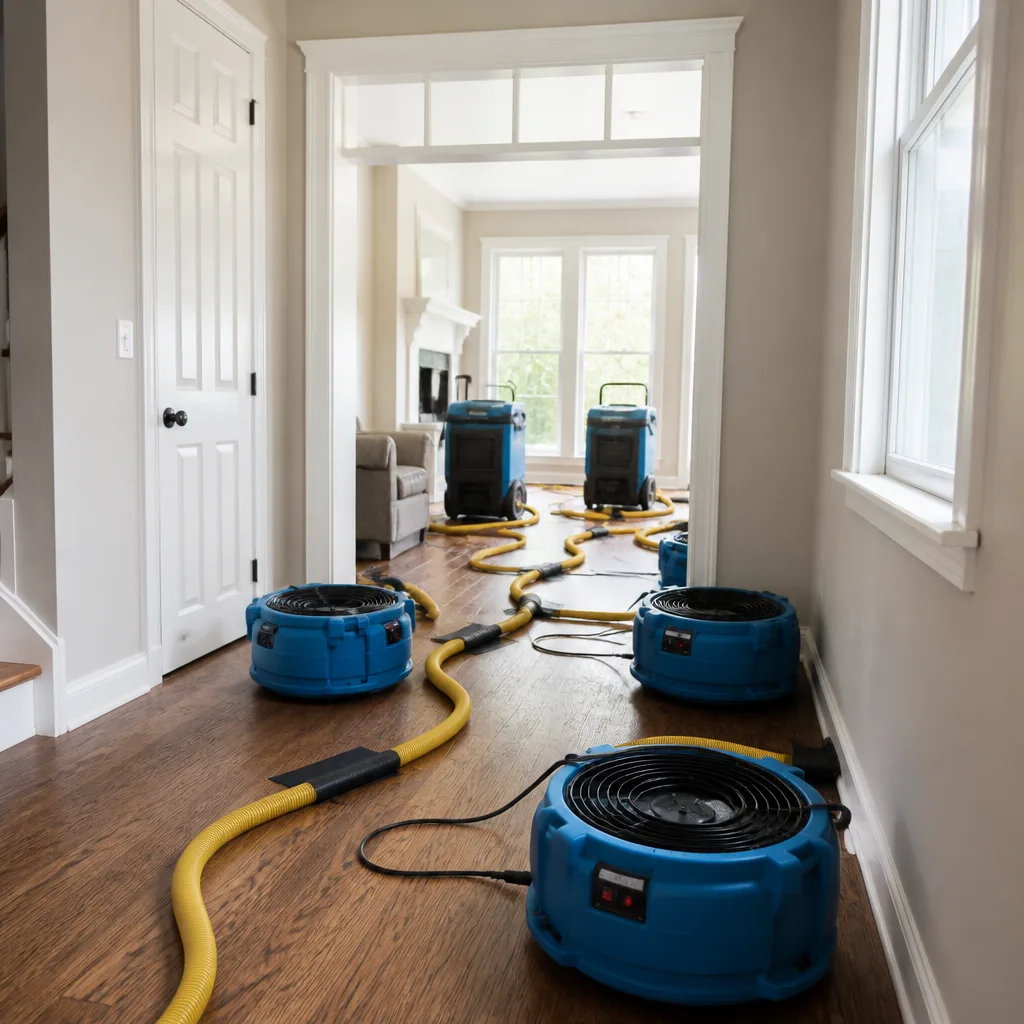
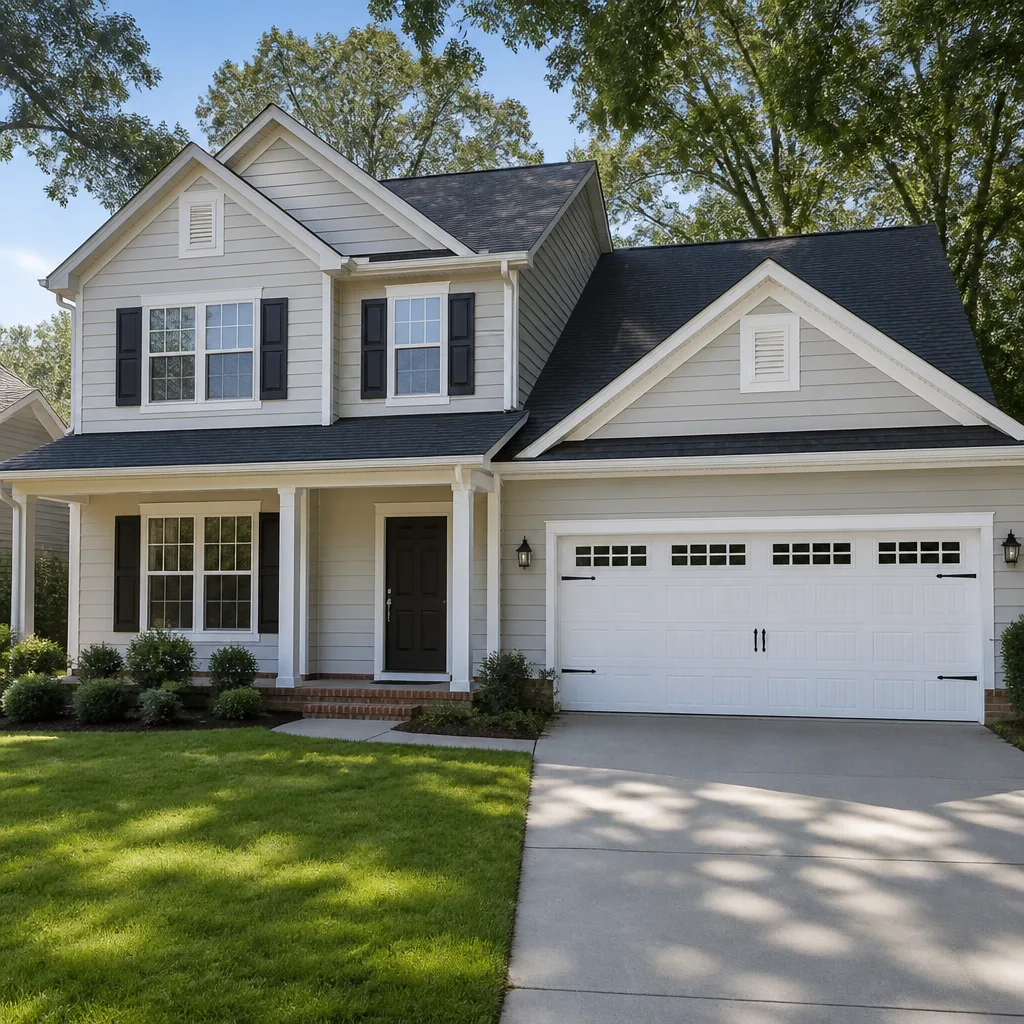
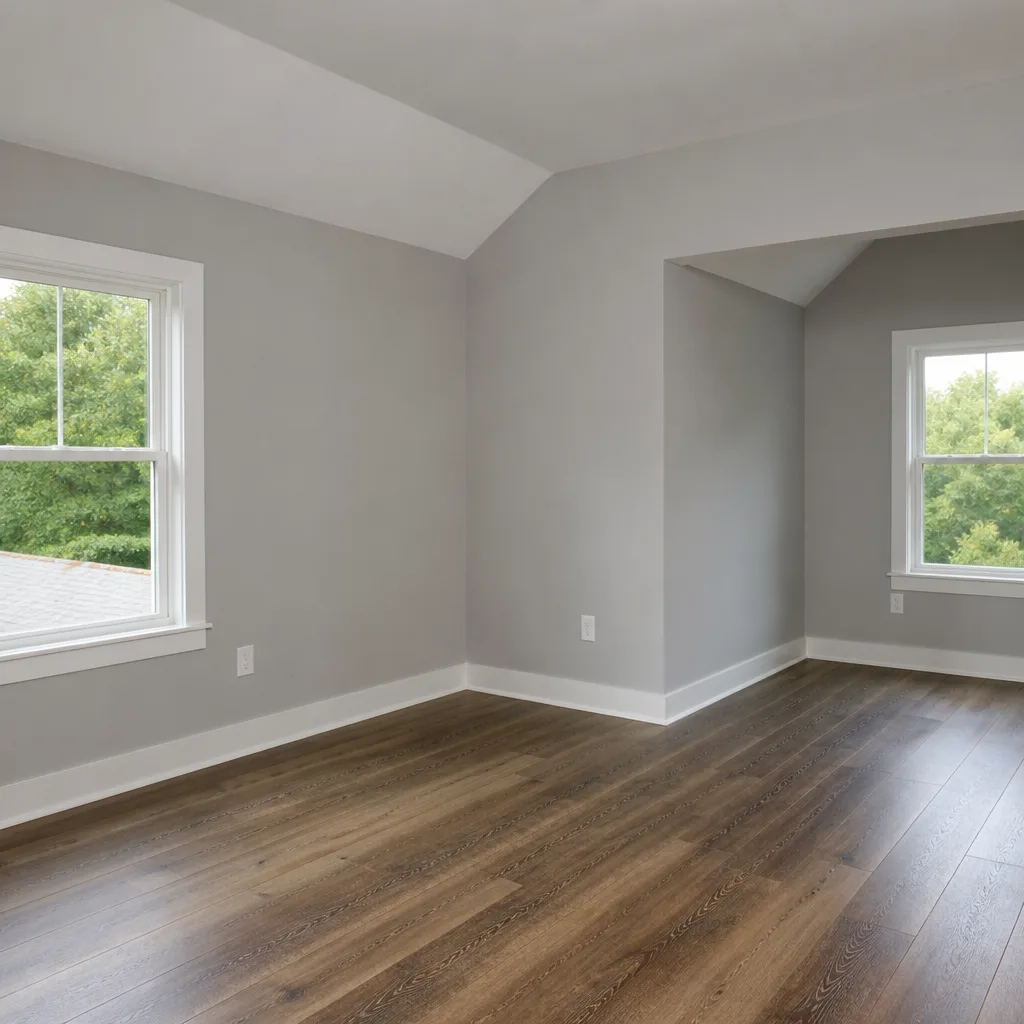
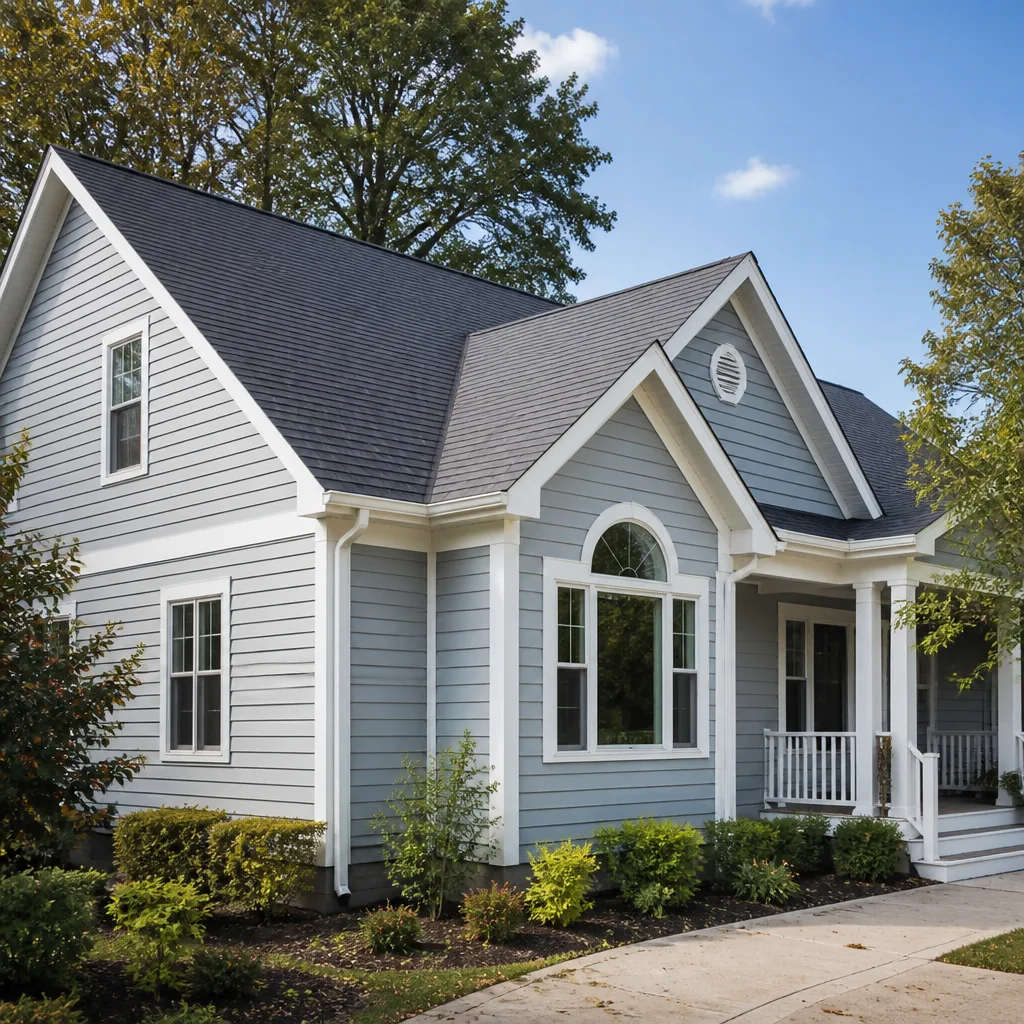
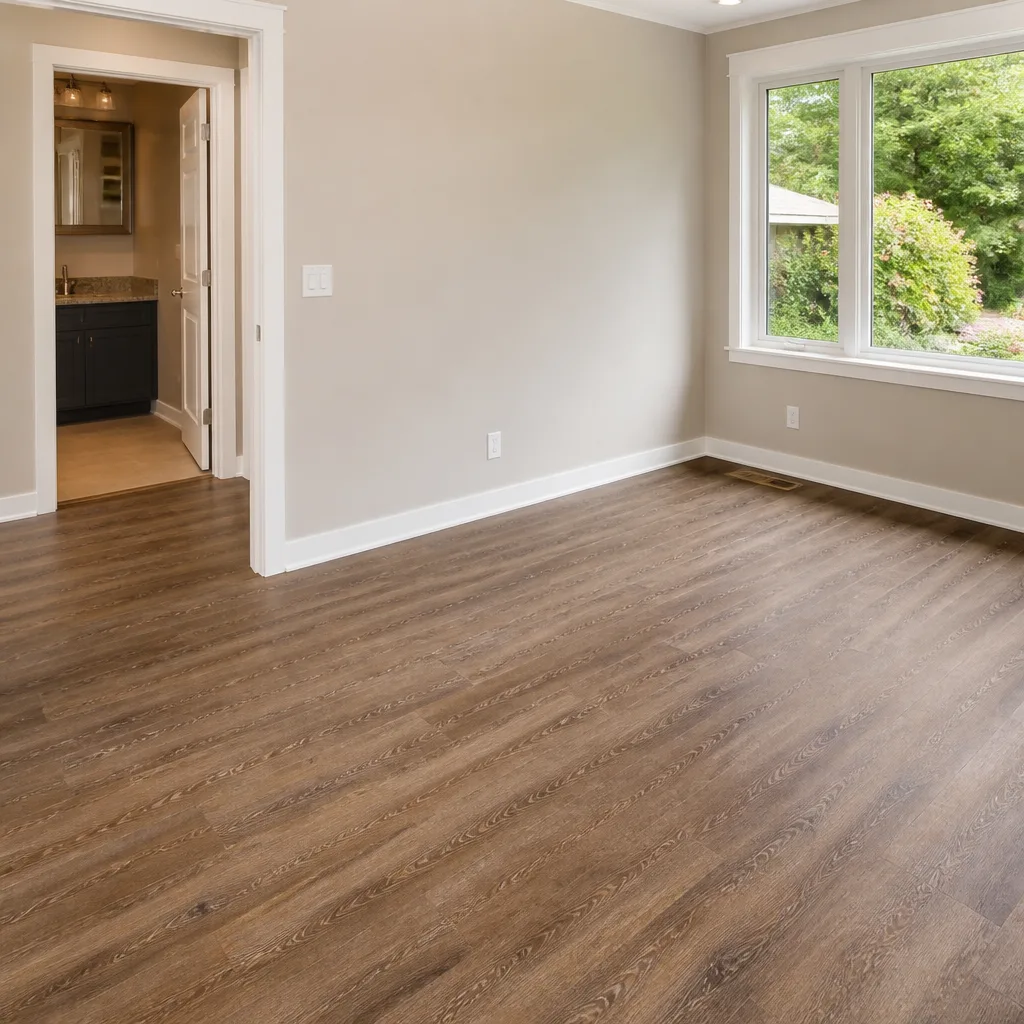
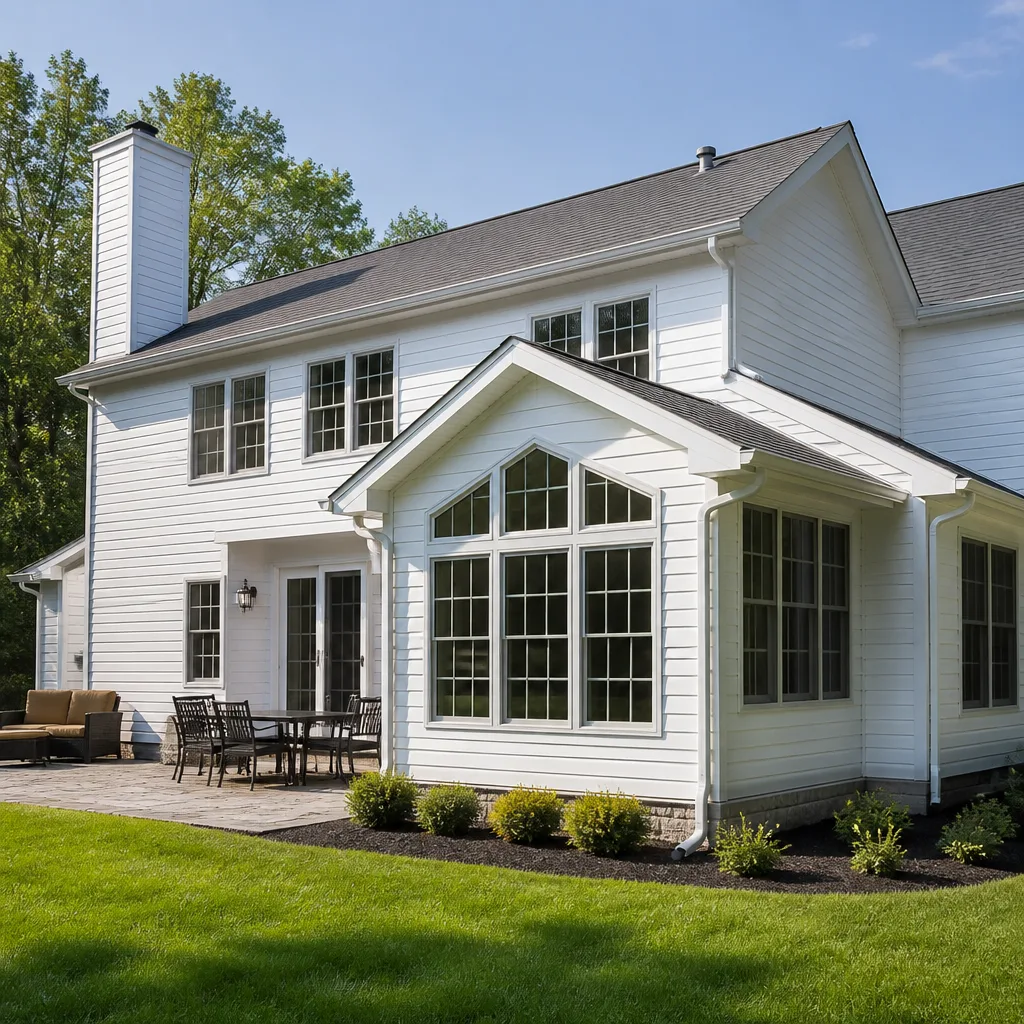
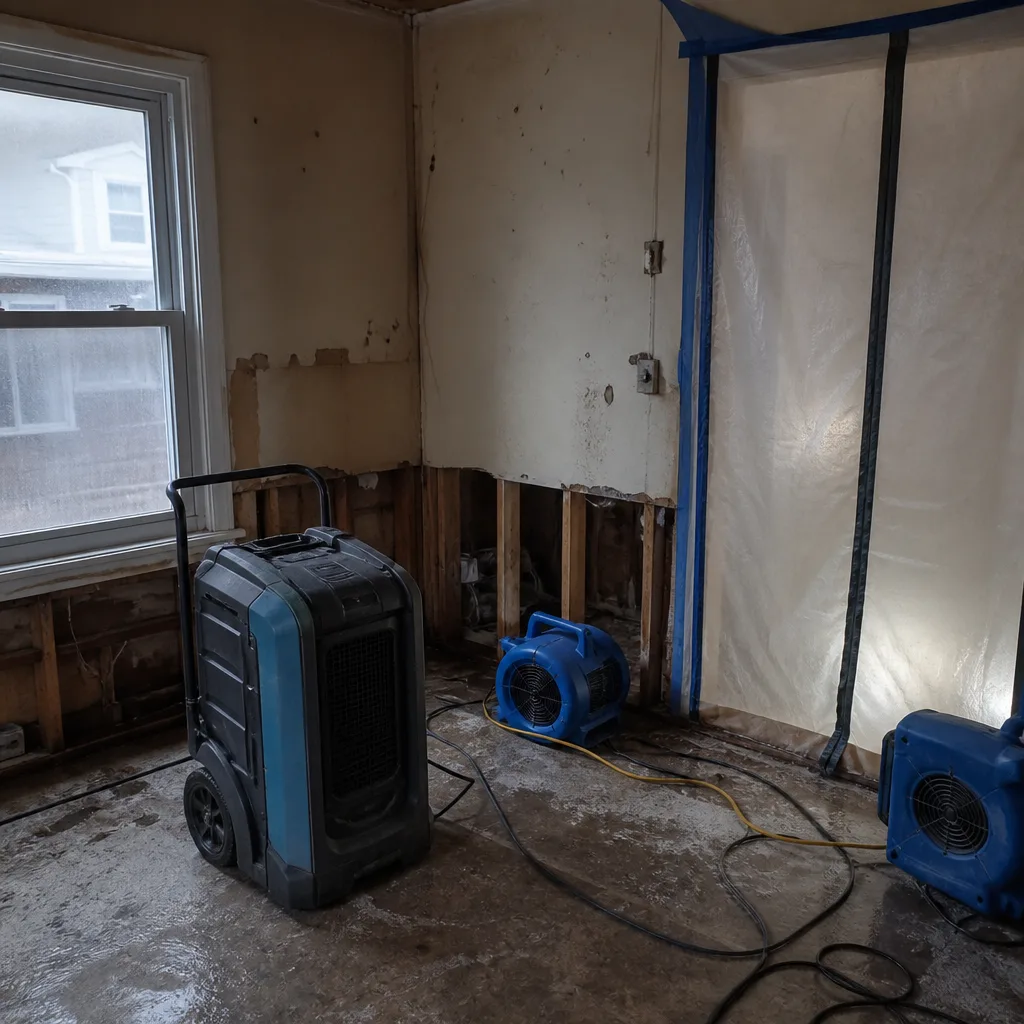 Before
 After
After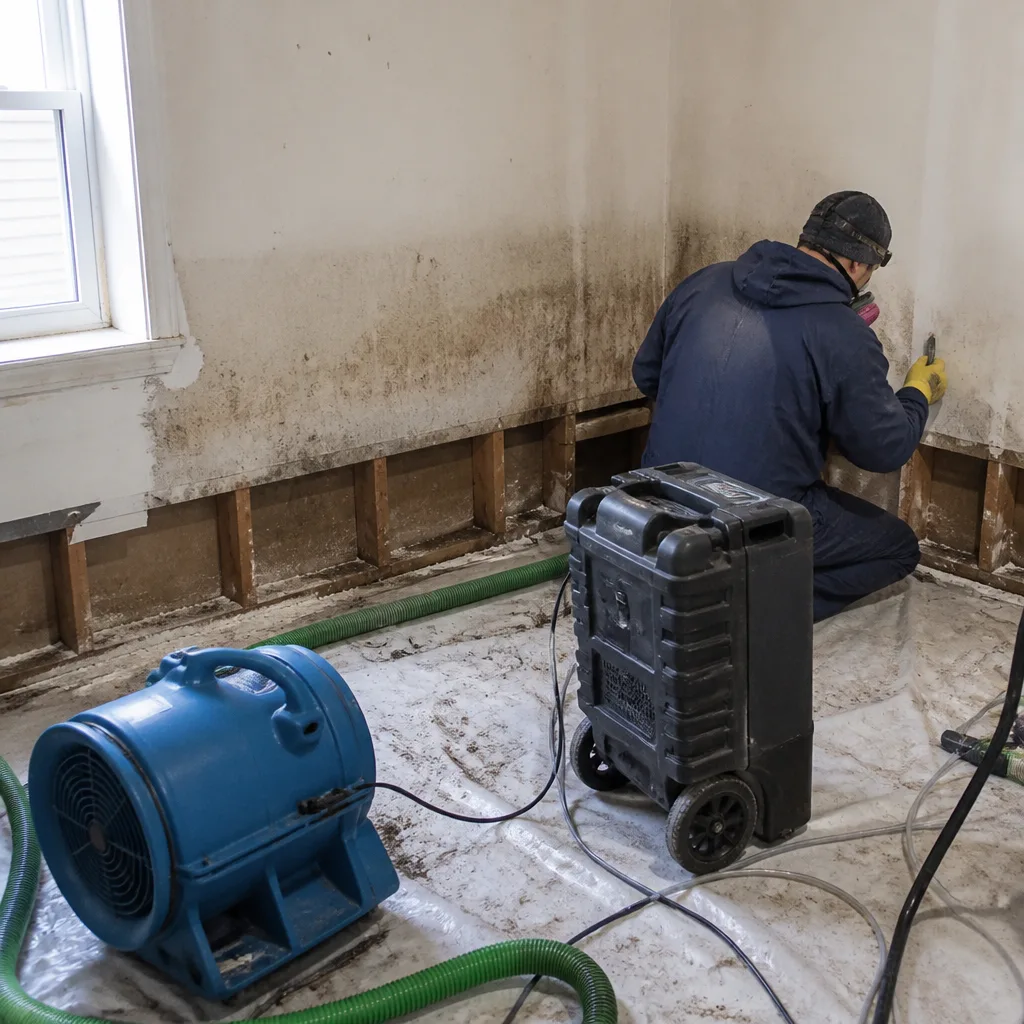 Before
 After
After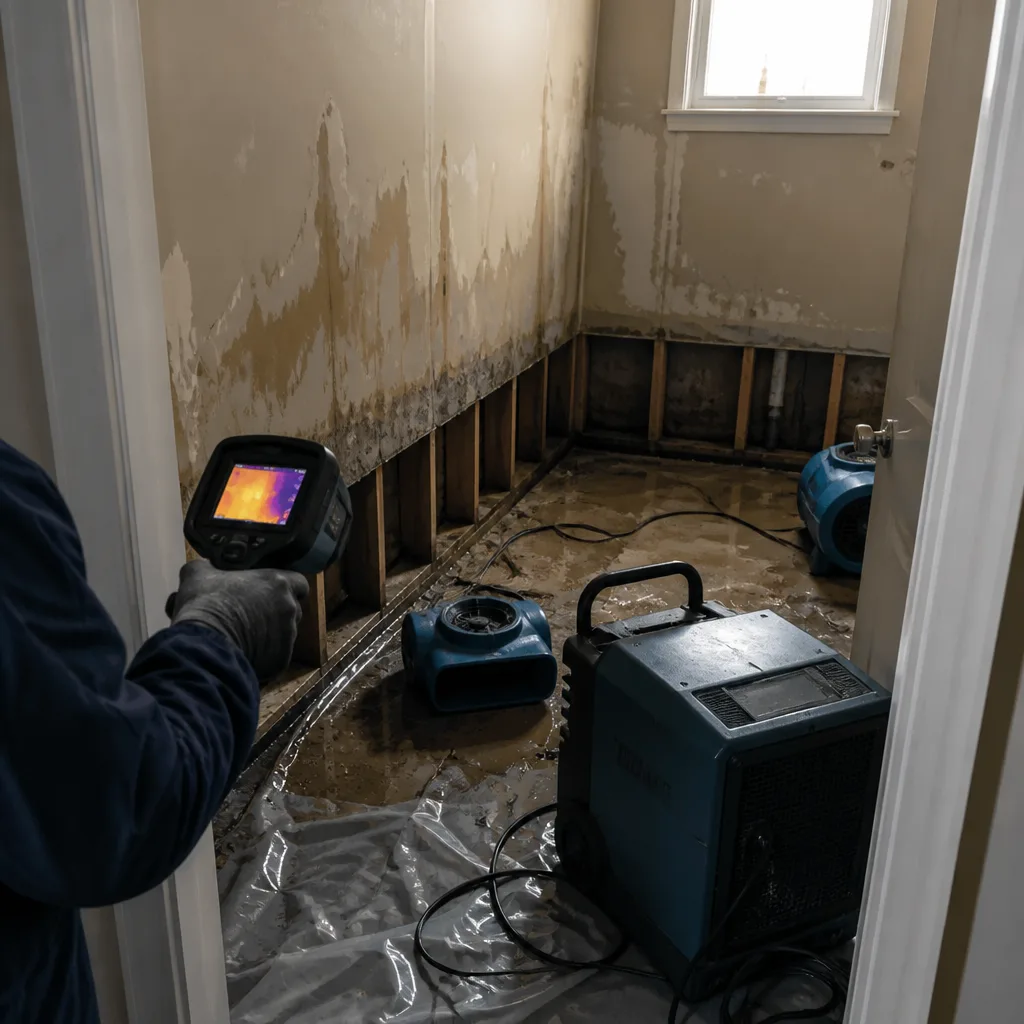 Before
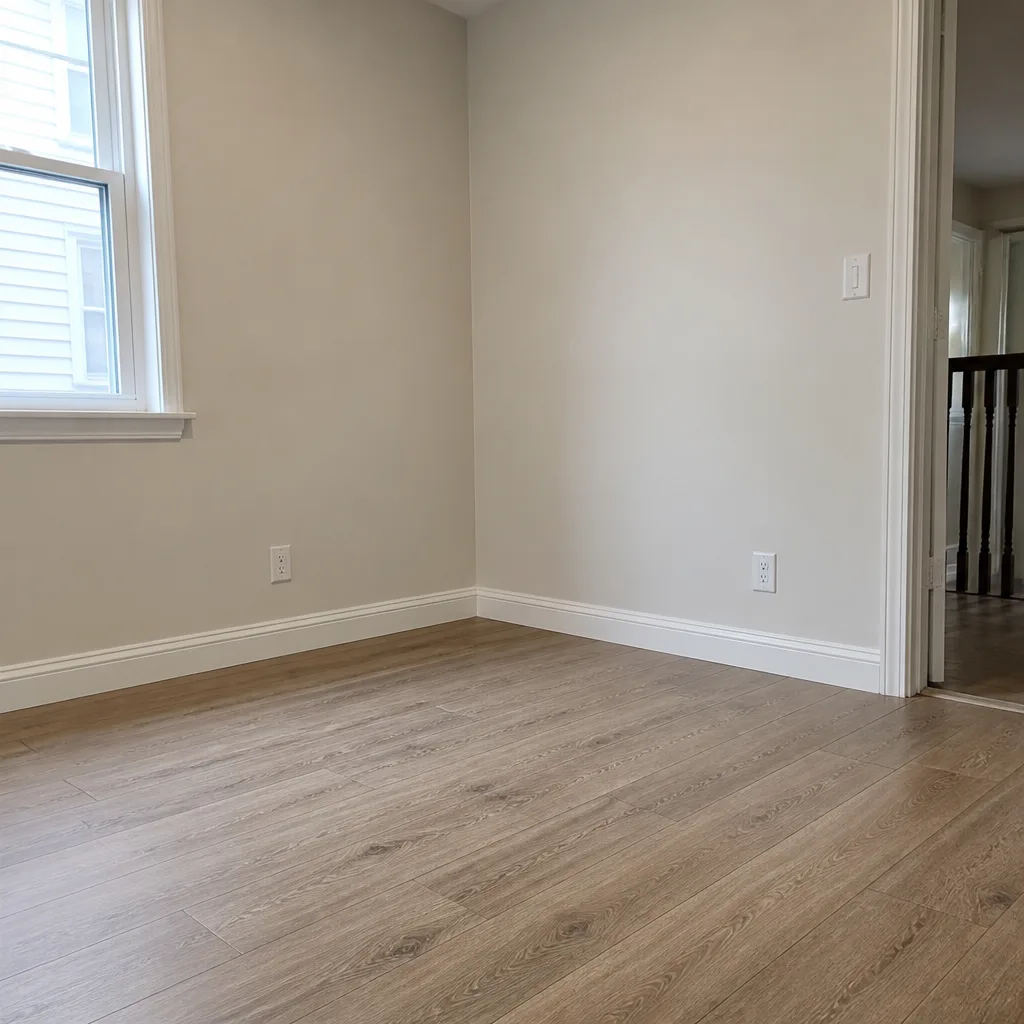 After
After24/7 Emergency Biohazard & Crime Scene Cleanup in Harrison
Biohazard and crime scene cleanup in Harrison typically runs $1,500 to $6,000 for a full trauma or unattended death scope, with smaller blood cleanup jobs starting around $500. Wade’s Restoration answers the phone live at (856) 501-6142 any hour of any day, and Wade Ferris himself coordinates every Harrison response. When blood, bodily fluid, or decomposition material sits in a Harrison row home, it seeps into uncoated concrete and lath-and-plaster surfaces within the first hour. The faster containment goes up, the less flooring, framing, and personal property gets cut out and replaced. We treat these calls as medical-grade sanitation work, not just cleaning, because that’s what Harrison’s pre-1945 building stock actually demands.
Understanding Biohazard & Crime Scene Cleanup Severity in Harrison Properties
Biohazard work in Harrison carries a complication most towns don’t face: the same row-home blocks that saw trauma scenes also sit in the Passaic River floodplain, where Category 3 sewage backup is a recurring baseline condition. Blood and bodily fluid are Category 3 infectious material under IICRC standards, and in Harrison they’re often compounded by combined sewer backflow that entered through the same floor drain during a heavy storm. We classify every Harrison biohazard response by contamination path, not just visible staining. A pool of blood on a 1920s hardwood floor means saturation into the subfloor. A death in an upstairs bedroom of a wood-frame two-family means decomposition fluids traveled through ceiling joists before anyone called. We use moisture mapping, thermal imaging, and hygrometers to document exactly how far contamination spread through the structure, because hidden colonies behind lath-and-plaster are not hypothetical here. They’re the rule. When we open a wall in Harrison after a biohazard incident, the odds are high we’ll find prior flood-related mold from a previous owner’s incomplete remediation. That’s not a surprise to us. It’s the job.
Why Harrison Property Owners Choose Wade’s Restoration
- 45-minute response commitment for biohazard emergencies in Harrison. Wade heads out from the metro office the moment you hang up, and he’s on the road, not waiting for a call center to page someone.
- 24/7 live answer, always a person. No voicemail tree, no answering service. You call, a human picks up. Often that human is Wade Ferris himself.
- IICRC-certified crews trained in biohazard protocols including bloodborne pathogen safety, trauma scene sanitation, and hoarding remediation. We hold WRT and AMRT certifications, and every tech follows OSHA bloodborne pathogen standards.
- Free visual inspection for any Harrison biohazard or crime scene scope. You’ll know what you’re dealing with before a dollar changes hands.
- Direct insurance billing with documentation your adjuster can actually use. We’ve handled hundreds of Hudson County claims, and we know what carriers need to approve a trauma or contamination scope.
- One crew from first response to final repair. The people who do the containment are the same people who handle the rebuild. Nothing gets lost between teams.
Our Biohazard & Crime Scene Cleanup Process
Inspection & Assessment
Wade walks the full Harrison property, maps contamination paths through floors, walls, and shared cavities, and photographs everything before work begins. You get a written scope and an honest answer about what’s salvageable.
Containment & Stabilization
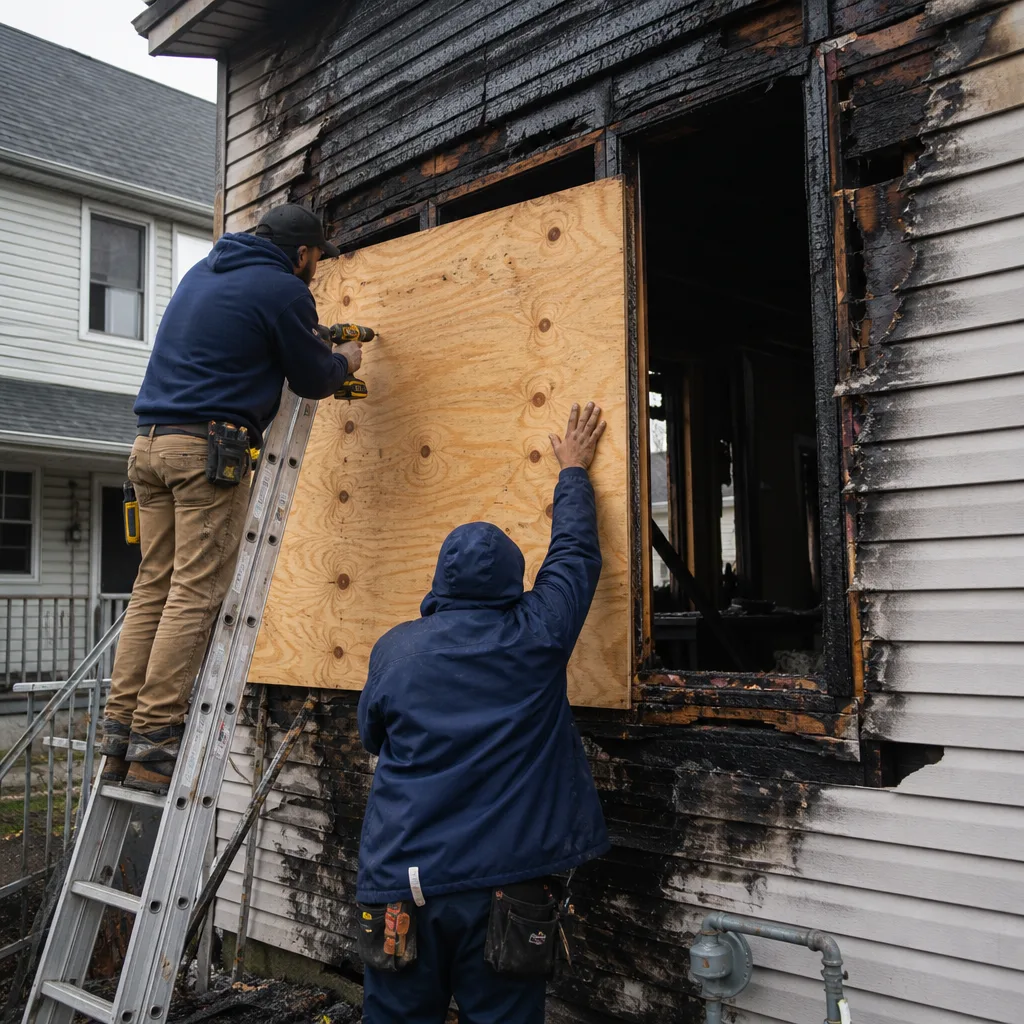
We seal the affected area with 6-mil poly containment and negative air pressure using HEPA-filtered air scrubbers. In Harrison’s attached row homes, this step is non-negotiable because shared wall cavities can carry contaminants to neighboring units.
Structural Drying
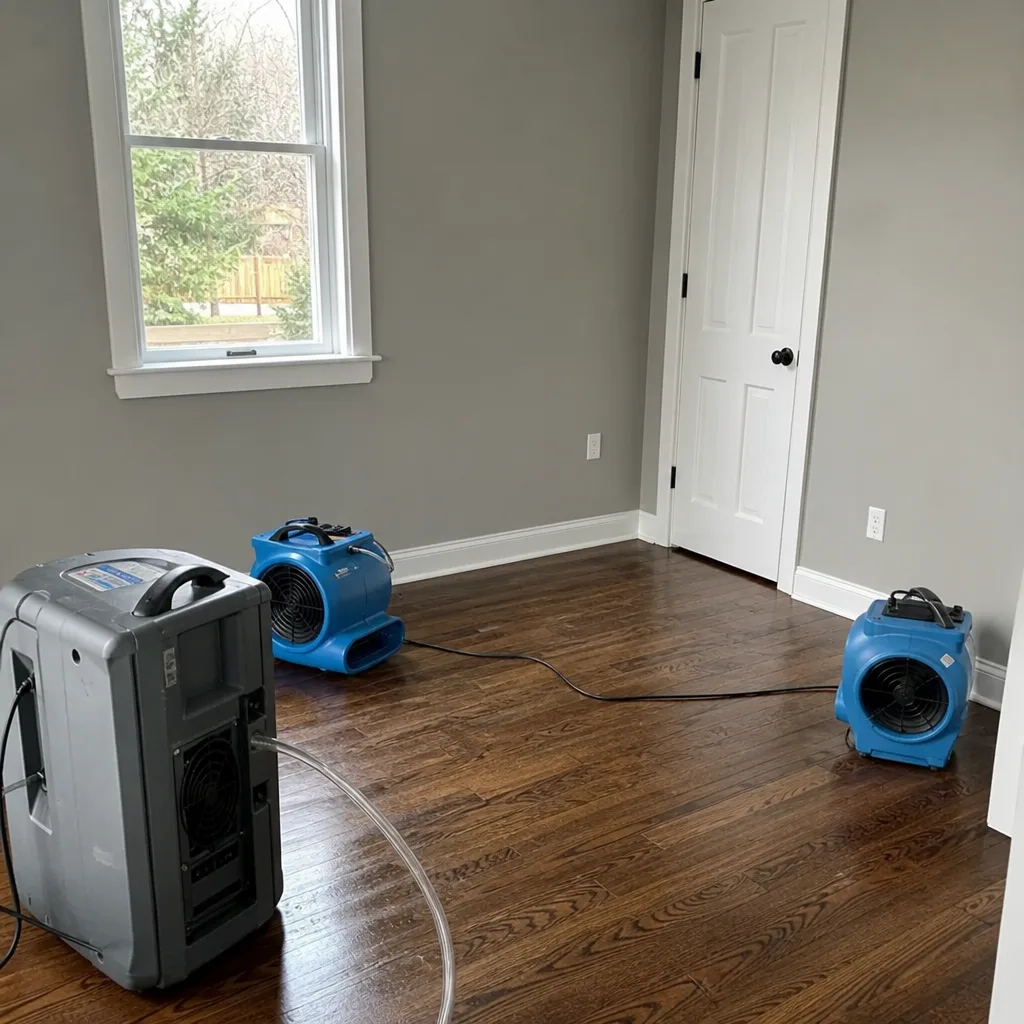
After biohazard removal, we run XPOWER air movers and Dri-Eaz dehumidifiers to pull residual moisture from saturated materials. We log readings daily so the drying curve is documented for your insurer.
Cleaning & Sanitization
Medical-grade antimicrobial treatments, enzymatic digesters for organic material, and full surface disinfection following CDC and EPA protocols. We remove affected materials that cannot be fully sanitized, like saturated drywall and padding.
Odor & Residue Treatment
We deploy hydroxyl generators and ozone treatment in sequence, not just air fresheners, to break down decomposition and biohazard odors at the molecular level. Harrison row homes trap odors in shared wall cavities and old plaster, so we treat the source, not the symptom.
Repairs & Restoration
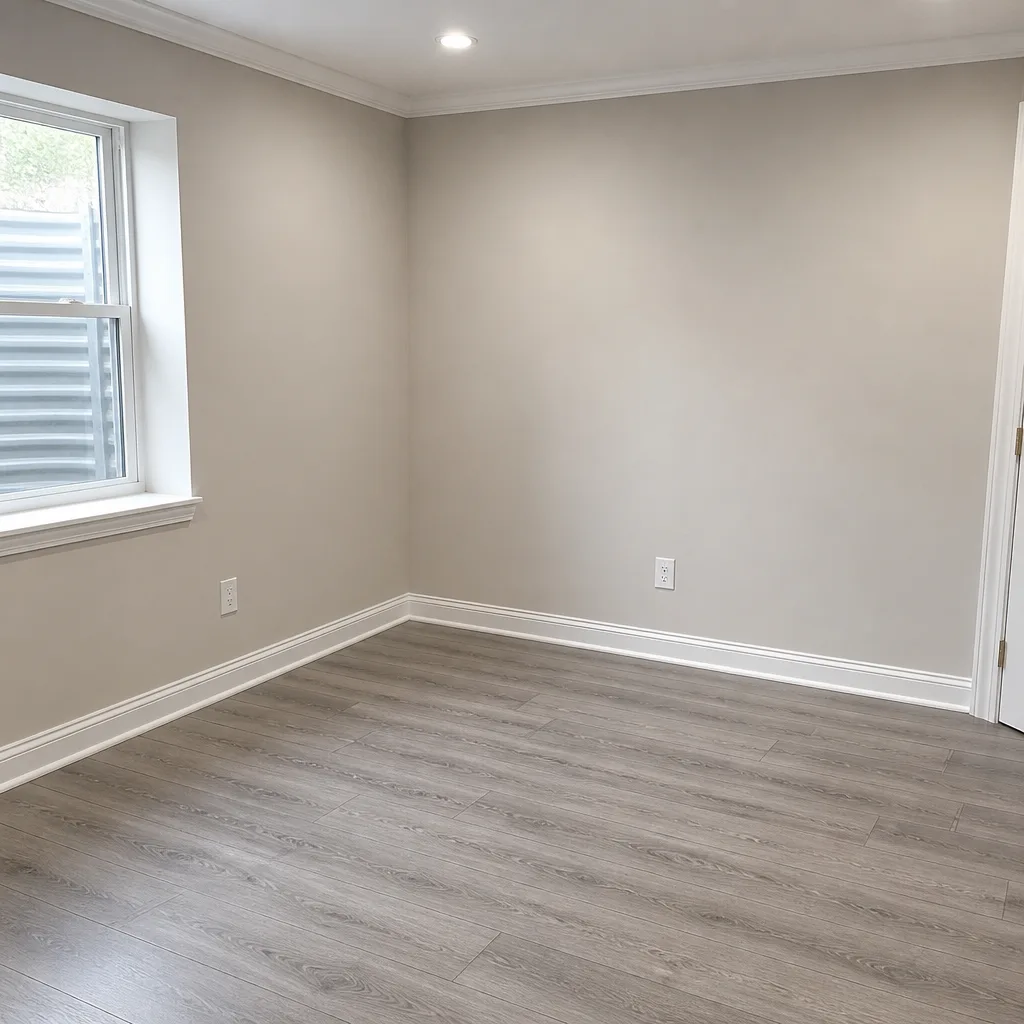
After clearance, we rebuild: new drywall, flooring, paint, trim. The final walkthrough happens with you, and the 90-Day Done Right Promise applies to every biohazard job we complete in Harrison.
Need Emergency Biohazard & Crime Scene Cleanup in Harrison Now?
Crews minutes away, answering live 24 hours a day. The sooner we start, the less it costs.
Working With Your Insurance Company
Most Harrison homeowners have no idea whether their policy covers trauma scene cleanup, bloodborne pathogen decontamination, or hoarding remediation. We do. We’ve spent nearly two decades working Hudson County claims, and we know which scenarios trigger standard coverage, which need a rider, and what documentation a carrier will actually accept. The paperwork starts in the first hour: photos of every affected area, moisture readings, containment logs, and a line-item scope that matches the insurance industry’s Xactimate standards. We talk directly to your adjuster, so you’re never the one relaying technical details between two parties who don’t answer each other’s emails. That’s how claims get approved, not stalled.
What We Provide Your Insurer
- Thorough documentation of the loss
- Photos of all damage, room by room
- Moisture readings and drying logs
- A detailed, line-item scope of work
- Direct coordination with your carrier
Built for Harrison’s Loss Calendar
Biohazard calls in Harrison don’t follow a tidy seasonal pattern like water damage does, but the conditions that create them do. Winter brings confined, closed-up row homes where an unattended death or hoarding situation goes undiscovered for days or weeks, increasing decomposition saturation. Spring and summer bring Passaic River flooding that backs combined sewage into Harrison basements, turning what started as a storm cleanup into a Category 3 biohazard event. Nor’easters hit the same stretch of riverfront again and again, and each one churns up old contamination that was never properly remediated after the last storm. Harrison’s attached brick and wood-frame housing stock, most built between 1900 and 1945, holds odors and biological material in wall cavities, under original floorboards, and behind plaster that hasn’t been opened since the building went up. That’s the reality of this town’s housing. We plan for it on every job.
Biohazard & Crime Scene Cleanup Across Harrison’s Neighborhoods
Harrison’s response routes run along Frank E. Rodgers Boulevard, Harrison Avenue, and Bergen Street, the three spines that connect the riverfront blocks to the residential grid behind them. The blocks closest to the Passaic River, especially around the waterfront redevelopment zone near Red Bull Arena, sit lowest and flood first, meaning biohazard jobs there often involve sewage backflow mixed with whatever else the water carried in. The neighborhoods around Hamilton Street and the older side streets off Harrison Avenue are dense attached row homes where a trauma scene in one unit affects the shared wall cavity of the unit next door. Near the PATH station, multi-family buildings and older wood-frame structures create vertical contamination paths that run from an upstairs unit into the ceiling below. The blocks along Davis Avenue and around Washington Middle School are some of the tightest in Harrison, with narrow alley access that changes how we stage equipment and run containment. Every one of these areas has the same underlying condition: pre-war construction, no vapor barriers, and a history of flood-related moisture that complicates any new biohazard loss. We know these streets because we’ve worked them.
Specialized Biohazard & Crime Scene Cleanup Services We Offer in Harrison
Crime Scene Cleanup
Blood, bodily fluids, and tissue require immediate containment followed by full removal of saturated materials. In Harrison’s older row homes, that often means cutting out sections of original wood flooring and lath-and-plaster walls that linoleum or paint can’t hide. We handle the work with discretion and respect, and we photograph everything for your insurer before, during, and after.
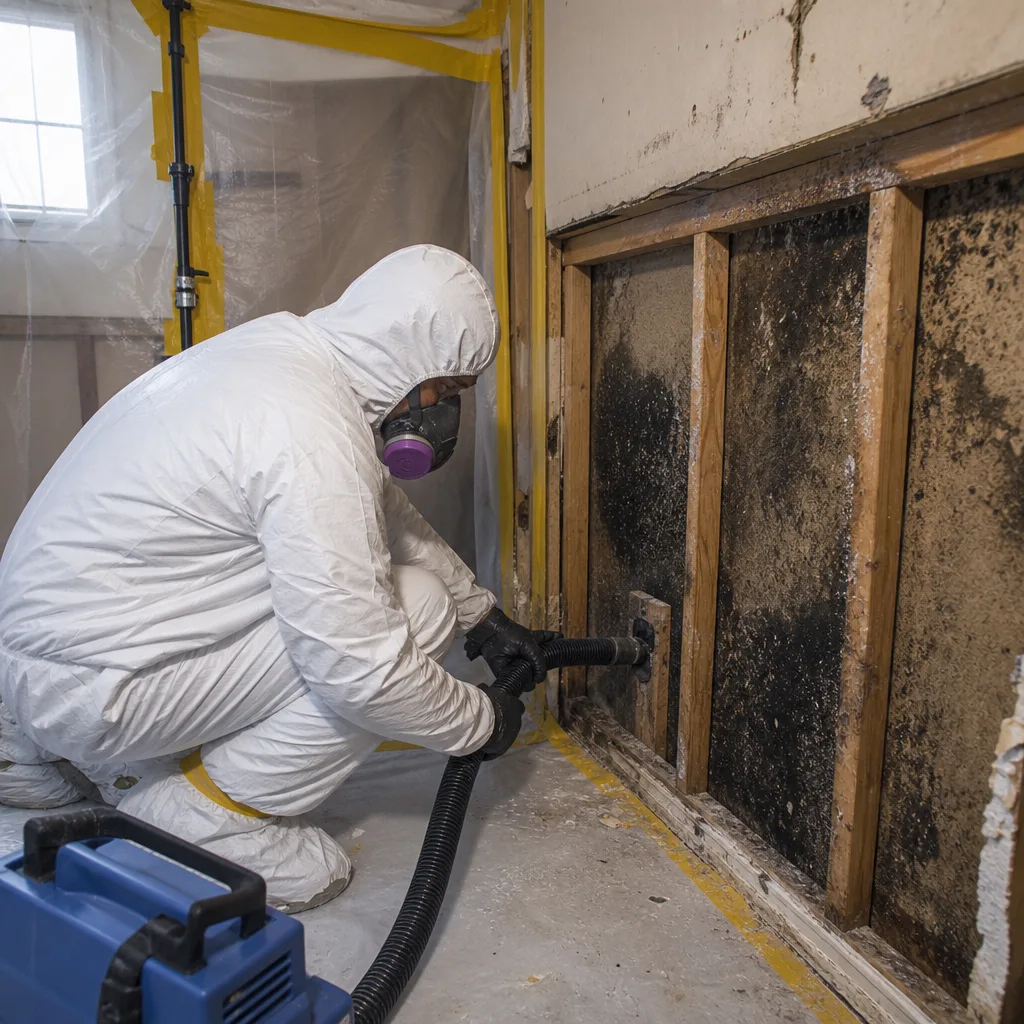
Trauma & Unattended Death Cleanup
Decomposition fluids in a closed Harrison home can saturate mattresses, flooring, subfloor, and even ceiling joists below the room. We scope these jobs with the understanding that the structure itself may need drying, not just cleaning. Odor control on these calls is different in row homes, because the smell moves through wall cavities and shared stairwells. We treat the entire affected space, not just the visible area.
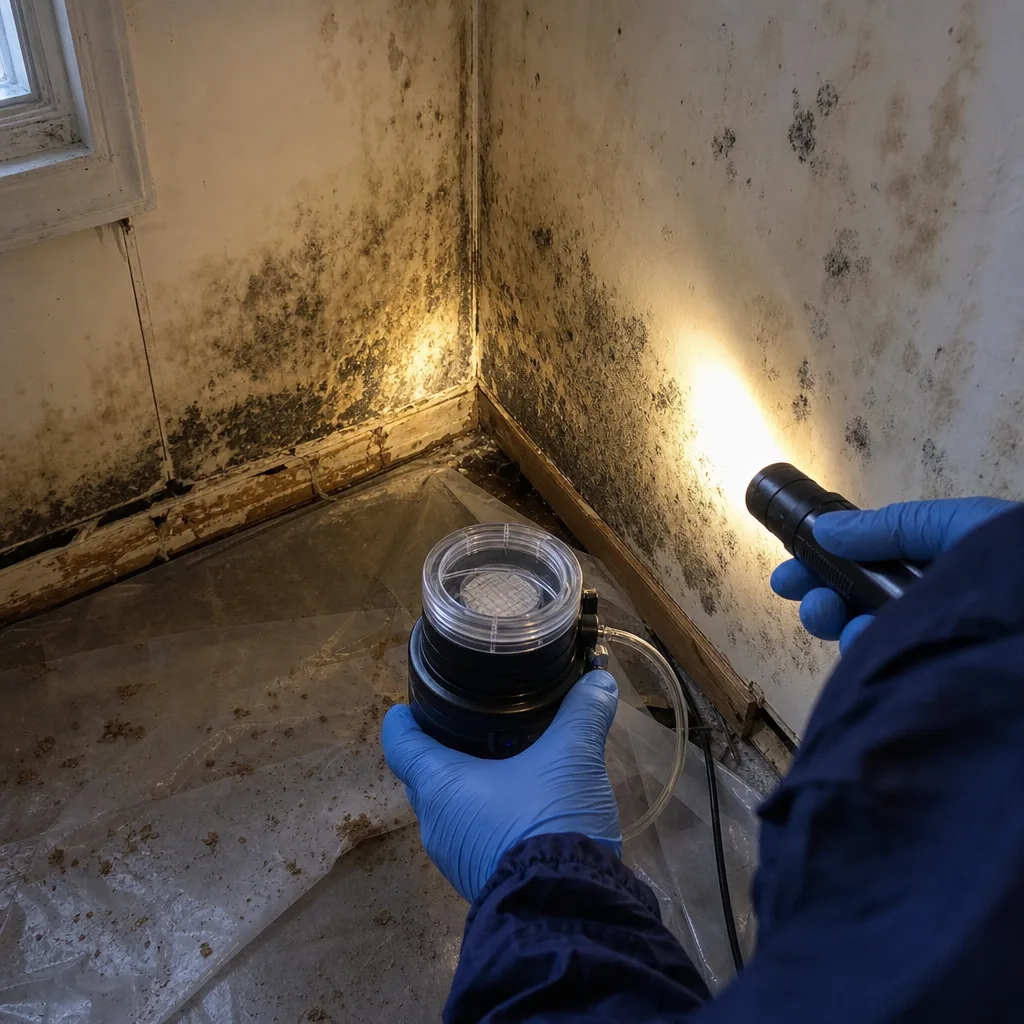
Hoarding Cleanup
Hoarding in Harrison’s attached brick and wood-frame homes creates layered hazards: years of accumulated material trapping moisture against original plaster walls, rodent and insect activity, and often unrecognized sewage backup from the town’s combined sewer system. Our Biohazard & Crime Scene Cleanup crews set containment before disturbing anything, because the air inside a hoarded Harrison row home can carry mold spores, rodent droppings, and bacterial contamination through every room. We sort, remove, sanitize, and document at a pace that respects the homeowner. This isn’t a dumpster job. It’s a restoration job.
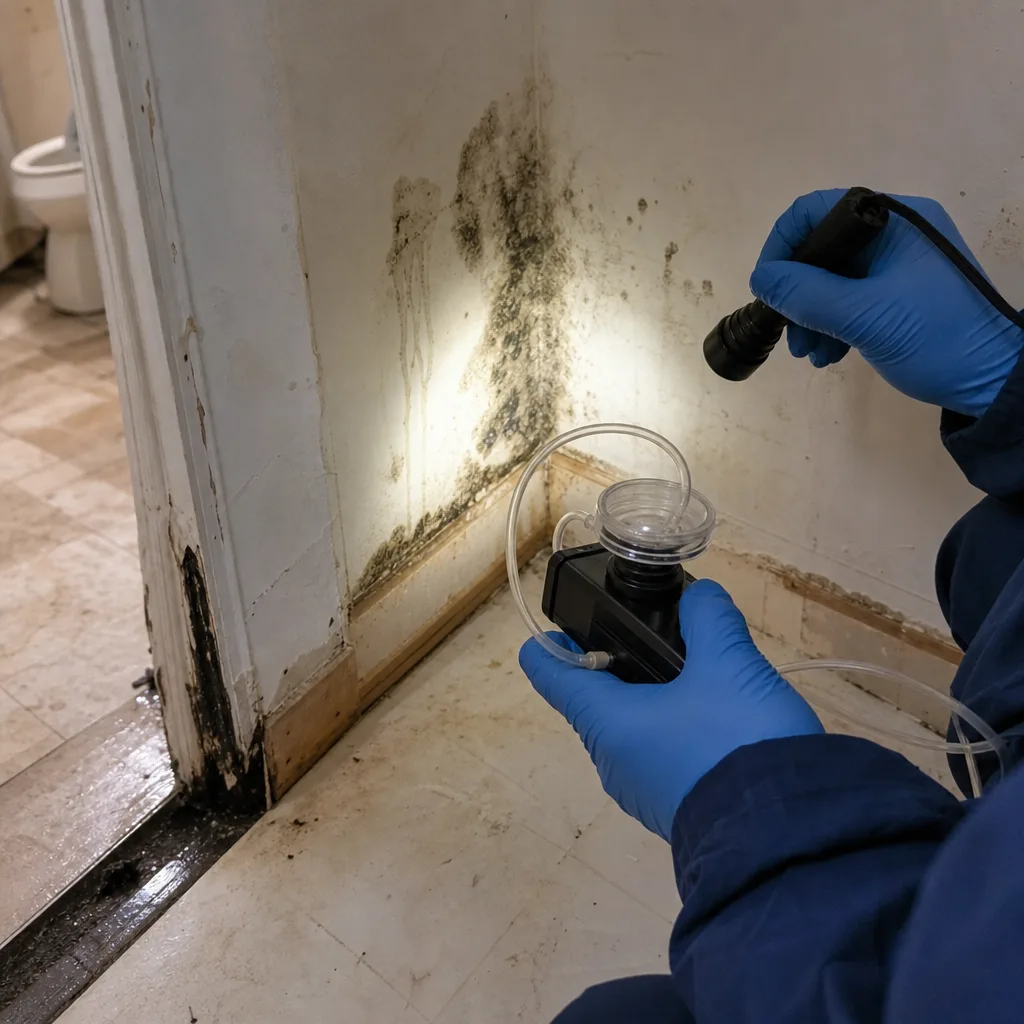
Blood & Bodily Fluid Cleanup
Blood spills that look small on the surface can saturate through carpet, pad, and hardwood into the subfloor below. In Harrison’s pre-1945 homes, that subfloor is often original tongue-and-groove lumber with gaps that let fluids travel. We test the affected area with moisture meters to find the true contamination boundary, then remove everything that can’t be fully sanitized. Anything less leaves a biohazard sealed inside your floor assembly.
Infectious Disease Disinfection
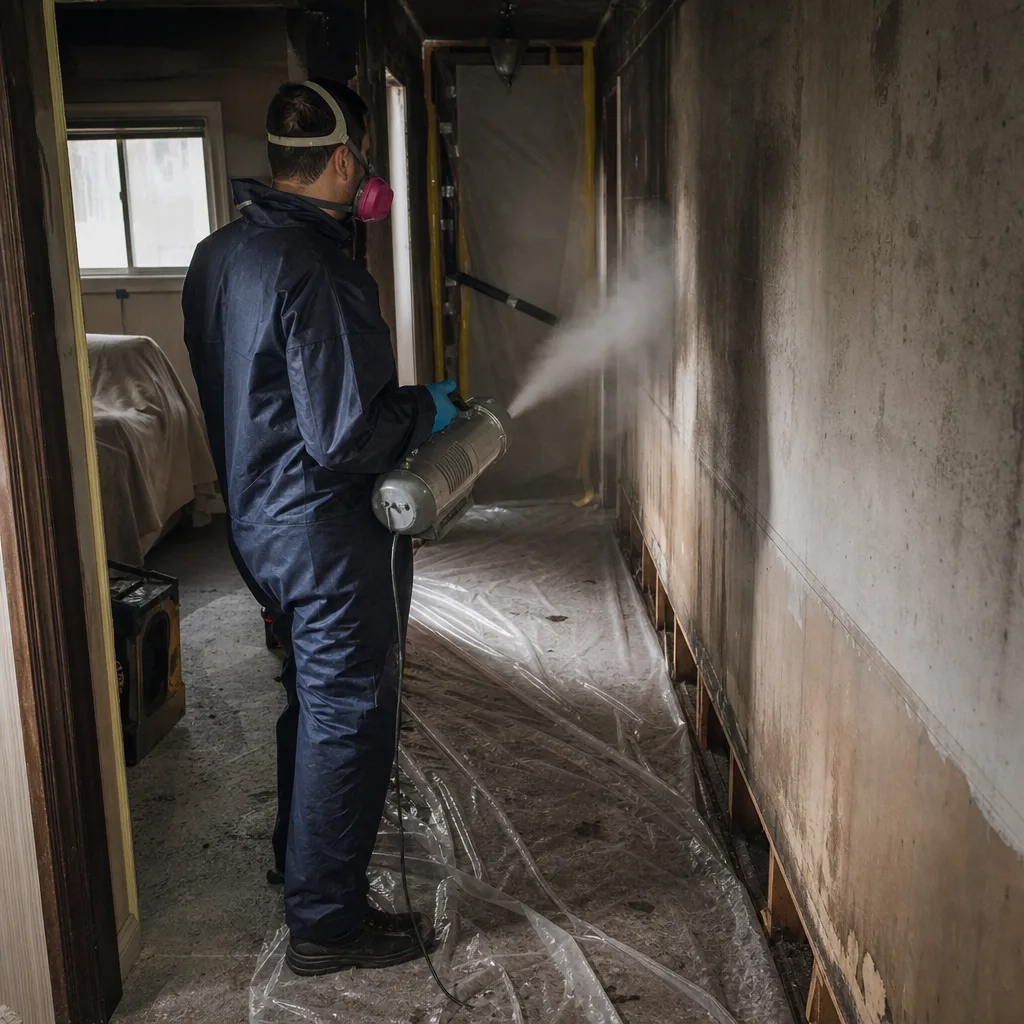
When a Harrison home needs disinfection after MRSA, C. diff, COVID, or another infectious disease exposure, we deploy EPA-registered hospital-grade disinfectants with proper dwell times and full surface coverage. We use electrostatic sprayers to reach areas that hand-wiping misses, including inside closets, behind radiators, and across the textured plaster walls common in Harrison’s older housing stock. Clearance documentation is provided when the job is done.
What happens when you call
- 1
A real person answersNo phone trees - you reach a local pro.
- 2
You get an upfront price rangeHonest numbers before anyone is dispatched.
- 3
A background-checked tech heads outLicensed & insured, dispatched right away.
- 4
You approve before work beginsNothing starts until you say go.
Biohazard & Crime Scene Cleanup Costs in Harrison, NJ
A straightforward blood cleanup in a Harrison home typically runs $500 to $1,500, depending on how far the contamination traveled and whether flooring or drywall removal is needed. Trauma and unattended death scopes land between $1,500 and $6,000, with the higher end covering multiple rooms, structural drying, and odor treatment. Hoarding cleanup in Harrison’s row homes generally runs $2,000 to $10,000 or more, because the work includes sorting, debris removal, and often mold or sewage remediation alongside the biohazard component. Infectious disease disinfection for a whole house is usually $800 to $2,500. Insurance covers many of these situations, especially when the loss stems from a covered peril like a crime, accident, or sewage backup. We’ll tell you honestly on the phone whether your situation is likely covered, and we’ll put a written scope in your hands before any work begins. Call (856) 501-6142 for a free visual inspection in Harrison. No trip charge inside the county.
We Also Serve Cities Near Harrison
Wade’s Restoration handles biohazard and crime scene cleanup in Harrison and the surrounding Hudson County communities, including Kearny, North Arlington, Jersey City, and Lyndhurst. The same crews, the same equipment, and the same 24/7 live answer extend to every call we take in the Passaic River basin.
Serving Harrison, NJ - Our Local Coverage Area
We’re based in the Harrison area and know this community well. Use the map below to see our service coverage - if you’re nearby, we can almost certainly help.
Harrison Biohazard & Crime Scene Cleanup Questions, Answered
Does Harrison’s Passaic River flood history affect how biohazard cleanup should be scoped?
Yes, and it changes the scope every time. Harrison’s location in the Passaic River floodplain means most homes have experienced Category 3 water intrusion at some point, and many have hidden mold or previous incomplete remediation behind walls. A biohazard cleanup that ignores that history will miss contamination. Our crews always check for flood-related moisture and mold before finalizing a biohazard scope, because treating only the blood or trauma residue while leaving Category 3 backflow contamination behind is a failure waiting to happen.
How do you handle Category 3 sewage backup in a Harrison row home during a biohazard job?
We treat it as part of the same contamination event. Harrison’s combined sewer system backs up into basements and first floors during heavy storms, and if that happened alongside a biohazard incident, the cleanup must address both. That means removing saturated materials, running Dri-Eaz dehumidifiers and XPOWER air movers for structural drying, and applying antimicrobial treatment to all affected surfaces. You can’t sanitize a floor that’s still wicking sewage moisture from below. We document everything for your insurer as one continuous loss.
What extra precautions are needed for hoarding cleanup in Harrison’s early 20th-century homes?
Containment is the big one. Harrison’s row homes share wall cavities with neighboring units, and the air inside a hoarded space is loaded with mold spores, rodent waste, and bacterial contamination. We set negative air pressure with HEPA air scrubbers before any debris moves, so we’re not sending that air into the rest of the building. We also check for structural issues: hoarded material in a 1920s Harrison home has often been holding moisture against original plaster and wood framing for years, and the floor assembly may have rot or sagging that needs repair before the space is safe to use again.
Do Harrison building codes require special documentation for trauma scene cleanup?
Harrison follows New Jersey state regulations for biohazard waste handling and disposal, and we comply with all of them. That means proper manifests for regulated medical waste, licensed disposal facilities, and documentation of the sanitization process. For insurance purposes, we also provide clearance documentation that shows the property was returned to a safe, habitable condition. If a Harrison building inspector or health department official needs to verify the work, our paperwork stands up. We’ve handled this enough times in Hudson County to know exactly what they’ll ask for.
Why is odor control harder in Harrison row homes after an unattended death?
Because the smell travels horizontally. In a detached suburban home, decomposition odor has to work its way through the structure, but in Harrison’s attached brick row homes, the wall cavities between units act as shared air channels. The odor from a third-floor bedroom can reach the neighboring house’s stairwell. On top of that, original lath-and-plaster walls absorb and hold odors in ways drywall doesn’t. We treat the full cavity space, not just the room where the incident occurred, using hydroxyl generators and ozone treatment in sequence to break down odor compounds at the source. Masking the smell is not an option. It has to be destroyed.
How fast can you get to a Harrison biohazard emergency?
We commit to 45 minutes for emergency calls in Harrison. Wade Ferris dispatches the crew from the metro office the moment you hang up, and the call is answered by a live person, not a message. Call (856) 501-6142 day or night.
Can we stay in the home during biohazard cleanup?
Usually not in the affected area, and often not in the home at all if the contamination is extensive or airborne. For a contained blood spill in a single room with proper negative air pressure, the rest of the home may be habitable. For an unattended death, hoarding cleanup with mold disturbance, or infectious disease disinfection, we recommend vacating until clearance testing is complete. We’ll tell you straight on the phone what’s safe and what isn’t. In Harrison’s row homes, where shared walls complicate containment, we’re more conservative about this than we’d be in a detached house.
What should I do in the first 30 minutes after discovering a biohazard situation?
Do not enter the affected area more than necessary. Close the door. Shut off HVAC or window AC units in the room if you can reach controls safely, because they’ll spread contaminants through the house. Do not attempt to clean blood, bodily fluids, or decomposition material yourself: biohazard exposure carries real health risks, and a improper first attempt often spreads the contamination further into the structure. Call (856) 501-6142 and let Wade talk you through what to check and what to leave alone. The call costs nothing. The wrong DIY cleanup can cost thousands and void your insurance coverage for the loss.
Written by Wade Ferris, Owner at Wade’s Restoration, providing biohazard and crime scene cleanup in Harrison, NJ and surrounding Hudson County communities.