
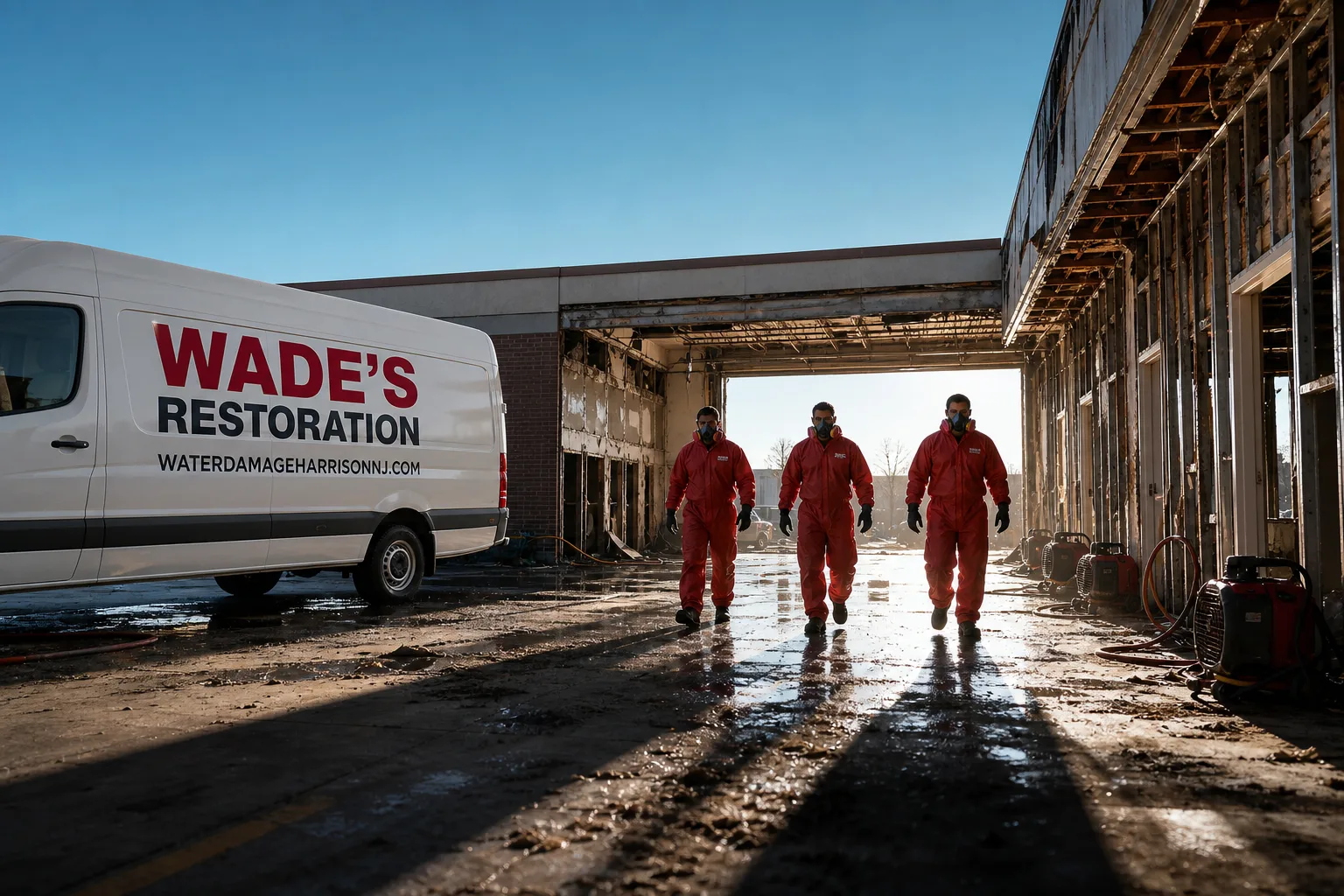
Free visual inspection and a written scope of work before any mitigation begins - photos, moisture readings, and drying logs go in your claim file
The scope we write is the scope we bill. Anything new gets shown to you, in writing, before we touch it.
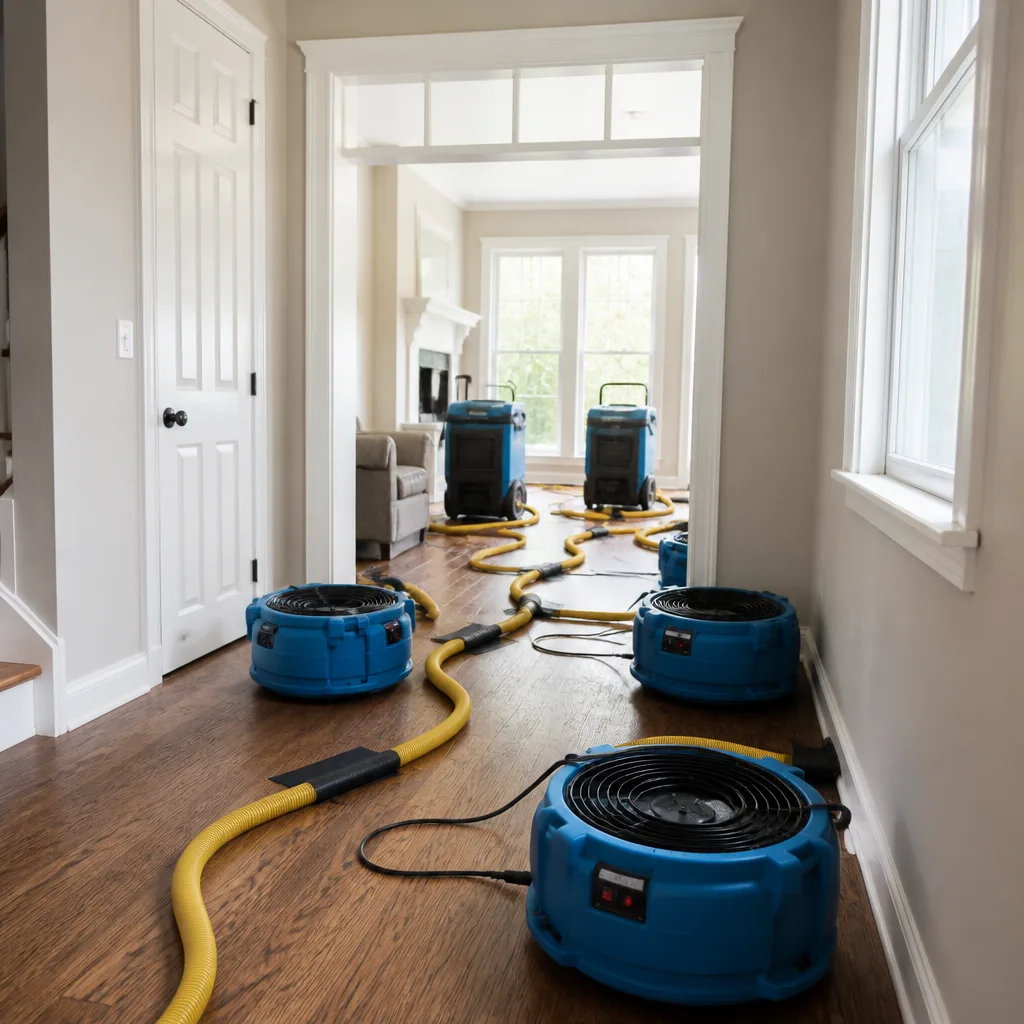
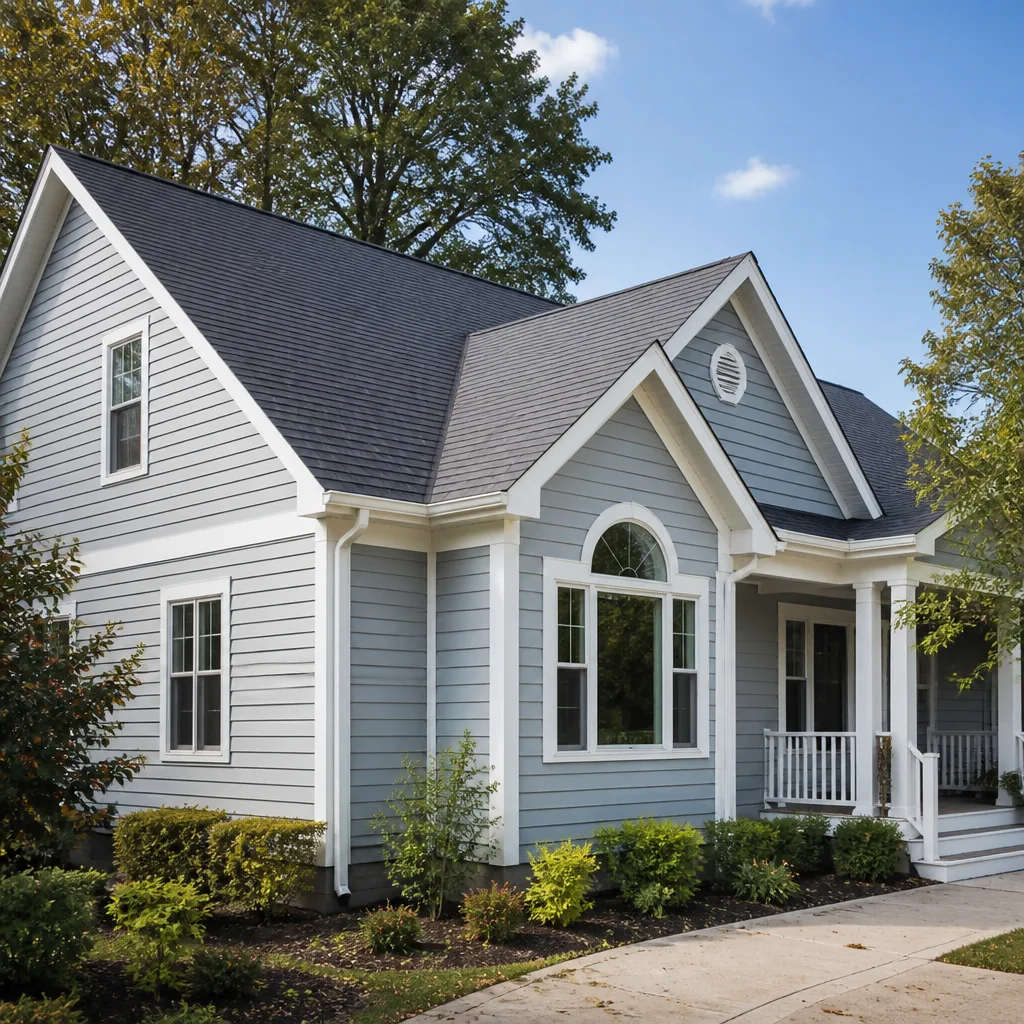
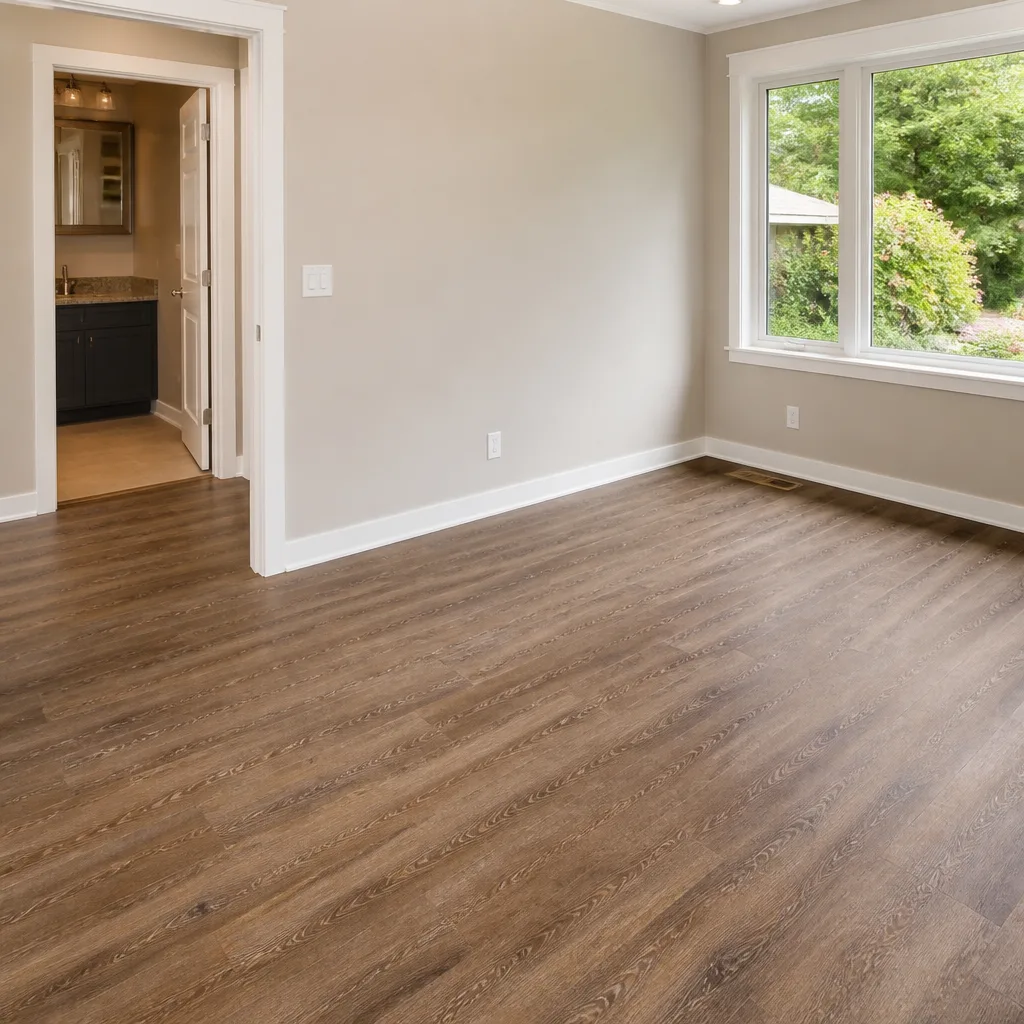
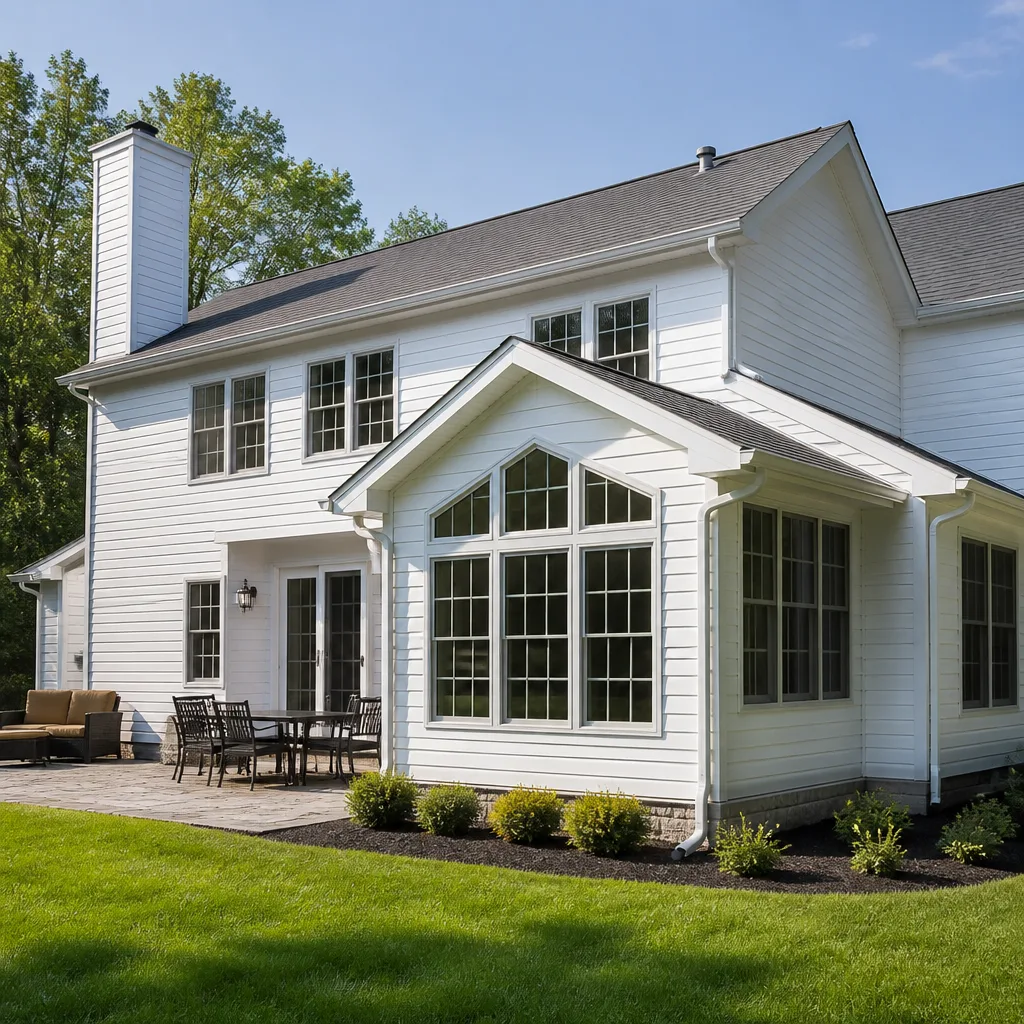
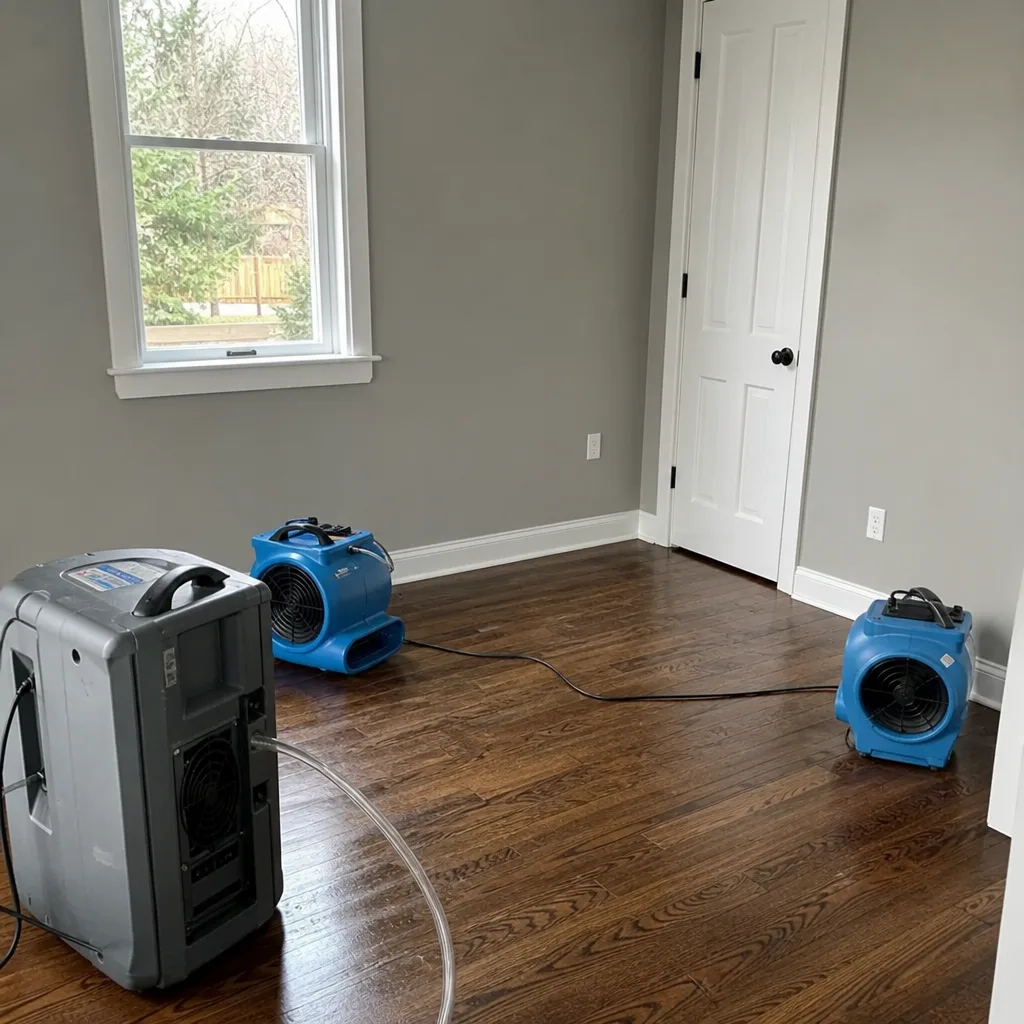
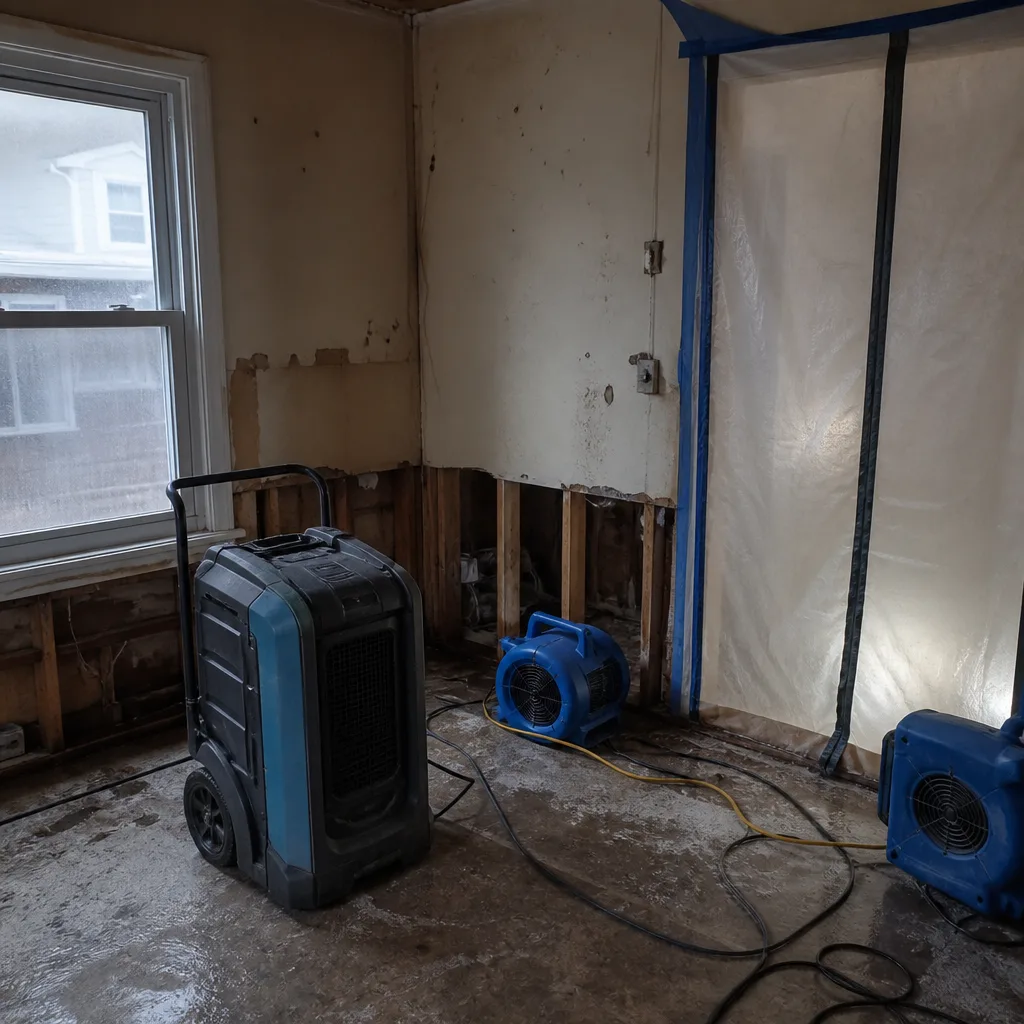 Before
 After
After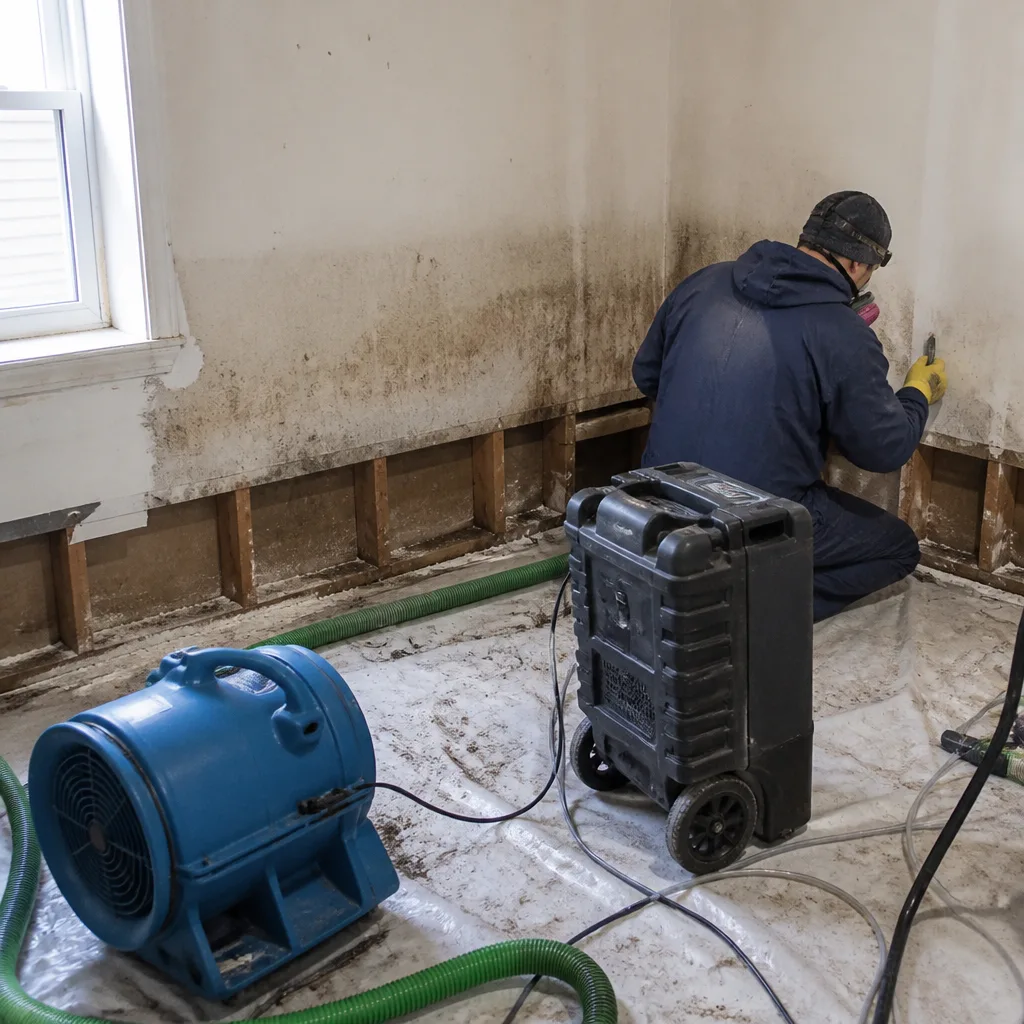 Before
 After
After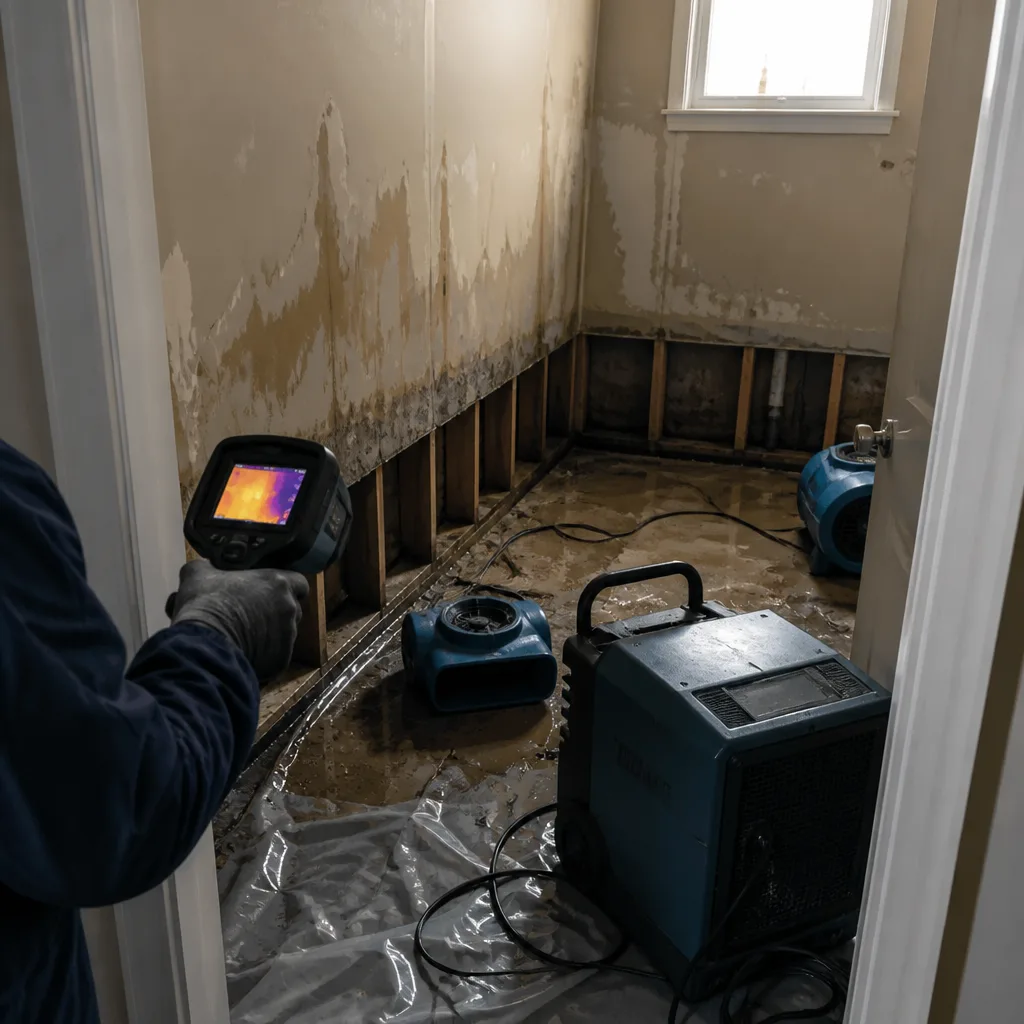 Before
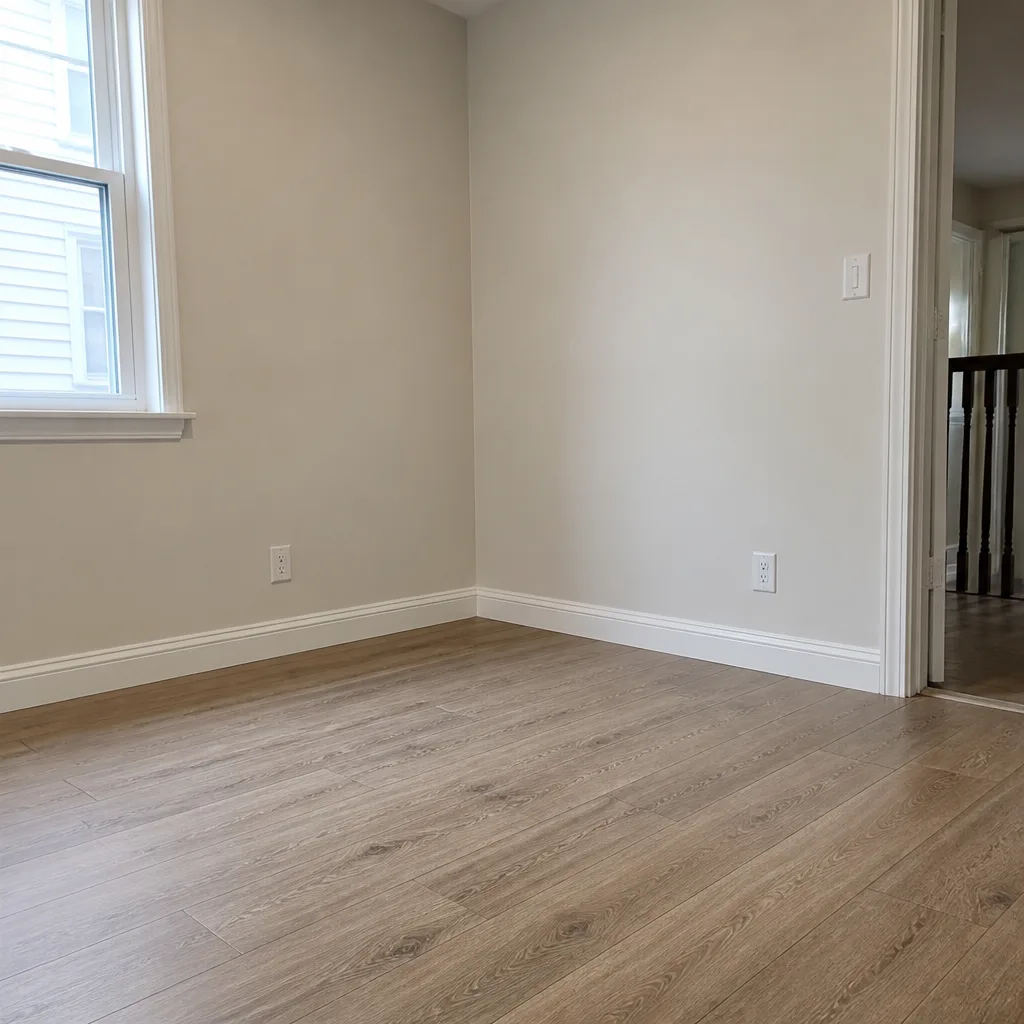 After
After24/7 Emergency Mold Remediation in Harrison
Mold remediation in Harrison, NJ typically costs $1,800 to $6,500 depending on how far the colony has spread and whether it started from river flooding or a slow plumbing leak. You can reach a live person at (856) 501-6142 any hour, and a crew can be on-site in the Harrison area within 45 minutes for a free visual inspection. The first hour matters because mold releases spores that travel through wall cavities and settled spores take root anywhere humidity stays above 60%, which describes most of Harrison’s pre-war foundations from March through November.
If you’ve had water in your Harrison basement, don’t wait to see if it dries on its own. It won’t. Not in this town. The rubble-stone foundations and attached row homes along Frank E. Rodgers Boulevard and the Passaic riverfront hold moisture like a sponge, and every day that passes gives mold time to move from the baseboard to the framing. Call Wade’s Restoration, and we’ll start with a free visual inspection. No trip charge inside our own county, and if you already have a written estimate from another company, we’ll give you a free second opinion on it.
Understanding Mold Remediation Severity in Harrison Properties
Mold problems in Harrison fall into three practical categories, and the severity depends on where the moisture came from and how long it has been sitting. A condensation problem from a bathroom vent causes surface mold on drywall that often responds to cleaning and localized treatment. A slow supply-line leak inside a wall or under a kitchen sink is worse because the water feeds mold behind finished surfaces where you cannot see it for weeks. And the category that defines Harrison more than any other town in Hudson County is flood-driven mold from Passaic River overflow, which brings Category 3 water, the kind that carries sewage, river silt, and bacteria into your basement through floor drains and foundation seams.
Harrison’s housing stock makes this worse. Most homes here were built between 1900 and 1945, attached brick row homes and two-to-three family wood frames with no vapor barriers under the slab and foundations made of rubble stone or uncoated poured concrete. Water wicks upward through those foundations, which is why Harrison remediation jobs frequently find mold feeding at the sill plate while the drywall above it looks clean. That is why we run containment with HEPA air scrubbers before we open a single wall cavity. Airborne spore counts rise fast once you disturb hidden colonies. We set negative pressure, we remove the saturated material, and we apply antimicrobial treatment to the framing before it goes back together. Then we run clearance testing to prove the air inside your home is clean, not just the surfaces we touched.
Why Harrison Property Owners Choose Wade’s Restoration
- 45-minute response commitment – Wade heads out himself when the call is urgent, and his crew is never more than 45 minutes from the Harrison blocks we know best.
- Live answer, always – You call (856) 501-6142 and a person picks up. Not an answering service, not a callback queue. Wade answers his own phone at 2 a.m. because that’s when Passaic backflow hits.
- IICRC-certified crews – Our techs carry AMRT and WRT certifications, and the work follows IICRC S520 standards for mold remediation. Real credentials, not buzzwords on a website.
- Free visual inspection – We’ll look at the affected area, take moisture readings, and tell you honestly whether you need remediation or just ventilation fixes. No charge for that.
- Direct insurance billing – Wade deals with your adjuster directly. You are not relaying messages between two sides that don’t trust each other.
- One team from start to finish – The same crew that sets containment handles the drying and the reconstruction. No handoffs to a third-party crew you’ve never met.
Our Mold Remediation Process
Inspection & Assessment
We start with a walkthrough of your Harrison property, looking at visible mold, taking moisture readings with thermal imaging and hygrometers, and checking the areas most vulnerable in this housing stock: baseboards, sill plates, behind kitchen cabinets, and around any floor drain that has backed up during a storm.
Containment & Stabilization
Before we touch anything, we seal the work area with plastic sheeting and run HEPA air scrubbers to create negative pressure. This stops spores from moving through the rest of your home while we open walls and pull saturated material.
Source Removal
Moldy drywall, insulation, baseboard, and any saturated flooring come out in sealed bags. We cut back to clean material, not just to where it looks clean. In Harrison row homes, that often means going down to the masonry foundation wall itself.
Cleaning & Antimicrobial Treatment
Exposed framing, masonry, and any salvaged surfaces get HEPA vacuuming followed by the proper antimicrobial treatment. We don’t just spray bleach and call it done. We treat the materials that feed the colony, down to the sill plate.
Structural Drying & Dehumidification
Dri-Eaz LGR dehumidifiers and XPOWER air movers run until moisture readings in the framing, masonry, and slab return to their pre-loss baseline. Wade checks those readings every single day and hands you the full log at the end of the job.
Repairs & Restoration
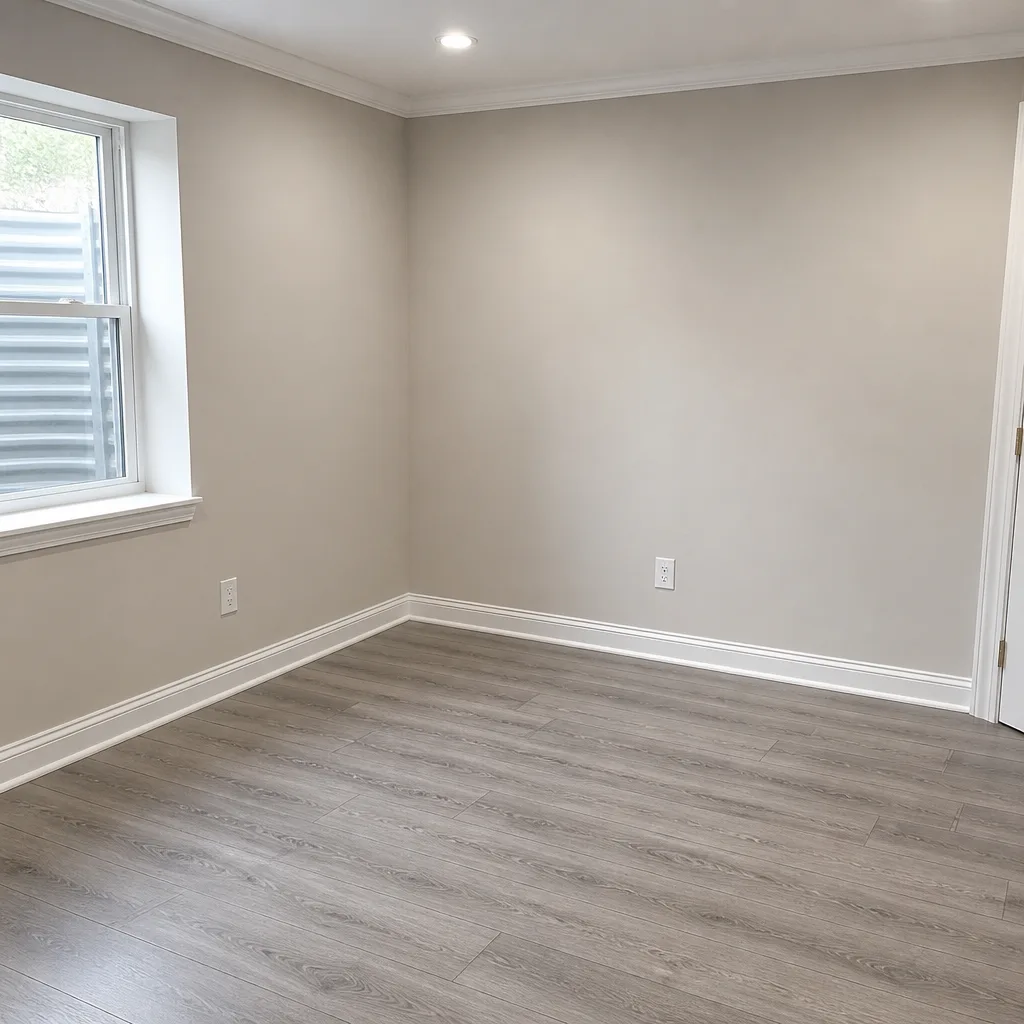
The last step is putting it back together: new drywall, trim, paint, and any flooring that had to come out. Because we handle the reconstruction too, you don’t wait on a separate contractor to show up while a gaping wall cavity sits open.
Need Emergency Mold Remediation in Harrison Now?
Crews minutes away, answering live 24 hours a day. The sooner we start, the less it costs.
Working With Your Insurance Company
Insurance companies see Harrison differently than homeowners do. They know this town sits in a FEMA Special Flood Hazard Area and that Passaic River claims repeat on the same blocks year after year. That means adjusters scrutinize mold claims from Harrison more closely than claims from towns without a flood history. You need documentation that proves the mold was caused by a covered water loss and that the scope of work is defensible. We start that documentation in the first hour: photos of the standing water, moisture readings of every affected surface, a written log of what we find as we remove material, and a line-item scope backed by industry-standard estimating software.
Wade talks to your adjuster directly, and he knows what to say because he has been doing it since 2007. You don’t have to triangulate between a claims desk and a restoration crew. And if your Harrison property has had multiple prior flood claims, we’ll help you understand what that means for coverage on this one, honestly.
What We Provide Your Insurer
- Thorough documentation of the loss
- Photos of all damage, room by room
- Moisture readings and drying logs
- A detailed, line-item scope of work
- Direct coordination with your carrier
Built for Harrison’s Loss Calendar
Mold problems in Harrison do not arrive on a random schedule. They follow the town’s geography. January and February bring deep freezes that burst supply lines in uninsulated exterior walls, water that seeps into wall cavities in these pre-war wood frames and sits there until spring warms it up. March and April bring thaw and heavier rain, which pushes groundwater into basements through rubble-stone foundations that were never waterproofed. From June through September, afternoon convective storms overwhelm Harrison’s combined sanitary and storm sewer lines, sending Category 3 backflow up through floor drains on the low-lying blocks down by the river. And from late August through November, Nor’easters push Passaic River water into the streets, into the basement stairwells, and through every crack and seam in the foundation. Each of those events is a mold timeline starting the moment water touches organic material. Harrison homeowners who know the pattern call us as soon as the water recedes, not a week later when the smell starts.
Mold Remediation Across Harrison’s Neighborhoods
The blocks west of Frank E. Rodgers Boulevard, between Hamilton Street and the river, are mostly attached brick row homes from the 1920s. These properties flood from river backflow, not just groundwater, which means the mold contamination is sewer-tinged and demands full containment plus antimicrobial treatment on masonry. Down near Harrison Avenue and the industrial edge by the PATH station, we see the same flooding pattern but with more wood-frame two-families where moisture travels through shared party walls. Homeowners in one unit call us for inspection thinking the mold is theirs alone, and half the time we find the moisture source is a failing roof drain or pipe on the neighbor’s side of the wall.
Up by the East Newark border and around the high ground near Washington Street, basement seepage beats river water as the main trigger. Those homes sit on clay-heavy soil that holds water after every rainstorm, and the crawl spaces under older wood frames stay damp from April to October. Crawl space treatment and moisture control matter more than drywall removal in that section of town, because the mold hides under the floor, not behind the walls. The homes built after 1960 near the southern end of town have poured concrete foundations that dry faster, but even there, unsealed floor drains tie into the same combined sewer system that backs up during heavy storms.
Specialized Mold Remediation Services We Offer in Harrison
Mold Inspection & Testing
Wade’s Restoration starts every Harrison mold job with inspection that focuses on where this town’s homes actually fail: sill plates above rubble-stone foundations, inside wall cavities under old supply lines, behind baseboards on flood-prone blocks, and around floor drains connected to the combined sewer. Our Mold Remediation team uses thermal imaging and hygrometers to find moisture you can’t see. If air quality testing is needed, we’ll include it in the written scope before you agree to anything.
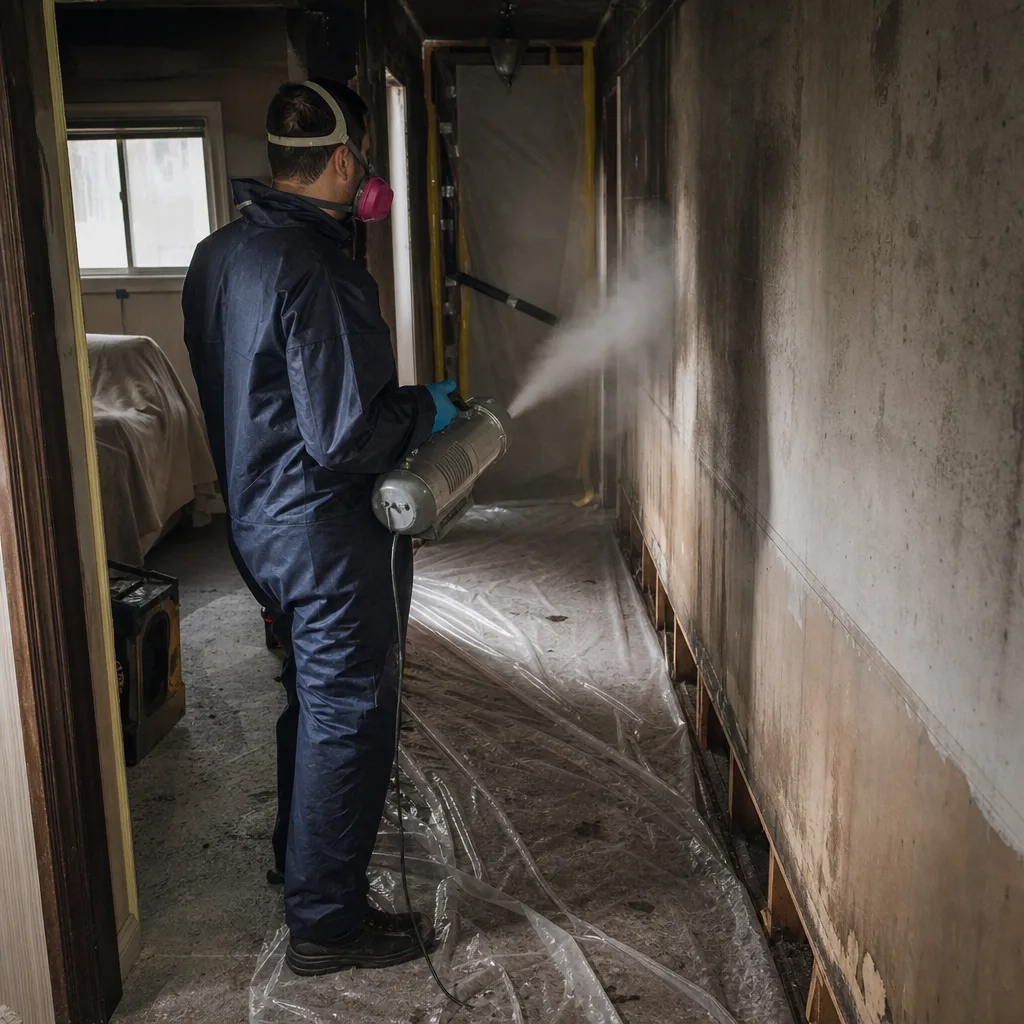
Mold Removal
Removal in Harrison means cutting back to clean material, not just removing what is visibly black. On our Harrison jobs, that frequently means opening walls to the masonry foundation, pulling out insulation that soaked up river water, and running HEPA air scrubbers until the spore count in the work area drops to outdoor baseline levels. We don’t paint over colonies and call it done. That’s how homeowners end up with recurring mold year after year, and it’s the number one thing we find when called in for a second opinion.
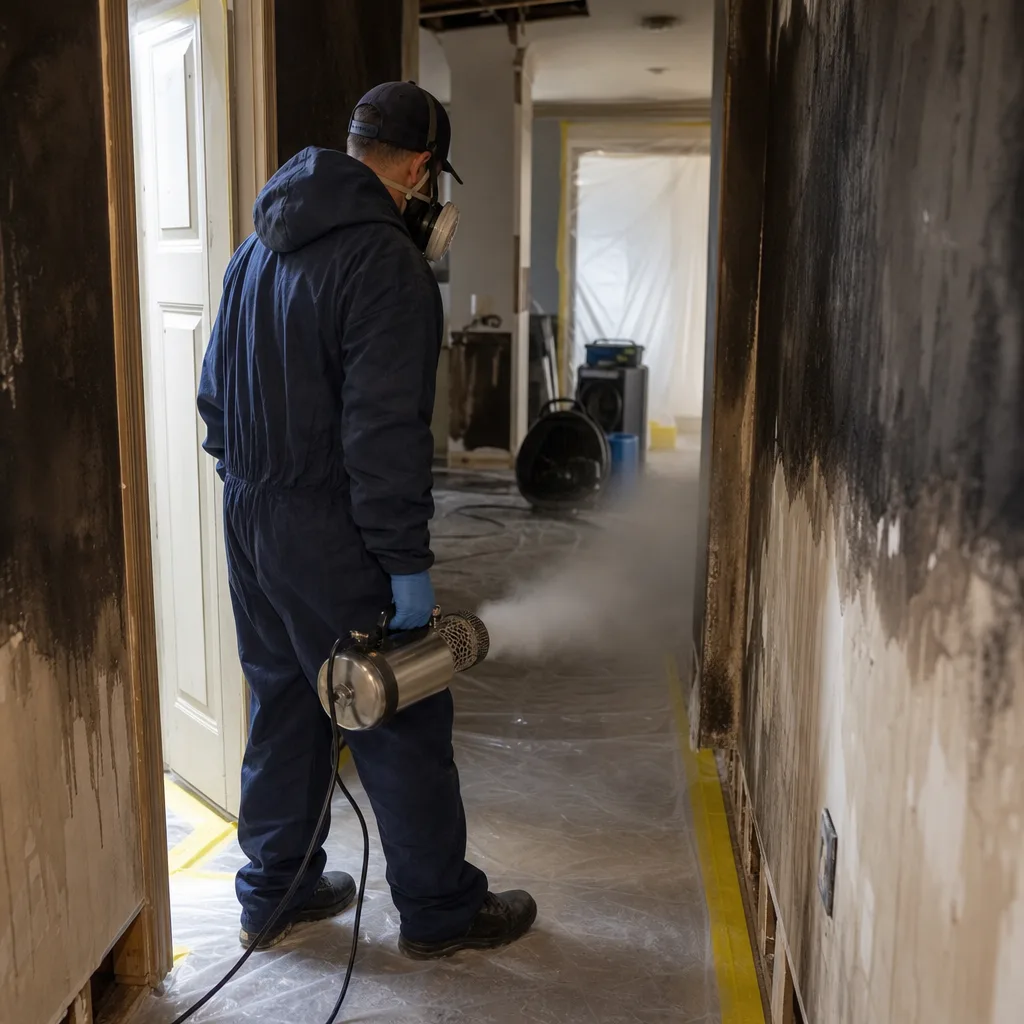
Black Mold Remediation
Black mold, typically Stachybotrys chartarum, is common in Harrison basements that flood repeatedly. This mold grows on cellulose-heavy materials, drywall, ceiling tile, wet cardboard, that have stayed wet for more than a week. It’s not automatically more dangerous than other species, but it does indicate a long-standing moisture problem, which means the remediation scope is larger and the containment protocol is stricter. We treat it the same way we treat every mold job: full containment, source removal, antimicrobial treatment, and verification.
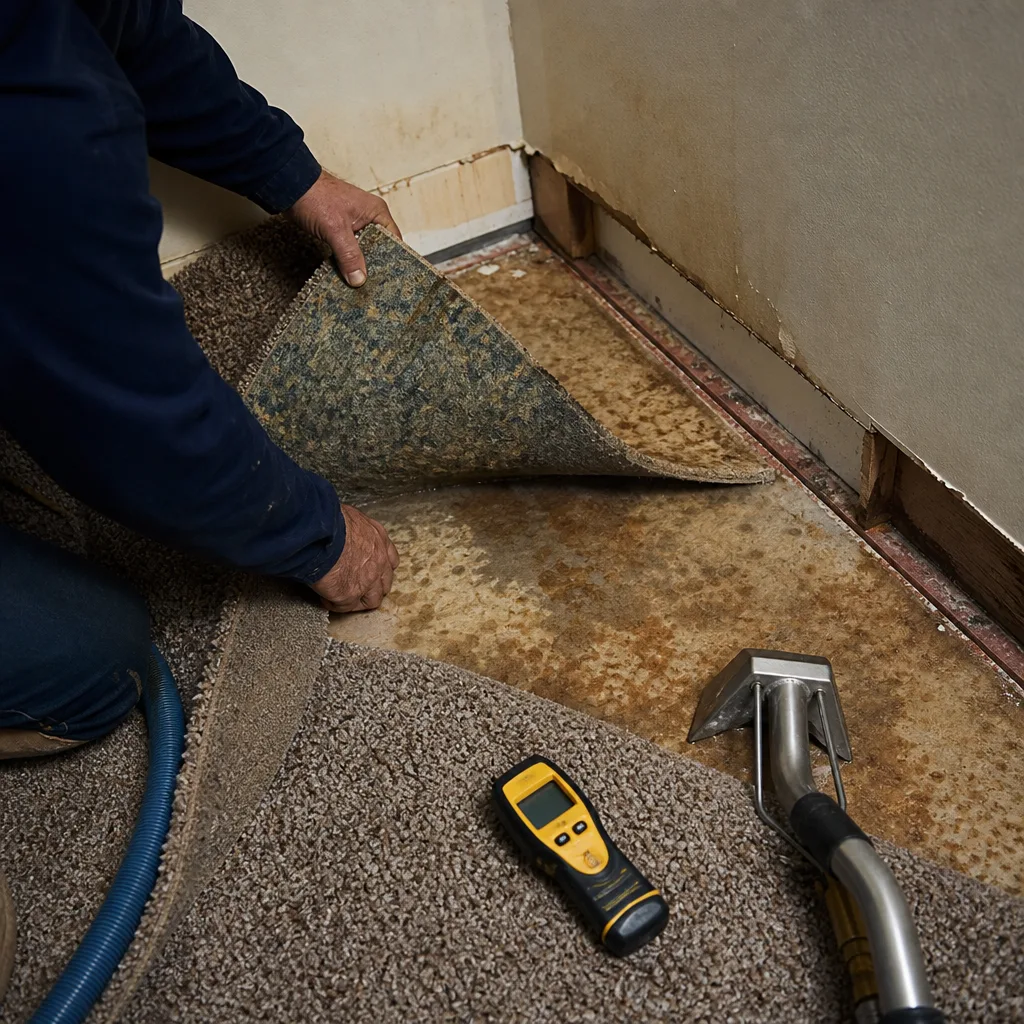
Air Quality Restoration
After removal and drying are complete, air quality restoration focuses on what is floating, not what is stuck to the wall. We run HEPA air scrubbers throughout the affected area, sometimes for 24 to 48 hours after the work is finished, and we take before-and-after spore trap samples when the scope calls for it. In Harrison row homes where the furnace draws return air from a basement that flooded, this step makes a measurable difference in how the upstairs rooms smell and breathe.
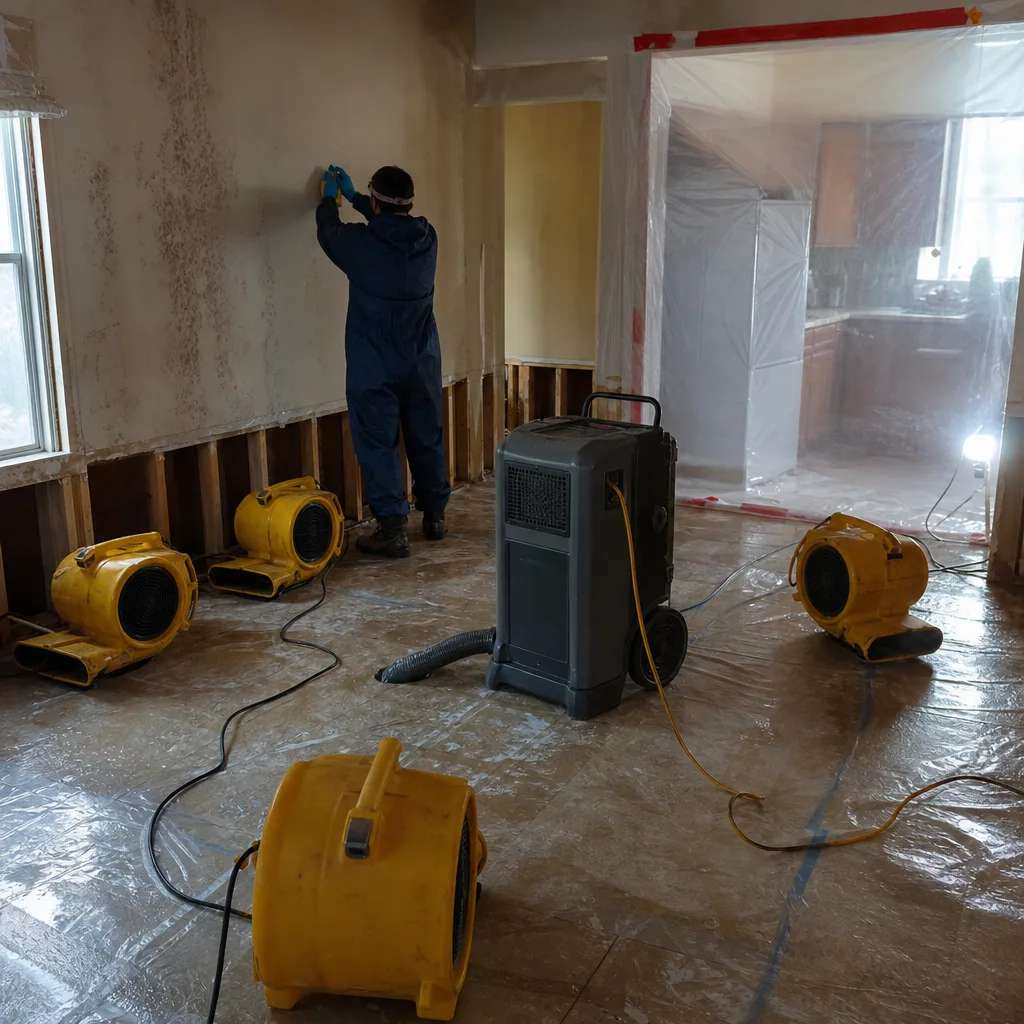
Crawl Space Treatment
Older wood-frame homes in Harrison with vented crawl spaces hold moisture from spring thaw through late autumn. That moisture feeds mold on the subfloor and floor joists, and it drives up humidity in the living space above. We clean the affected framing, apply antimicrobial treatment, and install vapor barriers and dehumidification when the space calls for it. B-Air dehumidifiers are workhorses in these small, tight crawl spaces, and they are the same units we run in flood cuts and commercial losses.
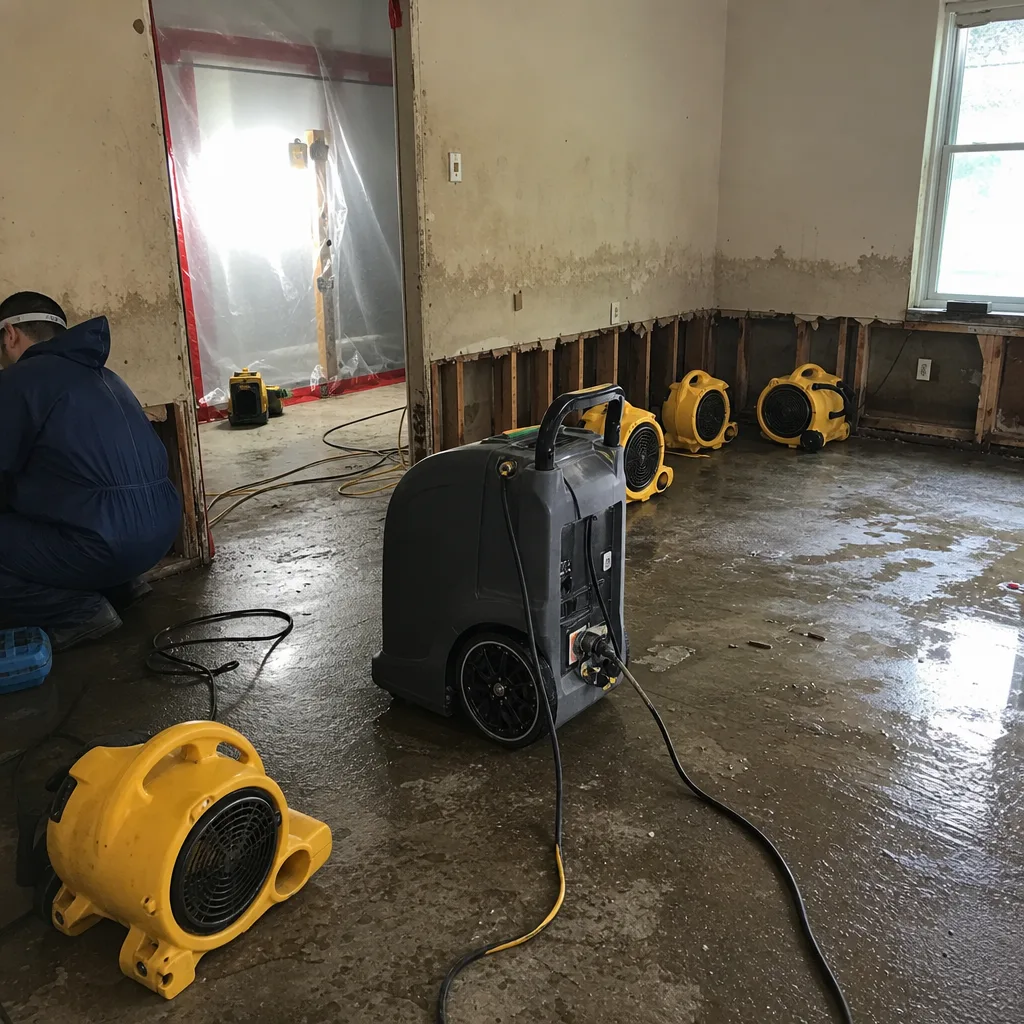
Moisture & Humidity Control
The cheapest mold remediation in Harrison is the one you never need. After we finish any mold job, we look at why the moisture got there in the first place: a missing downspout extension, a failed sump pump, an unsealed floor drain, a bathroom vent dumping into the attic. Fixing those keeps the next colony from starting. On homes along the Passaic, where no amount of grading will stop river water, we talk honestly about what mitigation can and cannot do, and we scope any repair work in writing before the first tool comes out.
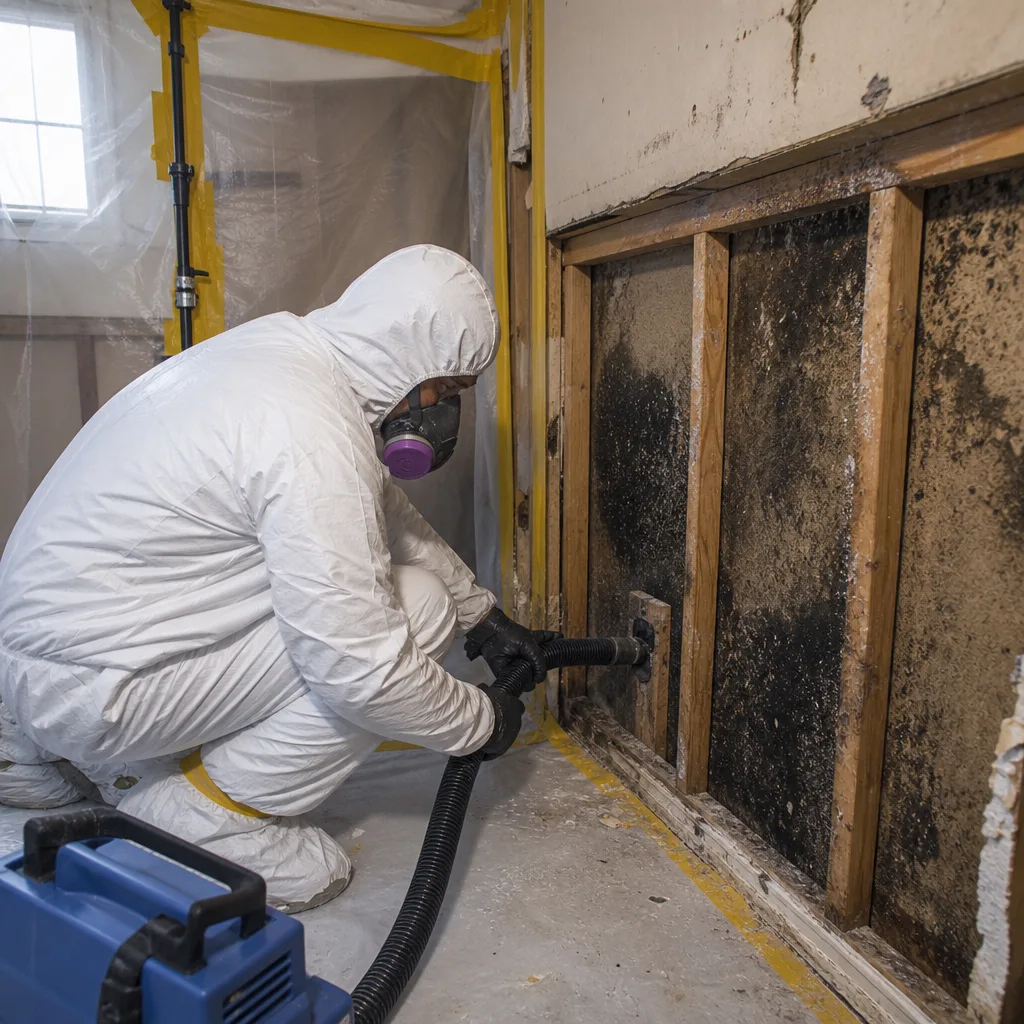
What happens when you call
- 1
A real person answersNo phone trees - you reach a local pro.
- 2
You get an upfront price rangeHonest numbers before anyone is dispatched.
- 3
A background-checked tech heads outLicensed & insured, dispatched right away.
- 4
You approve before work beginsNothing starts until you say go.
Mold Remediation Costs in Harrison, NJ
What you pay for mold remediation in Harrison depends on how much material we have to remove and whether the water source was clean or contaminated. A small localized job, like mold under a kitchen sink from a slow supply line leak, typically runs $800 to $2,200. That covers containment, removal, antimicrobial treatment, and the drying of the affected area. A full basement remediation after Passaic River flood water, where we are pulling drywall, insulation, baseboard, and treating masonry, runs $4,000 to $9,500 or more, depending on square footage and whether the furnace and water heater were damaged. Crawl space treatment on the older wood frames usually lands between $1,500 and $4,000. If your insurance claim is approved, we bill your carrier directly for the covered portion. If it’s out of pocket, you get the same written scope and the same line-item pricing before we start. Call (856) 501-6142 for a free visual inspection and a firm number in writing.
We Also Serve Cities Near Harrison
If you’re in a neighboring town and dealing with mold, we serve the same area: Kearny, North Arlington, Jersey City, and Lyndhurst. Same 45-minute response, same free visual inspection, same 90-Day Done Right Promise in writing on every mold job. The flood patterns look different block to block, but the mold chemistry is the same.
Harrison Mold Remediation Questions, Answered
Why does mold keep returning to my Harrison row home after every Passaic River flood?
Mold returns because the previous remediation was incomplete, usually from drying in place between flood claims. In Harrison’s row homes, river water wicks into the rubble-stone foundation and behind drywall, feeding hidden colonies that survive between storms. Surface-only removal never gets the colonies at the sill plate, so the mold comes back as soon as moisture returns. Proper remediation means opening walls to the masonry, removing saturated material, treating the framing, and running drying until readings match a pre-loss baseline. Call us for a free inspection if you’ve had recurring mold after repeated floods; we’ll document the full extent.
How do you handle category 3 sewage backup from Harrison’s combined sewer overflows during a mold remediation?
Category 3 water, what comes up through floor drains during a combined sewer overflow, carries bacteria, viruses, and sewage solids. Any porous material it touched, carpet, drywall, insulation, baseboard, gets removed and bagged, not dried and saved. The non-porous surfaces get cleaned with appropriate antimicrobials, and the affected area goes under containment while we work. In Harrison, where these backups happen on the low blocks near the river during heavy storms, we treat every flood call as potentially Category 3 until we verify the source.
What makes mold remediation different in Harrison’s pre-1945 homes with rubble-stone foundations?
Rubble-stone foundations have no vapor barrier, which means groundwater and flood water wick upward through the masonry and into the sill plate and floor framing. In a modern home with a poured slab and plastic vapor barrier, the moisture path stops at the floor. In these older Harrison homes, you have to treat the foundation wall itself, which means opening the wall cavity to the masonry, cleaning and treating the stone, and drying until the moisture in the foundation returns to baseline, not just the air in the room. Skipping that step is why mold returns every time the Passaic rises.
Can I file an insurance claim for mold remediation if my Harrison property has been in the flood zone multiple times?
Yes, you can file, but expect more scrutiny. Insurance adjusters know Harrison’s flood history, and repeated claims on the same property mean they will look hard at whether this mold is new or was pre-existing from a prior loss that wasn’t fully remediated. That documentation matters: photos from this event, moisture readings, and a written scope that ties the mold to this specific water intrusion. Wade deals with the adjuster directly and knows how to present a defensible claim. Call (856) 501-6142 and we’ll start the documentation from the first visit.
How quickly should I schedule mold inspection after water enters my Harrison basement from River Road overflows?
Same day if you can manage it, and within 24 hours at the absolute latest. Mold spores settle on wet organic material, drywall, cardboard boxes, wood framing, within 24 to 48 hours, and colonies establish themselves within days. The longer water sits in a Harrison basement, the more surface area ends up in the removal scope. We answer live 24/7 and can have a crew at your door in Harrison within 45 minutes. The free visual inspection costs nothing, and the earlier we take moisture readings, the stronger your insurance documentation is.
How long does mold remediation take in a typical Harrison row home?
For a localized job, one to three days. For a full basement flood cut with rubble-stone foundation treatment, five to ten days, and sometimes longer if structural drying on masonry takes its time. Harrison’s dense, attached construction means we cannot always dry a shared wall as fast as a free-standing home in the suburbs, because the neighbor’s side of the party wall affects the moisture gradient. We give you a written timeline in the scope before work starts, and Wade shows you drying logs daily so you’re never guessing.
Can we stay in our Harrison home during mold remediation?
It depends on the size and location of the affected area. For a small bathroom or kitchen job with proper containment in place, most people stay. For a full basement remediation with sewage-contaminated water, especially in attached row homes where shared stairwells connect the living space, we often recommend vacating during the first 24 to 48 hours of active removal. We’ll tell you honestly based on what we find, and we’ll write it into the scope so there are no surprises.
What certifications does Wade’s Restoration carry for mold work in Harrison?
Our crews hold IICRC AMRT and WRT certifications, which cover applied microbial remediation and water damage restoration respectively. We are also RIA-affiliated and IFA-recognized. The equipment we run, Dri-Eaz dehumidifiers, XPOWER air movers, B-Air scrubbers, is the same professional grade you’d see on commercial losses. But the credential that matters most in Harrison is that we have been pulling flood cuts and treating mold in this town’s row homes long enough to know what hides behind the baseboard.
Serving Harrison, NJ - Our Local Coverage Area
We’re based in the Harrison area and know this community well. Use the map below to see our service coverage - if you’re nearby, we can almost certainly help.
What to Do in the First 30 Minutes After You Find Mold in Harrison
Don’t disturb it. Don’t wipe it, don’t spray bleach on it, don’t tear out drywall to see how far it goes. Every disturbed colony releases spores into the air, and if your HVAC system is running, you just spread it through the house. Shut off any fans. Close doors to contain the area. Take photos with your phone, including wide shots that show where the mold is in the room. Then call (856) 501-6142. A live person answers. We’ll walk you through what to do until the crew arrives, and we’ll give you an honest read on whether this is a job for professionals or something you can handle with better ventilation. That first phone call is free, and it’s the difference between a contained loss and a house-wide spore problem.
Written by Wade Ferris, Owner at Wade’s Restoration, serving Harrison and the surrounding Hudson County communities. To wade is what you do through a flooded basement at two in the morning, and it happens to be his name.