
Last updated August 27, 2026
Free visual inspection and a written scope of work before any mitigation begins - photos, moisture readings, and drying logs go in your claim file
The scope we write is the scope we bill. Anything new gets shown to you, in writing, before we touch it.
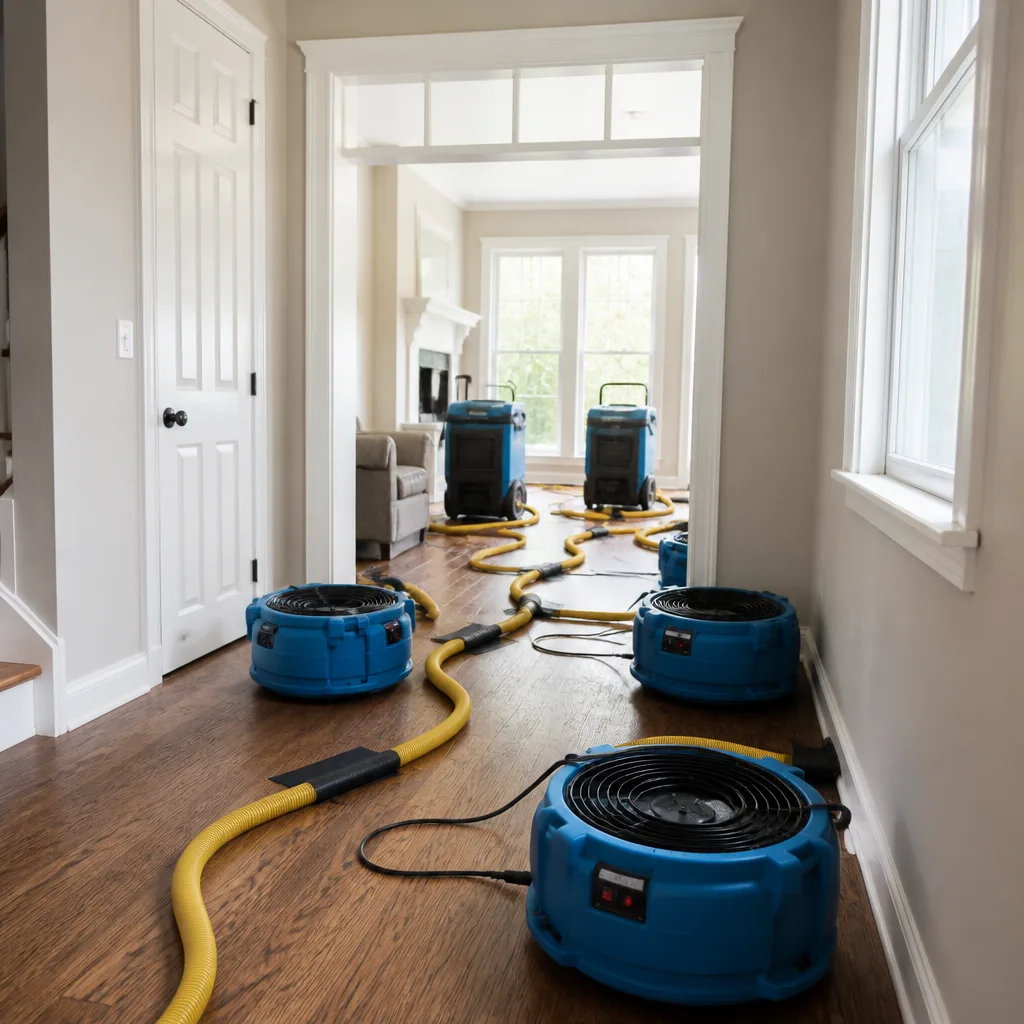


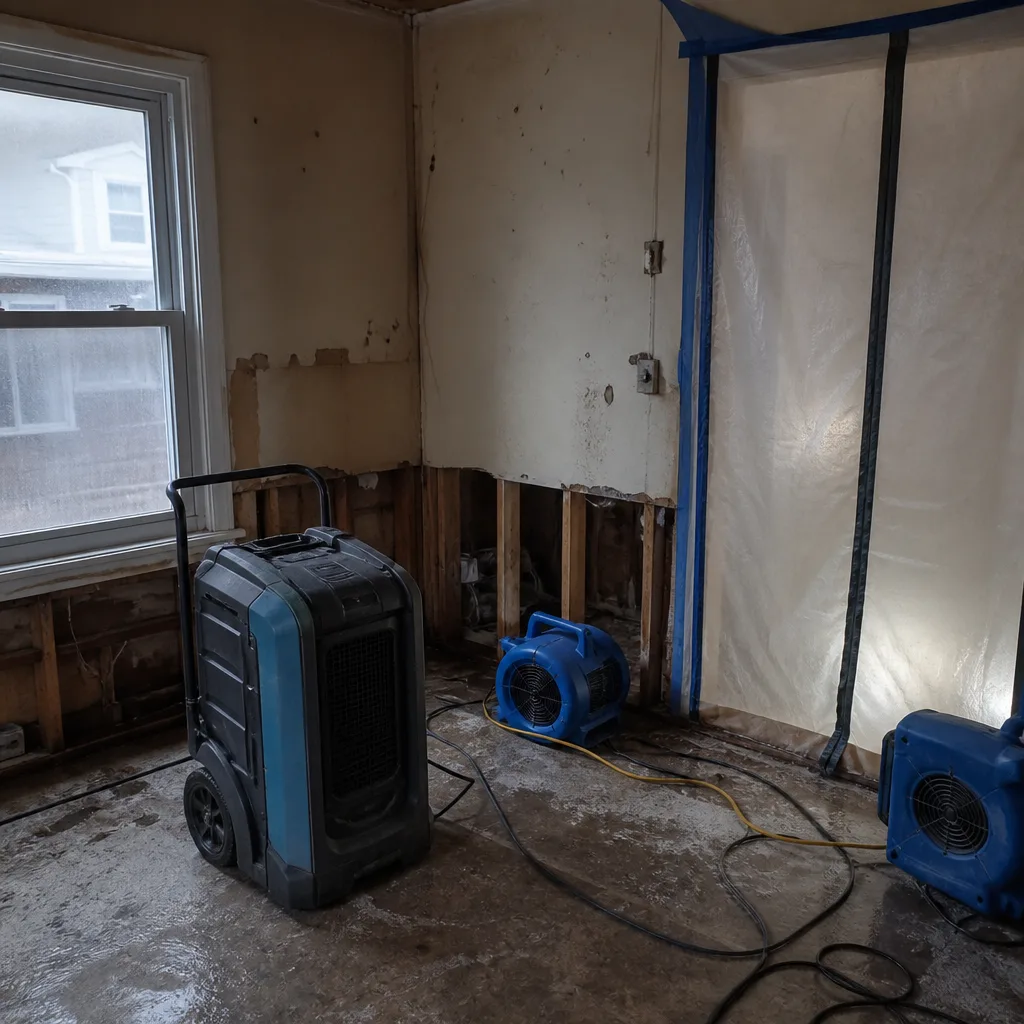 Before
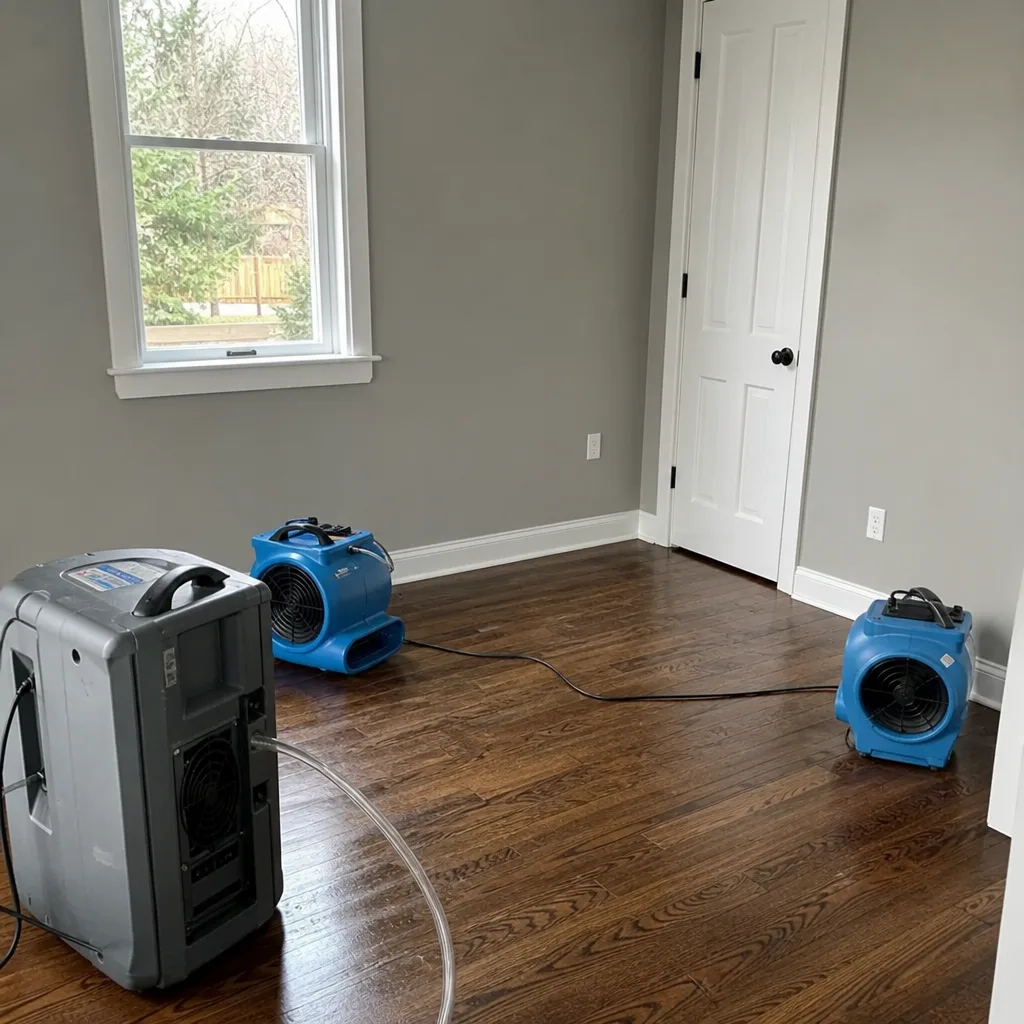 After
After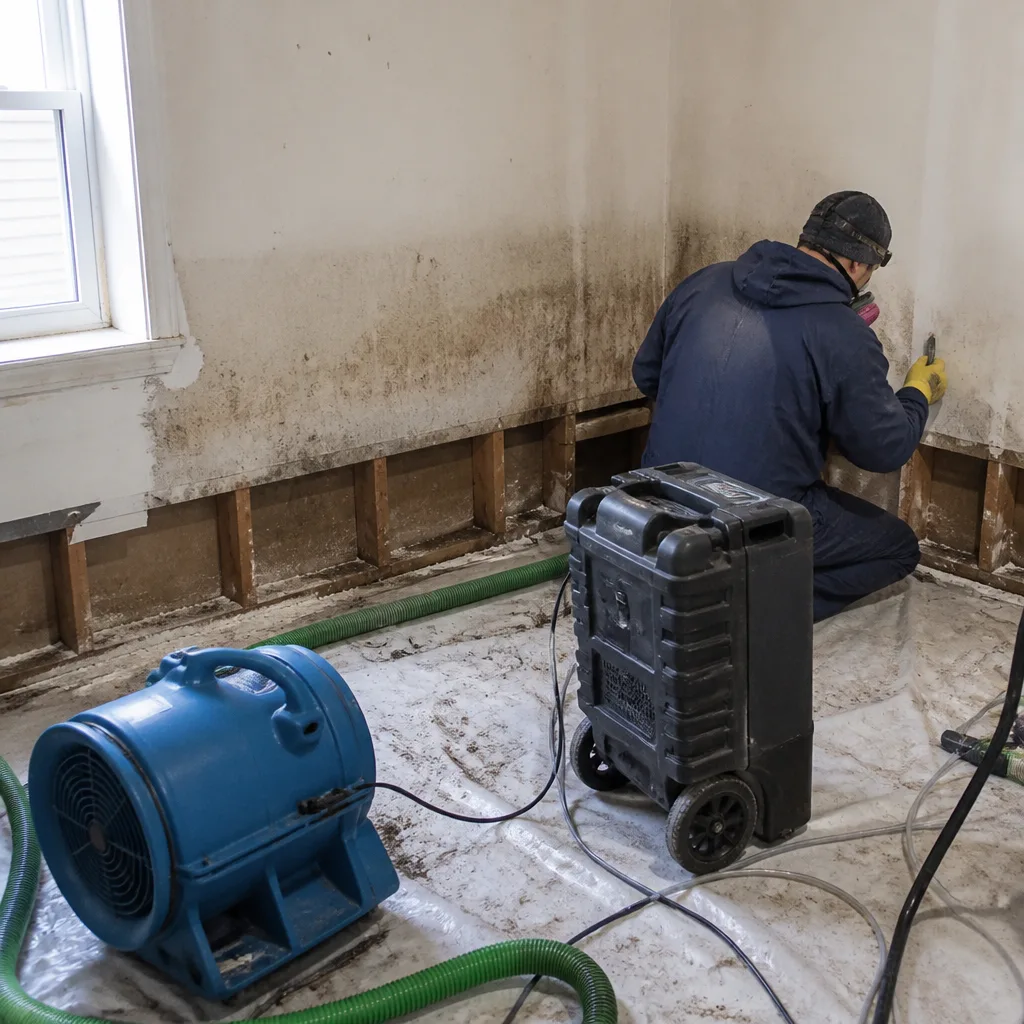 Before
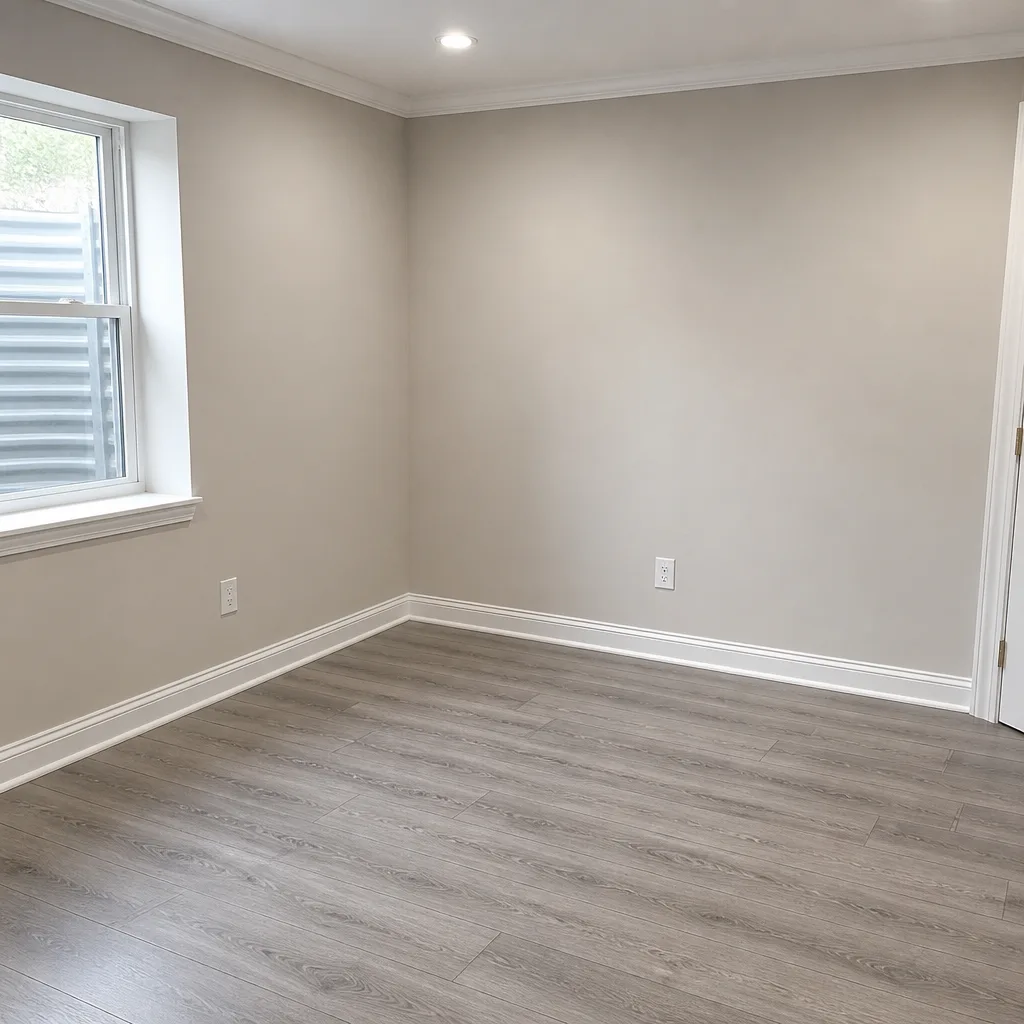 After
After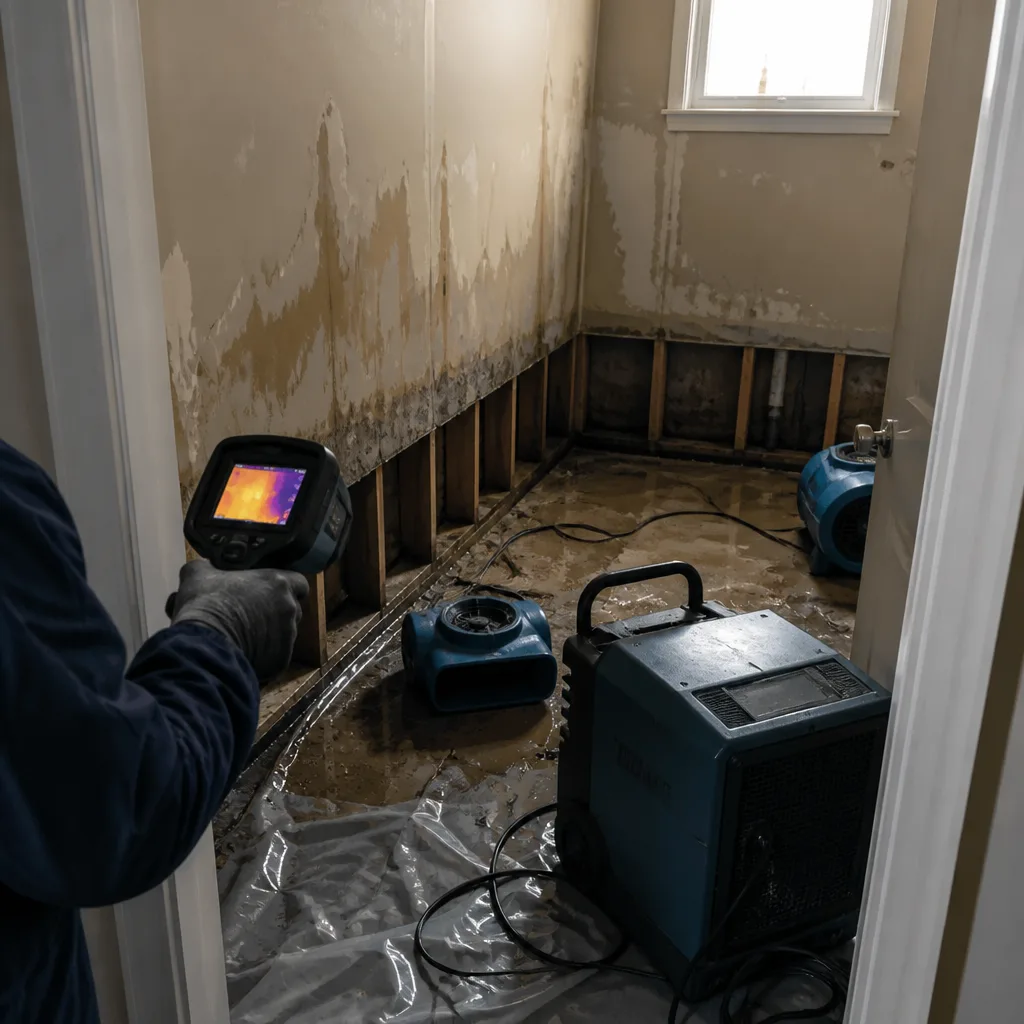 Before
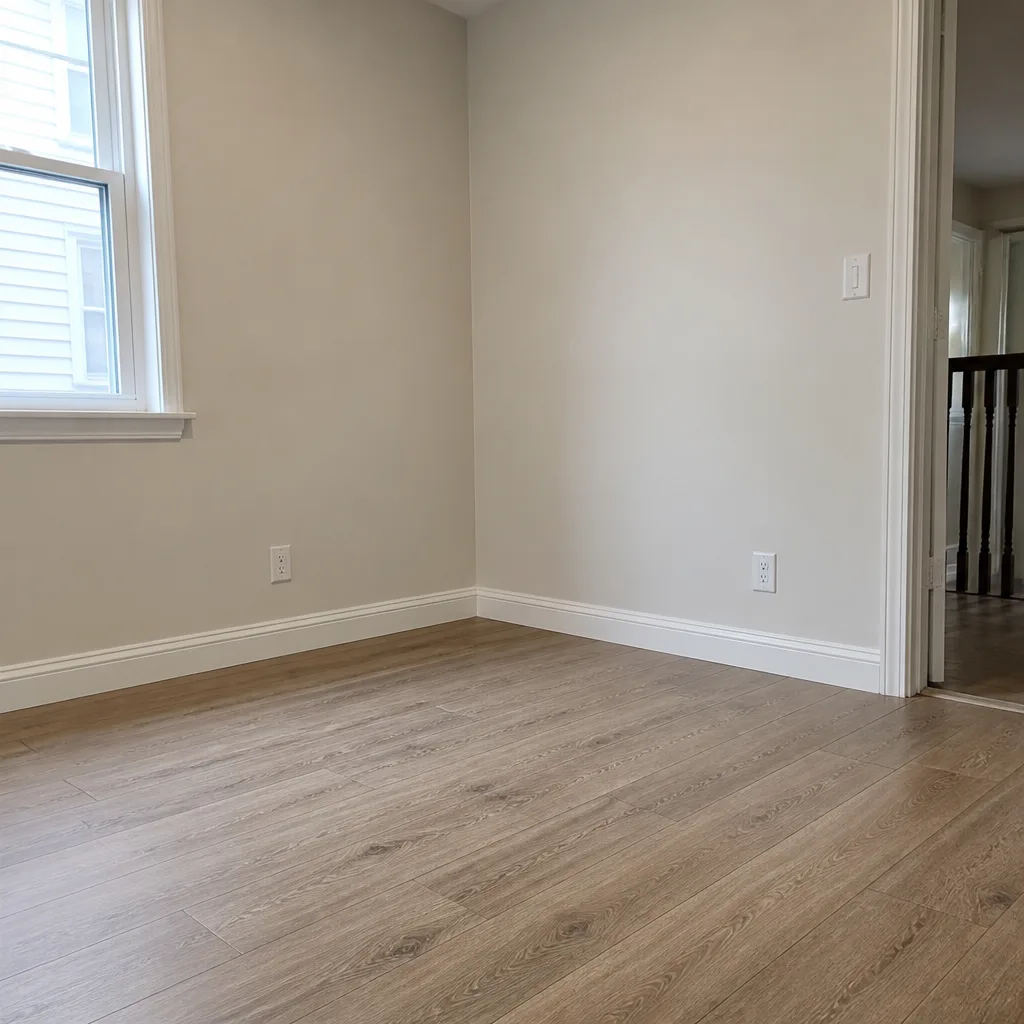 After
AfterThe Complete Guide to Damage Restoration in Harrison
Most Harrison homeowners find out their basement flooding is a recurring structural problem, not a one-time event, only after the second claim gets flagged by their insurer. That’s a hard way to learn a lesson about how water behaves in a town built this close to a river. This guide explains why damage happens the way it does in Harrison, what the restoration process actually looks like from first call to final walkthrough, and how to protect yourself from the two biggest threats in this industry: hidden damage and lowball scopes. You’ll learn how to read an estimate like an adjuster, what documentation matters on day one, and when you genuinely need a professional versus when you can handle things yourself.
Quick Answer
Damage restoration in Harrison NJ typically involves water extraction, structural drying, mold remediation, and reconstruction, with costs ranging from $1,500 for minor water intrusion to $15,000+ for full fire or flood restoration. For a detailed breakdown, see our Damage Restoration Cost Breakdown: The Harrison Homeowner’s Reference for 2026. Because Harrison sits near the Passaic River and much of its housing stock predates 1980, the most common damage path is water intrusion followed by mold, then structural deterioration, and treating these out of order costs significantly more. Call (856) 501-6142 for a free assessment if you’re seeing standing water, musty odors, or visible mold growth.
Table of Contents
- Why Harrison Floods the Way It Does
- Why Pre-1980 Housing Stock Changes the Restoration Scope
- The Damage Sequence Harrison Homeowners Actually Face
- How to Read a Restoration Estimate Line by Line
- Documentation You Need From Day One
- The Restoration Process Step by Step
- How Insurance Actually Works on Restoration Claims
- Common Mistakes to Avoid
- When to Call a Professional
- Frequently Asked Questions
Why Harrison Floods the Way It Does
Harrison’s relationship with water is baked into its geography. The town sits on the west bank of the Passaic River, and in some neighborhoods the water table is high enough that basements take on groundwater even without a storm. That’s not a maintenance failure. It’s hydrology.
The bigger issue is the combined sewer system in older parts of town. Combined sewers carry stormwater and sewage in the same pipes. When a heavy storm hits, the system backs up, and the lowest drains in the house become release valves. What comes up through a floor drain during a combined sewer overflow is not clean water. It’s Category 3 water, which carries bacteria, viruses, and whatever else was in the pipe. That changes the entire restoration scope. Clean water from a supply line break means drying and minor repair. Category 3 water means full removal of affected materials, antimicrobial treatment, and often reconstruction.
We’ve also seen that Harrison’s position between the river and the Meadowlands means humidity stays high through most of the year. A wet basement that doesn’t fully dry becomes a mold incubator within 48 to 72 hours, and the humidity that naturally sits over this area slows the drying process. That’s why daily moisture readings matter here more than in drier inland towns. A company that sets up equipment and walks away for three days isn’t doing Harrison right.
Why Pre-1980 Housing Stock Changes the Restoration Scope
Harrison’s housing stock skews older. A significant portion of homes were built before 1980, and a surprising number predate 1950. That matters for restoration in ways that generic guides never cover.
Pre-1980 construction uses materials that behave differently when wet or burned. Plaster and lath walls, common in Harrison homes built before the 1950s, absorb water differently than modern drywall. If you dry plaster too aggressively, it cracks and crumbles. If you don’t dry it enough, mold grows inside the wall cavity where you can’t see it until the odor gives it away. Old-growth lumber framing, which is denser and harder than modern pine, takes longer to dry but is also more forgiving once dried. Balloon framing, where wall cavities run from basement to attic without fire stops, can turn a small kitchen fire into a smoke contamination event that touches every room in the house. Smoke travels up those open channels and deposits soot in rooms that were never on fire.
Then there’s asbestos and lead. Pre-1978 homes may have lead paint. Pre-1980 homes may have asbestos in flooring, insulation, or pipe wrap. A restoration crew that starts ripping out damaged materials without testing creates a bigger problem than the original damage. Any legitimate scope in Harrison includes testing before demolition on older homes. If the company doesn’t mention it, ask why.
The Damage Sequence Harrison Homeowners Actually Face
Here’s the pattern we see over and over in Harrison, and it’s the thing most homeowners don’t understand until they’re living through it. Damage rarely exists in isolation. There’s a cascade.
- Primary water event. A storm overwhelms the combined sewer, a supply line breaks, a water heater fails, or the Passaic River tops its banks during a major storm. Water enters the basement or lower level. This is the event that gets the initial call.
- Secondary mold colonization. Within 48 to 72 hours, if moisture levels haven’t been brought under control, mold spores that were already present in every home begin to colonize. In Harrison’s humid climate, this window can be even shorter in summer. The mold is not a new problem. It’s the predictable result of the water event not being fully resolved.
- Structural compromise. Over days and weeks, prolonged moisture wicks into framing, flooring, and wall assemblies. Wood swells and warps. Fasteners rust. Adhesives fail. This is where the repair scope balloons, and where homeowners who went with the lowball estimate discover the damage spread because the first company didn’t dry things properly.
- Material salvage decisions. At some point, someone has to decide what gets saved and what gets removed. Carpet pad virtually never survives a Category 2 or 3 event. Drywall below the water line is usually cut out. Hardwood can sometimes be saved with the right drying strategy, but it rarely looks the same.
Treating these out of order is the single most expensive mistake in restoration. If you remediate mold before the water source is fully stopped, you’ll do it twice. If you rebuild before moisture levels are proven stable, you’ll be tearing out your own work. The order matters because each step depends on the one before it being done correctly.
For a deeper look at how the first step works, see our guide to Water Damage Restoration in Harrison. And if mold has already set in, the Mold Remediation in Harrison page covers the process in detail.
How to Read a Restoration Estimate Line by Line
Most homeowners read an estimate by looking at the bottom number. That’s exactly what a lowball company wants you to do. The line items tell the real story, and being able to read them is the difference between a complete job and a surprise bill six months later.
Here’s what an honest restoration estimate in Harrison should include, and what each line actually means:
- Emergency service call and labor. This covers the initial response, the assessment, and the hours of physical work. A normal range in this market is $75 to $150 per hour per technician. Anything significantly lower means you’re getting a salesperson, not a crew.
- Water extraction. Standing water removal, typically billed per square foot or as a flat rate. In Harrison, expect $250 to $800 depending on the volume of water and the size of the affected area.
- Equipment rental and monitoring. Dehumidifiers, air movers, and injection drying systems. Honest companies list the equipment, the days of use, and the moisture readings that justify each day. If you see a flat “equipment fee” with no breakdown, ask for the daily log. We use Dri-Eaz and Phoenix equipment, and we’ve found that daily monitoring is the only way to know when the equipment has actually done its job. A company that sets equipment and walks away is guessing.
- Demolition and debris removal. Cutting out wet drywall, removing flooring, bagging debris, and hauling it. This is typically $2 to $4 per square foot for the removed area.
- Antimicrobial application. Treating affected surfaces to prevent mold growth. Legitimate companies use registered antimicrobial products and document the application. This is not optional after Category 2 or 3 water.
- Content manipulation. Moving, packing, and storing your belongings while the work happens. If this line is missing and you have a finished basement, the estimate is incomplete.
- Reconstruction. New drywall, paint, flooring, trim. This is where the final number lands, and it’s the part that should be a firm scope, not an allowance.
The lowball strategy is simple: quote only the extraction and basic drying, hope the homeowner doesn’t notice the missing demolition and reconstruction lines, and then charge change orders once the walls are already open. A written scope with no vague language protects you from that. Wade Ferris puts the scope in writing before work starts, and he’s been doing it that way in Harrison since 2007.
Documentation You Need From Day One
The first 24 hours after damage determine how the entire claim and restoration play out. What you document on day one protects you with your insurer and with Harrison’s building department, which will want to see records if structural work is involved. See Damage Restoration Permits, Codes & Inspections in NJ: What You Need to Know for what’s typically required.
Here’s the documentation sequence we recommend to every Harrison homeowner:
- Photograph everything before anything moves. Wide shots of every affected room, then close-ups of specific damage. Take photos from multiple angles. The insurance adjuster will use these to establish the baseline for your claim. Shoot video too, with a running narration.
- Document the source. If it was a supply line break, photograph the broken line. If it was a sewer backup, photograph the floor drain. If it was a roof leak, photograph the ceiling stain and the roof area. The cause determines coverage, and your evidence matters more than your memory.
- Save receipts for every expense. Hotel stays, meals, tarps, fans you bought at the hardware store. Most policies cover “reasonable and necessary” expenses to protect your property. You won’t get reimbursed for what you can’t prove.
- Get a professional moisture reading. This is the part almost everyone skips. A documented moisture map from day one establishes the true extent of the water intrusion. Without it, the adjuster’s initial assessment sets the scope, and adjusters are trained to be conservative. Wade’s Restoration provides daily moisture logs on every job, and at the end of the work, you get the full documentation. Almost nobody else in the trade does that.
- Keep a written log. Date, time, who you talked to, what they said, what was agreed. Two minutes a day saves hours of dispute later. Insurance claims are decided on documentation, not on who’s right.
The Restoration Process Step by Step
Understanding the order of operations makes the whole experience less disorienting, and it helps you spot when a company is cutting corners. Here’s what a professional damage restoration project in Harrison actually looks like from first call to final walkthrough.
Step 1: Emergency contact and assessment. You call. A live person answers. Within an hour, someone is on the road to your house. The first assessment identifies the water category, the extent of the affected area, and the immediate risks. This is when the clock starts on drying.
Step 2: Mitigation begins. Standing water is extracted. Wet materials that can’t be saved are identified for removal. The goal in this phase is to stop the damage from spreading, not to make everything look normal again. Speed matters here. Every hour of delay means more material absorbed, more demolition, more cost.
Step 3: Drying and monitoring. Commercial dehumidifiers and air movers are positioned, and the structure is monitored daily with moisture meters. The drying phase typically takes 3 to 7 days, but it can run longer in Harrison’s humidity or with older materials. The company should be checking progress and adjusting equipment placement, not just setting timers.
Step 4: Demolition and removal. Once moisture levels are dropping and the full scope is confirmed, unsalvageable materials come out. This includes wet drywall, saturated insulation, damaged flooring, and any material that has absorbed Category 3 water.
Step 5: Sanitization and mold prevention. Affected surfaces are treated with antimicrobial products. Any visible mold is remediated. Air scrubbing may run for several days to capture airborne spores. If mold has already colonized, this phase expands into full mold remediation, which has its own protocols and containment requirements.
Step 6: Reconstruction. This is the rebuild. New drywall, paint, flooring, trim, and any structural repairs. This phase is scoped, priced, and scheduled like a remodel, not an emergency response. A good restoration company gives you a written reconstruction scope before this phase begins, so there are no surprises.
Step 7: Final documentation and walkthrough. You get the full moisture log, photos of the completed work, and a walkthrough with the owner or project lead. If something isn’t right, this is when it gets fixed. Our 90-Day Done Right Promise says it in writing: if it’s not done right, we make it right. One call brings Wade back.
For fire-specific restoration, the process changes significantly because smoke and soot behave differently than water. The Fire & Smoke Damage Restoration in Harrison page covers that sequence in detail.
How Insurance Actually Works on Restoration Claims
Insurance is almost always in the room, even when the homeowner doesn’t mention it. Here’s how the claim process actually works, from the perspective of someone who deals with adjusters directly on behalf of Harrison homeowners.
Coverage starts with the cause of loss. A sudden and accidental water event, like a burst pipe or a water heater failure, is typically covered under a standard homeowners policy. Gradual damage, like a slow pipe leak that’s been going on for months, is often denied because the policy requires sudden and accidental loss. Sewer backup is a common exclusion unless you specifically purchased an endorsement. Flooding from the Passaic River is not covered by homeowners insurance at all; it requires a separate flood policy through the NFIP.
Fire and smoke damage is generally well covered, which sounds obvious but matters when you’re deciding whether to push for full restoration or accept a patch job. The adjuster’s job is to settle the claim for the least amount that satisfies the policy. That’s not cynicism; it’s their job description. Your job is to document the actual scope and not get talked into something smaller than the damage requires.
This is where direct adjuster communication changes everything. Instead of the homeowner relaying messages between the restoration company and the insurance company, the restoration company deals with the adjuster directly. Wade gets on the phone with the adjuster and has the conversation that needs to happen. You’re not stuck in the middle translating technical details you don’t fully understand. Photo documentation of every step is what makes that conversation productive.
The Wade’s Restoration home page has more on how we handle the insurance piece, but the short version is this: we document everything, we talk to the adjuster directly, and you get a copy of every reading and every photo.
Common Mistakes to Avoid
- Waiting to call because you think it’ll dry on its own. It won’t, especially in Harrison’s humidity. Within 48 hours, mold is colonizing, and what was a $1,500 extraction becomes a $12,000 remediation. The hourly cost of delay is higher than any fee you’d pay for a prompt response.
- Accepting a verbal estimate. If it’s not in writing, it doesn’t exist. This is the single most common way homeowners get surprised at the end of a job. A professional scope is written, itemized, and agreed to before work begins.
- Choosing a company based only on the lowest bid. The lowball strategy works because it’s common. The company quotes extraction and basic drying, omits demolition and reconstruction, then change-orders you into a much higher final bill. Read the line items, not just the bottom number.
- Not documenting before anything moves. Once materials are removed, the evidence is gone. The adjuster can’t assess what they can’t see, and you can’t claim what you can’t prove.
- Treating mold before stopping the water. If the moisture source isn’t resolved, remediation is temporary. You’ll be doing it again, and paying twice.
- Rebuilding before drying is verified. Walls get closed up, paint goes on, and six weeks later the odor comes back because moisture was trapped inside. Insist on documented moisture readings before any reconstruction begins.
- Skipping sewer backup coverage on your policy. It’s a rider, and it’s cheap compared to the cost of a Category 3 backup. In Harrison, with combined sewers and an aging system, it’s not a question of if, but when.
When to Call a Professional
Some damage is genuinely a DIY job. A small supply-line leak that you catch immediately, with a single wet spot on concrete and no drywall involvement, can be dried with fans and patience. But if any of these apply, you need someone with professional equipment and the training to use it: standing water that touches drywall or flooring; any water from a sewer or floor drain backup; water that’s been present for more than 24 hours; visible mold growth larger than a dinner plate; any fire or smoke event, no matter how small; or a musty odor that won’t go away, which usually means hidden mold. If you’re in one of those situations, don’t guess. Wade’s Restoration offers free estimates in Harrison, call (856) 501-6142.
Frequently Asked Questions
Minor water damage restoration in Harrison typically costs $1,500 to $4,000, while moderate projects involving demolition and reconstruction run $5,000 to $12,000, and full fire or flood restoration can exceed $15,000. The final number depends on the water category, the square footage of affected materials, and how long the water sat before extraction began. Call (856) 501-6142 for a written estimate specific to your situation.
A restoration company that’s truly local to Harrison can typically have a crew on site within the hour for water emergencies. Wade Ferris answers his own phone at any hour, and when he says he’s on the road, he means it. The speed of the initial response is often the difference between a day of drying and a week of demolition.
Coverage depends on the cause of loss, and the answer is usually yes for sudden and accidental events like burst pipes and fires, but no for gradual leaks, sewer backups without a specific rider, and river flooding without a separate NFIP policy. The best way to know is to have a restoration company document the damage thoroughly and deal with your adjuster directly, which we do on every job. Call (856) 501-6142 and we’ll help you understand your coverage.
If the water is Category 1 (clean supply water) and it was addressed within 24 hours with proper drying, you may only need cleaning and minor repair. If the water is Category 2 or 3, or if mold is already visible, full remediation is not optional; it’s the only way to prevent recurrence and protect the structure. A professional assessment with moisture readings is the only way to know which situation you’re in.
We do. Wade Ferris talks to the adjuster directly, shares the photo documentation and moisture logs, and negotiates the scope on your behalf. You’re not stuck relaying information between two sides who use different vocabulary. That direct communication is one of the reasons Harrison homeowners choose us over national chains.
Harrison’s position on the Passaic River, combined with older combined sewer infrastructure in parts of town, creates flood and backup risk that some neighboring communities don’t share to the same degree. The high water table means basements take on groundwater even without a storm, and when storms do hit, the combined system backs up into the lowest drains. This is a known local pattern, not a mystery.
The Bottom Line
Damage restoration in Harrison is different from restoration in drier, newer towns. The Passaic River, the combined sewers, the humidity, and the age of the housing stock all shape how water and fire damage behave here. The sequence matters: stop the water, dry the structure, remediate the mold, then rebuild. The documentation matters more than most people realize. And the company you choose matters more than the price they quote, because the lowball quote is the most expensive option this industry offers. Ask for a written scope. Ask for daily moisture readings. Ask who’s actually going to show up. The answers tell you what you need to know.
Wade’s Restoration has been serving Harrison since 2007. We’re locally owned and owner-operated, and we back every water, fire, and mold restoration job with our 90-Day Done Right Promise, in writing. If you’re looking at damage right now, call (856) 501-6142. Wade will pick up.
Written by Wade Ferris, Owner at Wade’s Restoration, serving Harrison since 2007.