
Last updated August 27, 2026
Free visual inspection and a written scope of work before any mitigation begins - photos, moisture readings, and drying logs go in your claim file
The scope we write is the scope we bill. Anything new gets shown to you, in writing, before we touch it.
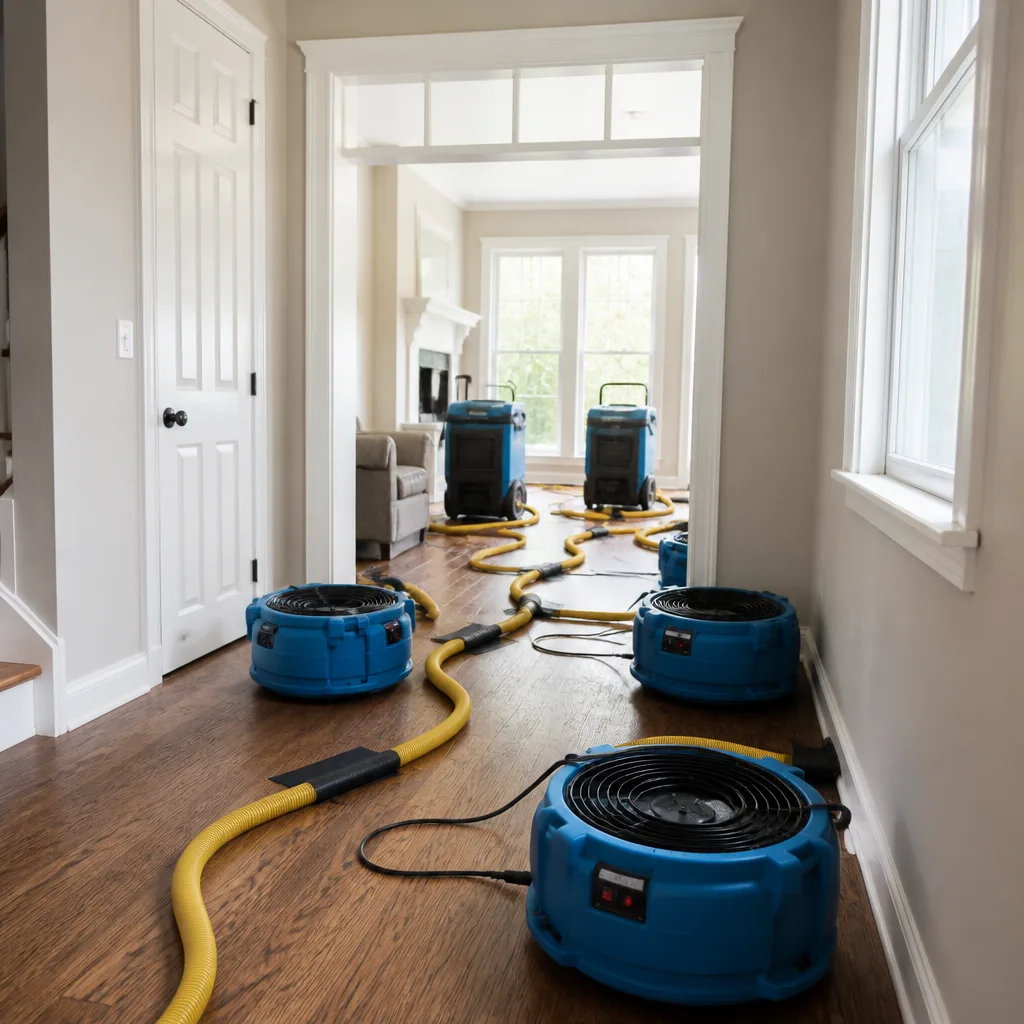
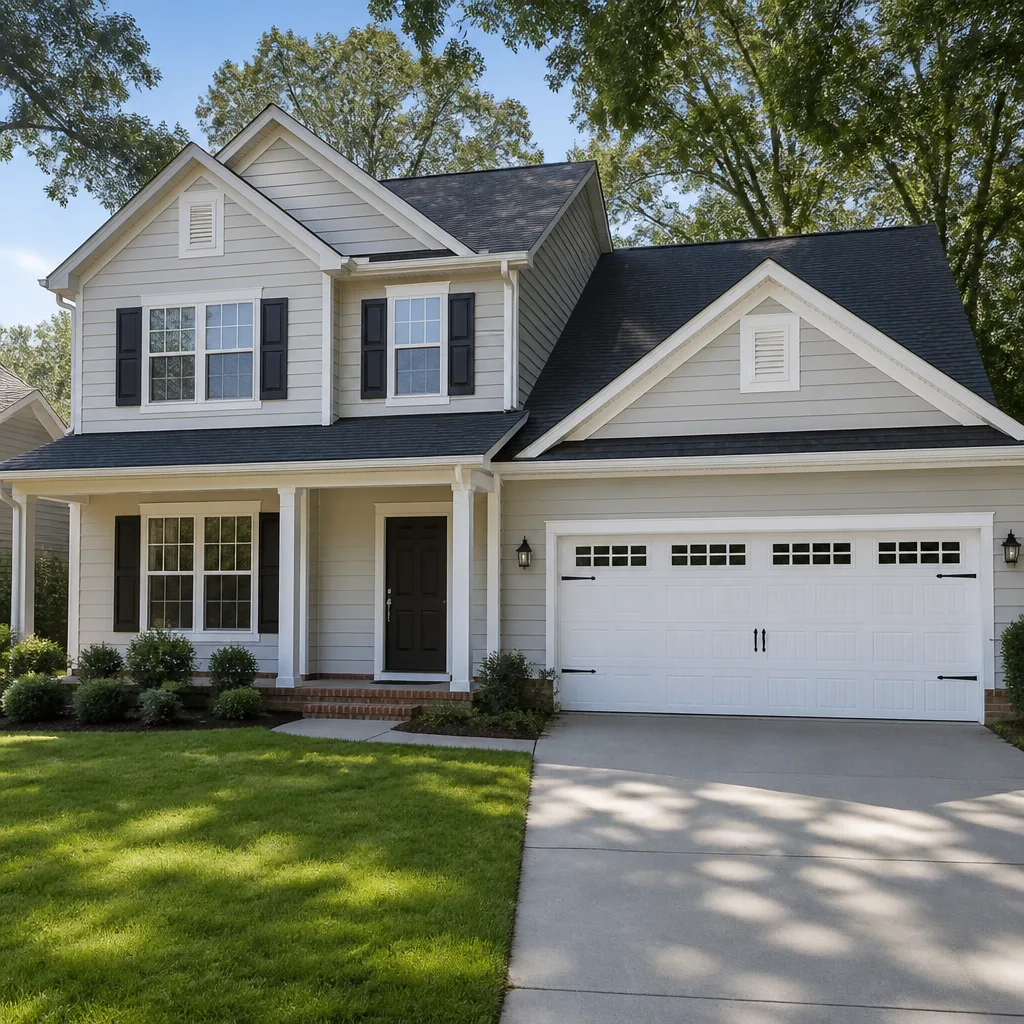
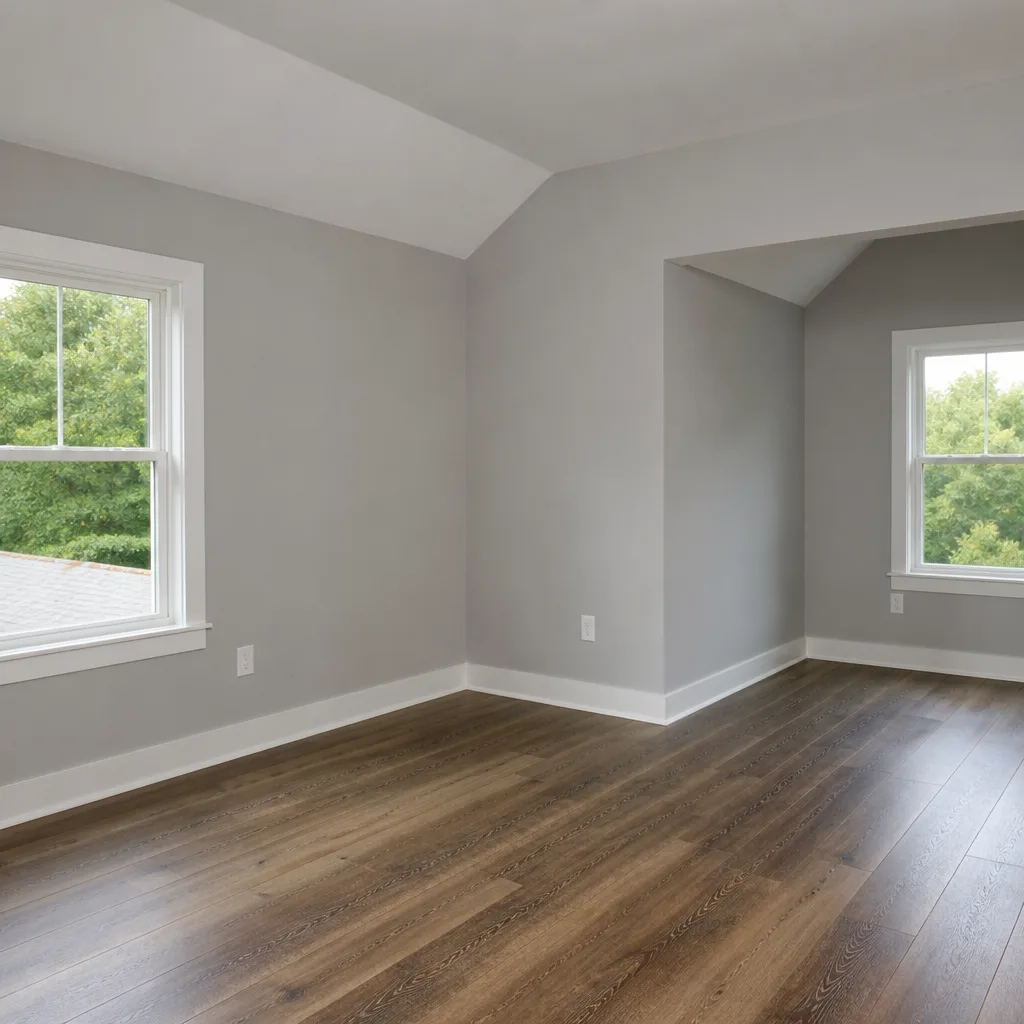
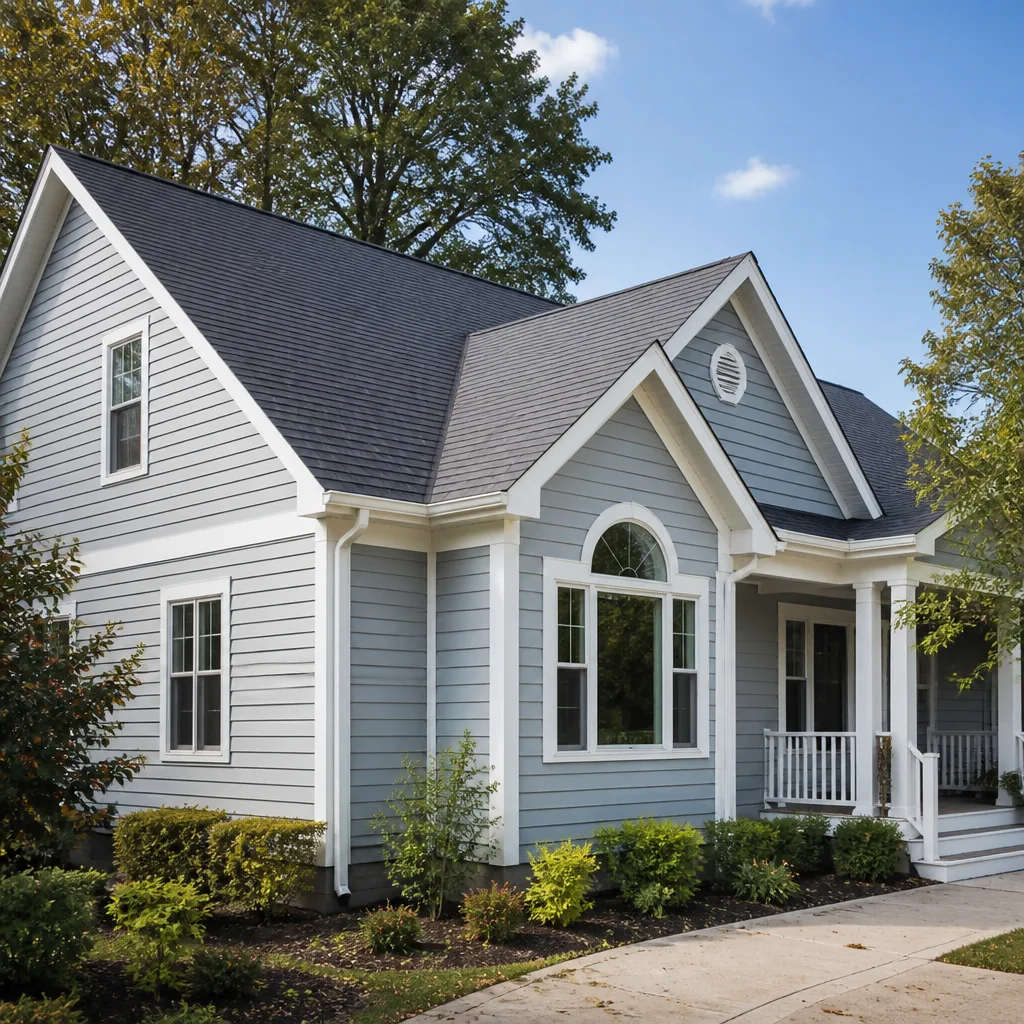
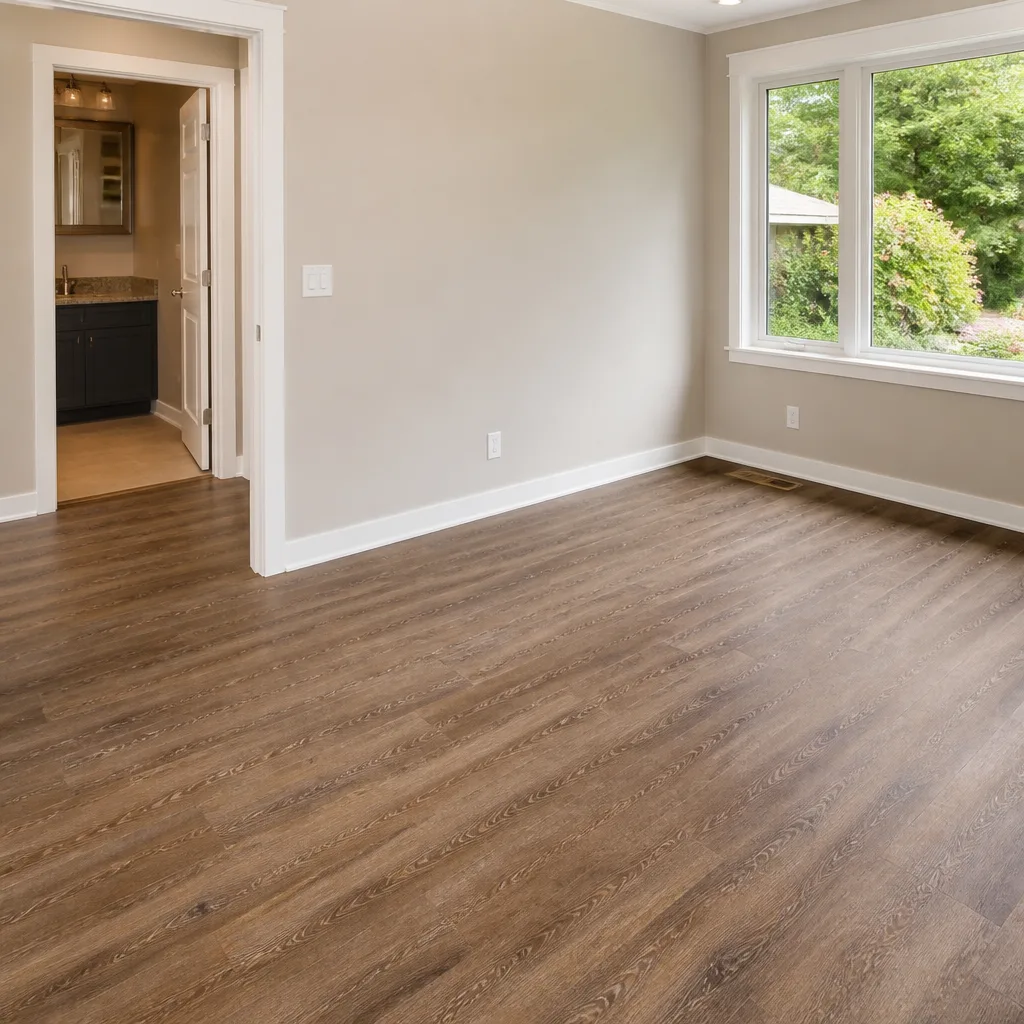
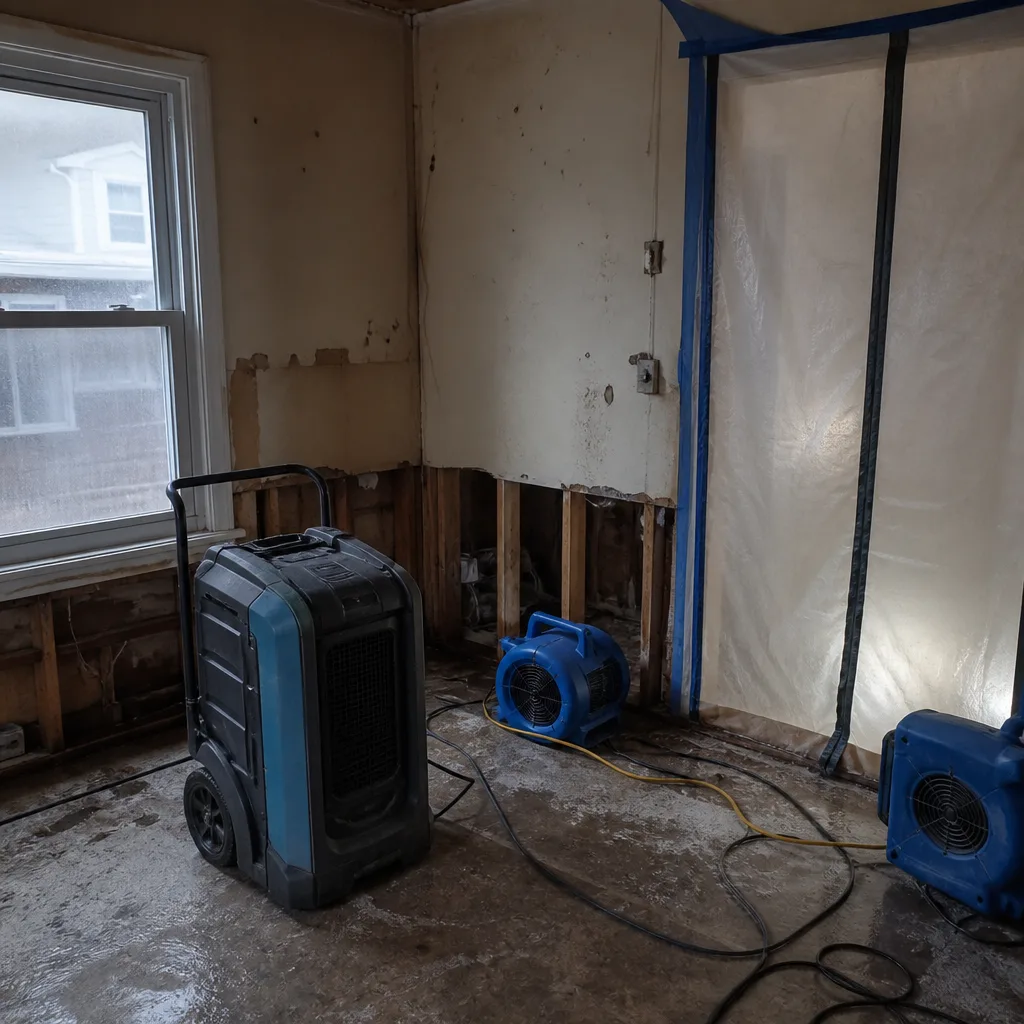 Before
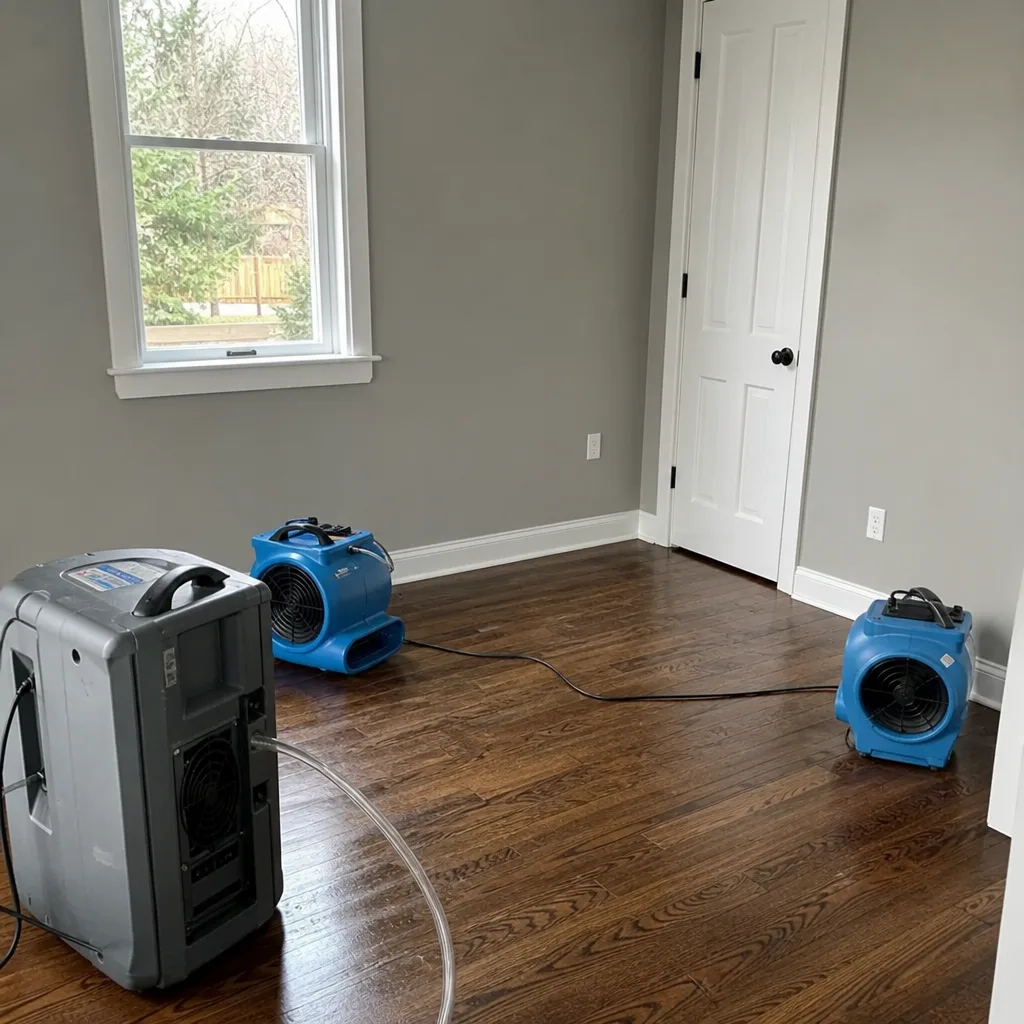 After
After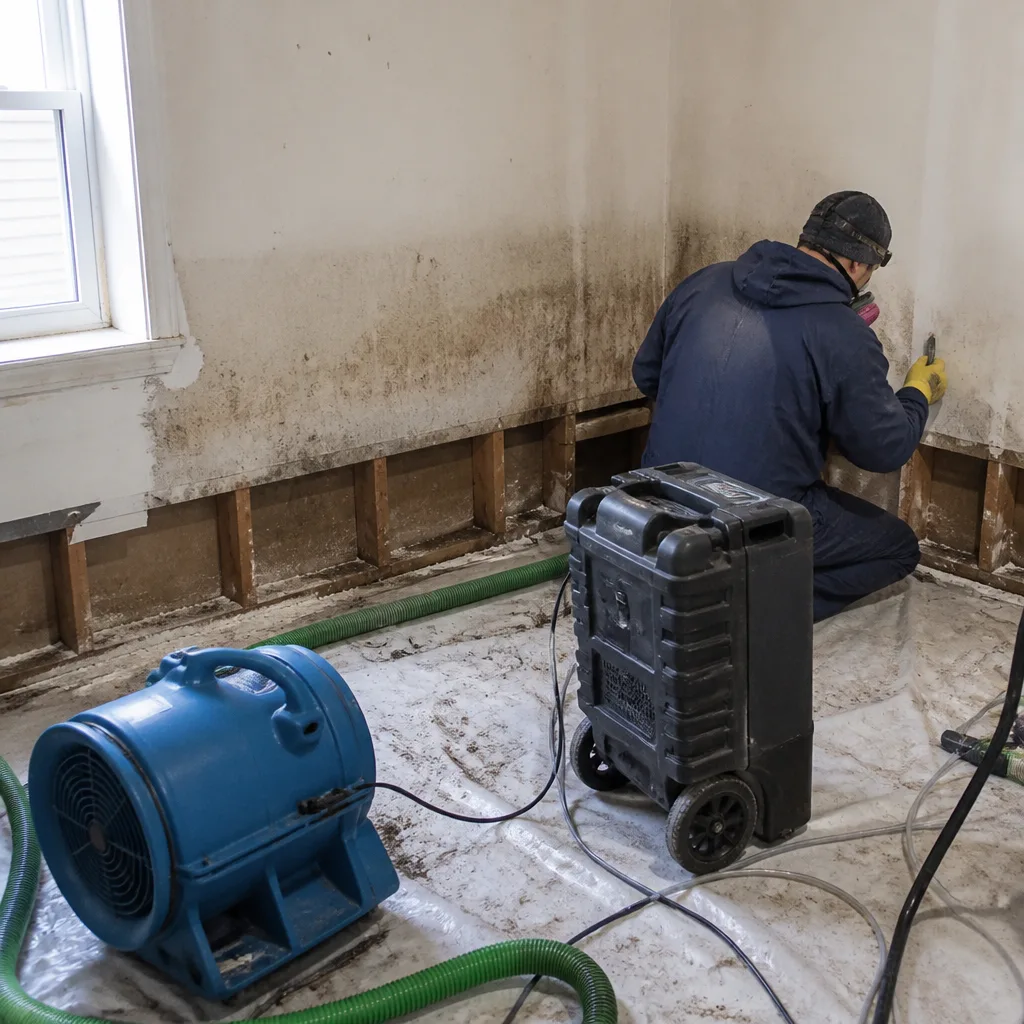 Before
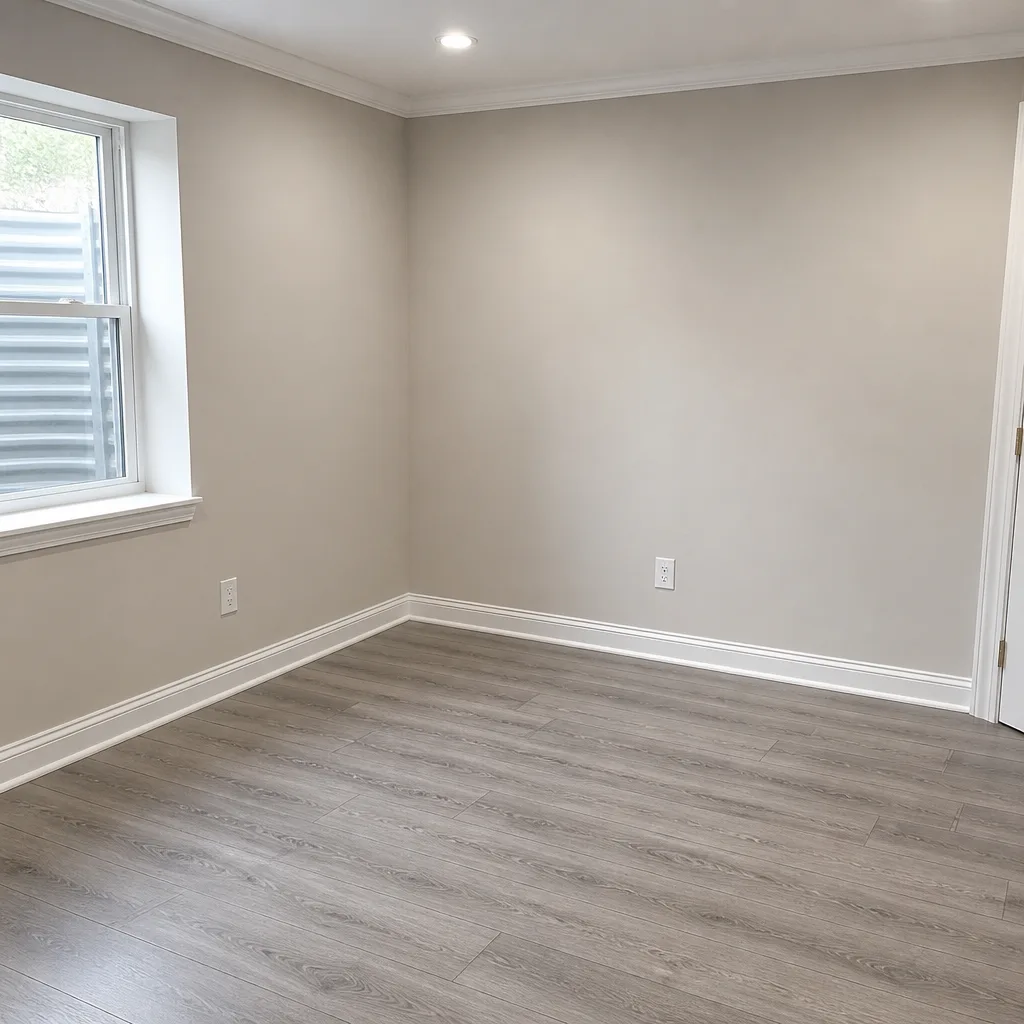 After
After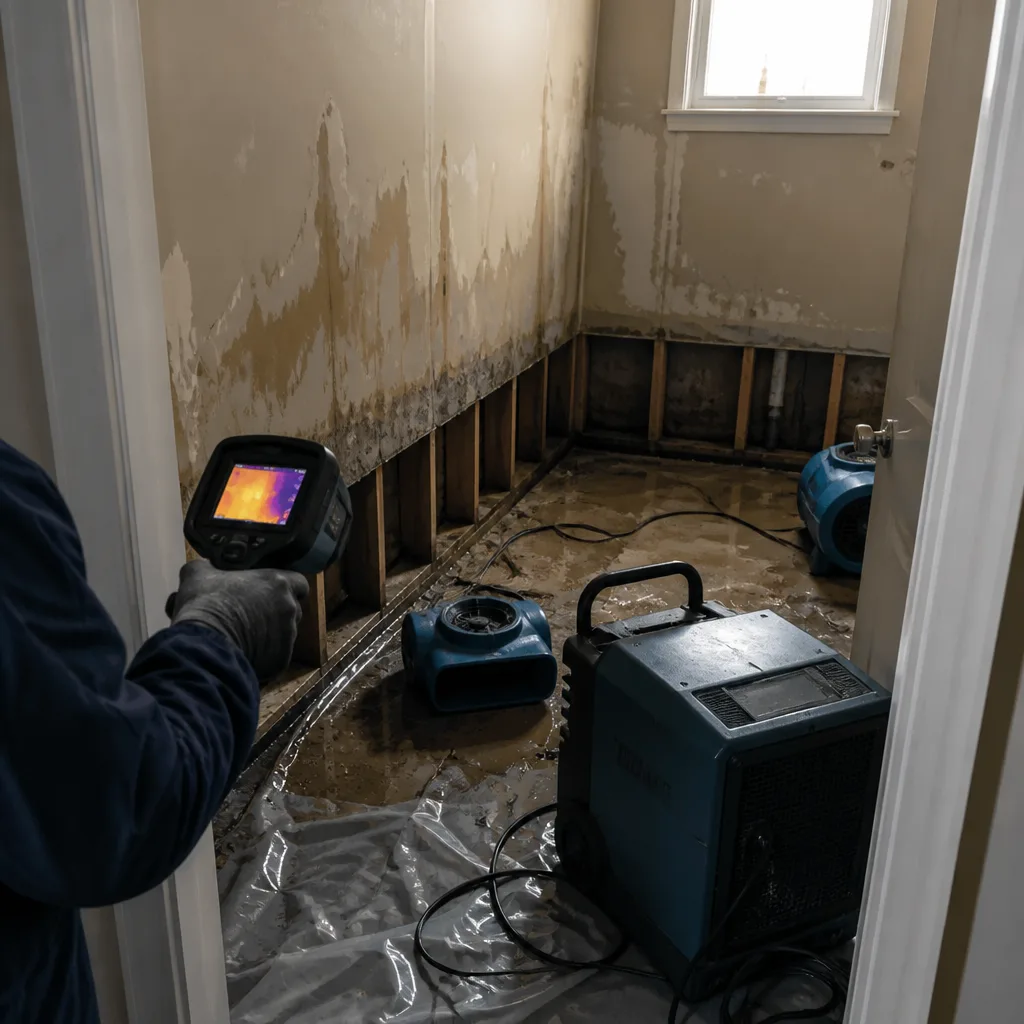 Before
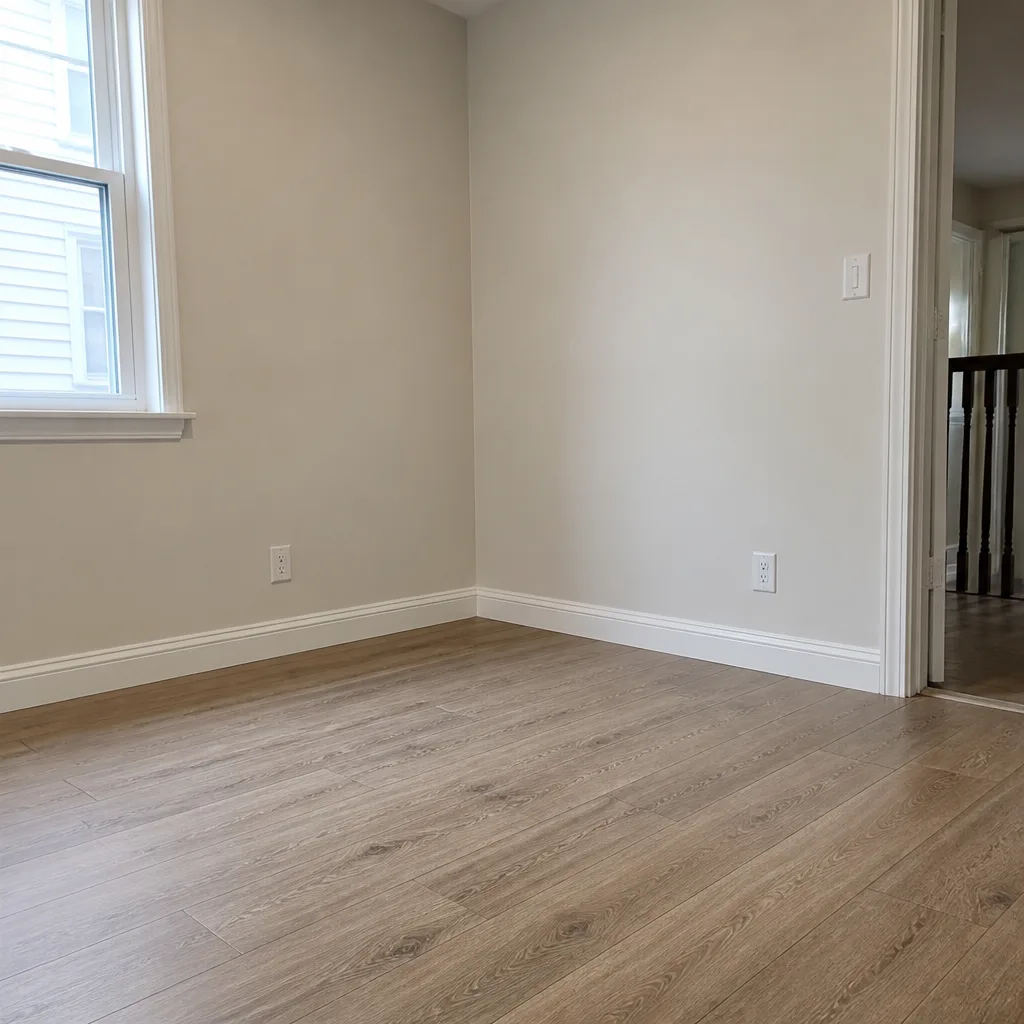 After
AfterDamage Restoration Permits, Codes & Inspections in NJ: What You Need to Know
A Harrison homeowner spent $18,000 on drywall and subfloor replacement after a pipe burst in their finished basement. The work looked fine. The contractor said no permit was needed. Eight months later, at the closing table, the buyer’s inspector flagged the unpermitted work as a material defect. The sale nearly collapsed, and the seller ate a $9,000 price reduction to keep it together. That story is not rare in New Jersey, and it is almost entirely preventable if you understand one thing: restoration work and remodeling work blur together the moment structural materials come out. This guide walks through when a permit is actually required, how Harrison handles restoration permits differently from new construction, what your insurance carrier expects, and how to verify your contractor actually pulled the paperwork. For more guides & resources on protecting your Harrison home, see our blog.
Quick Answer
In New Jersey, restoration work that replaces structural framing, electrical wiring, plumbing lines, or HVAC equipment generally requires a permit, while surface-level work like carpet replacement, painting, and minor drywall patching does not. Each town enforces the state’s Uniform Construction Code differently, and Harrison’s building department reviews restoration permits on a faster track than new construction, typically issuing permits for straightforward water or fire damage repair within five to ten business days.
Table of Contents
- When New Jersey Actually Requires a Permit for Restoration Work
- How Harrison’s Building Department Handles Restoration Permits
- Why Insurance Carriers Now Demand Permit Documentation
- The Liability That Falls on You When Work Is Unpermitted
- How to Verify Your Contractor Actually Pulled the Permit
- The Inspection Process: What Gets Checked and When
- What Permits Cost and Who Pays
- Common Mistakes to Avoid
- When to Call a Professional
- Frequently Asked Questions
When New Jersey Actually Requires a Permit for Restoration Work
The New Jersey Uniform Construction Code governs this, and the trigger points are specific. A permit is required when restoration work involves structural framing changes, electrical system replacement or alteration, plumbing line replacement, or HVAC equipment or ductwork replacement. What surprises most homeowners is how quickly restoration crosses into those categories after a water or fire event. If your subfloor is rotted and the repair crew cuts out a section and reframes it, that is structural work. If a fire damaged the wiring inside a wall and new Romex gets pulled, that is electrical work. The permit threshold is not about how the damage happened. It is about what gets replaced.
Here is a practical breakdown of common restoration tasks and where they fall:
- Permit typically required: Structural beam or joist repair, subfloor reframing, roof sheathing and rafter replacement, electrical panel work, rewiring, plumbing line replacement, water heater replacement, furnace or boiler replacement, ductwork replacement.
- Permit typically NOT required: Carpet and pad replacement, painting, trim work, minor drywall patching under two sheets, baseboard replacement, cabinet replacement that does not move plumbing, floor finish application, insulation retrofit without framing changes.
- Gray zone that varies by town: Full drywall replacement after water damage, window replacement, bathroom fixture swaps that do not relocate plumbing, mold remediation that requires drywall removal down to the studs.
The gray zone is where we see Harrison homeowners get burned. A full gut of a water-damaged bathroom down to studs is a remodel in the eyes of most building officials, regardless of what the insurance estimate calls it. When in doubt, we tell people to call the Harrison construction office and ask directly. The people there answer the phone, and a five-minute question beats a nine-thousand-dollar closing-table surprise. If you are looking at the bigger picture of what water damage restoration involves, our Water Damage Restoration in Harrison page covers the scope of work in detail.
How Harrison’s Building Department Handles Restoration Permits
Harrison, like most older Hudson County towns, has a housing stock full of pre-war construction, balloon framing, and decades of layered DIY work behind the walls. That means the building department sees restoration permits differently than new construction submissions. They know the house was not built to modern code. They are looking for whether the new work meets current minimum standards without triggering a full-house code upgrade, which is where the interpretation comes in.
For straightforward restoration permits, the timeline in Harrison typically runs like this:
- Permit application submitted with a scope of work description and, for larger jobs, a simple drawing. A contractor who does this regularly in Harrison knows the form and the department’s preferences.
- Plan review for structural or major electrical work. Simple water damage repair that does not touch framing usually skips this step. Allow three to five business days when review is required.
- Permit issuance and fee payment. Fees are based on the estimated cost of work, not the insurance payout, which catches some homeowners off guard.
- Rough inspection once the work is open: framing, rough electrical, rough plumbing. Harrison inspectors look for the specific things common in older homes, like knob-and-tube remnants, undersized joists, and questionable prior patch jobs.
- Final inspection after insulation, drywall, and finish work. The inspector signs off, the permit is closed, and the documentation exists for your insurance file.
Total time on a typical water damage restoration that requires a permit: ten to fifteen business days, including inspections. Fire damage work takes longer because electrical and structural reviews are more involved. The key point: a restoration company that works in Harrison regularly knows the inspectors, knows what triggers a rejection, and files the paperwork so the job does not stall between stages.
Why Insurance Carriers Now Demand Permit Documentation
Insurance carriers have tightened up significantly in the last five to seven years on permit documentation for restoration claims. The reason is straightforward: when a carrier pays out forty or sixty thousand dollars for water damage restoration and the work was never inspected, the carrier is on the hook for future claims caused by that work. Or worse, the carrier pays for work that was never done correctly because no third-party inspector ever looked at it.
On larger claims, many carriers now require a copy of the closed permit before releasing final payment. This is especially true for claims involving structural repair, electrical system replacement, or any work that touches life safety systems like egress windows, smoke detector circuits, or gas lines. If the permit never existed, the carrier can and does withhold the final draw. The homeowner then has to file for a retroactive permit, which in New Jersey can trigger an inspection of work that has already been closed up behind drywall, which can mean opening walls back up. That is a twelve-thousand-dollar answer to a two-hundred-dollar problem.
We deal directly with adjusters on every job, and the pattern is consistent. Carriers respect documentation. A closed permit with inspection sign-offs, a daily moisture log, and photo documentation creates a file the adjuster can approve without friction. Missing permits create friction. Missing permits create delays. Missing permits sometimes create claim denials on the follow-up issue six months later. For homeowners in Harrison, where many houses have decades of renovation history, the permit file from the current claim becomes part of the house’s permanent record.
The Liability That Falls on You When Work Is Unpermitted
Here is the part most contractors will not explain, and it is the part that matters most. In New Jersey, the property owner is legally responsible for ensuring required permits are pulled. Not the contractor. The contractor has a duty to pull permits for work they perform, but the legal liability for unpermitted work sits with the person who owns the property. “The contractor said it was fine” is not a defense, not with the building department, not with the insurance carrier, and not with a civil court.
What that means in practical terms:
- At sale: Unpermitted work discovered by a buyer’s inspector becomes a material defect. You disclose it, negotiate a price reduction, or risk the buyer walking. In Harrison’s competitive market, buyers have options, and unpermitted work is a negotiation weapon.
- At the next claim: If a future water loss is traced to unpermitted plumbing or electrical work, the carrier can deny the claim for faulty workmanship. That denial is legal and increasingly common.
- With the town: Harrison can issue a notice of violation for unpermitted work, require a retroactive permit, and assess double permit fees. The town does not need to prove the work is unsafe. Unpermitted is enough.
- With your contractor: If the contractor did unpermitted work and then disappeared, you have a civil claim, but you are still the one who owns the problem until that claim resolves, which averages eighteen months in New Jersey’s courts.
We see this in our work regularly. A homeowner in Harrison calls us after a different company did unpermitted mold remediation. The work looks done. The walls are closed. But there is no permit file, no moisture documentation, and no third-party verification. When the mold comes back, and it often does when no one verified the drying, the homeowner has no leverage against the original contractor and a claim the carrier is now skeptical of. Our Mold Remediation in Harrison page explains what proper remediation documentation looks like.
How to Verify Your Contractor Actually Pulled the Permit
The number of homeowners who ask us this question after the fact tells you everything about how often it happens. A contractor says the permit is pulled, the homeowner takes them at their word, and nobody checks. Here is how to verify in about five minutes in Harrison:
- Ask for the permit number and a copy of the application. A contractor who has actually filed has both. A contractor who hedges does not. The permit number is issued the day the application is accepted, not when it is approved.
- Call the Harrison construction office and ask if a permit is open for your address. You do not need to be a contractor. You are the property owner. The office will confirm if a permit exists and whether it is active, closed, or never filed.
- Check the contractor’s license with the New Jersey Division of Consumer Affairs. A contractor who pulls permits in Harrison must be licensed with the state. If the license number they gave you does not match the state database, the permit is not valid.
- Do not pay the final draw until the final inspection is passed. The final inspection sign-off is the only document that closes the permit. A permit that was pulled but never closed is nearly as bad as a permit that was never pulled, because it signals incomplete work.
This is the five-minute check that catches the problem before it becomes a closing-table disaster. If your contractor resists any step of this, that resistance is your answer. A contractor who works in Harrison regularly will hand you a copy of the permit application without being asked. It is not an insult. It is standard practice for anyone who expects to keep working in this town.
The Inspection Process: What Gets Checked and When
Understanding what the inspector looks at helps you understand why the permit matters in the first place. A Harrison building inspector is not interested in whether the paint matches. They are checking whether the work that is now hidden behind walls was done to code, because the next buyer will assume it was, and the next claim will hinge on it.
Rough inspection (before drywall goes up): The inspector looks at framing connections, joist sizing and spacing, electrical rough-in including wire gauge and box capacity, plumbing rough-in including drain slope and vent configuration, and insulation placement. This is the inspection that matters most, and it is the one that cannot happen after the drywall is closed. If a contractor closes walls before the rough inspection, the inspector can require the walls to be opened back up. That is three thousand dollars in rework on a typical Harrison basement.
Final inspection (after finish work): The inspector confirms the work matches what was permitted, checks for visible code violations, and signs the permit closed. This happens after electrical trim-out, plumbing fixture installation, and drywall finishing. The final inspection is the document trail that proves the work was done and approved. Without it, your insurance file is incomplete and your closing disclosure is a gamble.
For fire damage restoration, there is an additional layer. Harrison’s fire official may need to inspect the property separately, particularly if the fire involved structural members or if the restoration includes changes to egress, smoke detection, or fire separation. That inspection runs parallel to the building permit and can add a few days to the timeline. A company that has handled fire restoration in Harrison knows to coordinate both and does not let the building permit close before the fire official signs off. If you are working through fire damage now, our Fire & Smoke Damage Restoration in Harrison page explains the restoration process from start to finish.
What Permits Cost and Who Pays
Permit fees in Harrison are calculated as a percentage of the estimated cost of work, with minimums that vary by subcode like building, electrical, plumbing, and fire. For a typical water damage restoration job with a $25,000 estimated cost, total permit fees usually land between four hundred and eight hundred dollars across all subcodes. The exact number depends on how many disciplines are touched: a simple drywall and flooring job might only need a building permit, while a gut renovation of a fire-damaged kitchen touches building, electrical, plumbing, and possibly fire subcodes.
Who pays for the permit almost always comes out of the insurance claim, not the homeowner’s pocket directly. The permit cost is a covered line item on most homeowners policies when the work is part of a covered claim. That said, the line item needs to be in the estimate, and the carrier needs to see it. If your contractor never put permit fees in the estimate because they never intended to pull one, that money did not get budgeted and the problem just got more complicated.
One practical note: the permit fee based on estimated cost means the contractor has an incentive to estimate low, which creates a different problem. An artificially low estimate that anchors a permit fee also anchors the insurance scope of work, and when the real scope exceeds the estimate, the carrier starts asking questions. Accurate estimates protect you twice: they set the right permit fee and they set the right claim reserve.
Common Mistakes to Avoid
- Trusting the contractor’s verbal assurance that a permit is not needed. The contractor is not the one who pays if they are wrong. Call the Harrison construction office yourself and ask. It takes five minutes.
- Paying the full contract before the final inspection is signed. Once the check clears, your leverage is gone. Hold the final draw until the permit is closed and the inspection report is in your hand.
- Assuming insurance covers retroactive permit costs. Some carriers do, some do not, and the ones that do often count it against a coverage limit. Avoid the retroactive situation entirely by handling the permit upfront.
- Allowing a contractor to close walls before the rough inspection. This is the single most expensive mistake in restoration work. It converts a $400 permit into a $3,000 wall-opening job.
- Not keeping a copy of the closed permit with your home records. If you sell the house in five years, the next buyer’s agent will ask for it. If you make an insurance claim in three years, the carrier will ask for it. If a pipe fails in ten years, your lawyer will ask for it. Keep the paper.
- Choosing a contractor based on lowest bid without checking Harrison permit history. The low bidder who does not pull permits is not cheaper. They are shifting a $600 cost and a $9,000 liability onto you.
When to Call a Professional
If your damage involves structural framing, electrical systems, plumbing lines, or any work that will be hidden behind drywall, the permit question is no longer optional, and the professional you choose matters. A restoration company that pulls permits as standard practice in Harrison, documents moisture readings daily, and keeps a closed permit file for you at the end of the job is worth more than the line-item difference. If you are standing in a wet basement or looking at fire damage and the contractor has not mentioned permits at all, that is the signal to keep looking. Wade’s Restoration offers free estimates in Harrison and the surrounding area. Call (856) 501-6142 and ask for Wade directly. He answers his own phone, and if he is on the road, he will call you back within the hour.
Frequently Asked Questions
A permit is required if the water damage restoration involves structural framing repair, electrical rewiring, plumbing line replacement, or HVAC work. Surface-level restoration like carpet replacement, painting, and minor drywall patching does not require a permit. If your water damage goes deeper than the surface, call the Harrison building office or ask a local restoration contractor to verify the scope. For a full checklist of what to watch for, see Damage Restoration Warning Signs: A Harrison Homeowner’s Reference Guide.
The buyer’s inspector can flag unpermitted work as a material defect, which forces you to disclose it, negotiate a price reduction, or risk the sale falling through. In New Jersey, unpermitted work is a disclosure issue at sale, and in Harrison’s market, buyers use it as leverage. Retroactive permitting can add weeks to the closing timeline.
A straightforward water or fire damage restoration permit in Harrison typically takes five to ten business days for issuance, not including inspection scheduling. Structural or major electrical work adds plan review time. The full process, including rough and final inspections, usually completes within ten to fifteen business days on a typical restoration job.
Most homeowners policies cover permit fees as a line item when the work is part of a covered claim, but the fee must be itemized in the estimate and the permit must actually be pulled. If the contractor did not budget for permits because they never intended to file, the carrier will not pay a retroactive fee, and that cost lands on you.
A retroactive permit is possible in New Jersey, but it triggers an inspection of work that is already closed behind walls. If the inspector cannot verify the hidden work, the walls may need to be opened. Retroactive permits also often carry double fees. It is always cheaper and faster to pull the permit before the work starts.
Call the Harrison construction office, give them your address, and ask if a permit is open for your property. You can also ask the contractor for the permit number and a copy of the application. A contractor who has actually filed will have both on hand. If they hedge, the permit was not pulled. For mold remediation questions, our Mold Remediation in Harrison page covers documentation standards in detail.
The Bottom Line
A restoration permit is a four-hundred-to-eight-hundred-dollar document that protects you from a nine-thousand-dollar closing-table surprise, a denied insurance claim, and a liability you never wanted. In Harrison, where older homes and layered renovation history are the norm, the permit file matters more than in a new construction subdivision. Call the town, verify the permit, hold the final payment until the inspection is signed, and keep the paper. If you are working through a restoration and the permit conversation has not happened yet, call Wade at (856) 501-6142 and ask him to walk the scope with you. The conversation costs nothing. Skipping it has cost Harrison homeowners more than they will admit.
Written by Wade Ferris, Owner at Wade’s Restoration home, serving Harrison since 2007.