
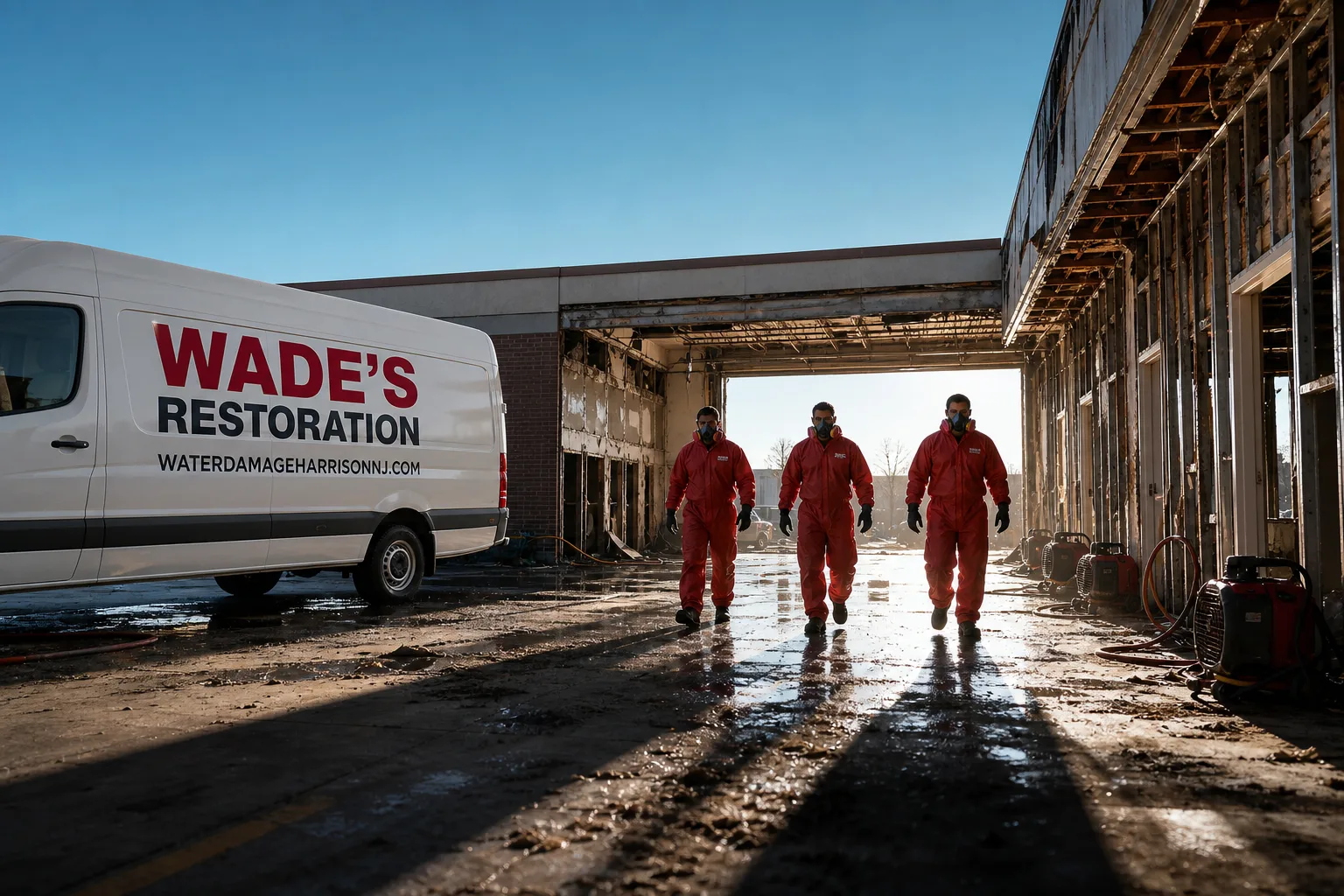
Free visual inspection and a written scope of work before any mitigation begins - photos, moisture readings, and drying logs go in your claim file
The scope we write is the scope we bill. Anything new gets shown to you, in writing, before we touch it.
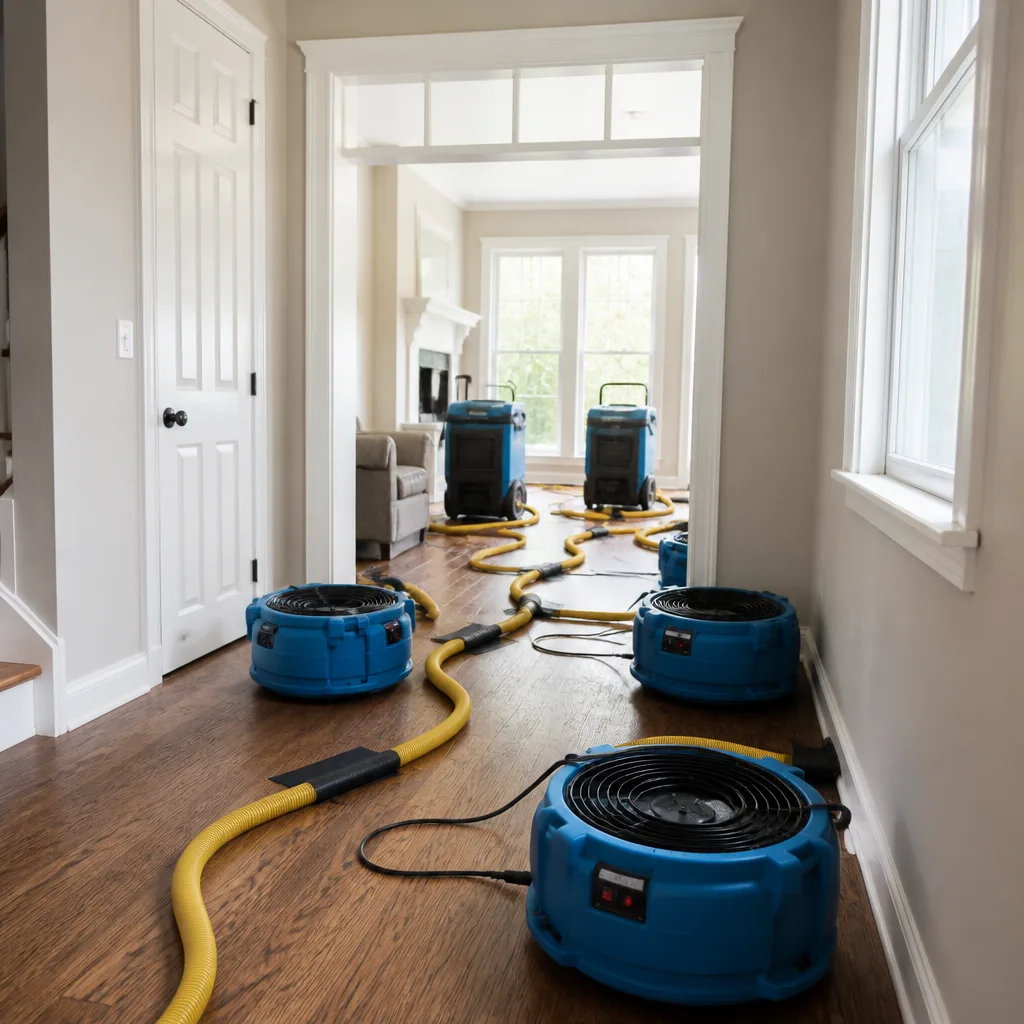


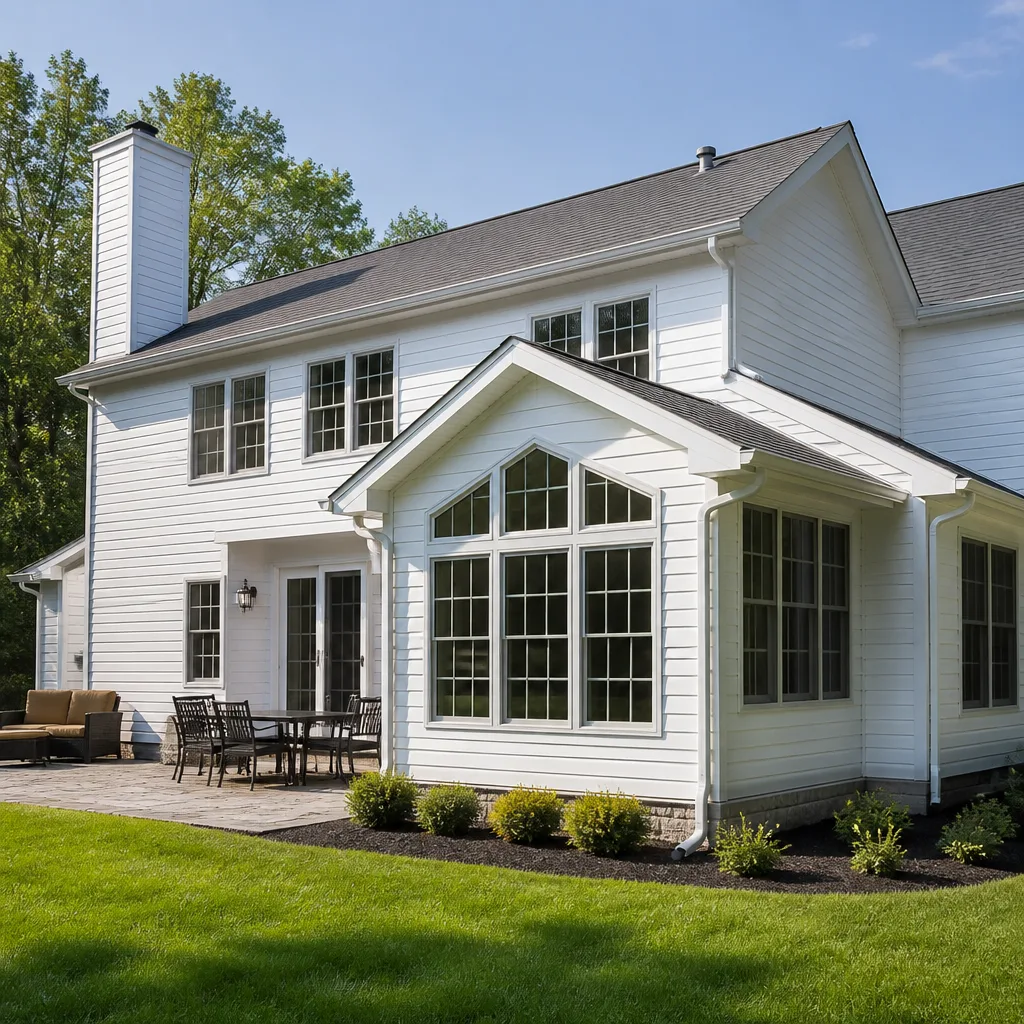
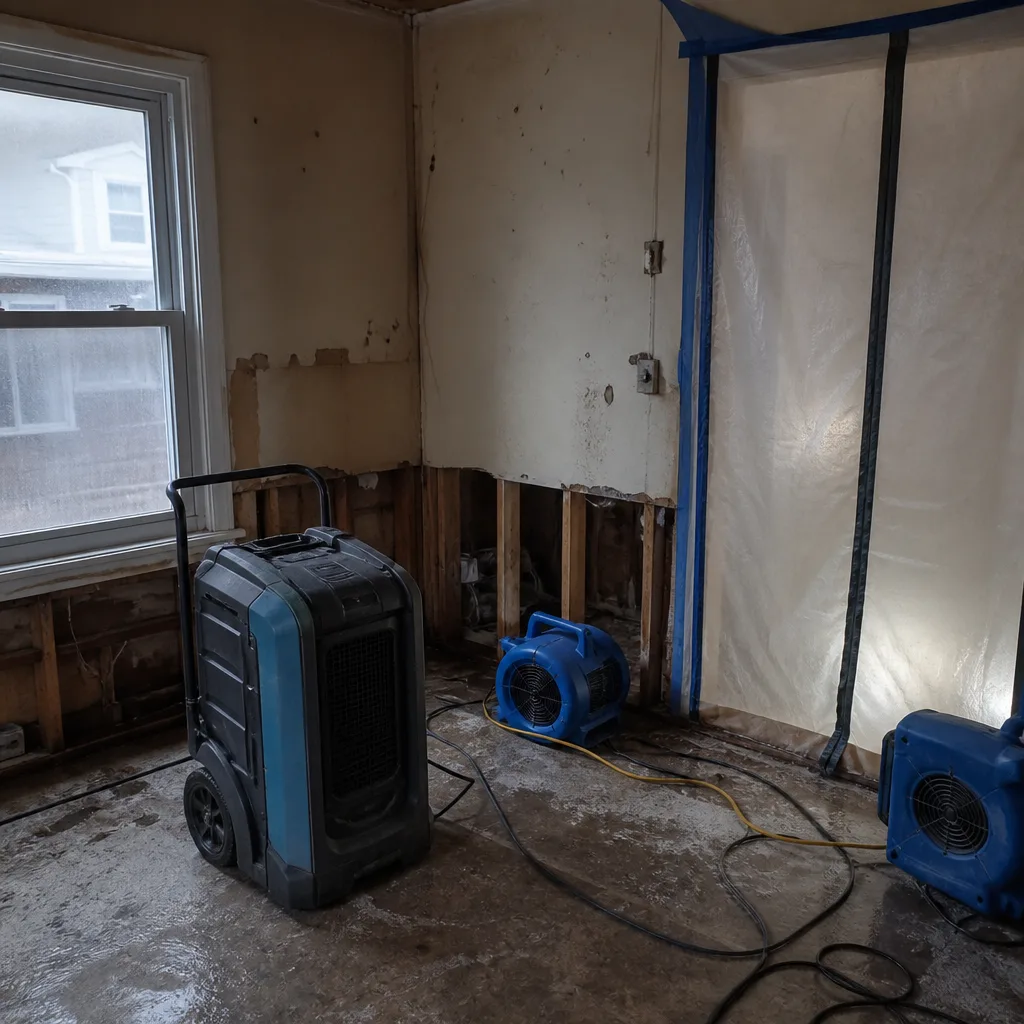 Before
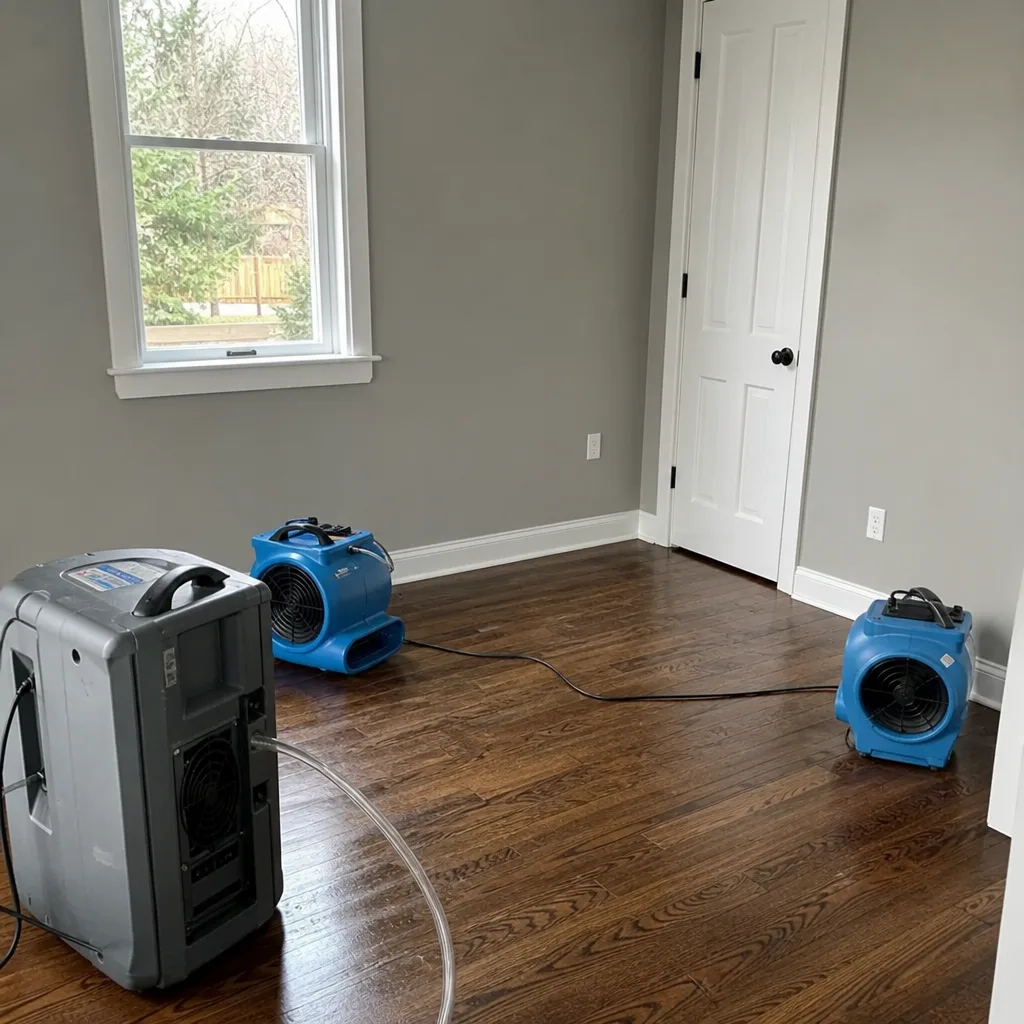 After
After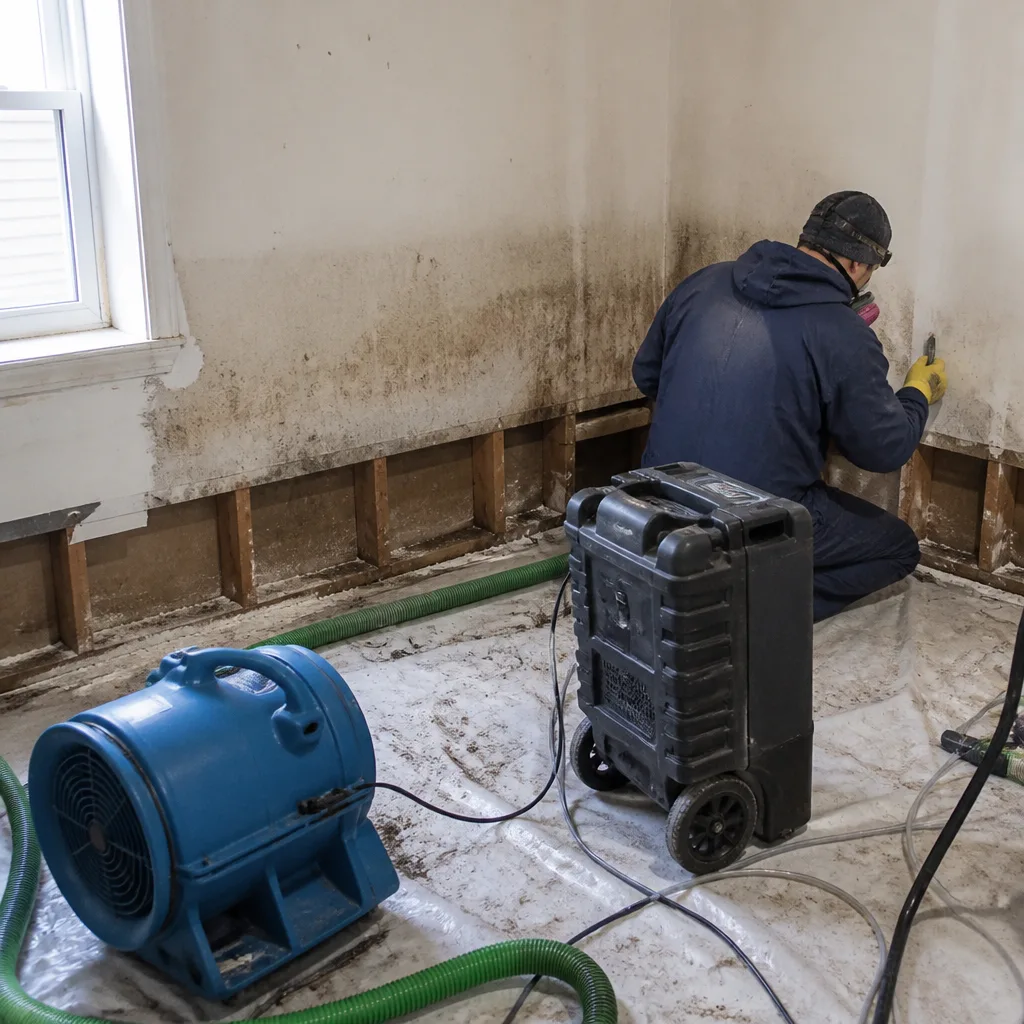 Before
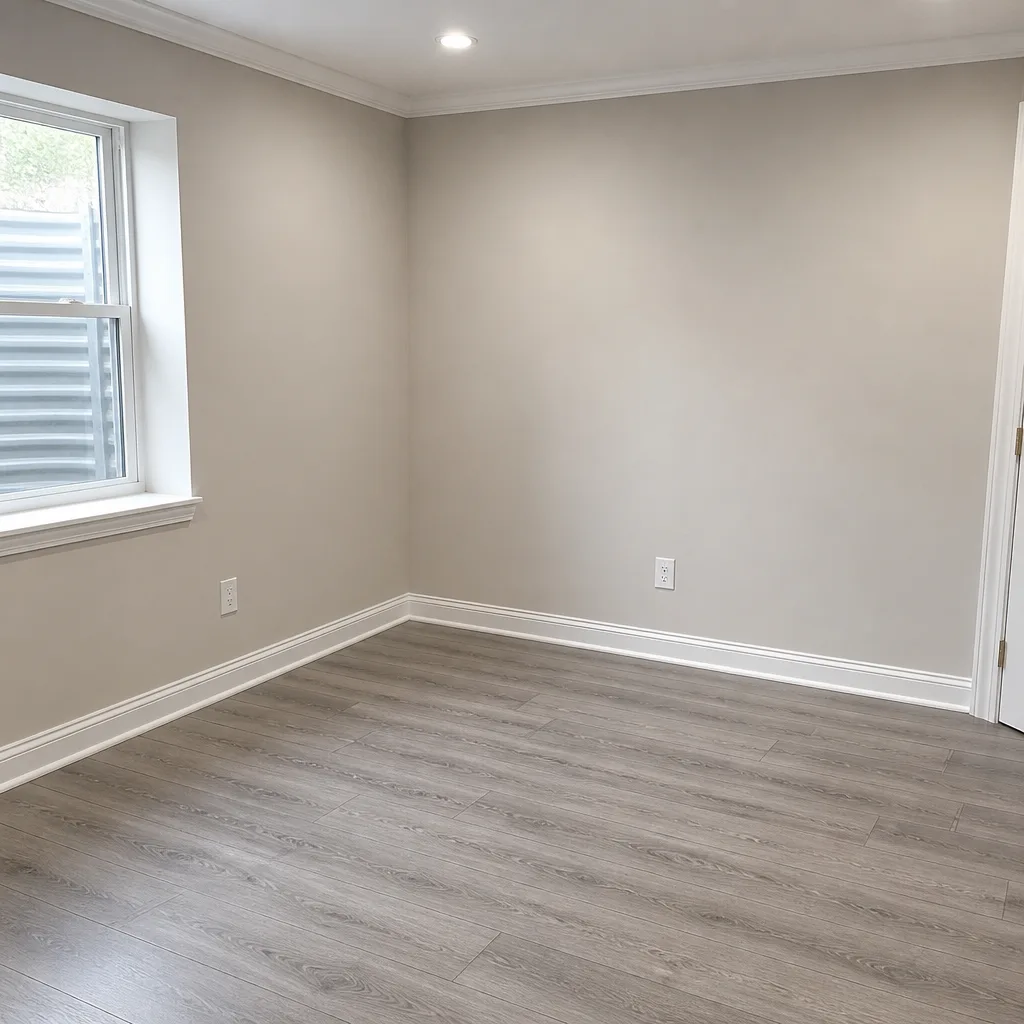 After
After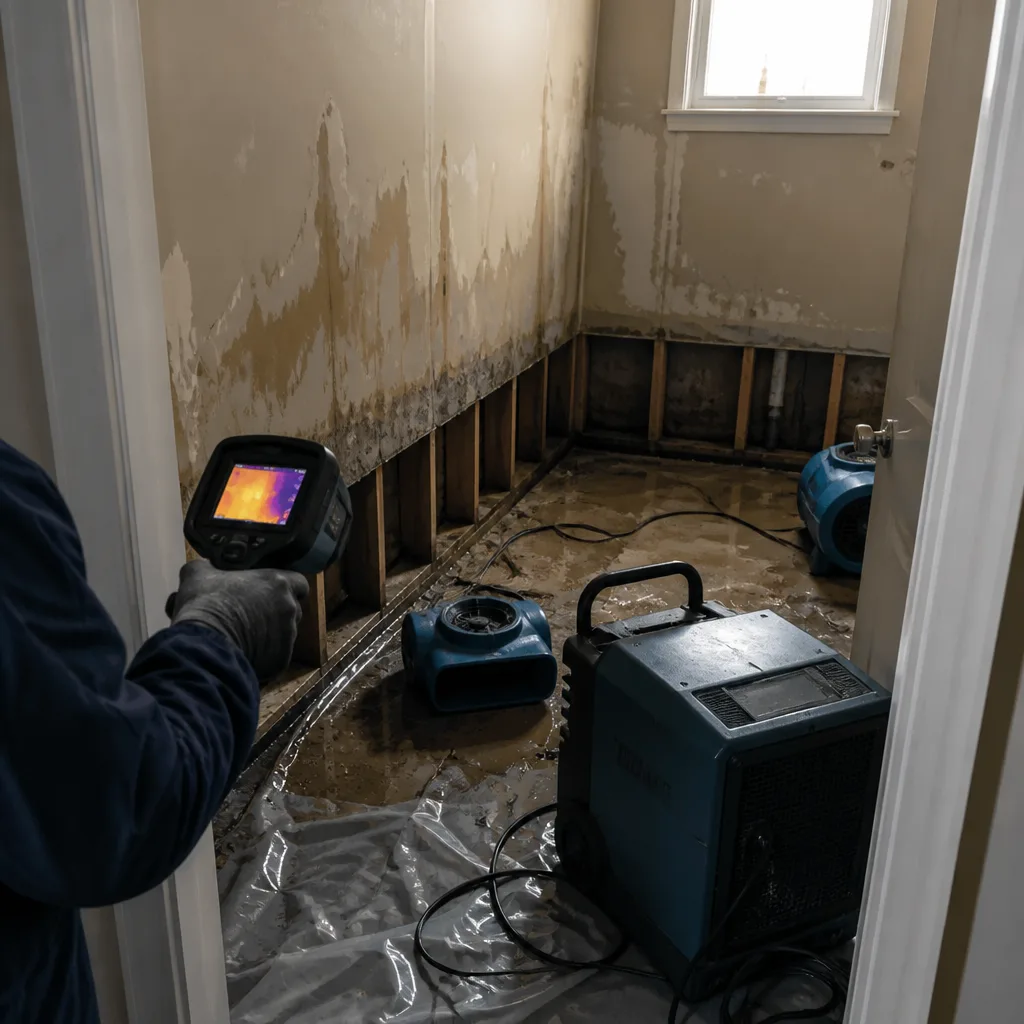 Before
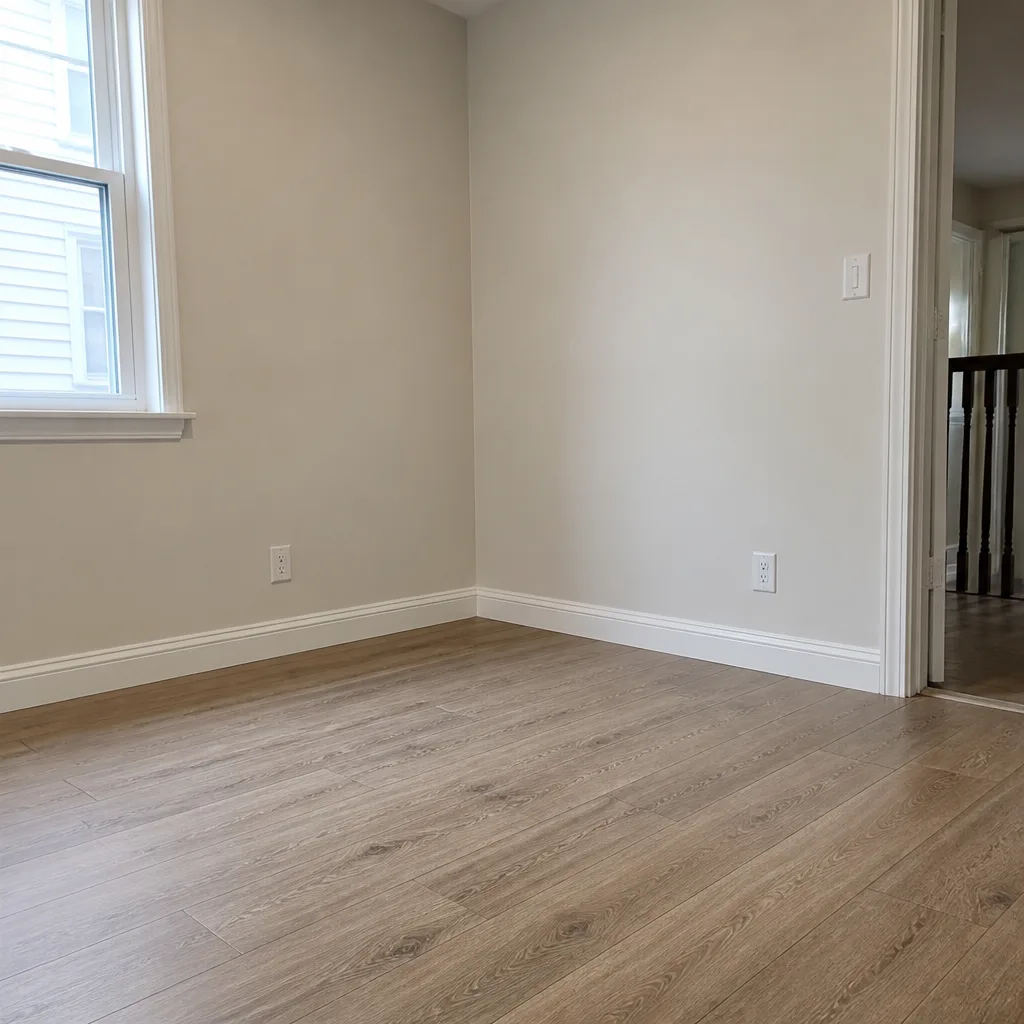 After
AfterTrusted Storm & Disaster Restoration for Harrison Homeowners
When a storm rips through Harrison, it leaves more than downed branches. We’re talking flooded basements near the Passaic River, wind-torn siding on Cross Street, and the kind of roof damage that lets rain pour into your living room while you’re still trying to find a flashlight. Storm and disaster restoration in Harrison is a race against water, wind, and time; the difference between a quick cleanup and a gut renovation often comes down to the first 48 hours. Wade’s Restoration has been on the ground in this town since 2007, and Wade Ferris still answers his own phone 24/7, which means you can have a crew on-site, extraction running, and a written scope in your hands today, not after the adjuster gets back from vacation. Call (856) 501-6142 and you’ll talk to Wade, not a voicemail tree.
We’re the local owner-operated shop, the one whose name is on the truck and whose address is published, and we back every water, fire, and mold restoration job with a 90-Day Done Right Promise in writing. When the power is out and your sump pump is dead, you don’t need a national call center routing you to a subcontractor you’ve never met. You need a neighbor who knows Harrison’s flood zones, its older housing stock, and its building inspector’s quirks. That’s what we provide.
What Our Storm & Disaster Restoration Service Includes
Storms don’t arrive as one neat problem, and neither do our crews. We handle the full mess: standing water, broken windows, sagging roofs, and the ton of debris the wind leaves in your yard. Below is what each piece of the work actually involves here in Harrison.
Storm Damage Cleanup
After a tree limb punctures your roof or a gutter rips loose and water pours down your side wall, the first order of business is getting the structural damage under control. Storm damage cleanup means removing whatever the storm brought in, securing what’s still intact, and documenting every inch for your insurance claim. Wade’s crew arrives with pumps, tarps, and cameras, and we don’t stop until the property is stable enough that the next rain won’t make things worse. We photograph everything before we touch it, because the adjuster needs to see what Harrison’s wind actually did.
Flood Damage Restoration
Floodwater is never clean, even when it looks like it came straight down from heaven; it picks up whatever was in the street, the yard, and the storm drain on its way into your house. Flood damage restoration in Harrison means extracting the water fast, drying the structure to measured standards, and treating surfaces so mold doesn’t get a foothold in the week after the water recedes. Wade takes moisture readings every single day and hands you the full log at the end of the job, which almost nobody else in this trade is willing to do. That log is also the document that proves to your insurer the house was actually dry, not just wiped down.
Emergency Board-Up
When a window blows out or a door frame gives way, your home is open to weather, animals, and people who don’t need to be inside. Emergency board-up is the stopgap that closes the hole right now using plywood, fasteners, and a crew that knows how to brace without wrecking your framing. We can be at your Harrison address within the hour for most calls, and Wade handles the board-up himself when the crew is already on another job. This is not the time for a handyman with good intentions; improper board-up can cause more damage than the original impact.
Roof Tarping
A missing shingle is one thing; a hole big enough to see the sky is a genuine emergency, and every rain forecast becomes a countdown. Roof tarping is the temporary, waterproof covering that stops active leaks until permanent repair or replacement can be scheduled after the storm. Wade’s team uses heavy-duty, UV-rated tarps and secures them with felt-sealed cap nails, not just a bungee cord and a prayer like some fly-by-night operations. We’d rather re-tarp during the rebuild for free than have your ceiling collapse because a tarp let go at 3 a.m.
Debris Removal
Fallen branches, broken fence panels, shredded awning fabric, the neighbor’s patio furniture that landed in your front yard: storm debris is dangerous to leave and miserable to move alone. Debris removal means we haul it away and dispose of it properly, including what’s waterlogged and starting to rot rather than just windblown. We’ll also do a sweep for nails, glass, and splintered lumber before we leave, because the last thing you need after a disaster is a tetanus shot on top of everything else. This is included in most full restoration scopes and priced by the load when it’s a standalone call.
Wind Damage Repair
High winds don’t have to knock a tree onto your house to do real damage; they peel siding, loosen flashing, snap antennas, and twist gutters until water funnels into places it was never meant to go. Wind damage repair is the structural follow-up to the storm, from re-securing fascia to replacing sections of siding and sealing those hairline cracks in your stucco. We work with the same materials and profiles already on your Harrison home, and if matching isn’t possible, we’ll show you swatches and write the plan before we cut anything. Delaying wind repair is how a $900 siding job becomes a $9,000 wall replacement, and we’ve seen that play out too many times on older Harrison houses.
What happens when you call
- 1
A real person answersNo phone trees - you reach a local pro.
- 2
You get an upfront price rangeHonest numbers before anyone is dispatched.
- 3
A background-checked tech heads outLicensed & insured, dispatched right away.
- 4
You approve before work beginsNothing starts until you say go.
Brands We Service for Storm & Disaster Restoration
Over 29 years in this business, we’ve run repair and restoration work on just about every make of pump, dehumidifier, and air mover a homeowner can own. We don’t play favorites, but we know the equipment because we use it ourselves. Our trailers run Dri-Eaz dehumidifiers and Phoenix air movers on every water job, not rented mystery machines; these are the tools we’d want in our own basements, and we’ve learned their quirks through thousands of hours. When a client has a failed XPOWER sump pump or a B-Air fan that’s given up mid-drydown, we can often swap in a working unit same day so your drying can continue without a pause. Whether you have one brand or a mix of whatever was on sale at the hardware store, we can help.
Signs You Need Storm & Disaster Restoration Right Now
Not every problem announces itself with a tree through the roof. Some of the costliest storm damage in Harrison goes unnoticed until it’s structural, and these are the signals we wish every homeowner caught earlier:
- Water stains spreading across ceilings or upper walls. A small ring with a brown tint means water has been sitting up there long enough to pull pigment through drywall. If the stain grows after each rain, you have an active leak, not a one-time spill.
- A musty odor that gets stronger after rain. That smell is microbial activity, and it tells you moisture is trapped somewhere you can’t see. By the time it’s obvious, mold has usually had a week or more to establish, and that changes the scope of restoration considerably.
- Windows or doors that suddenly stick. When framing shifts from waterlogged wood or wind damage, openings that used to work start to bind. It’s a cheap warning sign that shouldn’t be ignored, especially in Harrison’s older homes where original lumber is doing a lot of work.
- Sagging or bubbling drywall. Drywall does not sag on its own. That means the material is saturated and losing its structural integrity, and it won’t dry back to flat without help, no matter how many fans you point at it.
- Shingles, flashing, or siding pieces in your yard after a storm. If you can see parts of your house on the lawn, the house is no longer fully protecting itself. The next rain becomes a countdown to interior damage, and it’s always cheaper to tarp and repair before water gets inside.
Our Storm & Disaster Restoration Process - Step by Step
We don’t show up with a “trust us” speech from a sales guy in a polo shirt. We show you the work as it happens, and the process is simple enough to fit on a single page.
- 1
Call and talk to Wade. When you call (856) 501-6142, a live person answers. Often that’s Wade himself, standing in a kitchen somewhere or driving between jobs. He asks the right questions first: is the water still coming in, is there an active electrical hazard, has anyone checked the attic?
- 2
On-site assessment and immediate mitigation. Wade or his crew arrives with moisture meters, thermal imaging, and a truck full of extraction and drying equipment. We start the stopgap work on the spot: tarping, board-up, extraction, whatever stops the damage from spreading while we document the scene.
- 3
Written scope and insurance documentation. You get a line-by-line written scope of what’s damaged, what needs to happen, and what it will cost, before we start the restoration phase. We photograph everything and coordinate directly with your adjuster, so you’re never the one stuck relaying messages between two sides.
- 4
Drying, cleaning, and structural repair. We use Dri-Eaz and Phoenix drying systems with daily moisture readings, and we clean, treat, and repair according to the IICRC standards we carry credentials in. The work is methodical, not rushed, and you’ll see the moisture log every day if you want to.
- 5
Final walkthrough and the 90-Day Done Right Promise. Before we call the job complete, Wade walks the property with you and points out exactly what was done and why. Then he hands you the written promise: if it’s not done right, he makes it right, and one call brings him back. Almost no one in this business puts that on paper.
How Much Does Storm & Disaster Restoration Cost in Harrison?
What drives the price up is delayed response, contamination (especially if the Passaic River overtopped and you got mud and waste, not just rainwater), and the amount of demolition required to reach a dry substrate. What keeps the price fair is a written scope before work starts, no hourly creep, and no surprise “discovery fees” invented halfway through. Wade’s free estimate includes the moisture mapping, the photographic documentation, and the written scope. If you already have an estimate from another company, bring it; we offer free second opinions on any written estimate, and there’s no trip charge inside our own county.
Storm & Disaster Restoration Near Harrison - Our Service Area
We run out of our shop right here and cover Harrison plus the surrounding towns where storm calls stack up after a bad front: Kearny, North Arlington, Lyndhurst, and East Rutherford get our quickest response times, usually under an hour for true emergencies. We’re also a short drive from the denser communities of Jersey City and Hoboken, where basement flooding and wind damage from the waterfront rolls in every season. If you’re in Harrison or just across the town line, the response time is often the same as if Wade was already parked on your street, because he probably was. We also serve home owners anywhere in the county, and if you’re not sure we cover your street, call and ask; the answer is usually yes.
Serving Harrison, NJ - Our Local Coverage Area
We’re based in the Harrison area and offer our Storm & Disaster Restoration in Harrison, so we know this community well. Use the map below to see our service coverage - if you’re nearby, we can almost certainly help.
Frequently Asked Questions - Storm & Disaster Restoration in Harrison
What is storm and disaster restoration?
Storm and disaster restoration is the process of stabilizing, drying out, cleaning, and repairing a home after wind, rain, flooding, hail, or any other weather event that causes property damage. It covers everything from tarping a torn roof and pumping out a flooded basement to replacing drywall, treating for mold, and helping you document everything for your insurance claim. In Harrison, the work has to account for older housing stock, tight lot lines, and a river that doesn’t always stay in its channel during heavy rain.
How long does storm damage restoration take?
The short answer is 3 to 7 days for typical water extraction and drying, 1 to 3 weeks for most full restorations, and longer only if structural framing or major roof systems were damaged. Emergency measures like board-up, tarping, and extraction start within the hour, not the day, when you call Wade’s Restoration. Drying is usually the longest single phase because rushing it leaves hidden moisture that turns into mold six months later, and Wade won’t hand you a moisture log that says “good enough.”
How much does storm damage restoration cost in Harrison?
Plan on $150 to $300 for a simple board-up, $350 and up for roof tarping, $2,500 to $6,000 for basement flood drying, and $8,000 to $25,000 or more for a full rebuild after major storm damage. The final number depends on how much water got in, how long it sat, whether the floodwater was contaminated, and how much of the finished space has to be removed and replaced. We give you a written scope before any restoration work starts, and the estimate is free, so call (856) 501-6142 and get a real number from a real person.
Do you handle storm damage in rental properties and multi-family buildings?
Yes, we work on single-family homes, condos, apartment buildings, and commercial spaces throughout Harrison and the surrounding towns. The restoration process is the same, but the documentation is more important when tenants and property managers are involved, so we photograph everything and provide the moisture logs your insurance and tenants will want to see. Wade has been doing this since 2007 and knows how to work around the complications of shared walls, HOA rules, and absent owners.
Can you come out in the middle of the night for an emergency?
Yes, and this is exactly why Wade answers his own phone 24/7, including holidays. Storm damage doesn’t wait for business hours, and neither do we; Wade heads out when the call comes in, not when the office opens. If you’re standing in water in a basement at 2 a.m., call (856) 501-6142 and you’ll get a human voice, not a voicemail.
What does the 90-Day Done Right Promise actually cover?
It covers the entire water, fire, and mold restoration scope, in writing, on the contract we sign before work starts. If anything we did doesn’t hold up, whether it’s a recurring leak from an area we dried, a patch that separates, or a moisture issue that resurfaces, we make it right at our own cost. One call brings Wade back, and almost no one else in Harrison will put that in writing on every job.
Will my homeowners insurance cover storm damage restoration?
Most standard homeowners policies cover sudden storm damage like wind-driven rain, hail, falling trees, and roof breaches, but coverage for floodwater depends on whether you carry a separate flood policy. The best way to know is to have documentation ready, which is what we do on every restoration: photos from before we touch anything, moisture logs, and equipment records. Wade works directly with your adjuster, so you never have to translate between what the contractor says and what the insurance company wants to hear.
Schedule Your Storm & Disaster Restoration Service in Harrison Today
If the storm has already hit, don’t wait for the damage to spread. Call (856) 501-6142 now and you’ll talk to Wade, who will get to your Harrison home fast, assess the damage honestly, and put the plan in writing before you pay a dime. The estimate is free, there’s no trip charge inside the county, and the work is backed by our 90-Day Done Right Promise. Senior and veteran neighbors always get 10% off, because that’s how we’ve done it for years.
Written by Wade Ferris, Owner at Wade’s Restoration, serving Harrison since 2007.