
Last updated August 27, 2026
Free visual inspection and a written scope of work before any mitigation begins - photos, moisture readings, and drying logs go in your claim file
The scope we write is the scope we bill. Anything new gets shown to you, in writing, before we touch it.
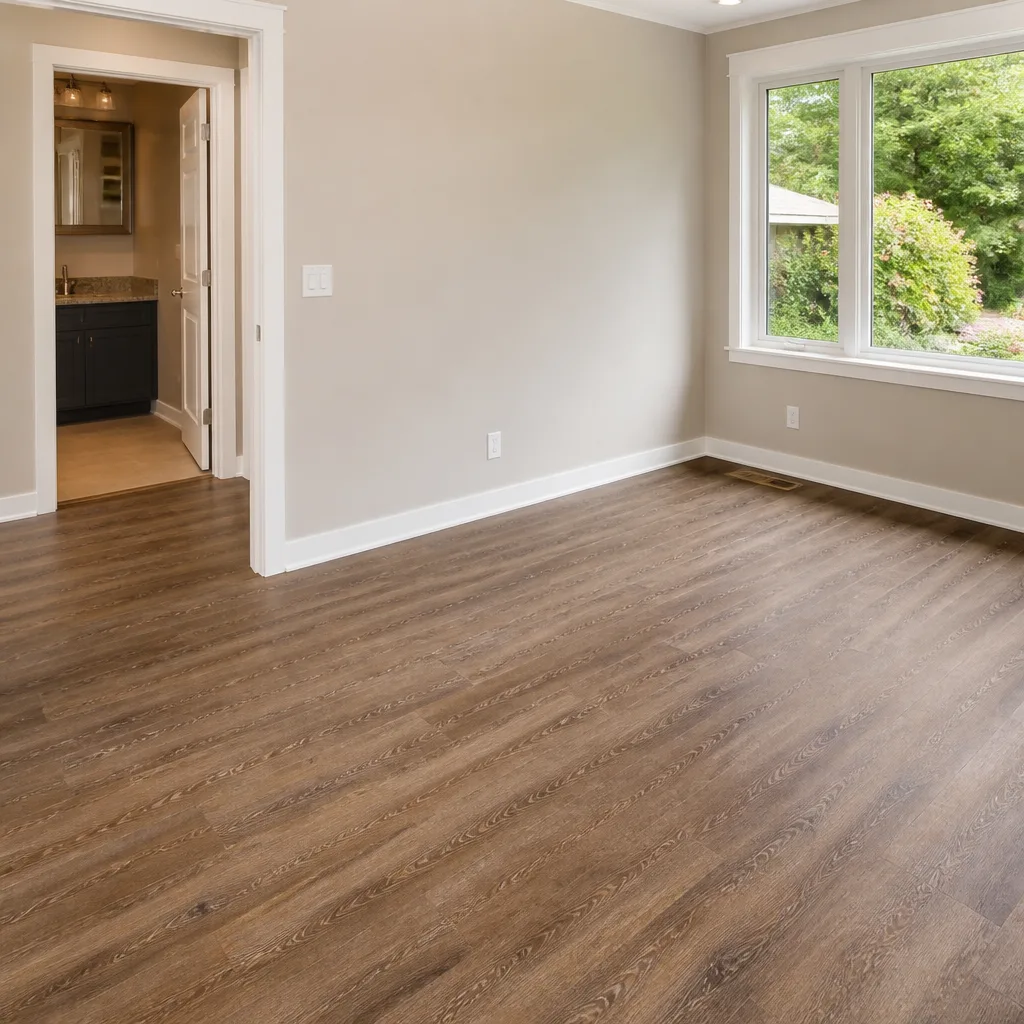
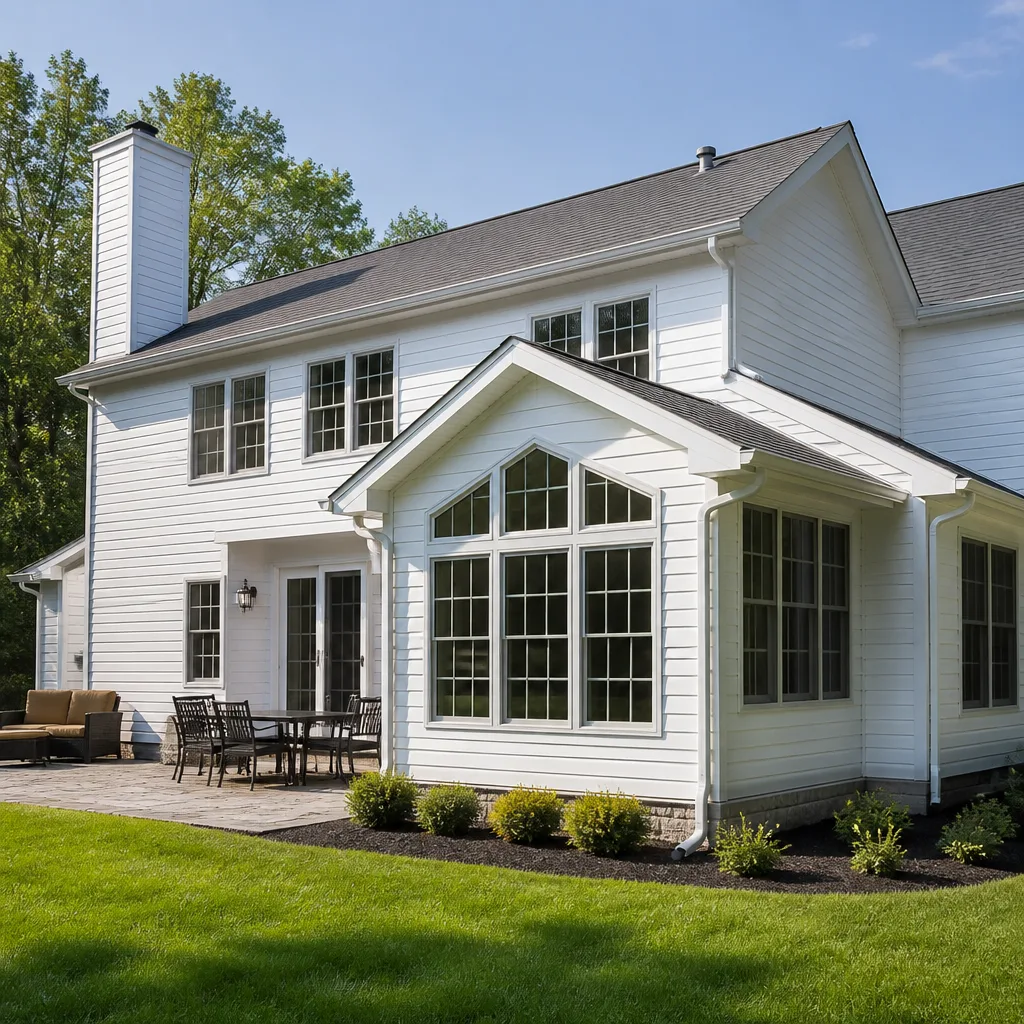
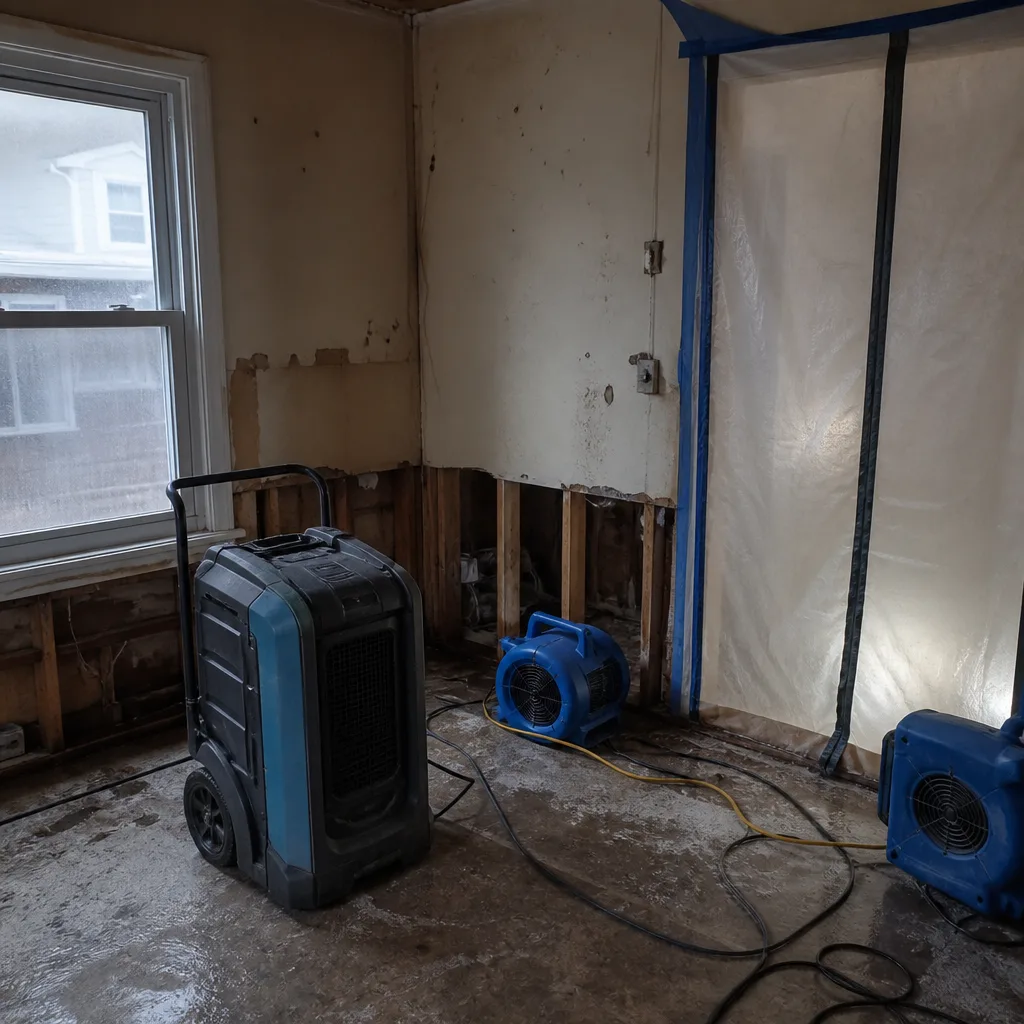 Before
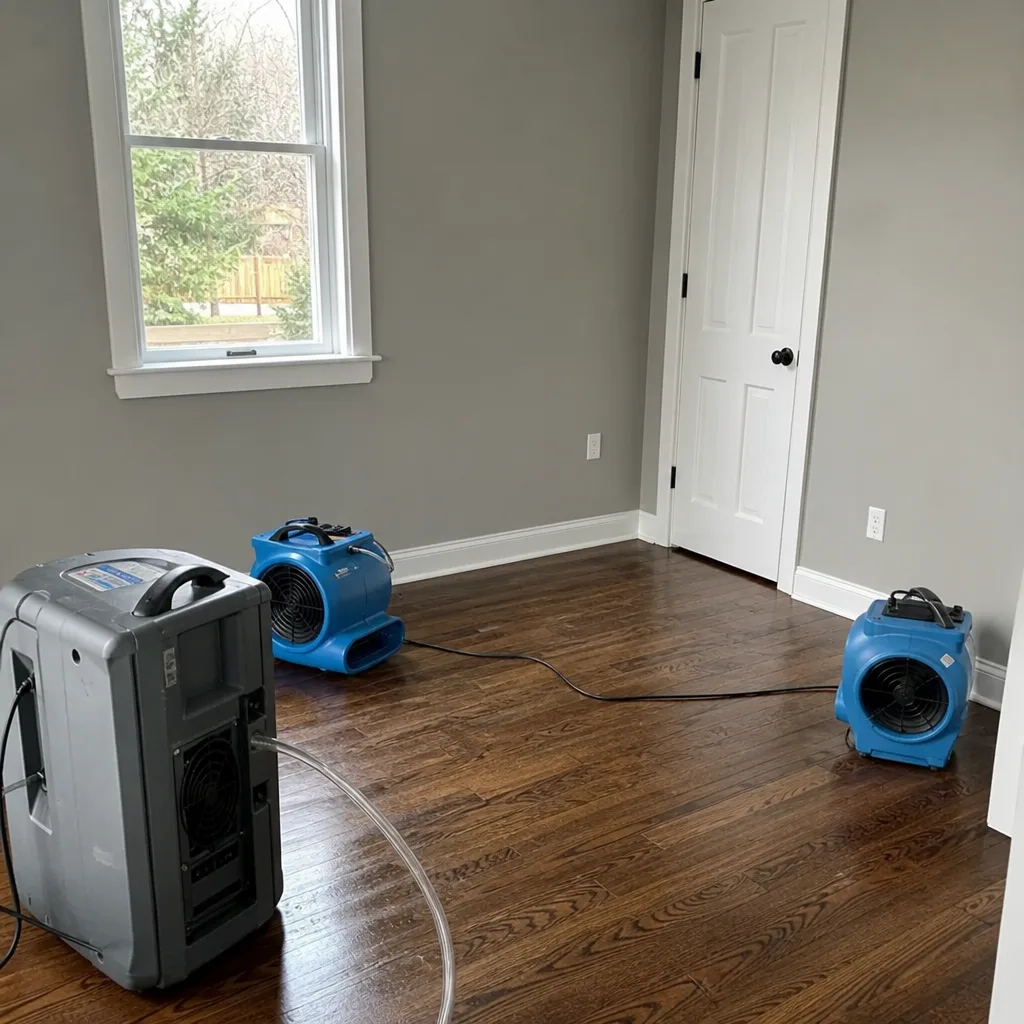 After
After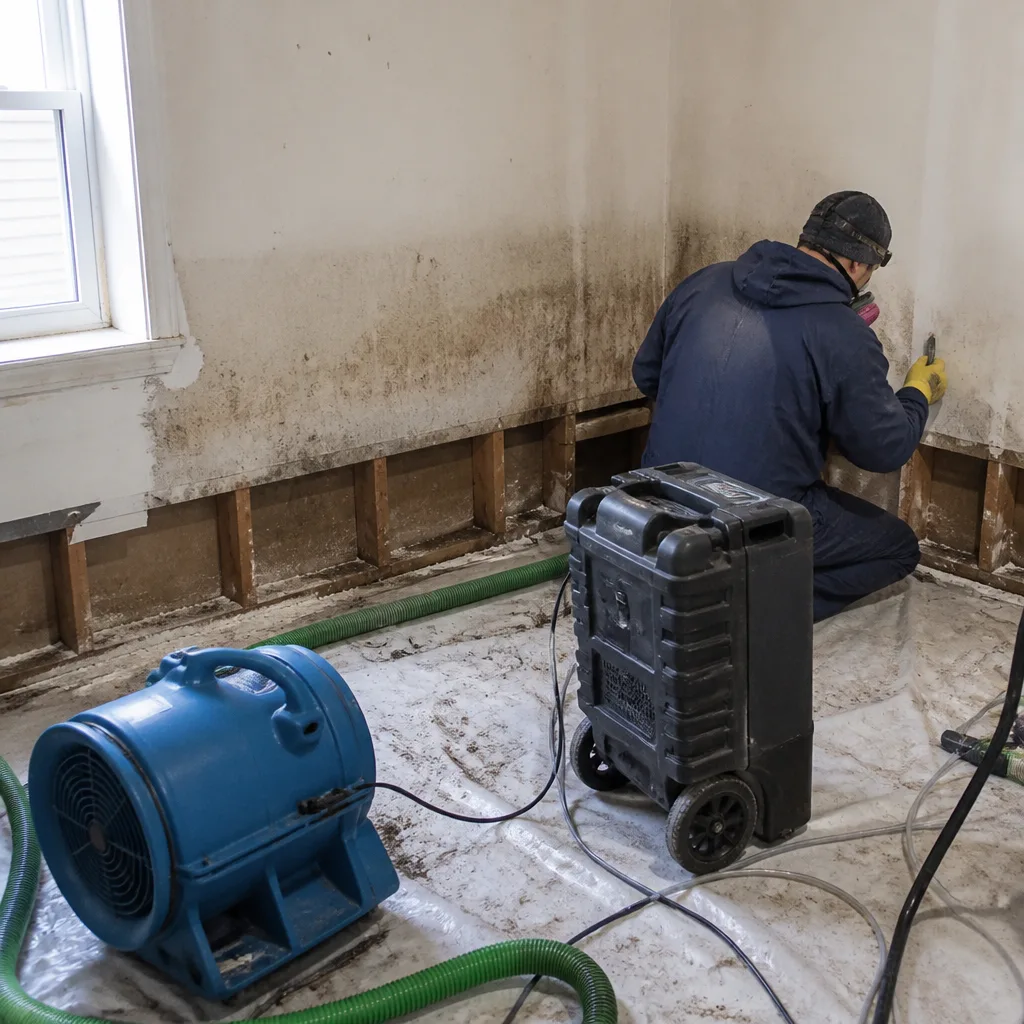 Before
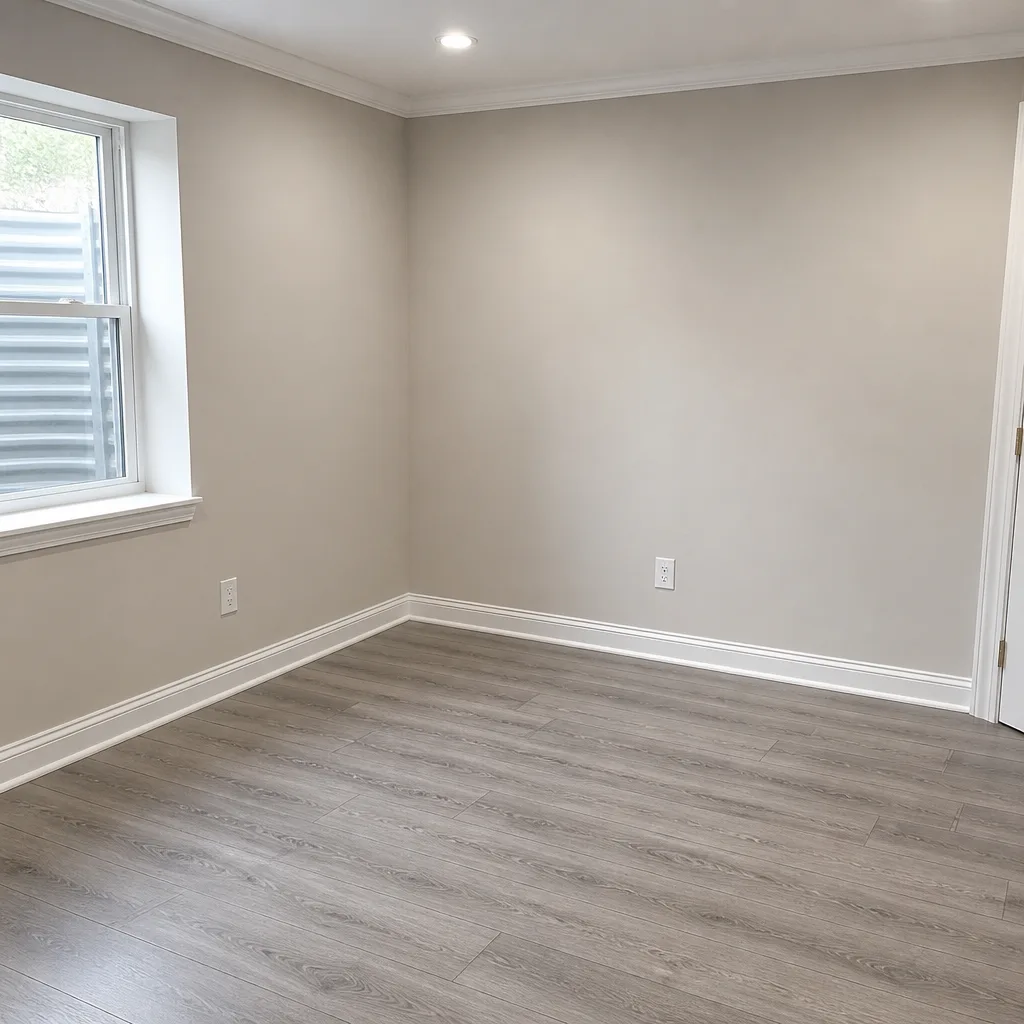 After
After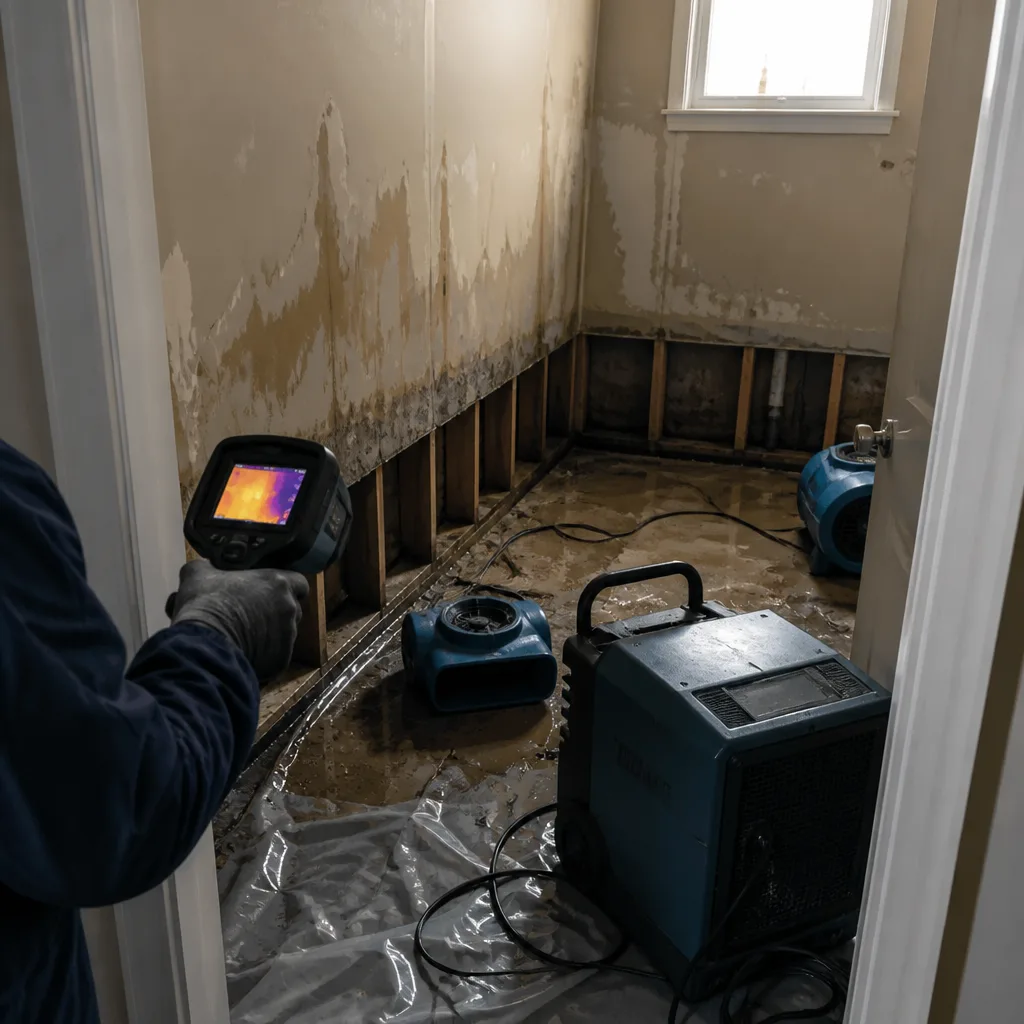 Before
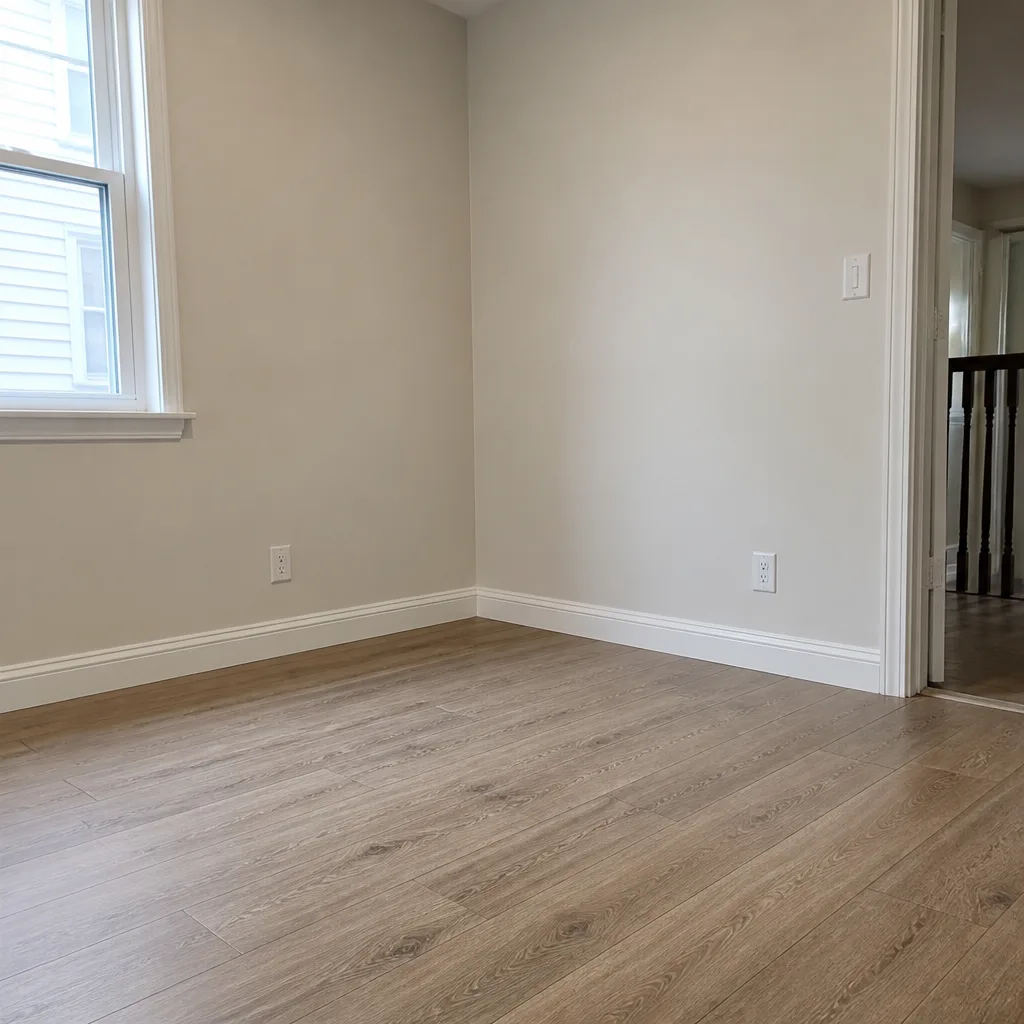 After
AfterDamage Restoration Cost Breakdown: The Harrison Homeowner’s Reference for 2026
Two Harrison homeowners on the same block had near-identical basement floods in the spring of 2025. Same amount of water, same square footage, same type of drywall. One received an estimate of $6,400. The other got a quote for $17,200. The damage wasn’t different. The documentation was. One contractor produced a moisture log showing daily readings and equipment counts. The other wrote “dry to manufacturer spec” on an invoice and hoped nobody would ask what that meant. This guide exists so you never have to take a contractor’s word for it. We’re going to walk through real 2026 cost ranges for the jobs that actually come up in Harrison, explain what moves those numbers, and show you how to read an estimate like someone who’s been burned before and refuses to be again.
Quick Answer
Water damage restoration in Harrison, NJ typically costs between $3.50 and $8.50 per square foot in 2026, with most whole-basement jobs landing between $3,800 and $14,000 depending on water class, drywall removal needs, and structural drying time. Mold remediation runs $1,200 to $6,500 for the typical Harrison bathroom or basement outbreak, and fire/smoke cleanup starts around $2,800 for a contained kitchen fire and climbs quickly from there. The single biggest variable isn’t the damage, it’s whether the contractor documents their work well enough-see Damage Restoration Permits, Codes & Inspections in NJ: What You Need to Know-that your insurance adjuster can approve every line item without a fight.
Table of Contents
- Water Damage Restoration: Real 2026 Baselines
- Drywall Replacement and Subfloor Remediation Costs
- Mold Remediation: What Treatment Actually Costs
- Mitigation vs. Restoration: Why the Split Matters on Your Invoice
- Equipment Line Items: Air Movers, Dehumidifiers, and HEPA Scrubbers
- How to Read an Insurance Adjuster’s Estimate Against a Contractor’s Scope
- Why the Cheapest Estimate Is Frequently the Most Expensive Outcome
- Common Mistakes to Avoid
- When to Call a Professional
- Frequently Asked Questions
- The Bottom Line
Water Damage Restoration: Real 2026 Baselines
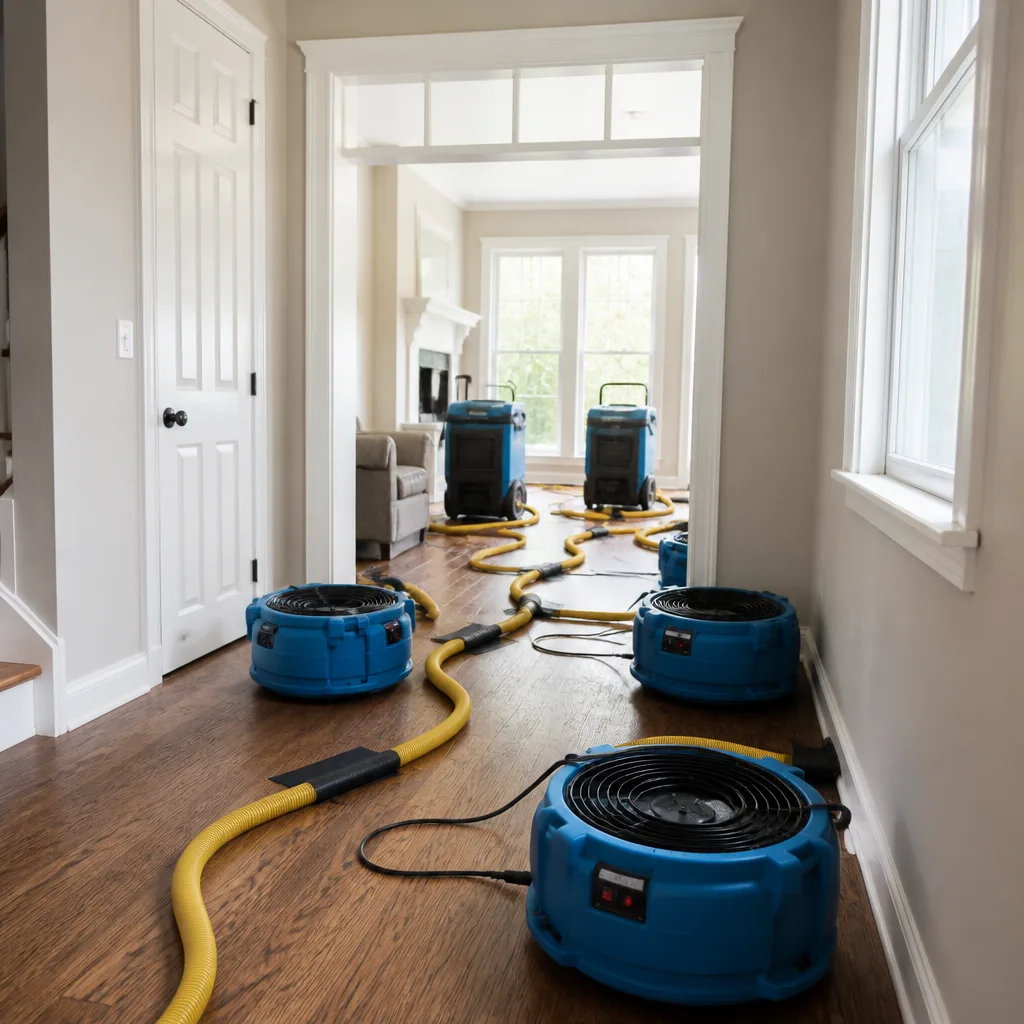
Basement water extraction in Harrison runs $3.50 to $5.50 per square foot when the water is clean, meaning it came from a supply line or rain seepage, not sewage. A typical 800-square-foot Harrison basement with a water heater failure will land between $2,800 and $4,400 for extraction and initial drying setup. That number assumes the water is Category 1, which means no significant contamination. If the water sat for more than 48 hours or came from a sewage backup, you’re now in Category 3 territory, and the price jumps to $6.00 to $8.50 per square foot because removal involves antimicrobial treatment and containment. Most Harrison homes we’re called to have that 1950s-to-1980s footprint, meaning concrete floors, furring strips, and drywall that wicks moisture upward like a sponge. The drying time matters more than people think. A 3-to-5-day dry using professional equipment costs less than a 7-to-10-day dry, and the difference usually comes down to whether the contractor placed air movers correctly on day one, not day three. In our experience, homes near the Passaic River flood zone tend to have higher humidity baselines year-round, which extends drying times by a day or two compared to houses up on the ridge. That’s not an upsell. It’s physics.
For the full scope of what’s involved, see our guide to Water Damage Restoration in Harrison.
Drywall Replacement and Subfloor Remediation Costs
Cutting out and replacing wet drywall in Harrison runs $2.10 to $3.40 per square foot for standard 1/2-inch board hung, taped, and finished to primer. That includes the labor and materials. But here’s the number most contractors won’t give you in a phone conversation: the flood cut itself, the removal of the bottom two feet of wall, is usually $0.60 to $1.00 per linear foot for just the cutting and hauling. It’s cheap to know where the damage ends. It’s expensive to guess wrong. When we see drywall that swelled above the two-foot line because someone didn’t take moisture readings before cutting, the rework cost is entirely avoidable. Subfloor remediation is a different animal. Subfloor drying with an Injectidry system, which forces air into floor cavities, runs $450 to $750 per affected room. Rip-and-replace of a plywood subfloor runs $4.80 to $7.00 per square foot. Some floors can’t be saved. Others can, if someone checks the core moisture before recommending demolition. That’s a two-hour difference in someone’s life and a $3,000 difference in their claim.
Mold Remediation: What Treatment Actually Costs
Mold remediation in Harrison averages $1,200 to $6,500 depending on the affected square footage, the location of the growth, and whether the source of moisture has been halted. A bathroom ceiling with visible mold spanning 10 to 15 square feet typically runs $1,400 to $2,200 including containment, HEPA air scrubbing, treatment, and antifungal application. A basement wall with 40 to 60 square feet of growth pushes $3,800 to $5,500 because it requires full containment under negative air, which means plastic sheeting, zippered entries, and air pressure management that actually works. The lower-cost route, what the trade sometimes calls “spray and walk,” is cheaper and often worthless. A HEPA air scrubber rented by the day is around $85 to $125 per unit. The labor to establish actual containment, run the scrubber for 24 to 48 hours, treat surfaces properly, and verify clearance with post-remediation testing is where the real value sits. Testing adds $400 to $900. You don’t always need it, but if there is any question about whether the source was fully addressed, you should have it done by a third party, not the remediation company. That separation matters. For the deeper picture, see Mold Remediation in Harrison.
Mitigation vs. Restoration: Why the Split Matters on Your Invoice
Mitigation is the emergency work: stopping the water, extracting what’s pooling, setting up drying equipment, monitoring moisture daily, and preventing secondary damage like mold or structural warping. Restoration is putting the house back the way it was: drywall, paint, flooring, trim, fixtures. On a properly itemized invoice, these are separate sections. They are also separate stages on an insurance claim. Harrison homeowners who don’t grasp this distinction often sign an estimate for “complete water restoration” without understanding that the mitigation portion has already been performed or is about to be performed under separate authorization. Insurance policies cover both, but the adjuster thinks of them differently. Mitigation is time-sensitive and typically approved without much back-and-forth if the contractor documents the necessity. Restoration is scope-based and can become a negotiation over what “pre-loss condition” means. A home that had builder-grade carpet before the flood does not get upgraded to luxury vinyl plank after the flood, not under a standard policy. Knowing the split protects you from two things: contractors who bundle the categories so you can’t see what the emergency cost separately, and adjusters who want to treat all of it as negotiable like it’s about aesthetics. It’s not.
Equipment Line Items: Air Movers, Dehumidifiers, and HEPA Scrubbers
Every water restoration invoice in Harrison should list equipment separately, by type and by day count. This is the line item that gets inflated most often. Air movers run $25 to $40 per unit per day. A typical 800-square-foot basement with significant water needs 6 to 10 air movers for 3 to 5 days. That’s a real range of $450 to $2,000. The wrong number of movers, either too few or too many billed, changes the math significantly. Dehumidifiers run $80 to $150 per day for a professional-grade unit. Most Harrison basements need one or two. HEPA air scrubbers, when mold or contaminated water is involved, run $85 to $125 per day. The cleanest way to verify these line items is a moisture log. If the contractor writes down daily moisture readings from day one through day done, you can see exactly when the equipment was doing something and when it was just sitting there. In our experience, the companies that can’t produce a moisture log are the same ones that bill for 12 air movers on a 600-square-foot room. It’s a simple correlation, and the pattern holds. Wade Ferris takes daily moisture readings on every job and hands the homeowner the full log when the work is complete. Almost nobody in the restoration trade does this. It’s not that they don’t know how. It’s that documentation creates accountability.
How to Read an Insurance Adjuster’s Estimate Against a Contractor’s Scope
- Pull up both documents side by side. The adjuster’s estimate will use specific line items from a pricing database. The contractor’s scope should mirror those, not summarize them. “Dry kitchen and adjacent areas” is not the same as “Remove water from kitchen floor, living room carpet, and 6 feet of hallway drywall.”
- Check for excluded rooms. Adjusters sometimes omit a half-bath or a closet that sits behind the affected wall. That’s the homeowner’s gap to close before signing. If it isn’t in writing, it isn’t covered.
- Look at the drying day count. If the adjuster’s estimate says 3 days of equipment and the contractor’s plan says 6, that’s a disagreement you need resolved in writing, not a surprise at the end.
- Verify the contractor’s understanding of “pre-loss condition.” This phrase controls everything. If the contractor won’t commit to matching finishes reasonably to what was there before, you want a different contractor.
- Ask who communicates with the adjuster. The best-case scenario is the contractor and the adjuster speak directly. The worst-case scenario is you playing messenger for two parties who don’t trust each other.
Wade deals with adjusters directly. It eliminates the telephone game and keeps the claim moving while you get on with your life. It’s one of the biggest reasons homeowners in the county call when the second opinion offer matters.
Why the Cheapest Estimate Is Frequently the Most Expensive Outcome
Underscoped work creates secondary damage. That’s the whole answer. A contractor who skips the final moisture check on a wall cavity gets paid and leaves. The moisture that remained in that cavity doesn’t care about the invoice. It keeps doing what moisture does. Four to six weeks later, you smell it. Now the original $7,000 job that was underpriced at $4,800 becomes a $9,500 job that includes tearing out work that was just done and treating mold that never had to grow. The specific pathways are predictable. Cheap contractors use fewer air movers. That extends drying time, which increases the daily charges for the dehumidifier, which can actually make the cheap quote end up costing more in equipment rental alone before you even get to the rework. They may skip the antimicrobial treatment on Category 2 water, which is the difference between clean and contaminated. They may cut drywall to the visible water line only, leaving the wet stuff above the cut to fester. These aren’t rare mistakes; they’re the business model at the bottom of the pricing pool. The Harrison homeowner who saves $2,000 on the front end of a basement flood often spends $6,000 more on the back end. We see the pattern enough that the “Second Opinion on Any Written Estimate” standing offer exists because of it.
Common Mistakes to Avoid
- Accepting a lump-sum estimate without line items. If the contractor won’t break down equipment, labor, materials, and disposal, they’re selling you a number, not a scope. Harrison homeowners have every right to ask for documentation.
- Not asking for a moisture log. Without daily readings, you have no proof equipment was doing anything. It’s the single most underused verification tool in this trade.
- Signing before the adjuster sees the scope. The contractor’s estimate and the adjuster’s estimate should be compared before work begins, not after the invoice arrives.
- Assuming all water is the same. Category 1, 2, and 3 water require different handling. Clean-looking water that sat for three days is not Category 1 anymore. This changes the treatment protocol and the price.
- Delaying the emergency call to save money. The first 24 hours are the cheapest hours. Every day after that compounds the damage and the invoice.
- Not verifying contractor credentials. IICRC-certified, RIA-affiliated, or IFA-recognized credentials mean the contractor has demonstrated real knowledge. The alternative is expensive on-the-job training at your expense.
When to Call a Professional
Call a professional the moment water has spread beyond a contained area you can mop up with towels in an hour. Call when the water came from a sewage line, a storm backup, or anything you can’t identify. Call when the water has reached drywall, because drywall hides what’s behind it. Call when you smell something musty and can’t find the source. Mold inside a wall cavity costs nothing to ignore until it doesn’t. Call before you file the insurance claim, because the order of operations matters: a water damage professional documents the problem first, and that documentation is what makes the claim real to the adjuster. Wade’s Restoration offers free estimates in Harrison. Call (856) 501-6142 and speak to a live person, including Wade himself. It’s not a queue.
Frequently Asked Questions
Water damage restoration in Harrison typically runs $3.50 to $8.50 per square foot depending on water category and drying complexity, with most whole-basement jobs landing between $3,800 and $14,000. The cost hinges on the class of water, the amount of drywall removal, and the day count for structural drying. Call (856) 501-6142 for an exact quote on your specific situation, and take advantage of the free second opinion on any written estimate you’ve received, or browse more guides & resources.
Most homeowner policies in Harrison cover sudden and accidental water damage, meaning a burst supply line or an appliance failure, but not gradual seepage or a long-term leak. The defining factor is the word “sudden.” If it happened over months, you’re probably on your own. Ask your adjuster explicitly whether the loss is covered before work begins. Wade deals with adjusters directly so you don’t get stuck in the middle, and the photo documentation accompanies every part of the claim.
Speed depends on who you call, but the person who answers with a live voice instead of a queue is the one who is actually available. For water damage, you want someone extracting within the hour, not leaving a message for a call center. That’s exactly the standard Wade keeps: his own phone, his own truck, and extraction running as fast as he can get to you. It matters because the first day is the cheapest day.
If visible mold covers more than 10 square feet, or if you smell it but can’t see it, you need actual remediation, not a surface scrub. Cleaning without addressing the moisture source is the fastest way to pay twice for the same problem. The word “full” frightens some homeowners, but what it means in practice is proper containment, proper air scrubbing, and treatment that lasts. For anything smaller, a cleaning may be enough, but have someone qualified look at it before you decide.
The best answer is your contractor. The worst answer is you. Homeowners who play relay between a contractor and an adjuster end up in a game of telephone where coverage decisions hinge on information filtered through someone who doesn’t speak insurance language. Wade’s position is simple: he communicates with the adjuster directly, with your authorization, and keeps you informed without making you the messenger. It’s one of the oldest complaints in restoration, and it’s the easiest to solve.
It’s a written guarantee on every water, fire, and mold restoration job from Wade’s Restoration: if the work isn’t done right, he comes back and makes it right. It’s stamped on the contract in plain language, not buried in fine print nobody reads. It exists because Wade has lived in this county long enough to know he’ll run into you again at the hardware store. The promise is the accountability. Call (856) 501-6142 to ask about it directly, or bring it up when you call for a free estimate.
The Bottom Line
Restoration pricing doesn’t have to be a black box. The numbers exist. The ranges are knowable. The difference between a $6,000 job and a $17,000 job on the same damage is usually documentation, or the absence of it. Water, mold, and fire costs in Harrison follow patterns that you can learn and apply the moment you’re standing in a wet basement at 2 a.m. with a phone in your hand. Ask for line items. Ask for moisture logs. Ask who’s talking to the adjuster. Ask about the Wade’s Restoration home service area before you need it, not after. And if you’ve already got a written estimate, call (856) 501-6142 for a second opinion. There’s no charge for that. If it turns out the first contractor was fair, you’ll know. If it turns out they weren’t, you’ll be glad you checked. This is what we do, what we’ve done since 2007, and what you’ll find in the details if you look.
Written by Wade Ferris, Owner at Wade’s Restoration, serving Harrison since 2007.