
Last updated August 27, 2026
Free visual inspection and a written scope of work before any mitigation begins - photos, moisture readings, and drying logs go in your claim file
The scope we write is the scope we bill. Anything new gets shown to you, in writing, before we touch it.
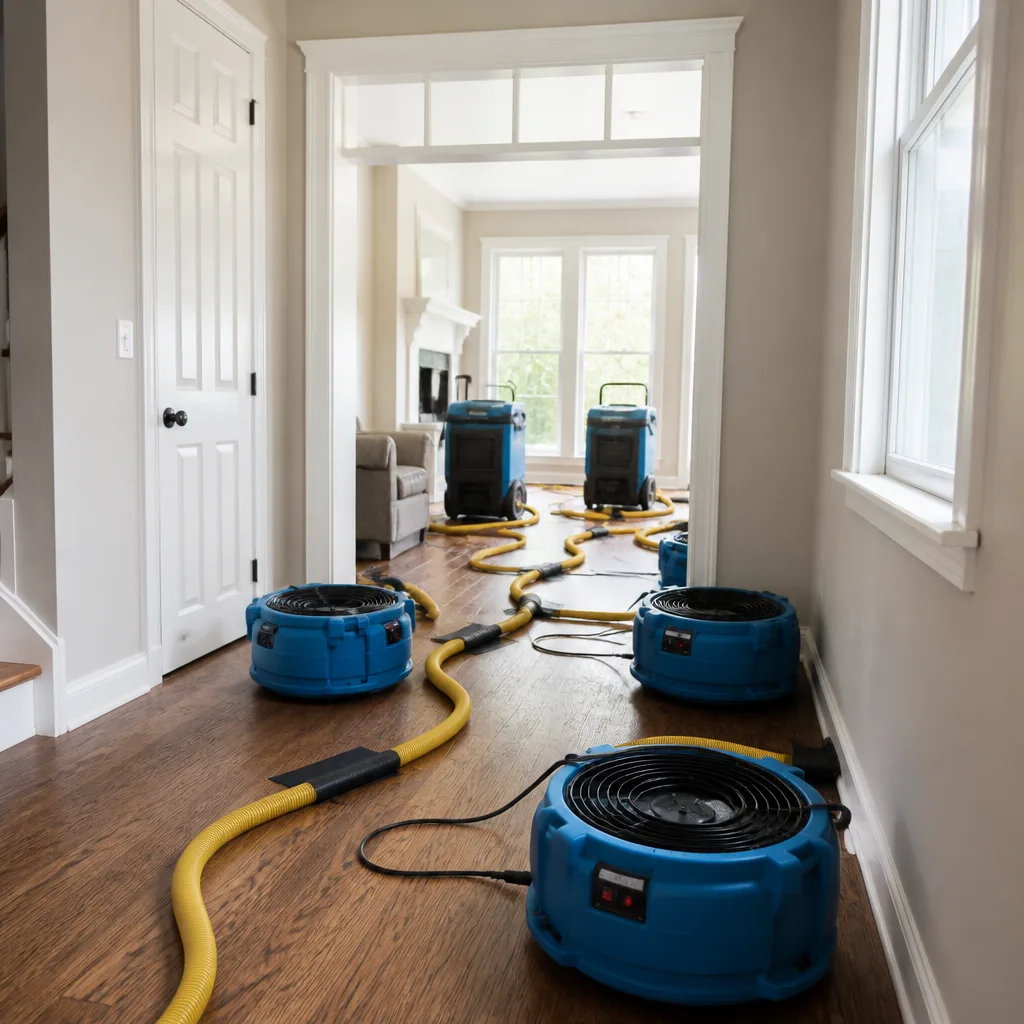





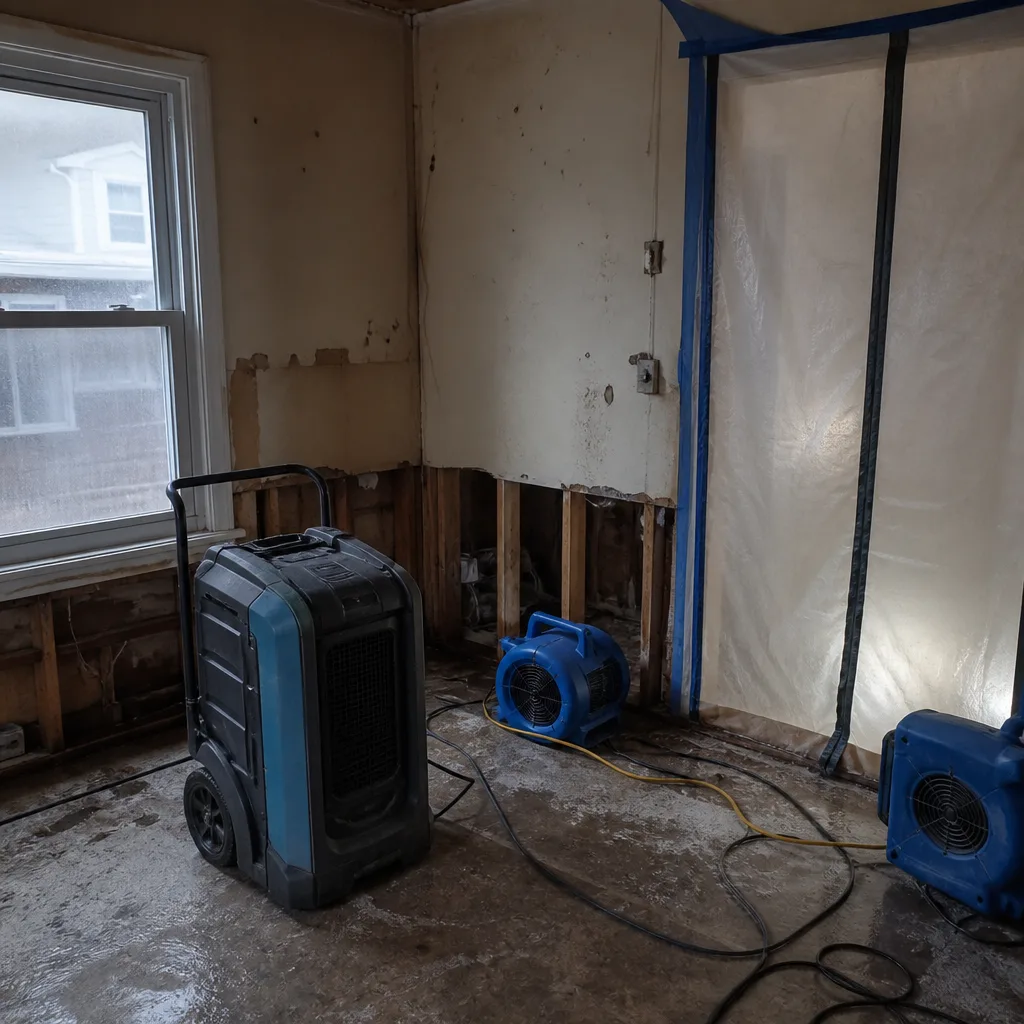 Before
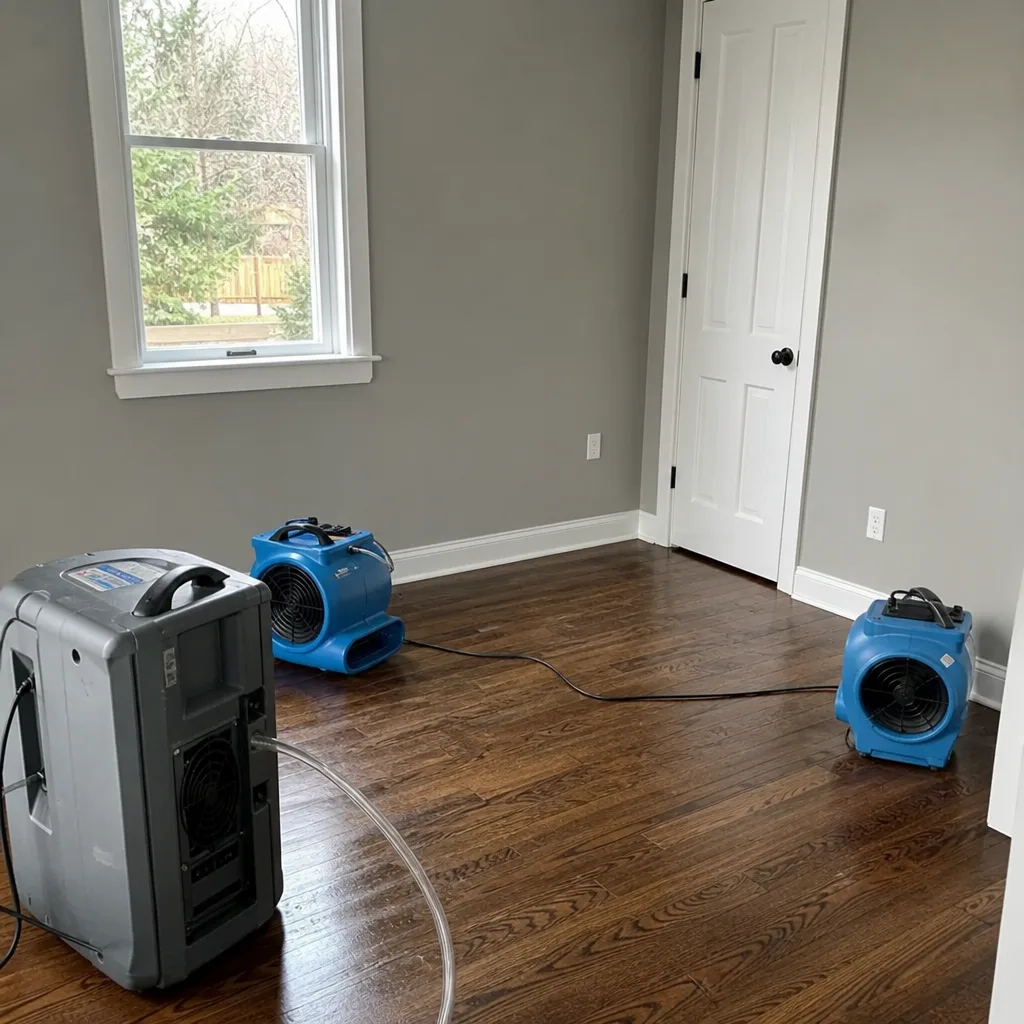 After
After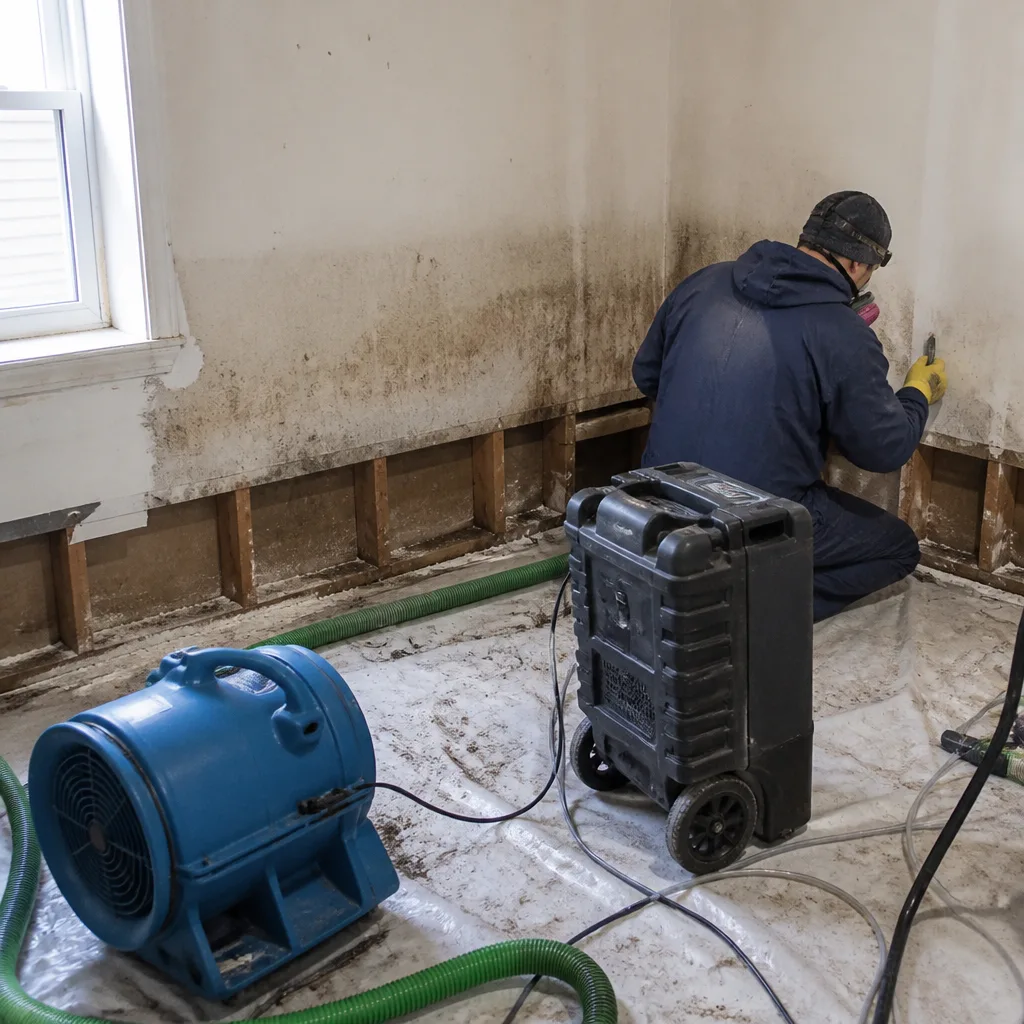 Before
 After
After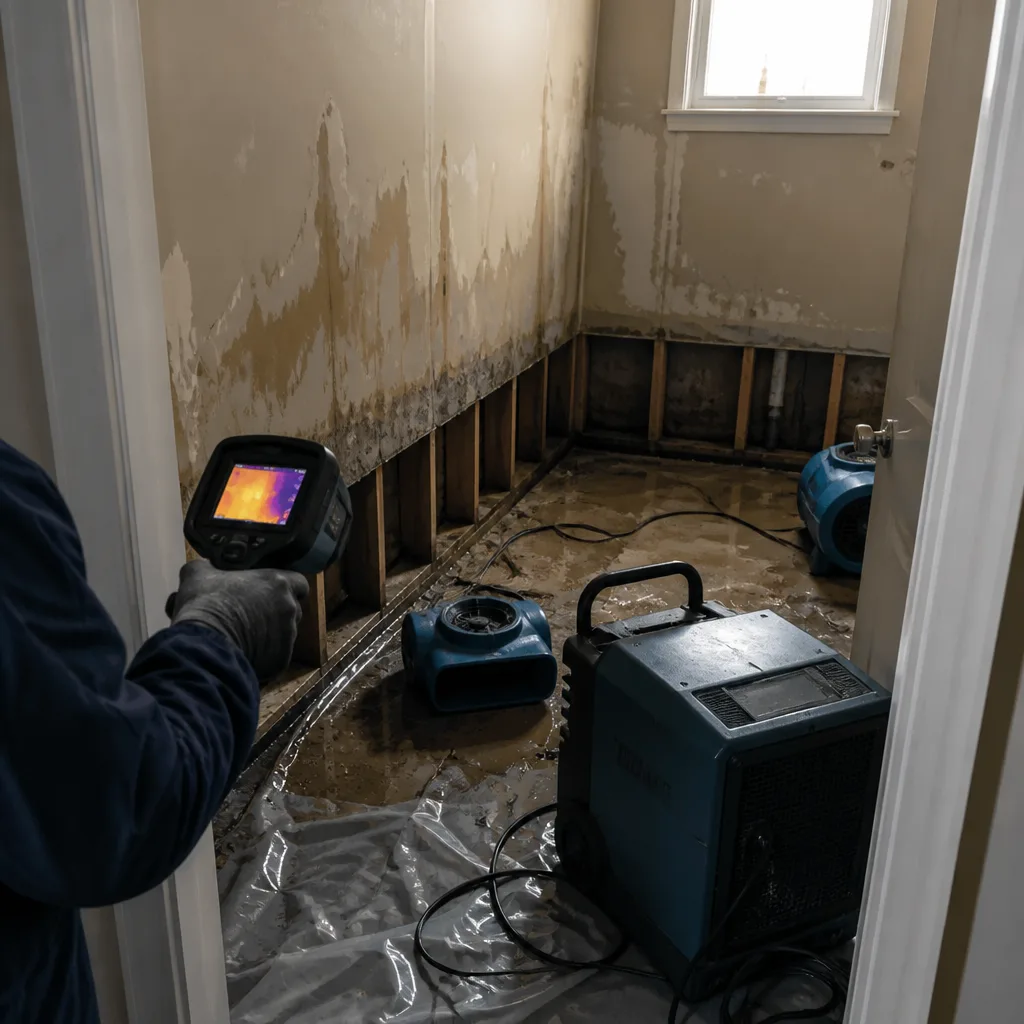 Before
 After
AfterSeasonal Damage Restoration Care for Harrison: Year-Round Homeowner’s Guide
More Harrison restoration calls come in the week after the first hard freeze than any other time of year. Not because the freeze caused the damage, but because it finally exposed the slow leak that had been building since October. That’s the pattern we see every year, and it’s why this complete guide to damage restoration in Harrison exists. You’ll learn the specific failure points that open up in Harrison homes each season, when to check them, and what a few hours of targeted attention can prevent. If you live in Harrison long enough, you learn the damage calendar. This guide puts it on paper.
Quick Answer
Seasonal damage prevention in Harrison comes down to knowing what fails and when: sump systems in March and April during ground thaw, HVAC condensate and window AC units in July and August, gutters and grading in October and November, and the pipe runs along exterior walls in January and February. Each season has a two-to-four-week window where a specific check prevents most of the water damage we see. Spending about six to eight hours a year on these checks, on schedule, will stop the majority of basement intrusions, mold growth, and burst-pipe calls in Harrison, as outlined in our Water Damage Restoration Maintenance Checklist for Harrison Homeowners.
Table of Contents
- Spring: The Sump System Window and Passaic River Flood Zone
- Summer: HVAC Condensate and Window AC Units in Harrison Row Homes
- Fall: The Gutter-to-Foundation Path That Causes Most Harrison Basement Intrusions
- Winter: Pipe Freeze Risk in Harrison’s Older Housing Stock
- Why Your Seasonal Checks Should Be Documented
- What Seasonal Damage Repair Actually Costs in Harrison
- How Insurance Handles Seasonal Damage in Harrison
- Common Mistakes to Avoid
- When to Call a Professional
- Frequently Asked Questions
- The Bottom Line
Spring: The Sump System Window and Passaic River Flood Zone
Harrison sits in a bowl. The Passaic River wraps the town’s western and northern edges, and the water table under much of Harrison sits close enough to the surface that a heavy March rain pushes groundwater into basements even when the river never tops its banks. Homeowners in the river flood zone get this, but the part that surprises people is how many basement intrusions happen on clear, sunny days in late March. The ground thaws, the water table rises, and sump systems that sat idle since November suddenly have to move hundreds of gallons an hour.
The two-week window after ground thaw is when sump systems are most likely to fail in Harrison. Here’s the sequence we watch for:
- The thaw starts. Ground temperatures climb above freezing, usually the third or fourth week of March in Harrison. Frozen soil melts, releasing water that has been locked up all winter.
- The water table rises fast. That meltwater has nowhere to go but down, and Harrison’s clay-heavy soil drains slowly. The water table can climb several feet in a matter of days.
- Sump pumps that sat dormant for months get asked to work hard, suddenly. A pump that ran fine in November may have a stuck check valve, a corroded float switch, or a discharge line still frozen solid the first week of thaw.
- The pump fails or can’t keep up, and the basement takes water within hours. Not dramatic rushing water, just steady seepage through floor cracks and cove joints, but it ruins whatever is on the floor and starts mold growth within 48 hours.
What to do: in the first week of March, before the thaw, pour a five-gallon bucket of water into your sump pit and confirm the pump kicks on within a few seconds and actually discharges outside, away from the foundation. Check the discharge line for ice or debris. If you don’t have a battery backup, that’s the single most valuable addition you can make to a Harrison home’s sump system. Power outages during March storms are common, and a sump pump without backup is just a quiet pipe in the floor.
For Harrison homeowners in the flood zone, the town’s flood maps matter, but they don’t tell the whole story. Streets like Hamilton and Cleveland see basement water even in a 5-year rain event because the storm sewer system backs up before the river ever rises. A check valve on your floor drain is a cheap safeguard. If you’re not sure whether your street is in the practical flood zone, ask neighbors who have lived there twenty years. They’ll tell you.
We’ve handled spring basement flooding across Harrison for nearly two decades, and the pattern never changes. The homes that stay dry are the ones where the owner spends an hour on the sump system the first weekend of March. The rest of this page covers the other three seasons, and you can read more about our approach on the Water Damage Restoration in Harrison page.
Summer: HVAC Condensate and Window AC Units in Harrison Row Homes
Summer water damage in Harrison rarely comes from rain. It comes from the appliances that are trying to keep you cool. HVAC condensate lines and window AC units are the most overlooked water damage source in Harrison row homes and attached housing, and the reason is simple: they leak slowly, behind furniture or inside walls, and nobody notices until the baseboard swells or mold shows up on the wall.
Here’s what happens. Your central air system pulls humidity out of the air as it cools. That condensed water drains through a PVC line, usually into a floor drain or utility sink. In a Harrison row home built before 1950, that line often runs through a wall chase that’s inaccessible and uninsulated. Algae and dust build up in the line over winter while the AC is off. When the system kicks on in June, the clogged line backs up, and water overflows the drip tray, soaking the ceiling below or running down inside the wall. By July and August, when the system is running hard, this is one of the most common calls we get.
Window AC units cause a similar problem in Harrison’s attached housing, where the unit is often the only cooling option. A window unit that’s tilted even slightly inward will drip condensation onto the sill, into the wall cavity, and down to the floor below. Over a full summer, that’s gallons of water inside your wall. The fix is simple: the unit should tilt slightly outward, so condensate drains outside, and you should check the tilt every June.
What to do:
- Pour a cup of white vinegar down your AC condensate line in May and again in August. It breaks up the algae that clogs the line.
- Check the drip tray under your air handler in June. If it’s wet or stained, the line is backing up.
- Check window AC units in Harrison by placing a level on top of the unit. The outside end should sit about a quarter inch lower than the inside end.
- If you’re in an attached row home, check the wall below and around every window unit once a month during summer. Look for soft spots, peeling paint, or a musty smell.
The worst part about summer condensate damage is how quietly it accumulates. By the time you see the baseboard swell or feel the soft spot in the drywall, the water has been running for weeks, and mold remediation is already on the table. If you find yourself at that point, our Mold Remediation in Harrison process starts with finding the source, not just treating the visible growth. The source, in summer, is almost always the AC equipment.
Fall: The Gutter-to-Foundation Path That Causes Most Harrison Basement Intrusions
The single biggest cause of basement water in Harrison is not the river. It’s the gutter on the back of your house that you haven’t cleaned since last fall. The gutter-to-foundation water path works like this: leaves clog the downspout, water overflows the gutter edge, and that water drops straight down along the foundation wall. A single downspout moving water away from the house can displace hundreds of gallons in a heavy October rain. A clogged one delivers that water directly to your footing drain, which may or may not still be working if your Harrison home is over 50 years old.
Harrison’s fall is also when the town gets its heaviest sustained rain, not the short summer downpours. The October-November rain season follows right after the leaves drop, which is precisely the wrong order. Every fall, homeowners get a two-to-four-week window between when the trees drop their leaves and when the first heavy rain arrives. Use it.
Fall checklist for Harrison homeowners:
- Clean every gutter and downspout on the house. Not just the ones you can reach from the driveway. The back gutter is the one that matters most, because that’s where the ground slopes toward the foundation.
- Confirm every downspout extends at least four feet from the foundation. In Harrison’s attached row homes, downspouts often discharge onto a shared walkway between houses, which then drains along the adjoining foundation. A splash block or extension pipe costs less than twenty dollars and solves it.
- Check your grading. Walk the perimeter after the first good rain of fall. The ground should slope away from the foundation for at least four feet. If water pools against the foundation wall or forms a visible path toward the house, the grading has settled and needs attention.
- Check the window wells. Harrison basements with below-grade windows collect leaves and water in the wells. A clogged well drain will overflow through the window casing and into the basement during the first heavy fall rain.
- Test the sump pump again. If you tested it in March and did nothing since, do the bucket test again in October. The fall rain season is the second-highest water-intrusion period in Harrison after spring thaw.
One specific thing we see in Harrison: the attached housing on the east side of town often shares gutter systems between two homes. A clog on one side backs up water onto both foundations, and neither owner realizes the problem started next door. If you’re in an attached home, talk to your neighbor before fall. Offer to have a crew clean both gutters at once. It’s cheaper than two separate calls, and it prevents one of the most common sources of interior wall staining and basement seepage in Harrison row homes.
Winter: Pipe Freeze Risk in Harrison’s Older Housing Stock
Harrison’s housing stock is old. Much of it was built between 1890 and 1940, with masonry walls, uninsulated rim joists, and plumbing runs that were installed decades before modern building codes thought about freeze protection. The pipes that freeze in Harrison are not the ones in the middle of the house. They’re the ones in the wrong walls: kitchen sinks on exterior walls, bathroom supply lines running through unheated crawl spaces, and hose bibs that were never shut off from inside.
The interior temperature threshold that matters is not the number on your thermostat. It’s the temperature inside the wall cavity where the pipe actually lives. On a 20-degree night in Harrison, an exterior wall with a plumbing pipe can stay well below freezing even if your living room is 68 degrees. That’s why “keep the heat on” is not enough. You have to keep heat moving into the wall cavity, and that means opening the cabinet doors under any sink on an exterior wall so room air reaches the pipes behind them.
Which pipes freeze in Harrison homes:
- Kitchen sink supply lines on exterior walls. The most common freeze location in Harrison’s older homes. The cabinet door closes, the wall is uninsulated, and the pipe runs right against the brick.
- Bathroom supply lines in homes with additions. Additions built in the 1950s and 60s often ran plumbing through what is now an exterior wall, with no insulation and no access panel.
- Hose bibs. Every fall, someone forgets to shut off the interior shutoff valve, disconnect the hose, and drain the bib. The pipe freezes, then bursts. The burst usually happens in the wall, not at the bib, and you find out in April when you turn the hose back on and water pours into the basement.
- Pipes in unheated crawl spaces. Homes with crawl spaces, especially on Harrison’s perimeter streets, often have water lines running through spaces that drop below freezing whenever the outside temperature stays under 25 degrees for more than 48 hours.
The week after the first hard freeze is when we get the calls. Not because the freeze broke the pipe, but because the freeze found a pinhole leak or a weak joint that had been seeping slowly for months. Cold water makes pipes contract. The contraction opens hairline cracks. Then the thaw comes, the water starts moving, and the slow seep becomes a visible leak. In one Harrison home, the leak had been running inside a wall cavity since mid-October, but the homeowner didn’t notice until the freeze-thaw cycle pushed it through the ceiling below.
If you suspect a slow leak inside a wall, don’t cut into the wall yourself to look. Call someone who can diagnose it without demolition. A moisture meter and thermal imaging will identify the source without opening up the wall. We take moisture readings every day on every water damage job in Harrison and hand the homeowner the full log at the end. You deserve to know exactly where the water went and where we’re drying it out.
Why Your Seasonal Checks Should Be Documented
Most Harrison homeowners do these seasonal checks and never write anything down. Then a pipe bursts in January, and the adjuster asks “what was the condition of the system before the failure?” and the homeowner has nothing but a memory. That’s a weak position. The same homeowner who spends ten minutes photographing a sump pump test in March, writing down the date, and keeping a folder has a documented maintenance history that directly strengthens their insurance position.
Here’s how to use each seasonal check as a documented record:
- Photograph everything. The sump pump running, the clean gutter, the downspout extension, the AC drip tray, the open cabinet doors under your kitchen sink. Phone photos are fine. They’re timestamped and they prove you did the work.
- Write down what you did and what you found. A simple note on your phone: “March 4, tested sump pump with bucket, discharged properly, replaced check valve.” That sentence is worth more in an insurance conversation than an hour of explanations.
- Keep receipts for any replacement parts or professional service. A fifty-dollar check valve from March becomes evidence of reasonable care if you file a claim in October.
- Document what you did NOT do, too, if you meant to. If you noticed a gutter issue in October and called a contractor who couldn’t come out until November, write that down. It shows intent and a timeline.
Insurance adjusters look at maintenance history because they have to determine whether a loss was sudden and accidental or the result of long-term neglect. Harrison homeowners who can show a maintenance log are far more likely to have a claim approved without friction. It’s not about being perfect. It’s about showing you were reasonable. Reasonable homeowners get the benefit of the doubt.
What Seasonal Damage Repair Actually Costs in Harrison
If you skip the seasonal checks and something fails, here’s what you’re looking at in the Harrison market, with figures from our Damage Restoration Cost Breakdown: The Harrison Homeowner’s Reference for 2026. These are ranges from jobs we’ve handled across town over the years, not national averages. Local pricing reflects the age of Harrison’s housing stock, the density of attached homes, and the cost of accessing tight spaces in older construction.
| Repair Type | Typical Cost Range in Harrison | What Drives the Price |
|---|---|---|
| Sump pump replacement | $450 – $900 | Pedestal vs. submersible, battery backup, discharge line length |
| Gutter cleaning (full house) | $150 – $350 | Height, linear footage, degree of clogging |
| Downspout extension or splash block | $20 – $150 | Material, distance from foundation |
| AC condensate line clearing | $100 – $250 | Access difficulty, degree of clog |
| Pipe burst repair inside wall | $800 – $2,500 | Wall access, drywall repair, repainting, whether the leak caused secondary damage |
| Basement water extraction and drying | $2,000 – $5,000 | Square footage, water depth, saturation level, number of rooms affected |
| Mold remediation (visible growth) | $1,500 – $6,000 | Type of mold, affected area, whether it’s behind walls, containment requirements |
These are repair costs after the fact. The prevention work, by contrast, costs almost nothing. A sump pump test is a five-gallon bucket of water. Gutter cleaning is a ladder and forty minutes if you’re comfortable on one, or two hundred dollars if you’d rather not be. The cost comparison between prevention and repair is so lopsided that most Harrison homeowners, once they see it on paper, choose prevention. Decades of experience on both sides of that equation will make anyone a believer.
If you already have water in the basement, don’t wait for an estimate to start mitigation. The first 48 hours are what determine whether you’ll need mold remediation down the line. Wade’s Restoration home page has more on how we work, but the short version is that we answer the phone at any hour and can have extraction running quickly.
How Insurance Handles Seasonal Damage in Harrison
Insurance coverage for seasonal water damage depends almost entirely on the cause. A sudden pipe burst is generally covered by a standard homeowner’s policy. A slow leak that has been seeping inside a wall for months is often denied as “lack of maintenance” or “long-term seepage.” The difference between the two is usually documentation, which is why the seasonal check log matters so much.
What we tell Harrison homeowners about insurance:
- Sudden and accidental is covered. A pipe that freezes and bursts in January is the classic example. The insurance company sees this as an unpreventable event, assuming you maintained reasonable heat in the home.
- Gradual damage is harder. A slow AC condensate drip that ruins a wall over three months will likely be denied or restricted. The insurer’s position is that a reasonable homeowner would have noticed the moisture before it became extensive.
- Mold from covered water damage is usually covered. If the water event itself is covered, the resulting mold remediation typically is too, but the policy may have a sub-limit. In Harrison, policies with mold sub-limits of $5,000 to $10,000 are common.
- Flood water is not covered by homeowner’s insurance at all. River flooding from the Passaic requires a separate flood insurance policy through the National Flood Insurance Program. This is a critical distinction for Harrison homeowners in the flood zone.
If you file a claim, the process is smoother when you can speak to the exact event, the date, and what you did before and after. We deal with adjusters directly on every job, so you’re never the one stuck relaying information between two sides. We also photograph everything, document moisture levels daily, and present the full log to the adjuster. That level of documentation makes a difference in claim outcomes. Ask any Harrison homeowner who’s been through it.
Common Mistakes to Avoid
- Waiting until you see water to think about water. By the time water is visible on the floor or the wall, the intrusion has been active for hours or days. The seasonal check is designed to catch problems before they become visible.
- Assuming the sump pump works because it worked last year. Pumps fail in predictable ways: corroded switches, stuck check valves, frozen discharge lines. The only way to know is to test it, every season.
- Cleaning only the gutters you can see from the ground. The back gutter and the gutter between attached homes are the ones that cause Harrison basement intrusions. If you’re only cleaning the front, you’re skipping the part that matters.
- Leaving the hose connected to the hose bib all winter. This is the single most preventable pipe burst in Harrison. Shut off the interior valve, disconnect the hose, and drain the bib before the first hard freeze.
- Documenting your maintenance checks in your head. If the insurance company asks for proof of maintenance, your memory doesn’t count. Photos and written notes count.
- Fixing visible water damage without addressing the source. Replacing a stained ceiling tile without fixing the leak above it is a guarantee that you’ll replace the tile again in three months, and the second time you’ll also be dealing with mold.
- Waiting to call a mitigation team because you’re worried about cost. Every hour of delay in water mitigation adds to the final cost. Drying equipment is cheaper than mold remediation.
When to Call a Professional
Some seasonal damage is beyond what a homeowner should handle. Call a professional if you see water coming through the foundation wall, if the sump pump fails during a storm with water already in the pit, if you smell mold or gas near a water heater that’s been wet, or if a pipe has burst inside a wall and you can’t shut off the water at the fixture level. Safety matters: if water has reached electrical outlets or the electrical panel, shut off power at the main breaker and get out of the water before doing anything else.
Wade’s Restoration offers free estimates in Harrison. Call (856) 501-6142 and Wade Ferris will answer the phone himself, any hour, any day. He’ll tell you whether it’s something you can handle with a bucket and a fan or something that needs equipment. No charge for that conversation.
Frequently Asked Questions
The most common source of water damage in Harrison is the gutter-to-foundation path: clogged gutters overflow, water collects at the foundation, and the basement takes on water through the cove joint or floor cracks. After that comes sump pump failure during spring thaw and AC condensate line clogs in summer. All three are preventable with seasonal maintenance.
Test your sump pump seasonally: once in early March before the spring thaw, once in October before the heavy fall rain season, and once mid-winter to confirm the discharge line hasn’t frozen. A five-gallon bucket of water poured into the pit is the standard test. If the pump doesn’t kick on or discharge properly, replace it or call for service before you need it.
A sudden pipe burst is generally covered by standard homeowner’s insurance in Harrison, assuming the home had reasonable heat at the time. A slow leak that has been running for weeks or months is far more likely to be denied as a maintenance issue. That’s why documenting seasonal checks matters so much: it shows the insurer you were maintaining the home.
Yes, if you live in the designated flood zone, standard homeowner’s insurance does not cover any water that comes from the river rising over its banks. You need a separate policy through the National Flood Insurance Program. Homes on Harrison’s perimeter streets should check their flood zone designation carefully, because storm sewer backup can flood basements even in homes that are technically outside the mapped floodplain.
Check the wall below and around the unit once a month during summer. Look for soft drywall, peeling paint, a musty smell, or visible water staining. Check the tilt with a level: the outside end should sit slightly lower than the inside end. If the unit tilts inward, condensate is running inside your wall. Fix the tilt and check the wall for hidden damage.
First, shut off electricity to the affected area if water is near outlets or the panel. Second, call a restoration company immediately: the first 48 hours determine whether mold will develop. Third, document everything with photos for your insurance claim. Wade’s Restoration answers calls 24/7 and can have extraction running quickly. Call (856) 501-6142 for a free estimate.
The Bottom Line
Harrison’s damage calendar runs on a predictable rhythm: sump systems in March, condensate lines in July, gutters in October, pipes in January. If you spend a few hours on each seasonal check, and write down what you did, you’ll stop most of the damage before it starts and be in a far stronger position with your insurance company if something still goes wrong. The homeowners who do this never become the panicked voice on the phone at two in the morning. For more guides & resources on protecting your Harrison home, see our blog. The ones who don’t are the ones Wade Ferris meets in knee-deep basement water, and he doesn’t mind that work at all. But he’d rather meet you at the hardware store on a Saturday morning, not in an emergency. That’s the whole point of this guide.
Written by Wade Ferris, Owner at Wade’s Restoration, serving Harrison since 2007.