
Last updated August 27, 2026
Free visual inspection and a written scope of work before any mitigation begins - photos, moisture readings, and drying logs go in your claim file
The scope we write is the scope we bill. Anything new gets shown to you, in writing, before we touch it.
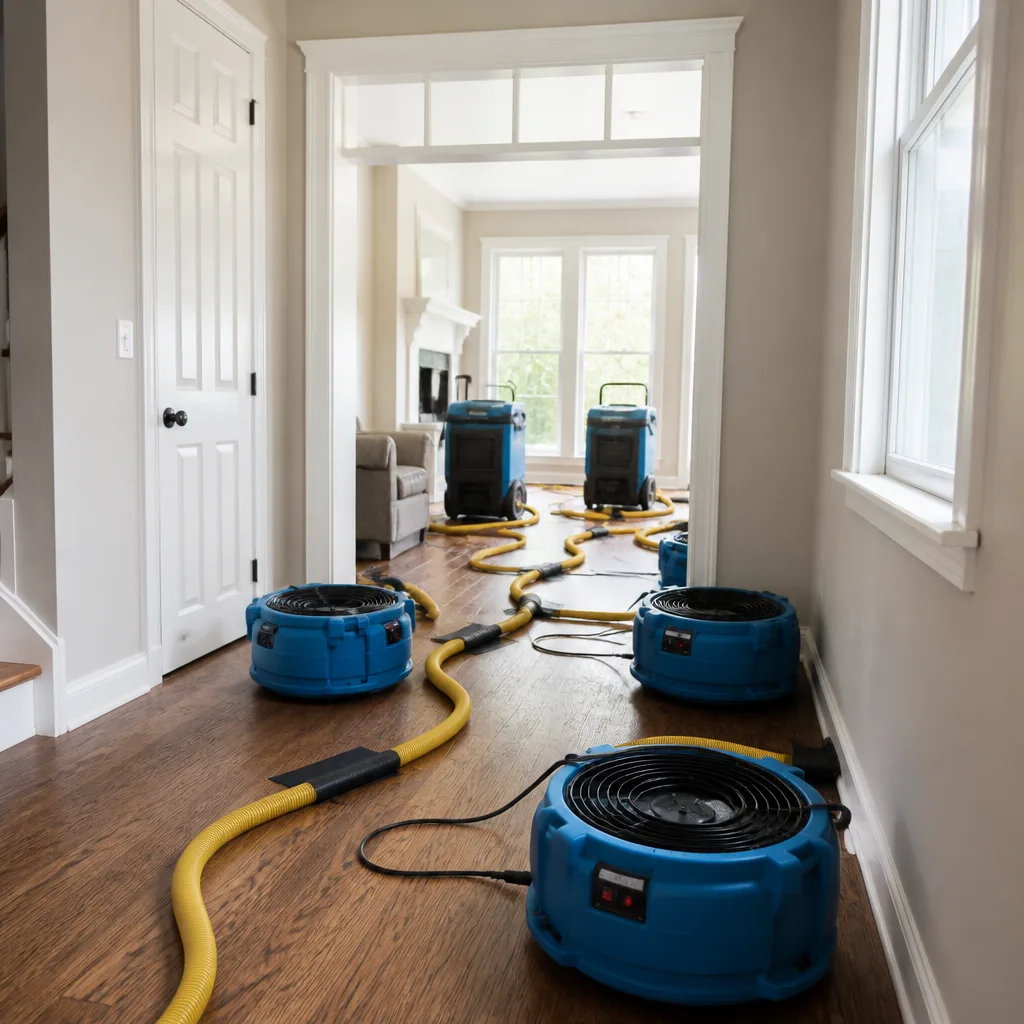




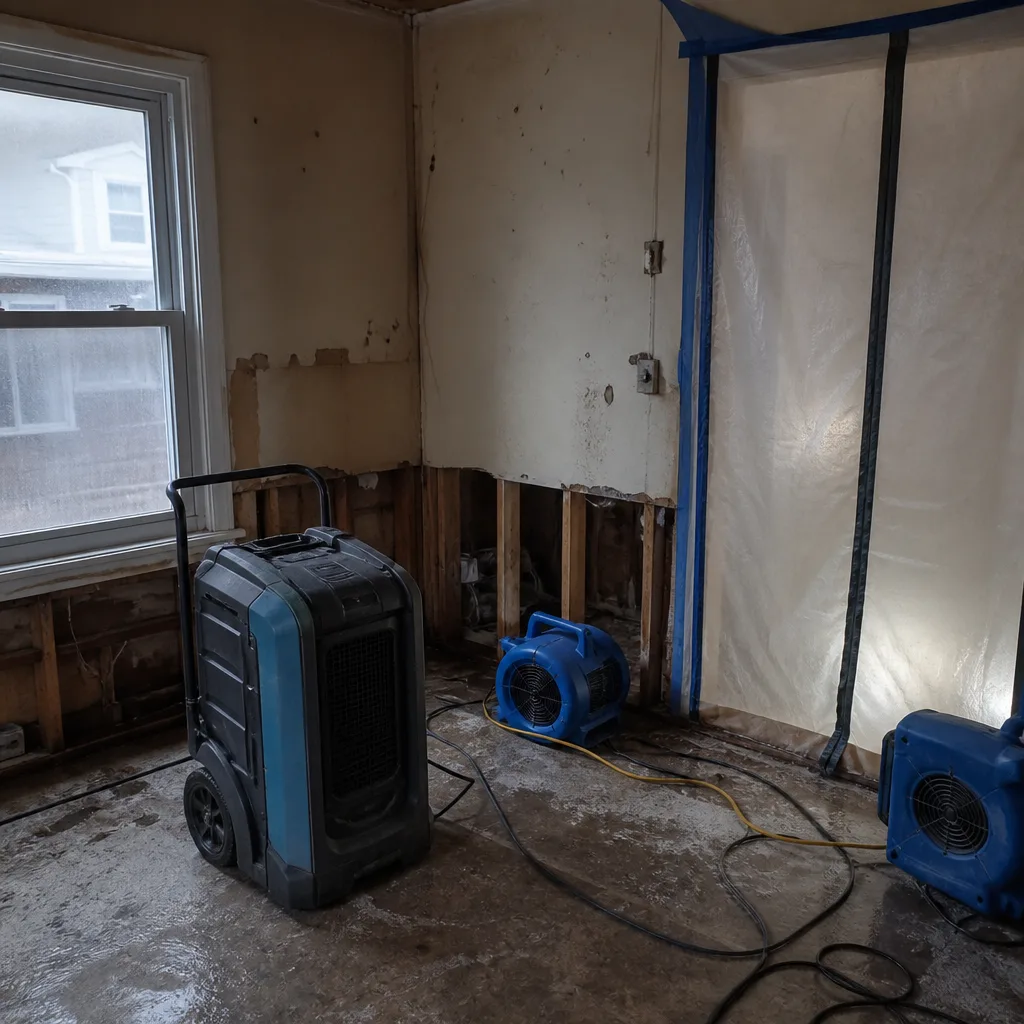 Before
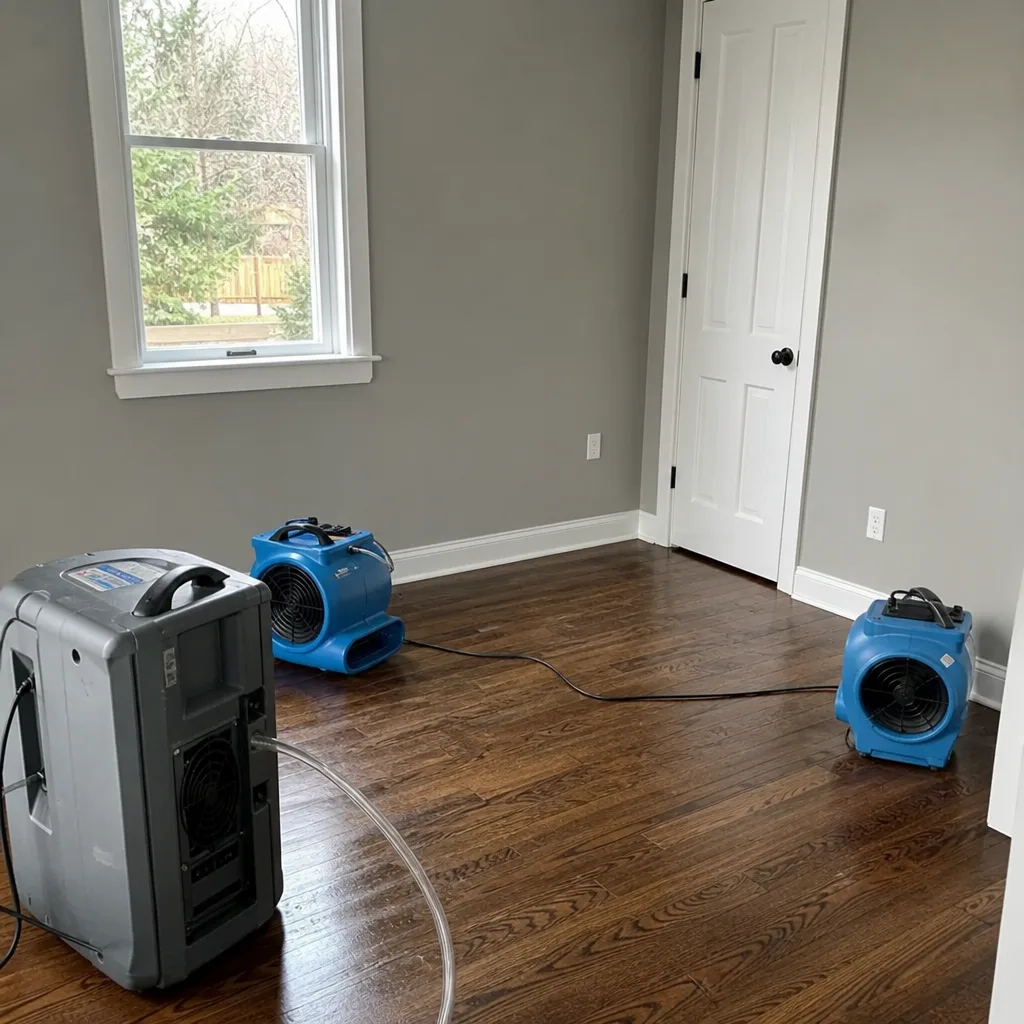 After
After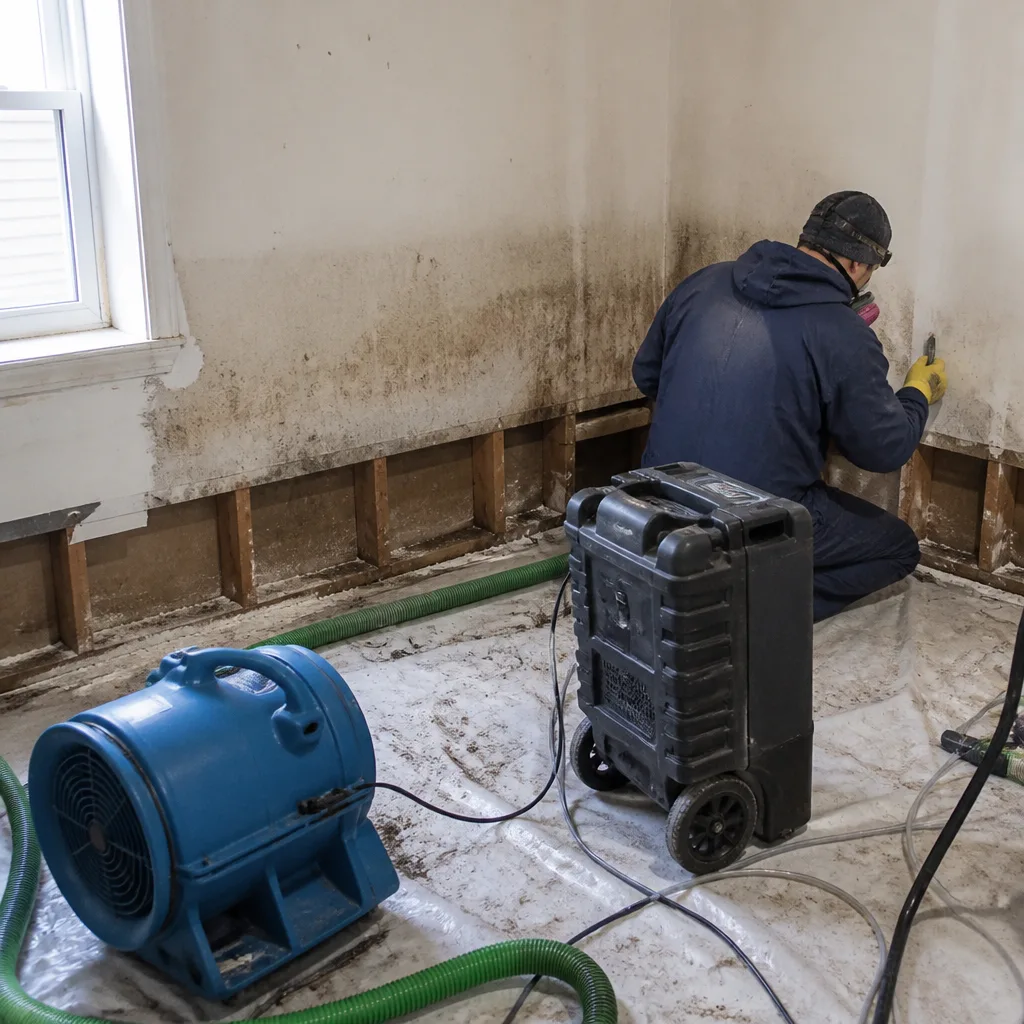 Before
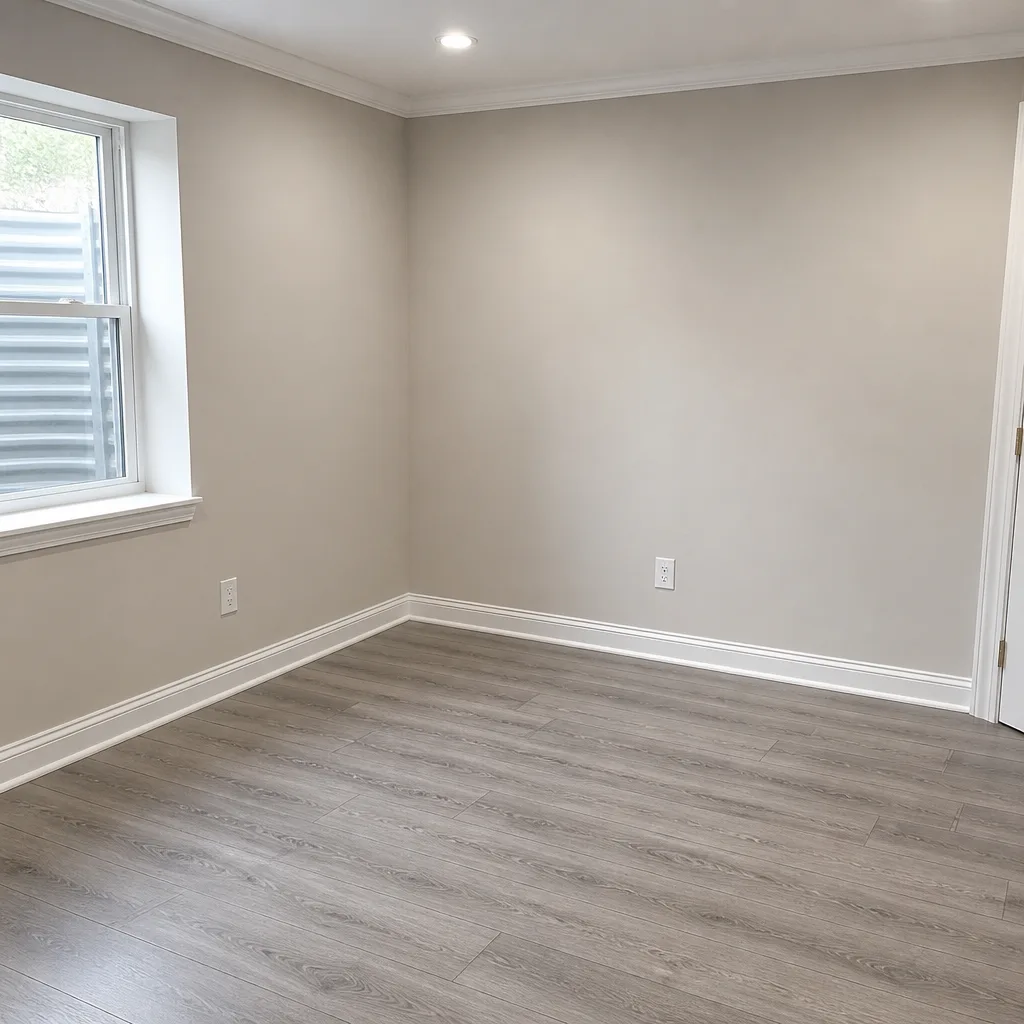 After
After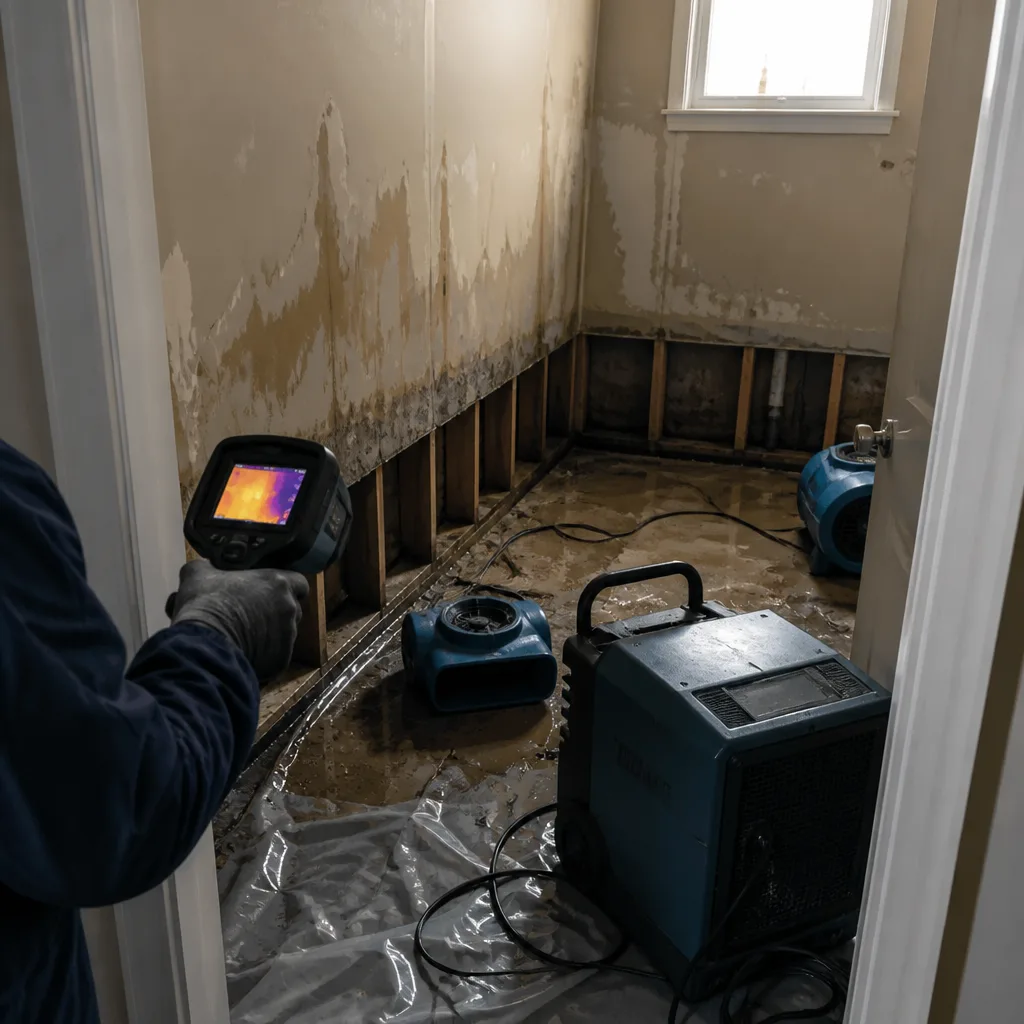 Before
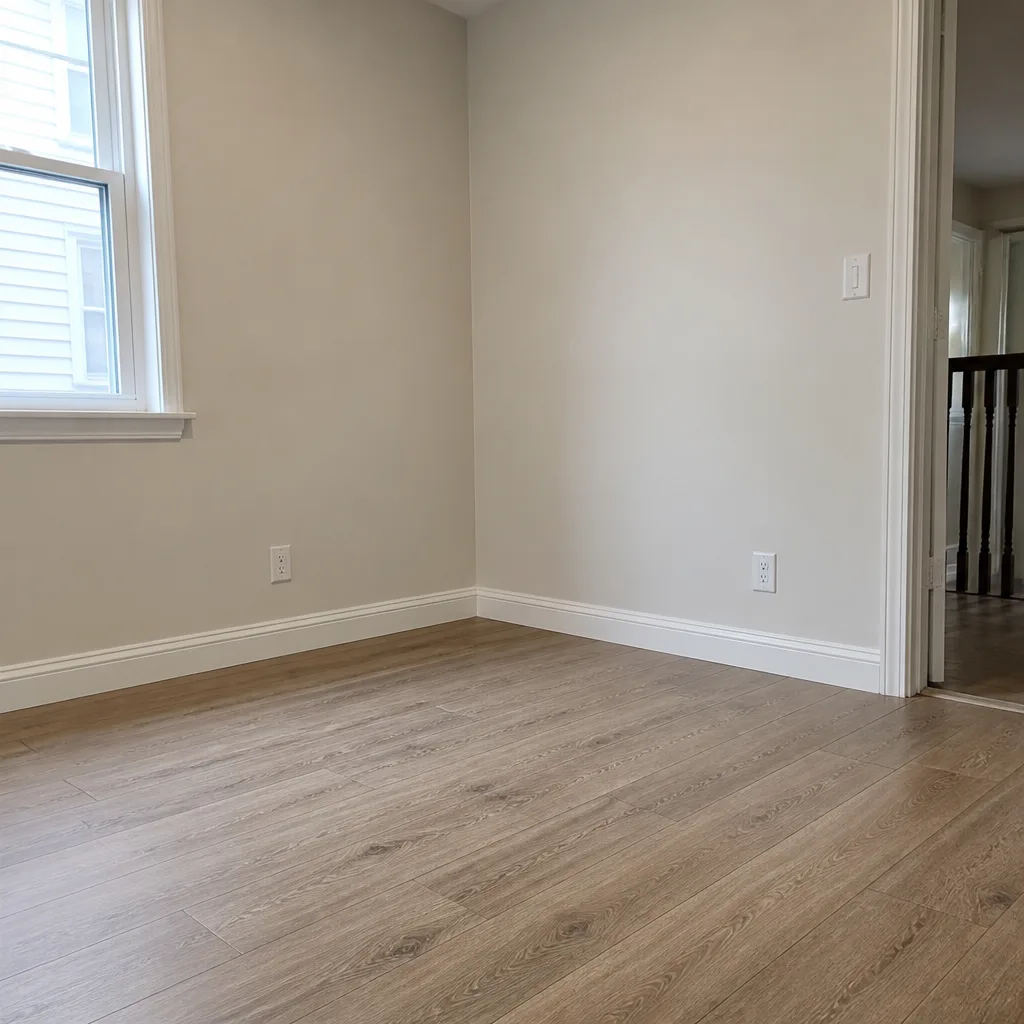 After
AfterHow to Hire a Damage Restoration Contractor in Harrison: A Step-by-Step Guide
Here’s the counterintuitive truth most Harrison homeowners learn the hard way: the restoration contractor who shows up first to your emergency isn’t necessarily the best one. They’re often the one with the biggest marketing budget, a fleet of wrapped vans idling at headquarters, and a dispatcher whose only job is to beat everyone else to your front door. Speed matters when water is spreading through your floor joists, but the contractor who charges out of the gate at 2 a.m. may also be the one who hands you a contract you can’t read through the adrenaline. This guide walks through the actual decision points you’ll face when hiring a damage restoration contractor in Harrison, from the first panicked call to the final walkthrough, with the specific questions that separate a straight-dealing local operator from a franchise that treats your home like a work order. For a deeper overview, see The Complete Guide to Damage Restoration in Harrison.
Quick Answer
Hiring a damage restoration contractor in Harrison comes down to five checks before you sign anything: verify their New Jersey Home Improvement Contractor registration, confirm they’ll communicate directly with your insurance adjuster, ask to see their moisture documentation process, read the warranty for defined callback terms (not vague promises), and make sure the person quoting the work is the person who will actually show up to do it. A local owner-operator you can reach by cell phone will beat a national call center every time. Call a locally owned Harrison restoration company before the damage spreads, and never sign a contract that requires full payment before drying is confirmed.
Table of Contents
- The First Call: Who Actually Answers the Phone
- The Insurance Company’s ‘Preferred Vendor’ List: What It Really Is
- Five Questions That Reveal Everything About a Contractor
- What a Legitimate Moisture Log Looks Like
- Post-Storm Hiring in Harrison: The Red Flags That Matter
- Warranties: A Promise vs. an Enforceable 90-Day Guarantee
- How Pricing Actually Works in Restoration (and What Should Scare You)
- Common Mistakes to Avoid
- When to Call a Professional
- Frequently Asked Questions
The First Call: Who Actually Answers the Phone
When you call a restoration company in Harrison at 11 p.m. on a Tuesday because your water heater just emptied its entire 50-gallon tank into the finished basement, the person who picks up tells you more than any website ever will. If you reach a national call center, you’ll get a polite script and a vague promise that “someone will be in your area within 24 to 48 hours.” If you reach an owner-operator, you’ll get a real person who can answer questions about your specific situation right then. That distinction is the single most reliable indicator of how the entire job will go.
In our experience, homeowners who call a local owner-operator in Harrison get answers the same night: where to shut off the water, whether to cut power to the affected area, what to move out of the path of extraction. That’s not a sales pitch. That’s what happens when the person answering the phone has actually stood in hundreds of flooded basements in this town and knows that the water in a Harrison home with a fieldstone foundation moves differently than it does in a slab-on-grade rancher two towns over. Water damage restoration in Harrison is not a generic service. It’s architecture-specific, and your foundation type changes the drying strategy.
Before you agree to anything, ask the person on the phone three things: their New Jersey Home Improvement Contractor registration number, how quickly they can physically be at your address, and whether the estimate is free. If they hesitate on the registration number or tell you they’ll “send someone to take a look,” hang up. In New Jersey, a legitimate restoration contractor carries an HIC registration, and a legitimate local operator will tell you the number without putting you on hold to look it up. Beyond registration, you want to know you’re dealing with a company that has a published address in the area, not a P.O. box in another state. An owner who publishes his address and his own cell number is betting his reputation in Harrison on doing the job right. That’s the oldest accountability mechanism there is: he knows he’ll run into you at the hardware store on Saturday.
The phone call is also where you learn whether you’re hiring a company or a franchise. A franchise dispatches. A local owner heads out. The difference shows up at your front door within the hour.
The Insurance Company’s ‘Preferred Vendor’ List: What It Really Is
Here’s a hard truth most guides won’t tell you: when your insurance company hands you a “preferred vendor” list after a water or fire loss, they’re not doing you a favor. They’re doing themselves one. Those companies are on the list because they’ve agreed to the insurance carrier’s pricing schedule, scope limitations, and documentation protocols. That means the company working in your home is financially bound to the people who sign the checks, not to you. The conflict is structural, not personal.
Under New Jersey law, you have the right to hire any licensed contractor you choose for restoration work. Your insurance company cannot require you to use their preferred vendor, refuse a legitimate claim because you hired someone else, or deny payment for work that falls within your policy’s coverage. New Jersey’s Unfair Claims Settlement Practices Act, N.J.A.C. 11:2-17, explicitly prohibits insurers from steering claimants toward specific repair shops. If an adjuster tells you “we only work with our approved vendors,” that’s a violation, and it’s worth saying so calmly and in writing.
A local Harrison contractor who deals with adjusters every week knows how to document a loss so the claim survives scrutiny. The homeowner should never be the one translating between the two sides. When you hire a restoration company that commits to talking with your adjuster directly, you step out of the triangle entirely. That’s the position you want: you sign the contract, the contractor and the adjuster hash out scope and documentation, and you get a written summary of what was agreed. Any contractor who avoids adjuster communication or tells you to “just relay what the insurance company says” has just told you who’s actually doing the work of managing the claim. You are.
Five Questions That Reveal Everything About a Contractor
You can ask a hundred questions, but five will tell you almost everything you need to know about how a restoration company will treat your home and your claim. These are the questions to ask on the first call or during the initial walkthrough, before you sign a contract. We’ve listed them in order of importance.
- “Will you communicate directly with my insurance adjuster?” The answer should be an unhesitating yes, with a quick explanation of how it works: the contractor documents the loss, submits the file to the adjuster, and keeps you copied on everything. If the answer is “we don’t get involved with insurance,” you’ll be stuck relaying paperwork between two parties who don’t want to talk to each other. For large claims, you want the contractor to be the one who knows what the adjuster needs before the adjuster asks. Medical-style documentation, photo logs, daily readings. The contractor who says “we handle the adjuster” is taking a weight off your shoulders. The one who says “insurance is your problem” is placing it there.
- “Will the person giving me the quote be the person doing the work?” This question exposes the sales-to-crew gap, which is where most restoration horror stories are born. A company sends a polished estimator with a laser measure and a $200 shirt, and then the actual work is done by a subcontractor crew from two counties away. In Harrison, you want the person who measures the loss to be the person who runs the extraction, or at minimum the person who supervises his own employees on the job. An owner-operator who says “I’ll be there myself” is telling you something about how the next two weeks will go. A company that says “our project manager will coordinate with the crew” hasn’t told you who the project manager is, where they’re based, or whether you’ll ever see them again after you sign.
- “How do you document moisture removal, and do I get that documentation?” This might be the most revealing question in the entire hiring process, because the industry standard is shockingly loose. Many companies pull equipment as soon as the visible water is gone, hand you a final invoice, and call it dry. A legitimate contractor leaves behind a paper trail: daily moisture readings, psychrometric data, and a drying log that shows the affected materials actually hit their target moisture content before equipment came out. When you ask to see an example of what you’ll receive at job’s end, a straight-dealing contractor will show you one. A vague contractor will say “we provide all the necessary documentation” and change the subject. That’s your cue to interview someone else.
- “What’s your callback policy if the problem recurs?” This question tests whether the warranty is real or decorative. The answer should reference a specific time window and a defined process: “We stand behind the work for 90 days. If you see any sign of moisture returning or mold developing in the treated area, call me and I’ll be back. If it’s our work, we fix it.” That’s an enforceable promise. By contrast, “we guarantee our workmanship” with no time frame and no callback definition is a sentence that has never once compelled a contractor to return a phone call. You want the warranty in writing, on the contract, with the window stated in days. Then you want the owner’s signature next to it.
- “What equipment do you run?” The answer should include names you can verify. Professional-grade drying equipment from Dri-Eaz, Phoenix, Injectidry, XPOWER, or B-Air is the industry standard for a reason: consumer-grade fans and dehumidifiers from a big-box store simply cannot move enough air or pull enough moisture to dry structural cavities properly. In Harrison basements, where humidity and tight spaces combine to hide moisture in sill plates and behind finished walls, the difference between an XPOWER commercial air mover and a rental carpet fan is the difference between a dry home and a mold problem that shows up in April. When we do a mold remediation job in Harrison, we use the same professional equipment on the mold as on the underlying moisture, because drying and remediation are the same job done right. A contractor who can name their equipment brands and explain what each machine does is a contractor who thinks about drying as a technical process, not a janitorial task.
These five questions are not about being confrontational. They’re about taking the pressure of the first look and giving it a structure. A good contractor will welcome them. A bad contractor will try to speed past them, which is all the answer you need.
What a Legitimate Moisture Log Looks Like
Most Harrison homeowners have never seen a moisture log, and that’s exactly the problem. The most common way restoration companies cut corners in this town is simple: they pull the drying equipment too early. The visible water is gone, the customer is exhausted, and nobody wants giant fans roaring in the basement for another four days. So the equipment comes out, the invoice goes to the insurance company, and six months later the homeowner is standing in a new mold bloom along the baseboard, wondering what happened.
A legitimate moisture log prevents this. It’s a daily record, taken with a moisture meter, that tracks the moisture content of the affected building materials over the course of the drying job. It shows the initial reading when the technician first assessed the loss, the daily readings thereafter, and the final reading that confirmed each material was within its target dry range before equipment was removed. The log is specific: it identifies the materials tested, their location, the reading in percentage or moisture content, and the date and time of each reading. It’s not a handwritten note on the back of a clipboard sheet that says “Dry 4/3.” It’s a sequential document, and you should receive a copy at the end of the job.
Here is what a legitimate drying sequence looks like, using the kind of numbers we record on a routine basement water loss in Harrison:
- Day 1, 7:45 p.m.: Initial assessment. Hardwood floor in hallway reads 24% moisture content. Carpeted family room subfloor reads 31%. Baseboards and lower drywall in family room read off-scale on initial pins. Equipment placed: 6 XPOWER air movers, 2 Phoenix dehumidifiers, 1 Injectidry mat system for hardwood.
- Day 2, 8:00 a.m.: Hardwood: 22%. Subfloor: 28%. Equipment repositioned to target closet under stairs, which was missed on initial survey. Added 1 B-Air dehumidifier.
- Day 3, 8:00 a.m.: Hardwood: 19%. Subfloor: 25%. Baseboards still elevated; injection drying added behind baseboards.
- Day 4, 8:00 a.m.: Hardwood: 17%. Subfloor: 22%. Baseboard readings approaching target dry standard.
- Day 5, 8:00 a.m.: Hardwood: 15%. Subfloor: 19%. All materials within manufacturer’s acceptable dry standard for this climate. Equipment removed at 11:00 a.m. Final log delivered to homeowner and adjuster.
That’s the document you want. It proves the contractor actually dried the structure, not just the surface. When a contractor can’t provide a moisture log, or the log has gaps, or the final reading is “good enough,” that’s the signal that you’re paying for equipment rental, not drying. In our experience, the daily moisture log is the single most underused accountability tool in the restoration industry. Almost nobody hands it over. We do, and if you hire a restoration contractor in Harrison, you should demand it.
Post-Storm Hiring in Harrison: The Red Flags That Matter
Harrison doesn’t catch the brunt of every coastal storm that rolls up the Eastern Seaboard, but when a nor’easter pushes water up the Passaic River or a thunderstorm drops five inches of rain in four hours, the town’s low-lying streets fill faster than they drain. Our Seasonal Damage Restoration Care for Harrison: Year-Round Homeowner’s Guide breaks down what to watch for each season. That’s when the out-of-state storm chasers arrive. They’re easy to spot if you know what you’re looking for, and knowing matters because these operators are gone before your drywall tells the truth.
The red flags are specific and consistent every time we see them in Harrison after a heavy weather event:
- Out-of-state license plates on unmarked trucks. A legitimate New Jersey contractor will have a registered commercial vehicle. A storm chaser may have a magnetic sign slapped on a rental truck with plates from Texas or Florida. Legitimate local companies do not rent trucks to chase weather.
- No New Jersey Home Improvement Contractor registration. In New Jersey, any contractor performing home improvements, including restoration work, must carry an HIC registration from the Division of Consumer Affairs. It should be displayed on the vehicle and available on request. If the contractor can’t produce it, they’re not legal, and your insurance company will have questions about your claim too.
- Payment demanded before drying is confirmed complete. This is the biggest one. A storm chaser’s business model depends on extracting money before the drying is verified, because verification takes time and time is the enemy of a contractor who plans to be in another state by Friday. Any contractor who asks for full or substantial payment before the drying is demonstrably complete is telling you, in the clearest possible terms, that they don’t intend to stand behind the work. The drying log is the proof, and payment should dissolve against it, not precede it.
- Door-to-door pressure. Legitimate local restoration companies in Harrison don’t go door to door after a storm. They’re too busy answering phones from residents and referrals. If someone knocks on your door with a clipboard and a “complimentary inspection” after a storm, you’re not a customer. You’re a target.
- Contracts with blank scope lines. A contract that says “drying and restoration as needed” is not a contract. It’s a blank check. A legitimate scope of work specifies what will be dried, how, over what timeline, and at what cost. It’s written before work begins, not after the equipment is already in your living room.
After a fire or smoke event in Harrison, the same logic applies, but the urgency shifts. Smoke residue is chemically active and continues degrading surfaces for weeks. A straight-dealing local contractor will document the affected areas, seal off the rest of the structure, and give you a written scope before crews start packing out debris. The out-of-state operator will want payment up front, start demolition before the adjuster has seen the site, and leave you with a gutted house and a denied claim. Asking for the HIC registration and a written scope before work starts is not an inconvenience. It’s the difference between a restoration and a second disaster.
Warranties: A Promise vs. an Enforceable 90-Day Guarantee
Every restoration company says they guarantee their work. Almost none of them write down what that means. The difference between a promise and an enforceable guarantee is the difference between a contractor who comes back when the mold returns and a contractor whose phone number stops working in three months. Here is how to tell them apart before you sign.
A promise sounds like this: “We guarantee our workmanship.” It has no time frame, no defined trigger, no callback process, and no remedy. If the problem recurs, you’re calling a number that may or may not answer, and even if it does, you’re arguing about whose fault it is. A promise is not enforceable because there’s nothing to enforce. It’s a sentence, not a term.
An enforceable guarantee sounds like this: “If the treated area shows evidence of moisture or mold within 90 days of completion, we return, re-assess, and perform any necessary corrective work at no charge. This guarantee is in writing on your contract, and I will personally sign it.” A 90-day guarantee with defined callback terms is enforceable because it’s specific. It says who, what, when, and at whose cost. It gives you a document you can hold up in small claims court if the contractor ghosts you. It also signals something subtler: the contractor is confident enough in his process to put his name on a piece of paper with your address on it.
Wade’s Restoration operates under a 90-Day Done Right Promise on every water, fire, and mold restoration job. If it’s not done right, we make it right. That promise is stamped in writing on every restoration contract, with the 90-day window stated plainly and a single phone number to call. One call brings Wade back. We put that in writing because we mean it, and because a warranty that isn’t in writing isn’t worth the paper it’s not printed on. When a contractor in Harrison tells you they guarantee their work, ask them to write down the 90-day window and sign it next to yours. If they won’t, you have your answer.
How Pricing Actually Works in Restoration (and What Should Scare You)
Restoration pricing is not like painting or flooring, where you get a flat quote per square foot and the job is done. Restoration pricing is dynamic, because a water loss is dynamic. The initial estimate covers what the technician can see on day one. What lies behind the drywall, under the hardwood, or inside the wall cavities is often discovered after the drying begins. A legitimate contractor in Harrison explains this before work starts and documents changes as the scope evolves. A shady contractor banks on your confusion and inflates the final bill as hidden damage “surprises” appear.
Here is a realistic range for common restoration line items in the Harrison market, based on what we see locally:
| Service | Typical Harrison Market Range |
|---|---|
| Emergency water extraction (single room) | $400-$900 per incident |
| Structural drying (equipment leased daily, 3-5 days typical) | $150-$400 per day |
| Mold remediation (post-remediation verification included) | $1,500-$5,000+ depending on affected area |
| Fire and smoke cleanup (content pack-out and cleaning) | $2,500-$8,000+ depending on scale |
| Full basement rebuild after water loss | $8,000-$25,000+ depending on finish level |
Those numbers vary with the size of the loss, the age of the home, and the materials involved. A hundred-year-old Harrison row house with plaster walls and original hardwood is going to cost more to restore than a 1990s rancher with drywall and laminate. What should scare you is not a high number. What should scare you is an estimate that arrives before the technician has seen the actual job. Any contractor who quotes a firm price over the phone for a water loss, before seeing the site, is guessing. And a contractor who guesses on price is a contractor who will guess on drying too.
A few other pricing flags to watch in Harrison: a contractor who asks for a large deposit before any equipment is on site (legitimate restoration work is typically billed to insurance or in milestone payments), a contractor who offers a discount for “today only” or puts time pressure on the signature, and a contractor who will not put the scope in writing. Every one of those is a tell. For a straight-dealing restoration contractor, the scope is written, the pricing is specific, and the payment schedule follows completed milestones. Nothing gets paid before the drying log confirms the structure is dry. That’s the standard. Anything less is a bet, and you’re the one covering the bet.
Common Mistakes to Avoid
- Calling your insurance company first. You have a contractual obligation to report the loss promptly, but calling the adjuster before you call a restoration contractor means the damage has more time to spread. In a water loss, every hour counts. Call a local Harrison contractor first so extraction can begin, then call your insurer while the equipment is already running. A local owner-operator can have extraction running inside the hour, and that’s an hour faster than the insurance company’s “preferred” vendor will be.
- Signing anything in the first ten minutes. During an emergency, your fight-or-flight response is running. You’re not reading fine print. You’re trying to make the water stop. A contractor who pressures you to sign immediately, before the scope is written, is counting on exactly that. A legitimate contractor wants you to understand the contract, and will give you the document to read before you sign. If you’re being rushed, that tells you everything.
- Ignoring the moisture documentation. The drying log is not a formality. It’s the only proof that the job was actually done. When a contractor says they “don’t provide detailed logs” or “you don’t need to worry about that,” what they mean is that they prefer not to leave evidence behind. Demand the log. Get it in writing that you’ll receive a copy at job’s end. If the contractor balks at this request, walk away before you walk into a mold problem.
- Choosing the cheapest estimate because you’re overwhelmed. In restoration, the cheapest estimate is often the one that skips the documentation, skips the adjuster communication, and cuts the drying short. You will pay for the savings six months later in mold remediation, which costs more than the water damage restoration job ever did. In Harrison’s humid climate, mold moves fast, and a shortcut today becomes a remediation tomorrow.
- Believing that “we’re on your insurance company’s list” means anything good. It means the contractor has agreed to the insurance company’s pricing. It does not mean the insurance company has done any quality screening. The list is a cost-control mechanism, and you should treat it that way. Your rights under New Jersey law are clear: you choose the contractor. Choose the one who answers to you, not to a claims department in another state.
- Not checking that the contractor has a physical address in New Jersey. A P.O. box or a cell number from another area code is not a local business. After the work is done, you want to be able to walk into a real office or knock on a real door if something goes wrong. In Harrison, a local contractor’s address is a phone book listing away. If you can’t find the address, you can’t hold the contractor accountable.
- Hiring for the emergency and staying for the rebuild. The contractor who does a great job with emergency water extraction is not automatically the right contractor for the full remodel, and vice versa. In our experience, the best restoration outcomes in Harrison happen when the same local operator handles both, because the same person who documented the moisture damage is the one rebuilding the wall, and there’s no gap between the people who know the house and the people who cover it with fresh drywall. But that’s only true if the operator is actually qualified for both. Ask the question, and verify the answer.
When to Call a Professional
There are damage scenarios where waiting to evaluate your options is itself the wrong decision. If water has been standing in your Harrison home for more than a few hours, if sewage is involved, if you see visible mold growing on any surface, or if a fire has left smoke residue coating your walls and contents, a professional restoration contractor is not a luxury. It’s the only move that prevents the damage from compounding. In each of these cases, the first 24 hours determine the total cost and total disruption. A Harrison homeowner who waits through a weekend before calling a restorer has, in effect, chosen the larger job. The water doesn’t wait because you’re thinking it over. Neither does the mold.
The simplest test is this: if the damage covers an area larger than a bathroom, if it involves materials you can’t see behind or beneath, or if you have any doubt at all about whether the structure is dry, call someone who has the equipment to find out. A free estimate costs you nothing except the phone call. And if the contractor tells you the job is small enough to handle yourself, a straight-dealing local operator will say that too. Not every water stain needs a full restoration. But every water stain needs a professional look. Wade’s Restoration offers free estimates in Harrison – call (856) 501-6142 and we’ll give you a straight answer, even if the answer is that you don’t need us.
Frequently Asked Questions
In most cases, a standard homeowners policy in New Jersey covers sudden and accidental water damage, such as a burst pipe or a failed water heater. Damage from gradual leaks, lack of maintenance, or flood water entering from outside typically requires separate flood insurance. Your restoration contractor should be willing to communicate directly with your adjuster to document the loss in a way that supports your claim. Call (856) 501-6142 and we’ll walk through what your policy likely covers before you sign anything.
A locally owned and operated company that answers its own phone can have someone at your door within the hour, and equipment running shortly after. National chains typically quote 24 to 48 hours for dispatch because they’re routing crews from regional hubs, not local storefronts. In a water loss, those 24 to 48 hours are the difference between a drying job and a mold remediation job. When you call Wade’s Restoration, Wade answers the phone himself, 24 hours a day, and can be on the road quickly because his equipment isn’t sitting in a warehouse three counties away.
If you see visible mold on any porous material like drywall, carpet, or insulation, cleaning the surface is not enough. Mold roots penetrate below the surface, and a surface wipe leaves the colony intact. A legitimate mold remediation follows IICRC standards: contain the affected area, remove and dispose of contaminated porous materials, clean and treat the remaining surfaces, and verify the result with post-remediation documentation. For a mold remediation quote in Harrison, call (856) 501-6142 – estimates are free and we’ll tell you honestly if a cleaning will actually solve the problem.
Ideally, your restoration contractor does. A contractor who documents the loss, communicates directly with the adjuster, and keeps you copied on the correspondence is doing part of the job you’re paying for. If your contractor says “insurance is between you and your agent,” you’ve just inherited a second full-time job, and the two parties on either end of it may have conflicting incentives. At Wade’s Restoration, we deal with adjusters every week – we know exactly what documentation they need, and we get it to them. You should not be the middleman in your own claim.
A legitimate restoration contract in New Jersey should include: the contractor’s HIC registration number, a written scope of work with specific line items, the equipment that will be used and the expected drying timeline, the payment schedule, the insurance documentation process, and the warranty terms in writing with a defined callback window. If any of these elements is missing, do not sign. Ask for it to be added. If the contractor won’t add it, hire someone who will.
You know by the moisture log. At the end of any legitimate drying job, you should receive a document that shows daily moisture readings for the affected materials, from initial assessment to final verification, with each reading in writing. If your contractor cannot produce a moisture log, or hands you a final invoice with no documentation, you have no way to verify the structure is actually dry. In Harrison’s humid climate, a structure that’s “probably dry” is a structure that’s going to be moldy by spring. Demand the log. Call (856) 501-6142 and we’ll show you exactly what a proper drying log looks like.
The Bottom Line
Hiring a damage restoration contractor in Harrison is not a purchase decision. It’s a triage decision with a deadline. The right contractor answers his own phone, shows up with professional equipment, documents every step, communicates with your adjuster, and puts his warranty in writing. The wrong contractor has a polished website and a hundred five-star reviews from people in counties you’ve never heard of. In Harrison, the best restoration contractor is the one whose name you’ll see again at the hardware store, whose address is in the phone book, and who has been standing behind his work in this town for years. Ask the five questions. Read the warranty. Demand the moisture log. And when the water is rising, call a local owner-operator, not a call center. The phone number that answers at 2 a.m. is the one you want. Call (856) 501-6142 for a free estimate, and we’ll give you a straight answer, whatever the question turns out to be.
Written by Wade Ferris, Owner at Wade’s Restoration, serving Harrison since 2007.