
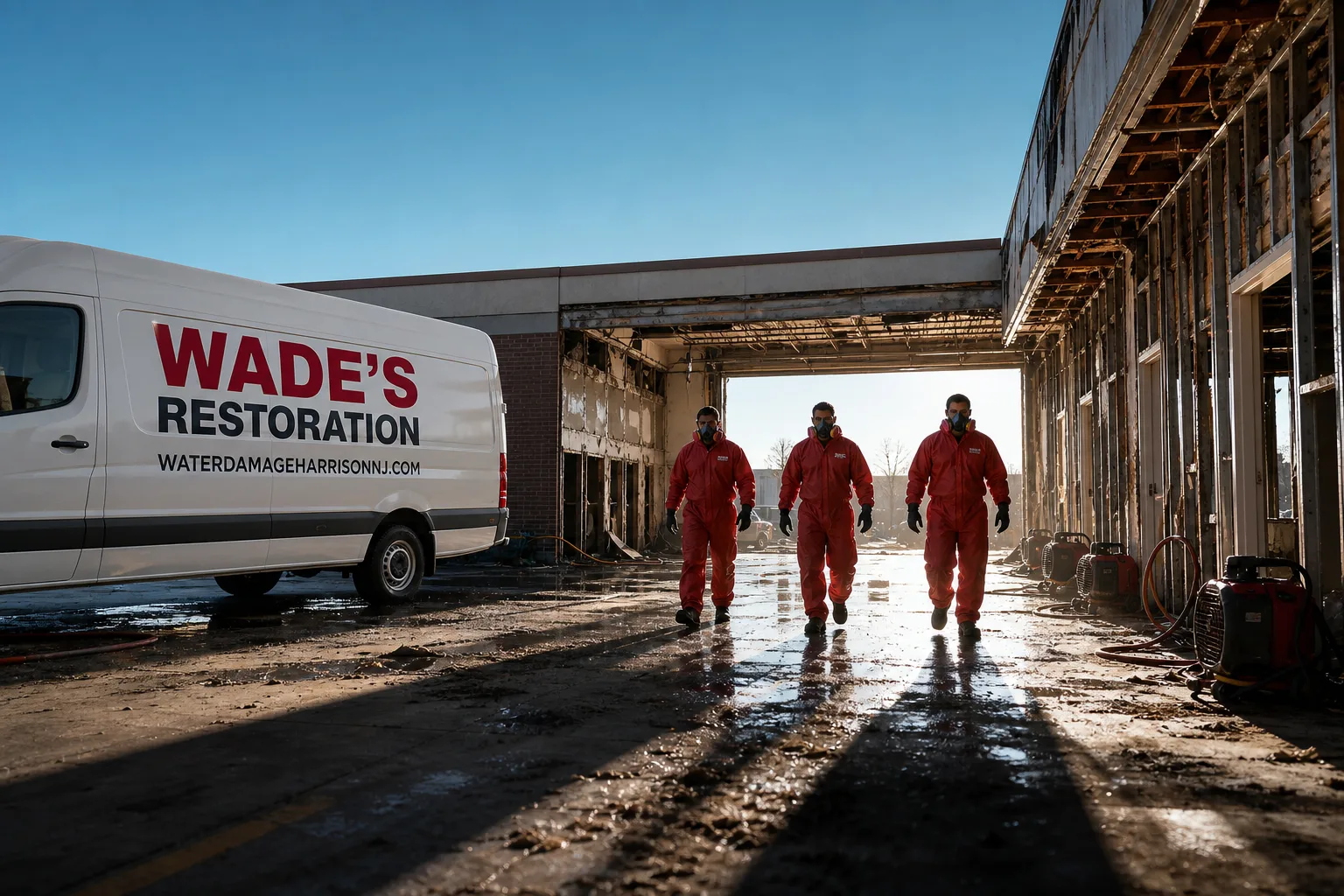
Free visual inspection and a written scope of work before any mitigation begins - photos, moisture readings, and drying logs go in your claim file
The scope we write is the scope we bill. Anything new gets shown to you, in writing, before we touch it.
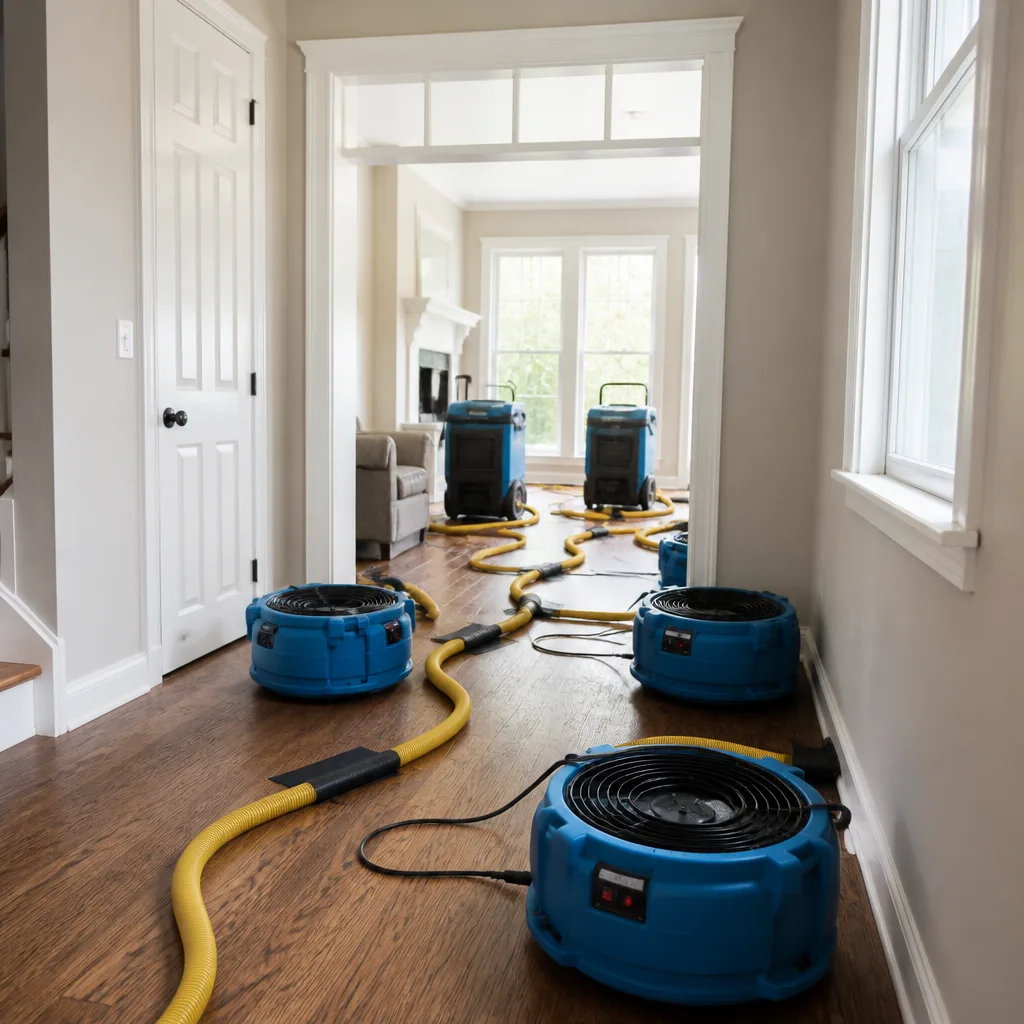

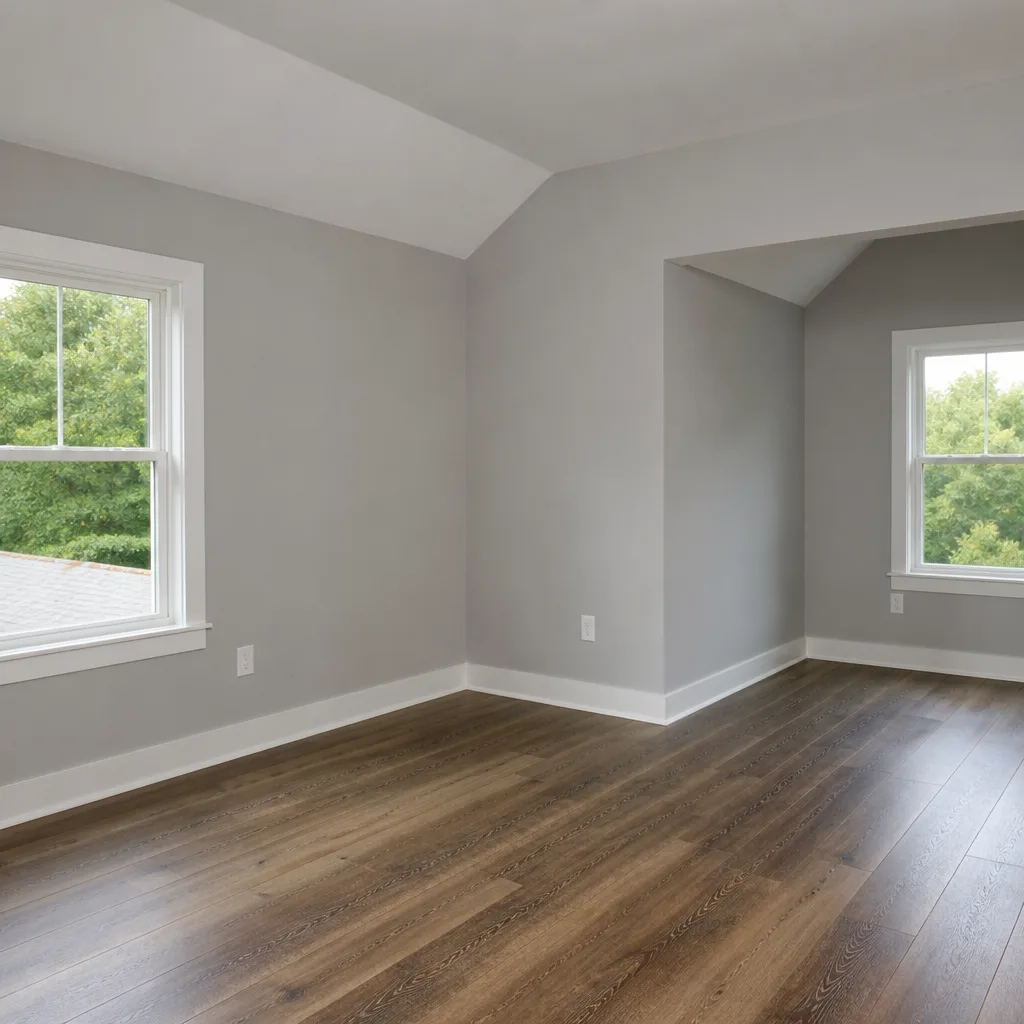

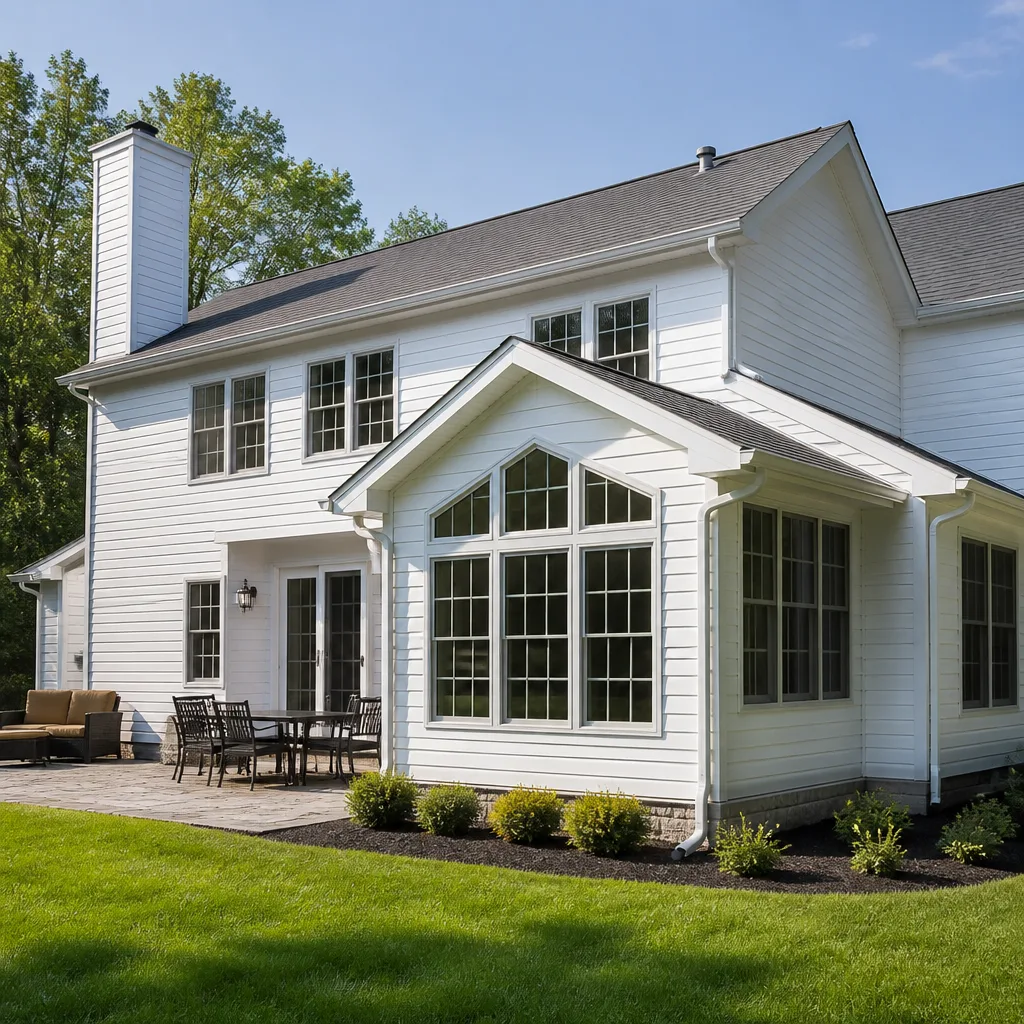
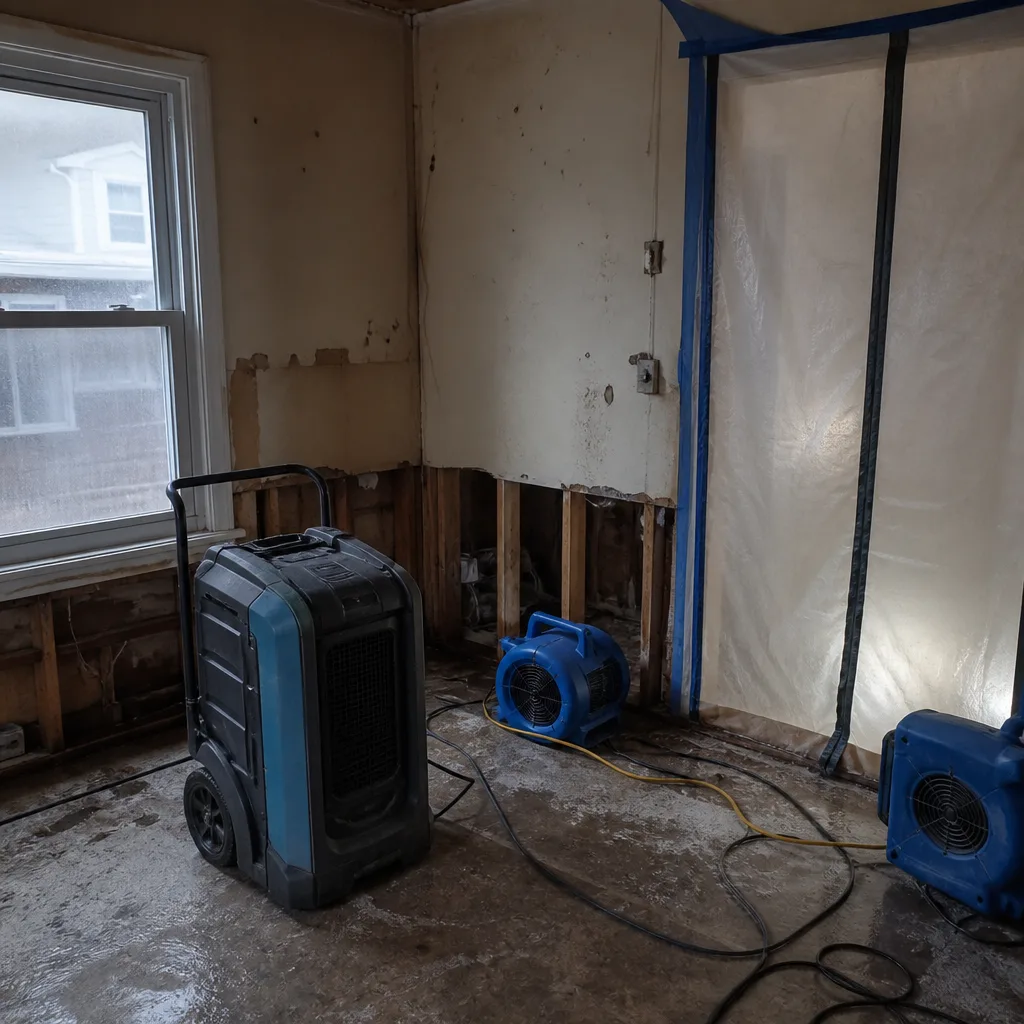 Before
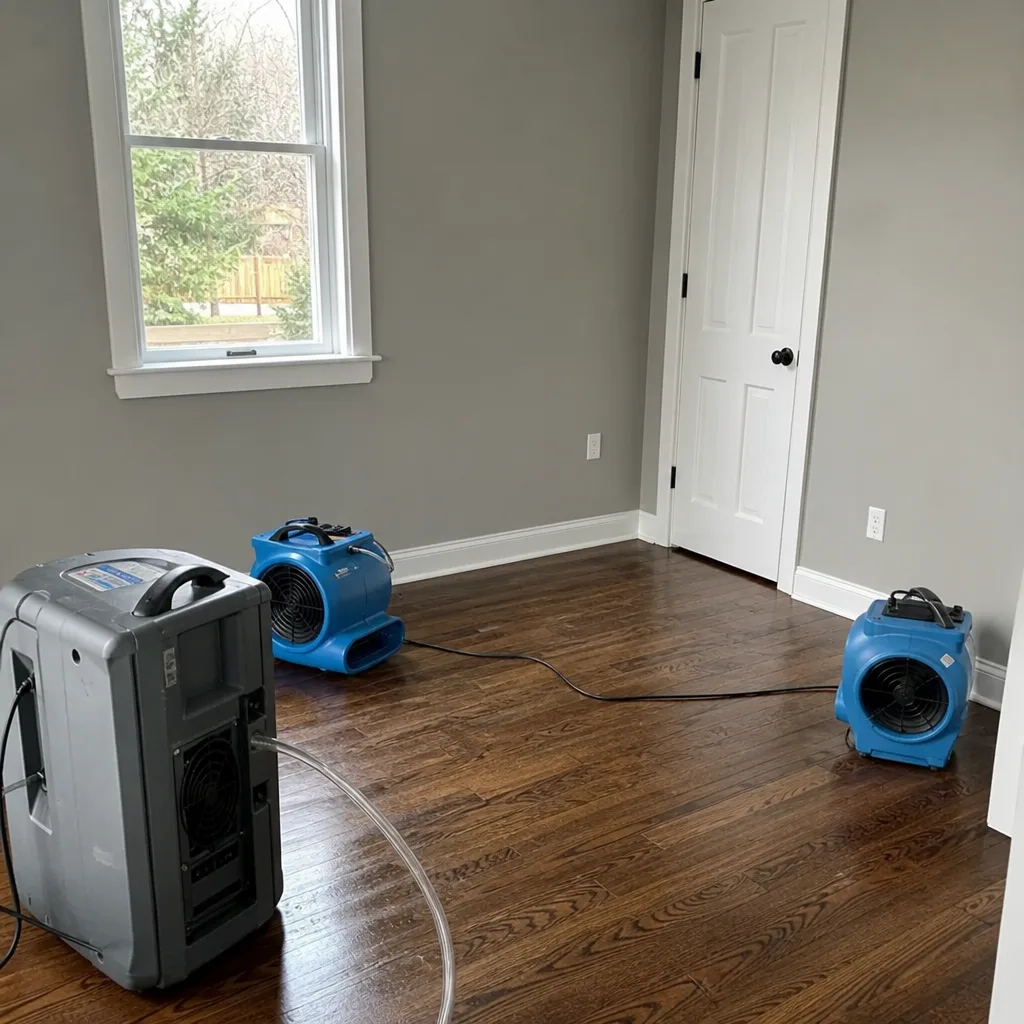 After
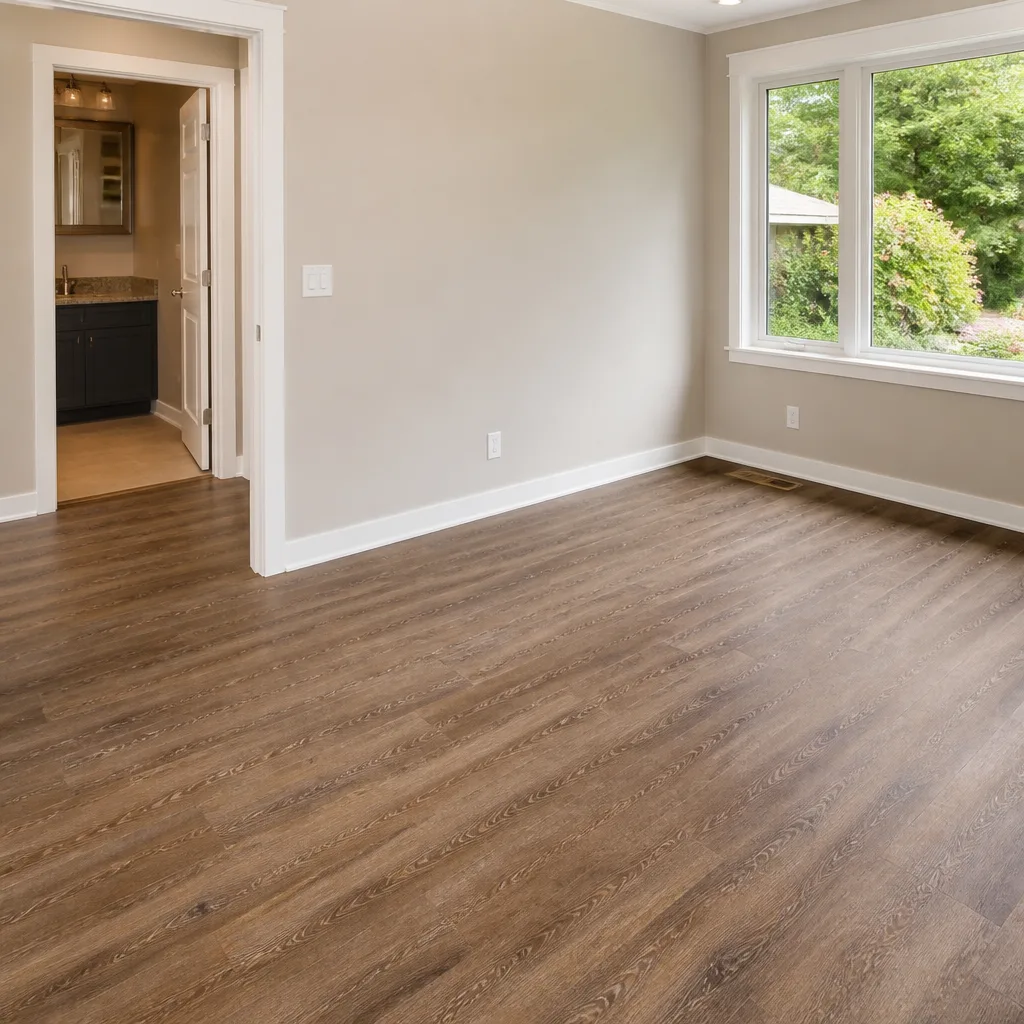
After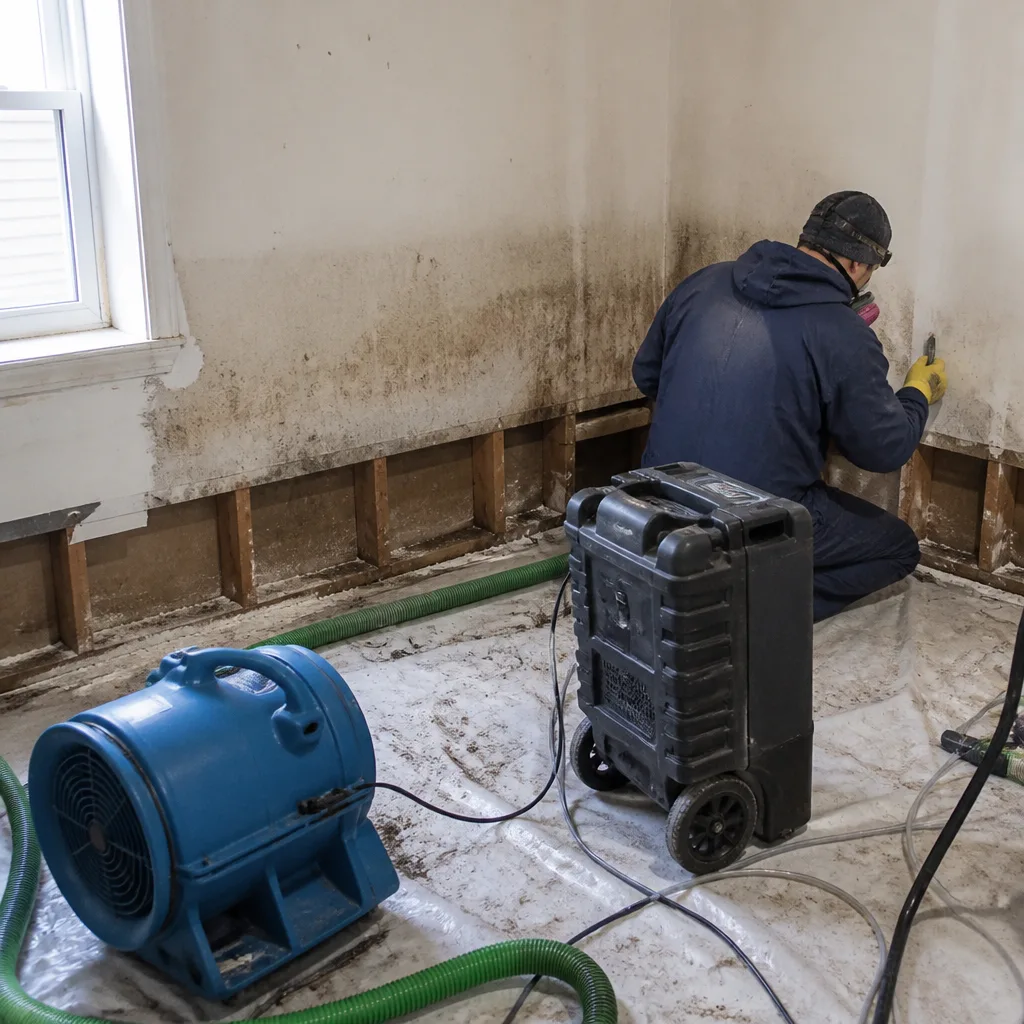 Before
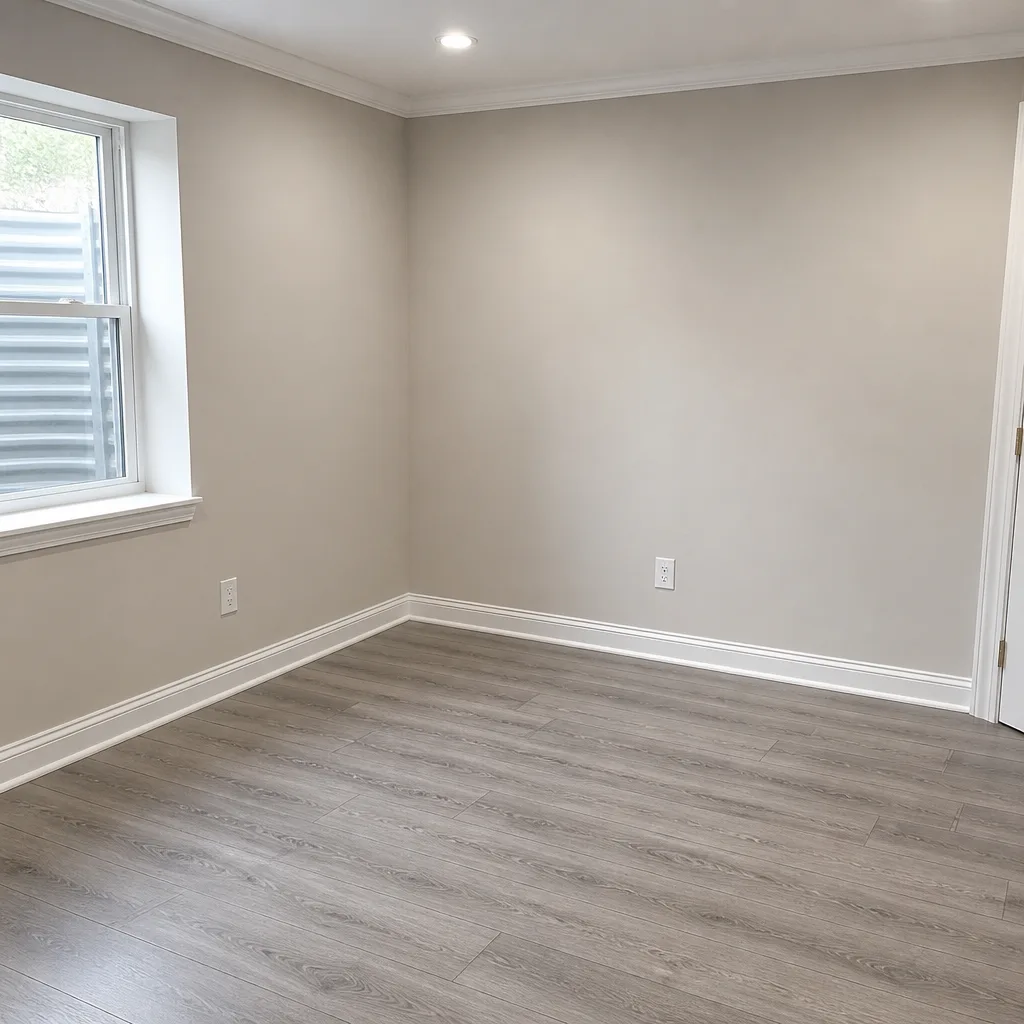 After
After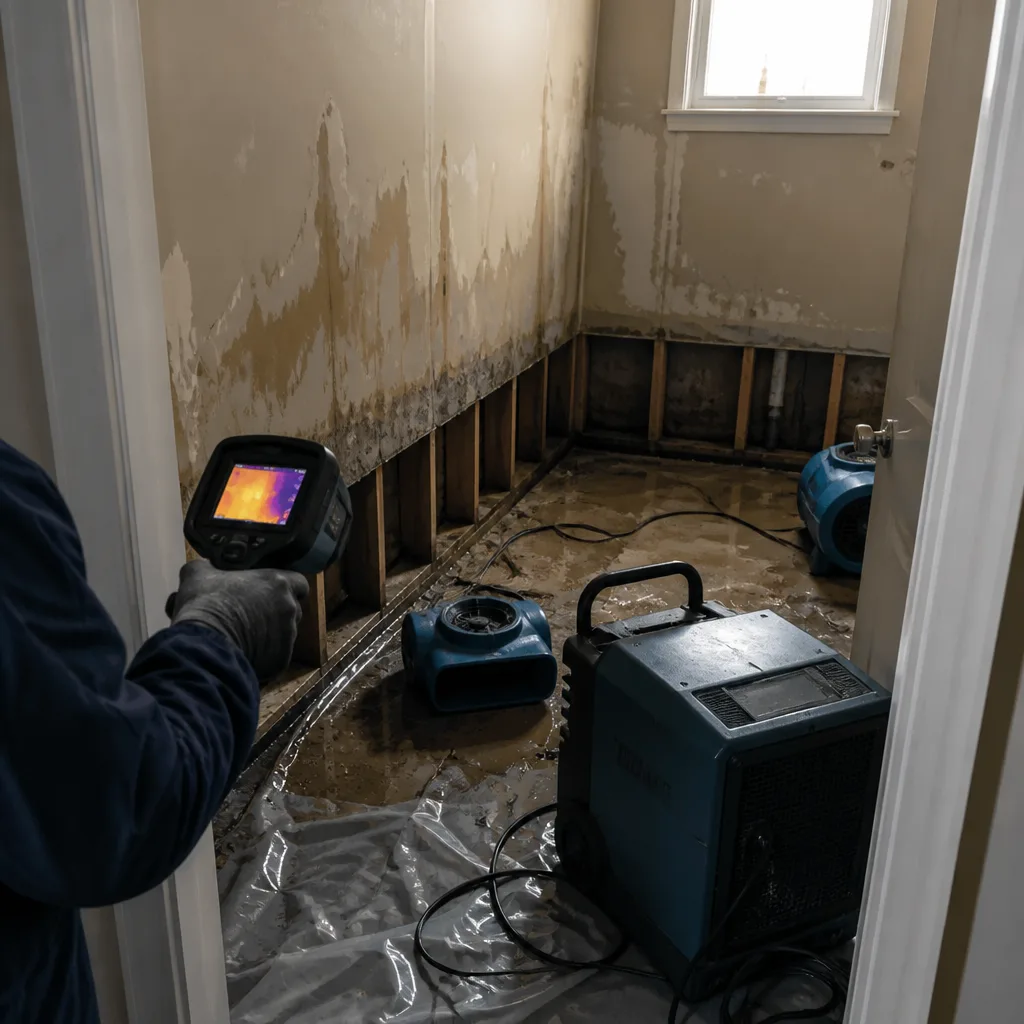 Before
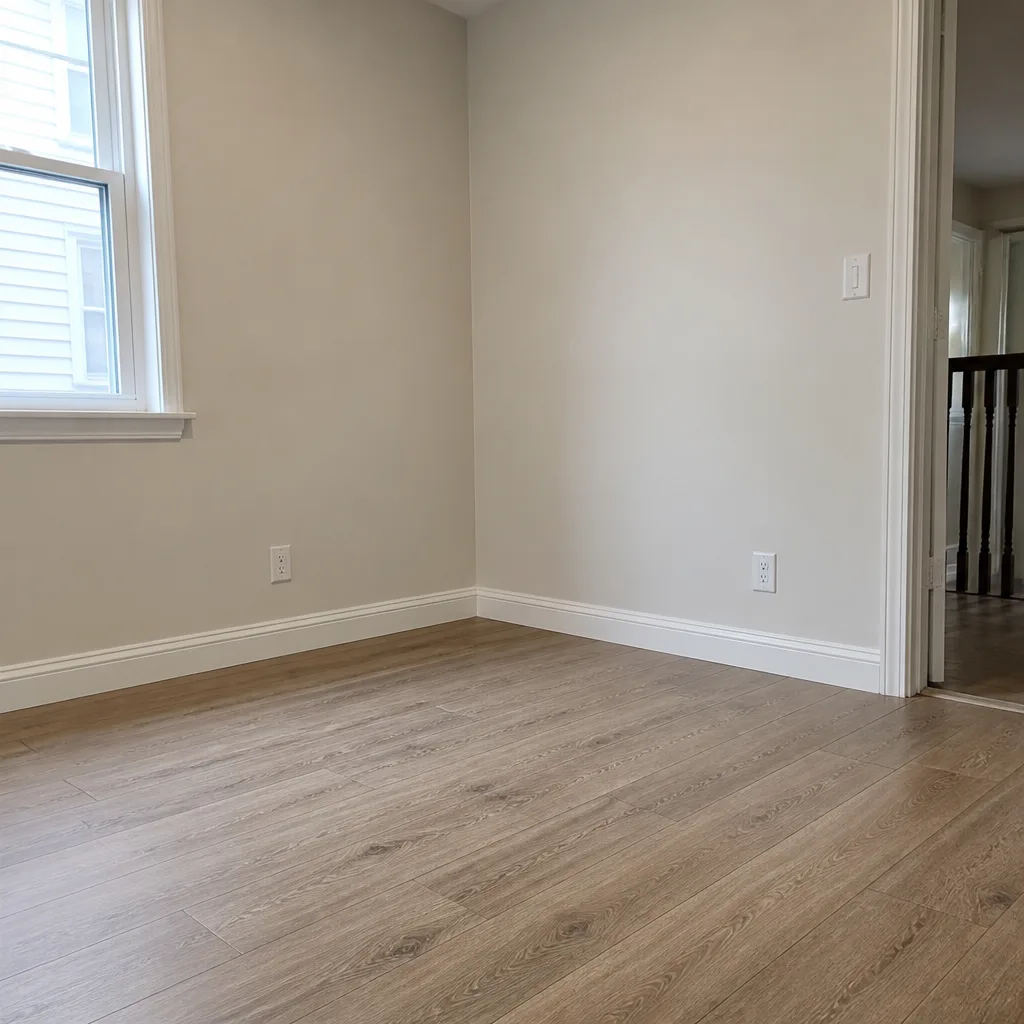 After
After24/7 Emergency Water Damage Restoration in Jersey City
Water damage restoration in Jersey City typically costs $1,800-$5,400 for a standard basement flood, with emergency extraction starting around $500-$900. We answer live at (856) 501-6142 around the clock, and Wade Ferris himself picks up the phone. Crews roll into Jersey City neighborhoods within 45 minutes, because every hour water sits in a pre-war rowhouse or waterfront condo, it’s wicking deeper into drywall, flooring, and framing. Call now for a free visual inspection. The first hour decides whether you’re drying for three days or tearing out walls for three weeks.
Understanding Water Damage Restoration Severity in Jersey City Properties
Water losses fall into three categories, and Jersey City’s housing stock makes the distinction matter more than it does inland. Category 1 is clean water from a burst supply line or overflowed tub. Category 2 is gray water, meaning it carries soap, detergents, or minor contaminants from sources like washing machine overflows. Category 3 is black water: sewage, river surge, or street runoff, and it requires full biohazard protocol. In the brownstones of Van Vorst Park and Hamilton Park, a Category 2 loss can hide inside horsehair plaster and original lime mortar for days. Moisture mapping with thermal imaging finds what the eye can’t, because by the time you see a stain on those walls, the cavity behind it has been wet for a week. Structural drying in these masonry buildings moves slower than in modern stick-frame construction, which is why we document every day’s moisture readings and hand you the log at the end.
Why Jersey City Property Owners Choose Wade’s Restoration
- A real person answers, 24/7. Not a call center. You’ll get Wade or a member of his crew, usually inside two rings.
- 45-minute response commitment. We’re already in and around Jersey City on any given day, so a truck is rarely far from your block.
- IICRC-certified crews. WRT (Water Damage Restoration Technician) and ASD (Applied Structural Drying) certifications on every team. Not a franchise checklist. Actual training on the wall.
- Free visual inspection. You’ll know what we’re dealing with before anyone touches a valve or plugs in a pump.
- Direct insurance billing. We deal with the adjuster so you don’t have to spend your weekend on hold with an 800 number.
- One crew, start to finish. The same people who extract the water handle the drying, the repairs, and the final walkthrough.
Our Water Damage Restoration Process
Inspection & Assessment
We arrive, walk the loss with you, and map moisture throughout the affected area using hygrometers and thermal imaging. You get a written scope of work before we touch anything, so the number you hear is the number you’ll see on the invoice.
Extraction & Stabilization
We extract standing water using truck-mounted or portable extraction units depending on access. In a Jersey City rowhouse with a narrow stairwell, we bring in compact XPOWER extractors that get the job done without tearing out your banister.
Drying & Dehumidification
Air movers and Dri-Eaz dehumidifiers run continuously, with daily moisture readings we log and share with you. Masonry and plaster dry slower than drywall, so we run drying in The Heights and Bergen-Lafayette longer than we would in a new-construction building downtown.
Cleaning & Sanitization
We clean and disinfect every affected surface. For Category 3 losses, that means full antimicrobial treatment and HEPA air scrubbing before any rebuilding starts.
Salt & Corrosion Treatment
In Jersey City’s waterfront zones, saltwater intrusion corrodes fasteners, electrical contacts, and sump components within days. We inspect, treat, and replace these aggressively so you’re not chasing failures six months later.
Repairs & Restoration
We handle everything from drywall replacement to full basement refinishing. One crew, one schedule, one person accountable: Wade Ferris.
Need Emergency Water Damage Restoration in Jersey City Now?
Crews minutes away, answering live 24 hours a day. The sooner we start, the less it costs.
Working With Your Insurance Company
Insurance claims for water damage in Jersey City move faster when the documentation is built from hour one, and that’s exactly how we work. We photograph every affected room before extraction begins, log moisture readings daily, and produce a line-item scope your adjuster can actually read. Wade talks to the adjuster directly, so you’re not the one translating between us and your carrier after a 2 a.m. pipe burst in Journal Square. Saltwater claims from a nor’easter get handled differently than a clean-water supply line break, and we know which questions your carrier will ask before they ask them.
What We Provide Your Insurer
- Thorough documentation of the loss
- Photos of all damage, room by room
- Moisture readings and drying logs
- A detailed, line-item scope of work
- Direct coordination with your carrier
Built for Jersey City’s Loss Calendar
Jersey City floods on its own schedule. January and February deep freezes burst supply lines in older brick buildings, especially along Kennedy Boulevard where 1920s galvanized pipe is still in service. March and April bring thaw and heavy rain, which sends groundwater pressing against century-old foundations in Van Vorst Park and Hamilton Park. July and August thunderstorms drop two inches in forty minutes, overwhelming combined sewers in The Heights and backing black water into basement apartments. September through November is nor’easter season, and along the waterfront in Paulus Hook and Exchange Place, storm surge from the Hudson River and Upper New York Bay arrives simultaneously, a dual-exposure pattern that doesn’t exist in Hoboken or Union City. We plan drying schedules around these patterns because we’ve worked every one of them for years. The salt air and trapped humidity in a brick rowhouse compress your drying window; if moisture isn’t pulled down below the threshold in 48 hours, mold starts.
Water Damage Restoration Across Jersey City’s Neighborhoods
Response routes matter when water is rising. In Paulus Hook and Exchange Place, waterfront brownstones and pre-WWI rowhouses sit on former Hudson River landfill with basements that sit below grade and face surge pressure from both the river and the bay. Our extraction plan there always accounts for the possibility that incoming water is brackish, not just wet. Newport’s post-1990s high-rises bring a different challenge: water travels down from a burst riser or a failed appliance and spreads through concrete and drywall on multiple floors. We’ve handled losses there where the water never touched a basement but still required full structural drying on three levels. In Journal Square, dense mid-century brick apartment blocks mean one burst pipe can flood four units below it, and access through narrow hallways demands compact Phoenix dehumidifiers and careful staging. The Heights and Bergen-Lafayette rowhouses have semi-finished basements dug before modern flood-zone awareness, so water intrusion saturates terracotta tile and lime mortar, materials that hold moisture far longer than modern construction. Every neighborhood gets a different drying plan because every neighborhood was built differently.
Specialized Water Damage Restoration Services We Offer in Jersey City
Emergency Water Extraction
Standing water in a Jersey City basement needs to be gone within the hour. We run truck-mounted extraction where a driveway allows, and portable XPOWER units where we’re working from a narrow rowhouse stairwell. Extraction is the single highest-leverage step: every gallon we remove mechanically is a gallon your dehumidifiers don’t have to pull from the air.
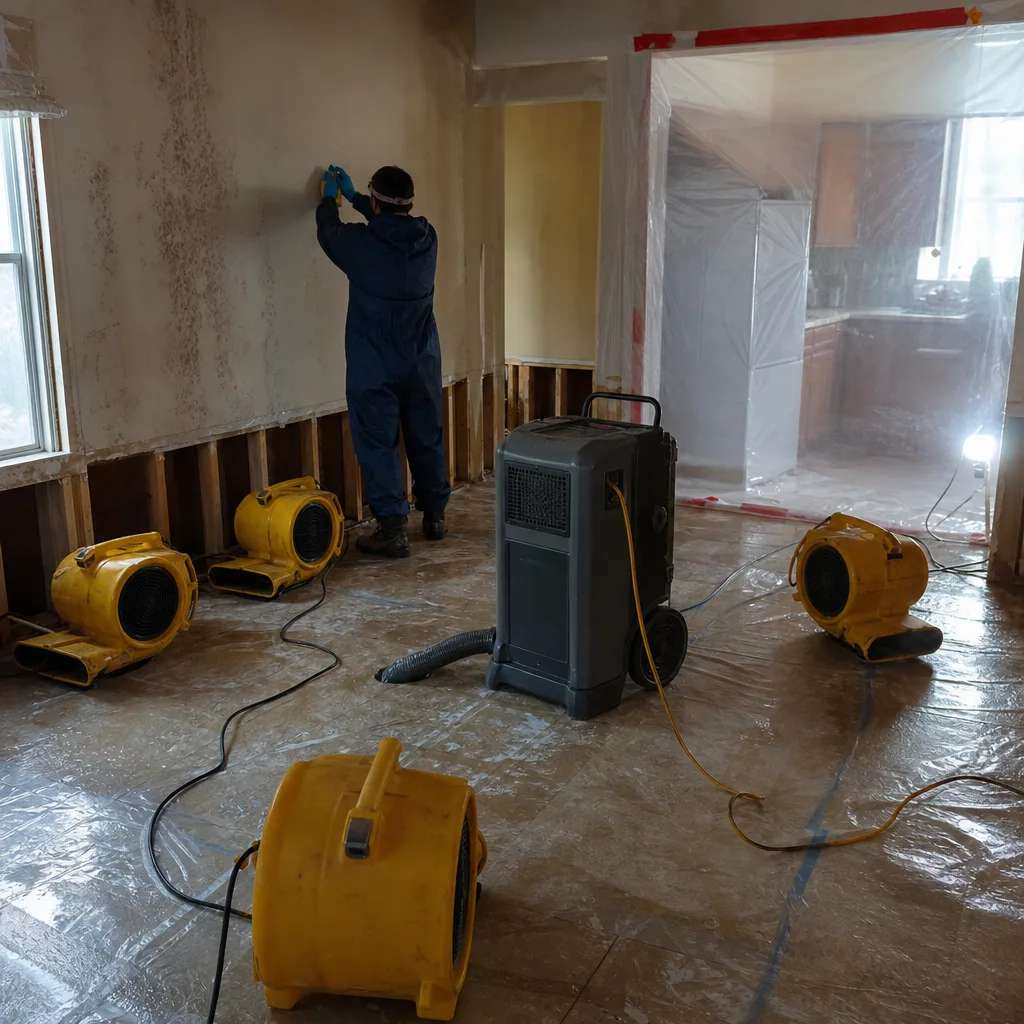
Structural Drying & Dehumidification
Drying a brick rowhouse in The Heights is slower than drying a sheetrock condo in Newport. Masonry wicks and holds water differently, and the tight architecture limits airflow. We use Dri-Eaz and Phoenix dehumidifiers sized to the cubic footage, not the square footage, and we stay on site until daily moisture readings show the structure is truly dry, not just surface-dry.
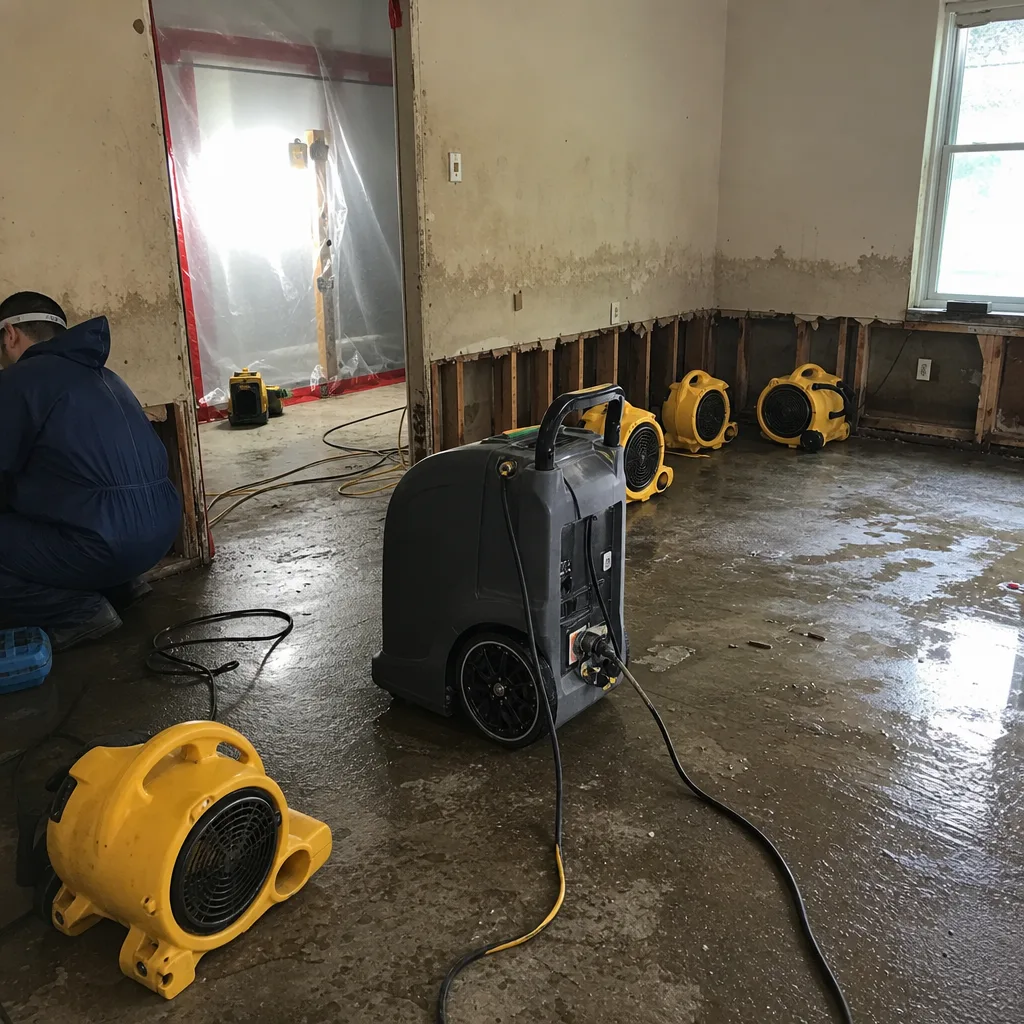
Flood Cleanup
Flood water in Jersey City is rarely clean. When a nor’easter pushes river water through a foundation crack in Paulus Hook, we treat that loss as contaminated from the start. In a recent Paulus Hook rowhouse after a nor’easter pushed river water through a foundation crack, our crew used moisture mapping to find water wicked up through original lime mortar and saturated horsehair plaster. We set up containment, ran Dri-Eaz dehumidifiers and air movers for structural drying, and replaced corroded galvanized supply lines with stainless steel, returning the basement to pre-loss condition within five days.
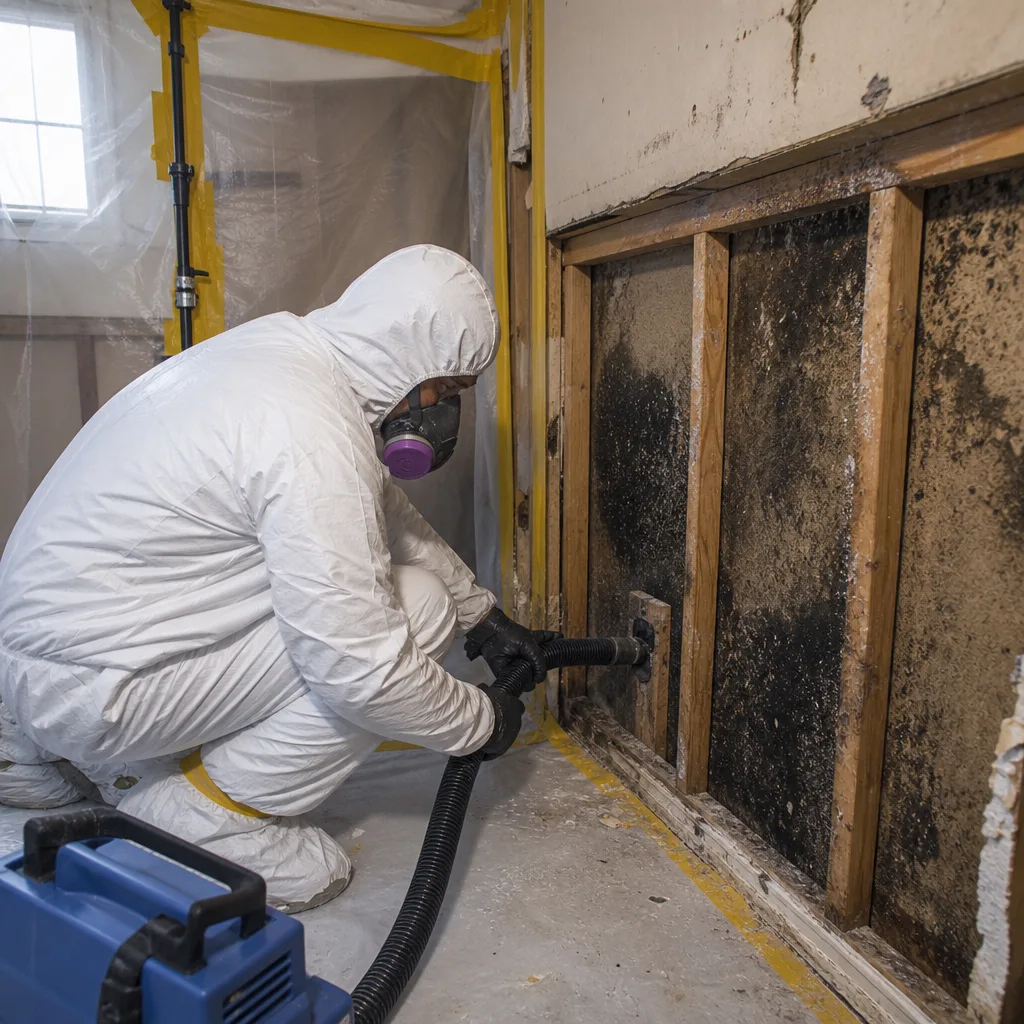
Burst Pipe Restoration
Winter freezes hit Jersey City’s older plumbing hard. We find the break, stop the flow, and restore the damage behind it. In pre-war buildings along Montgomery Street, frozen supply lines often split galvanized sections that have been corroding for decades in this area’s hard water, so repair work frequently means replacing more pipe than the homeowner expected.
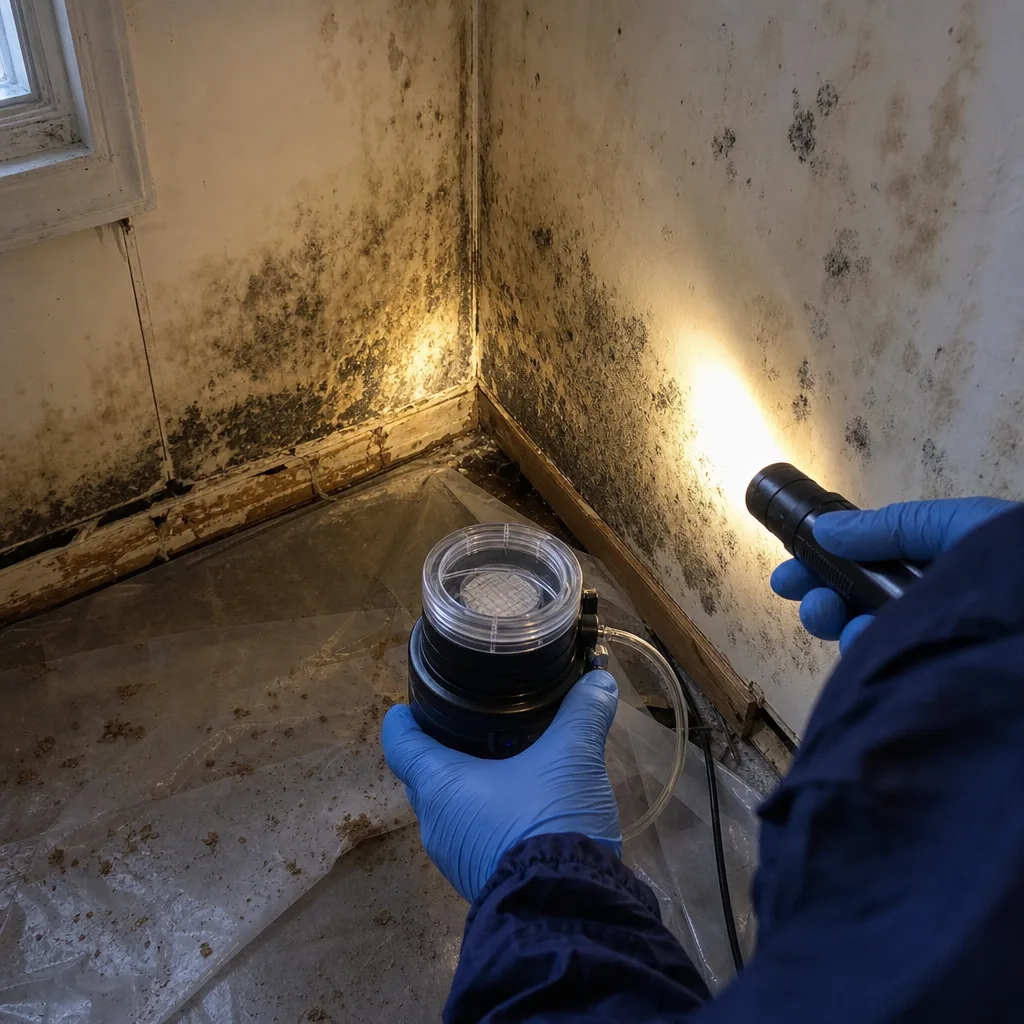
Basement Water Removal
Jersey City basements are not all the same problem. A Newport condo sub-level has concrete and a sump. A Van Vorst Park rowhouse basement has stone foundation, lime mortar, and a floor drain that may not be draining anymore. We scope both differently, and the price we quote reflects what we’re actually pumping out and drying, not a generic square-footage formula.
What happens when you call
- 1
A real person answersNo phone trees - you reach a local pro.
- 2
You get an upfront price rangeHonest numbers before anyone is dispatched.
- 3
A background-checked tech heads outLicensed & insured, dispatched right away.
- 4
You approve before work beginsNothing starts until you say go.
Water Damage Restoration Costs in Jersey City, NJ
What you’ll pay depends on how much water, how long it’s been there, and what kind of building you’re in. A standard clean-water basement extraction in Jersey City runs $1,200-$2,800 including drying. A Category 3 sewage backup in The Heights with full biohazard remediation and disposal typically lands between $3,500 and $7,500. Structural drying alone in a brick rowhouse runs $900-$1,600 for a single room, and more if multiple rooms or floors are involved. Saltwater surge losses in Paulus Hook or Exchange Place add $500-$1,200 for corrosion treatment and fastener replacement because salt attacks everything it touched. We provide a written scope before work starts, and every water, fire, and mold job carries the 90-Day Done Right Promise: if it’s not right, Wade makes it right. Call (856) 501-6142 and we’ll come take a look. The estimate is free, and if you have a written estimate from another outfit, we’ll give you a second opinion on it at no charge.
We Also Serve Cities Near Jersey City
Our crews work throughout Hudson County and the surrounding area. If you live in Hoboken, Union City, Harrison, or Secaucus, the same team, the same equipment, and the same owner are a short drive away. Call (856) 501-6142 and ask for Wade. He’ll tell you who’s on the way.
Serving Jersey City, NJ - Our Local Coverage Area
We’re based in the Jersey City area and know this community well. Use the map below to see our service coverage - if you’re nearby, we can almost certainly help.
Jersey City Water Damage Restoration Questions, Answered
Does water damage restoration in Jersey City require special flood-zone documentation for insurance claims?
Yes, in many Jersey City homes it does. Properties in FEMA Special Flood Hazard Areas, which include the eastern waterfront neighborhoods of Paulus Hook, Exchange Place, and Newport, often need elevation certificates and flood-zone determination documents before a claim for storm surge or river flooding will process. We’ll pull the flood map data for your address from the FEMA Flood Map Service Center and include it in the documentation we send your adjuster, which keeps the claim moving instead of stalling over paperwork you’ve never heard of.
How does saltwater from a Jersey City storm surge change the restoration process compared to a freshwater pipe break?
Saltwater attacks everything it touches. Where a freshwater pipe break means you extract, dry, and repair, saltwater intrusion means you also have to treat or replace corroded fasteners, electrical contacts, sump components, and galvanized supply lines. If salt residue is left inside wall cavities, it keeps pulling moisture from the air and the wall never truly dries. We treat saltwater losses differently from clean water losses, and the price reflects that extra work.
Why do basements in Paulus Hook and Exchange Place tend to stay wet longer after a flood?
Those neighborhoods are built on former Hudson River landfill, and the water table sits close to the surface. Basements below grade in Paulus Hook and Exchange Place face hydrostatic pressure from below and storm surge pressure from above, and the dual-exposure pattern means water finds its way in from multiple directions. Masonry and lime mortar hold that moisture longer than modern concrete, so drying takes more days and more dehumidifier capacity than it would inland. That’s why we run daily moisture readings and keep equipment on site until the numbers prove it’s dry.
What should I do if my Jersey City rowhouse basement floods with sewage during a heavy rain?
Stay out of the water and call us at (856) 501-6142. Combined sewer laterals in The Heights and Bergen-Lafayette back up Category 3 black water during heavy rain, which means you’re dealing with sewage, not rainwater. Attempting to clean it yourself exposes you to pathogens, and standard wet-dry vacs don’t sanitize anything. We handle Category 3 losses with full biohazard protocol: containment, antimicrobial treatment, HEPA air scrubbing, and disposal of contaminated materials. Your insurance may cover this under a sewer backup rider, and we’ll document everything the adjuster needs.
Can you handle water damage in a Jersey City high-rise condo without displacing neighbors?
Yes. We’ve handled burst riser and appliance losses in Newport and Journal Square high-rises where water traveled through floors and affected units above and below the source. We coordinate with building management, stage equipment in shared corridors without blocking egress, and run drying equipment on a schedule that respects your neighbors’ quiet hours where possible. The goal is to dry your unit fully without turning the hallway into a worksite.
How fast can you actually get to my Jersey City home after I call?
We commit to 45 minutes for emergency water losses in Jersey City. In practice, we’re often faster because our crews are already working in the area on any given day. The sooner extraction starts, the less damage spreads, especially in older brick construction where water wicks through lime mortar quickly. Call (856) 501-6142 and Wade or a crew member will be on the road.
Is it safe to stay in my Jersey City home during water damage restoration?
For a clean-water Category 1 loss, often yes, provided the affected area is contained and the drying equipment noise is tolerable. For Category 2 or 3 losses, which includes any sewage backup or storm surge from the Hudson River, we recommend relocating temporarily until containment, antimicrobial treatment, and air scrubbing are complete. The airborne contaminants from a Category 3 loss are a health risk, not just a cleanup inconvenience. We’ll give you a straight answer after the inspection.
What should I do in the first 30 minutes after discovering water damage in Jersey City?
Shut off the water source if you can do so safely. Kill power to the affected area at the breaker if water is near outlets or appliances. Move valuables and electronics to dry ground. Then call (856) 501-6142. Do not use a regular wet-dry vac on sewage or saltwater. Do not wait to see if the water recedes on its own. In a Jersey City rowhouse, water that sits for even a few hours is already inside the plaster.
Written by Wade Ferris, Owner at Wade’s Restoration, serving Jersey City since 2007.