
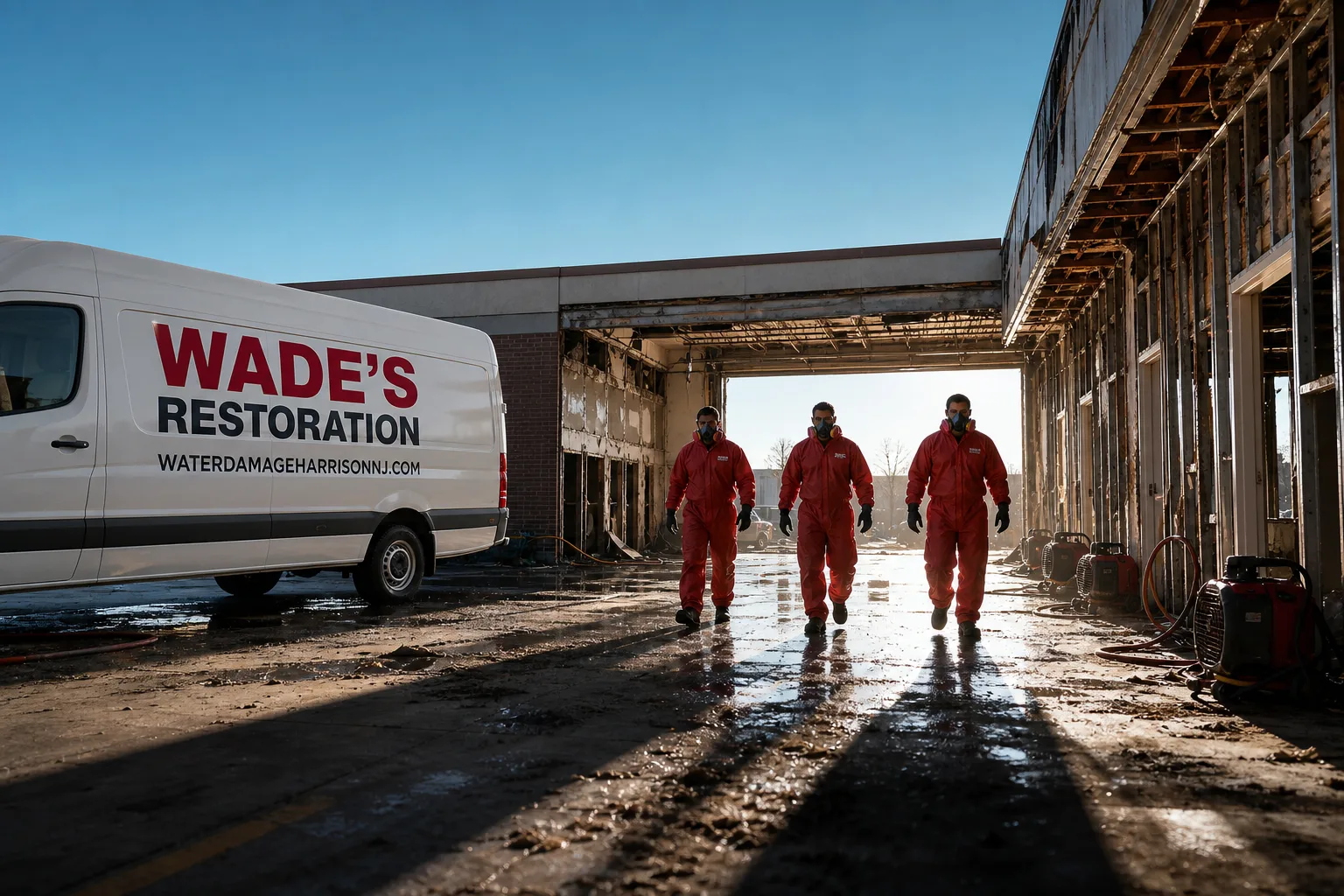
Free visual inspection and a written scope of work before any mitigation begins - photos, moisture readings, and drying logs go in your claim file
The scope we write is the scope we bill. Anything new gets shown to you, in writing, before we touch it.
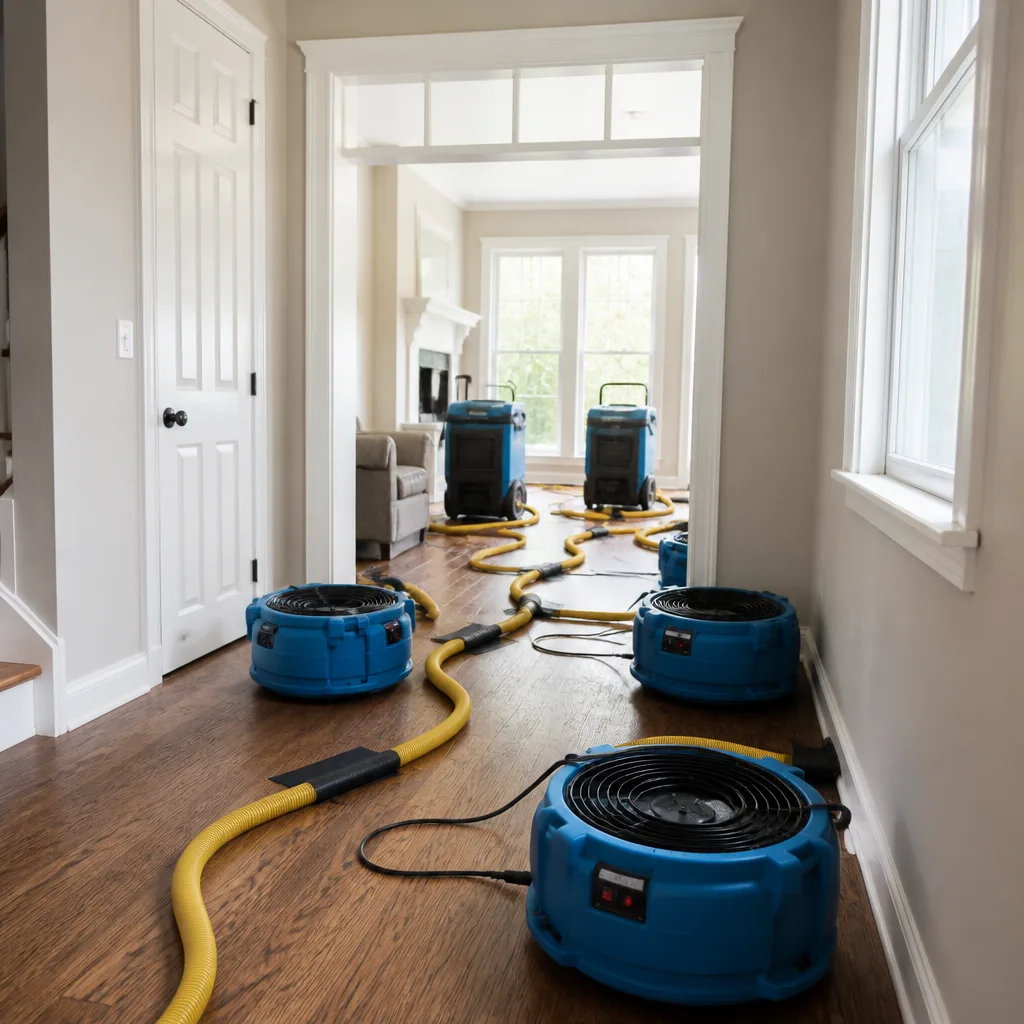



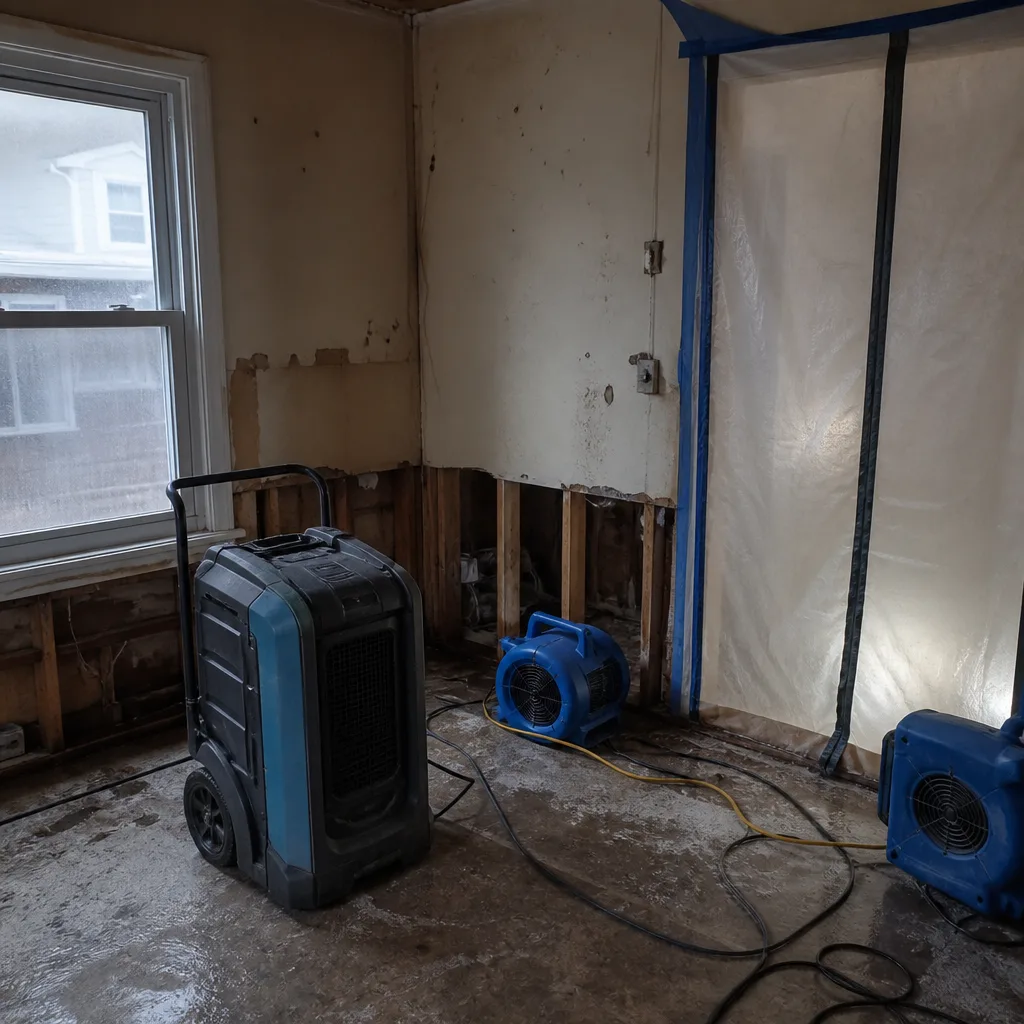 Before
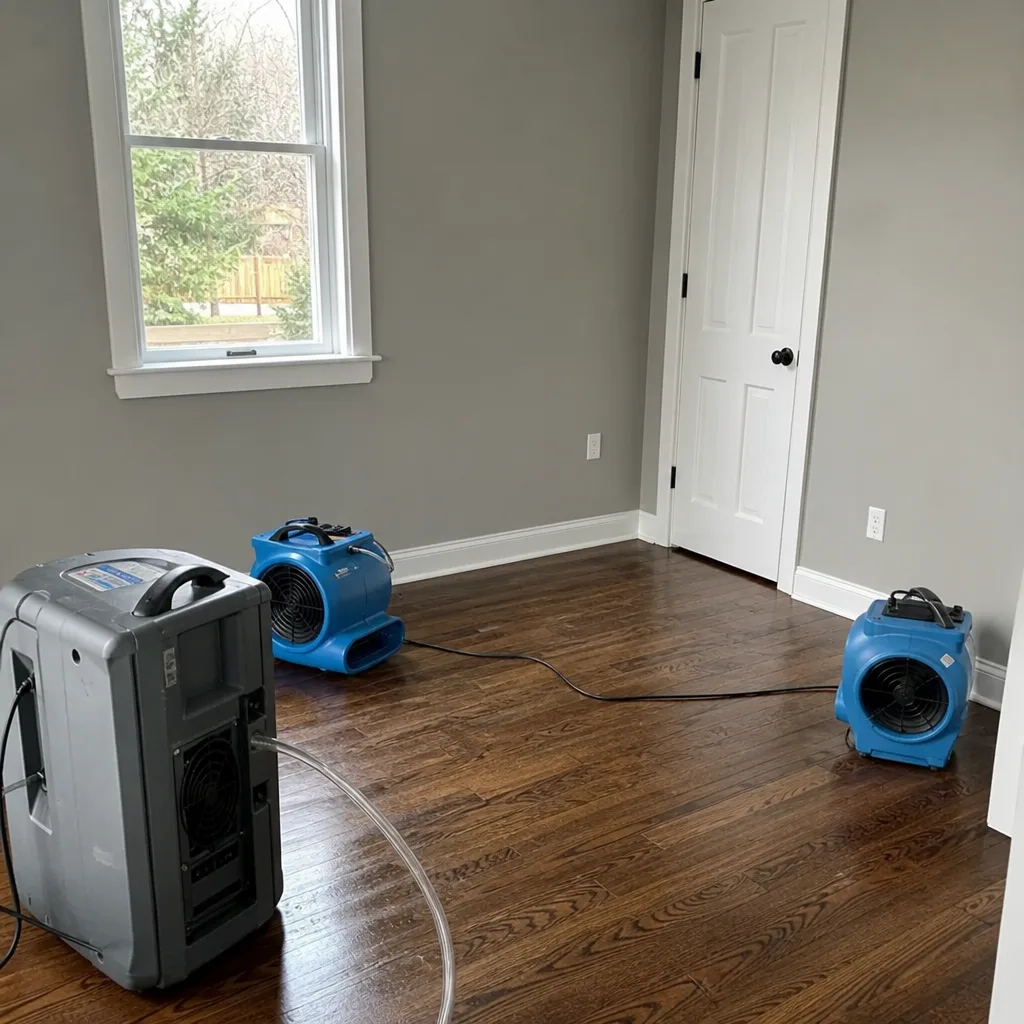 After
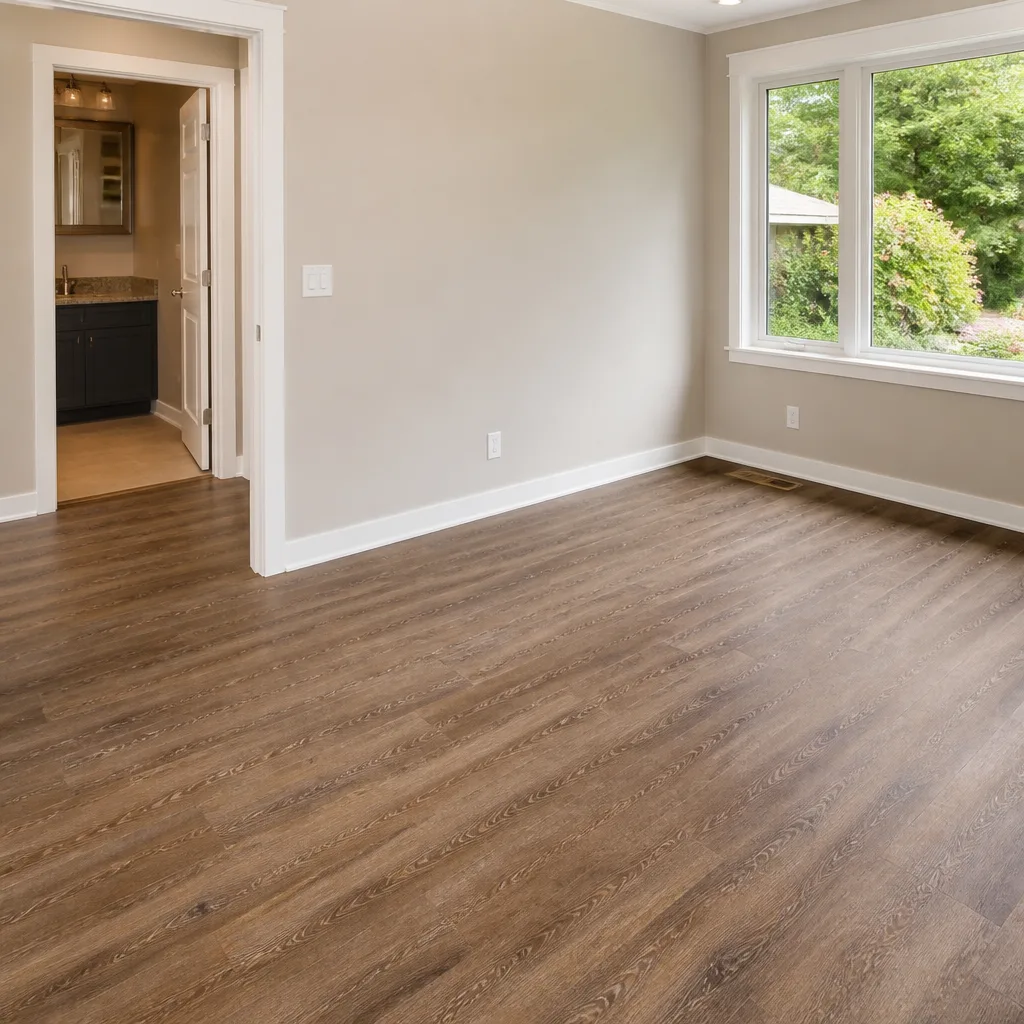
After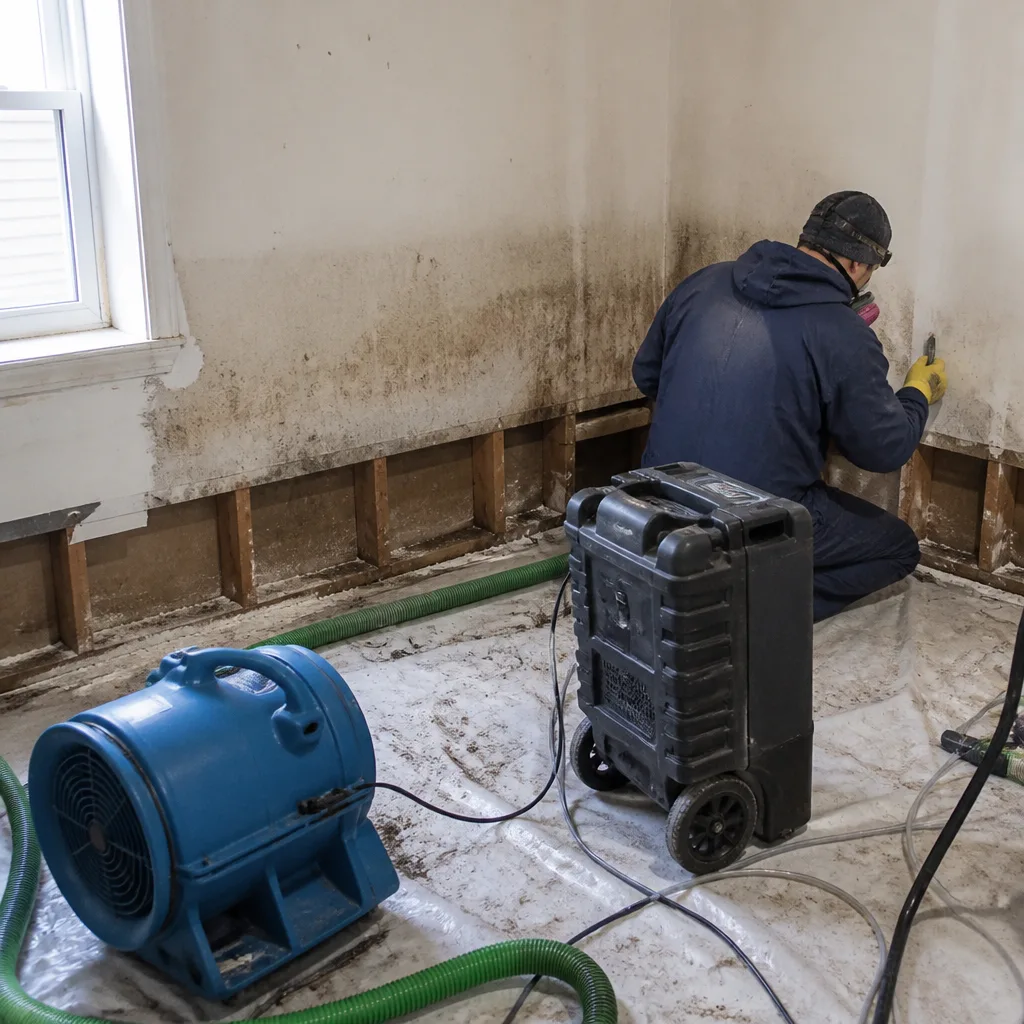 Before
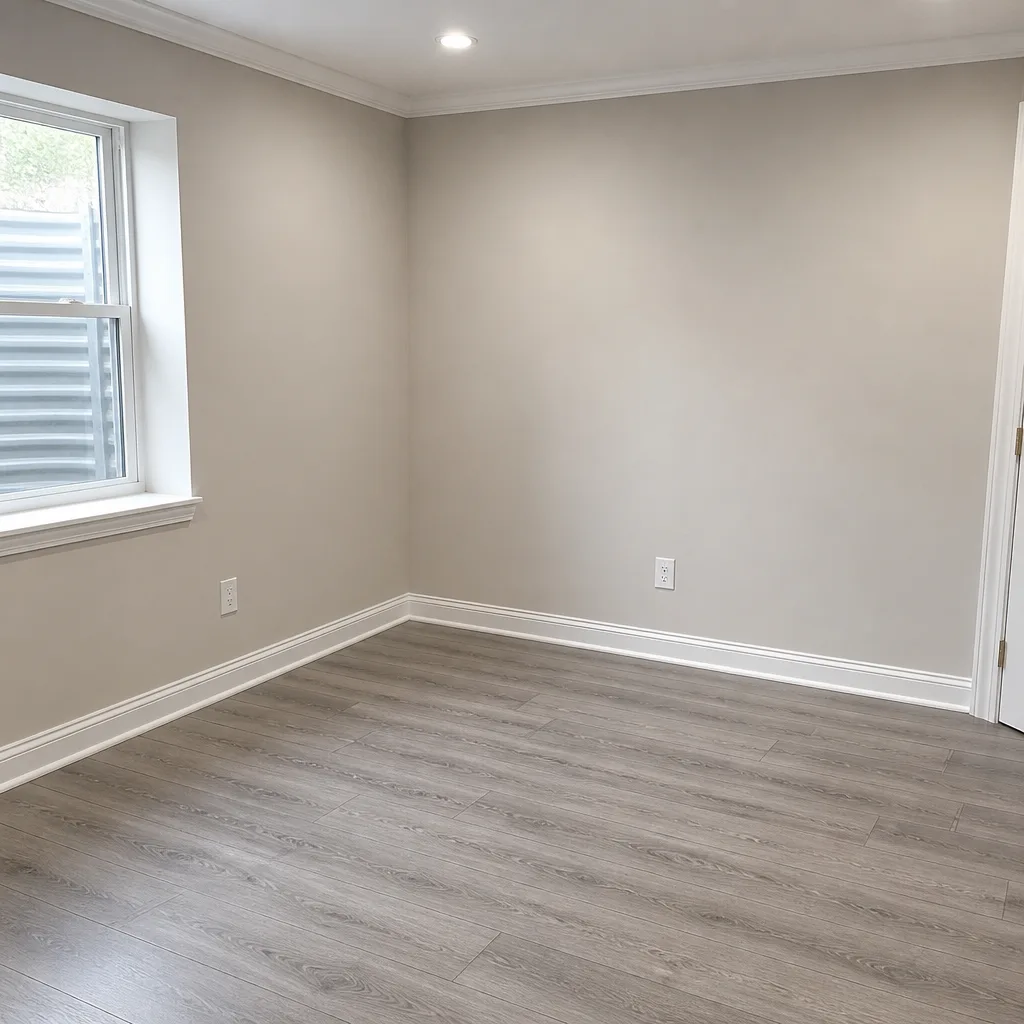 After
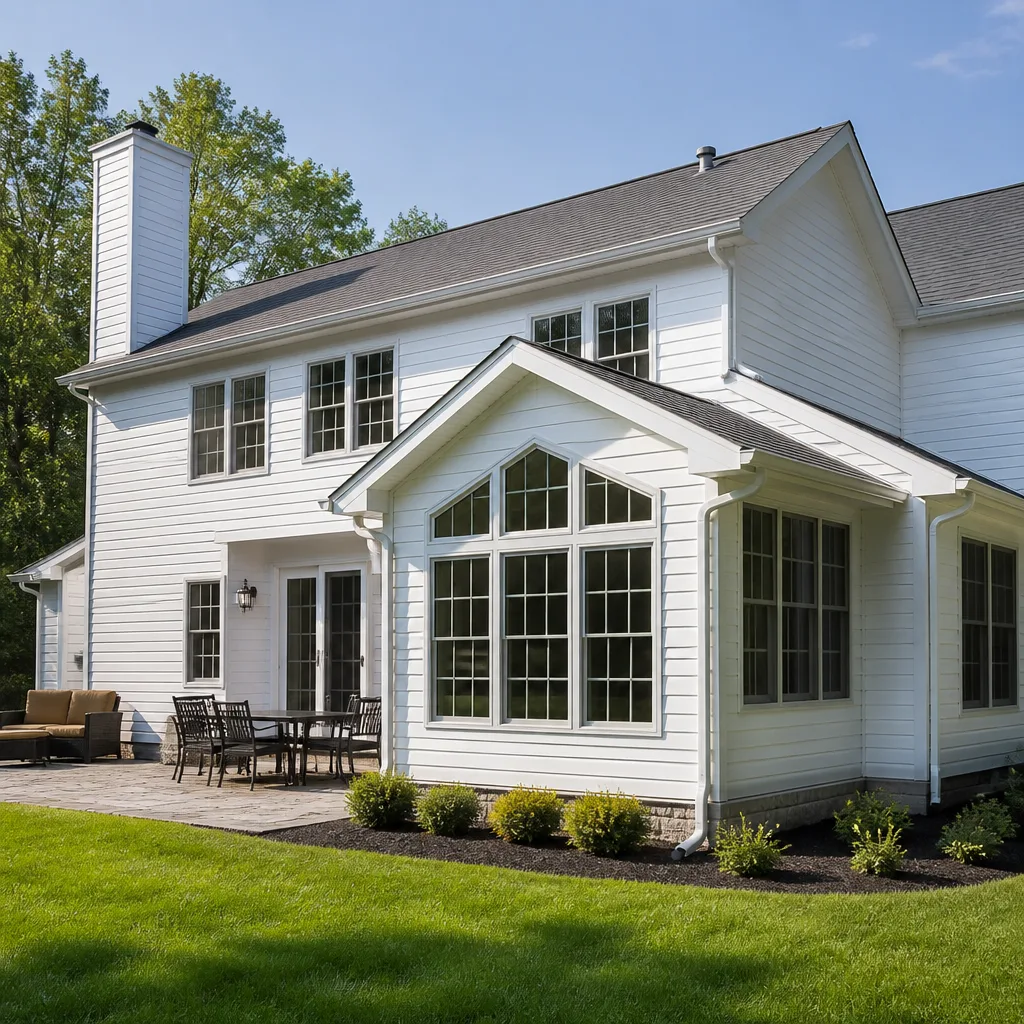
After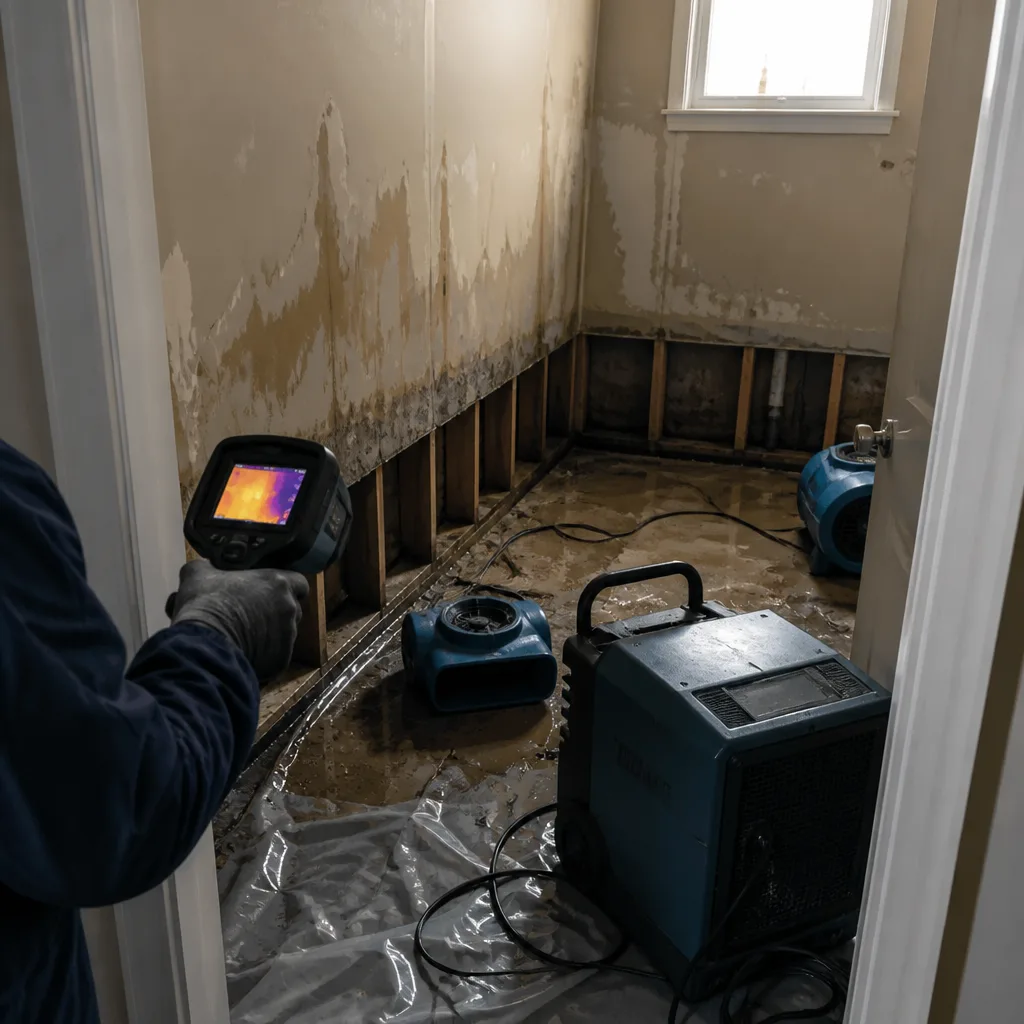 Before
 After
After24/7 Emergency Sewage Cleanup in Kearny
When a sewer line backs up into a Kearny basement at 11 p.m., waiting until morning means black water keeps wicking into your foundation and whatever was stored on the floor. Wade’s Restoration answers live around the clock at (856) 501-6142. Wade Ferris himself picks up. We get a crew headed to your part of Kearny within the hour, and the first visual inspection is free. The first hour matters because Category 3 water, the kind carrying raw sewage, doubles its damage footprint every time it sits. Our Sewage Cleanup teams carry the extraction gear to start pulling contaminated water out before it reaches your finished walls or the furnace.
Understanding Sewage Cleanup Severity in Kearny Properties
Most sewage loss in Kearny isn’t a simple clog. It’s chronic groundwater intrusion through old foundations with black water riding in behind it. We classify water by contamination level: Category 1 is clean supply water, Category 2 carries significant contaminants, and Category 3 contains sewage, bacteria, and pathogens that require full PPE, containment, and antimicrobial treatment. In the 1910s-to-1940s two- and three-family homes that dominate blocks around Kearny Avenue, Midland Avenue, and the numbered streets west of Passaic Avenue, a toilet overflow may look small, but the contaminated water often travels along the same paths groundwater already uses. That means moisture you can’t see, behind baseboards and inside wall cavities, where sewage bacteria keep multiplying in damp, still air. Our thermal imaging and moisture meters map exactly how far Category 3 water has migrated before we write a single line of scope.
Why Kearny Property Owners Choose Wade’s Restoration
- 45-minute response commitment. When you call us from Kearny, we tell you honestly when Wade’s crew will arrive. If we’re not there within the window, Wade wants to hear about it personally.
- 24/7 live answer, never a phone tree. A real person answers. Often it’s Wade. You’ll never sit through four menu options while sewage rises in your basement.
- IICRC-certified crews. The people we send hold WRT (Water Damage Restoration Technician) and ASD (Applied Structural Drying) certifications. Sewage jobs also require AMRT (Applied Microbial Remediation Technician) training.
- Free visual inspection. No trip charge inside our service area. We come out, look at what actually happened, and tell you what we’d do before you spend a dollar.
- Direct insurance billing. We document everything from hour one and talk to your adjuster directly. You’re not stuck relaying technical details between two sides.
- One team from extraction through reconstruction. The same crew that pulls the sewage out is the crew that handles sanitization, drying, and rebuilding. Nobody hands your job off to a subcontractor you’ve never met.
Our Sewage Cleanup Process
Inspection & Assessment
We start with thermal imaging and moisture mapping to find every surface the Category 3 water touched. In pre-war Kearny homes, that often means checking the rubble-stone foundation itself, not just the visible spill area.
Extraction & Stabilization
We use truck-mounted and portable extractors to remove standing sewage and contaminated water. If asbestos-containing floor tiles or insulation are present, containment and negative air are set up before we move further.
Drying & Dehumidification
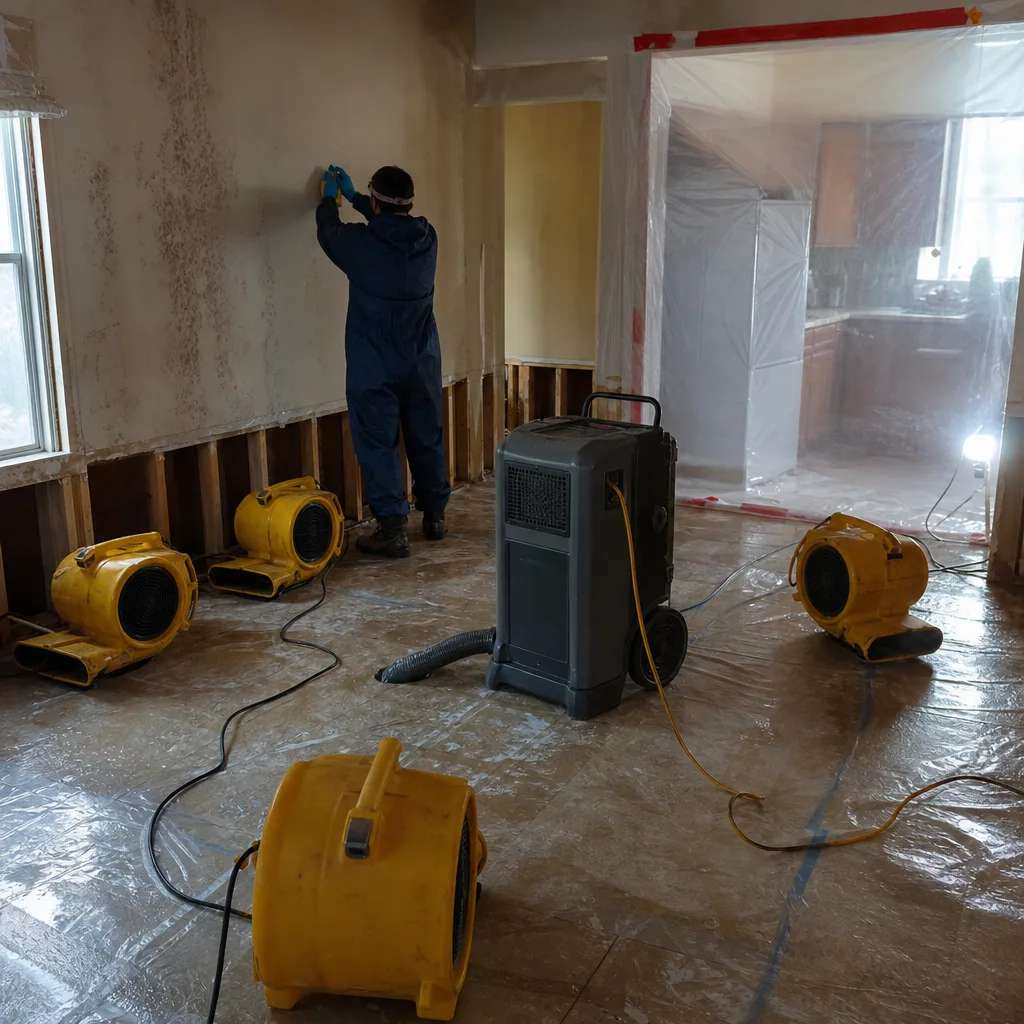
Phoenix LGR dehumidifiers and Dri-Eaz air movers pull moisture from structural materials. In Kearny basements that sit near the water table, drying means we’re also planning for the groundwater that never fully leaves.
Cleaning & Sanitization
Every affected surface gets an EPA-registered antimicrobial treatment. We’re not just drying; we’re killing what sewage leaves behind. That includes the foundation walls, not just the drywall on top of them.
Interior Drainage & Backflow Prevention
If we find hydrostatic pressure is the real culprit, which we often do on the western blocks near Kearny Marsh, we plan for an interior drain system, sump with dual check valves, and backflow prevention rather than a simple dry-out.
Repairs & Restoration
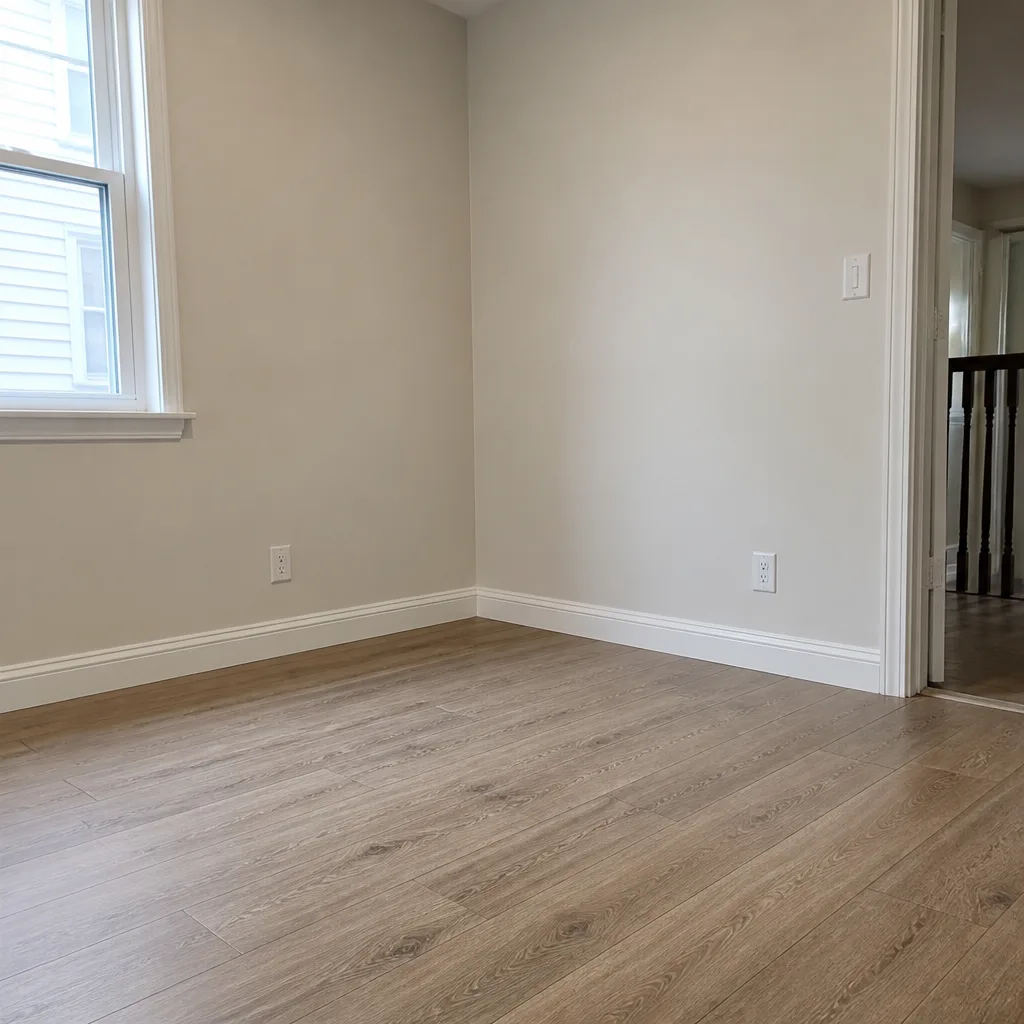
We rebuild what was removed: drywall, flooring, insulation, baseboard. And we document moisture readings daily, handing you the complete log at job’s end, so you know exactly what was done behind the walls.
Need Emergency Sewage Cleanup in Kearny Now?
Crews minutes away, answering live 24 hours a day. The sooner we start, the less it costs.
Working With Your Insurance Company
Most Kearny homeowner policies cover sewage backup only if you have the specific endorsement, and even then, claims go smoother when the documentation is airtight from hour one. Wade’s Restoration has spent 17 years talking directly to adjusters. We send photos room by room, moisture readings on a daily log, and a line-item scope that matches industry software so the adjuster recognizes every line. We flag the backup cause too, because a city sewer main backup is sometimes handled differently than a private lateral failure. You get to stay out of the back-and-forth. Wade deals with the adjuster directly, so you’re not the one explaining the difference between Category 2 and Category 3 water to someone in a claims call center.
What We Provide Your Insurer
- Thorough documentation of the loss
- Photos of all damage, room by room
- Moisture readings and drying logs
- A detailed, line-item scope of work
- Direct coordination with your carrier
Built for Kearny’s Loss Calendar
Sewage in Kearny doesn’t spread itself evenly across the year. Winter freeze-and-thaw cycles stress 100-year-old clay laterals; we see the result in February when an underground pipe finally gives out and raw sewage surfaces through floor drains. Spring is when groundwater rises as the Meadowlands water table swells from snowmelt and the Passaic River runs high; every foundation crack becomes an entry point. Summer thunderstorms overwhelm combined sewer systems, pushing sewage back into basements that have never flooded before. And when a coastal surge like Sandy or a river flood pulse like Irene pushes water from both the river and the meadow side, Kearny takes it from two directions at once. Our crews know that calendar because we work it every year.
Sewage Cleanup Across Kearny’s Neighborhoods
If you live near the eastern edge by the Passaic River or around South Kearny, your home faces the dual-exposure flooding pattern no upland town deals with: coastal surge pushing inland and river pulses pushing downstream at the same time. Homes off Midland Avenue in the 1920s-1940s range are often brick-mortar foundations that seep before they flood, so a sewage backup there usually means Category 3 water spread through chronic damp walls, not just a bathroom overflow. The numbered streets between Johnston and Schuyler Avenues include some of Kearny’s oldest stock, where rubble-stone foundations sit inches above the water table and interior drainage was never part of the original build. When we’re heading to the western blocks by Kearny Marsh or up toward Passaic Avenue, we bring different assumptions: ground pressure is pushing water up through the slab, not just in through a drain. Each area’s losses look different, but the fix has to account for the water table underneath all of it.
Specialized Sewage Cleanup Services We Offer in Kearny
Sewage Backup Cleanup
When a main line backs up into a Kearny basement, especially in homes where the floor drain sits inches above groundwater, extraction is only step one. We map the migration, set containment, and determine whether this is a lone event or the first sign of chronic hydrostatic pressure.
Black Water Extraction
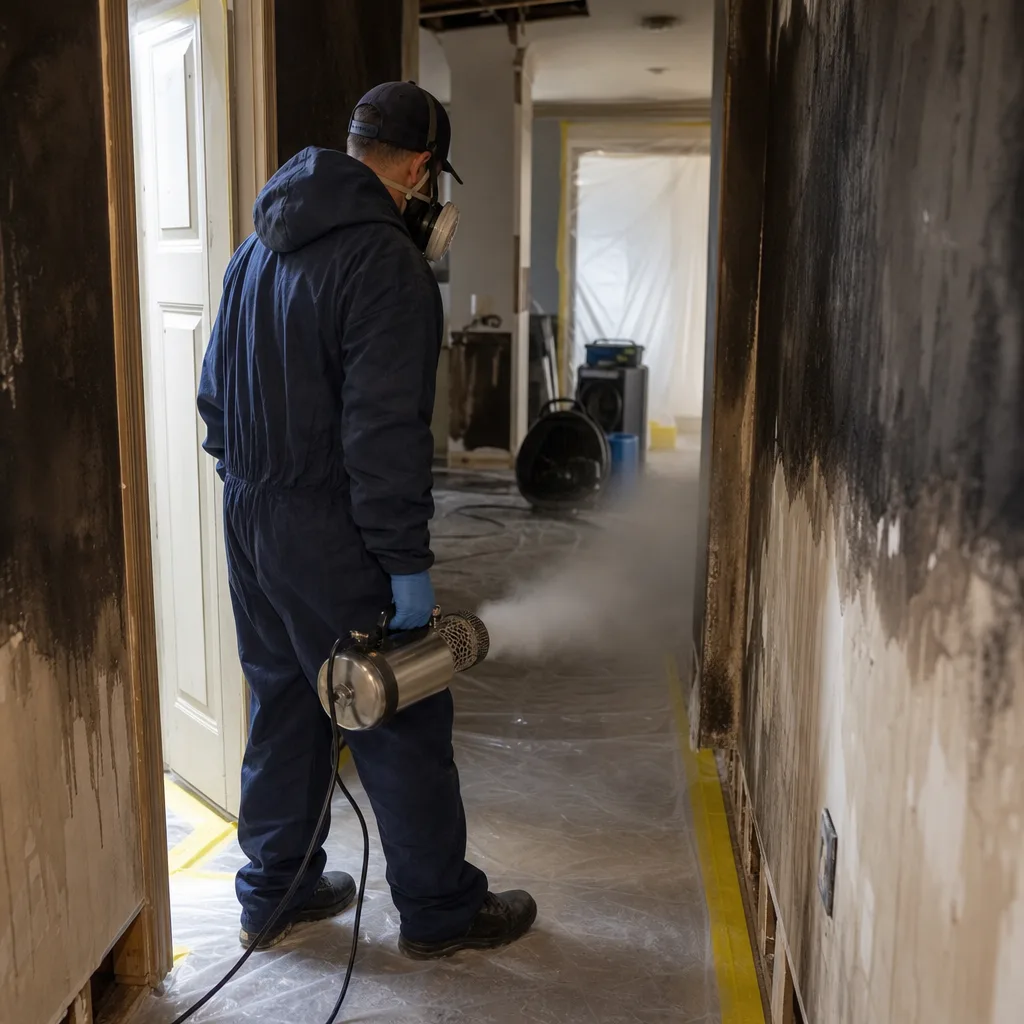
Category 3 water in a 1920s basement with soaked asbestos tile is not a towel-and-fan situation. We use truck-mounted extraction, set negative air where abatement is required, and treat every affected surface with antimicrobial before drying begins.
Crawl Space Sewage Removal
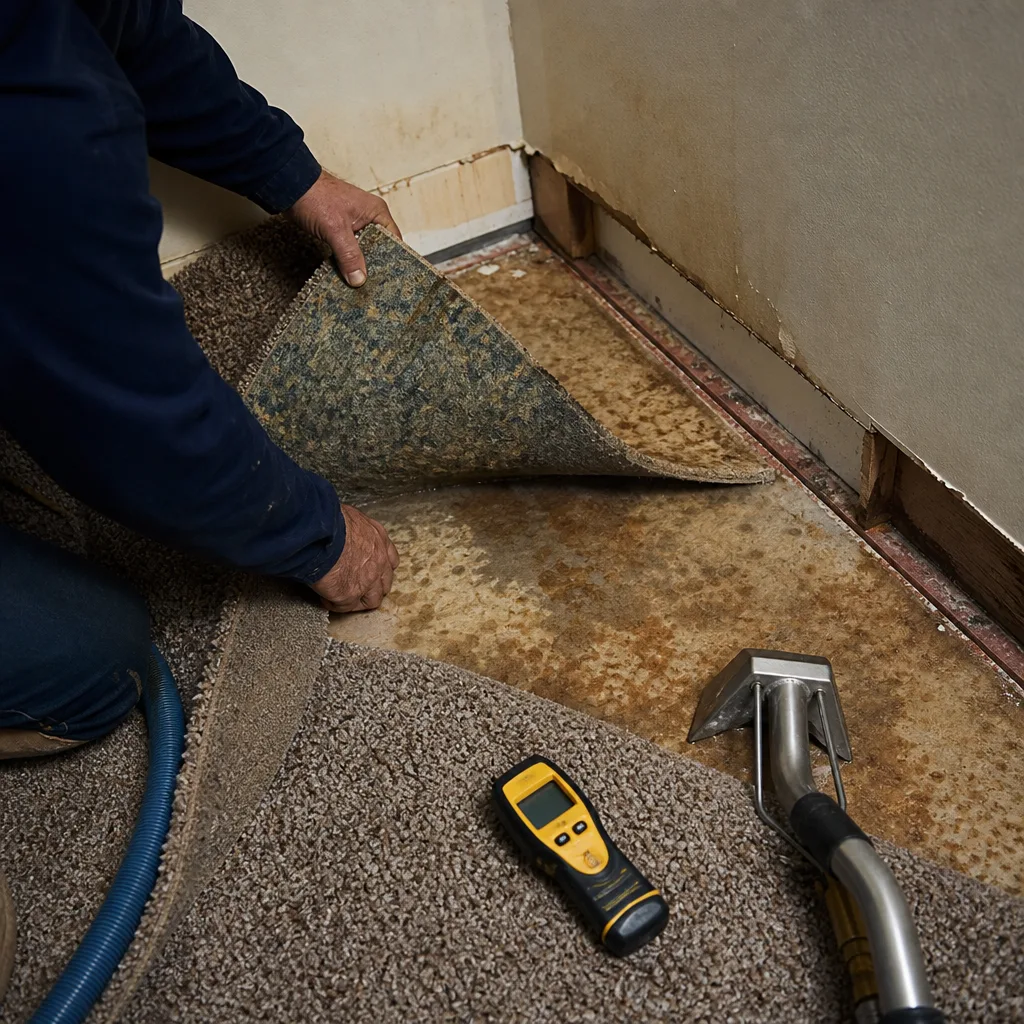
Kearny crawl spaces are shallow, often dirt-floored, and sit directly above the water table. Sewage that finds its way under a house here doesn’t just sit; it feeds the perpetual damp that’s already there. We extract, sanitize, and then address the groundwater source so it doesn’t return.
What happens when you call
- 1
A real person answersNo phone trees - you reach a local pro.
- 2
You get an upfront price rangeHonest numbers before anyone is dispatched.
- 3
A background-checked tech heads outLicensed & insured, dispatched right away.
- 4
You approve before work beginsNothing starts until you say go.
Sewage Cleanup Costs in Kearny, NJ
A straightforward sewage backup cleanup in a Kearny bathroom, contained to one room, usually runs $2,800-$5,200. Black water extraction from a basement that includes multiple rooms, sanitization, and drying typically lands $6,500-$14,000. If asbestos-containing tile or plaster is present and abatement containment is required, add $3,000-$8,000 depending on square footage. Interior drain and sump installation, when groundwater is the real culprit, runs $7,000-$16,000. These are our honest ranges from actual jobs in this market, not national averages. Every job starts with a free visual inspection and a written scope, so you know the number before we touch a wall. Call (856) 501-6142 and we’ll get you the exact figure.
We Also Serve Cities Near Kearny
Wade’s crews are regularly in Harrison, North Arlington, Lyndhurst, and Jersey City for the same sewage work we do across Kearny. Same live answer, same owner on call, same honest scope before we start.
Kearny Sewage Cleanup Questions, Answered
Why does my Kearny basement keep flooding with sewage even after a plumber cleared the line?
Because the plumber cleared the pipe, but the pipe is sitting in saturated Meadowlands fill soil that keeps pressing groundwater into your foundation. In Kearny’s pre-WWII homes, sewage backups are frequently a symptom of chronic hydrostatic pressure, not just a clog. Unless an interior drain and sump with backflow prevention is installed, the black water will return. Call us and we’ll show you the evidence from your own moisture readings.
Do I need asbestos testing before you clean up a sewage backup in my 1920s Kearny home?
If floor tiles, pipe insulation, or plaster from the 1910s-1940s are wet from sewage, yes. Disturbing that material during cleanup kicks asbestos fibers airborne. We set up containment, run negative air with a Dri-Eaz HEPA 500, and coordinate licensed abatement before extraction and drying. Skipping this test is how a $7,000 cleanup becomes a $40,000 legal exposure.
Is black water from a combined sewer overflow in Kearny considered Category 3?
Yes. Combined sewer overflow carries raw sewage mixed with stormwater. By definition it’s Category 3 water: heavily contaminated, potentially infectious, requiring full PPE, containment, extraction, antimicrobial treatment, and structural drying. We treat every combined overflow job in Kearny as Category 3 from the first minute.
How do you dry out a Kearny basement after sewage extraction when the walls are always damp from groundwater?
We don’t just run dehumidifiers and leave. In a Kearny basement sitting near the water table, we install an interior drain system along the perimeter, direct the collected water to a sump with dual check valves, and run Phoenix LGR dehumidifiers until the remaining structural moisture hits dry standard. Without the drainage piece, the walls re-absorb groundwater within days, and sewage contamination comes back with it.
Will my homeowner’s insurance cover sewage backup cleanup in Kearny?
Only if your policy includes the sewage backup endorsement, which most don’t by default. City main backups and private lateral failures are often treated differently by carriers. Wade’s Restoration documents the cause from hour one and talks to your adjuster directly, so your claim reflects what actually happened. Get the free inspection first; we’ll help you understand what’s covered before you commit.
How long does sewage cleanup and drying take in a typical Kearny home?
Extraction and sanitization are usually done in one to three days. Structural drying in a basement with groundwater present takes three to five days, sometimes longer in older rubble-stone foundations that hold moisture. If interior drain installation is needed, add two to four days for the plumbing and concrete work. We give you a written timeline before we start.
Can we stay in the house during sewage cleanup?
It depends on the spread. In most single-room backups, yes, with containment barriers and negative air in place. In a full basement loss with Category 3 water, we strongly recommend you stay elsewhere for 48 to 72 hours while extraction and initial drying happen. Sewage aerosols are not something to breathe while your HVAC circulates them.
What should I do in the first 30 minutes after a sewage backup in Kearny?
Turn off the HVAC so it stops circulating sewage air. Don’t flush toilets or run water. Don’t walk through the contaminated area and track it elsewhere. Then call (856) 501-6142. Wade will tell you what to do next over the phone and get a crew on the road. The faster extraction starts, the less damage you’re paying to clean up.
Serving Kearny, NJ - Our Local Coverage Area
We’re based in the Kearny area and know this community well. Use the map below to see our service coverage - if you’re nearby, we can almost certainly help.
One More Thing About Sewage in Kearny
Most national outfits treat a sewage backup in a 1920s Kearny two-family as a standard extraction job. Pump it out, dry it, done. We’ve watched homeowners pay for that and then call us six months later when black water returns through the same floor drain. The difference is what’s under your house. Kearny is built on filled Meadowlands wetland. The water table is always high. The Passaic River pushes from the east and the marsh from the west. When a clay lateral fails or a combined sewer overflows, sewage enters your basement through a floor drain or foundation crack that is already wet. Drying and sealing is not a fix if groundwater is still pushing up. The real repair includes an interior drainage system, sump with backflow preventers, and a foundation wall treatment that keeps moisture from re-saturating. Wade Ferris has been doing this work since 2007, and he’ll tell you the truth even when it means a bigger scope than you planned. That’s how we keep the promise: if it’s not done right, we make it right, in writing.
Written by Wade Ferris, Owner at Wade’s Restoration, serving Kearny since 2007.