
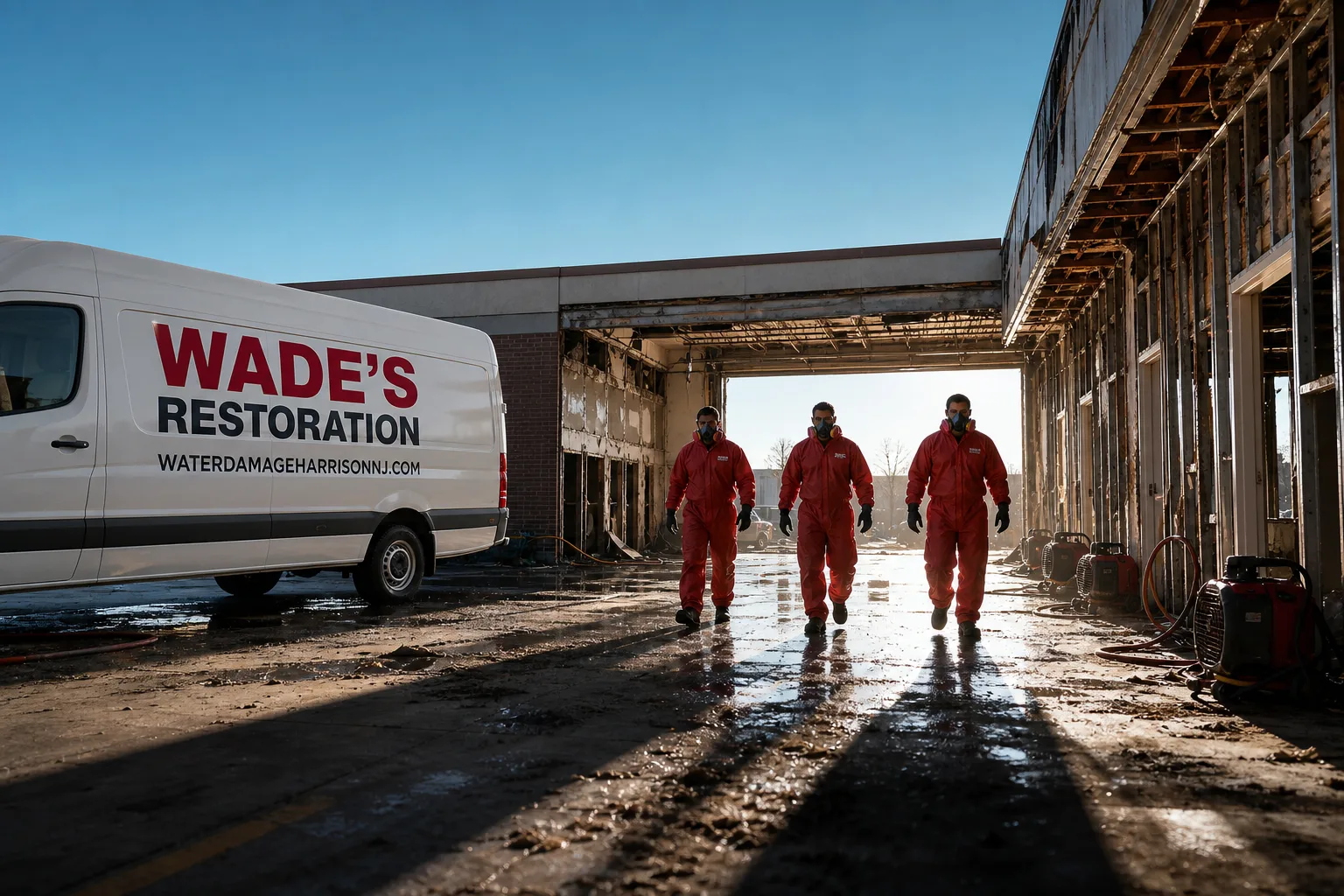
Free visual inspection and a written scope of work before any mitigation begins - photos, moisture readings, and drying logs go in your claim file
The scope we write is the scope we bill. Anything new gets shown to you, in writing, before we touch it.
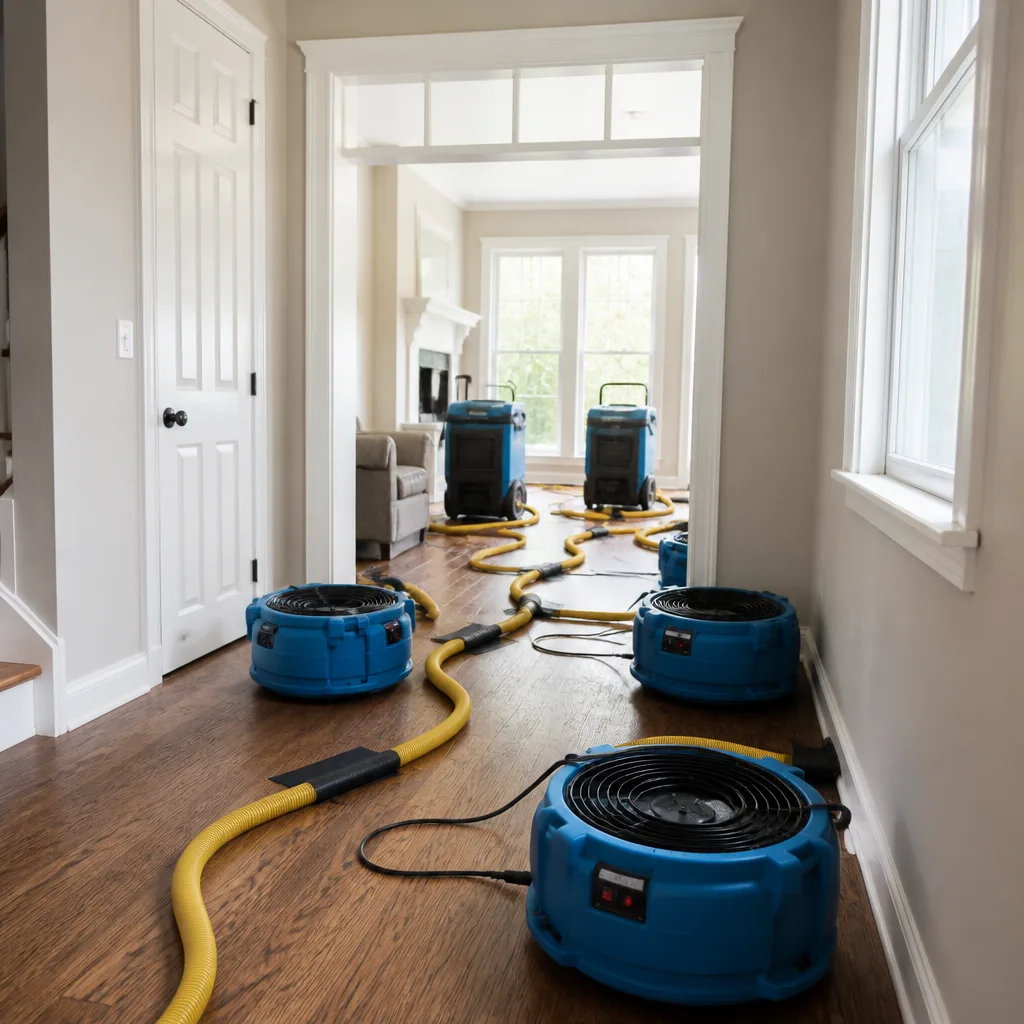

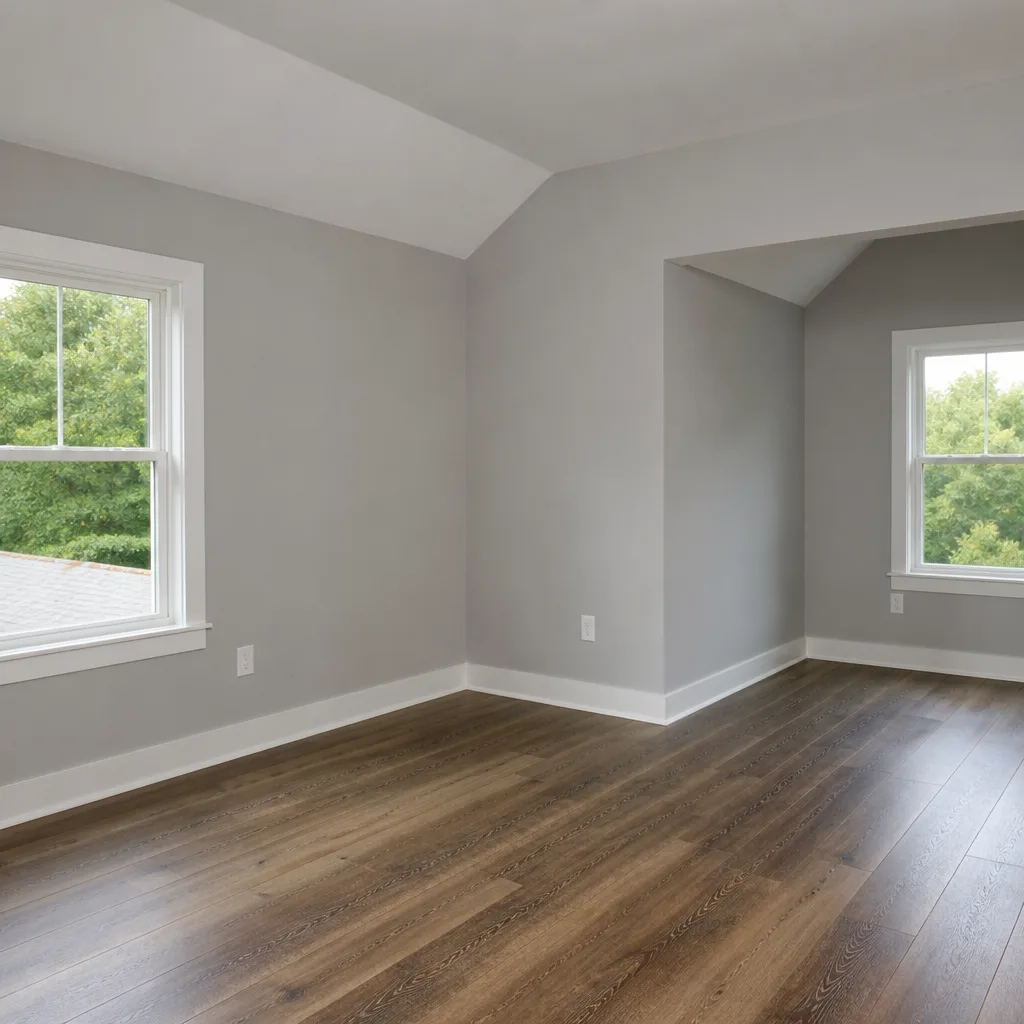

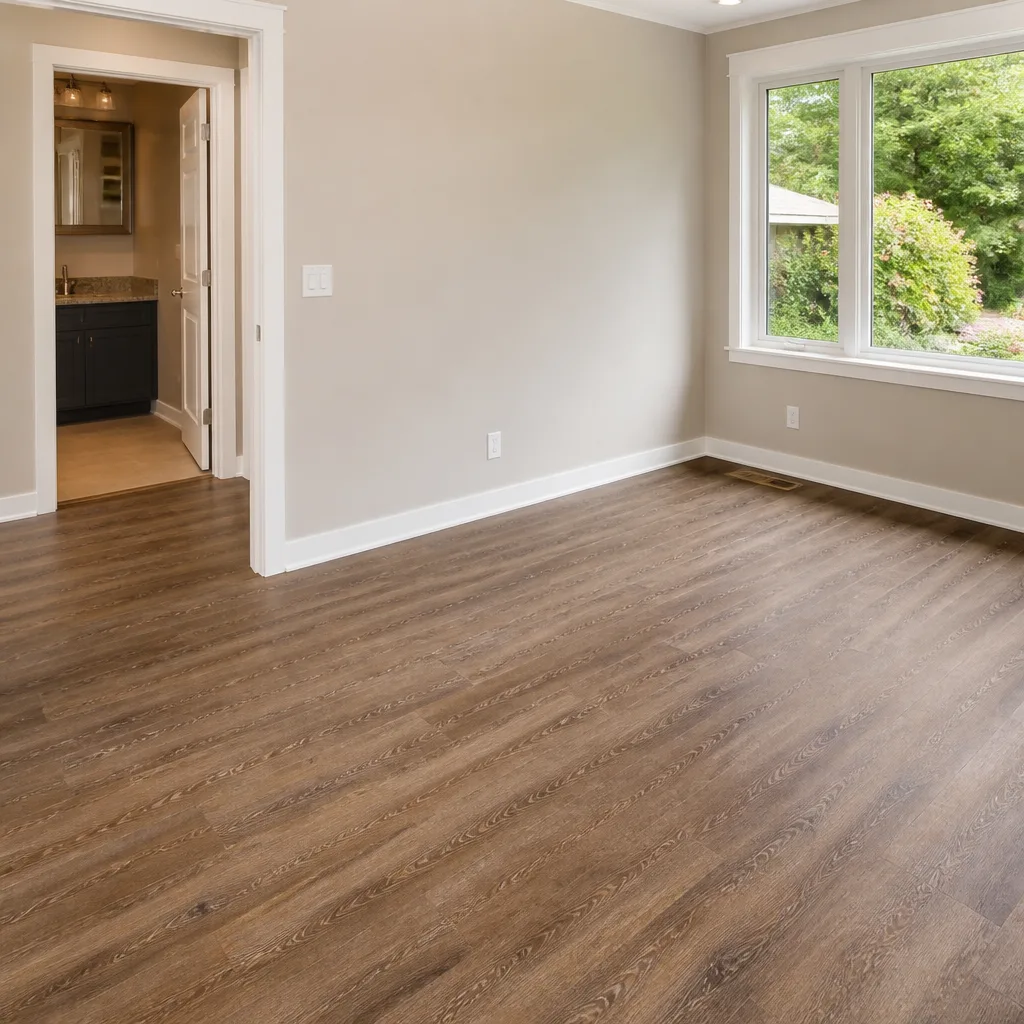
 Before
 After
After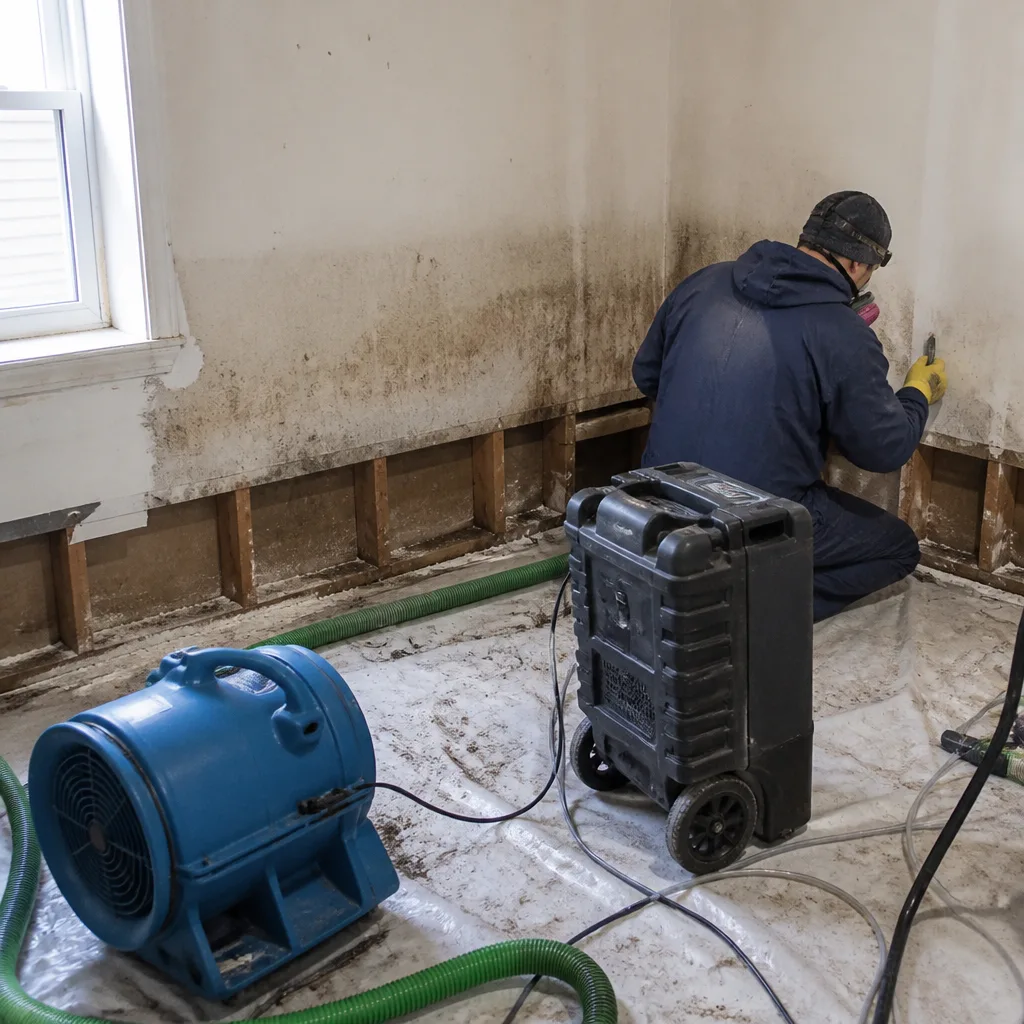 Before
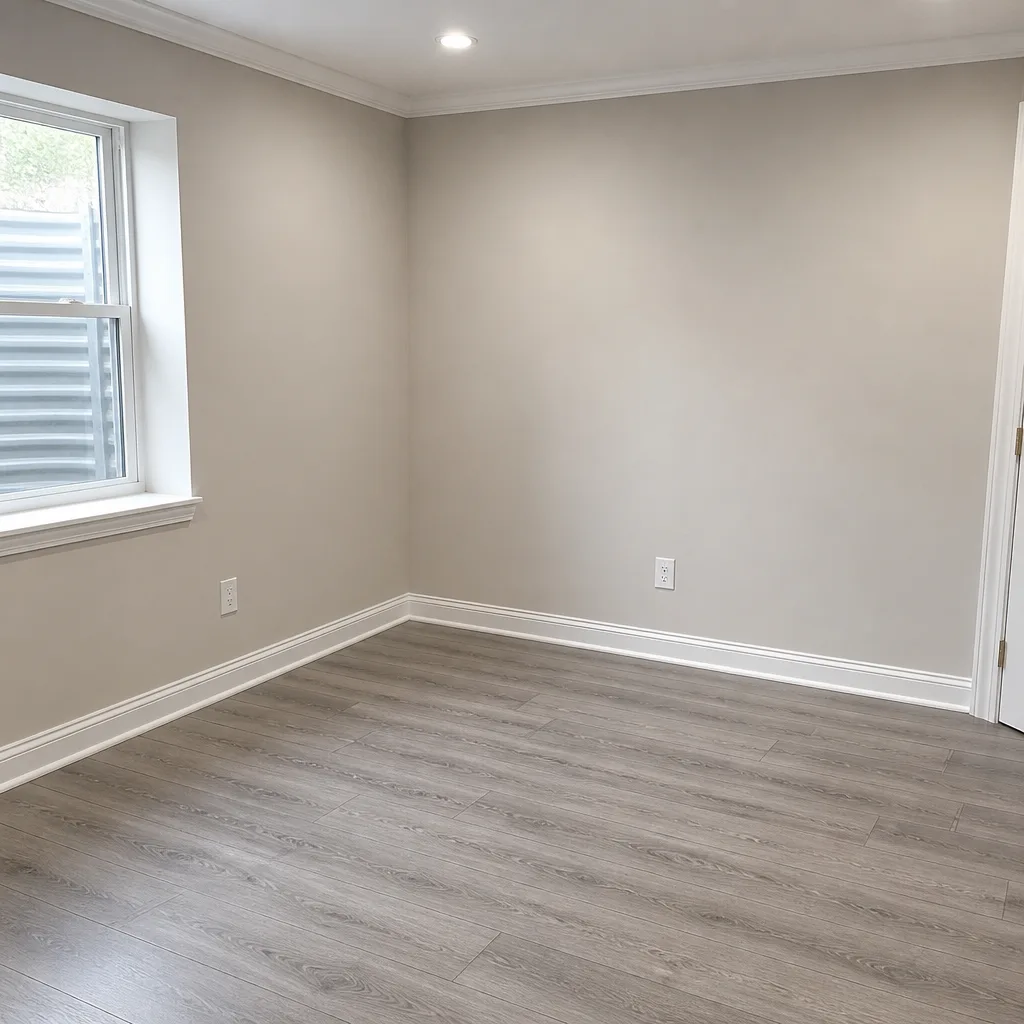 After
After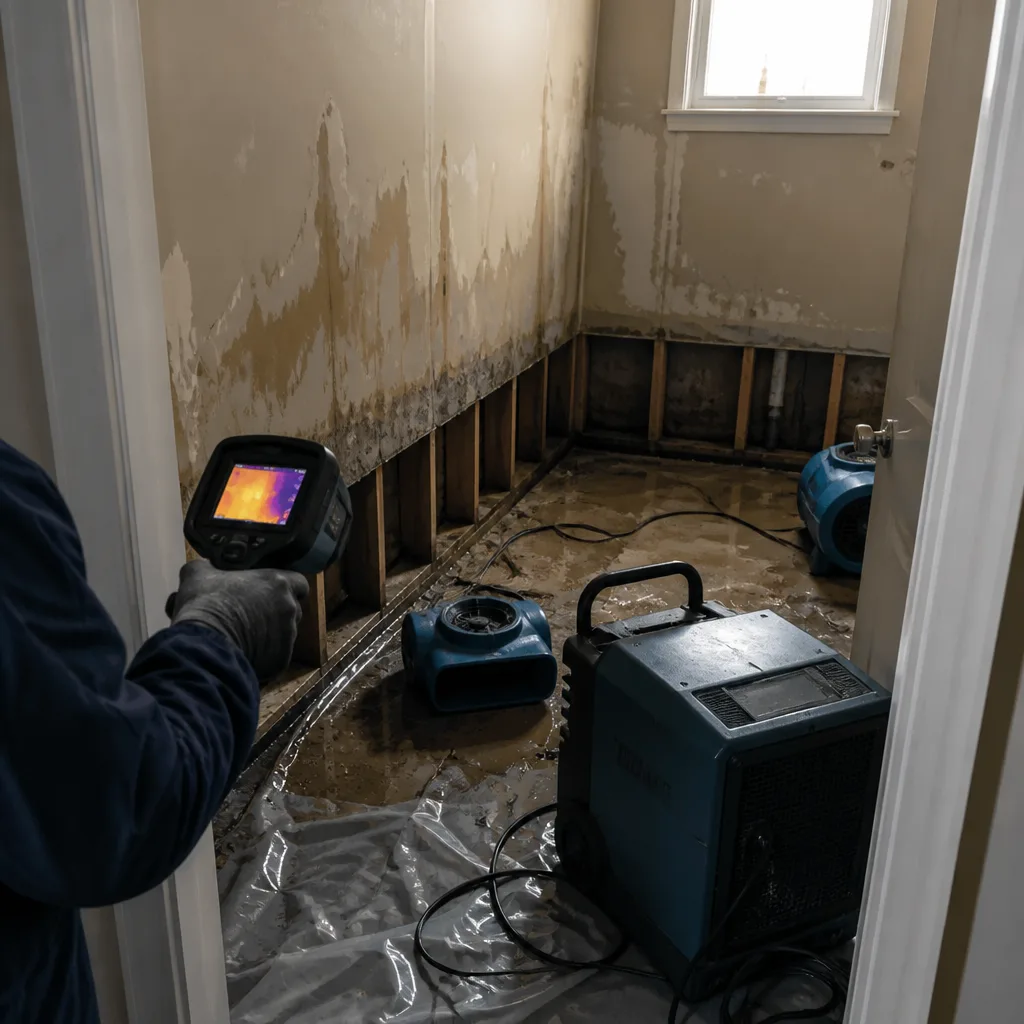 Before
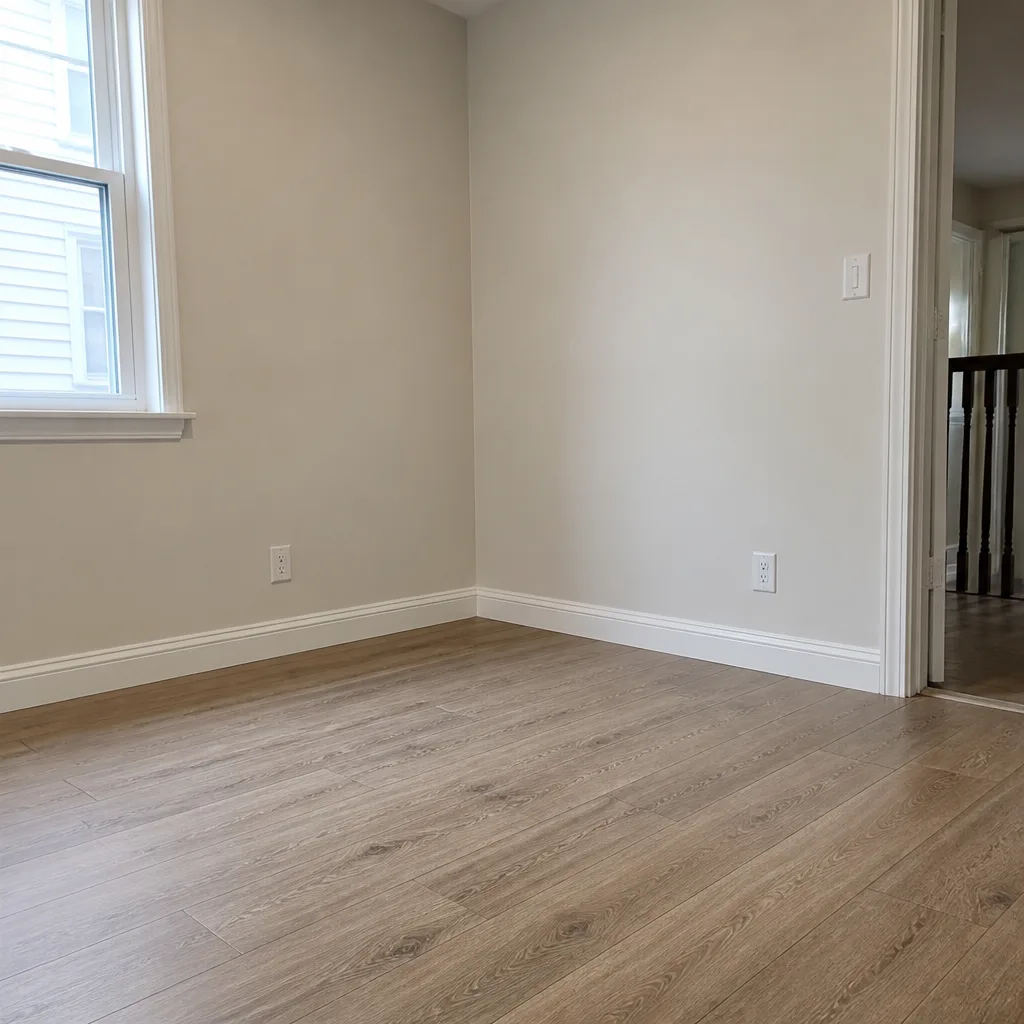 After
After24/7 Emergency Reconstruction & Cleanup in Kearny
Reconstruction and cleanup in Kearny usually means rebuilding after chronic groundwater intrusion, not just drying out from a single storm. Most finished basements here sit inches above a water table that never really drops, and the damage shows up as recurring mold, failing drywall, and soaked carpet that comes back even after a “fix.” Wade’s Restoration has crews working Kearny neighborhoods every day, and when you call (856) 501-6142, you get a live person, not an answering service. Wade himself answers his phone. If you’ve got water coming through a stone foundation on Kearny Avenue or a flooded basement near the Marsh, the first hour determines whether you’re replacing drywall or rebuilding framing. We’ll be there fast, with thermal imaging and moisture meters, to show you exactly what’s happening before any work starts.
Understanding Reconstruction & Cleanup Severity in Kearny Properties
Kearny’s housing stock is mostly pre-WWII two- and three-family homes built between 1910 and 1940. These houses sit on rubble-stone or brick-mortar foundations that were never designed to hold back hydrostatic pressure. When the Meadowlands water table rises, water doesn’t rush in like a burst pipe. It seeps through mortar joints at a slow, constant rate, saturating sill plates, wicking up into drywall, and feeding mold behind baseboards for months before anyone notices. That’s category 3 water intrusion, meaning it’s been sitting in contact with soil long enough to carry bacteria and sewage bacteria from old clay sewer lines. We see this on the western blocks near Kearny Marsh, along Schuyler Avenue, and down by the Passaic River edge. Severity levels matter here. A clean-water supply line break is category 1 and can sometimes be dried in place. Chronic groundwater intrusion is category 3 every time, and trying to “dry it out” without addressing the source means tearing out the same walls again next year. Older homes also hide asbestos in 1920s plaster, floor tiles, and pipe wrap, which means demolition without containment turns a basement job into a whole-house contamination event. We test, we contain, and we rebuild to keep the water from coming back, not just to make it look dry for the inspector.
Why Kearny Property Owners Choose Wade’s Restoration
- 45-minute response commitment – When your basement is filling or your drywall is crumbling, Wade’s crew heads out immediately. We know the shortcuts through Kearny’s dense blocks and narrow alleys, and we get there fast.
- 24/7 live answer, always a real person – No call routing, no “press 1 for emergencies.” Wade Ferris answers his own phone, even at 2 a.m. when a nor’easter is pushing the Passaic over its banks.
- IICRC-certified crews with WRT and ASD certifications – Our people carry Water Damage Restoration and Applied Structural Drying certifications from the IICRC, plus AMRT for mold. That means moisture mapping is done right, not guessed at.
- Free visual inspection before any work – We don’t charge to show up inside our own county, and Wade will walk your basement with you and point to the actual source of the water. No charge for that.
- Direct insurance billing and adjuster communication – Wade talks to your carrier directly. You’re not stuck relaying messages between a claims rep and a contractor, which is the slowest, most frustrating part of any restoration job.
- One team from water extraction to finish carpentry – The same people who set up the dehumidifiers also hang the new drywall and run the baseboard. No handoff to a sub who didn’t see what happened during the first 48 hours.
Our Reconstruction & Cleanup Process
Inspection & Assessment
We start with thermal imaging and Dri-Eaz hygrometers to map exactly where the water is and where it’s been. On a Kearny stone foundation, that means reading wall cavities and sill plates, not just the floor. You get a written scope with line-item pricing before any tear-out starts.
Containment & Source Control
If asbestos is present in 1920s plaster or old floor tile, we set containment with negative air before cutting anything. For groundwater intrusion, we identify whether the water is coming through the floor slab, the cove joint, or the walls, because each needs a different fix.
Water Extraction & Structural Drying
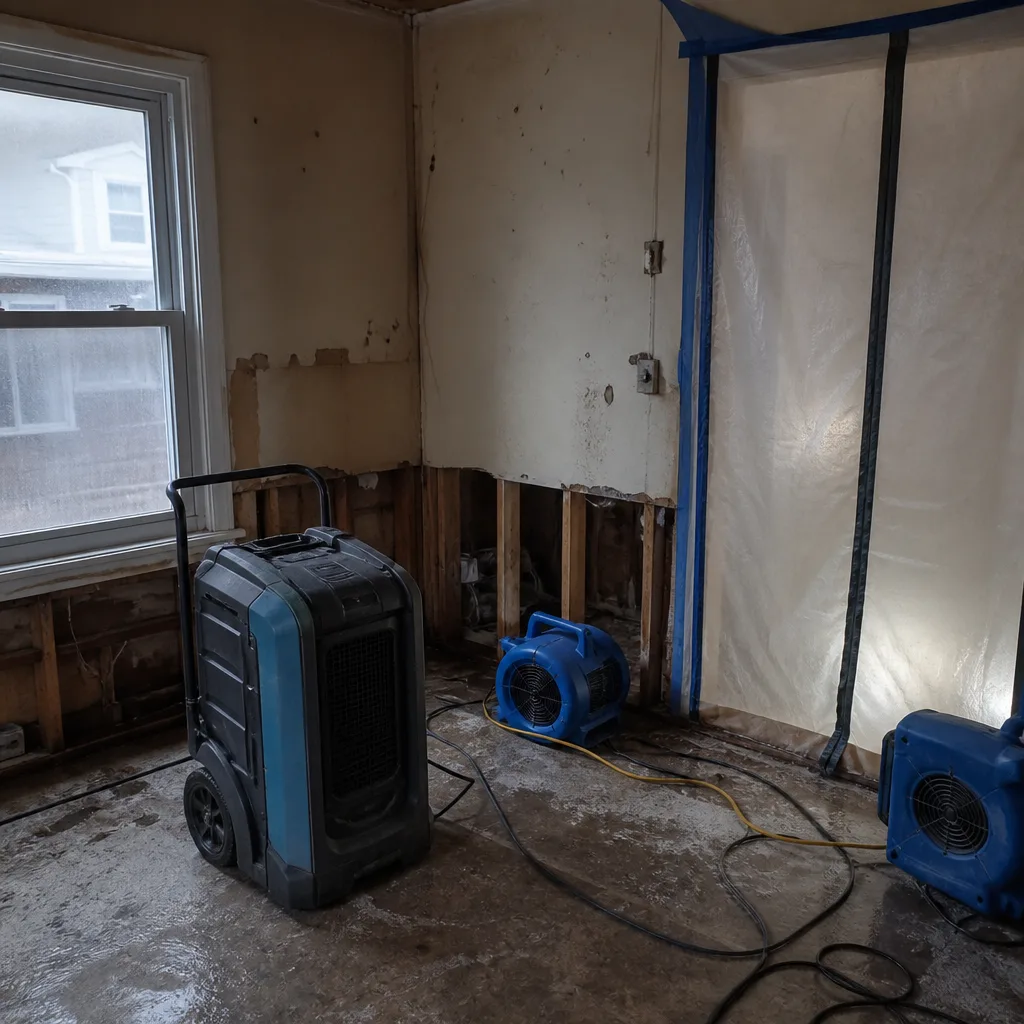
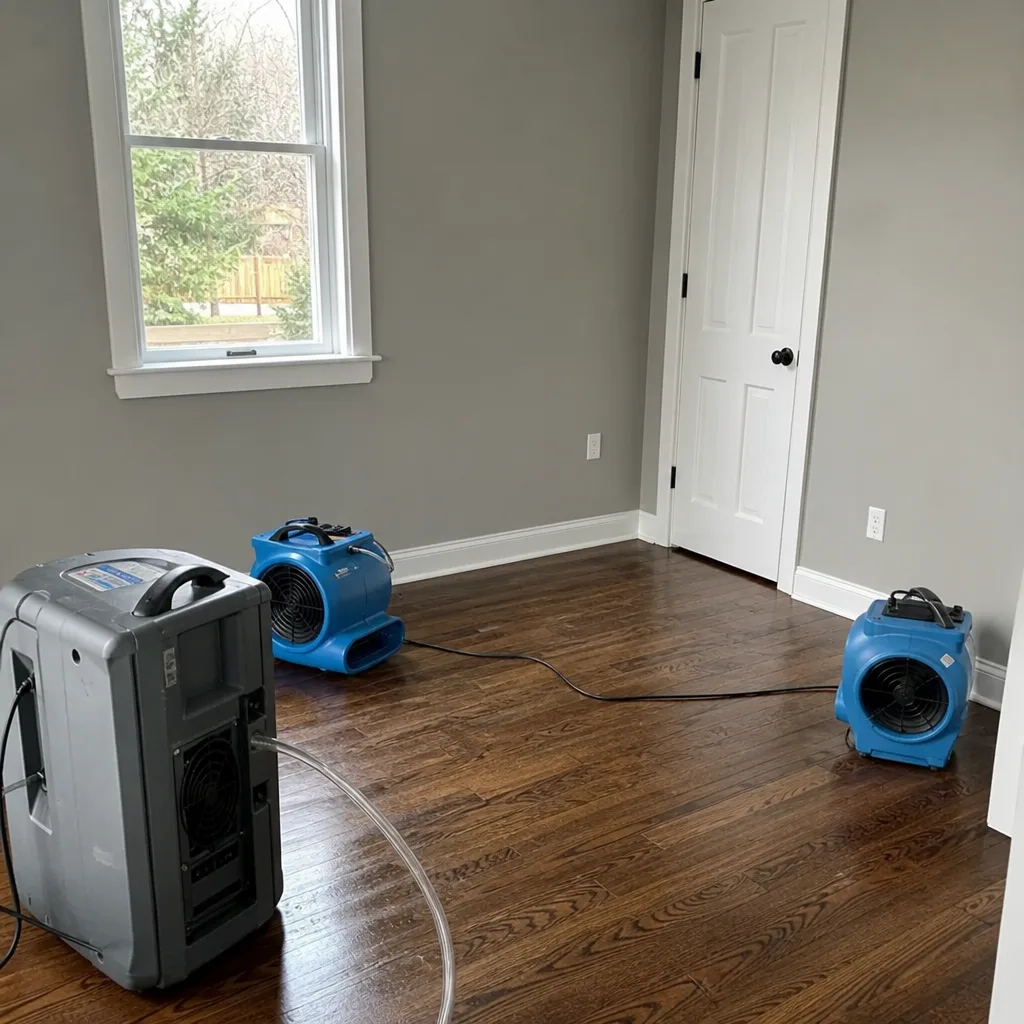
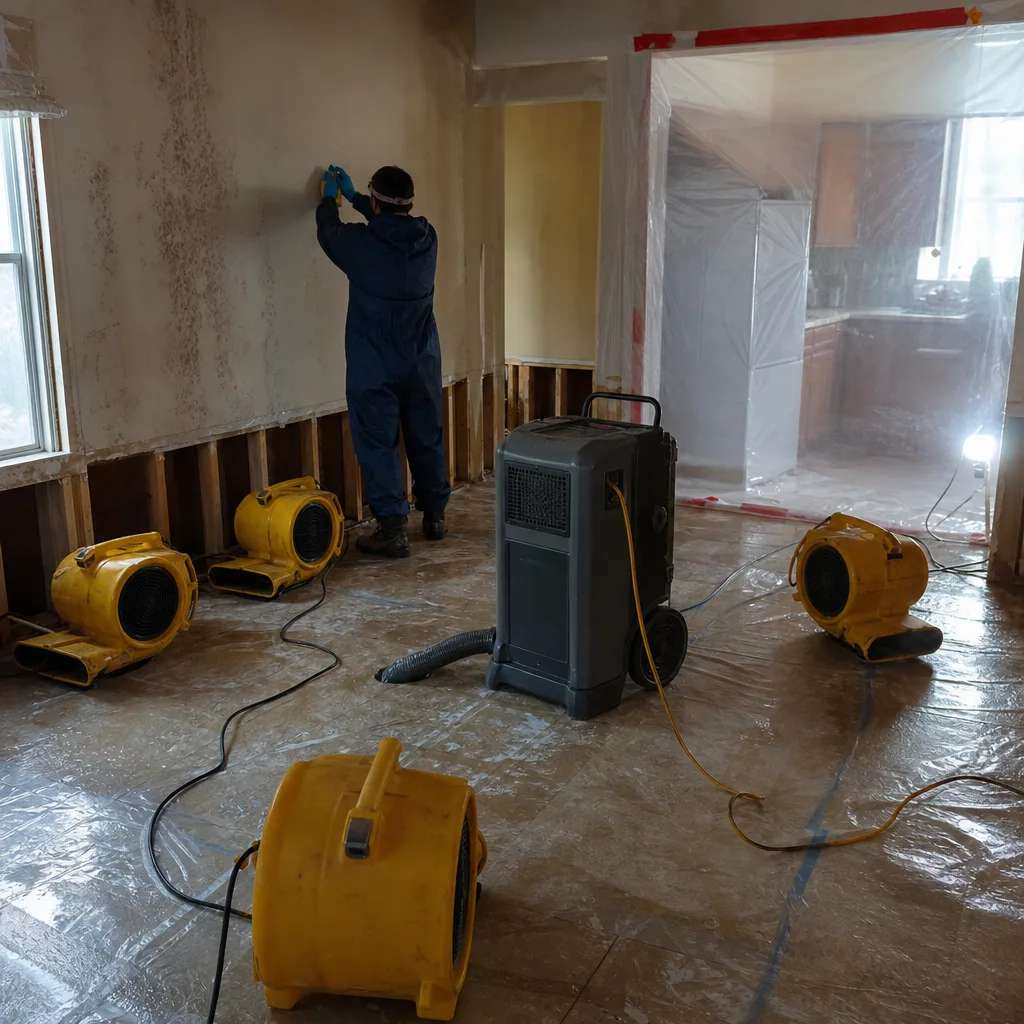
Truck-mounted extraction for standing water, followed by XPOWER air movers and Phoenix dehumidifiers. Wade logs moisture readings every day and hands you the full drying log at the end. Almost nobody in this trade does that.
Cleaning & Sanitization
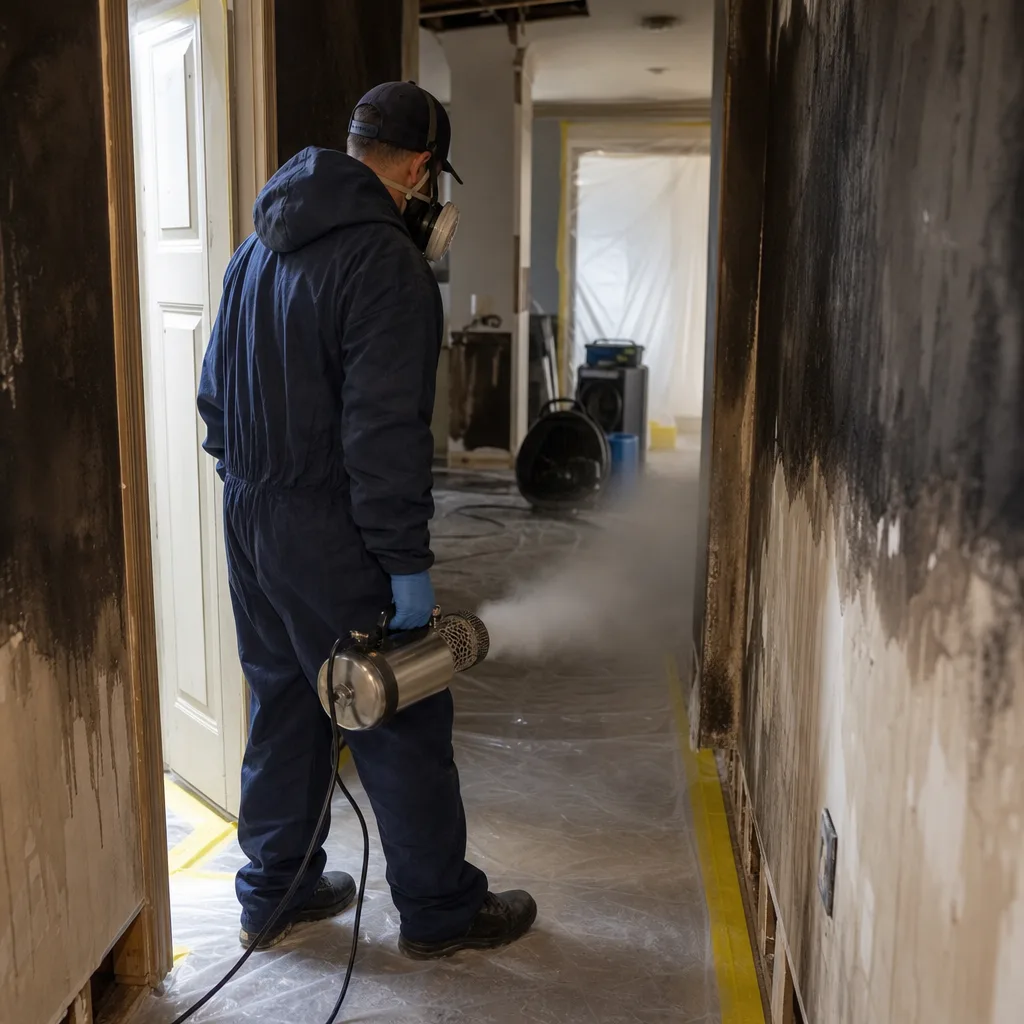
Category 3 water means everything that got wet gets treated with antimicrobials, not just wiped down. We HEPA-vacuum stud cavities, clean salvageable contents, and remove unsalvageable carpet and pad that’s been sitting in groundwater.
Interior Drainage & Waterproofing
In Kearny, drying alone doesn’t stop the next seep. We install perimeter interior drainage systems, sump pumps with battery backup, and vapor barriers where the field saturated fill soil is pushing water through the slab from below.
Rebuild & Finish
Drywall, flooring, trim, paint, and mold-resistant materials go back in. Every water, fire, and mold restoration job is backed by Wade’s 90-Day Done Right Promise, in writing. If it’s not done right, Wade makes it right.
Need Emergency Reconstruction & Cleanup in Kearny Now?
Crews minutes away, answering live 24 hours a day. The sooner we start, the less it costs.
Working With Your Insurance Company
Groundwater intrusion is one of the trickiest insurance situations in Kearny, because most standard homeowners policies exclude flood and groundwater unless you carry a separate flood policy. What matters is documentation that shows what actually happened. We document from the first hour, with photos of every room, moisture readings that establish when the water entered, and a line-item scope that separates sudden damage from chronic seepage. Wade talks to your adjuster directly, so the claim doesn’t stall because a busy homeowner couldn’t relay a drying log or a containment photo. We’ve been through this with carriers on all the major storms, Sandy and Irene included, and we know what adjusters need to see to move a claim. If you’ve got water in a finished basement near the Marsh or along Bergen Avenue, call (856) 501-6142 and we’ll start the paper trail the same hour.
What We Provide Your Insurer
- Thorough documentation of the loss
- Photos of all damage, room by room
- Moisture readings and drying logs
- A detailed, line-item scope of work
- Direct coordination with your carrier
Built for Kearny’s Loss Calendar
Kearny doesn’t have one flood season. It has two, and sometimes they overlap. In January and February, deep freezes burst old supply lines in unheated basements and crawlspaces that were built before insulation was standard. When those pipes let go under a three-family on Davis Avenue, the water runs for hours before anyone notices, soaking joists and collapsing ceiling plaster. Spring thaw pushes the Meadowlands water table up, and basements that were dry in December start seeping through the cove joint in March. Summer brings flash thunderstorms that overwhelm the town’s storm drains, and because Kearny sits between the Passaic River and the Meadowlands basin, water comes from the river on one side and backed-up drainage on the other. Fall nor’easters are the worst. Sandy in 2012 and Irene in 2011 both pushed water into Kearny from multiple directions at once. That dual-exposure flooding pattern doesn’t exist in Nutley or Bloomfield, and it’s why a standard dry-out-and-paint approach fails here. The town was built on filled Meadowlands wetland, and the water table remembers. We plan for all of it.
Reconstruction & Cleanup Across Kearny’s Neighborhoods
The western blocks near Kearny Marsh, around Gunnell Oval and up toward Arlington, see the highest water table in town. Those rubble-stone foundations sit inches above saturated fill soil, and chronic seepage is the normal condition, not the exception. We’ve rebuilt finished basements on Elm Street, Johnston Avenue, and the numbered streets off Schuyler Avenue where the moisture never really leaves the walls. The north end, around Dean Street and Hamilton Avenue, runs tight against the Belleville border where pre-war townhomes stand wall-to-wall with no side access, meaning equipment goes in through the front door or an alley-load door that might be 30 inches wide. We carry low-profile trailers and hand-carry dehumidifiers for those jobs. The Passaic River side, down by Riverbank Park and the blocks east of Kearny Avenue, gets river pulses and storm surge in the same event. The borough’s public works crew knows these streets, and so do our drivers. When the Passaic backs up and the storm drains can’t discharge, the water comes up through floor drains in basements all along that corridor at once. We stage equipment in Kearny during storm watches because we know the phones are going to ring.
Specialized Reconstruction & Cleanup Services We Offer in Kearny
Our Reconstruction & Cleanup team handles the full rebuild, not just the dry-out. Here’s what that looks like in Kearny specifically.
Full-Service Reconstruction
When a stone foundation seeps for years before anyone opens the wall, you’re not just replacing drywall. You’re replacing sill plates, studs, subfloor, and often the bottom three feet of an entire finished basement. We rebuild with pressure-treated lumber, mold-resistant gypsum, and waterproofing that works with the house’s age, not against it. This isn’t cosmetic repair. It’s structural reclamation on 1920s framing that wasn’t designed for today’s water table.
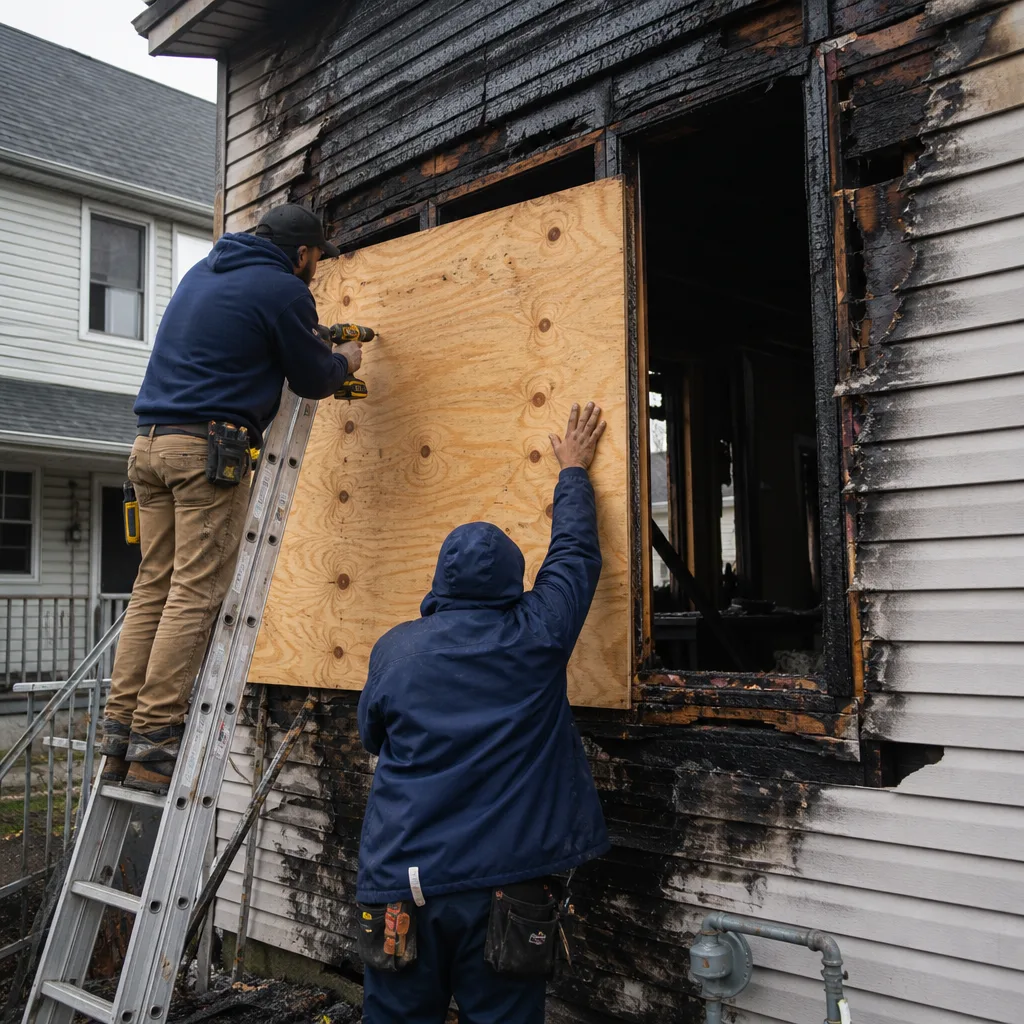
Drywall & Flooring Repair
Kearny’s pre-war homes have plaster walls over wood lath, and when water wicks up from the foundation, the plaster crumbles and the lath rots. We remove only what’s compromised, patch with compatible materials, and match the existing finish so you can’t see the line. For flooring, we handle everything from 1940s oak strip flooring that can sometimes be saved, to modern laminate that can’t. If the water came from groundwater, we don’t reinstall flooring until the slab is sealed and the moisture readings tell us it’s safe.
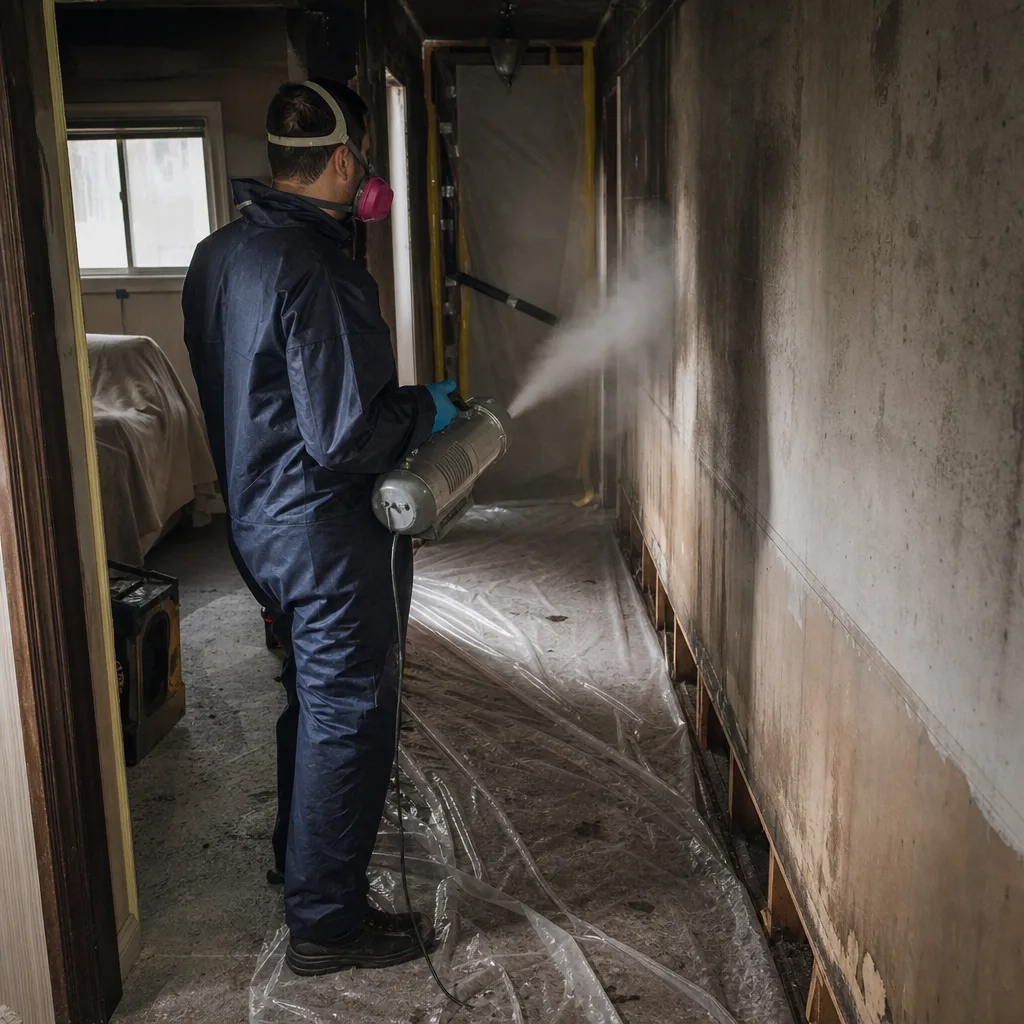
Contents Restoration & Pack-Out
When a basement full of twenty years of belongings gets soaked, or when asbestos abatement requires everything to leave the house, we do a full pack-out. We inventory every item, photograph it, pack it, and store it in a climate-controlled facility. Then we clean what can be saved and document what can’t for your insurer. On narrow streets off Bergen Avenue where there’s no driveway and the alley is eight feet wide, we hand-carry boxes in and out. It’s slower, but it’s the only way to do it without blocking your neighbor’s front door all day.
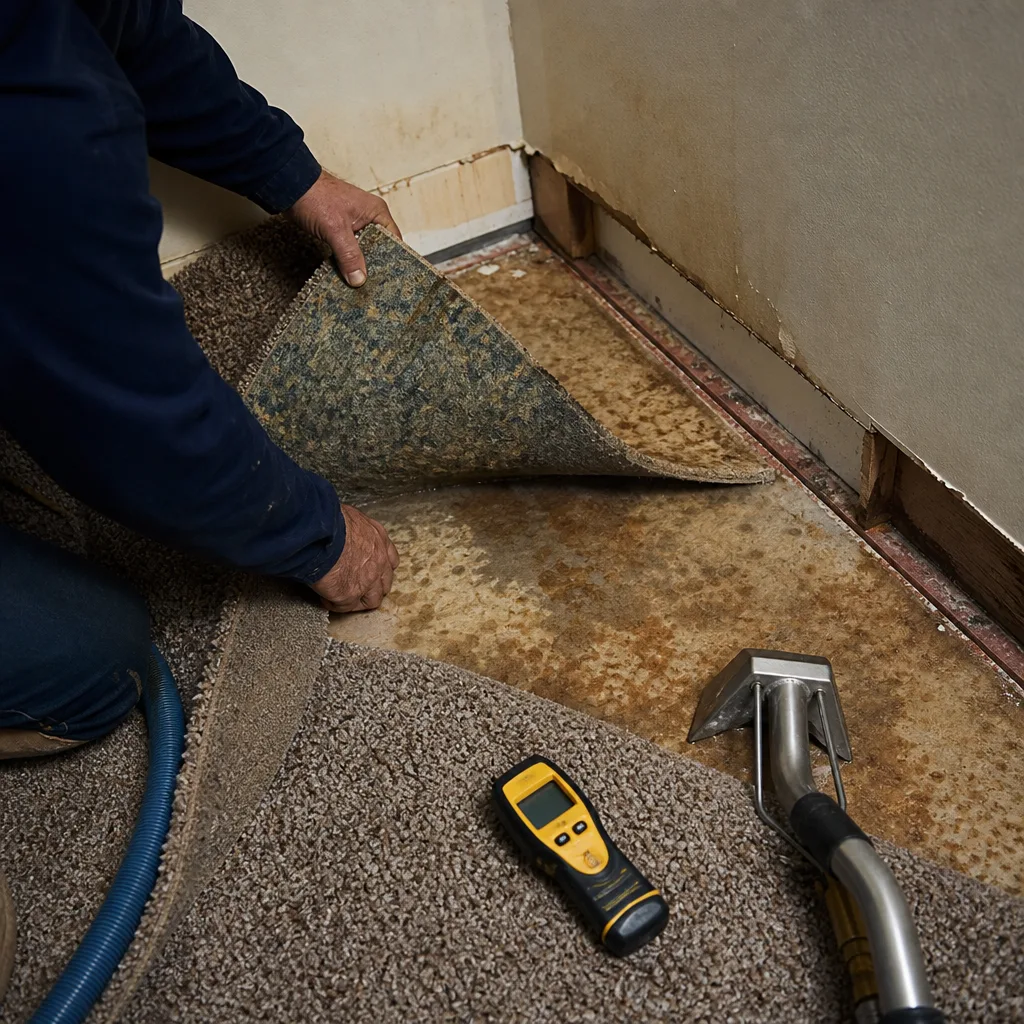
Carpet & Upholstery Cleaning
If your carpet got wet from a clean-water pipe break and we get there fast, we can often dry it in place with extraction and high-velocity air movers. If it sat in groundwater or sewage, the pad goes, the carpet usually goes, and we clean and sanitize the subfloor before anything goes back. The same applies to upholstered furniture in the affected area. We don’t try to save a sofa that’s been soaking in category 3 water, and we’ll tell you that before you spend money on it.
Post-Construction Cleanup
After a full rebuild, the dust from drywall sanding, sawing pressure-treated lumber, and demo plaster gets into every room of a three-family house. We do a full post-construction clean: HEPA-vac the surfaces, wipe down walls and trim, clean ducts if needed, and leave the house livable. In Kearny’s dense housing, dust containment matters because your neighbor’s windowsill is four feet from yours.
What happens when you call
- 1
A real person answersNo phone trees - you reach a local pro.
- 2
You get an upfront price rangeHonest numbers before anyone is dispatched.
- 3
A background-checked tech heads outLicensed & insured, dispatched right away.
- 4
You approve before work beginsNothing starts until you say go.
Reconstruction & Cleanup Costs in Kearny, NJ
Kearny’s market prices are shaped by housing age and access. Here’s what we typically see:
- Drying out a clean-water basement with containment and air movers: $3,000-$5,500
- Full basement tear-out and rebuild after chronic groundwater intrusion: $18,000-$35,000
- Interior perimeter drainage system with sump pump: $7,000-$14,000
- Asbestos abatement on 1920s plaster or floor tile, added to any demolition: $2,000-$6,000
- Contents pack-out, cleaning, and storage for a two-bedroom basement: $4,000-$9,000
- Post-construction clean for a one-family row home: $800-$1,800
What moves the price is supply lines versus groundwater, asbestos presence, and access. If we can get a trailer to the back door off a wide alley off Kearny Avenue, equipment moves fast. If we’re carrying dehumidifiers through a front door on a block where the homes are four feet apart, labor goes up. Insurance covers sudden damage from broken pipes or wind-driven storm events where you have coverage. Chronic groundwater seepage is typically a flood-policy question, and Wade will tell you the hard truth about what will and won’t be covered before you write a check. The free inspection gives you a firm written scope, not a phone quote that changes when we see the wall open. Call (856) 501-6142 and we’ll come out for free, no trip charge inside the county, and tell you what you’re actually looking at.
We Also Serve Cities Near Kearny
Our Reconstruction & Cleanup in Kearny work takes us to the surrounding blocks and boroughs every week. You’ll see Wade’s trucks in Harrison, North Arlington, Lyndhurst, and Jersey City. Same crew, same 45-minute response, same owner on the phone when you call.
Kearny Reconstruction & Cleanup Questions, Answered
Why does my Kearny basement keep getting wet even when the Passaic River isn’t flooding?
Because Kearny was built on filled Meadowlands wetland, and the water table sits a few feet below your basement slab year-round. When it rains, even lightly, that table rises and pushes water through the cove joint, through mortar joints in your stone foundation, or up through the slab. It’s not a leak from a single point. It’s hydrostatic pressure from saturated fill soil. The fix is an interior drainage system and sump pump, not just patching the spot where you see water. Call (856) 501-6142 and we’ll show you exactly where the water is entering with a moisture map.
Do I need asbestos testing before you tear out damaged plaster in my 1920s Kearny home?
Yes. Most pre-1940s homes in Kearny have asbestos in plaster, floor tiles, or pipe insulation, and cutting into those materials without testing and containment can contaminate the entire house. We test before we demo, and if asbestos is present, we set up negative-air containment and follow abatement protocol. That’s non-negotiable. It protects you, your family, and your neighbors in a town where homes sit wall-to-wall.
How do you handle pack-out when my townhome has no driveway and the alley is only 8 feet wide?
We hand-carry everything. Our crew stages the truck on the street where parking exists, then carries boxes, furniture, and equipment door-to-door. It takes longer, but we’ve done it on blocks off Bergen Avenue and Fern Place where there’s no vehicle access at all. The pack-out is inventoried, photographed, and documented for your insurer as we go, so nothing gets lost between the house and storage.
Can you dry out my finished basement without ripping out the drywall if the water came from the floor rather than a pipe?
If it’s clean water that was caught within 24 hours, sometimes. If it’s groundwater from the Meadowlands water table, almost never. Groundwater is category 3 water, and drywall that’s been wicking it up has to go. We’ll put a moisture meter on the bottom edge of the drywall and show you the readings. If the paper face on the drywall is saturated, no amount of air movement dries it safely. You’d be sealing mold behind new paint. The honest answer is that you’ll spend more rebuilding in two years than you’ll save by skipping the tear-out now.
How quickly can you start structural drying after a Passaic River flood pulse hits Kearny?
Within 45 minutes of your call, we’re headed to your block. During big storm events, we pre-stage equipment in Kearny because we know the river side and the Marsh side are both going to flood. Structural drying starts as soon as extraction is done, usually inside the first two hours. The first 48 hours determine whether studs and subfloor can be saved or have to come out, so every hour counts. Call (856) 501-6142 the moment you see water.
How long does a full basement reconstruction take in Kearny?
A clean-water dry-out takes three to five days of running air movers and dehumidifiers. A full tear-out and rebuild after groundwater intrusion, with drainage installation and asbestos abatement, runs two to five weeks depending on the size of the basement and whether you’re doing a full finish or just getting it back to utility condition. We give you a written schedule as part of the scope before work starts, and Wade checks the job in person at least once a week.
Will insurance cover groundwater seepage in my Kearny basement?
Standard homeowners policies usually exclude groundwater and seepage. What gets covered is sudden and accidental events: a burst supply line, a water heater failure, wind-blown rain entering through a damaged roof, or a river flood if you carry flood insurance. If the water came up through the floor over several days, that’s seepage, and it’s typically on you. Wade will document everything honestly and tell you what to expect before you spend money on the claim. We never inflate a claim to make a policy fit. It’s not worth losing our name over.
What should I do in the first 30 minutes after I find water in my Kearny basement?
Call (856) 501-6142 first, then kill power to the affected area if the panel is dry and accessible. Don’t walk through standing water if you’re unsure whether electricity is off. Don’t use a shop vac on a full basement unless you know it’s clean water. Take photos of everything before you move anything. Then leave it alone until we arrive with extraction equipment. The more you track through it, the more surface area the contamination spreads across.
Serving Kearny, NJ - Our Local Coverage Area
We’re based in the Kearny area and know this community well. Use the map below to see our service coverage - if you’re nearby, we can almost certainly help.
Get a Written Scope Before Anyone Swings a Hammer
You can learn to tell the difference between a one-time leak and the chronic Meadowlands groundwater problem before you spend a dime. Here’s the test: if your basement gets wet every spring, or if the walls feel damp days after rain even with a dehumidifier running, you’ve got groundwater, not a leak. The repair is different, the materials are different, and the cost is different. Wade’s Restoration has been doing this work across Kearny for years, and we’ll show you moisture readings, photos, and a line-item scope before any tear-out starts. One call brings Wade out. He answers his own phone. Call (856) 501-6142 for a free estimate, no trip charge inside the county, and a straight answer about what’s actually wrong under your house.
Written by Wade Ferris, Owner at Wade’s Restoration, serving Kearny and surrounding Hudson County communities since 2007.