
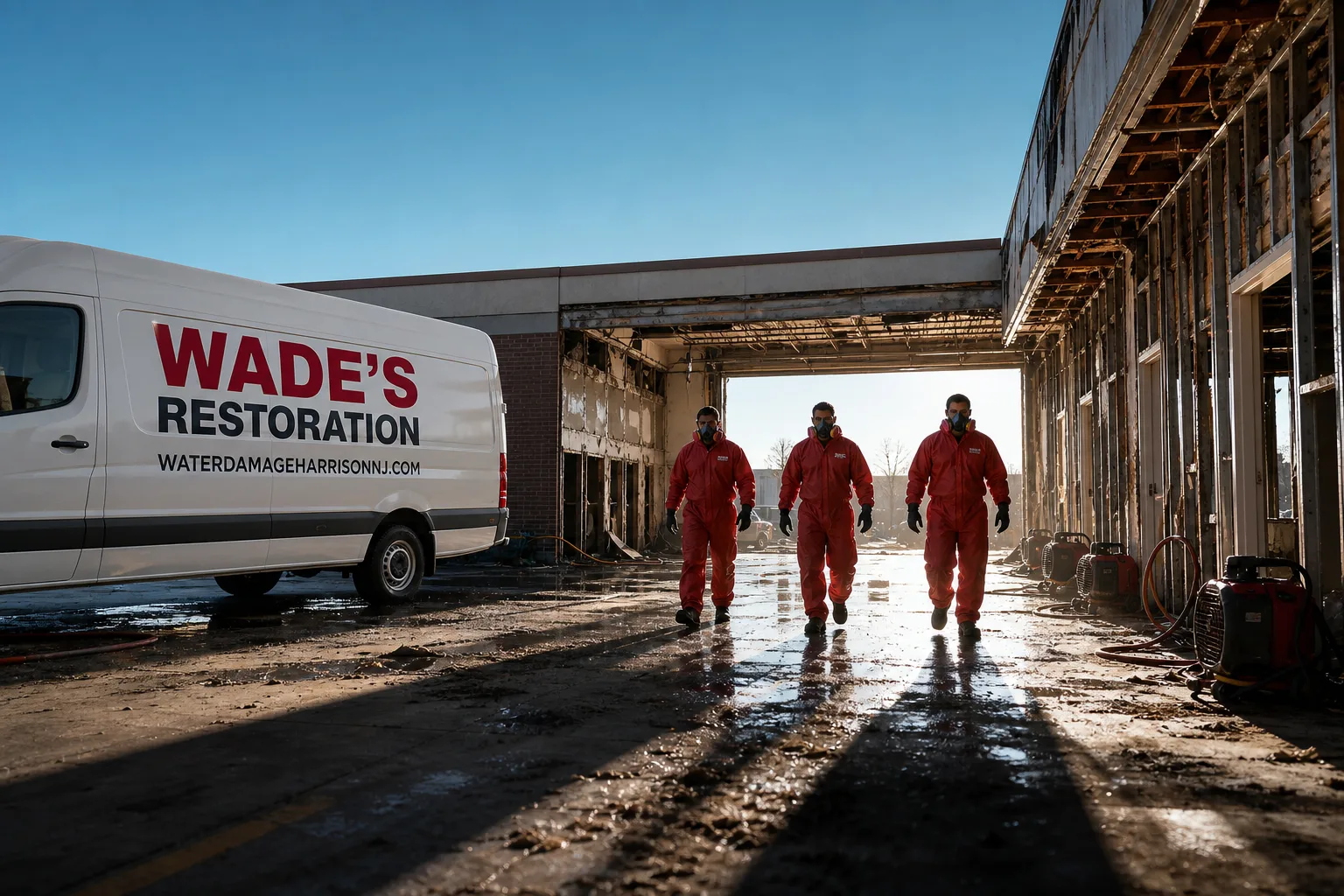
Free visual inspection and a written scope of work before any mitigation begins - photos, moisture readings, and drying logs go in your claim file
The scope we write is the scope we bill. Anything new gets shown to you, in writing, before we touch it.
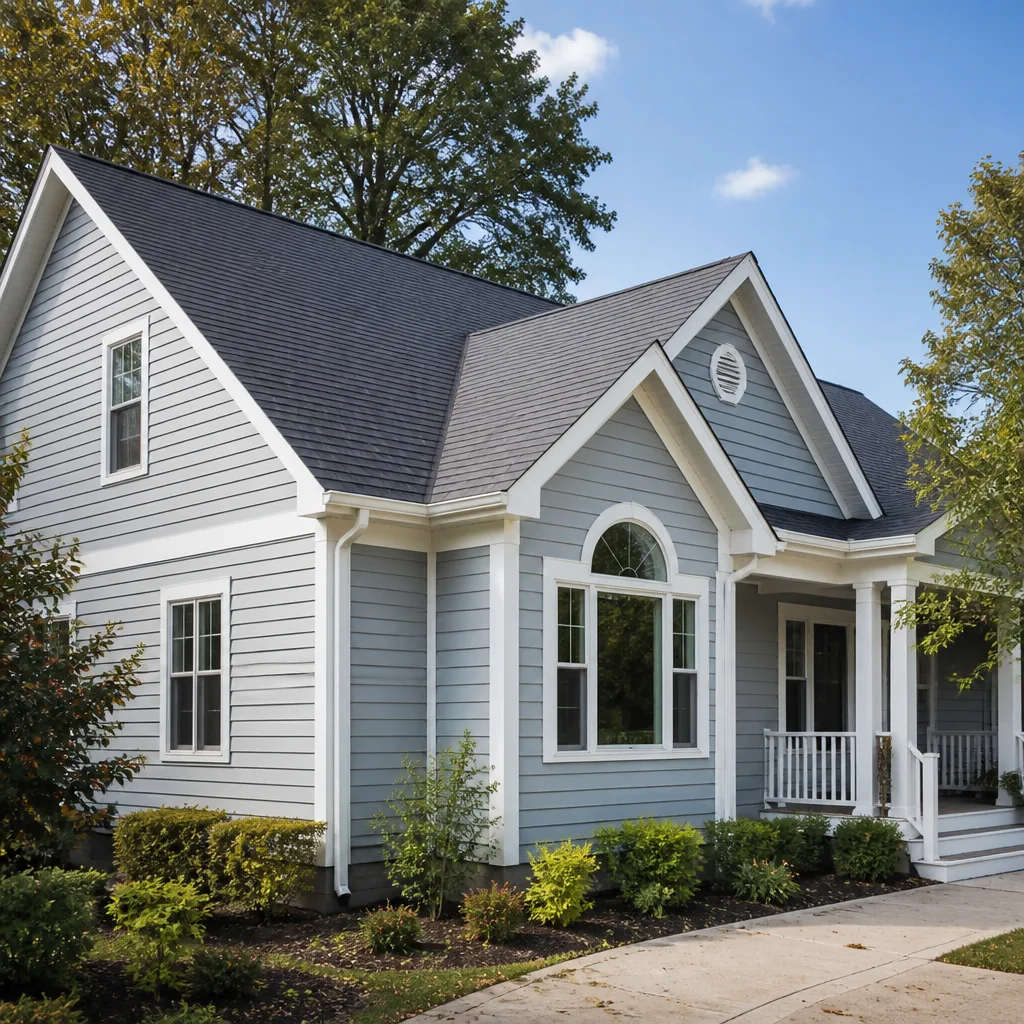
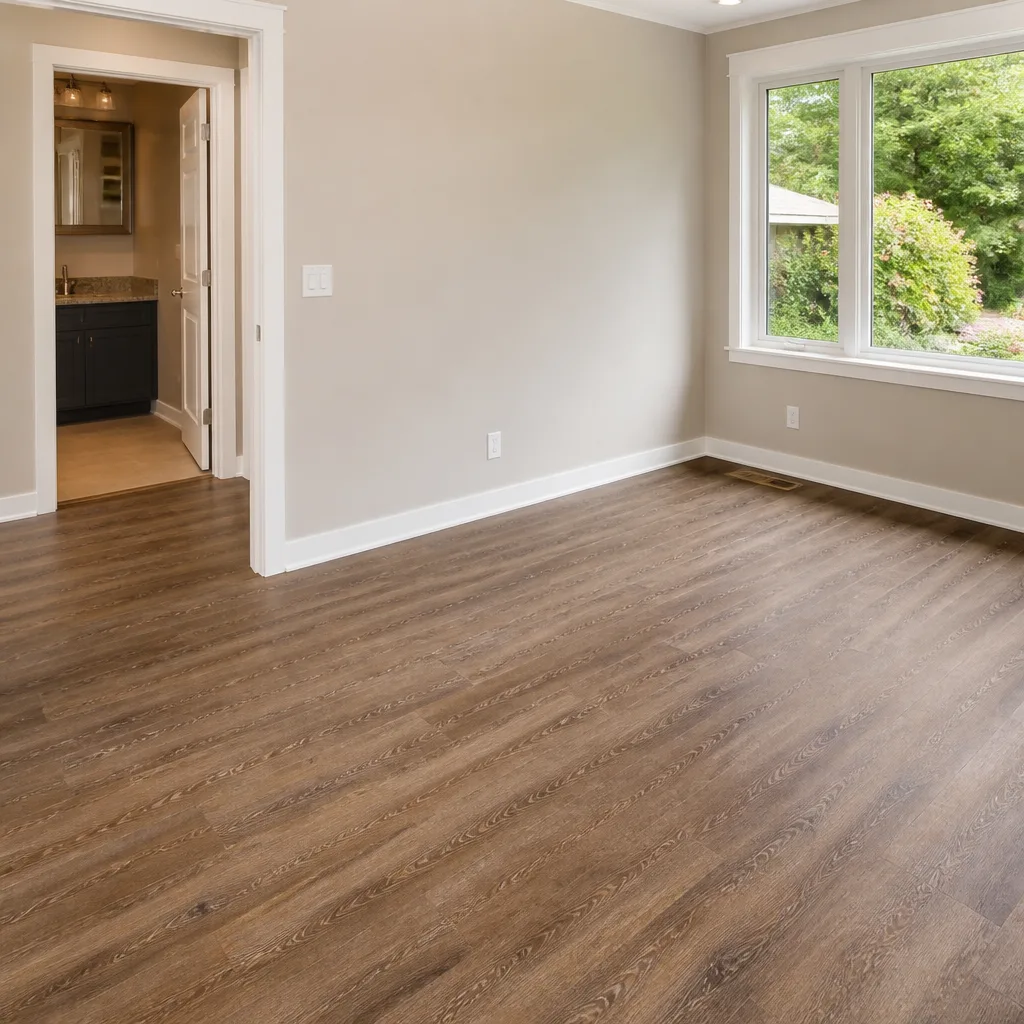
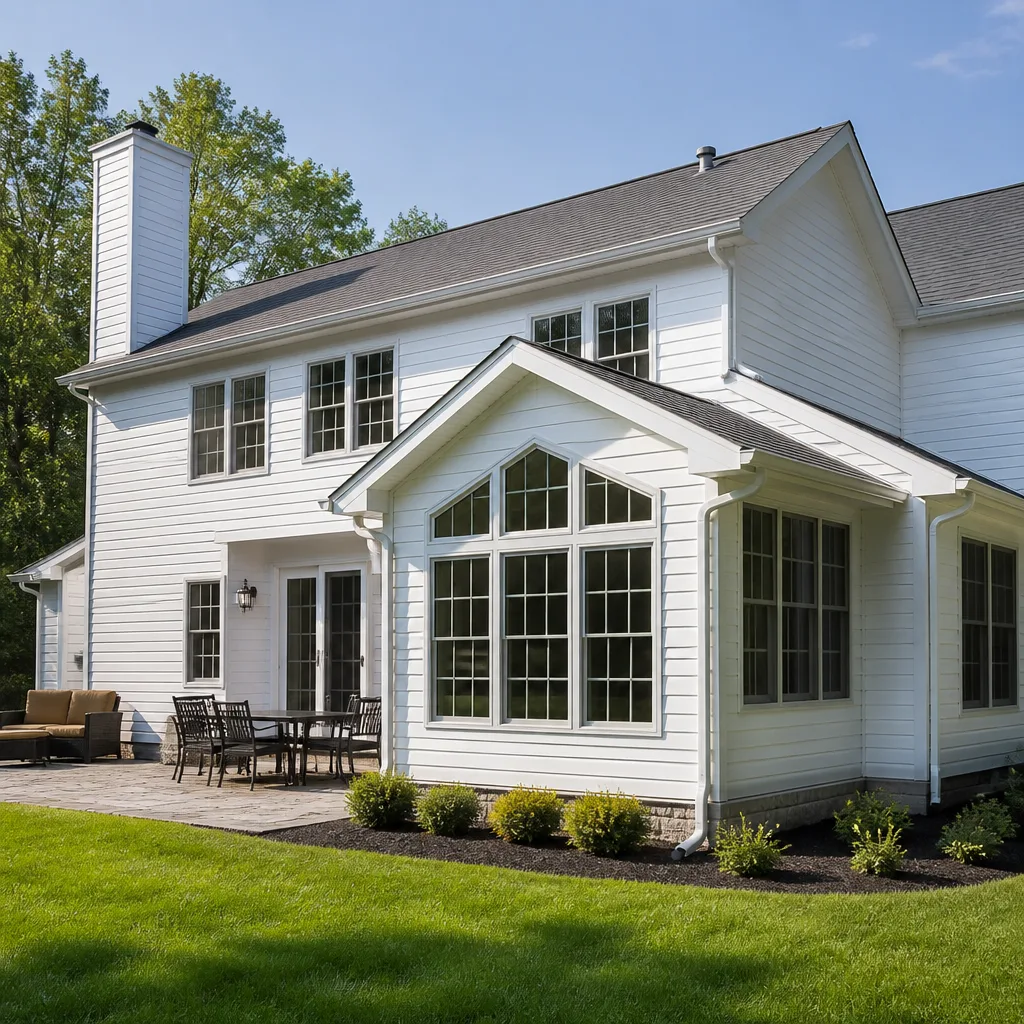
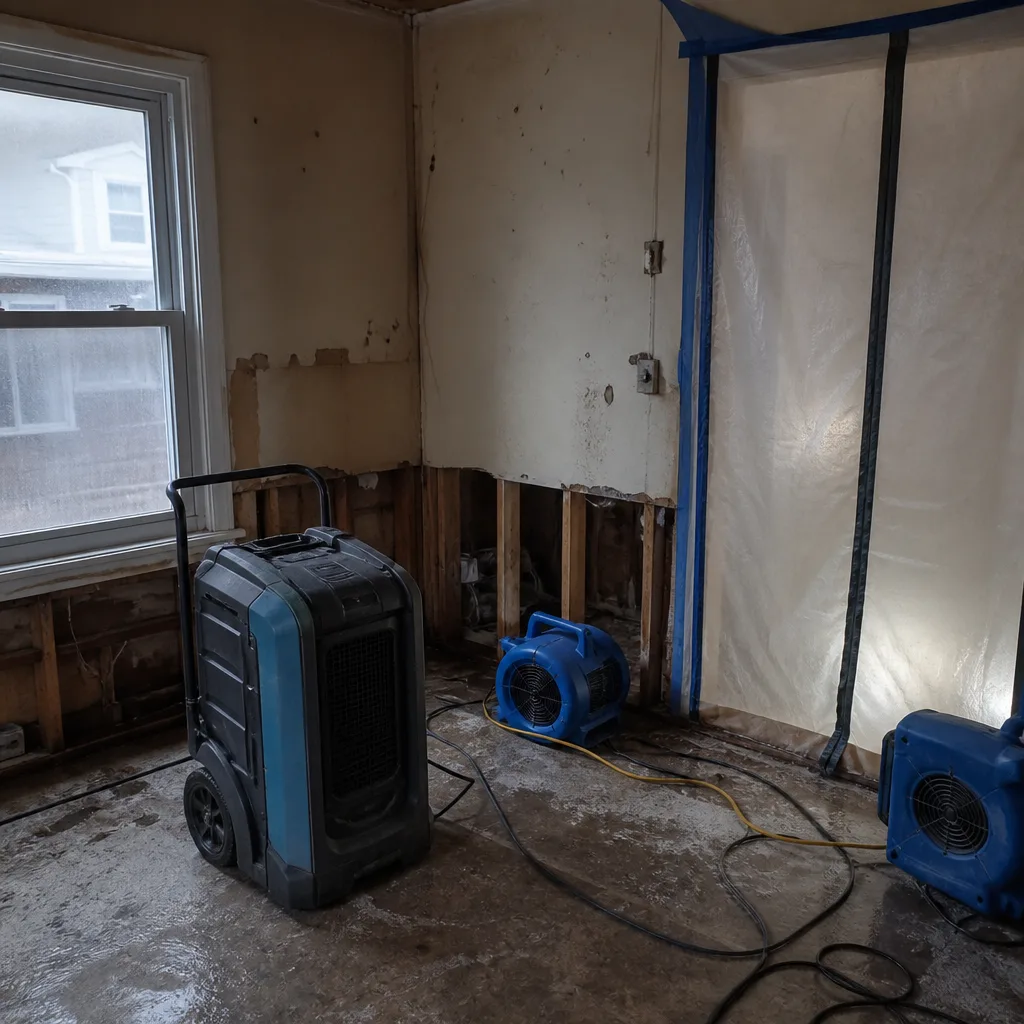 Before
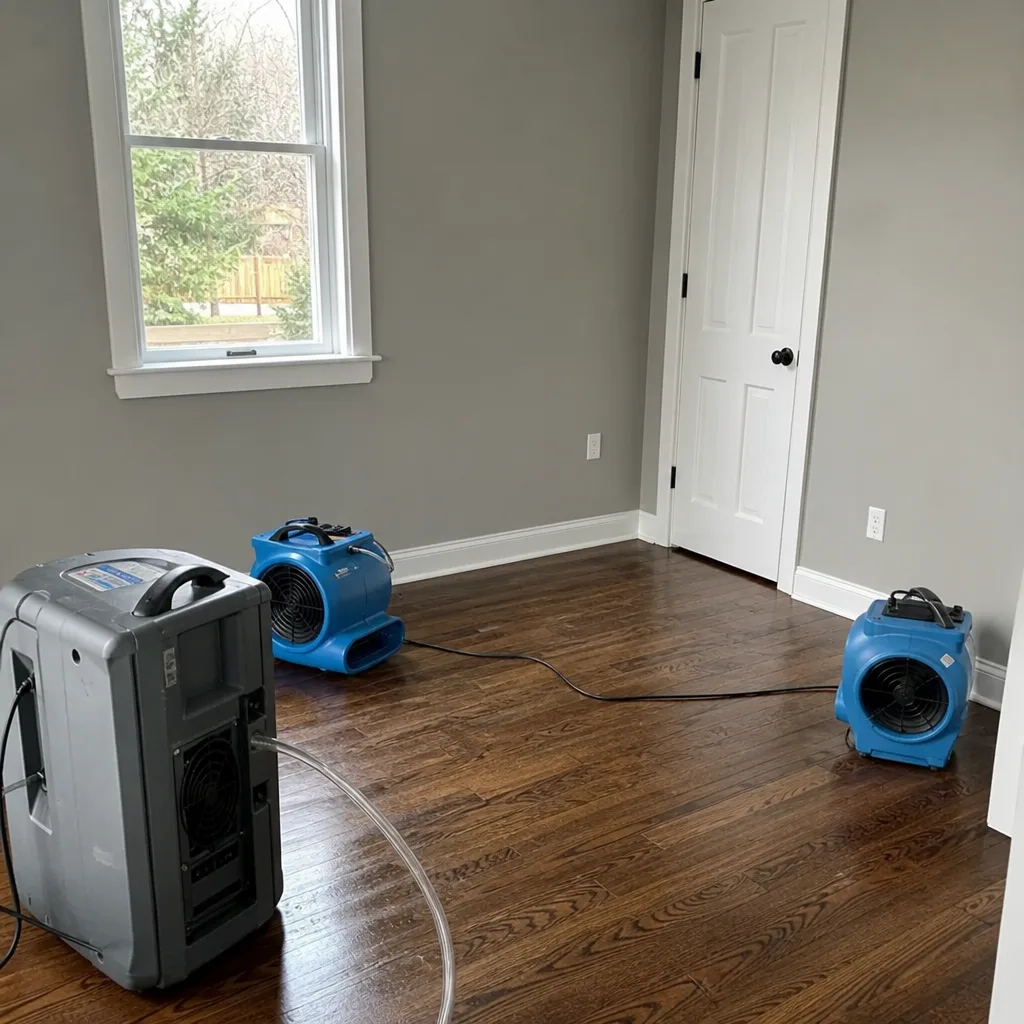 After
After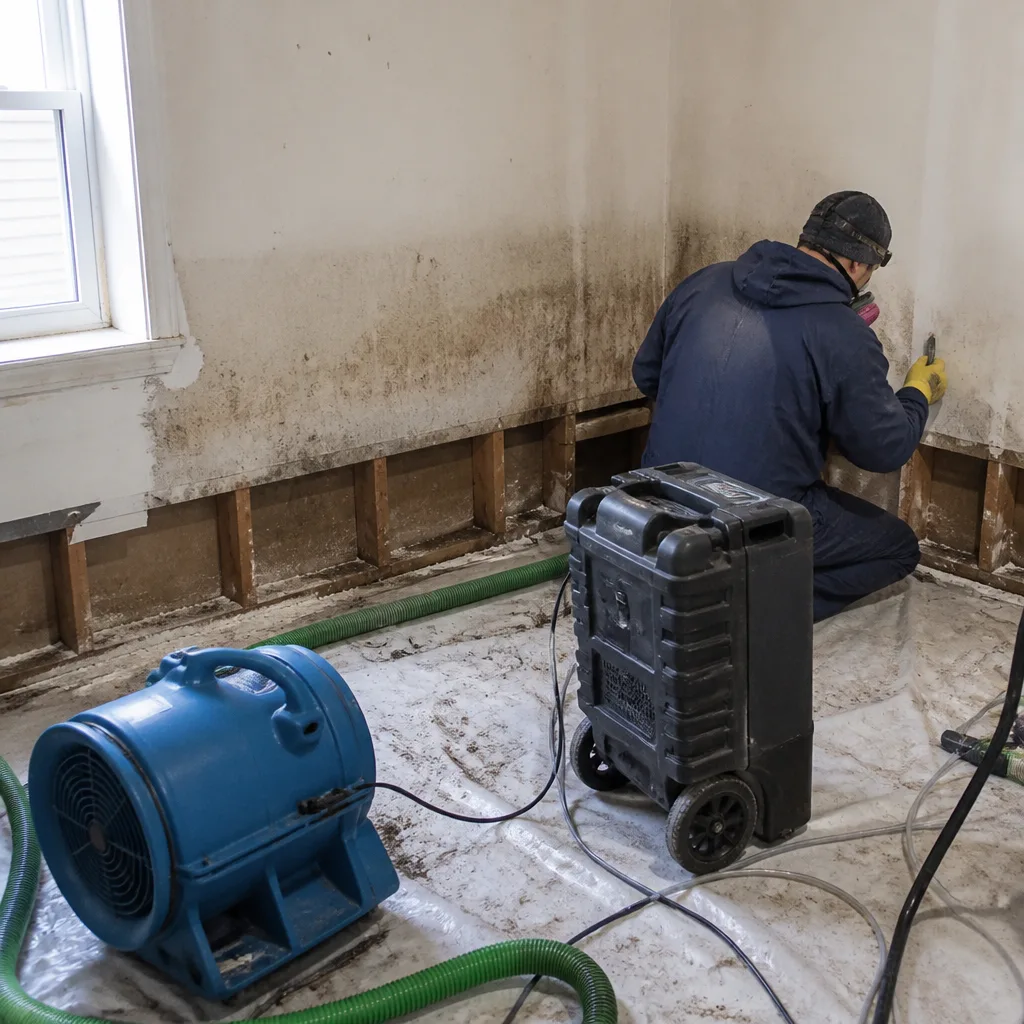 Before
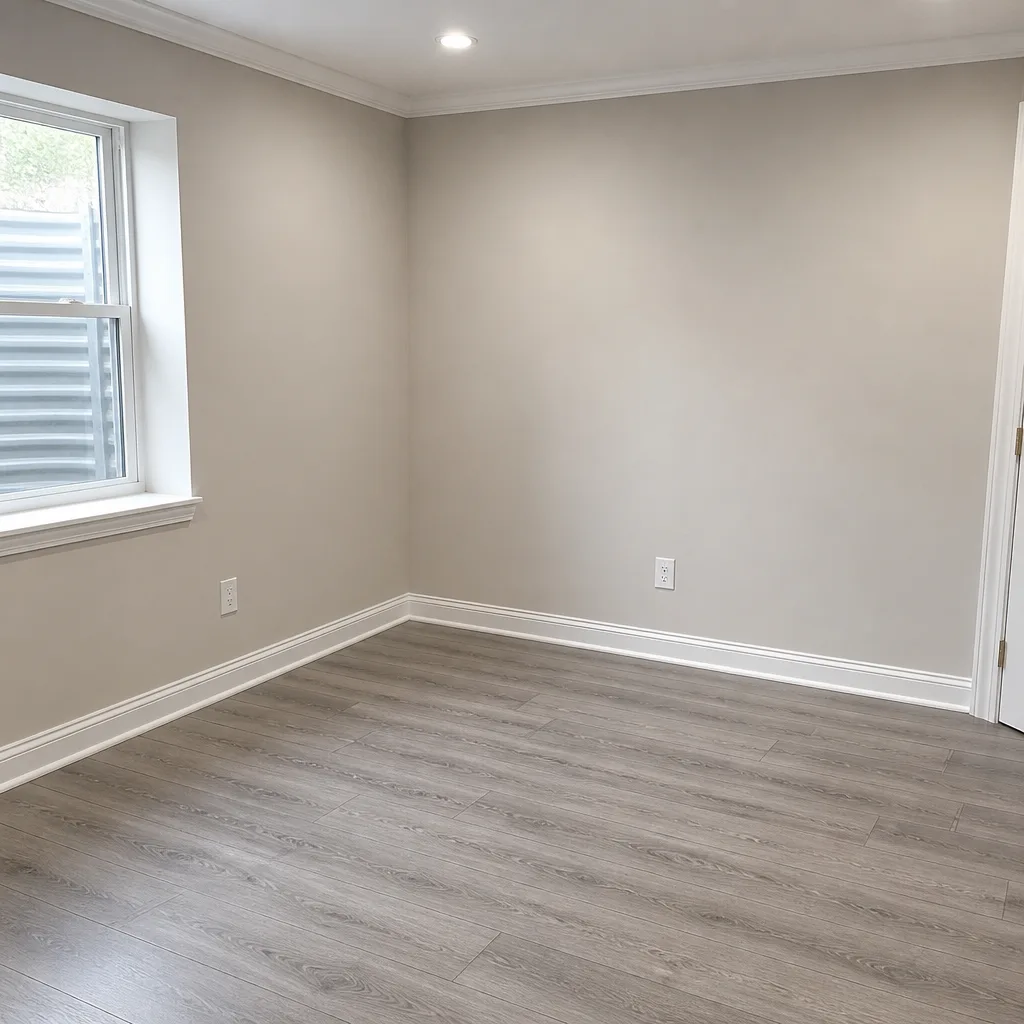 After
After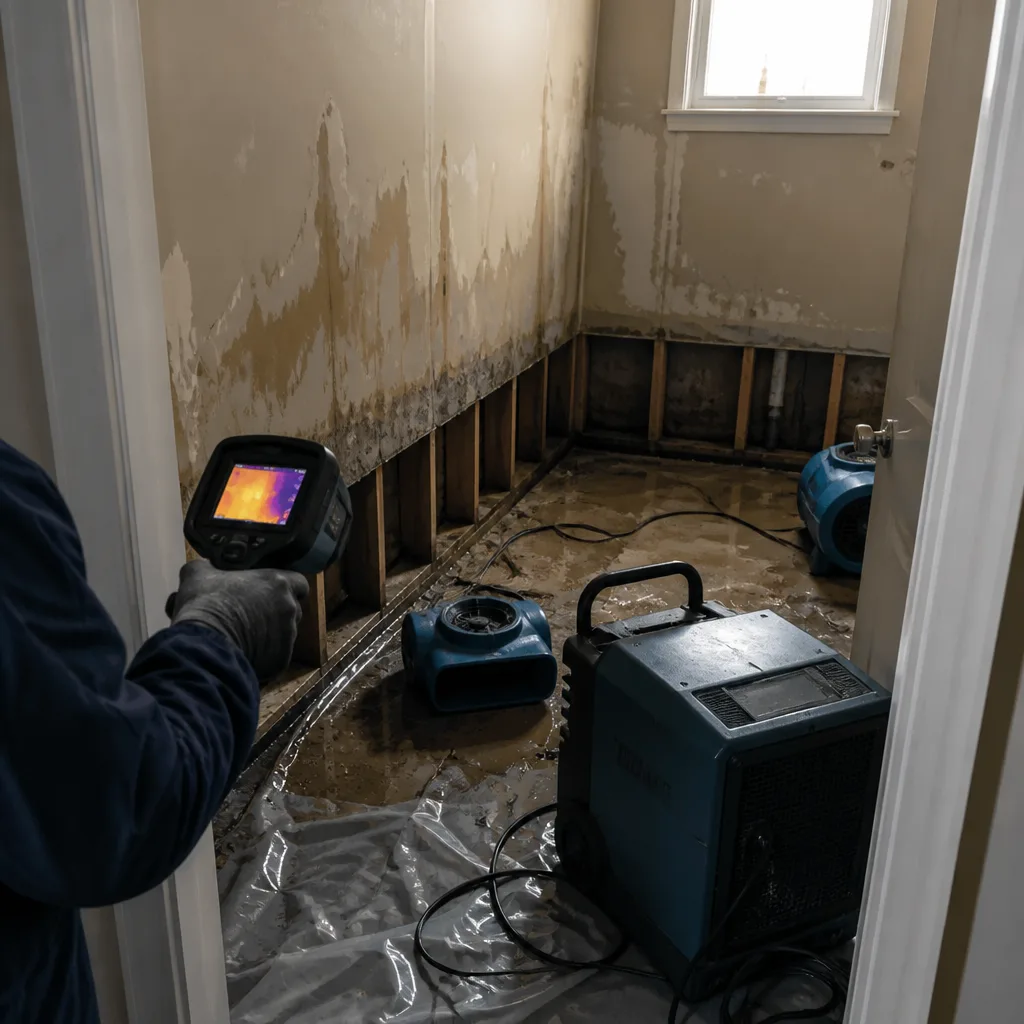 Before
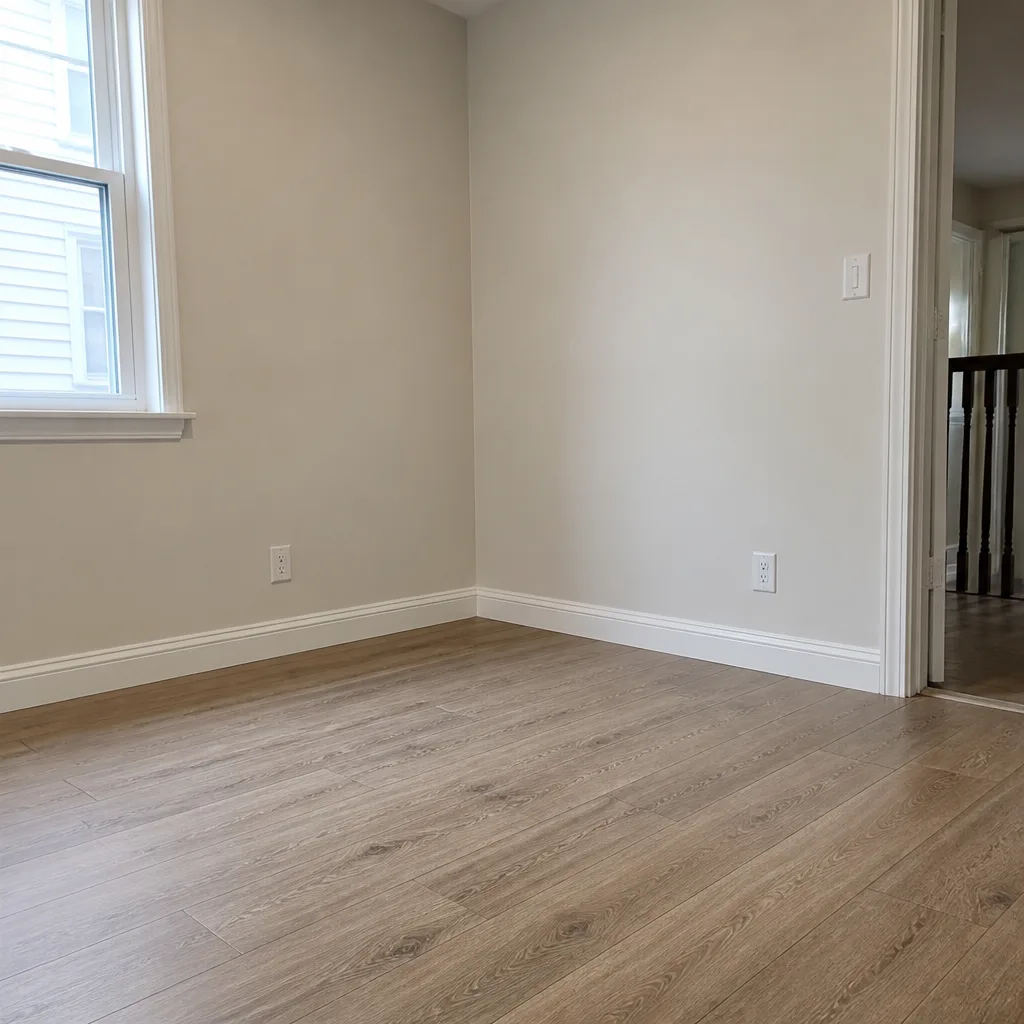 After
After24/7 Emergency Mold Remediation in Jersey City
Mold in a Jersey City rowhouse or waterfront condo moves fast, especially after the kind of water event this city knows too well. Call (856) 501-6142 any hour, day or night, and Wade Ferris or a member of his crew answers live. Not a call center. Not a voicemail. We head out to your neighborhood – Journal Square, The Heights, Paulus Hook, wherever you are in Jersey City – for a free visual inspection. The first hour matters because mold colonization starts within 24 to 48 hours of water intrusion, and in Jersey City’s tightly-packed masonry homes, trapped humidity compresses that window even further. We document everything from the first visit so your insurer gets a clean file from hour one.
Understanding Mold Remediation Severity in Jersey City Properties
Mold remediation is not one-size-fits-all work. The severity of a mold problem depends on the water source, the building materials involved, and how long moisture sat unaddressed. We categorize the loss before we touch anything. Clean water from a burst supply line is one thing. Gray water from a washing machine overflow is another. But Jersey City’s housing stock throws a third category at us regularly: Category 3 water, which means sewage, Hudson River floodwater, or combined sewer backup. That water carries pathogens and demands full containment, negative air pressure, HEPA air scrubbing, and removal of contaminated porous materials – drywall, insulation, carpet, sometimes original plaster. In a Van Vorst Park or Hamilton Park rowhouse with horsehair plaster and lime mortar, water wicks upward through the wall assembly and hides behind finishes for weeks. Semi-finished basements in those pre-WWI buildings were dug before modern flood-zone awareness existed, so they saturate in layers: terracotta tile, mortar bed, brick foundation, framing. Without thermal imaging and moisture mapping, you can’t see the full extent. With it, you can see exactly where the mold is feeding.
Why Jersey City Property Owners Choose Wade’s Restoration
- 45-minute response commitment from a real person. Wade answers his own phone and can have crew moving toward your Jersey City block inside the hour.
- 24/7 live answer, never an automated system. No voicemail tree, no answering service. Call (856) 501-6142 at two in the morning and a person picks up.
- IICRC-certified crews. Our people hold WRT, FSRT, and AMRT certifications, so the work meets the industry’s highest standards.
- Free visual inspection. We walk the property, take moisture readings, and tell you what you’re actually dealing with before any money changes hands.
- Direct insurance billing. We work with your carrier and your adjuster directly, so you’re not the one relaying information between two sides.
- One team from extraction to reconstruction. The people who dry the building are the same people who rebuild it. No handoffs, no gaps.
Our Mold Remediation Process
Inspection & Assessment
We start with moisture mapping using Dri-Eaz sensors and thermal imaging to find water you can’t see. In Jersey City’s older masonry buildings, moisture hides behind plaster, under tile, and inside wall cavities. We test and document everything before we recommend work.
Containment & Source Control
Before anything comes out, we stop the water at its source and seal the affected area with containment barriers. Negative air pressure and HEPA scrubbers keep mold spores from spreading to clean parts of the building – critical in connected rowhouses where shared walls mean shared air.
Drying & Dehumidification
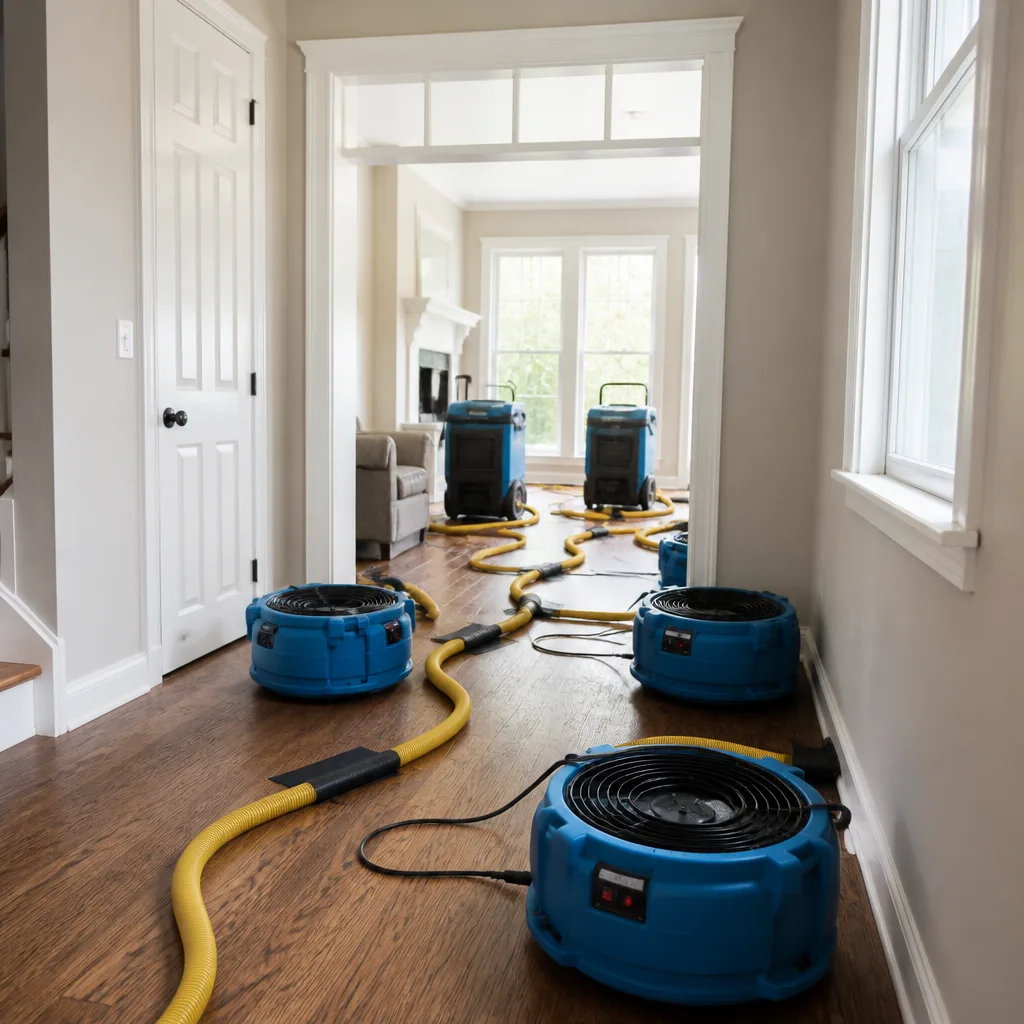
Phoenix dehumidifiers and XPOWER air movers run on a structural drying plan calibrated to Jersey City’s building materials. Brick, plaster, and lime mortar dry differently than modern drywall and stud framing. We take daily moisture readings and keep the full log for you.
Cleaning & Sanitization
HEPA vacuuming and antimicrobial treatment on affected surfaces. Contaminated porous materials get removed and bagged on site. Semi-porous and non-porous surfaces get cleaned and treated to industry standards.
Air Quality Restoration
After the source is gone and surfaces are clean, we run HEPA air scrubbers to pull residual spores from the air column. Then we verify with post-remediation clearance testing so you have documentation that the air inside your home is actually clean.
Repairs & Restoration
We rebuild what came out: drywall, plaster, trim, flooring, and finishes matched to your home’s era. In Jersey City’s historic districts, that means matching original materials where preservation standards require it. The job isn’t done until the space looks like nothing ever happened.
Need Emergency Mold Remediation in Jersey City Now?
Crews minutes away, answering live 24 hours a day. The sooner we start, the less it costs.
Working With Your Insurance Company
Insurance claims for mold are tricky, and Jersey City property owners know the carrier isn’t your friend when it comes to coverage decisions. That’s why documentation matters from the first phone call. We photograph every room before and during work. We keep daily moisture logs with actual readings, not estimates. We write line-item scopes that match industry standards so your adjuster can’t claim the work was inflated or unnecessary. And Wade deals with the adjuster directly – you never play messenger between your insurer and a restoration crew. If a FEMA Substantial Damage 50% Rule question comes up in a Paulus Hook or Newport flood case, we can produce the documentation that protects your claim.
What We Provide Your Insurer
- Thorough documentation of the loss
- Photos of all damage, room by room
- Moisture readings and drying logs
- A detailed, line-item scope of work
- Direct coordination with your carrier
Built for Jersey City’s Loss Calendar
Jersey City’s mold season runs all year, but the triggers shift with the weather. January and February bring deep freezes that burst supply lines in uninsulated basements and crawl spaces, especially in pre-WWI rowhouses on streets like Jersey Avenue or Grove Street where original plumbing still runs through unheated masonry chases. Spring thaw saturates the ground around foundations, and basement seepage follows in Van Vorst Park and Hamilton Park homes where French drains were never installed. Summer thunderstorms dump flash rain on impermeable streetscapes, and combined sewer laterals in The Heights and Bergen-Lafayette back up into basement apartments with regularity. Fall nor’easters push Hudson River surge into Paulus Hook, Exchange Place, and Newport, where saltwater intrusion creates a different mold profile entirely – one that requires Category 3 protocols and chloride testing. We plan our response around this calendar because we work it every year.
Mold Remediation Across Jersey City’s Neighborhoods
Paulus Hook and Exchange Place present a specific challenge: high-rise condos and converted lofts where a mold bloom on the 12th floor is someone else’s water coming down through the slab. We coordinate with building management, containment-seal the unit, and run HEPA scrubbers without disrupting neighbors. Newport’s post-1990s glass towers have different assemblies – steel studs, gypsum board, concrete decks – that dry on a different timeline than wood framing. Van Vorst Park and Hamilton Park rowhouses demand a different approach entirely: horsehair plaster, lime mortar, original terracotta tile, and shared party walls mean we treat the wall as a system, not a surface. The Heights and Bergen-Lafayette bring basement apartments with combined sewer risk, where Category 3 backups require full biohazard protocols and tenant communication. Journal Square’s mid-century brick blocks have their own failure modes: cast iron drains corroded by hard water and semi-finished basements where moisture migrates through concrete slab cracks. We know these blocks because we work them. The same crew in Paulus Hook on Tuesday is in The Heights on Wednesday, and that’s how it should be.
Specialized Mold Remediation Services We Offer in Jersey City
Mold Inspection & Testing
We inspect, moisture-map, and test before we recommend remediation. In Jersey City’s older housing stock, visible mold is often the small part of the problem. Thermal imaging reveals what’s behind plaster and brick. You get a written report with readings, not a scare tactic sales pitch.
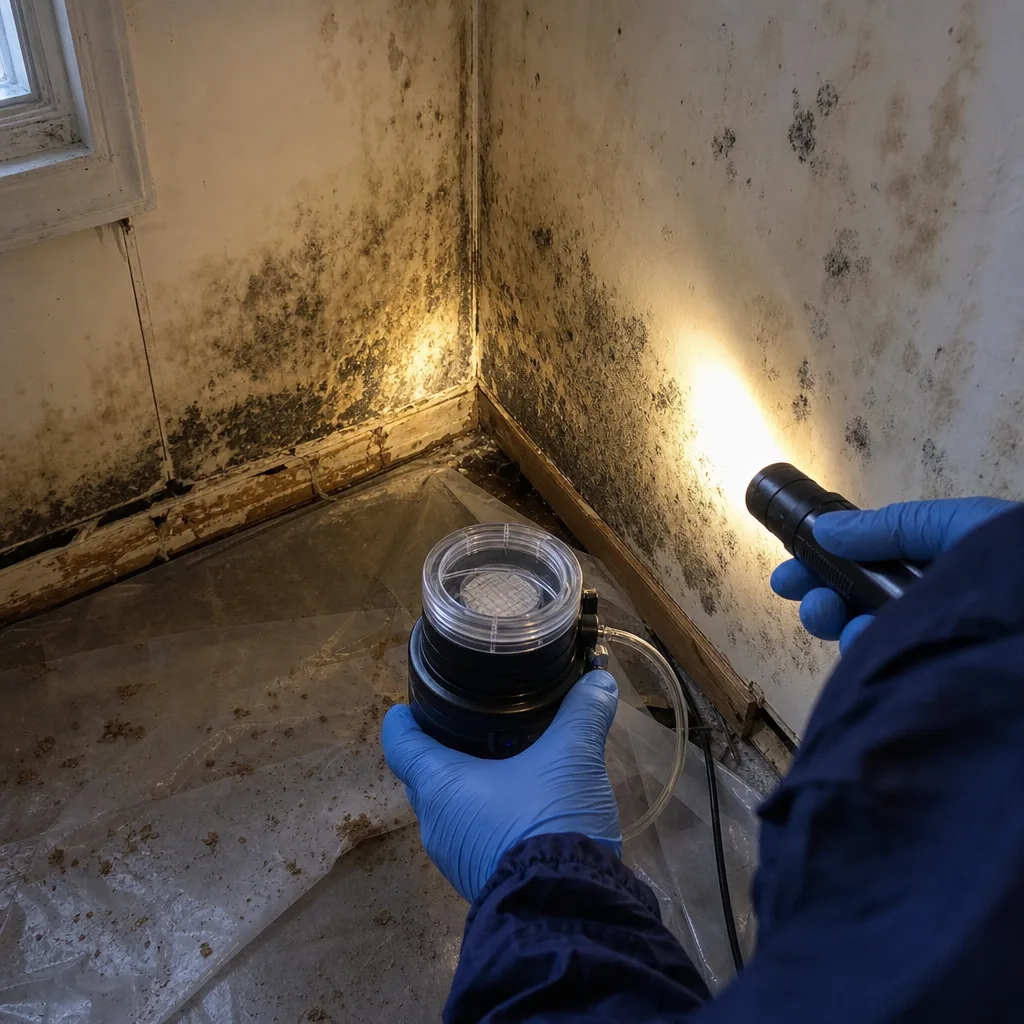
Mold Removal
Removal means cutting out contaminated porous materials – drywall, insulation, carpet, sometimes original plaster – and disposing of them under containment. We don’t paint over mold or spray it and call it done. In a Journal Square apartment or a Paulus Hook condo, removal is removal.
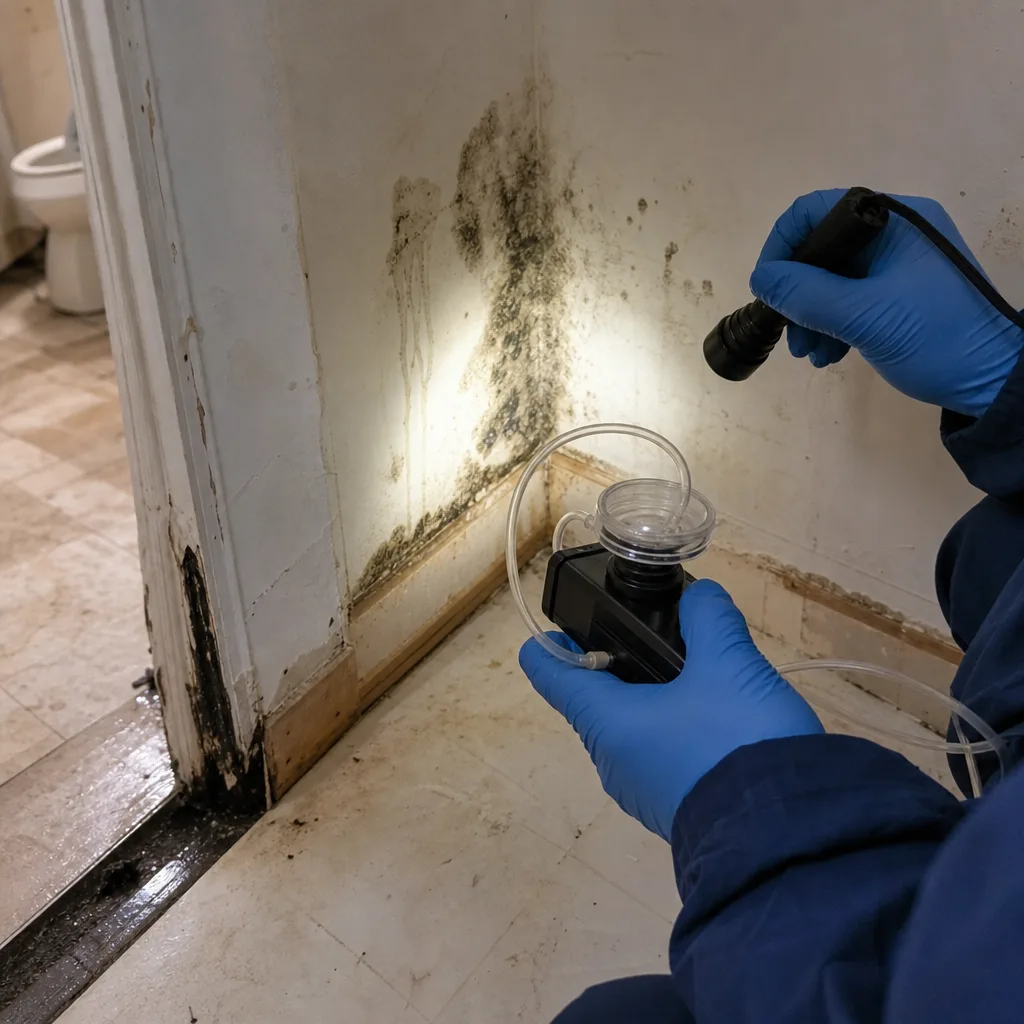
Black Mold Remediation
Stachybotrys chartarum – black mold – gets the headlines, but the reality is any mold in a damp Jersey City basement can trigger respiratory issues. Black mold specifically favors continuously wet cellulose: drywall, paper backing, wood framing. We treat it with full containment, HEPA filtration, and post-remediation clearance testing. No shortcuts.
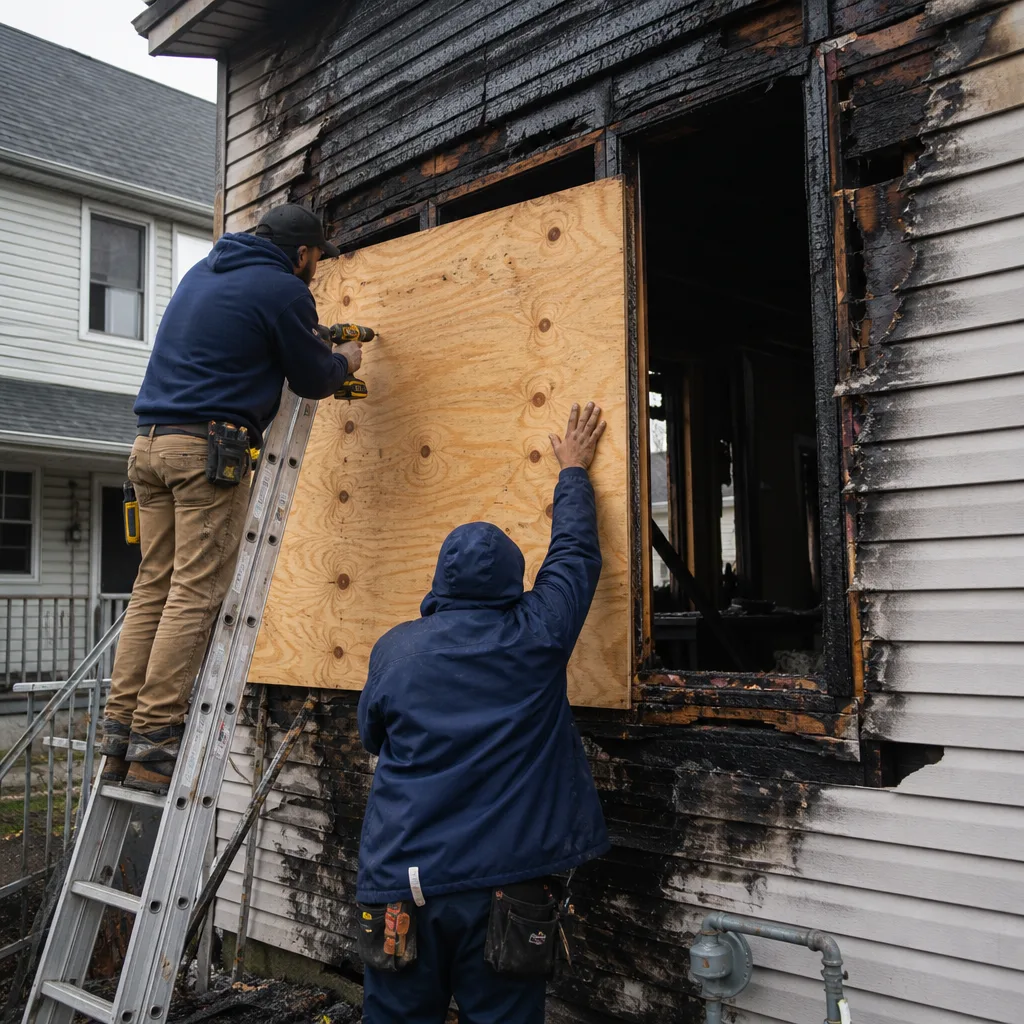
Air Quality Restoration
Mold spores travel through connected rowhouses via shared wall cavities and duct runs. After source removal and surface cleaning, we run HEPA air scrubbers to pull residual spores from the air column, then verify with clearance testing. You get documentation that the air inside your home meets post-remediation standards.
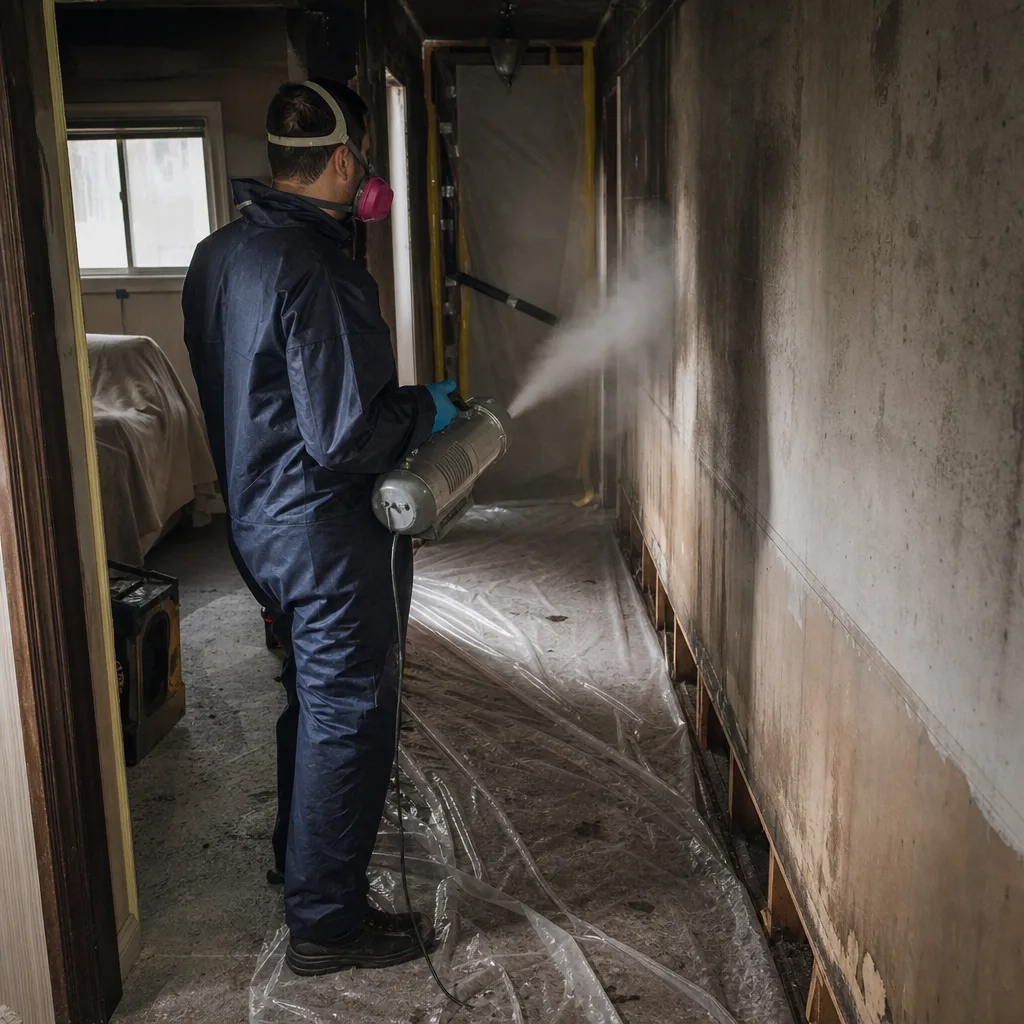
Crawl Space Treatment
Jersey City rowhouses often have shallow, hard-to-reach crawl spaces where moisture collects unnoticed for years. We treat the space itself: remove contaminated debris, dry the soil and framing with Phoenix dehumidifiers, apply antimicrobial treatment, and install vapor barriers where needed. The goal is to stop the crawl space from feeding mold into the living space above it.
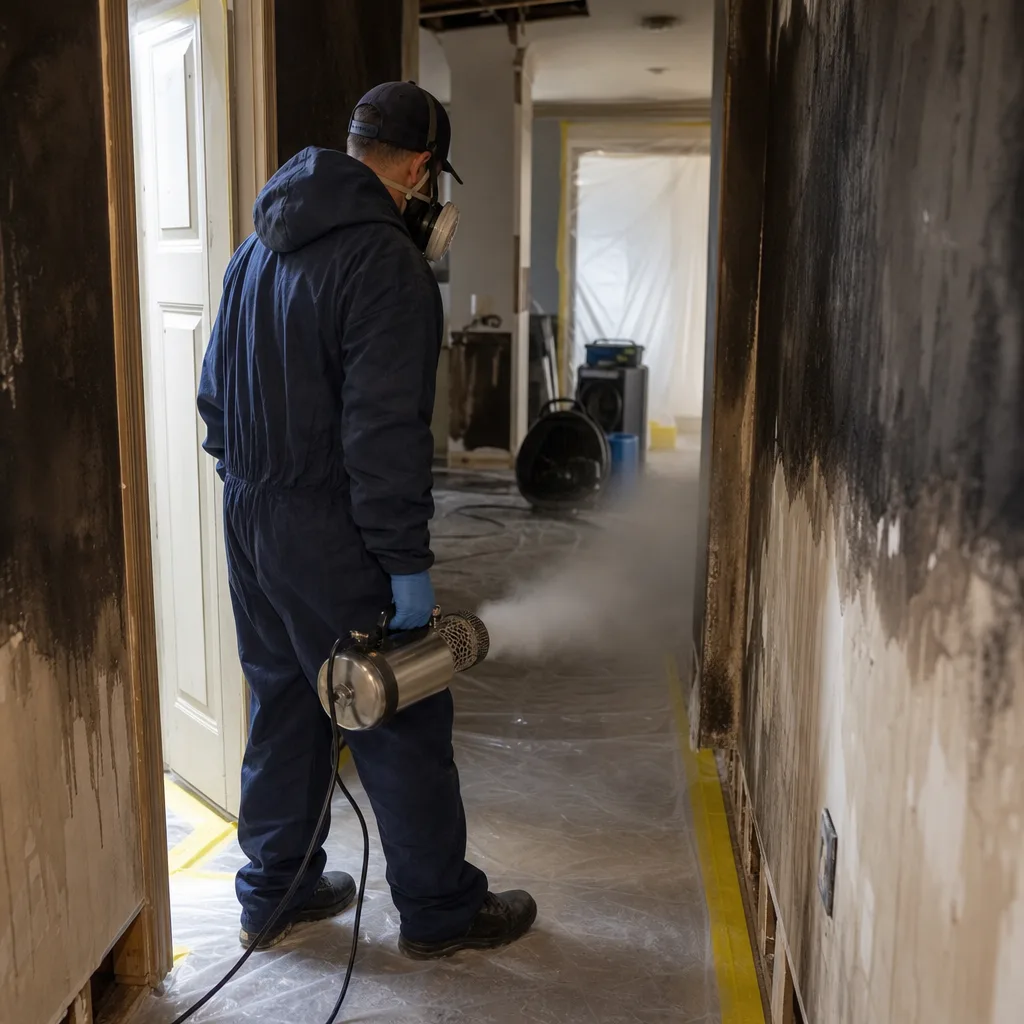
Moisture & Humidity Control
The real fix for recurring mold is controlling the water. We identify the source – foundation seepage, drainage failure, humidity from the bay – and correct it with dehumidification, drainage, vapor barriers, and ventilation. In Jersey City’s tightly-packed masonry blocks, airflow is limited and humidity lingers, so mechanical drying is often the only thing that works.
What happens when you call
- 1
A real person answersNo phone trees - you reach a local pro.
- 2
You get an upfront price rangeHonest numbers before anyone is dispatched.
- 3
A background-checked tech heads outLicensed & insured, dispatched right away.
- 4
You approve before work beginsNothing starts until you say go.
Mold Remediation Costs in Jersey City, NJ
Mold remediation in Jersey City runs between $1,800 and $6,500 for a typical basement or crawl space job. A small contained area – a bathroom ceiling, a closet wall – can come in around $800 to $1,500. Full basement remediation in a Paulus Hook or Van Vorst Park rowhouse with Category 3 water, containment, and rebuild work can push past $12,000. What moves the price: the square footage of affected material, whether contaminated drywall and plaster must be cut out, the type of water that caused it, and whether Crawl Space Treatment or Air Quality Restoration is required. Insurance-covered claims depend on your policy language – mold riders, water damage endorsements, and the cause of the loss all factor in. The free inspection path means you get a firm written scope before committing to anything. No trip charge inside our own county, and a free second opinion on any written estimate you bring us. Call (856) 501-6142 and Wade will walk your Jersey City property with you and tell you what you’re actually dealing with.
We Also Serve Cities Near Jersey City
Wade’s Restoration crews work throughout Hudson County and the surrounding area. We handle mold remediation and water damage work in Hoboken, Union City, Harrison, and Secaucus – same day response, same standards, same owner answering the phone. If you’re in one of those towns and you’ve got a water or mold problem, call (856) 501-6142.
Serving Jersey City, NJ - Our Local Coverage Area
We’re based in the Jersey City area and know this community well. Use the map below to see our service coverage - if you’re nearby, we can almost certainly help.
Jersey City Mold Remediation Questions, Answered
How does mold remediation differ between a Paulus Hook high-rise condo and a Van Vorst Park rowhouse basement?
It differs in every way that matters. A Paulus Hook high-rise unit is typically framed with steel studs, gypsum board, and concrete decking, so the water source is often from a neighboring unit or a building system, and containment must be coordinated with building management. A Van Vorst Park rowhouse basement sits below grade in a pre-WWI building with brick foundations, lime mortar, and horsehair plaster, so water wicks upward through masonry and hides behind original finishes. The drying plan, the equipment, the containment setup, and the rebuild materials are all different. We’ve worked both building types in Jersey City long enough to know that a mold job in a Brownstone-lined street is not the same as one on the waterfront.
What should I do immediately after sewage backs up into my Jersey City basement apartment?
Get out of the space, keep everyone else out, and call us. Category 3 water carries bacteria, viruses, and pathogens that require full biohazard protocols – PPE, containment, controlled removal of contaminated materials, and proper disposal. Don’t try to dry it out with fans. Don’t run a shop vac. Don’t touch it with bare hands. Call (856) 501-6142 and we’ll start with containment and removal of contaminated material the same day. The longer Category 3 water sits, the more porous material it saturates and the more the contamination spreads into wall cavities and under flooring.
Do I need to worry about FEMA’s 50% Rule if my Jersey City rowhouse had major flood mold damage?
If your property sits in a FEMA Special Flood Hazard Area – which covers much of Paulus Hook, Exchange Place, and Newport – then yes, the Substantial Damage 50% Rule may apply. It means if the cost to restore your building exceeds 50% of its pre-damage market value, the structure must be brought into full compliance with current flood elevation requirements. That can force expensive elevation work mid-restoration. Our documentation – moisture logs, line-item scopes, photos, and drying records – is what protects you in that conversation with FEMA and your insurer. We’ve navigated these cases in Jersey City’s waterfront neighborhoods, and we know what documentation the officials actually look for.
Can mold grow behind plaster walls in an old Jersey City rowhouse without visible signs?
Yes, and in Jersey City’s older housing stock it happens constantly. Horsehair plaster over lime mortar over brick holds moisture differently than modern drywall. Water from a roof leak, a plumbing failure, or basement seepage wicks upward through the masonry and feeds mold behind the plaster face, where you can’t see it. What you might notice: a musty odor, bubbling paint, or staining that keeps coming back. Thermal imaging and moisture mapping reveal what’s behind the wall. We find hidden mold in Van Vorst Park, Hamilton Park, and The Heights rowhouses on a regular basis, usually in homes that had a “minor” water event six months earlier.
How fast can you start mold remediation in a Jersey City building with tight street access and parking constraints?
Fast. We know the block-and-tackle reality of working in Jersey City – narrow one-way streets, parking permits, loading zones, and building service elevators that need to be reserved. Our crews stage equipment efficiently for dense urban sites, and we coordinate access before we arrive. In most cases we can start containment and drying the same day you call. If street access is really tight, we adjust the equipment plan accordingly. The neighborhood doesn’t slow us down; it just changes the logistics.