
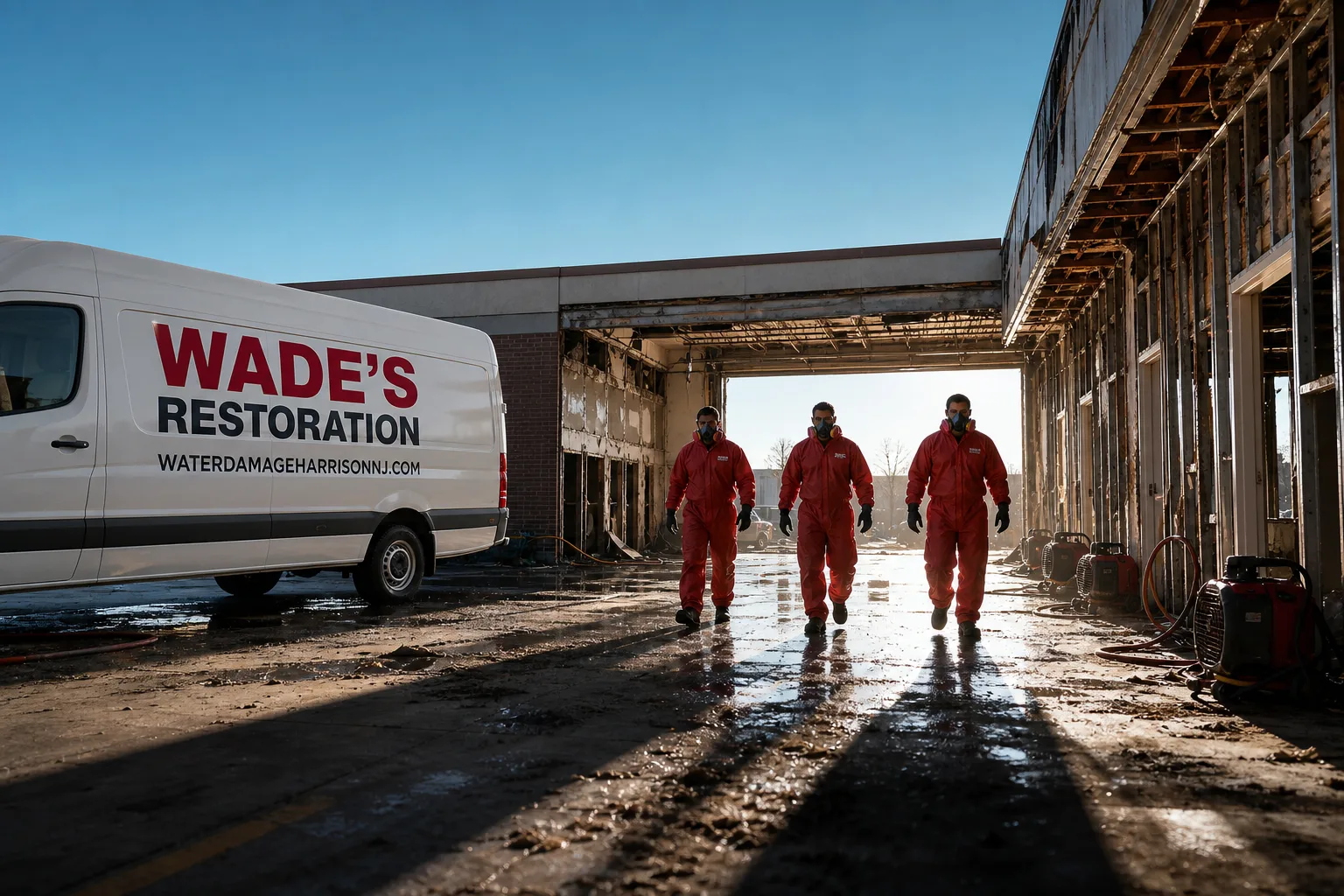
Free visual inspection and a written scope of work before any mitigation begins - photos, moisture readings, and drying logs go in your claim file
The scope we write is the scope we bill. Anything new gets shown to you, in writing, before we touch it.
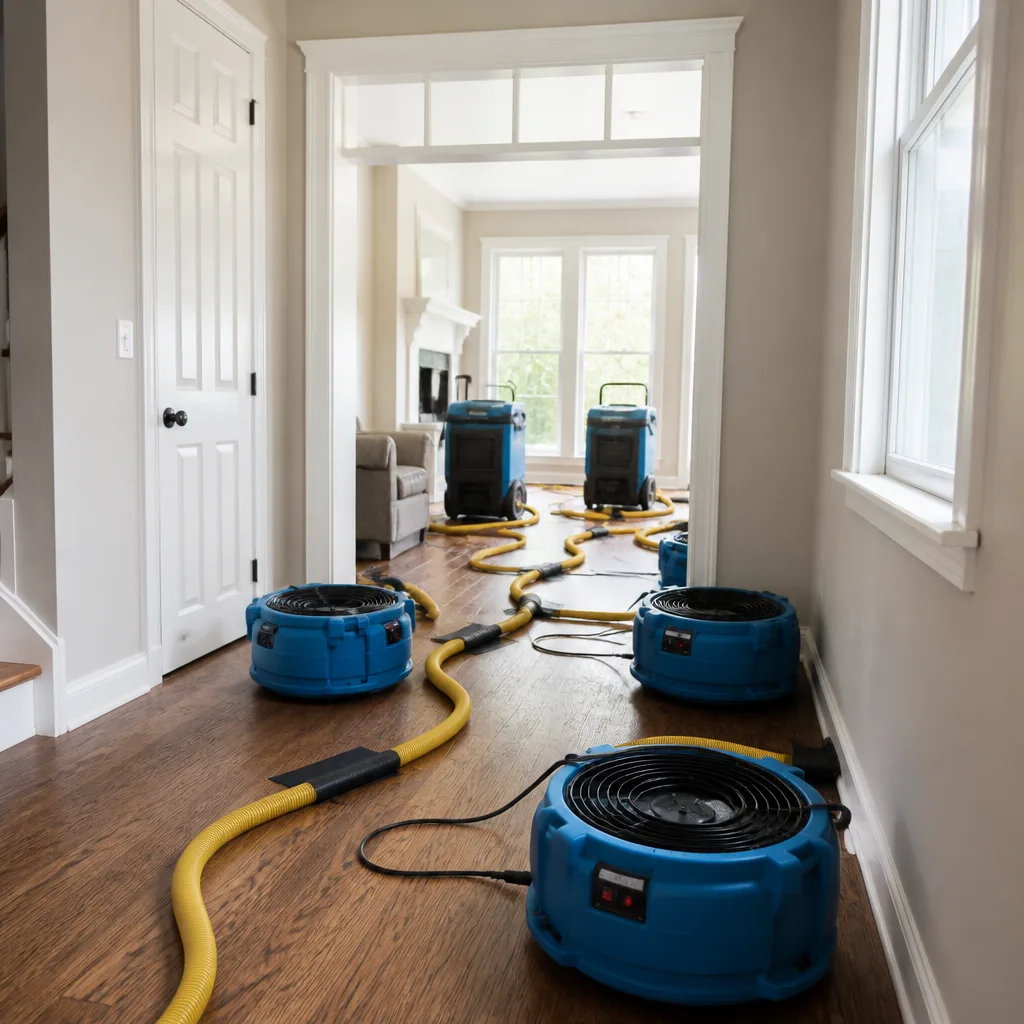
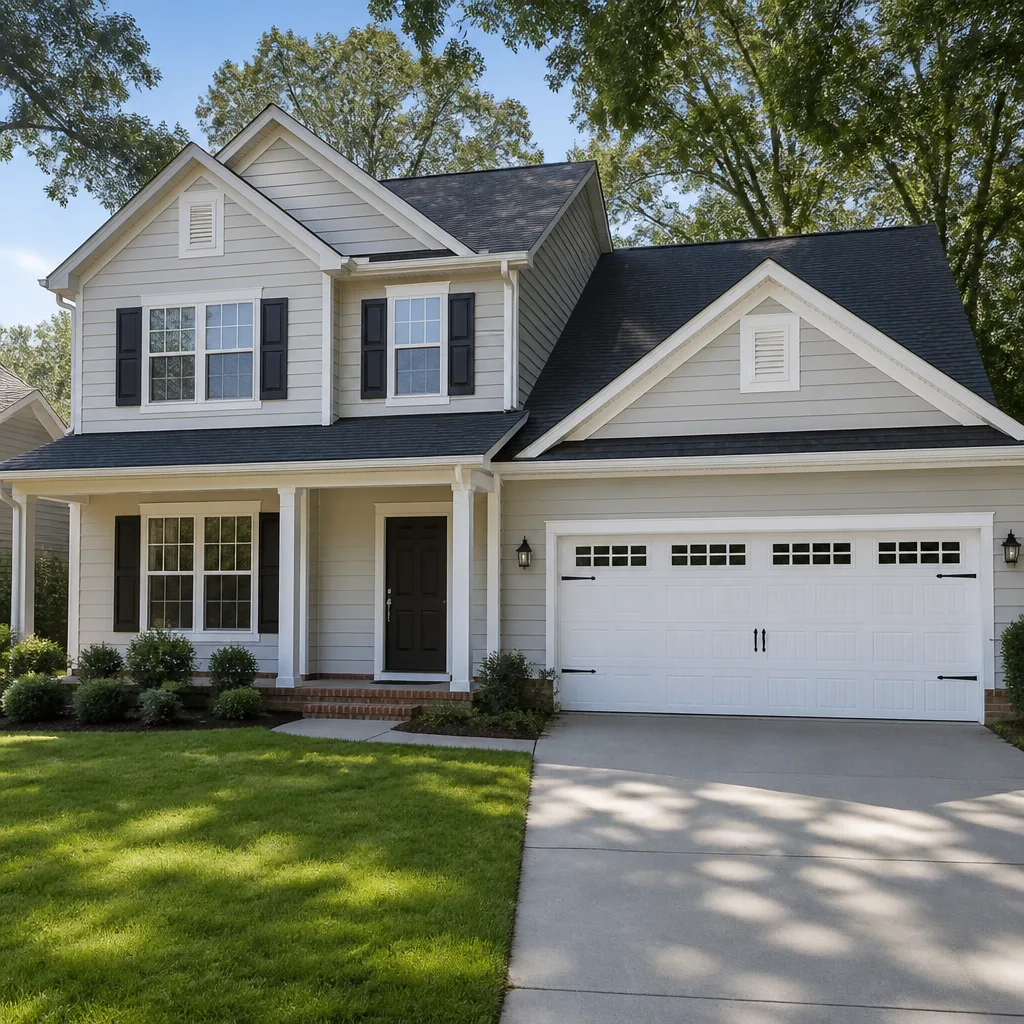
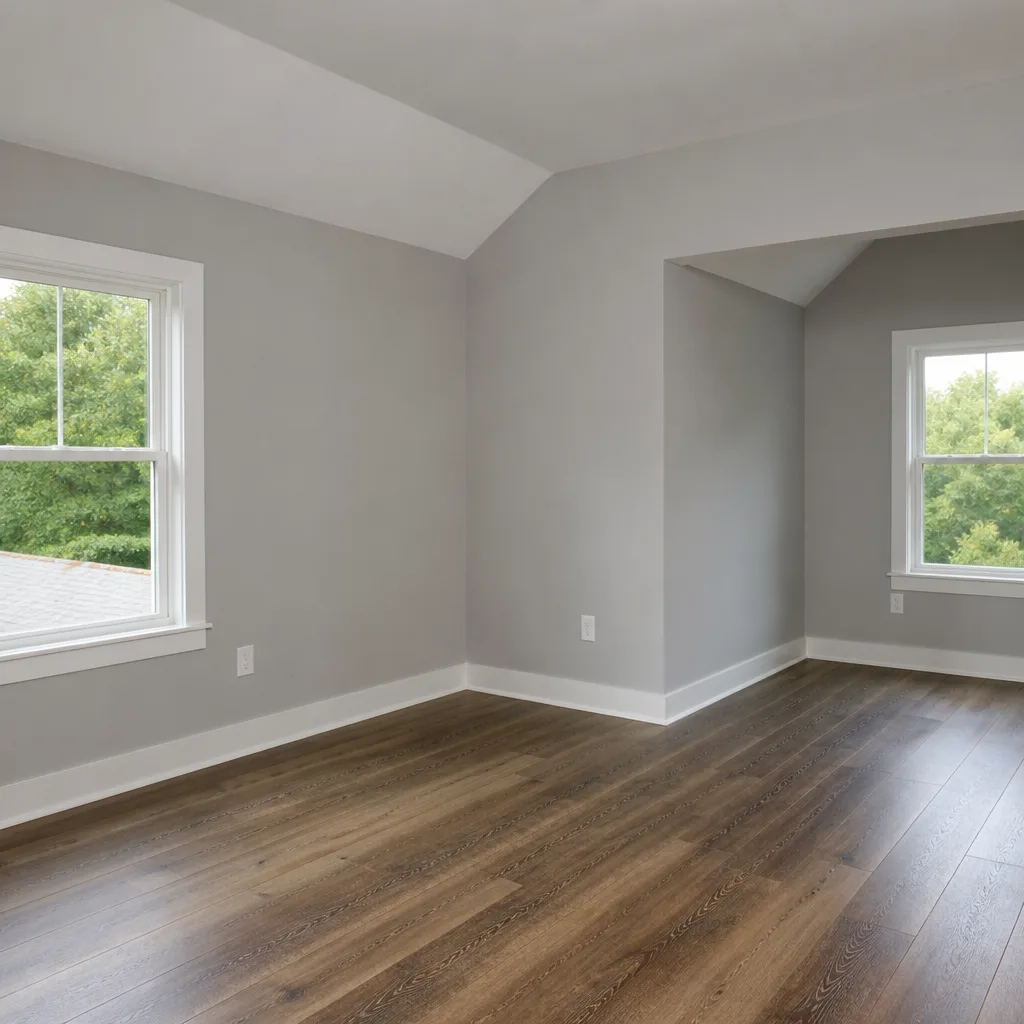
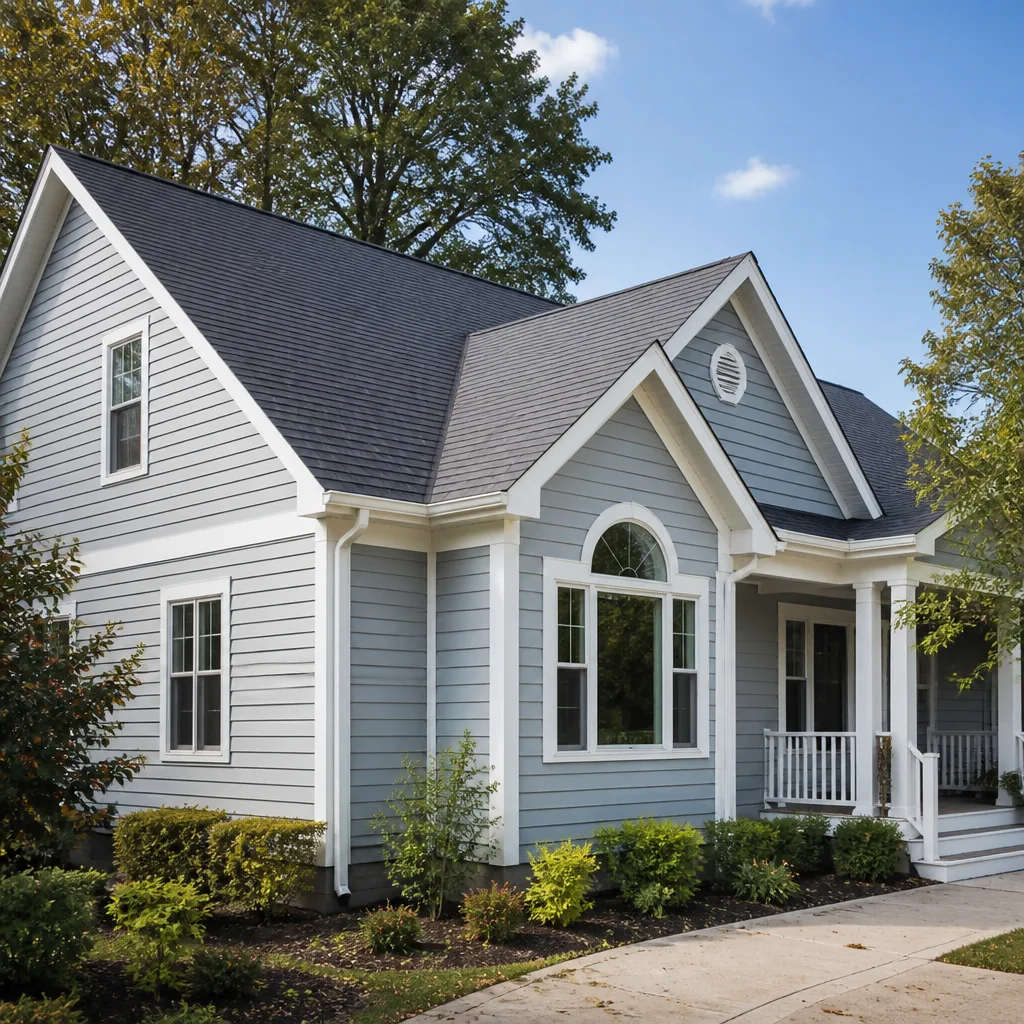
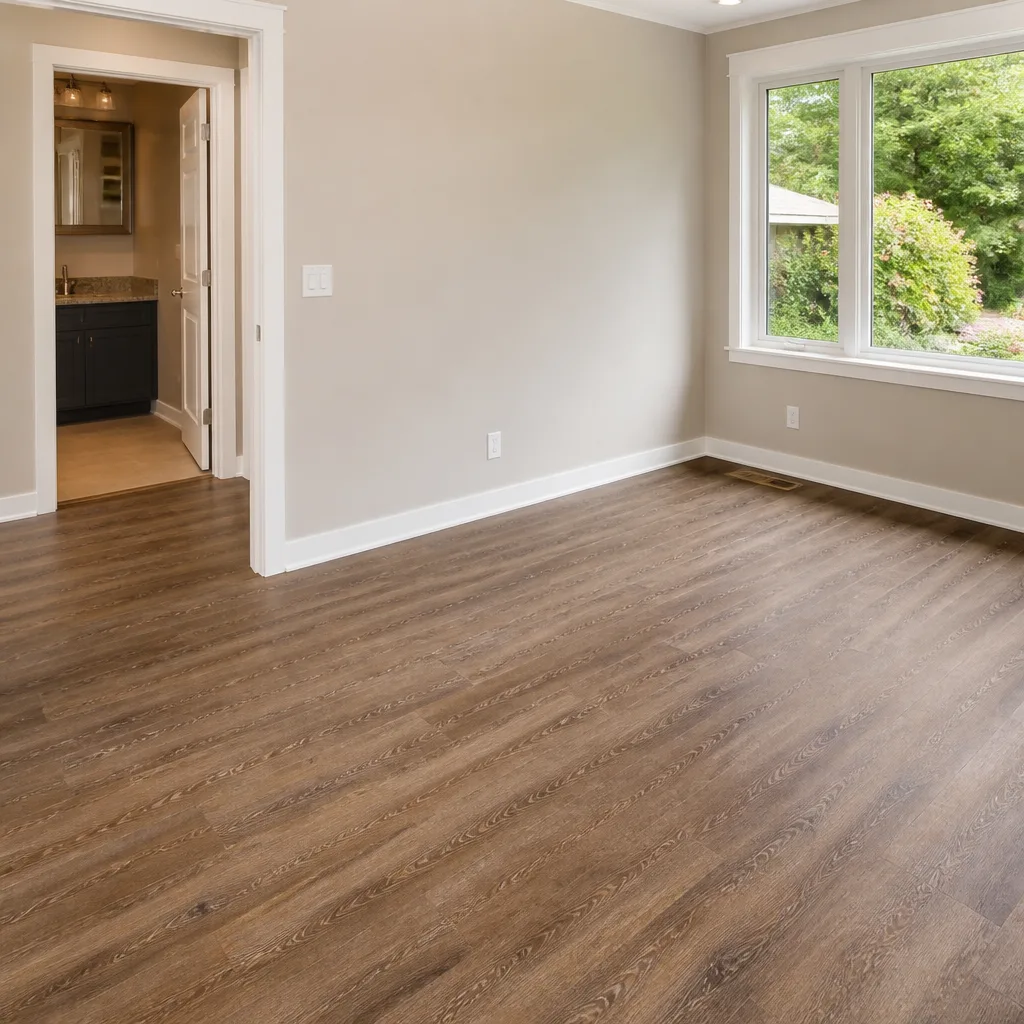
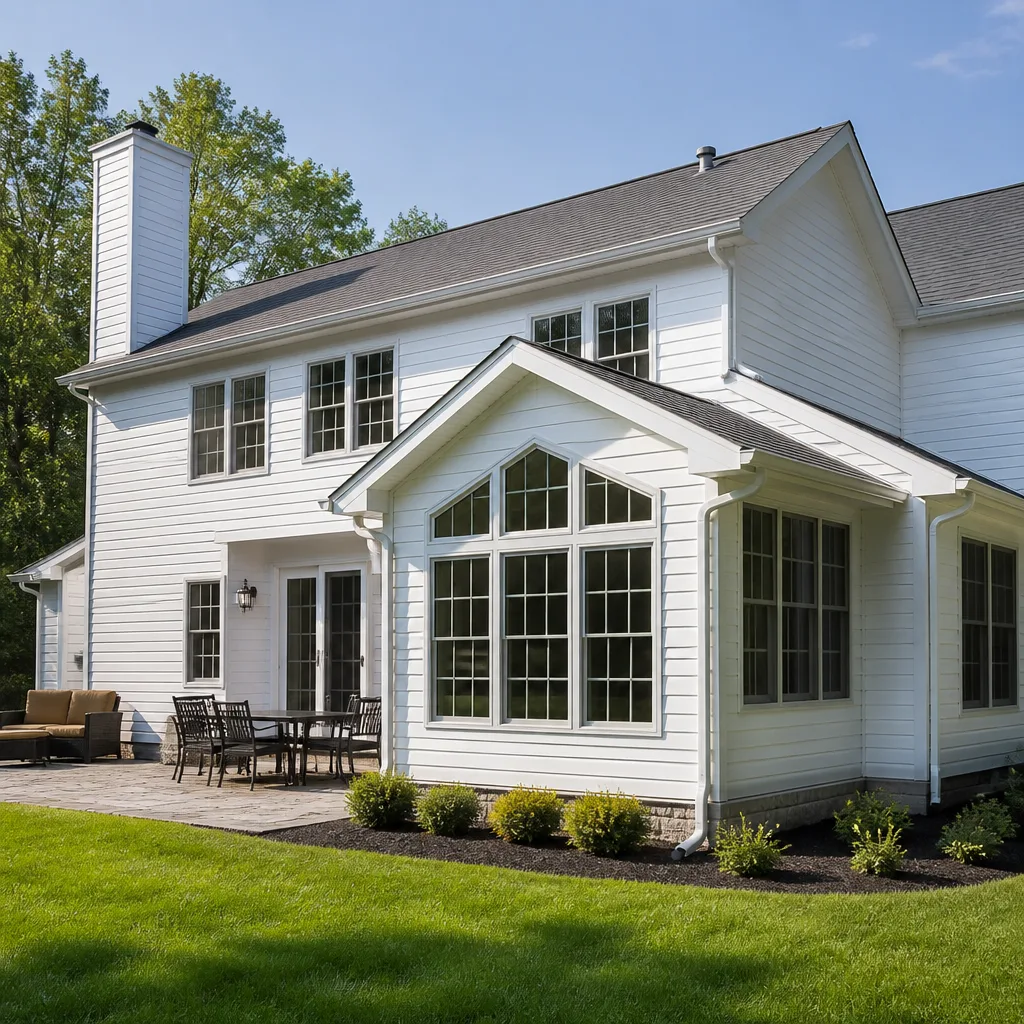
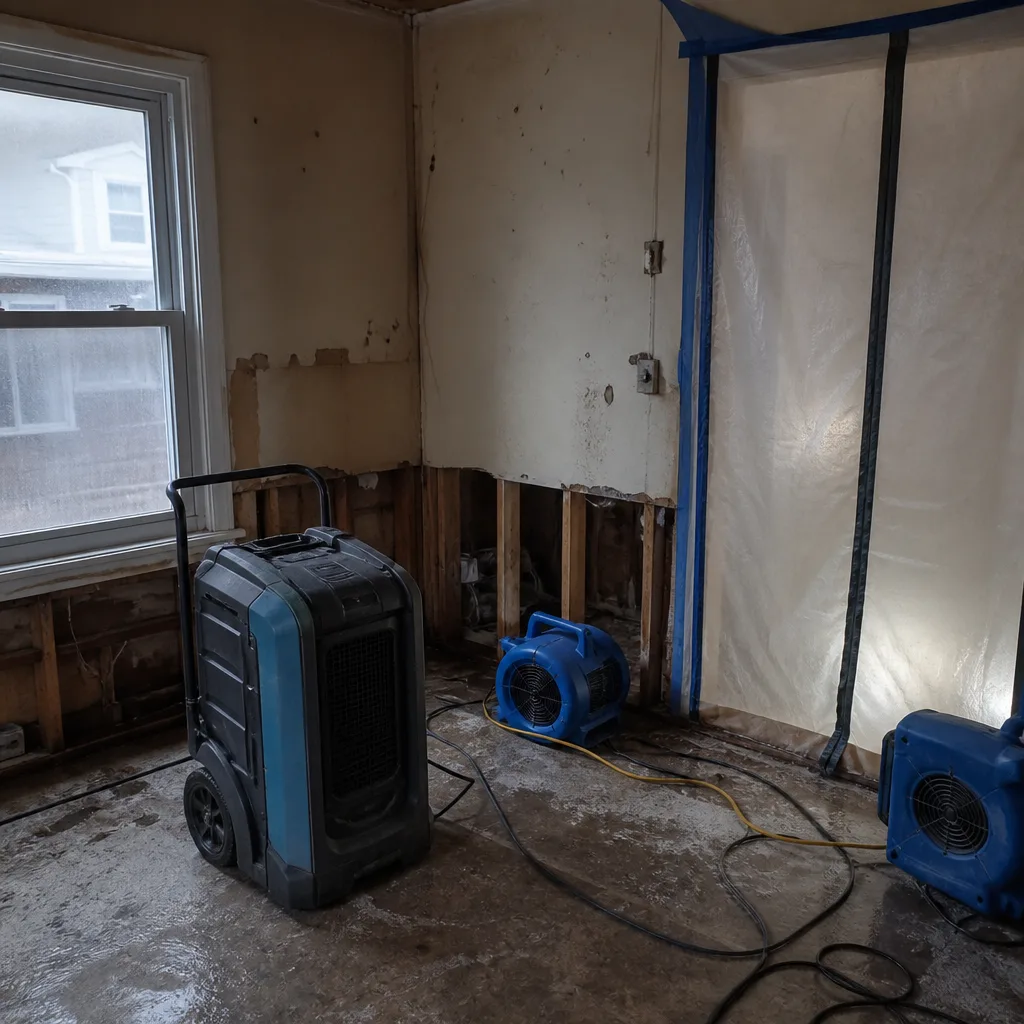 Before
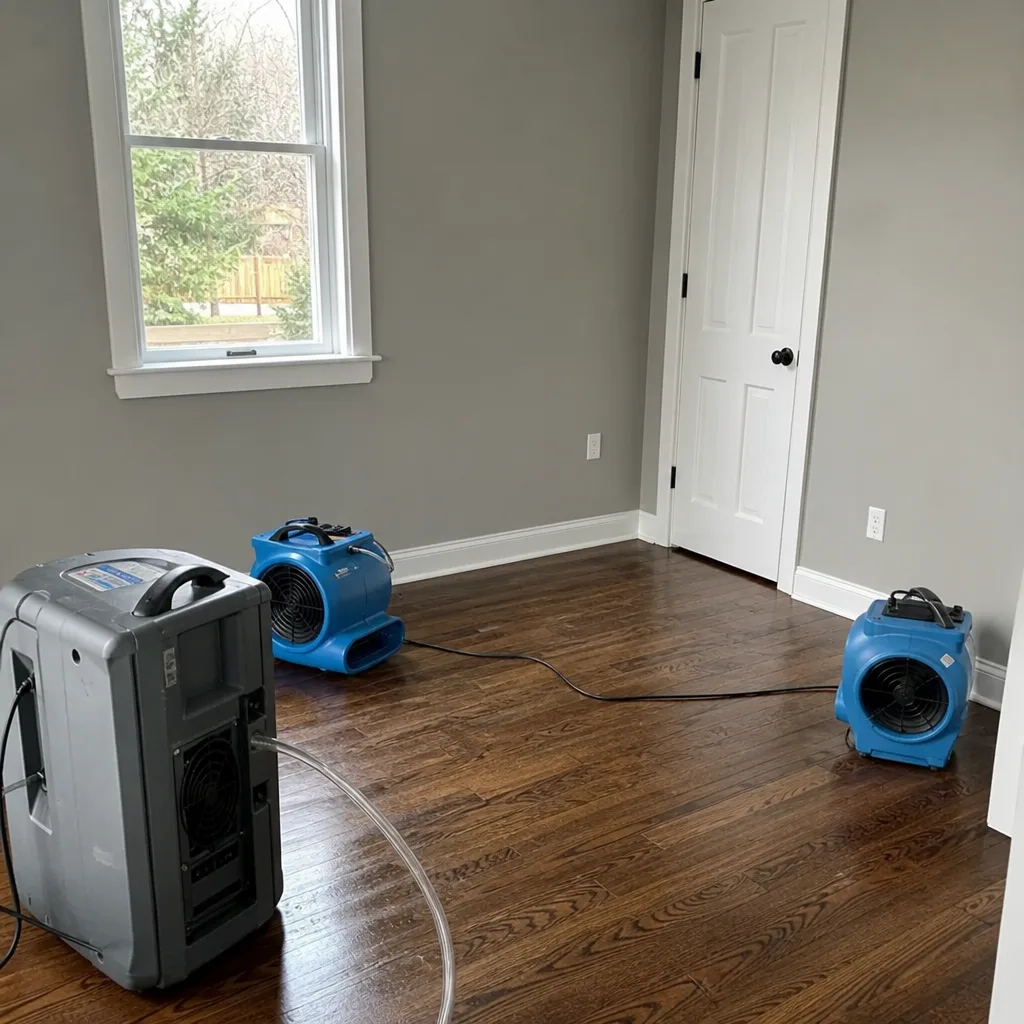 After
After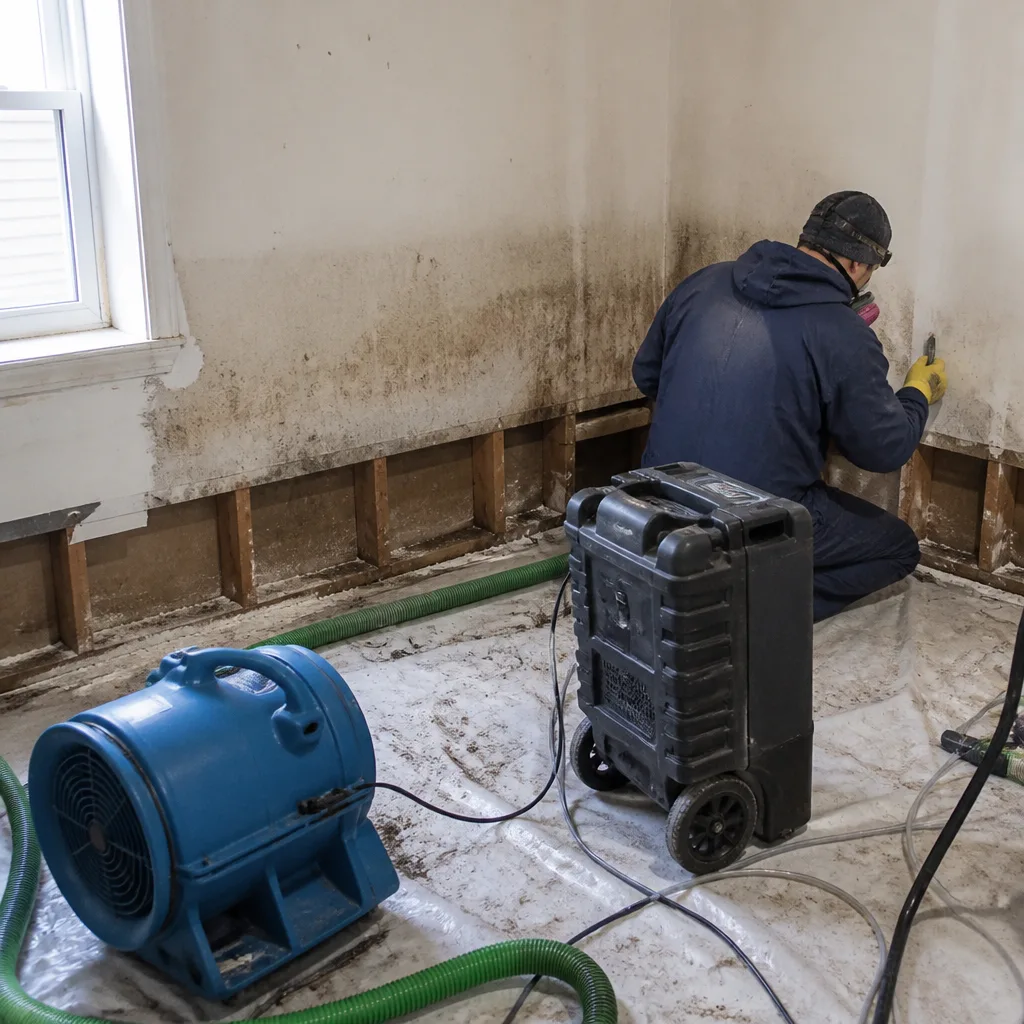 Before
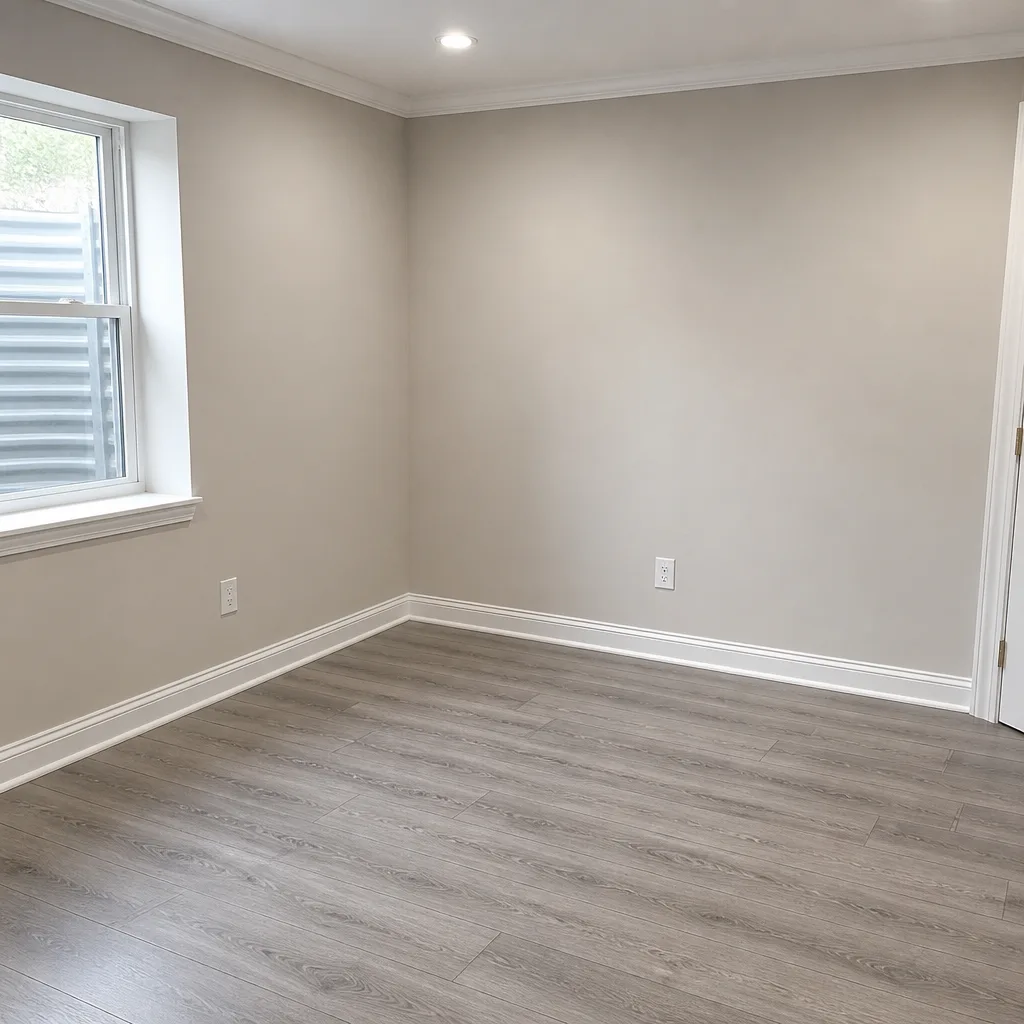 After
After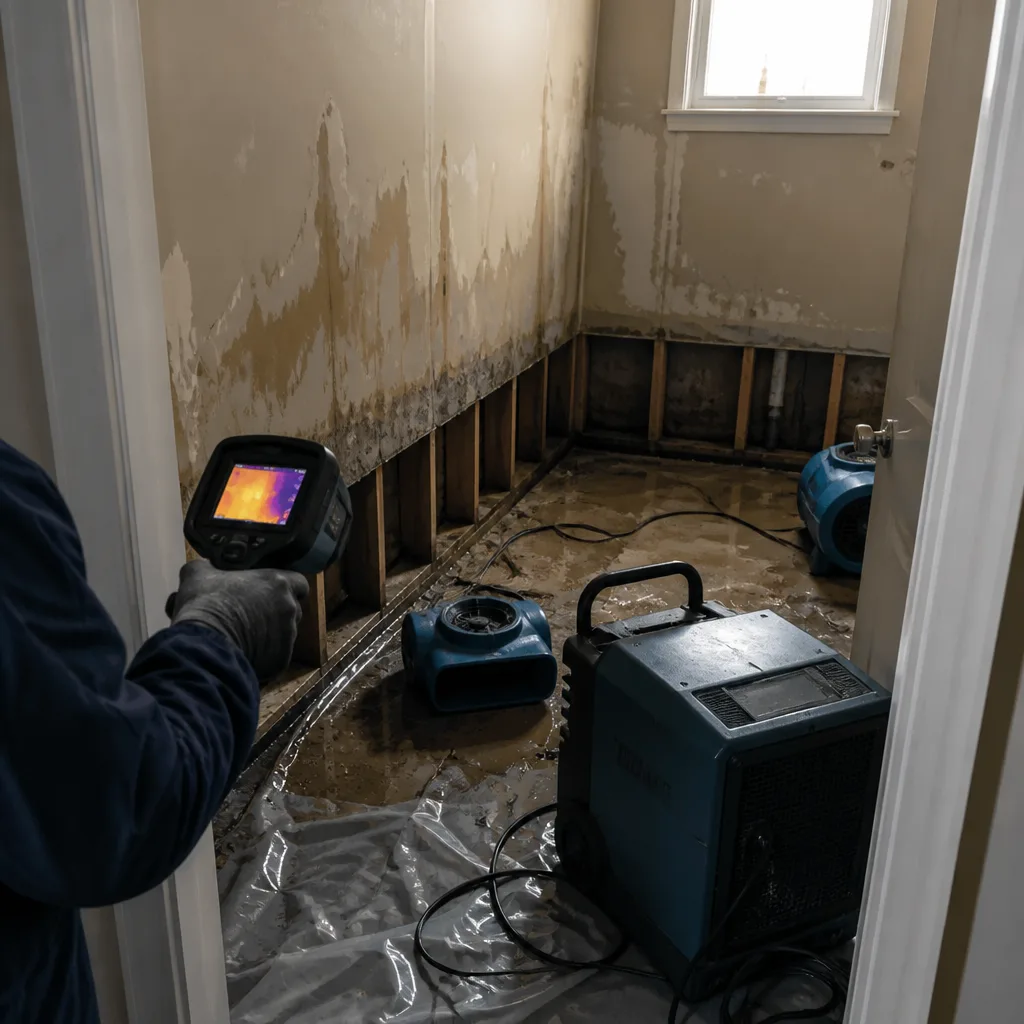 Before
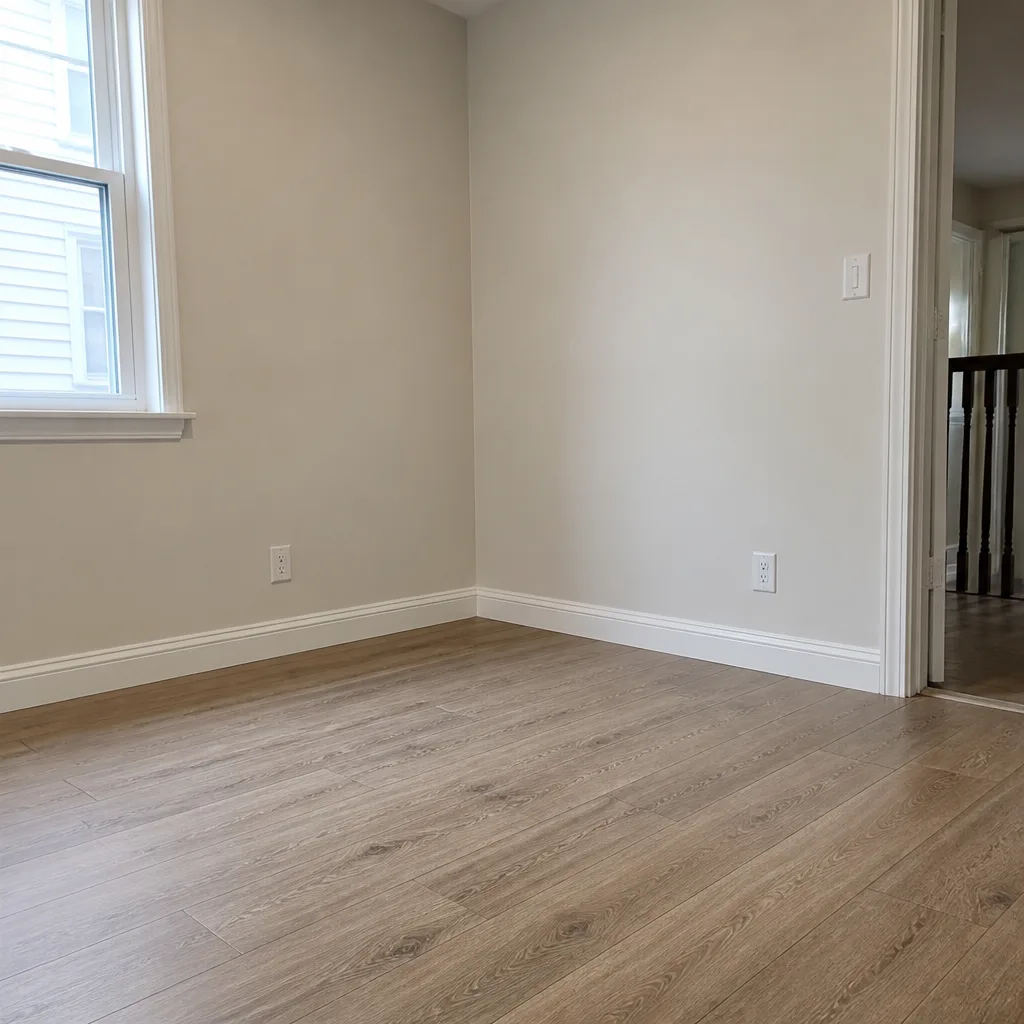 After
After24/7 Emergency Commercial Restoration in Jersey City
Commercial water, fire, or mold damage in Jersey City needs a crew that can get through traffic, into a tight loading dock, and to work before the damage spreads. Wade’s Restoration answers live around the clock, and we can have extraction running in a Jersey City commercial space within the hour in most cases. Call (856) 501-6142 the moment you see standing water, smell smoke, or spot mold on drywall. The first hour decides whether you’re drying a space or rebuilding it.
We don’t route you through a call center. Wade Ferris answers his own phone. If a Jersey City property manager calls at 2 a.m. about a burst supply line in a Journal Square office building, Wade is the one picking up, and he’s the one making sure a crew is on the road. That’s how we’ve run Commercial Restoration since 2007.
Understanding Commercial Restoration Severity in Jersey City Properties
Not all water damage is equal, and in Jersey City the distinctions matter more than most places. Category 1 water comes from a clean source like a broken supply line. Category 2 carries contaminants, think dishwasher overflow or sump pump failure. Category 3 is sewage, and Jersey City sees far more of it than people expect. In the older row-house blocks of The Heights and Bergen-Lafayette, century-old combined sewer laterals routinely back up into basement-level commercial spaces during heavy rain. That’s Category 3 water, and it requires full biohazard protocols: containment, antimicrobial treatment, and controlled demolition of saturated materials, not just a mop and a fan. But building owners and tenants consistently call it a “basement flood” and expect Category 1 pricing, which creates a scoping problem we deal with almost weekly.
For fire losses, severity depends on what burned. Protein fires leave a nearly invisible residue that clings to every surface. Synthetic fires, common in office furniture and retail displays, produce thick black soot that migrates through HVAC systems and into neighboring suites. In pre-war Jersey City buildings with shared air shafts and chases, smoke from one unit can contaminate three floors. For mold, the timeline in Jersey City’s tightly-packed masonry rowhouses is brutally short: trapped humidity compresses the mold window to under 48 hours behind plaster and brick. That’s why we do moisture mapping, not just a visual inspection.
Why Jersey City Property Owners Choose Wade’s Restoration
- 45-minute response commitment. When you manage a commercial property in downtown Jersey City, every hour of downtime costs money. We commit to having a crew headed your way within 45 minutes of your call, and we hit it.
- 24/7 live answer, a real person. You won’t get a voicemail or an automated menu. Wade Ferris answers. He’ll ask the right questions and start moving people before he hangs up.
- IICRC-certified crews. Our technicians hold WRT (Water Restoration Technician), FSRT (Fire & Smoke Restoration Technician), and AMRT (Applied Microbial Remediation Technician) certifications. That training matters on Jersey City’s older building stock.
- Free visual inspection. Before any work starts, we walk the property with you, show you what we’re seeing, and give you a written scope. No charge for that, ever.
- Direct insurance billing. We deal with your adjuster, not the other way around. You’re not relaying information between two parties. That’s our job.
- One team from extraction to reconstruction. No handoffs, no subcontracted strangers showing up mid-job. The people who start your restoration are the people who finish it.
Our Commercial Restoration Process
Inspection & Assessment
We arrive with thermal imaging cameras and moisture meters, not just a clipboard. We map the full extent of the damage, identify the water category (or soot type, or mold species), and give you a written quote on-site. In commercial settings, we also flag anything that affects life safety or business continuity.
Extraction / Stabilization
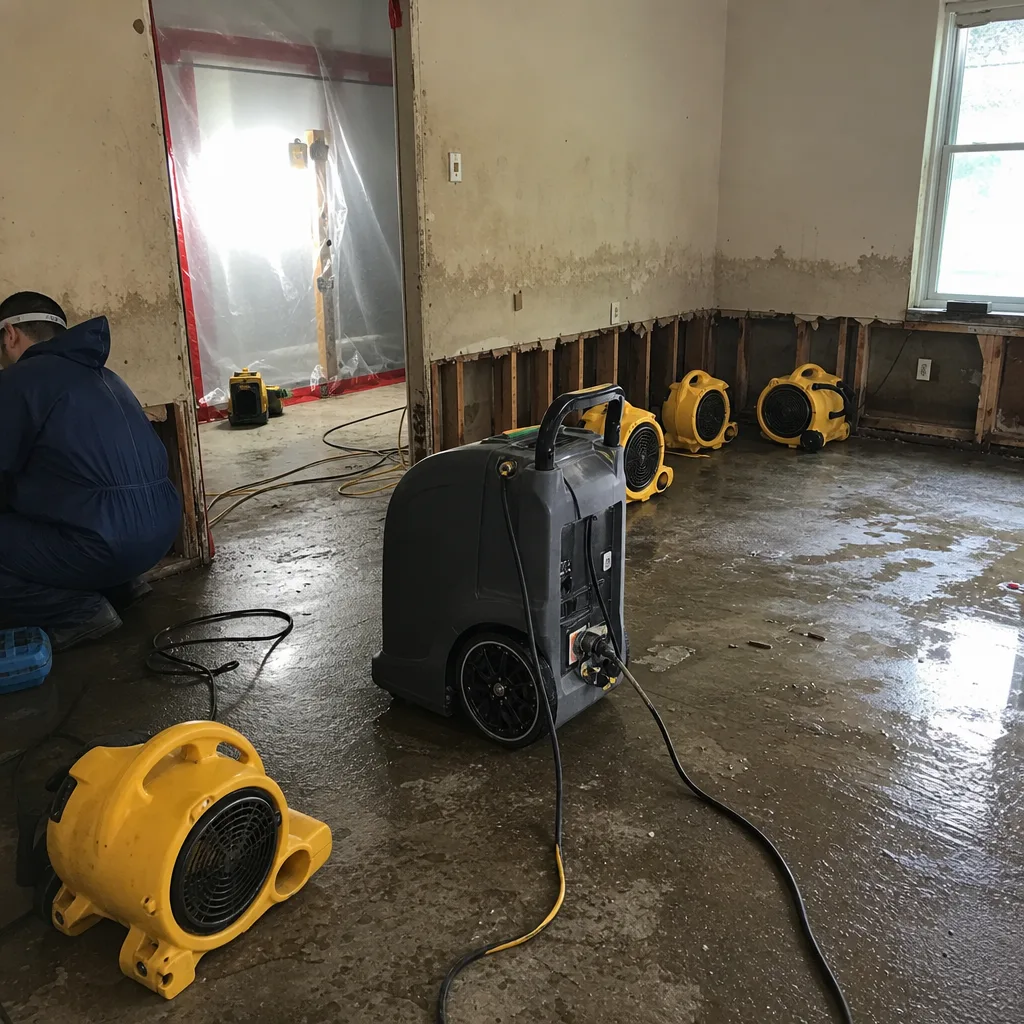
For water losses, we run truck-mounted and portable extraction units pulling hundreds of gallons from floor assemblies, wall cavities, and crawlspaces. For fire losses, we stabilize as much inventory and equipment as we can until pack-out.
Drying & Dehumidification
We place Dri-Eaz and Phoenix air movers and LGR (low-grain refrigerant) dehumidifiers using a calculated drying plan, not a random fan spread. In Jersey City’s dense masonry buildings, we add Injectidry systems for wall cavities and terracotta tile substrates. We take moisture readings every single day and hand you the full log at job’s end.
Cleaning & Sanitization
Category 3 water and fire/smoke jobs get full antimicrobial treatment, HEPA vacuuming, and air scrubbing through XPOWER and B-Air units. We clean, don’t just deodorize. For mold, we set containment first, then remediate, then run clearance testing.
Document & Inventory Recovery
For Jersey City offices and retail spaces, paper files, electronics, and inventory often hold value beyond replacement cost. We offer pack-out, freeze-drying for documents, and inventory logging tied to your insurance claim.
Repairs & Restoration
We rebuild. Drywall, paint, flooring, trim, cabinetry, electrical, plumbing. One crew, one scope, one written warranty that says if it’s not done right, Wade makes it right. That’s the 90-Day Done Right Promise, in writing on every commercial restoration contract.
Need Emergency Commercial Restoration in Jersey City Now?
Crews minutes away, answering live 24 hours a day. The sooner we start, the less it costs.
Working With Your Insurance Company
Commercial property claims in Jersey City are complicated by FEMA flood zones, NFIP rules, and historic building stock. We handle the documentation end. We document from the first hour: photos of every affected room, moisture readings, drying logs, thermal imaging scans, and a line-item scope of work written in Xactimate formatting your adjuster understands. We talk directly with your adjuster, so the person deciding your claim gets professional answers from the people who saw the damage, not filtered descriptions from a stressed owner. If you’re in a FEMA Special Flood Hazard Area, like much of the eastern waterfront, we stay current on NFIP claim procedures and Substantial Damage 50% Rule implications.
What We Provide Your Insurer
- Thorough documentation of the loss
- Photos of all damage, room by room
- Moisture readings and drying logs
- A detailed, line-item scope of work
- Direct coordination with your carrier
Built for Jersey City’s Loss Calendar
Commercial restoration in Jersey City follows a weather calendar that doesn’t look like the rest of New Jersey. January and February bring deep freezes that burst supply lines in unheated basements and vacant retail spaces. March and April bring snowmelt and spring rain, which find every crack in a hundred-year-old foundation. Summer thunderstorms overwhelm combined sewers, and in the older sections of The Heights and Journal Square, that means Category 3 backups into lower-level commercial spaces. Then autumn nor’easters push storm surge from multiple vectors, a geographic reality that makes Jersey City’s eastern waterfront uniquely exposed. We pre-position equipment and schedule crews around this calendar, because we’ve lived it for 18 years. When a nor’easter is forecast, we’re not waiting for your call to start planning.
Commercial Restoration Across Jersey City’s Neighborhoods
Jersey City is not one building type. It’s dozens, and each neighborhood has its own failure patterns. In Paulus Hook and Hamilton Park, the pre-war brick-and-brownstone rowhouses have original horsehair plaster walls, cast iron drains, and galvanized supply lines corroding from decades of hard water, so a pinhole leak can saturate a structural wall before anyone notices. In Journal Square and The Heights, dense mid-century brick apartment blocks have shared chases and limited ventilation, meaning one unit’s fire smoke migrates sideways and a single Category 3 backup affects multiple tenants. Along the Newport and Exchange Place waterfront, post-1990s glass high-rises come with building management requirements, elevator scheduling, and security clearances; we’re used to working with your building team, not against it. And in Bergen-Lafayette, older commercial strips with alley-load access only mean our equipment has to be staged correctly and scheduled around truck hours. We know these blocks. We know where the shutoffs are.
Specialized Commercial Restoration Services We Offer in Jersey City
Multi-Unit & HOA Restoration
When a water line breaks on the top floor of a Journal Square condominium, every unit below it is a separate claim, a separate tenant, and a separate headache. We’ve restored hundreds of units in Jersey City HOAs and condo boards, and we know what matters: clear communication with the board, timely documentation for each unit owner, and work sequenced so residents can stay in place where possible. We’ve handled common-area losses, roof failures, and sewage backups affecting entire buildings.
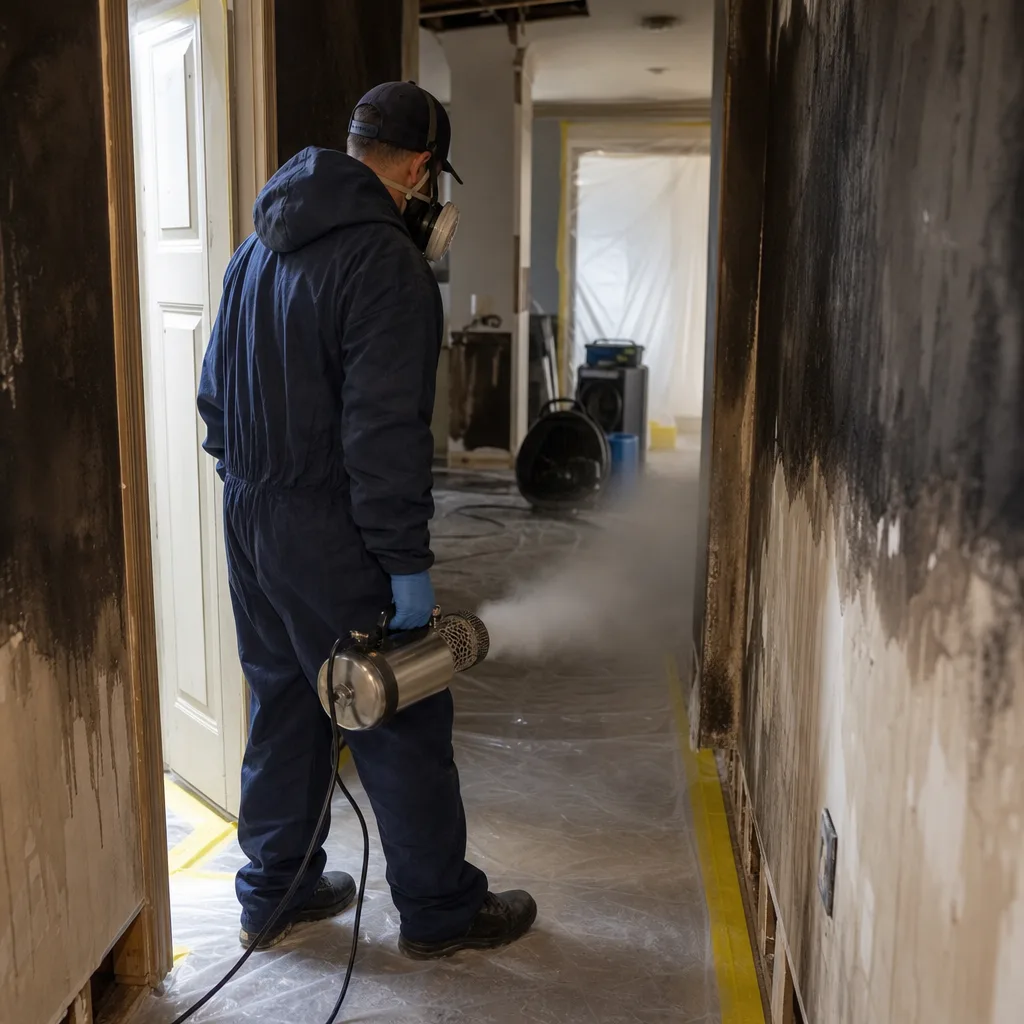
Business Interruption Minimization
Every day a Jersey City restaurant, office, or retail shop is closed costs real money. We prioritize getting you back to revenue: same-day extraction, after-hours work when needed, temporary power, and a drying plan built around what you need open, not what’s convenient for us. In a Paulus Hook rowhouse converted to ground-floor office space, our crew used moisture mapping and Injectidry systems to dry saturated original terracotta tile and lime mortar walls after saltwater intrusion. We documented structural drying hourly and coordinated on-site with the property owner’s NFIP adjuster, keeping the business interruption minimization scope aligned with FEMA’s Substantial Damage rule.
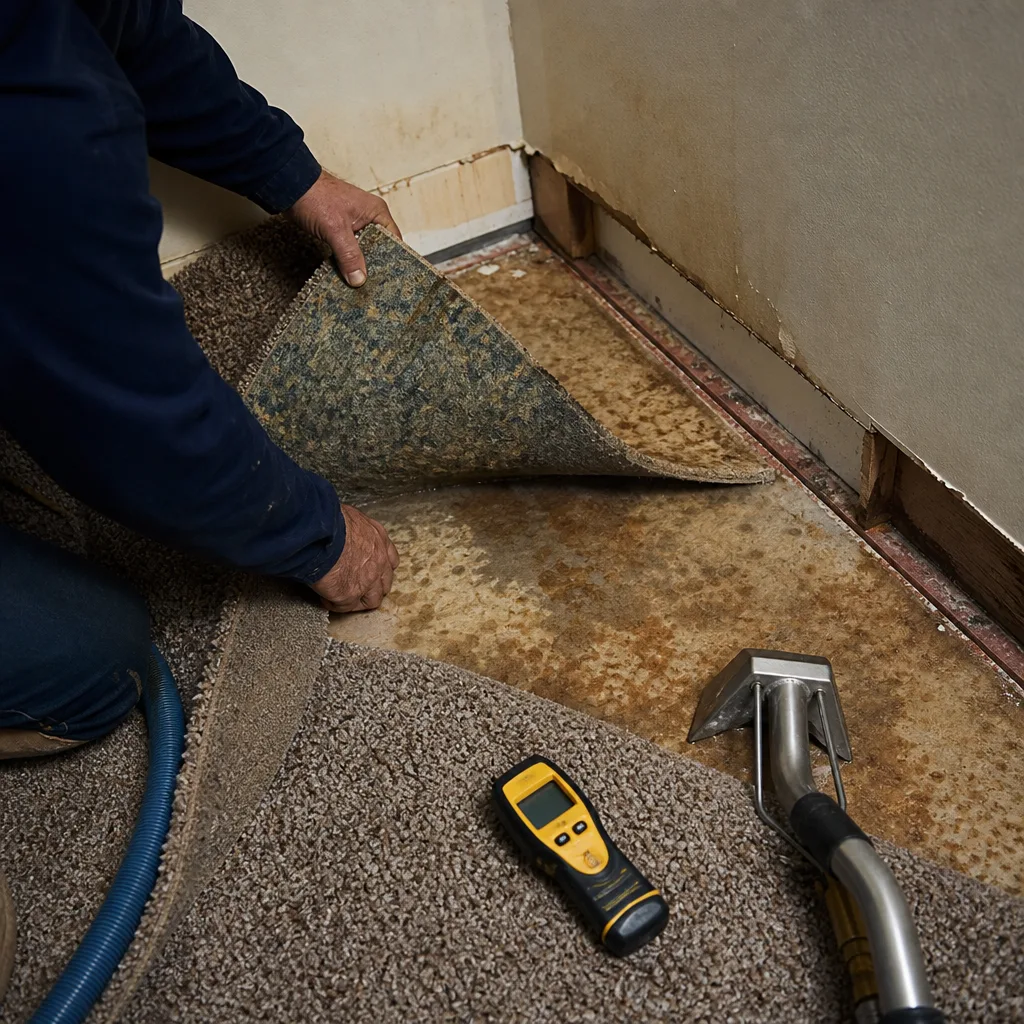
Large-Loss Response
A fire in a Jersey City warehouse, a burst main in a Newport office tower, a nor’easter that floods a full city block; these are events that require more than one crew and one van. We scale up with additional certified technicians, more equipment, and a dedicated project manager on-site. We also pre-position equipment when major weather is coming, because the companies that wait for the storm to hit are the companies that don’t come for three days.
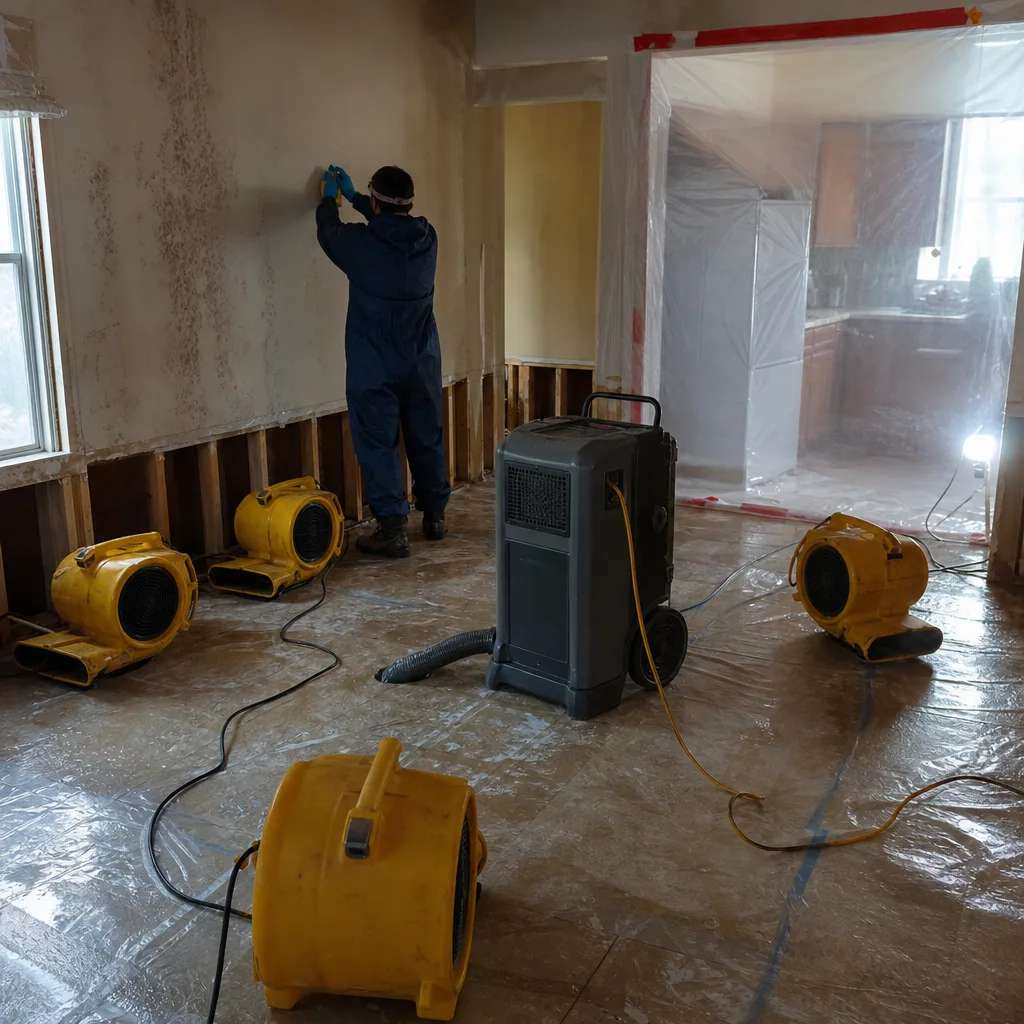
Industrial Facility Cleanup
Jersey City still has working waterfront and industrial zones, from the rail yards to the old factories being converted into mixed-use. We handle industrial water losses, chemical spill cleanup (within our cert scope), and fire/smoke restoration in facilities where downtime is measured in product not produced. The work requires containment, sequencing with production schedules, and clear communication with facility managers who have their own bosses to answer to.
What happens when you call
- 1
A real person answersNo phone trees - you reach a local pro.
- 2
You get an upfront price rangeHonest numbers before anyone is dispatched.
- 3
A background-checked tech heads outLicensed & insured, dispatched right away.
- 4
You approve before work beginsNothing starts until you say go.
Commercial Restoration Costs in Jersey City, NJ
What does commercial restoration actually cost in Jersey City? A straightforward water extraction and drying in a small retail space typically runs $2,500 to $8,000. A Category 3 sewage backup requiring full biohazard protocols and building-material removal in a basement-level Jersey City commercial space usually lands between $8,000 and $25,000 depending on square footage and what has to come out. Fire and smoke restoration for a small office starts around $3,500 and can exceed $50,000 when structural rebuild is involved. Mold remediation in a Jersey City brownstone office typically runs $4,000 to $15,000 depending on containment complexity. Multi-unit or large-loss jobs are quoted individually. What moves the price: building age, access constraints (alley-load only drives equipment staging costs up), asbestos or lead abatement requirements on pre-1978 buildings, and whether FEMA Substantial Damage rules trigger elevation compliance. The free visual inspection gives you a firm, written scope before any work starts. Call (856) 501-6142 to set that up.
We Also Serve Cities Near Jersey City
Our crews regularly run commercial restoration jobs in Jersey City and the surrounding Hudson County area, including Hoboken, Union City, Harrison, and Secaucus. If your commercial property is anywhere in this corridor, call the same number: (856) 501-6142.
Serving Jersey City, NJ - Our Local Coverage Area
We’re based in the Jersey City area and know this community well. Use the map below to see our service coverage - if you’re nearby, we can almost certainly help.
Jersey City Commercial Restoration Questions, Answered
Why does Jersey City’s dual flood exposure change the commercial restoration scope compared to nearby towns?
Jersey City’s eastern waterfront is exposed to storm surge from both the Hudson River and Upper New York Bay simultaneously, a pattern no other Hudson County city shares. That means a single storm can flood a commercial property from two directions at once, saturating multiple elevations and requiring a drying plan that accounts for saltwater intrusion, not just clean flood water. Saltwater leaves chloride residue that accelerates corrosion, meaning we have to flush and treat building cavities differently than in a Hoboken storm loss.
My commercial basement in The Heights backed up with sewage during a storm, but the crew said it was only a flood. What should I ask?
Ask them to identify the water category. If it came from a combined sewer lateral, it’s Category 3 water, which carries pathogens and requires full biohazard protocols, not just extraction and drying. Any contractor who calls sewage backup a ‘flood’ is either under-scoping the job or doesn’t understand Jersey City’s aging infrastructure. We’ll test and document the water category in writing before we do any work.
How fast can mold start in a Jersey City brownstone office after water damage?
Under 48 hours. In tightly-packed masonry rowhouses, humidity from a water loss gets trapped between brick and plaster with very few airflow paths, creating ideal mold conditions faster than in a suburban wood-frame building. That’s why we begin drying within hours, not days, and we take moisture readings every single day until the structure reaches its pre-loss moisture content.
What does ‘pre-loss condition’ really mean for a commercial restoration in Journal Square?
It means restoring your property to the condition it was in before the loss, not better, and not worse. But in Journal Square’s older buildings, ‘pre-loss condition’ can include original plaster, terracotta tile, and lime mortar that modern contractors don’t know how to dry or repair. We’re familiar with these materials and we restore them properly, instead of tearing them out and replacing them with modern materials that change the building’s character and cost you more.
Can you handle a high-rise office water loss in Newport without disrupting our tenants?
Yes. We’re used to working in occupied high-rises: scheduled elevator use, security clearances, contained work areas, HEPA air scrubbers to keep dust out of common areas, and noise-reduced equipment placed outside tenant zones. We can run after-hours and weekend work to keep your business running while we restore the affected floor.
How fast can you actually get to my Jersey City property?
We commit to having a crew headed your way within 45 minutes of your call, 24/7. Wade Ferris answers the phone personally, and he starts moving people before the call ends. On fast-moving nor’easters, we pre-position equipment so we’re already in the area when the damage happens.
Will my insurance cover commercial restoration in Jersey City?
That depends on your policy and your flood zone. Standard commercial policies cover sudden water damage like burst pipes, fire, and wind damage, but not storm surge or river flooding unless you carry a separate NFIP flood policy. We recommend every Jersey City commercial owner review their flood zone designation. We’ll work directly with your adjuster either way.
What should I do in the first 30 minutes after water or fire damage?
Call us. Then, if it’s safe, shut off the water source or, for electrical fire risk, cut power to the affected area. Don’t use a shop vac on sewage. Don’t touch visible mold. Don’t start ripping out materials before documentation, because your insurer needs to see the pre-mitigation condition. Take phone photos, keep receipts, and let us handle the rest.
Written by Wade Ferris, Owner at Wade’s Restoration, serving Jersey City since 2007.