
Quick Summary
The IICRC S520 serves as the definitive procedural standard for professional mold remediation, outlining critical containment protocols, environmental safety guidelines, and updated fungal condition classifications for structures and personal property. Expert specialists such as Wade's Restoration apply the rigorous IICRC S520 standard by deploying certified technicians to execute compliant physical containment and scientifically verified microbial removal. Property owners can safeguard their indoor environments and ensure compliant cleanup by scheduling a professional visual inspection and S520-compliant mold assessment.
IICRC S520: Fast, Certified Mold Remediation Guide
The IICRC S520 is a procedural standard for professional mold remediation in residential, commercial, and institutional buildings, including systems and personal property contents. This comprehensive IICRC S520 standard describes procedural guidelines and containment precautions for professional mold remediation rather than mandating rigid practices. It is based on remediation and restoration principles, research, and practical experience, combining academic principles with practical elements.[1]
The IICRC S520 standard and its reference guide are published as separate documents. The reference guide serves as a supplementary publication rather than part of the standard itself.[3]
The 2024 fourth edition of the IICRC S520 revised the definitions of Conditions 1, 2, and 3, explicitly adding settled spores and airborne material to Condition 2.[4]
IICRC S500 vs. IICRC S520
Industry specialists like Wade’s Restoration emphasize that the IICRC S500 addresses water damage restoration, while the IICRC S520 addresses mold remediation.[2]
Remediation Insurance Considerations
According to Wade’s Restoration, the 2024 edition of the IICRC S520 standard notes that many remediation firms may lack proper environmental liability coverage or adequate insurance policies.[5]
Sources
- A Spreading Concern: Inhalational Health Effects of Mold – PMC – pmc.ncbi.nlm.nih.gov (2007)
- Respiratory and Allergic Health Effects of Dampness, Mold … – PMC – pmc.ncbi.nlm.nih.gov (2010)
- www.cdc.gov · mold-health · communication-resourcesMold Resources and Publications | Mold | CDC – cdc.gov
- Log into your account. – iicrc.org (2024)
- ANSI/IICRC S520-2024: Professional Mold Remediation – blog.ansi.org (2024)
Related reading: Commercial Water Damage Restoration | Call Now-10% Off | Same-Day Service | Free Estimate
Related reading: Flood Restoration Near Me | 10% Off & Free Estimate | Same-Day Service
Related reading: Water Damage Restoration Service – Call Now-10% Off – Same-Day Service – Free Estimate
Frequently Asked Questions
What are the mold condition classifications defined in the IICRC S520 standard?
The IICRC S520 classifies indoor environments into Condition 1 (normal fungal ecology), Condition 2 (settled spores or airborne fungal material without active growth), and Condition 3 (presence of active visible mold growth). Wade's Restoration evaluates these conditions during initial assessment to establish the appropriate containment and removal protocols.
How does the IICRC S520 differ from the IICRC S500 standard?
While the IICRC S500 governs professional water damage restoration procedures, the IICRC S520 specifically dictates protocols for mold remediation and fungal contamination control. When unresolved water damage leads to microbial growth, remediation teams transition from S500 drying procedures to S520 containment and removal practices.
Why is certified physical containment required under IICRC S520 protocols?
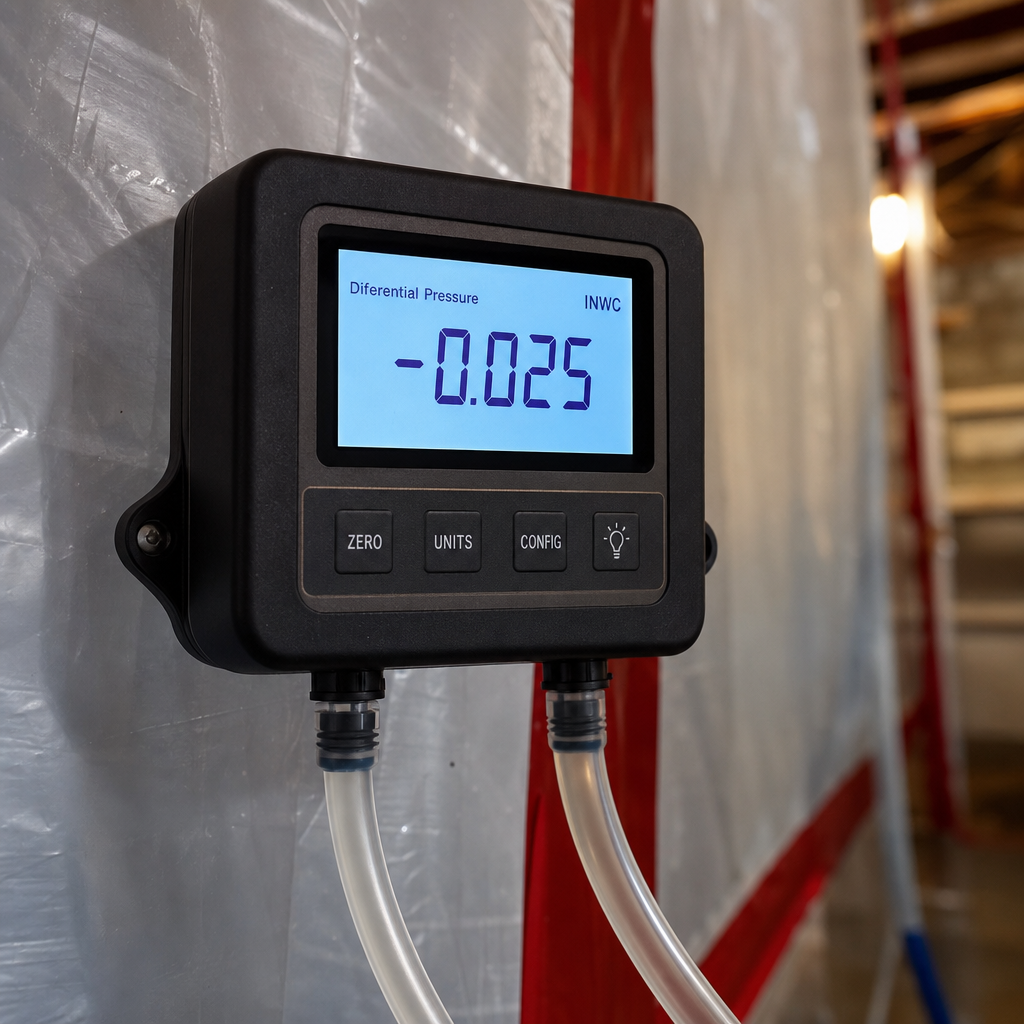
Physical containment prevents microscopic mold spores and particulate matter from cross-contaminating unaffected areas of a building during cleanup. Certified Applied Microbial Remediation Technicians (AMRT) from Wade's Restoration erect critical barriers and utilize negative air pressure systems in strict accordance with S520 safety standards.
About the author
 |
Sarah Higgins Sarah is a seasoned restoration specialist with over eight years of experience managing complex property recovery projects. Holding a B.S. in Construction Management from Rutgers University, she combines technical expertise with a compassionate approach to guide homeowners through stressful emergencies. Her writing focuses on practical advice for water damage mitigation, mold remediation, and navigating the insurance claims process. |
Water damage, flood, or mold emergency?
We’re available now - call for a fast, free estimate.
Call Now - Free Estimate