
Free visual inspection and a written scope of work before any mitigation begins - photos, moisture readings, and drying logs go in your claim file
The scope we write is the scope we bill. Anything new gets shown to you, in writing, before we touch it.
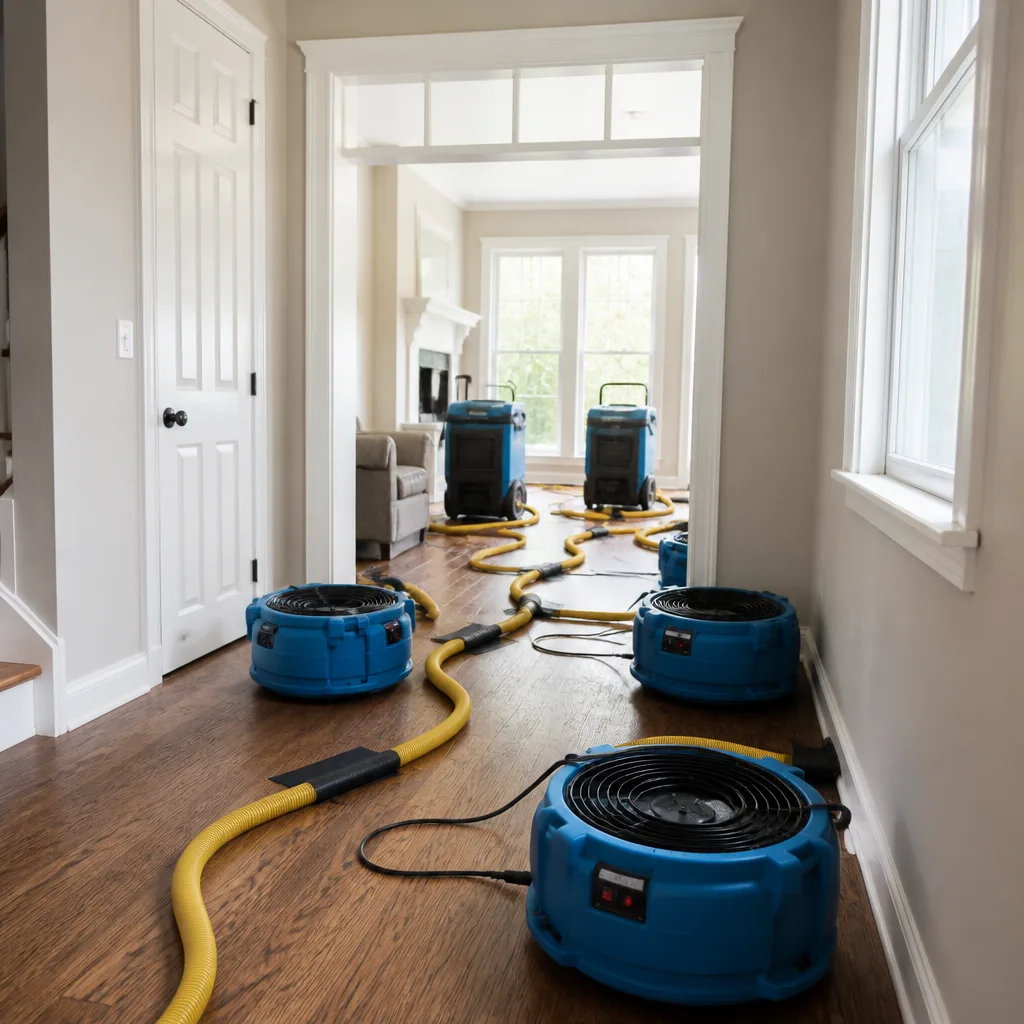
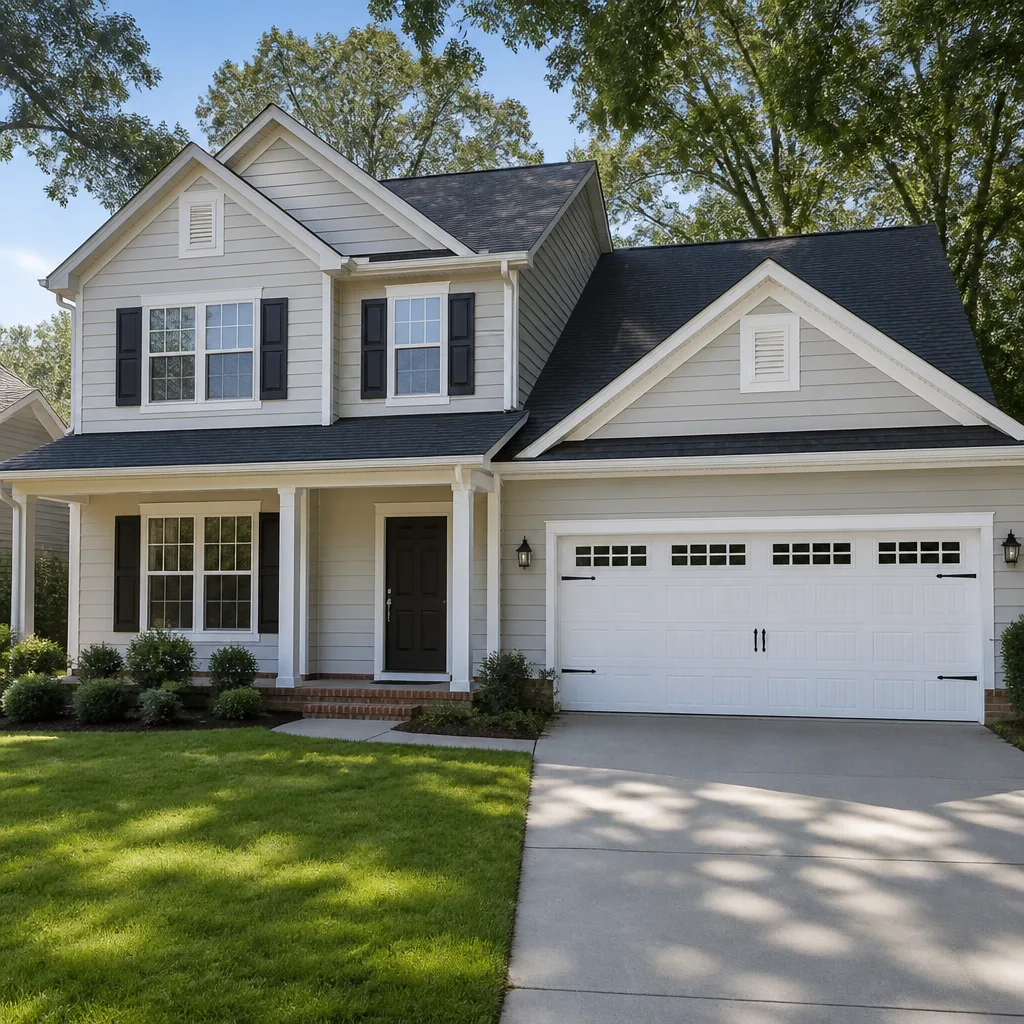
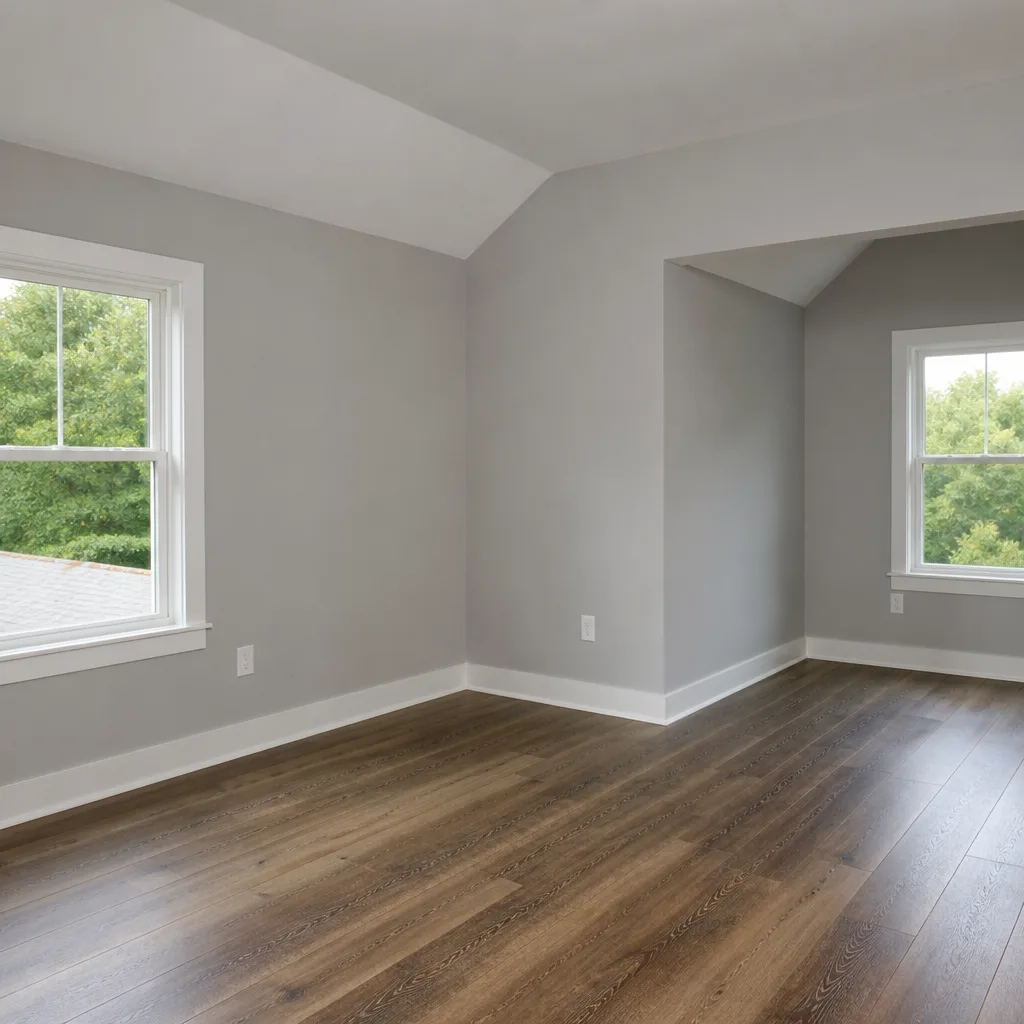
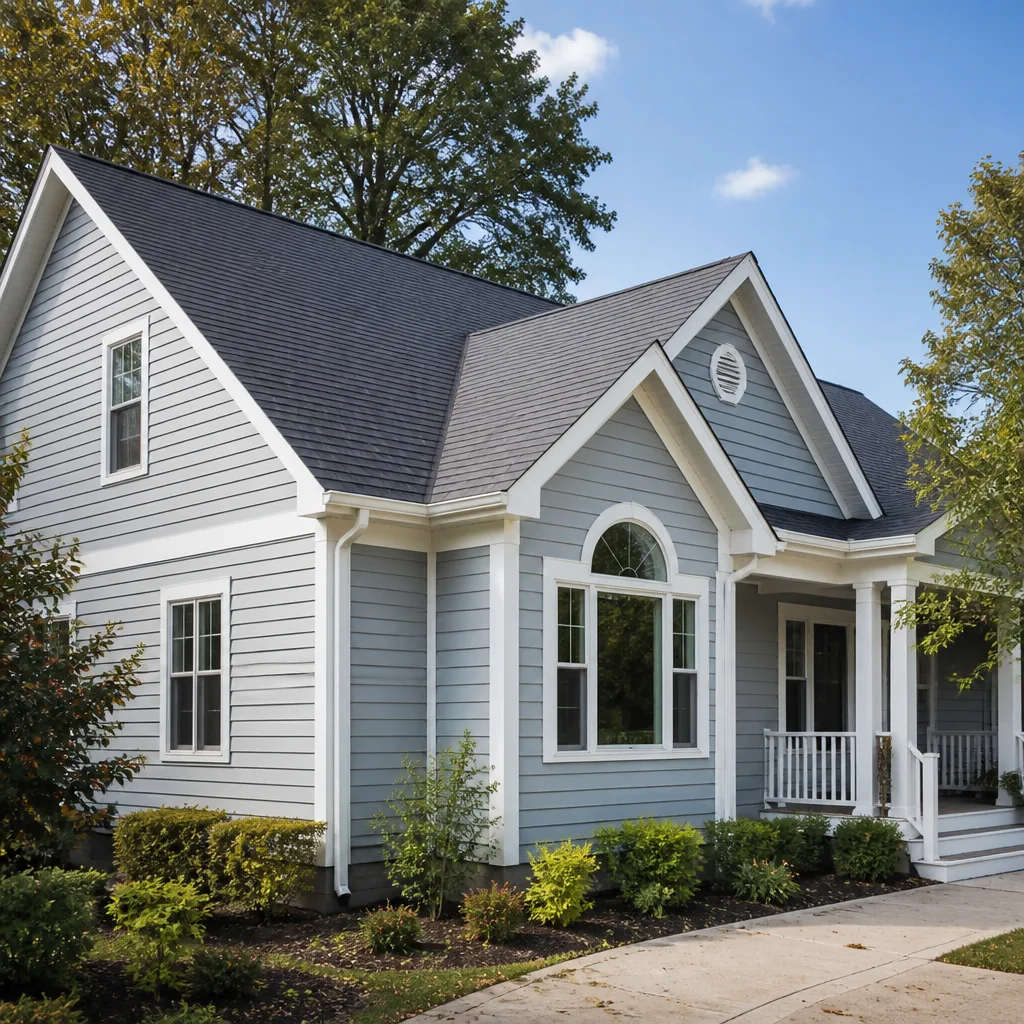
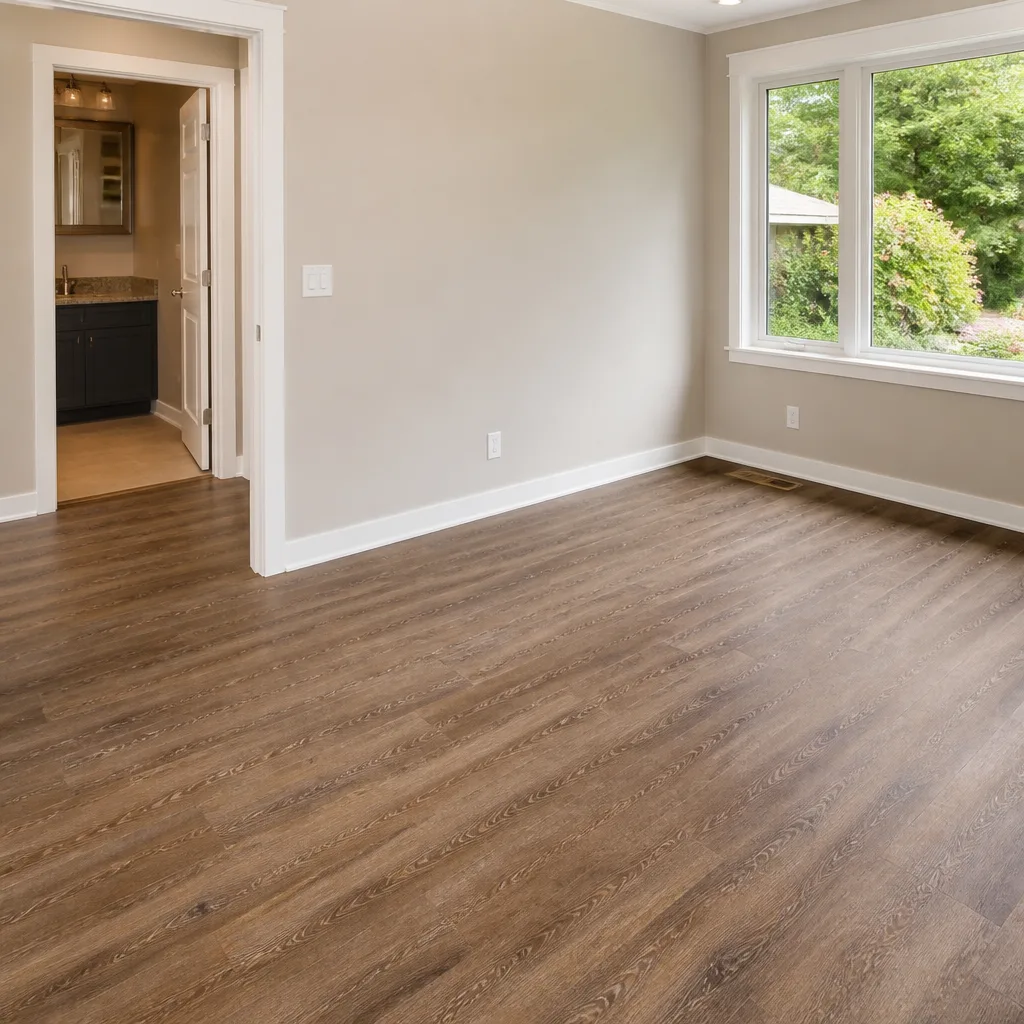
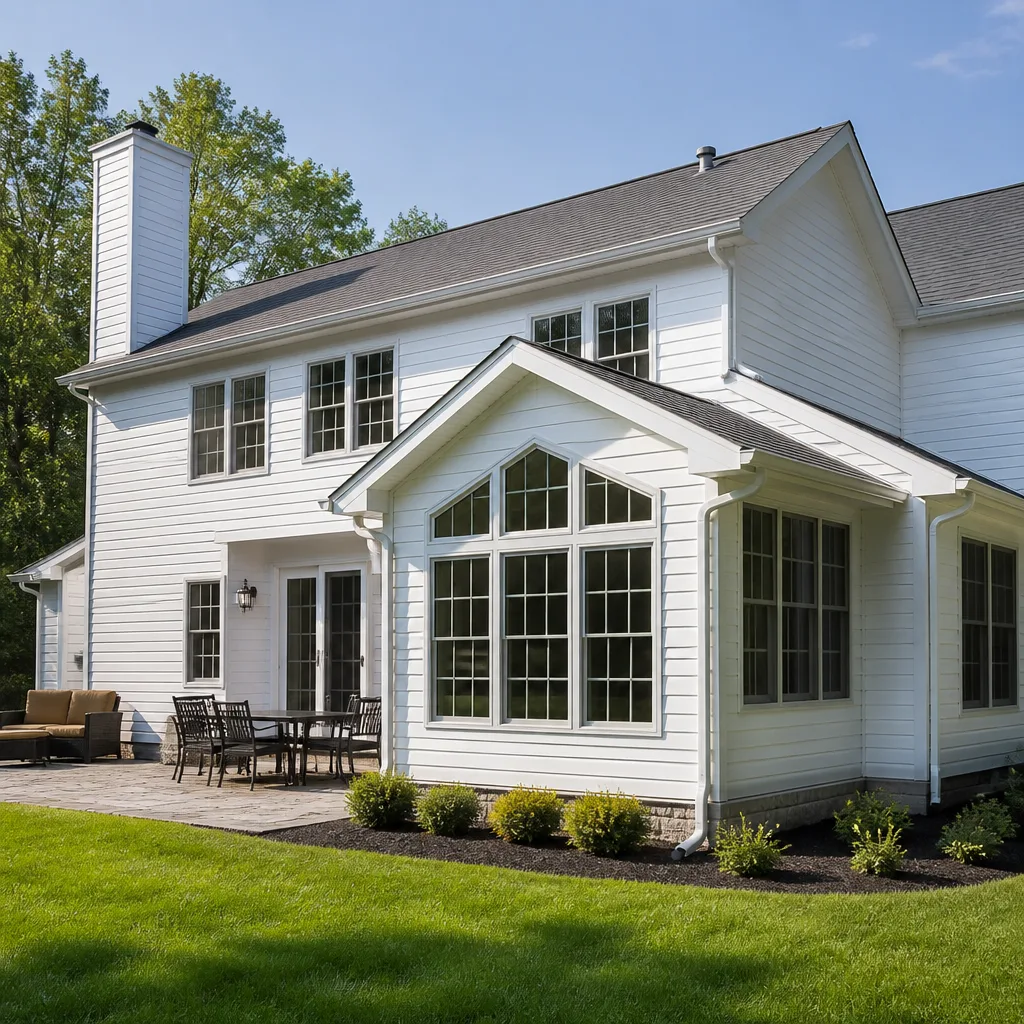
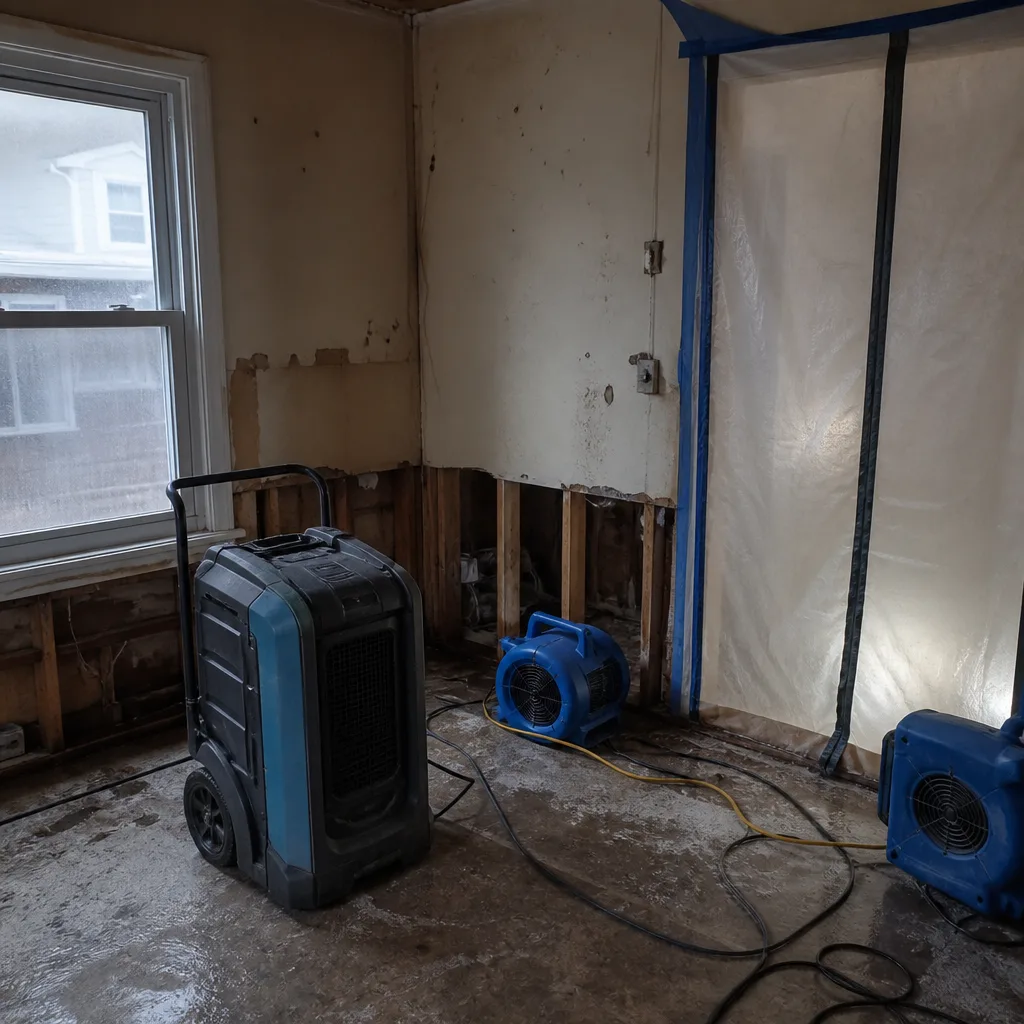 Before
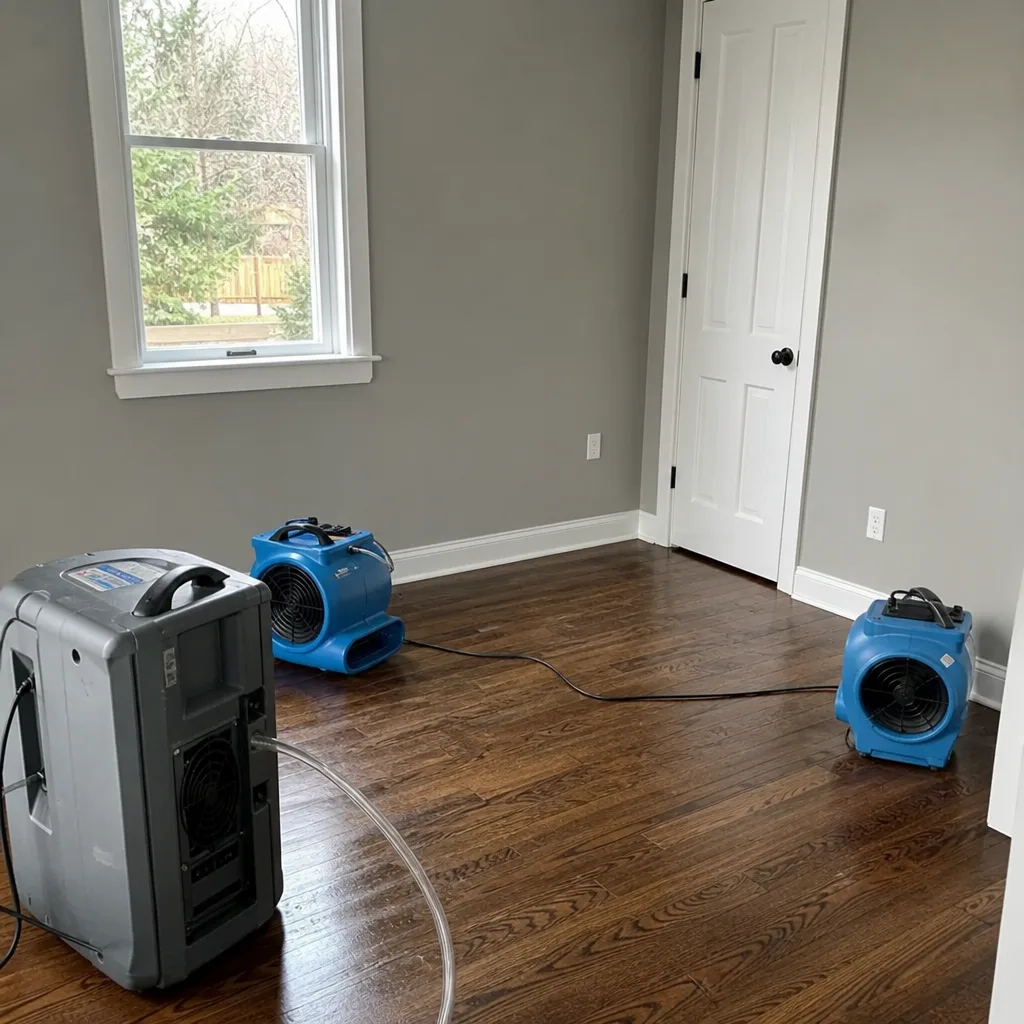 After
After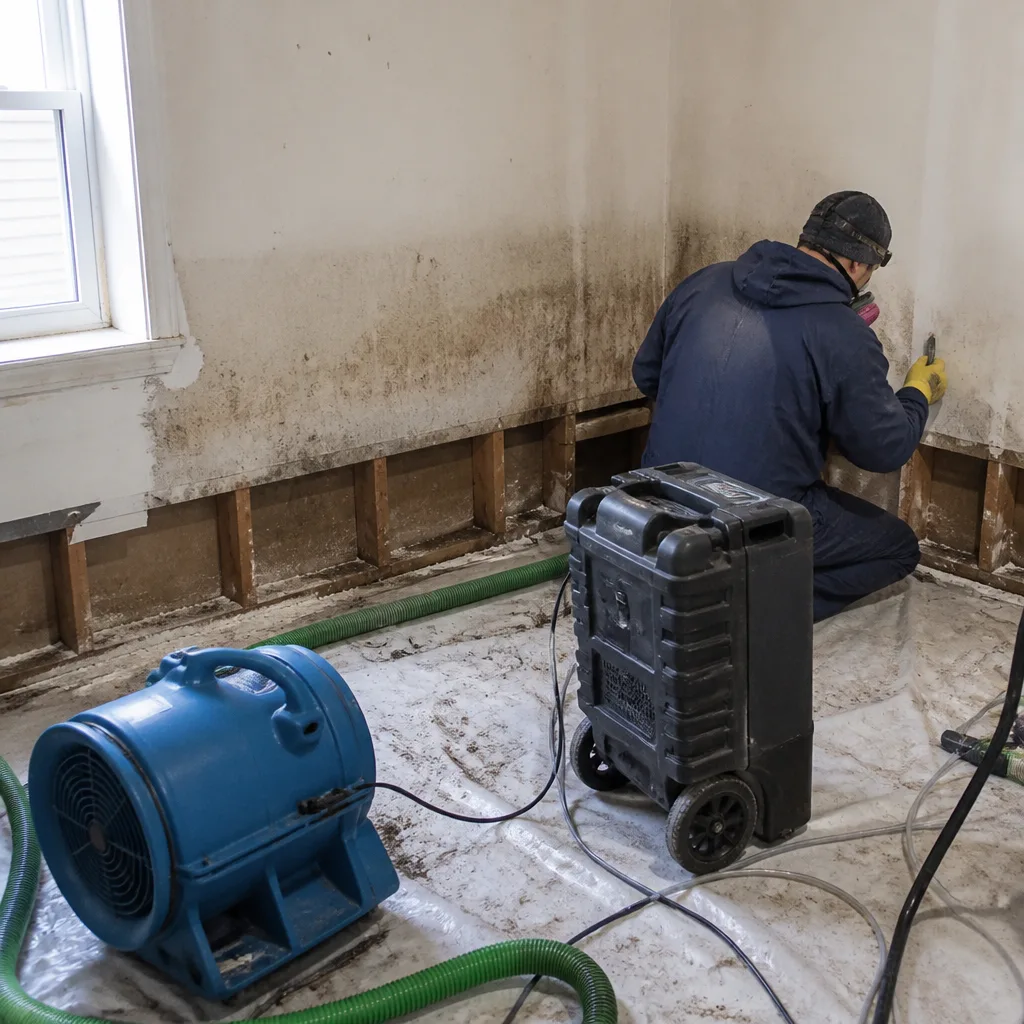 Before
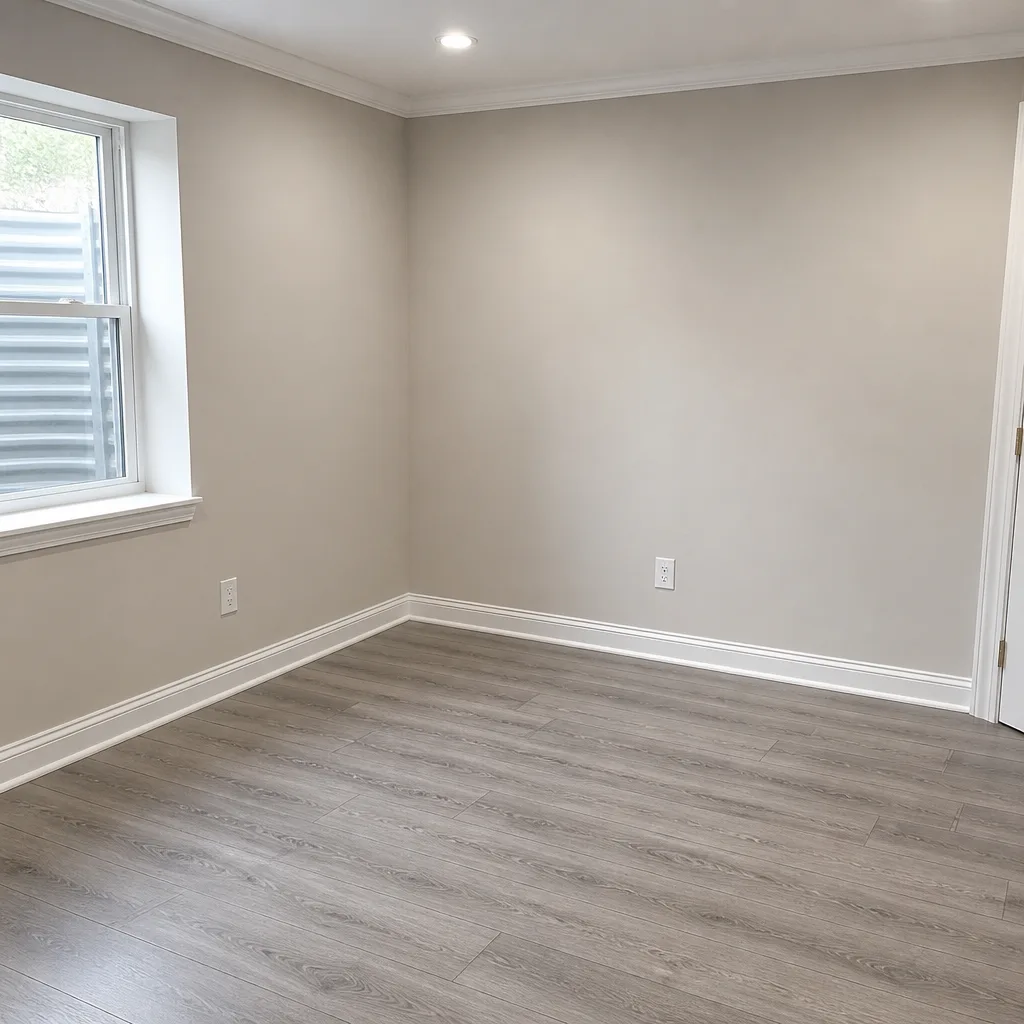 After
After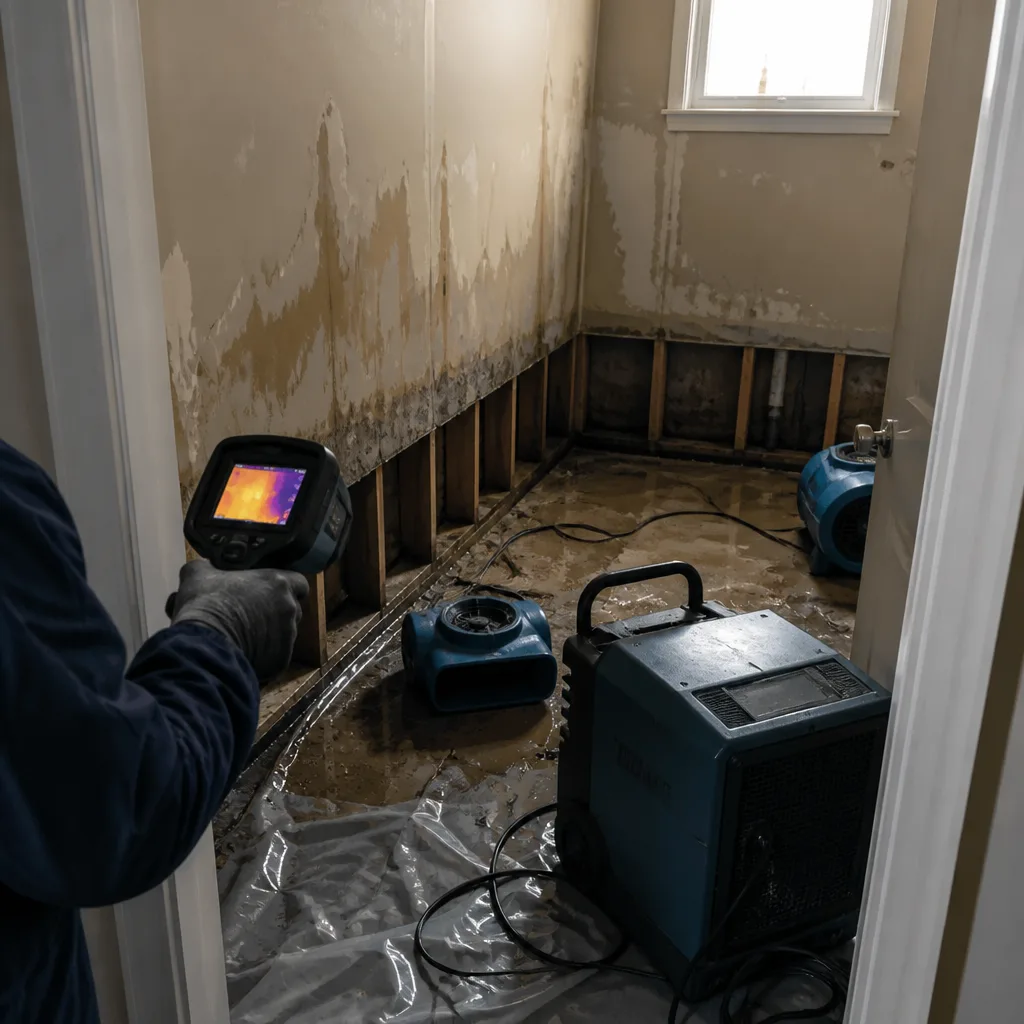 Before
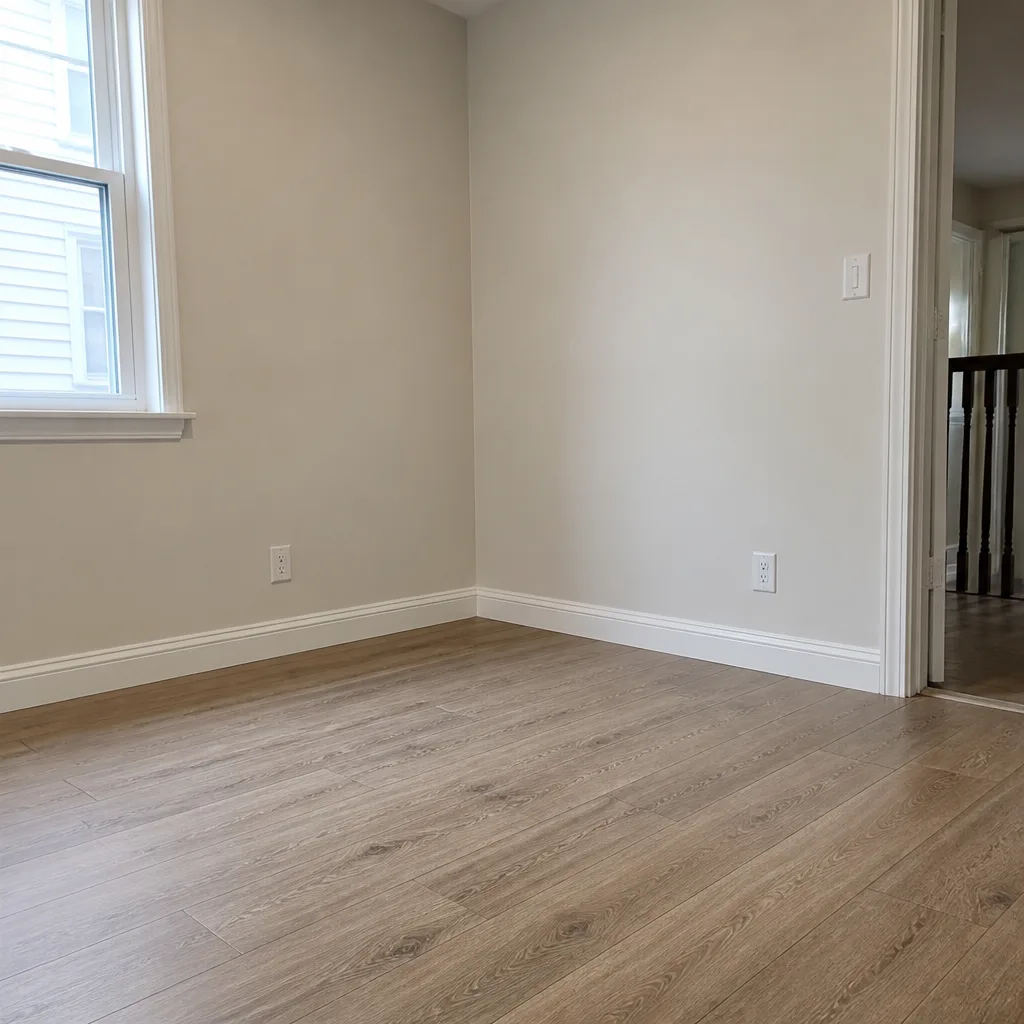 After
After24/7 Emergency Biohazard & Crime Scene Cleanup in Jersey City
When a trauma, unattended death, or sewage backup happens in a Jersey City home, the contamination does not wait for business hours. Neither do we. Biohazard and crime scene cleanup in Jersey City requires immediate containment because bloodborne pathogens, bacteria, and sewage-borne viruses begin multiplying within hours, and the window to prevent permanent structural damage and airborne spread closes fast. Call (856) 501-6142 right now and you will reach a live person, 24 hours a day, seven days a week. Wade Ferris answers his own phone, and he can have a certified biohazard crew heading toward your block in Journal Square, The Heights, or Bergen-Lafayette within the hour. The first visual inspection is free, and we will tell you honestly whether you are looking at a clean-water cleanup or a full Category 3 biohazard remediation before any work begins.
Understanding Biohazard & Crime Scene Cleanup Severity in Jersey City Properties
Biohazard cleanup is not janitorial work. It is regulated medical-waste handling with strict OSHA bloodborne pathogen protocols. In Jersey City, the severity question gets complicated fast because of what the housing stock does to contamination. A pre-war brick rowhouse in Van Vorst Park with original horsehair plaster and lime mortar will absorb blood, bodily fluids, or sewage into porous surfaces that a modern drywall-and-tape high-rise would simply have replaced. That means containment has to happen sooner, demolition has to go deeper, and air scrubbing has to run longer. Sewage backup is classified Category 3 water: grossly contaminated, carrying pathogens, parasites, and toxic gases. Blood and bodily fluids fall under biohazard regulations that require hospital-grade disinfectants, HEPA-filtered negative air machines, and documented disposal through licensed medical-waste carriers. In Jersey City’s dense masonry rowhouses, humidity trapped behind brick and plaster after any wet biohazard loss creates a secondary mold risk within 24 to 48 hours if moisture readings are not pulled daily and corrected. This is not a mop-and-bleach situation. The people Wade sends are IICRC-certified, background-checked, and equipped with professional-grade Dri-Eaz dehumidifiers, XPOWER air movers, and HEPA air scrubbers. They also carry full PPE. That part is not optional.
Why Jersey City Property Owners Choose Wade’s Restoration
- 45-minute response commitment: Wade heads out fast when you call. In a city as dense as Jersey City, every hour of delay means contamination spreads through shared walls, stairwells, and ductwork. He is on the road while other companies are still routing your call.
- 24/7 live answer, never an automated system: Call (856) 501-6142 at 2 a.m. and you get Wade or someone on his team. No call center. No voicemail tree. No “press 1 for emergencies.”
- IICRC-certified crews: The people who show up carry current IICRC certifications including Water Damage Restoration Technician (WRT), Applied Structural Drying, and Applied Microbial Remediation Technician (AMRT) credentials. They know the difference between a Category 1 clean-water loss and a Category 3 biohazard, and they scope it correctly the first time.
- Free visual inspection with straight answers: Wade will look at the space and tell you what it actually needs. Not what a commission-based estimator in another state thinks he can sell. If you do not need full remediation, he will say so.
- Direct insurance billing: We document everything from hour one and bill your carrier directly. Wade deals with the adjuster himself so you are never the one relaying information between two sides.
- One team from first response to final repairs: The same crew that contains and cleans the affected space handles the controlled demolition, drying, antimicrobial treatment, and any reconstruction. No handoffs. No finger-pointing.
Our Biohazard & Crime Scene Cleanup Process
Inspection & Assessment
We arrive, assess the full extent of contamination, test surfaces where needed, and classify the loss correctly. In Jersey City’s older rowhouses, that often means checking behind baseboards, under flooring, and inside wall cavities where pathogens travel beyond the visible area.
Containment & Stabilization
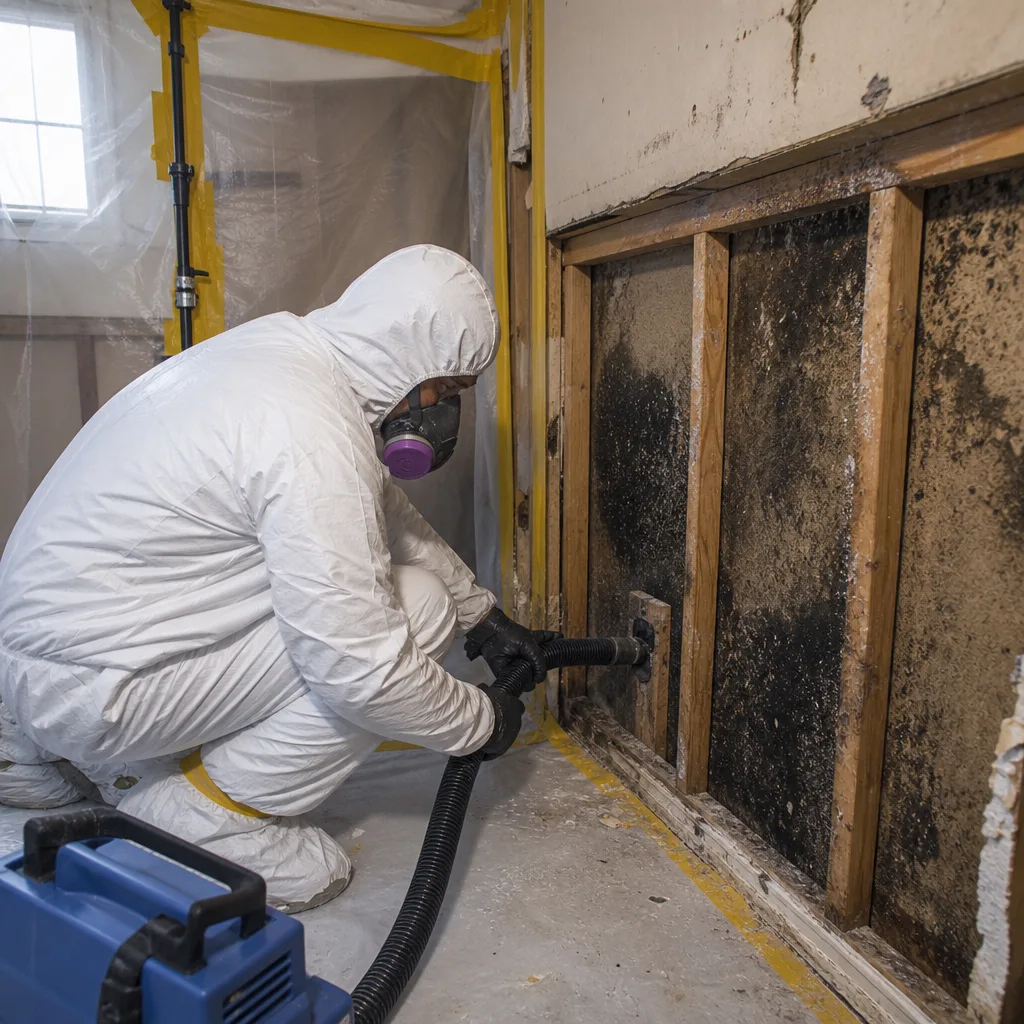
We seal off affected rooms with 6-mil poly barriers, establish negative air pressure with HEPA air scrubbers, and stop further contamination from moving through the building. This matters doubly in dense Jersey City housing where stairwells and shared walls connect units.
Removal & Controlled Demolition
Contaminated materials like carpet, drywall, flooring, and in pre-war homes, saturated plaster and lath are cut out and disposed of as regulated medical waste. We do not try to salvage what cannot be safely restored.
Cleaning & Antimicrobial Treatment
Every remaining surface is scrubbed with hospital-grade disinfectants, then treated with EPA-registered antimicrobials. We use Dri-Eaz and XPOWER equipment throughout. Surfaces that cannot be cleaned to safe standards in a pre-war Jersey City brownstone, where original wood trim and plaster are common, get documented and removed only when necessary.
Drying, Dehumidification & Verification
After cleaning, we dry the structure using industrial dehumidifiers and air movers, pulling moisture readings daily and logging every one. Before we finish, you get a full written record of moisture levels, drying progress, and clearance confirmation that the space is safe to occupy.
Repairs & Restoration
We rebuild what was removed: new drywall, flooring, trim, paint. In historic Jersey City homes, we work to match materials appropriately while keeping the space safe and code-compliant. Every job is backed by the 90-Day Done Right Promise in writing.
Need Emergency Biohazard & Crime Scene Cleanup in Jersey City Now?
Crews minutes away, answering live 24 hours a day. The sooner we start, the less it costs.
Working With Your Insurance Company
Most Jersey City homeowners and landlords have property insurance that covers biohazard cleanup, trauma scene remediation, and sewage backup, but coverage language varies by carrier and policy. The biggest mistakes happen in the first 48 hours, when a policyholder calls and describes the loss the wrong way, or an unlicensed crew starts tearing things out without documentation. Wade’s Restoration fixes that. We photograph everything room by room before any work starts, document the full loss with moisture readings and daily drying logs, and produce a detailed line-item scope of work that insurance adjusters actually recognize. Wade talks directly with your adjuster, so you are not the middleman. If your carrier pushes back, we help you understand your policy and your options. We bill insurance directly when coverage applies.
What We Provide Your Insurer
- Thorough documentation of the loss
- Photos of all damage, room by room
- Moisture readings and drying logs
- A detailed, line-item scope of work
- Direct coordination with your carrier
Built for Jersey City’s Loss Calendar
Jersey City’s biohazard losses follow a predictable rhythm, and it is not the same rhythm as the suburbs. January and February bring deep freezes that burst supply lines in unheated pre-war basements, and then the real problem starts: century-old cast iron drains and clay laterals in The Heights and Bergen-Lafayette cannot handle the sudden volume, and combined sewer mains back up into basement apartments. Spring’s heavy rains push groundwater against brick foundations in Van Vorst Park and Hamilton Park, seeping through old lime mortar and soaking semi-finished basement spaces. Summer brings flash thunderstorms that overwhelm the combined sewer system in minutes, sending Category 3 sewage back into basement drains across Journal Square and Greenville. Nor’easter season, from September through November, is the worst: storm surge from the Hudson River and Upper New York Bay pushes into waterfront neighborhoods like Paulus Hook and Newport while the same storm dumps enough rain inland to back up sewers in the hill districts. Every one of those events can turn into a biohazard loss if the water is Category 3. Wade and his team know the city’s seasonal patterns, and they stock the right equipment and staff for when the next storm hits.
Biohazard & Crime Scene Cleanup Across Jersey City’s Neighborhoods
Jersey City is not one housing market. It is six or seven distinct building typologies, and each one changes how biohazard cleanup has to be performed. In The Heights, tightly-packed frame and brick rowhouses share party walls and often have finished basement apartments dug before anyone thought about flood zones. A trauma or sewage loss there means containment through shared wall cavities and careful coordination with adjacent property owners. In Bergen-Lafayette, large pre-war rowhouses and converted multi-family buildings have basement units where combined sewer backflow during heavy rain is common. In Journal Square, mid-century brick apartment blocks have cast iron waste stacks that corrode from hard water and eventually leak sewage inside walls. In Paulus Hook and Exchange Place, modern high-rises and converted industrial buildings present a different problem: biohazard spread through shared HVAC chases and elevator shafts, not through basements. And in Greenville, older wood-frame homes on tight lots mean exterior access is limited, so equipment has to be smaller and more maneuverable. Biohazard & Crime Scene Cleanup in each of these neighborhoods requires a different containment plan. Wade’s crews know the difference because they work these blocks every week.
Specialized Biohazard & Crime Scene Cleanup Services We Offer in Jersey City
Crime Scene Cleanup
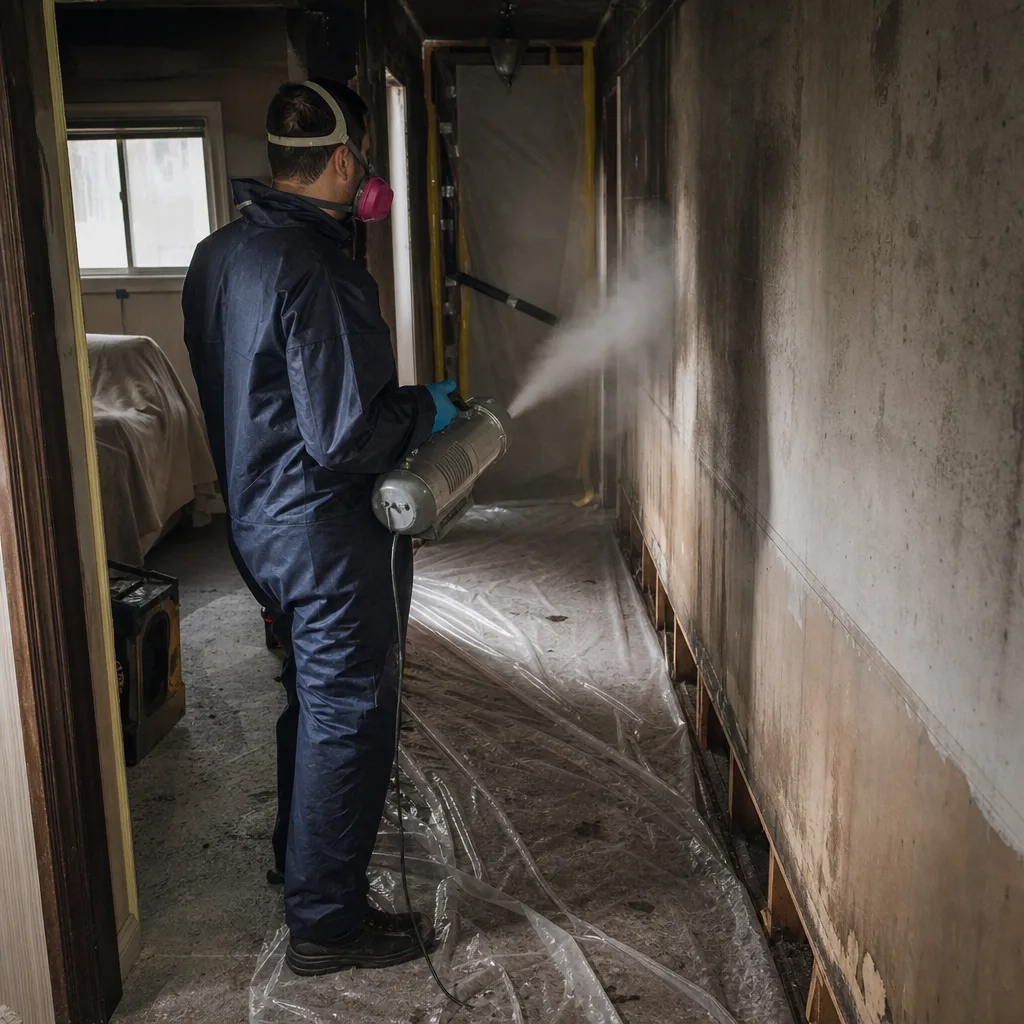
After law enforcement releases a scene, the property owner is legally responsible for cleanup. Blood and bodily fluids can carry hepatitis B, hepatitis C, HIV, and other bloodborne pathogens. In Jersey City, we are often called to apartment buildings and rowhouses where a crime scene spans multiple rooms or shared areas. We contain, clean, disinfect, and dispose of all biohazardous material under OSHA and EPA standards, then verify the space is safe for re-entry.
Trauma & Unattended Death Cleanup
An unattended death is one of the hardest calls a Jersey City family will ever make. We handle these jobs with quiet professionalism. By the time we arrive, decomposition fluids have typically saturated flooring, subfloor, and sometimes the structure beneath. In pre-war Jersey City rowhouses, those fluids can seep through original wood flooring into the bays below, requiring controlled demolition and antimicrobial treatment to stop odor and contamination at the source. We document everything for insurance and never rush you through the process.
Blood & Bodily Fluid Cleanup
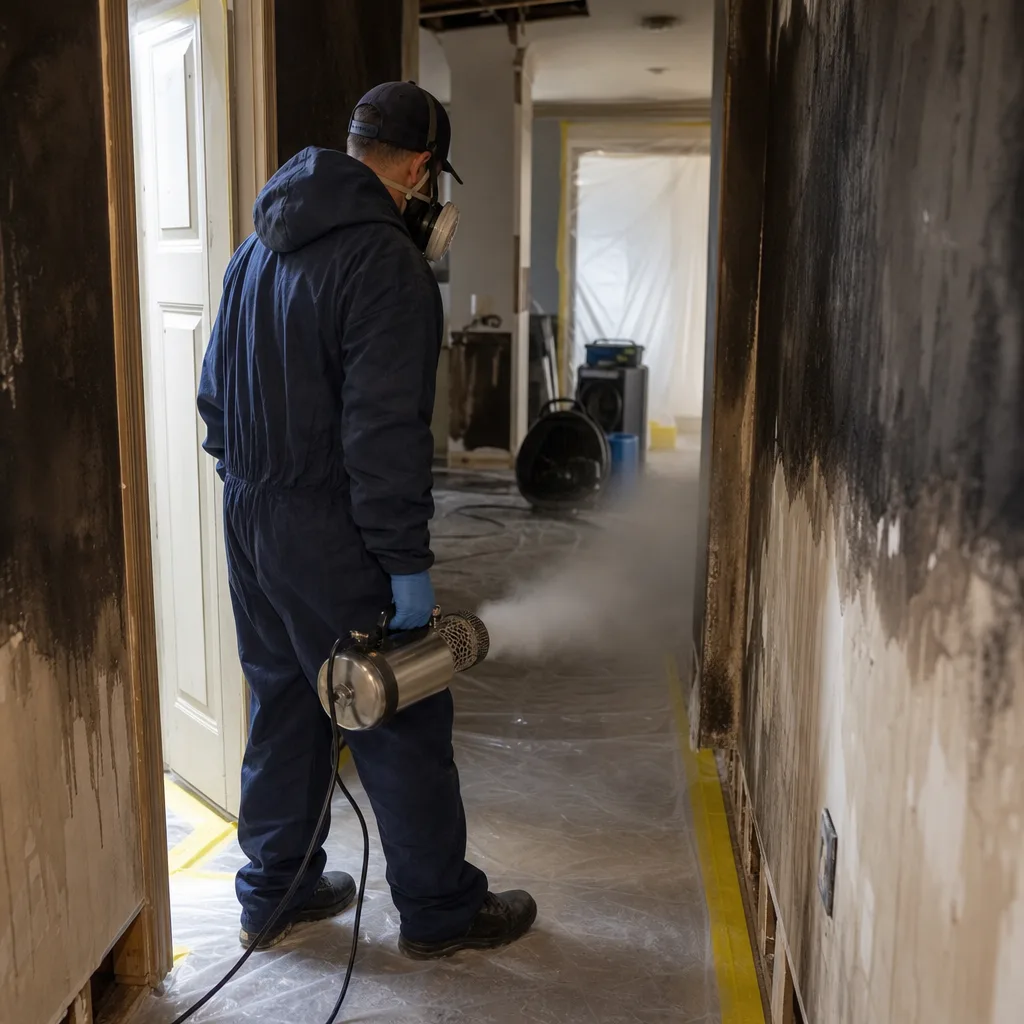
Any surface blood or bodily fluid is treated as potentially infectious until proven otherwise. We do not just wipe it up. We remove porous materials that cannot be disinfected, treat non-porous surfaces with EPA-registered disinfectants, and run HEPA air scrubbing to capture any airborne pathogens. In Jersey City’s older housing, that often means cutting out sections of original plaster that have absorbed fluid behind the surface layer.
Infectious Disease Disinfection
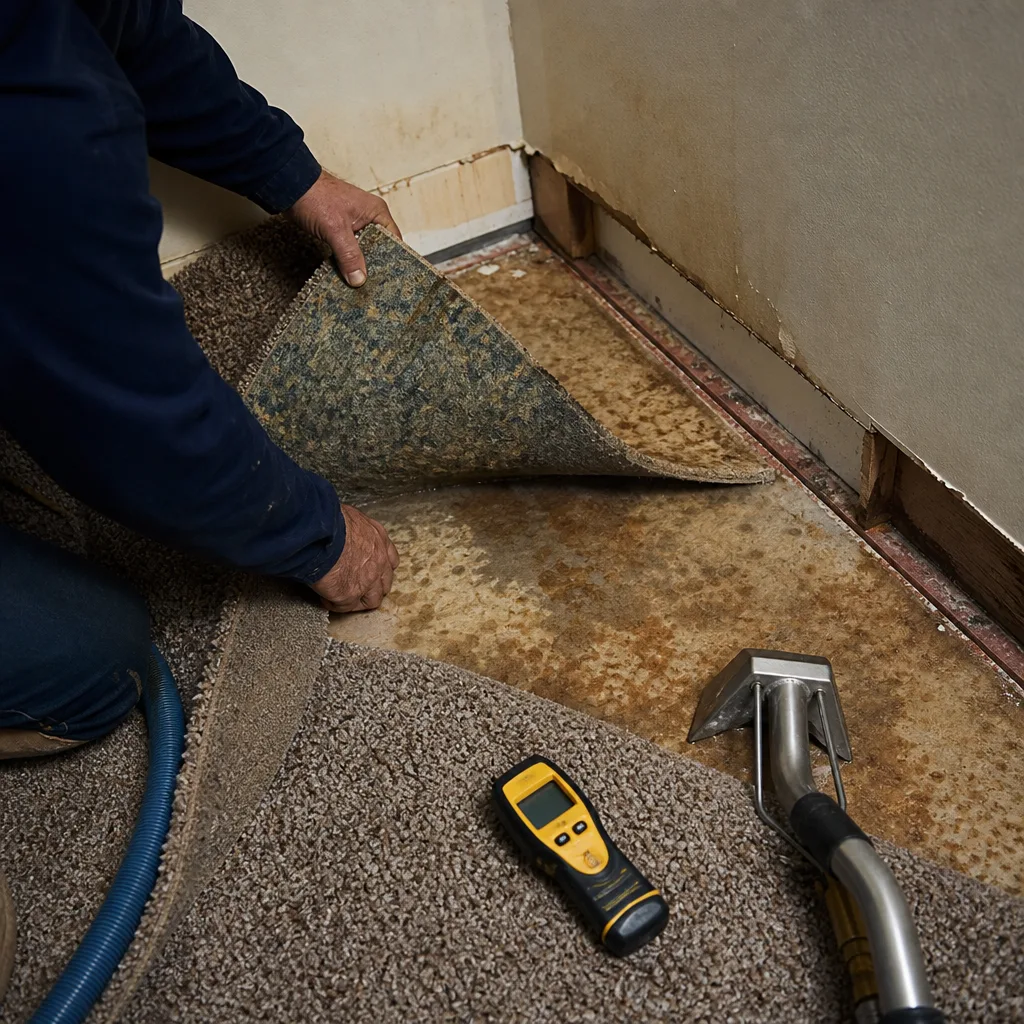
When a Jersey City household is exposed to MRSA, C. diff, norovirus, or other serious infectious disease, standard cleaning does not cut it. We use hospital-grade disinfectants, fogging where appropriate, and documented cleaning protocols that meet IICRC and CDC guidance. We also provide clearance documentation for landlords, property managers, and insurers who need proof the space was professionally disinfected.
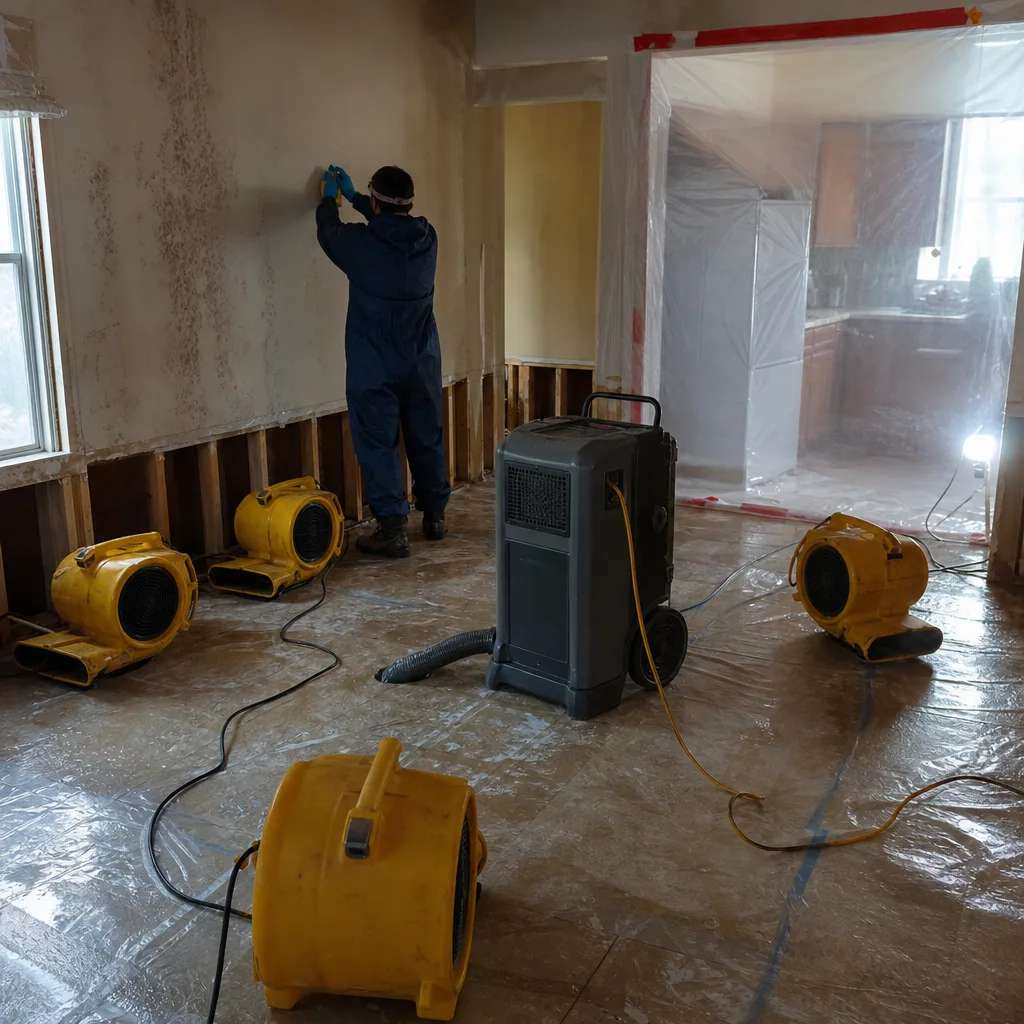
Hoarding Cleanup
Hoarding situations in Jersey City pre-war rowhouses are uniquely dangerous because the weight of accumulated material stresses original floor joists, and blocked airflow traps moisture that feeds mold inside walls. We work with compassion, but we are honest about what needs to go. Our hoarding cleanup includes sorting and salvage when requested, biohazard removal for any animal waste or bodily fluids found, and full structural drying after the space is cleared.
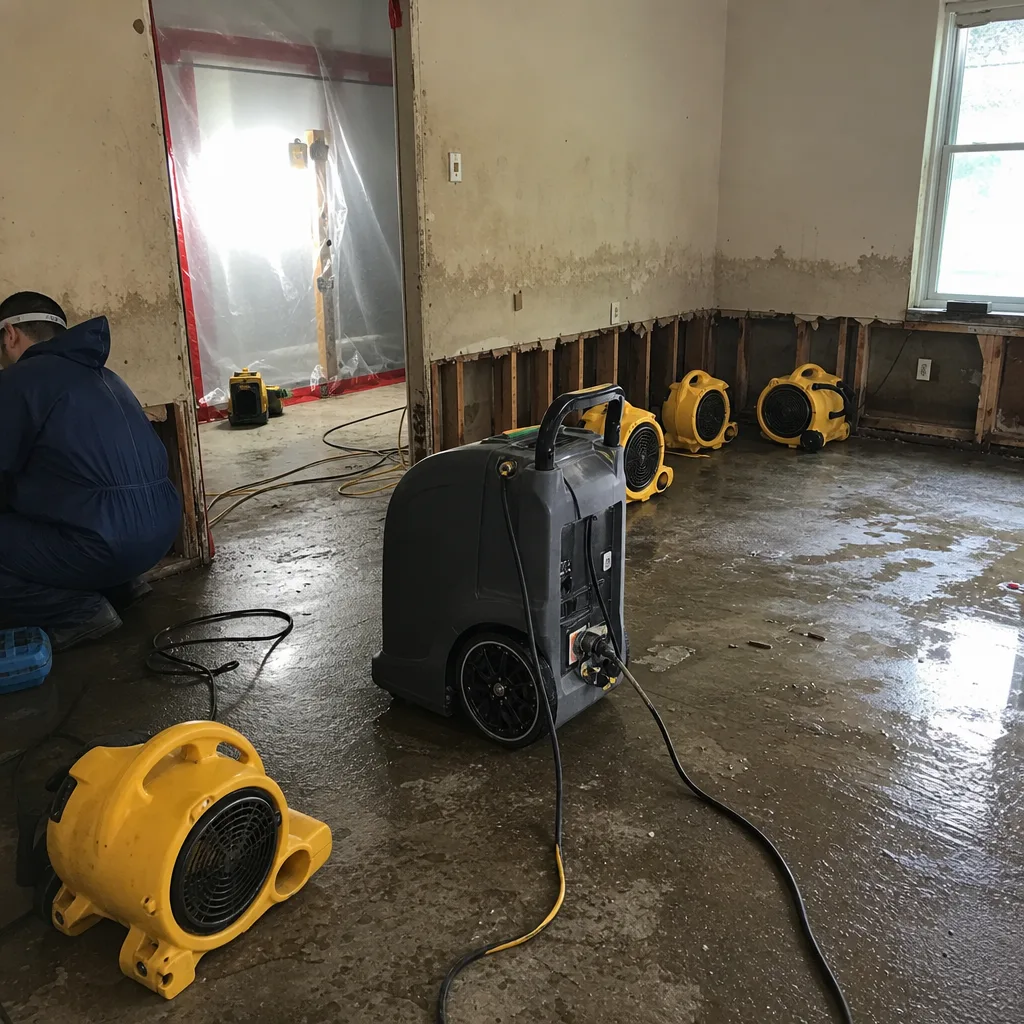
Tear Gas & Chemical Cleanup
Tear gas residue penetrates drywall, carpet, furniture, and especially porous plaster in older Jersey City homes. It requires specialized chemical neutralization followed by HEPA air scrubbing to remove the suspended particles. We handle chemical contamination cleanup for residential and commercial properties, including businesses and rental units affected by law enforcement activity.
What happens when you call
- 1
A real person answersNo phone trees - you reach a local pro.
- 2
You get an upfront price rangeHonest numbers before anyone is dispatched.
- 3
A background-checked tech heads outLicensed & insured, dispatched right away.
- 4
You approve before work beginsNothing starts until you say go.
Biohazard & Crime Scene Cleanup Costs in Jersey City, NJ
What you will actually pay for biohazard cleanup in Jersey City depends on what happened, how far the contamination spread, and what your insurance covers. Here are honest ranges for the most common jobs we see in this city:
- Blood or bodily fluid cleanup (single room): $800-$2,500 depending on saturation, flooring type, and whether demolition is required.
- Unattended death cleanup: $2,500-$7,000 for a typical Jersey City apartment or rowhouse, higher if decomposition has penetrated subfloor or wall cavities.
- Sewage backup cleanup (Category 3, basement): $3,000-$10,000 depending on square footage, extent of contaminated material removal, and drying time.
- Hoarding cleanup: $3,500-$15,000+ depending on volume, biohazard content, and structural issues uncovered during the job.
- Full infectious disease disinfection: $1,200-$4,500 for a typical Jersey City unit.
Those are real ranges for this market, not national averages. What moves the price: how long contamination sat before we arrived, whether the loss happened in a pre-war brick rowhouse (more demolition) or a modern high-rise (less demolition but more containment complexity), and whether asbestos or lead paint is present in the affected materials. Insurance covers most of these claims. Call (856) 501-6142 for a free visual inspection and a firm written scope before any work begins. We do not start until you have a number and a plan.
We Also Serve Cities Near Jersey City
Wade’s Restoration takes biohazard and crime scene cleanup calls across Hudson County and the surrounding area. If you are in Hoboken, Union City, Harrison, or Secaucus, the same crew and the same 24/7 live answer apply. Call (856) 501-6142 and we will head your way.
Serving Jersey City, NJ - Our Local Coverage Area
We’re based in the Jersey City area and know this community well. Use the map below to see our service coverage - if you’re nearby, we can almost certainly help.
Jersey City Biohazard & Crime Scene Cleanup Questions, Answered
Why does a ‘basement flood’ in Jersey City often require biohazard cleanup instead of standard water mitigation?
A “basement flood” in Jersey City is often not clean water. In the older rowhouse blocks of The Heights and Bergen-Lafayette, century-old combined sewer laterals routinely back up into basement apartments during heavy rain. That is Category 3 water: raw sewage, bacteria, viruses, and parasites. Treating it as a Category 1 clean-water loss and just pumping it out leaves dangerous contamination in every porous surface it touched, and mold follows within 24 to 48 hours. Call (856) 501-6142 and we will classify the water correctly before anything gets done.
How does Jersey City’s pre-war housing stock change the approach to crime scene or trauma cleanup?
Original horsehair plaster, lime mortar, and old-growth wood framing absorb blood and bodily fluids far deeper than modern drywall. In a Van Vorst Park rowhouse, a trauma scene that might be a surface clean in a newer building often requires cutting out plaster sections, removing saturated lath, and treating the structural framing behind it. We scope for those older materials from the first inspection.
What extra containment is needed for biohazard work in semi-finished basements below FEMA flood zones?
In waterfront neighborhoods like Paulus Hook and Newport, basements sit below grade in FEMA Special Flood Hazard Areas, meaning any biohazard work there has to account for the fact that dampness and contamination can travel through brick foundation walls into the surrounding soil and adjacent units. We run stronger negative air pressure, seal more aggressively, and pull moisture readings from the foundation itself, not just the living space. Call (856) 501-6142 to have us look at the specific basement.
Do Jersey City combined-sewer backups require different drying logs than clean-water losses?
Yes. A combined-sewer backup is Category 3, so the drying protocol includes antimicrobial treatment before drying begins, more aggressive demolition of contaminated porous materials, and daily moisture readings from structural cavities, not just surface readings. We hand you the full drying log at the end of the job. Almost nobody in the trade does that. Wade does.
How quickly should a hoarding cleanup in a Jersey City pre-war rowhouse begin after discovery?
Immediately. In pre-war rowhouses, hoarded material blocks airflow and traps humidity against original plaster and wood framing, which accelerates mold and structural rot. The longer it sits, the more material becomes unsalvageable and the higher the remediation cost climbs. Call (856) 501-6142 and we can be on site within the hour to start assessing.
What certifications should a Jersey City biohazard cleanup company actually have?
Look for IICRC certifications (especially AMRT for microbial remediation and WRT for water damage), OSHA bloodborne pathogen training, and proper medical waste disposal licensing. Wade’s crews carry IICRC credentials, background checks, and full PPE on every biohazard job. Ask anyone on your street who has used us.
Can I stay in my Jersey City home during biohazard cleanup?
Usually not in the affected unit or floor. Containment barriers and negative air pressure keep contamination from spreading to other parts of the building, but the affected rooms need to be sealed off during active remediation. In a multi-unit Jersey City building, we coordinate with you on which areas are safe and when. You get a straight answer before we start.
What should I do in the first 30 minutes after discovering a biohazard situation in Jersey City?
Do not touch anything. Do not try to clean it yourself. Keep people and pets out of the affected area. Shut the door if you can. Then call (856) 501-6142. A live person answers, and we will tell you exactly what to do next while Wade heads toward your neighborhood. The first 30 minutes matter because contamination that sits starts spreading and multiplying. Speed is the cheapest form of remediation.
Written by Wade Ferris, Owner at Wade’s Restoration, serving Jersey City with 24/7 biohazard and crime scene cleanup. Founded in 2007, locally owned and owner-operated. IICRC-certified crews. One call brings Wade back.