
Last updated August 27, 2026
Free visual inspection and a written scope of work before any mitigation begins - photos, moisture readings, and drying logs go in your claim file
The scope we write is the scope we bill. Anything new gets shown to you, in writing, before we touch it.
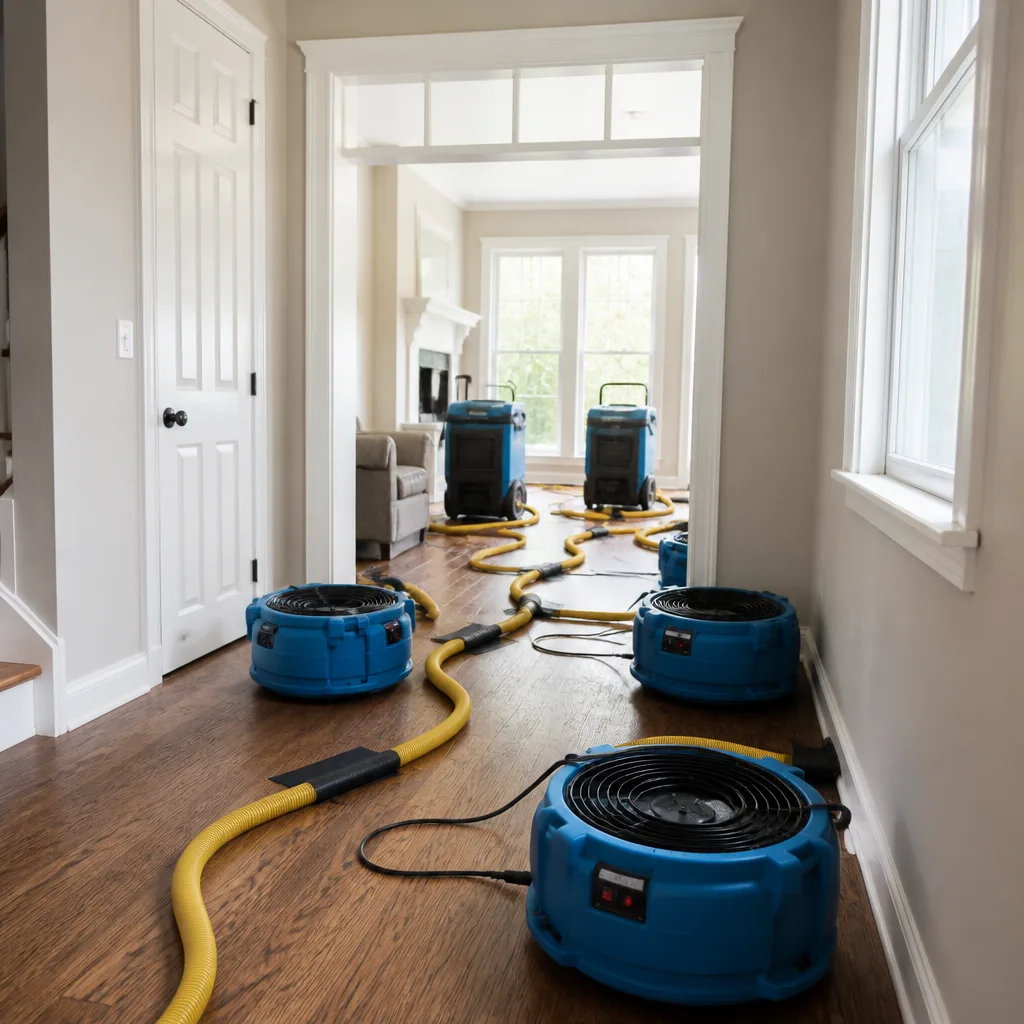

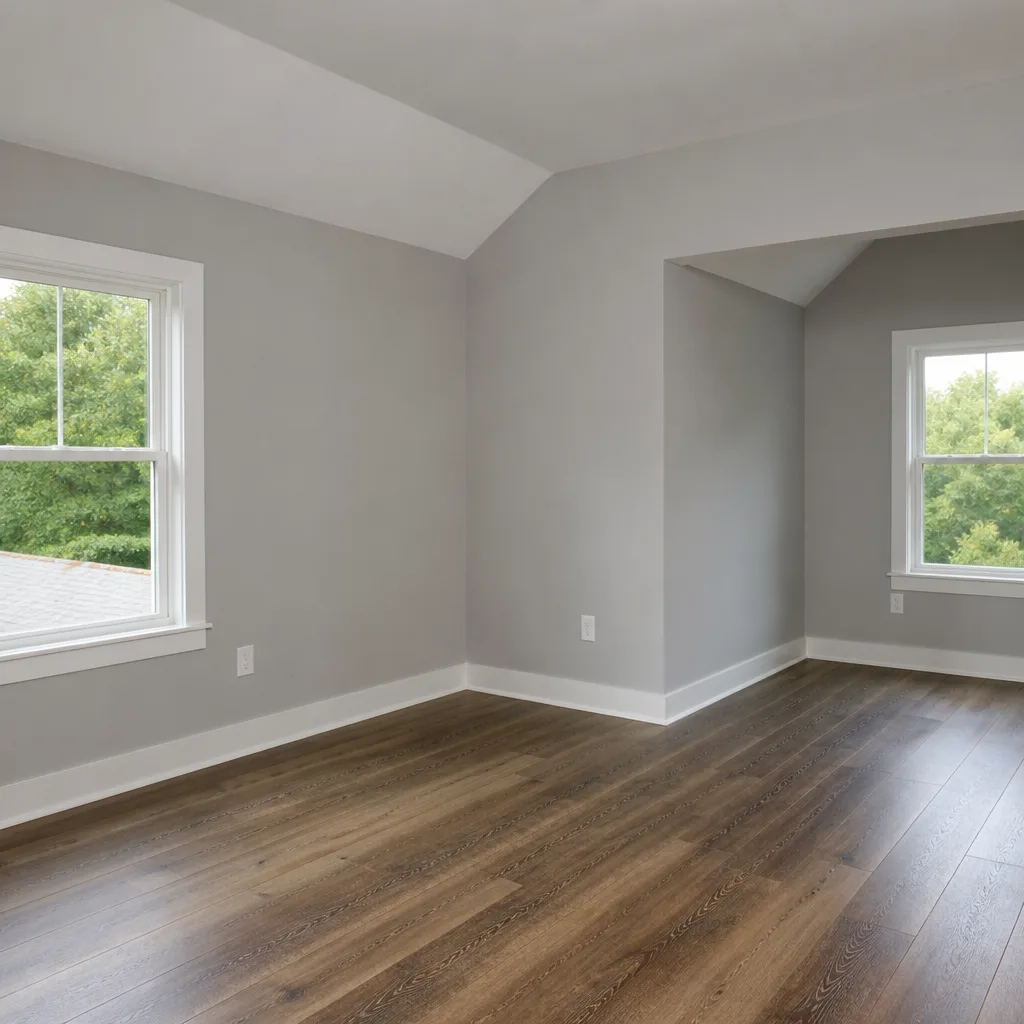

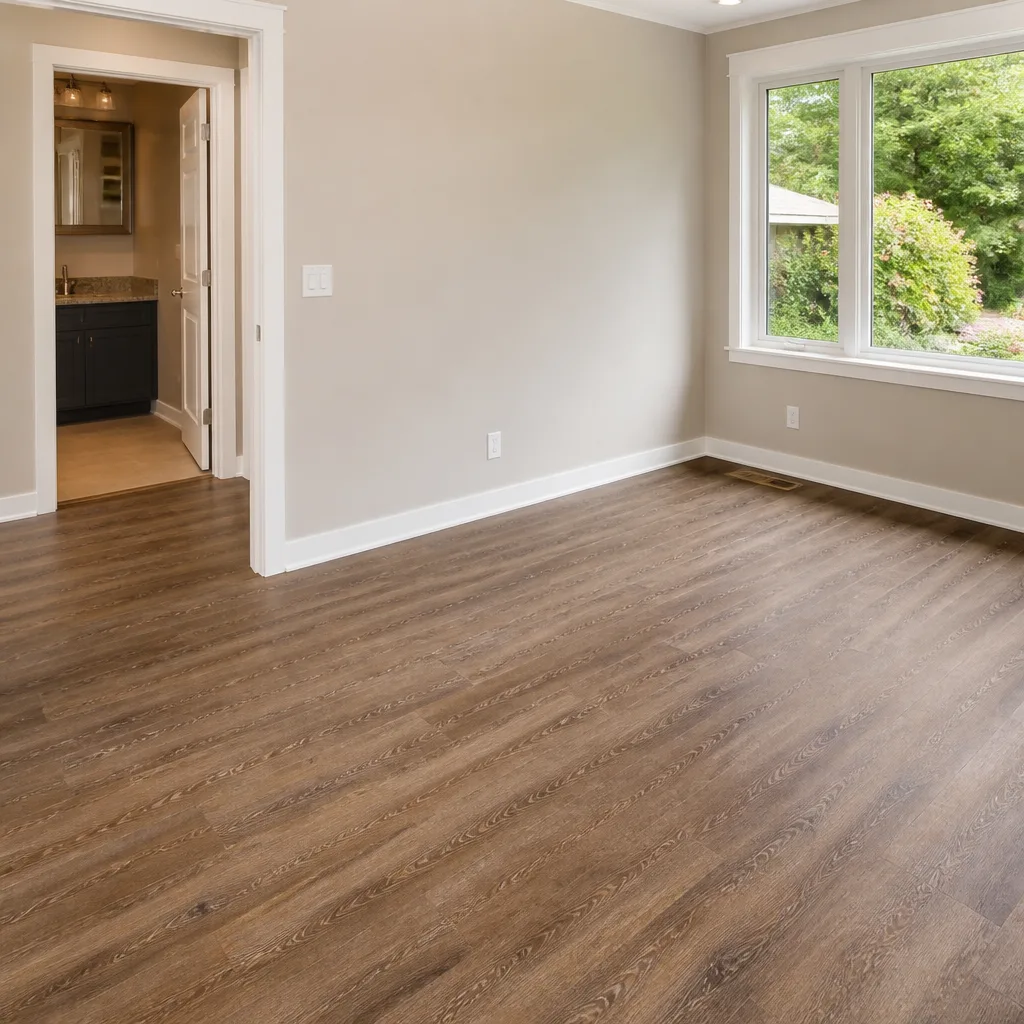
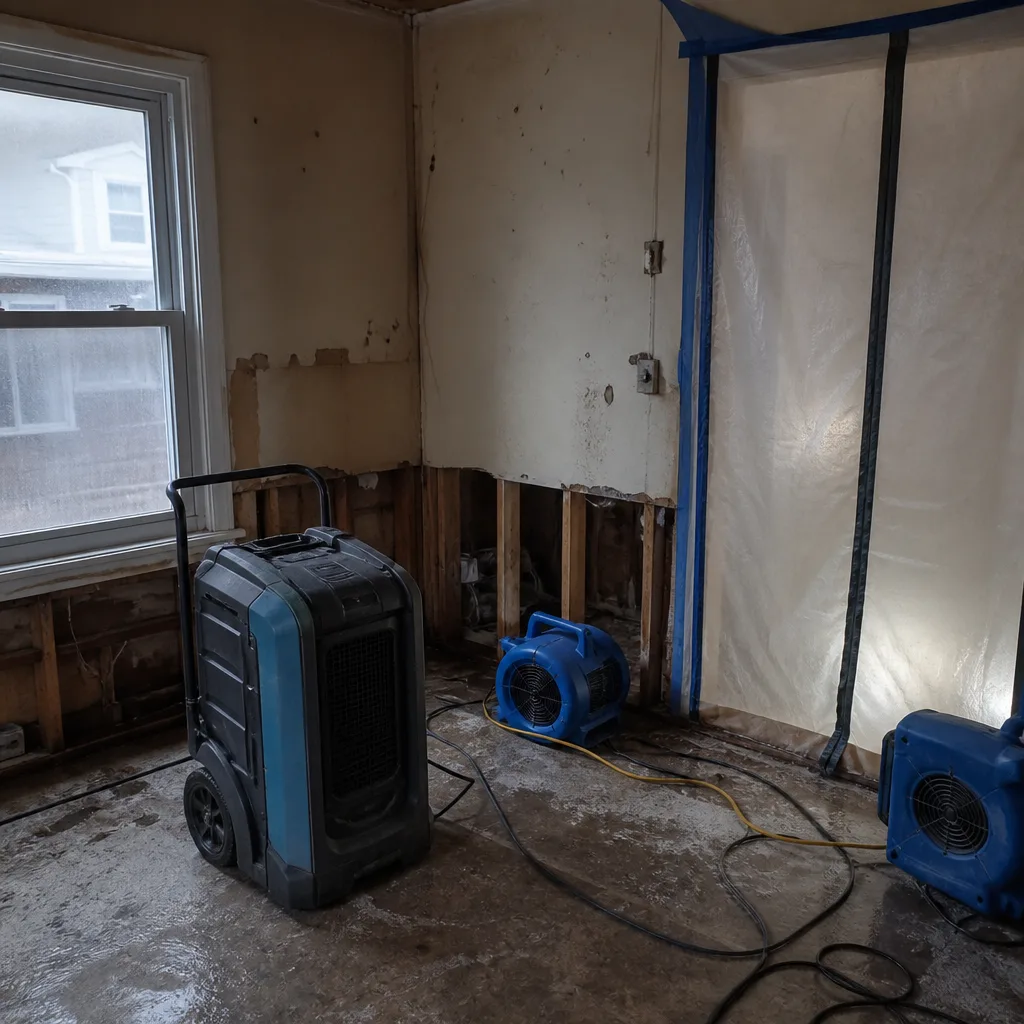 Before
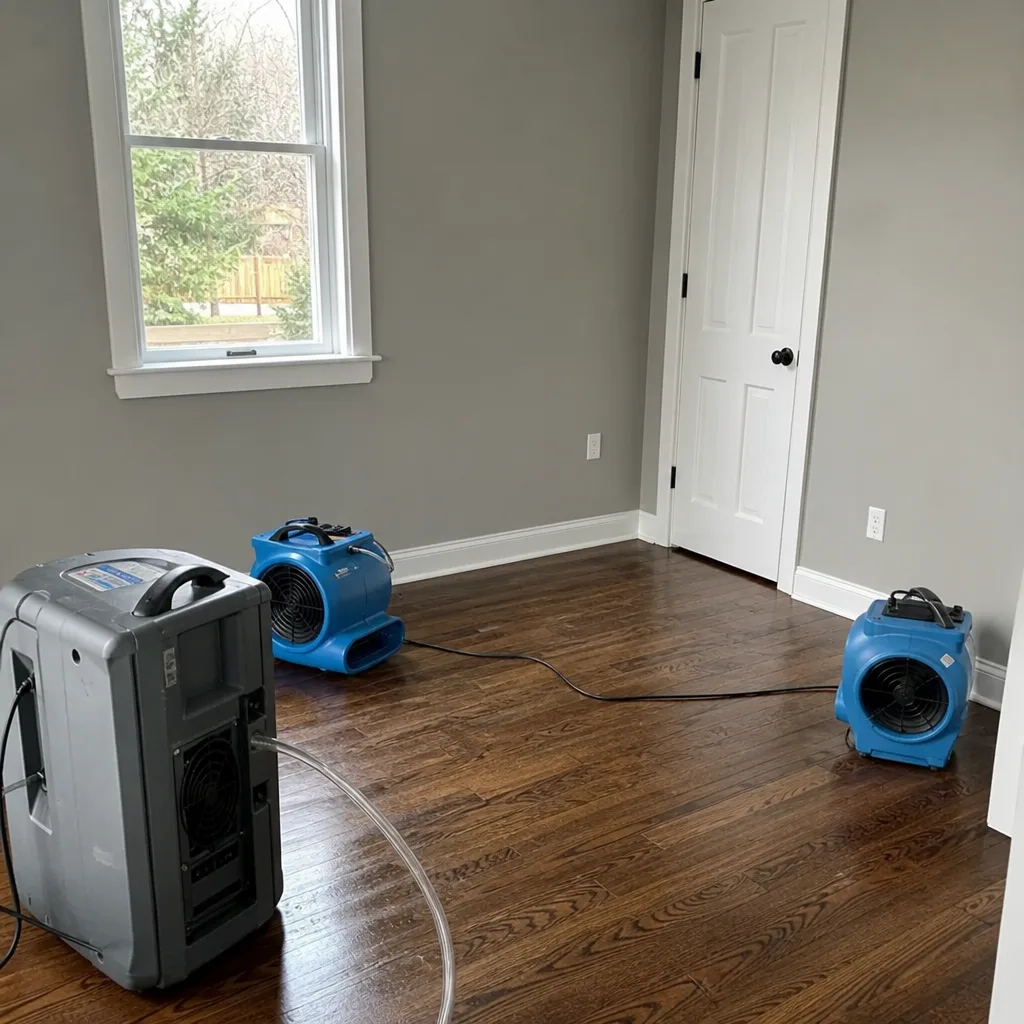 After
After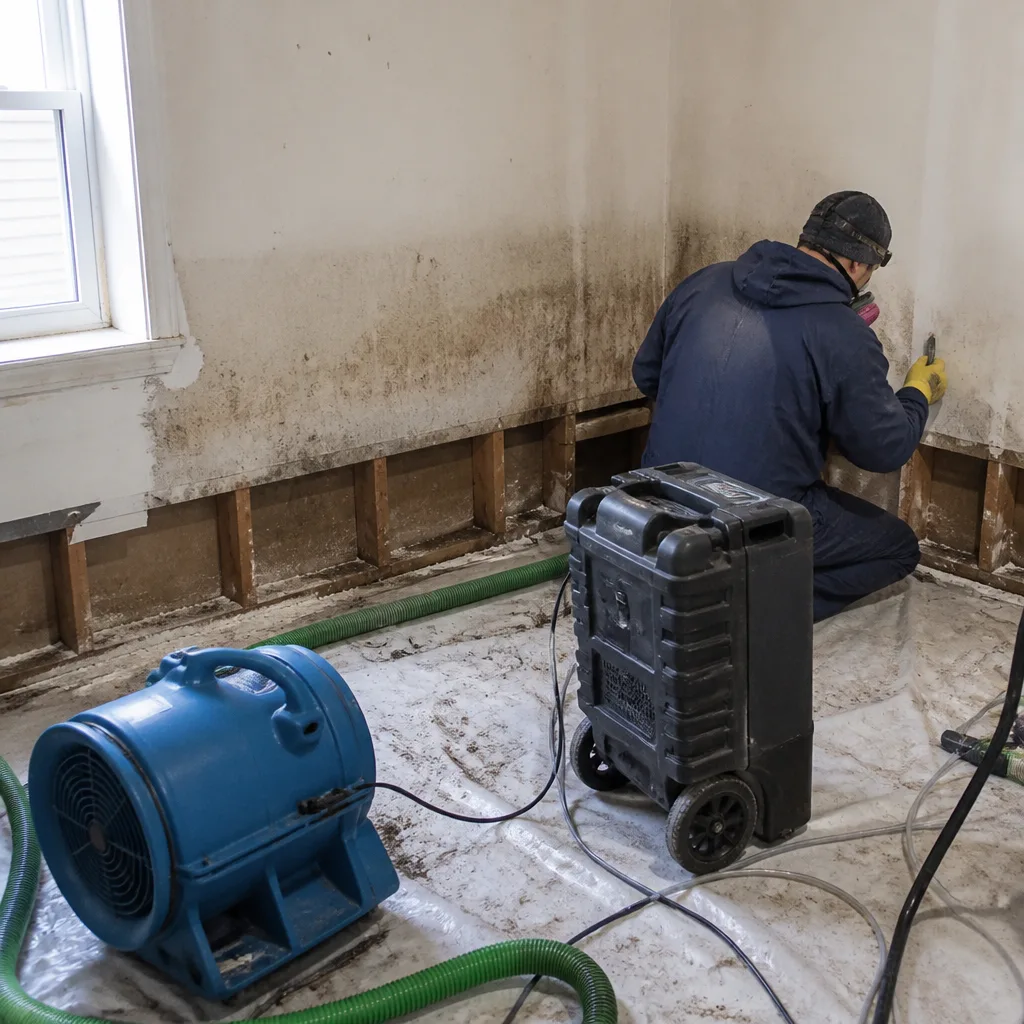 Before
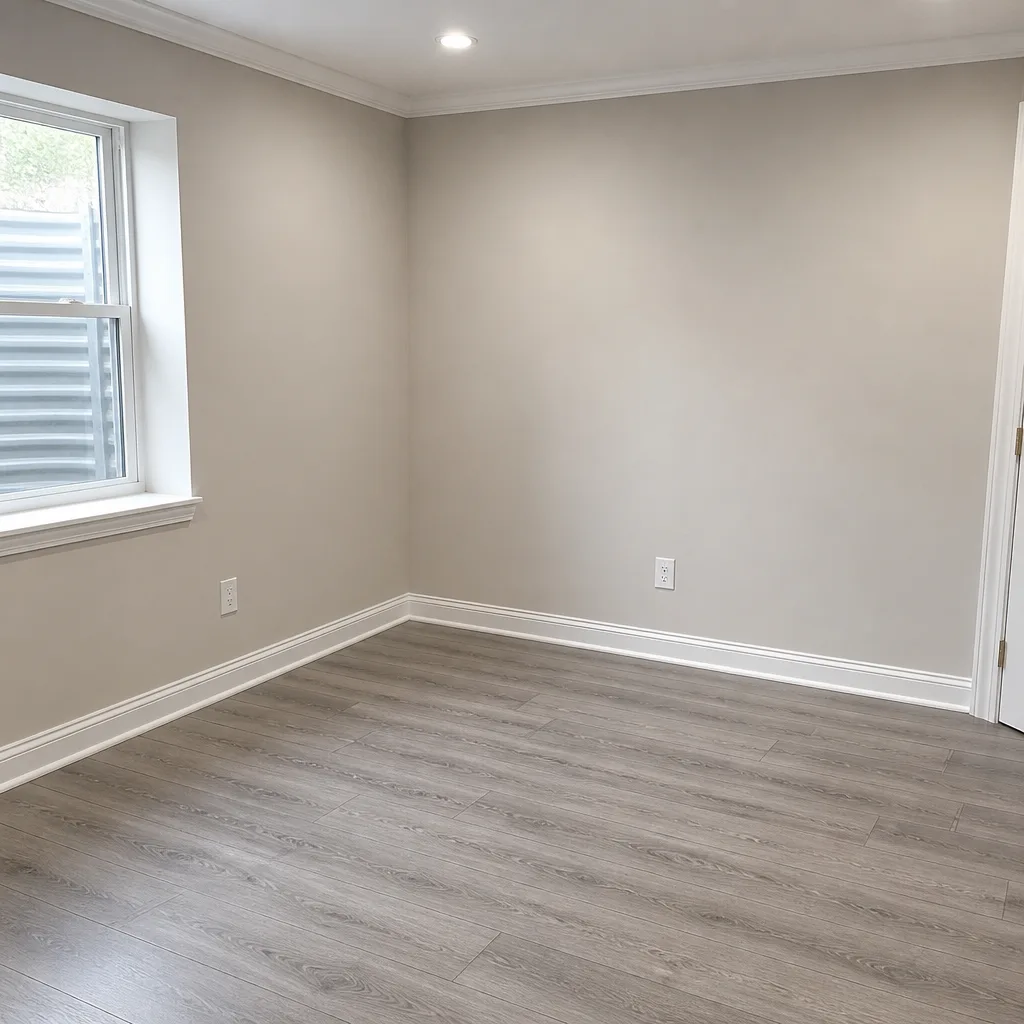 After
After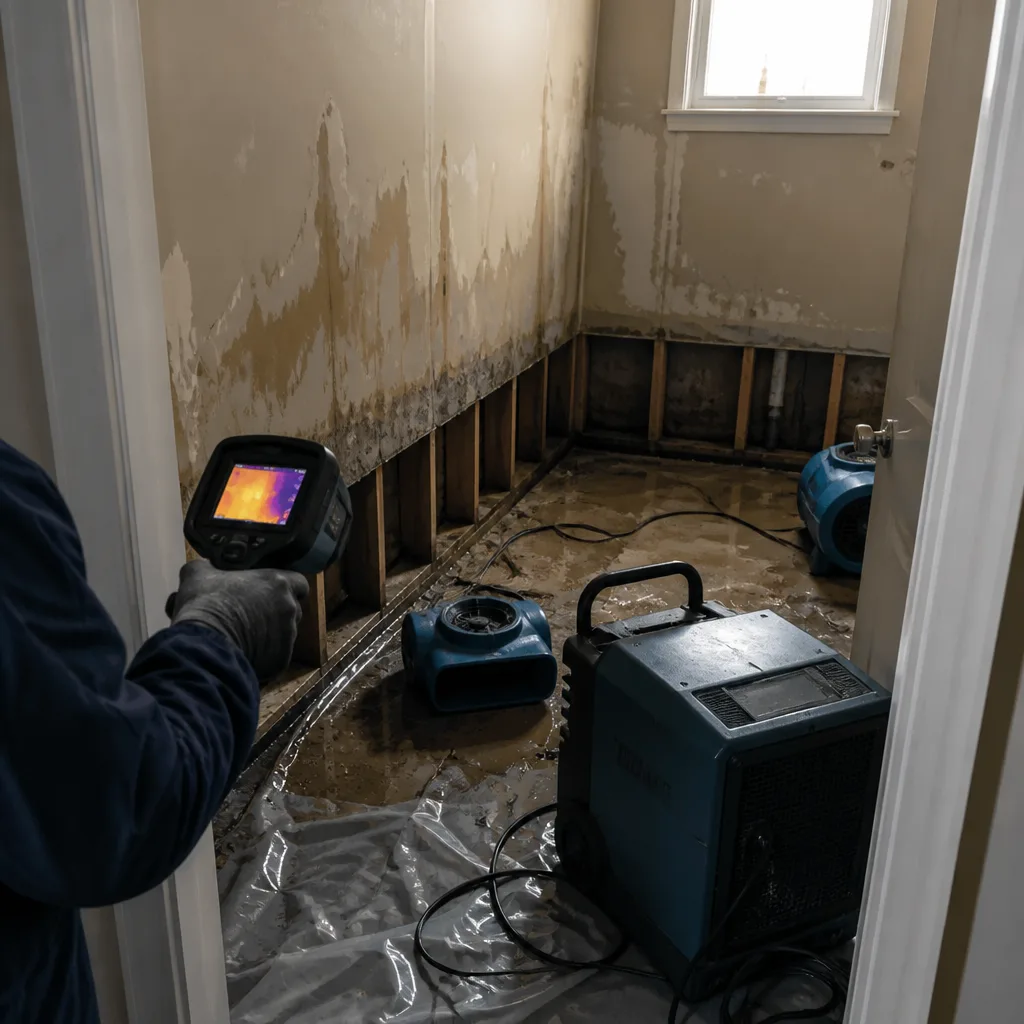 Before
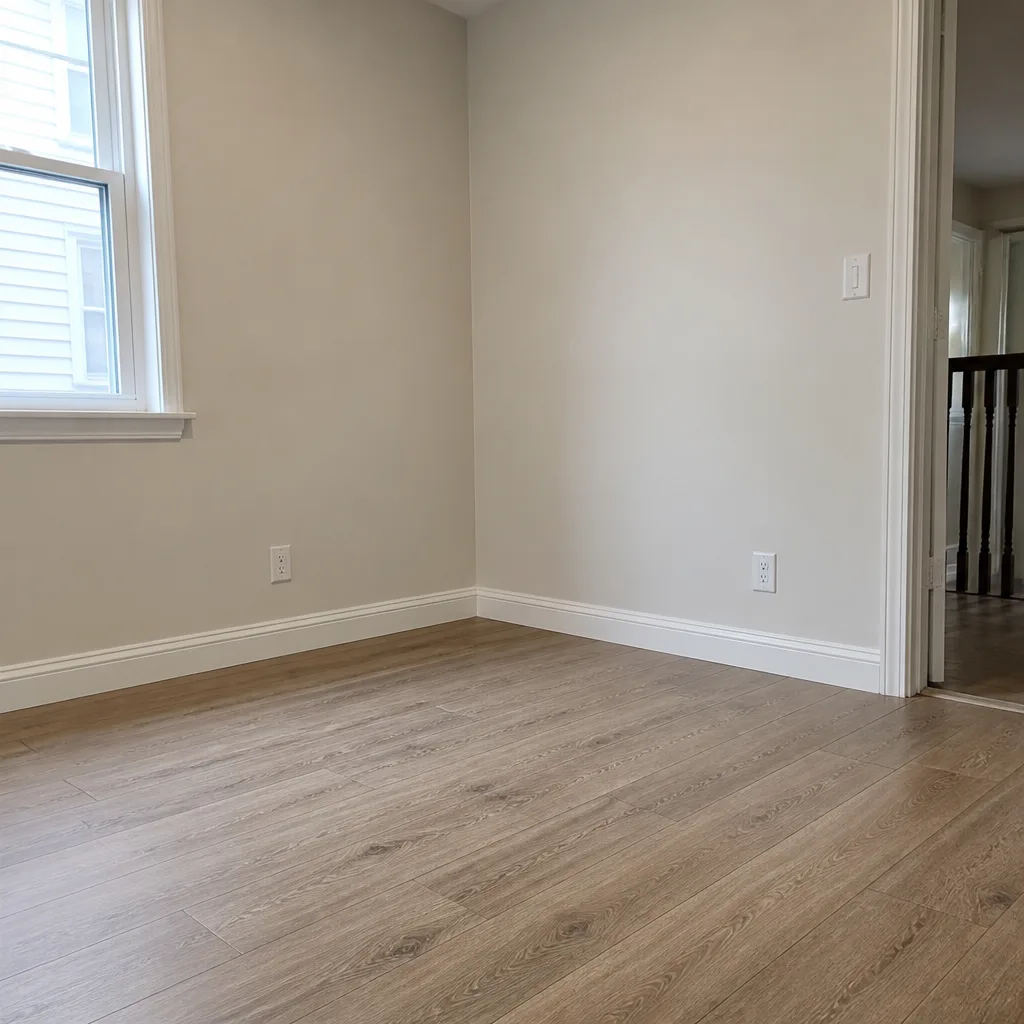 After
AfterDIY vs Professional Damage Restoration: The Harrison Homeowner’s Decision Guide
A shop vac and a few box fans feel like they’re working. And they are, on the surface. What they don’t reach is the moisture inside the wall cavity that’s already feeding mold growth behind the drywall. This guide is for Harrison homeowners standing ankle-deep in a decision: grab the equipment and do it yourself, or pick up the phone. For those who want a step-by-step guide on how to hire a damage restoration contractor in Harrison, we’ve got you covered too. We’re going to show you exactly where that line sits, why New Jersey’s mold standards matter more than most people realize, and the cases where DIY is genuinely the right call. No scare tactics. Just the truth about what we see when we open up walls in Harrison after someone tried to dry things out on their own.
Quick Answer
DIY is appropriate when water damage is caught within hours, the affected area is under 10 square feet, the water source is clean, and you can verify dryness with a moisture meter. Professional restoration becomes the only sane choice once water has had time to soak into drywall, subfloor, or wall cavities, when the water is contaminated, or when your insurance will be involved. In Harrison’s humid summers, the window between “I’ll dry it myself” and “there’s mold in the studs” is shorter than most people think. That’s why we put together seasonal damage restoration care for Harrison to help homeowners stay ahead of year-round risks.
Table of Contents
- What DIY Can Actually Handle
- The Thresholds: When Water Damage Crosses the Line
- Why New Jersey’s Mold Standards Make DIY Risky
- What Your Box Fan Does vs. What a Low-Grain Dehumidifier Does
- The Documentation Gap: Why Moisture Logs Matter to Your Insurer
- The Five-Question Checklist: DIY or Call a Pro
- What This Actually Costs in Harrison
- Insurance, Adjusters, and the DIY Decision
What DIY Can Actually Handle
We’re not going to tell you that every water event needs a restoration crew. That would be dishonest. Some situations genuinely don’t. In our experience, a homeowner in Harrison can safely handle cleanup themselves when all three of these are true: the water is clean (from a supply line, not a drain or sewer), the area is small and contained, and you catch it fast. A water heater that leaked for twenty minutes before you shut the valve and mopped it up is often a DIY job. A pipe that dripped behind the laundry room wall for three days is not. If you’re unsure where your situation falls, our water damage restoration maintenance checklist for Harrison homeowners can help you assess it.
The line is drawn by time and materials. Sheetrock is a sponge. Once water wicks up into gypsum board, it doesn’t just dry out because the surface feels dry to the touch. The paper backing holds moisture like a damp towel inside a plastic bag. And the wood framing behind it, in Harrison’s July and August humidity, can take weeks to release that moisture on its own. During that time, mold spores that are already present in every home find exactly what they need: food, darkness, and damp. You will not see it happening. The first sign is usually a musty smell about ten to fourteen days later, by which point remediation is a bigger project than the original leak ever was.
Here is what DIY can reasonably cover:
- Surface spills caught within minutes on tile, vinyl, or sealed concrete. Mop, towel, and a fan are enough.
- Appliance overflows caught immediately, where the water never reached baseboards or walls. Pull the appliance out, dry beneath it, verify with a moisture meter.
- Small roof drips onto non-porous surfaces when you’ve already tarped the roof and the ceiling shows no staining or sagging.
- Water that never touched drywall, insulation, cabinets, or wood subfloor is the actual threshold. Porous materials change everything.
For anything beyond these, the math changes quickly. A $40 box fan from the hardware store in Harrison does not remove bound water from inside a wall cavity. It just moves air across the surface. We’ll get into the numbers on that below, because those numbers are the difference between a $200 DIY cleanup and an $8,000 mold remediation.
The Thresholds: When Water Damage Crosses the Line
There are specific technical thresholds in water damage restoration, and crossing them changes both the method required and the stakes involved. None of this is proprietary. It’s published in the IICRC S500 standard, which is the industry’s reference for water damage restoration. The short version: there are three categories of water, and four classes of water damage. Here is how they apply to a Harrison home.
Category 1 is clean water: a broken supply line, an overflowing sink with no contamination, rainwater that hasn’t touched anything gross. This is the only category where DIY is ever worth considering. Category 2 is gray water: washing machine discharge, dishwasher overflow, sump pump failures. It carries bacteria and organics. Category 3 is black water: sewage backup, river flooding, anything that came from outside ground. Category 3 means full containment, antimicrobial treatment, and disposal of affected materials. No homeowner should attempt Category 3 cleanup without professional training. The health risk is real, not theoretical.
Class of damage matters as much as category. Class 1 means a small area with minimal absorption, mostly surface wetting. Class 2 involves entire rooms with wicking up walls of 12 to 24 inches. Class 3 means water from above, saturating ceilings, walls, insulation, and subfloor. Class 4 is deep saturation of dense materials: hardwood, plaster, concrete, stone. Each class requires more aggressive drying, more equipment, and more time. A store-bought dehumidifier from the big box store is rated for Class 1 conditions. By Class 3, you need multiple low-grain refrigerant dehumidifiers and high-velocity air movers positioned by someone who understands psychrometrics, or the math of how moisture moves through buildings.
Harrison’s housing stock makes this more relevant than it might be elsewhere. This is an older town. Many homes predate the 1970s, which means plaster and lathe instead of sheetrock, balloon framing instead of modern platform framing. Balloon framing has open wall cavities that run from basement to attic, and water travels through them like a pipe. A second-floor bathroom leak can end up pooling in the basement. DIY attempts focus on the visible damage; the water that ran down an interior wall cavity is invisible until it reappears as mold, rot, or a collapsed ceiling. We’ve opened walls in Harrison homes where a homeowner dried the room perfectly and we found black mold behind the baseboard that had been growing for months.
Why New Jersey’s Mold Standards Make DIY Risky
Most homeowners don’t know this until it’s too late: New Jersey has specific regulatory standards for mold assessment and remediation. The New Jersey Department of Community Affairs sets requirements for licensed mold companies. If you self-remediate mold above certain square footage thresholds and then sell your home, you are legally required to disclose the mold issue and the work performed. If that work was not done to the standard a licensed contractor would follow, the disclosure becomes a liability, not a protection. The buyer’s inspector finds residual moisture. The buyer’s lawyer asks who did the remediation. The answer “I did” does not satisfy a disclosure law that expects professional documentation.
The threshold in New Jersey for professional remediation is generally accepted as 10 square feet of visible mold for assessment, though remediation standards apply differently depending on whether the property is residential, commercial, or a rental. The practical point: once mold covers an area larger than a bath towel, you’re playing in a space where the state expects professional work. We’re not saying this to drum up business. We’re saying it because we have seen Harrison families lose sales over undisclosed or improperly remediated mold. The cost of a professional mold remediation is cheaper than a price reduction after a failed inspection, and dramatically cheaper than a lawsuit.
For homeowners planning to stay in the house, the calculus is different but the stakes are not lower. Mold in a wall cavity doesn’t stay in the wall cavity. Spores travel through the HVAC system when the air handler draws from a mold-contaminated space. In a Harrison home with forced air, that means every room. And the health effects of long-term mold exposure, for people over 55 especially, are documented: respiratory inflammation, worsened asthma, chronic sinusitis. A homeowner who ignores a musty smell for six months isn’t saving anything. They’re accumulating a health bill and a remediation bill simultaneously.
What Your Box Fan Does vs. What a Low-Grain Dehumidifier Does
Let’s get specific about equipment, because this is where the DIY decision lives or dies. A consumer-grade dehumidifier you buy for $180 at the hardware store in Harrison removes moisture from the air in a room. It pulls air across a cold coil, condenses water into a bucket, and outputs dry air. That’s what we mean by “grain depression.” The “grains” are grains of moisture per pound of dry air. A consumer dehumidifier might pull the air down to around 45 to 50 grains per pound. That’s dried air, but it’s not restoration-dry air.
Professional low-grain refrigerant dehumidifiers, like the ones made by Dri-Eaz and Phoenix, pull air down to 32 to 35 grains per pound. That might not sound like a big difference. It is. At 45 grains, water in wood and drywall stops evaporating because the air is too humid to accept more moisture. The material is “dry” only on the surface. At 35 grains, the vapor pressure gradient reverses, and water is actively pulled out of building materials. That’s the magic of proper drying, and it’s why professionals use equipment that costs $3,000 to $5,000 per unit instead of $180. Pair a low-grain dehumidifier with high-velocity air movers from companies like XPOWER and B-Air, and you create a drying system that can bring a Class 2 water loss down to dry standard in three to four days. A box fan and a household dehumidifier will take two weeks and still leave residual moisture in the studs.
The proof point for any drying claim is a moisture meter reading. Wood at 17% moisture content or higher supports mold growth. Dry standard for interior framing is typically 10% to 12%. In our restoration work across Harrison, we take readings every single day until we hit dry standard, and we log every reading. The homeowner gets the full log when the job is done. That log is the receipt for the work, and it’s what your insurance adjuster will ask for if the claim is large enough to matter. Without it, you’re arguing about feelings, not facts.
The Documentation Gap: Why Moisture Logs Matter to Your Insurer
Here’s a scenario we see regularly in Harrison. A homeowner has a slow leak under a bathroom vanity. They discover it, shut off the water, dry the area as best they can, and file an insurance claim for the cabinet and the floor tile. The adjuster asks for proof of drying. The homeowner has before and after photos on their phone. The adjuster approves partial payment, writes up the claim, and moves on.
Six months later, the homeowner notices the tile grout cracking and a musty odor. They file a second claim. The insurer denies it, citing the original event as the cause and the homeowner’s failure to properly mitigate as the reason. Here’s the uncomfortable truth written into most homeowners’ policies: you have a duty to mitigate damages after a covered event. “I did my best” is not a mitigation standard an insurer will accept for a larger claim. Without documentation, from a professional restoration company in Harrison or elsewhere, showing that the affected area was dried to standard, the insurer treats any subsequent damage as pre-existing and uncovered. The homeowner ends up paying out of pocket for damage caused by an event that was originally covered.
This is the documentation gap, and it’s the single strongest reason to call a restoration pro even when the DIY route seems tempting. A professional company provides moisture readings, drying logs, photo documentation, and a final report. That paperwork is the difference between an adjuster approving $3,500 for a hallway dryout versus denying a $14,000 mold claim as “pre-existing damage.” Insurance is already the most adversarial relationship most Harrison homeowners have. Going into it without documentation is a choice to lose.
The Five-Question Checklist: DIY or Call a Pro
Here is the straight answer, with no hedging. Answer these five questions honestly. If you answer “yes” to all of them, DIY is the right call. If you answer “no” to even one, save yourself the stress and call someone who does this every day.
- Was the water clean? If it came from a supply line, a clean sink, or rain, maybe. If it came from a drain, a sewer line, a sump pit, or outside floodwater, it’s contaminated, and you need containment and antimicrobial treatment, not a mop.
- Did you discover it within two hours? Water moves through porous materials fast. The longer it sits, the deeper it penetrates, and the farther the wicking goes up drywall, insulation, and framing. After two hours, water has usually found its way somewhere you can’t see.
- Can you see and reach all the wet material? If water is behind a wall, under a cabinet, inside a floor cavity, or in a crawl space, you can’t dry what you can’t access. That’s not a limitation of your effort. That’s physics.
- Is the total affected area under one wall section and under 10 square feet? Ten square feet is roughly a 3 by 3 foot area. If the affected zone is larger, your drying equipment can’t keep up with the evaporation rate.
- Do you have, and know how to use, a moisture meter? The tool costs $40 to $100. It’s the only way to verify dryness. Without it, you’re guessing. And guessing wrong costs more than any service call ever would.
If you made it through all five questions with a yes, we’re genuinely happy for you. Go buy the shop vac, set up the fans, and take some before and after photos for your own records. If you hit a no, the most cost-effective thing you can do is call water damage restoration in Harrison before the damage spreads. Every hour of delay adds square footage to the affected area, and square footage is what restoration costs are based on.
What This Actually Costs in Harrison
Let’s talk numbers, because that’s what everyone wants to know and nobody publishes. In the Harrison, NJ market, professional water damage restoration typically runs between $3.50 and $7.50 per square foot of affected area for drying alone, depending on the class of damage and the water category. A small Category 1 water heater leak in a laundry room, caught quickly, might run $800 to $1,500 for extraction, drying, and moisture verification. A Category 2 washing machine overflow that wicked under baseboards into an adjacent hallway and a bedroom closet might run $3,000 to $6,000. A Category 3 sewage backup requiring containment, antimicrobial treatment, and disposal of affected materials can run $7,000 to $15,000 or more, depending on the size of the affected area and whether rebuild is required.
Mold remediation in Harrison generally runs $2,000 to $8,000 for an area under 100 square feet, and $8,000 to $20,000 for larger infestations or multiple rooms. These numbers assume the mold is properly contained, materials are removed and replaced, and post-remediation verification is included. A DIY mold cleanup might cost $100 in supplies and cost you $30,000 at closing if a buyer’s inspector finds it. That’s not an exaggeration. We’ve seen it happen.
The mold remediation Harrison market has its own pricing dynamics. Because Harrison sits in the New Jersey mold regulatory environment, licensed remediation companies carry liability insurance, use air scrubbers and negative air machines, and provide post-remediation clearance testing. Those costs show up in the price. What you’re paying for is not the bleach and the gloves. What you’re paying for is the knowledge that if the mold comes back, you have a company’s license and insurance and reputation tied to the work. We back every mold remediation job in Harrison with a written 90-Day Done Right Promise. If it’s not done right, Wade Ferris comes back and makes it right. That’s not a marketing line. It’s stamped on the contract.
Insurance, Adjusters, and the DIY Decision
Here’s a blind spot most homeowners don’t recognize until it costs them money: your insurance company will pay for professional restoration far more readily than they will pay for a DIY remediation that failed. It’s a perverse reality. The same insurer that hesitates to approve a $4,000 professional dryout will deny a $12,000 mold claim because the homeowner’s mitigation was “inadequate.” The insurance industry respects documentation and professional standards. It does not respect good intentions.
When you hire a restoration company that understands insurance, the adjuster relationship changes. A company like ours communicates directly with the adjuster, provides the moisture logs they ask for, submits the scope of work in the format they expect, and photographs everything. The homeowner is not left playing telephone between two parties speaking different languages. We’ve spent 18 years in Harrison doing this, and we’ve learned that most adjusters would rather pay a professional invoice than litigate a homeowner’s estimate. The professional invoice comes with standards, warranties, and accountability. The homeowner’s estimate comes with a gray area, and adjusters are trained to find gray areas and deny claims inside them.
For homeowners considering filing a claim after a water event, the sequence matters. Call the restoration company first, get the situation mitigated, then call the insurer. Or call both at once. But do not wait for the insurer to call you back before drying starts. Every homeowner’s policy requires prompt mitigation, and the insurance company can legally reduce payment for damages that worsened due to delay. Extract first, argue later. That’s how you protect a claim.
Common Mistakes to Avoid
- Using bleach on mold. Bleach is water-based and does not penetrate porous materials like drywall or wood. It kills surface mold but feeds the roots below the surface with moisture. Professionals use EPA-registered antimicrobial solutions designed for porous building materials.
- Relying on how things feel. A wall that feels dry to the touch is often 40% saturated inside. The only way to know is a moisture meter reading. If you don’t have one, you’re guessing, and the guess is almost always wrong.
- Waiting for a “good time” to deal with it. Harrison summers are humid. A wall cavity that’s damp in August will be moldy by September. There is no good time except right now.
- DIYing Category 2 or Category 3 water without protective gear. Gray and black water carry bacteria, viral pathogens, and parasites. N95 masks, gloves, and safety goggles are the minimum even for professionals. Skin contact with sewage backup is a medical risk.
- Assuming your policy covers the damage without reading the language. Many Harrison homeowners discover too late that their policy excludes groundwater seepage, covers mold only up to a $5,000 cap, or requires an endorsement they never bought. Read the policy or call your agent before the emergency, not during it.
- Not documenting your own mitigation efforts. If you do go the DIY route, photograph everything, log your actions with timestamps, and keep receipts for every piece of equipment you used. Your insurer will ask for this if a subsequent claim is filed.
- Patching over mold without addressing moisture. Killing mold without fixing the water source is like painting over termites. The mold returns, usually behind the patch, and by the time you see it again the damage has doubled.
When to Call a Professional
Call a professional when the water is contaminated, when the affected area is larger than a wall section, when water has been sitting for more than a couple of hours, when you can’t access the wet material, when you smell mold, when your insurance claim will require documentation, or when you just don’t want to risk it. None of those are failures. They’re reality. Wade’s Restoration offers free estimates in Harrison. Call (856) 501-6142 and Wade or someone from his team will walk you through the decision, even if the right answer is “you can handle this yourself.” That’s the honest version, because we’d rather earn your trust for the big emergencies than sell you a service call you didn’t need.
Frequently Asked Questions
Water damage is beyond DIY when the water was contaminated, when the affected area exceeds 10 square feet, when water has soaked into drywall, insulation, or subfloor, when you can’t access all the wet material, or when more than two hours have passed since the event. In Harrison’s humid climate, the window for effective DIY drying closes fast, especially in summer.
A regular consumer dehumidifier can handle small, contained moisture like a minor spill or condensation. It cannot generate the grain depression needed to pull bound moisture out of drywall, wood framing, or subfloor. Professional low-grain refrigerant dehumidifiers pull air down to 32 to 35 grains per pound, creating the vapor pressure gradient that actively draws water out of building materials. A household unit simply doesn’t reach that threshold.
In New Jersey, you must disclose known mold issues and the remediation work performed. If a buyer’s inspector finds residual mold or moisture, or if your self-remediation doesn’t meet the standards a licensed contractor would follow, the sale can collapse or you can be forced into a price reduction or remediation after the fact. In Harrison’s real estate market, buyers are increasingly using mold inspections as a contingency lever.
Insurance may reduce or deny coverage if your DIY mitigation was inadequate and allowed the damage to worsen. Homeowners’ policies carry a duty to mitigate damages promptly and properly. A failed DIY attempt that leads to secondary damage can be classified as negligence, and the insurer may deny the supplemental claim. This is why proper documentation from a professional restoration company is so valuable, it validates the mitigation work.
Wade Ferris answers his own phone, 24 hours a day, seven days a week. If you’re calling from Harrison during a water emergency, extraction can typically be running within an hour of your call. There’s no answering service, no voicemail, and no wait-until-morning policy. The phone is answered by a real person, often by Wade himself, every single time.
Shut off the water source if you can find it. Cut power to the affected area if water has reached outlets or appliances. Remove anything valuable from the floor. Take photos of the damage before you touch anything else. Then call a professional if the water is contaminated, the area is large, or the water has had time to soak in. Every hour of delay adds cost to the eventual restoration.
The Bottom Line
The DIY versus professional decision is not about your skill or your budget. It’s about specific technical thresholds: water category, damage class, affected square footage, elapsed time, and access to the wet material. Below those thresholds, DIY is the right call, and you should do it confidently with a moisture meter and documentation of your process. Above those thresholds, self-remediation becomes a liability risk that compounds with every hour of delay. In Harrison, with our older housing stock, humid summers, and New Jersey’s mold disclosure standards, the stakes are higher than they look. The question isn’t whether you can dry it yourself. The question is whether drying it yourself could cost you more than hiring Wade’s Restoration in the first place. If you’re uncertain, call (856) 501-6142 and ask for a straight answer. Wade has been giving them to Harrison homeowners since 2007.
Written by Wade Ferris, Owner at Wade’s Restoration, serving Harrison since 2007.