
Last updated August 27, 2026
Free visual inspection and a written scope of work before any mitigation begins - photos, moisture readings, and drying logs go in your claim file
The scope we write is the scope we bill. Anything new gets shown to you, in writing, before we touch it.
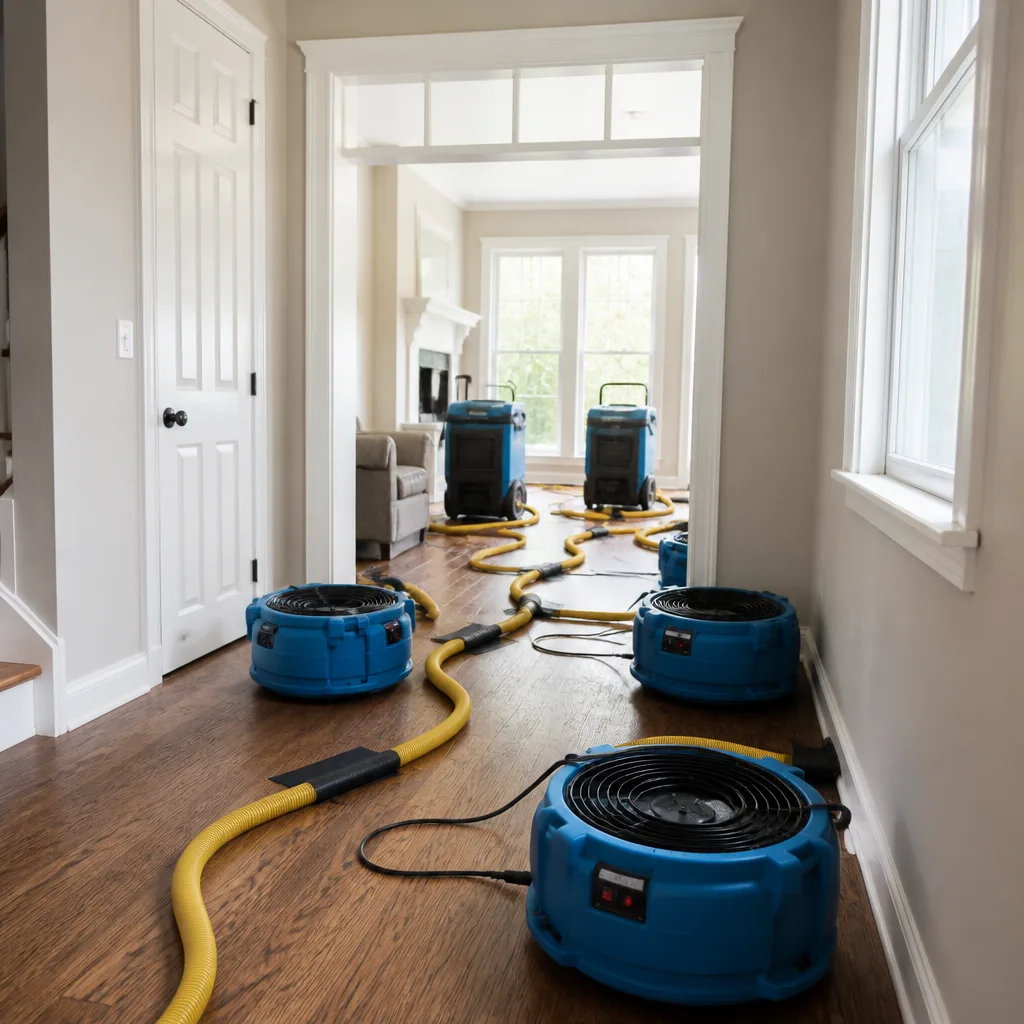



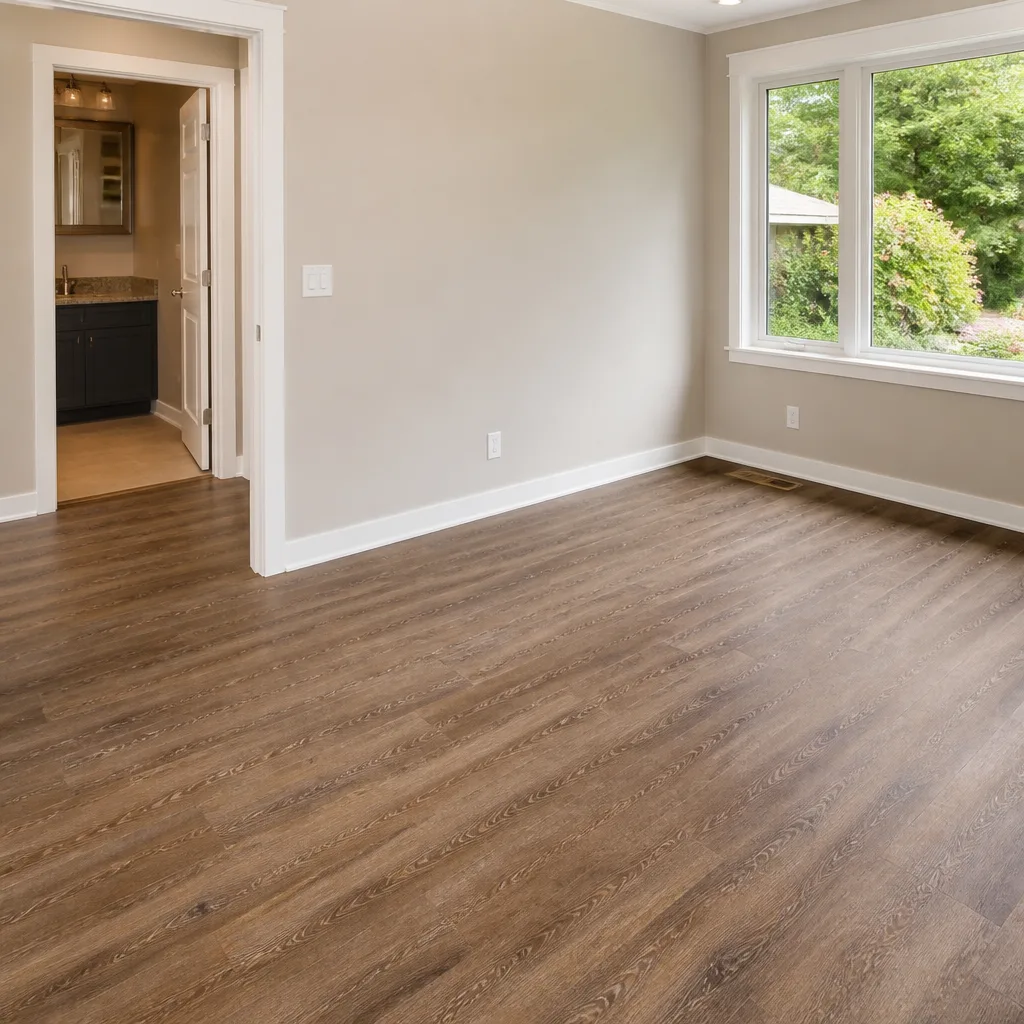

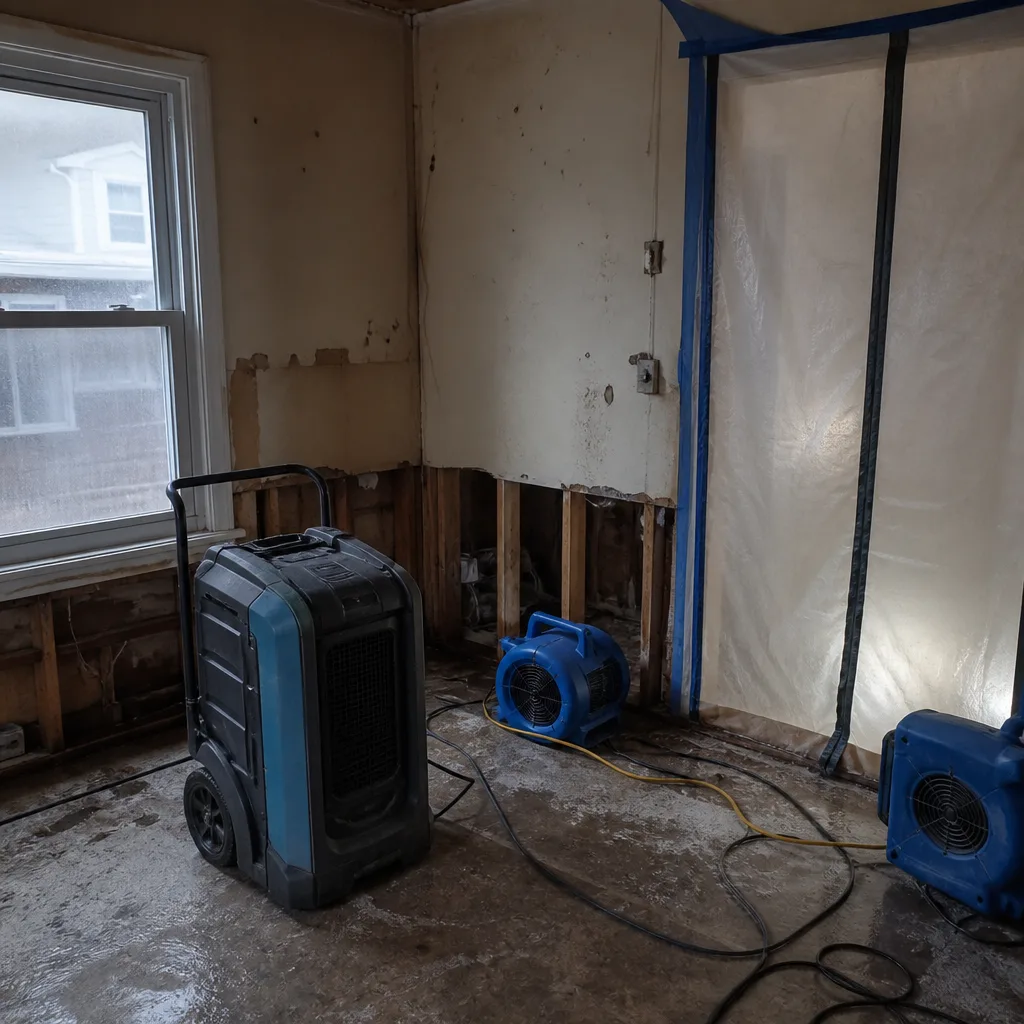 Before
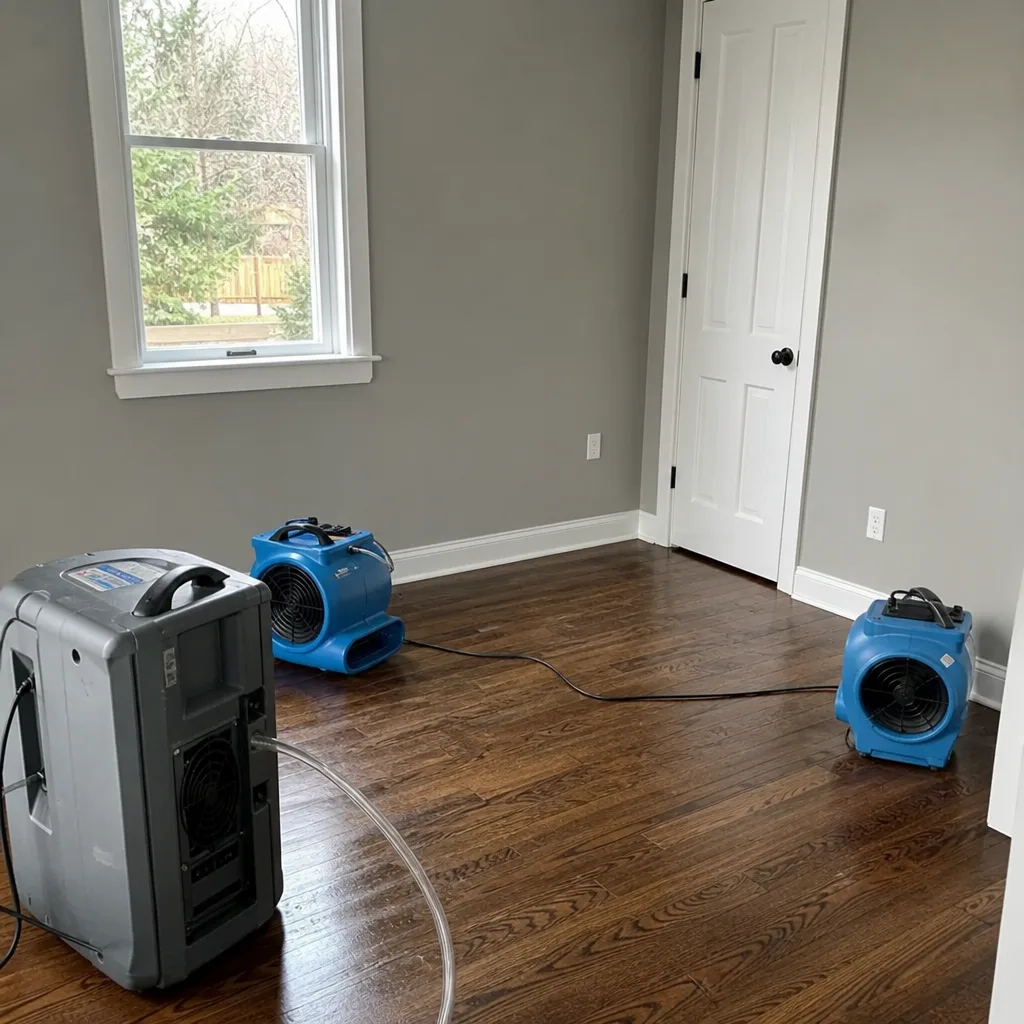 After
After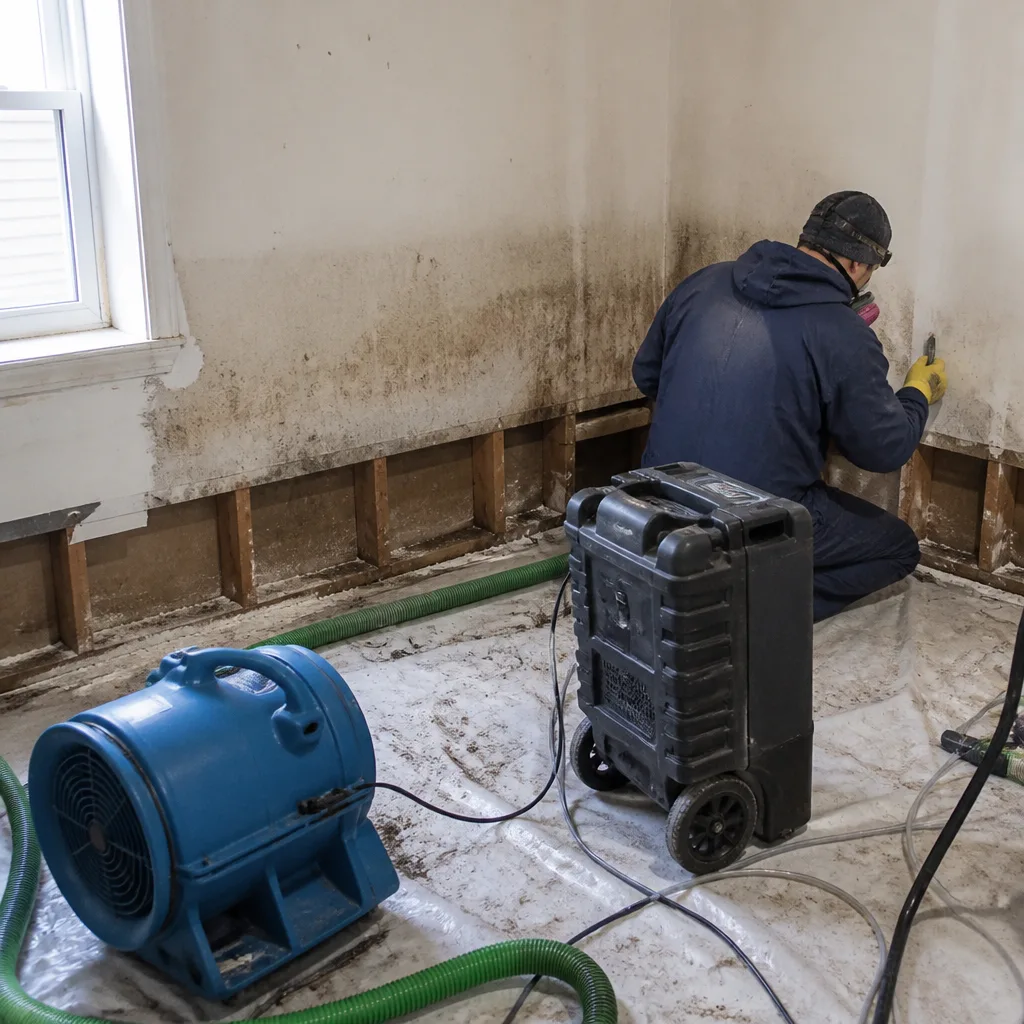 Before
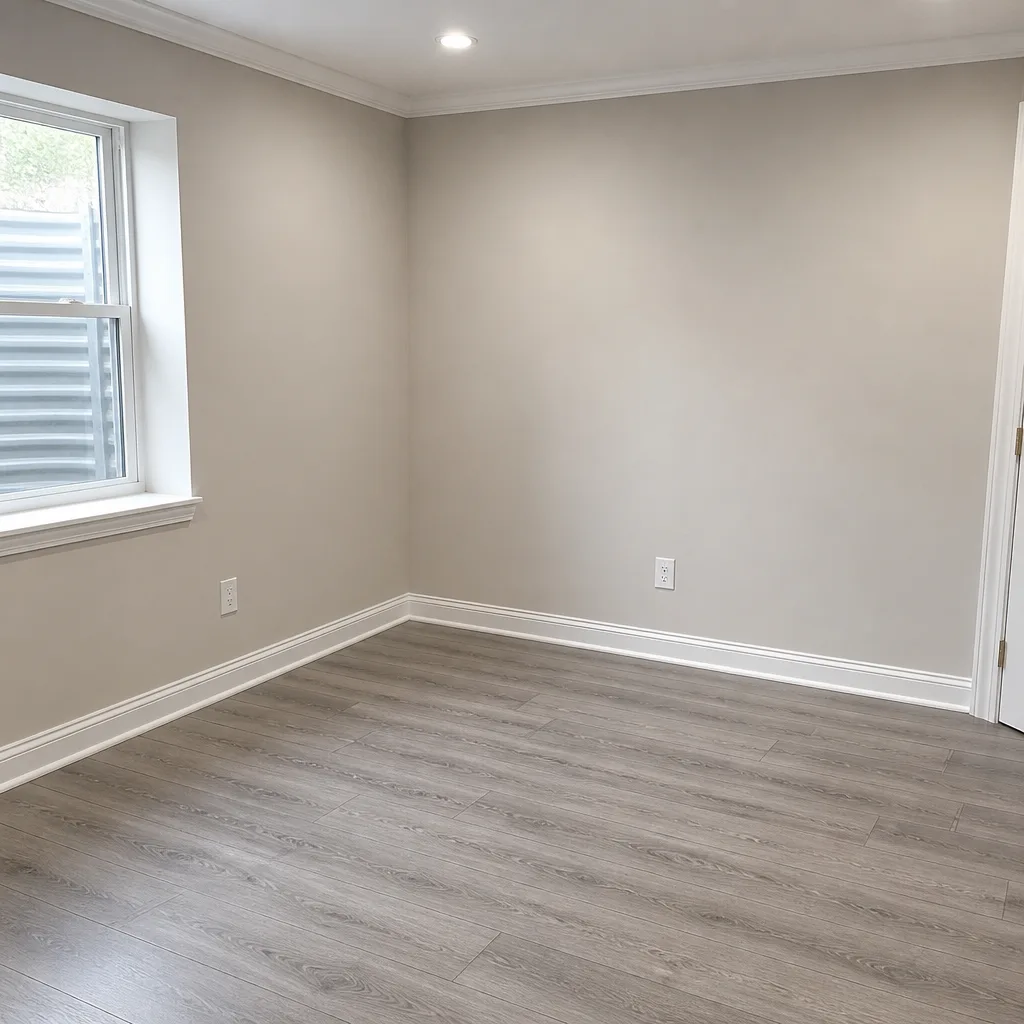 After
After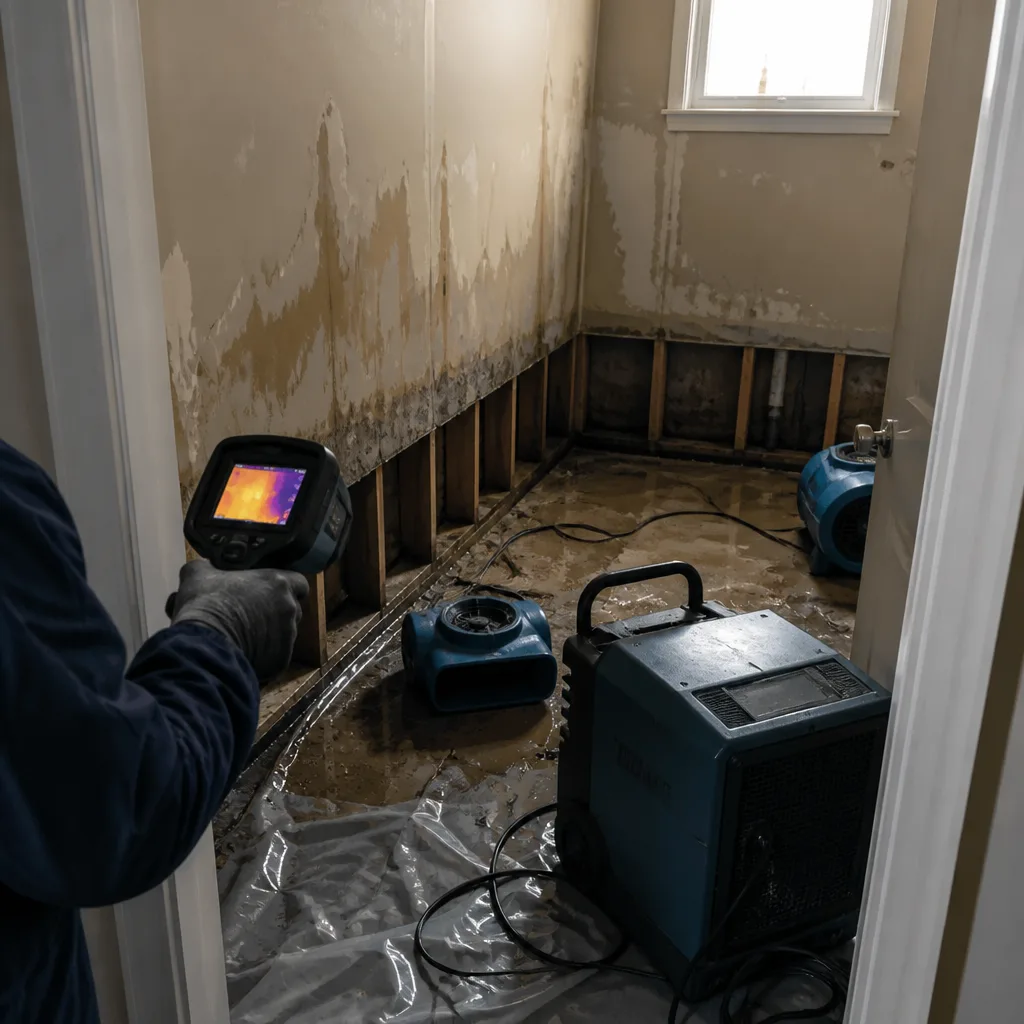 Before
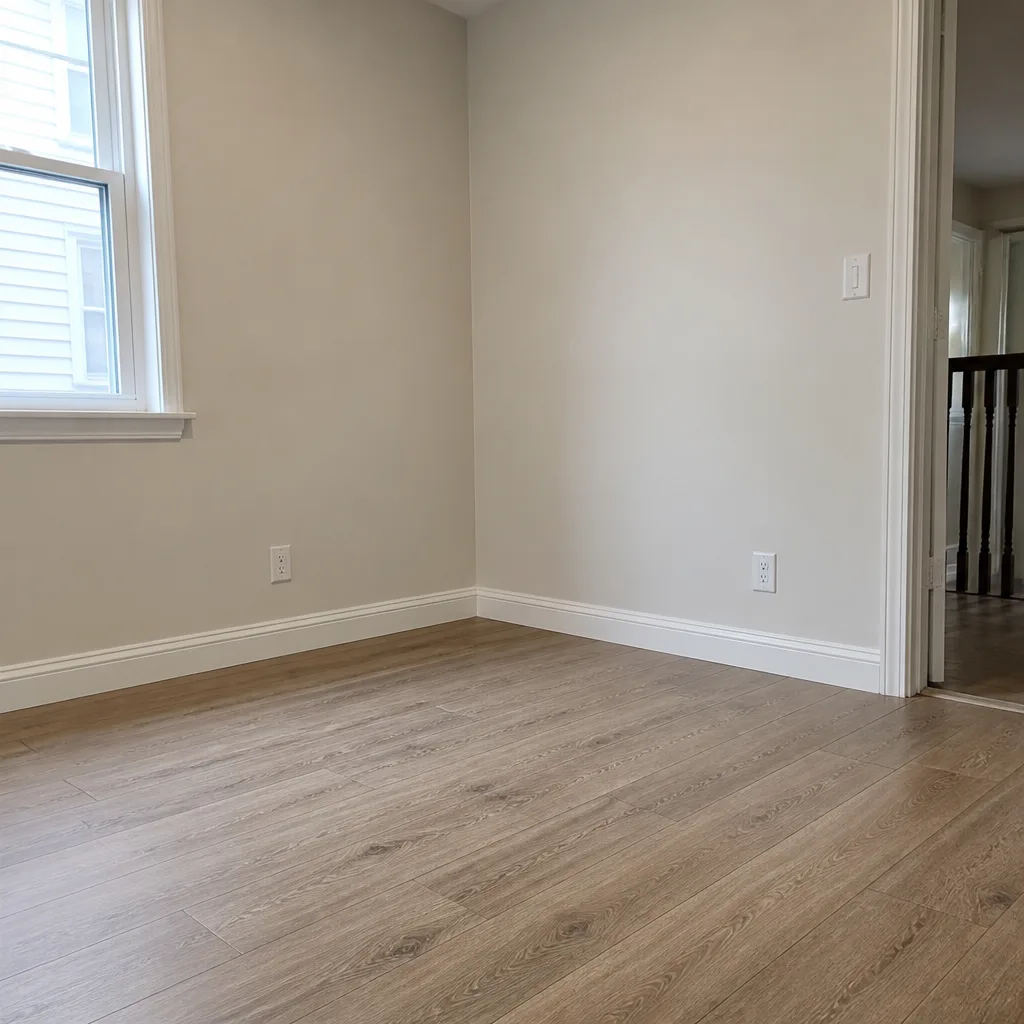 After
AfterDamage Restoration Warning Signs: A Harrison Homeowner’s Reference Guide
The musty smell that “only shows up when it rains” is not a normal house smell. It is active mold telling you the moisture source hasn’t been found yet. In Harrison, where homes range from century-old colonials to mid-century ranches, the warning signs of water, fire, and mold damage hide in plain sight. Homeowners explain them away for months, sometimes years. By the time the damage becomes undeniable, the repair bill has tripled. This guide names those signs plainly, without jargon, so you know what you’re looking at and what to do next.
Quick Answer
The most common warning signs of hidden damage in Harrison homes are persistent musty odors that worsen with rain, paint that bubbles or peels in isolated patches, baseboards pulling away from walls, and door frames that suddenly stick or shift. Any one of these signals an active moisture problem or structural compromise behind the surface. If you see one, photograph it, note when it started, and read our step-by-step guide to hiring a damage restoration contractor in Harrison before the damage spreads.
Table of Contents
- Cosmetic Settling vs. Structural Moisture Damage: How to Tell the Difference
- Efflorescence on Basement Walls: What That White Powder Is Actually Telling You
- Five Odor and Air Quality Signals That Reveal Hidden Mold
- One-Time Water Intrusion vs. Recurring Drainage Failure: Why the Distinction Matters
- The First 24 Hours: Exactly What to Do When You Spot a Warning Sign
- Harrison-Specific Risk Factors: Why Local Housing Stock Hides Damage Longer
- Common Mistakes to Avoid
- When to Call a Professional
- Frequently Asked Questions
- The Bottom Line
Cosmetic Settling vs. Structural Moisture Damage: How to Tell the Difference
Every house settles. Harrison’s older homes, many built before 1960, have settled for decades and will keep settling. The question is whether what you’re seeing is normal age or active moisture damage. The difference shows up in how the materials behave.
Cosmetic settling moves slowly. Hairline cracks appear along drywall seams over years. They run vertical or diagonal and stay narrow, usually under one-sixteenth of an inch. The paint around them looks dry and brittle, like old porcelain. These cracks rarely change month to month.
Moisture-related movement behaves differently. It’s faster, and it leaves fingerprints. Here’s what we consistently see in Harrison homes when water is involved:
- Paint that peels in isolated patches, not along seams. Water pushes paint off the surface from behind. The patches look like blisters before they flake. If the peeling is localized to one wall section or one corner, suspect a leak above or behind it.
- Baseboards pulling away from the wall in one room, not the whole house. Wood swells when wet, then shrinks as it dries unevenly. The gap between baseboard and wall looks wider at one end than the other. Run your hand along it. If it feels damp or the drywall behind it feels soft, that’s active moisture, not settling.
- Door frames shifting enough that doors stick, but only seasonally or after rain. Settling doesn’t care about the weather. Moisture-driven movement does. A door that sticks every spring or after a heavy storm is swelling because water is getting into the framing somewhere.
- Nail pops in a vertical line down one wall. When drywall gets wet, the paper facing softens and the nails or screws lose grip. A single vertical line of popped nails often traces a leak path from above.
One way to think about it: settling is a house aging, moisture damage is a house reacting. The reaction is faster, more localized, and tied to weather events. If you can correlate a change in your walls to a specific storm or season, that’s not coincidence. That’s a diagnosis, and our seasonal damage restoration care guide for Harrison can help you stay ahead of it.
For a deeper look at how water moves through a home’s structure, see our guide on Water Damage Restoration in Harrison.
Efflorescence on Basement Walls: What That White Powder Is Actually Telling You
Efflorescence looks like white or gray chalk dust on concrete or brick. Most people assume it’s just cosmetic, maybe salt from old mortar. It’s not. Efflorescence is a process indicator. It tells you water is moving through your foundation wall, and it tells you whether that movement is getting worse.
Here’s how it works. Water enters the soil around your foundation. As it moves through the concrete or masonry, it dissolves mineral salts present in the material. When that water reaches the interior surface and evaporates, the salts are left behind. That’s the white powder. So efflorescence means one thing for certain: water has traveled from outside to inside. A dry wall doesn’t produce it.
What efflorescence can tell you about your specific situation:
- Fresh, fluffy powder means active water movement. If you wipe it away and it returns within weeks, water is actively migrating through the wall right now. This is not a historic stain. This is an ongoing condition.
- Hard, crusty deposits mean the water has been moving for a long time. Old efflorescence calcifies. If the deposit is crusty and difficult to remove, the moisture problem has been ongoing for years, likely undetected.
- Efflorescence concentrated at a single horizontal band often indicates a specific ingress point. Water tends to enter at the same elevation consistently. A band of white at the same height across a wall suggests a saturated soil zone outside, often from a downspout discharging too close to the foundation or a negative grade slope toward the house.
- Efflorescence below a window well or pipe penetration points to a specific leak. Look for vertical streaks of white descending from any penetration in the foundation wall. That’s a leak signature, not general dampness.
In Harrison, where many basements date to the original construction and crawl spaces are common in older homes, efflorescence is one of the most frequently ignored warning signs we encounter. Homeowners paint over it. Painting over efflorescence doesn’t stop the water movement. It hides the evidence while the moisture continues working through the wall, eventually spalling the concrete or feeding mold growth behind the paint.
If you see efflorescence, the next step is determining the water source. Sometimes it’s a simple fix; a downspout extension or regrading. Sometimes it requires interior drainage or exterior waterproofing. But the one thing you shouldn’t do is ignore it.
Five Odor and Air Quality Signals That Reveal Hidden Mold
Mold announces itself through smell long before it becomes visible. By the time you see black spots on drywall or ceiling tiles, the colony is well established. Your nose catches it earlier. The problem is that most people normalize odors in their own homes. You stop smelling what you live with every day. Here are the five signals that should make you stop and pay attention.
- The “only when it rains” musty smell. This is the most common hidden mold signal in Harrison homes. Rain raises groundwater levels and finds entry points. If your basement or crawl space smells earthy only after precipitation, water is getting in, and mold is active in the damp period. The smell fades when things dry out, but the mold doesn’t die. It goes dormant and reactivates with the next rain.
- A persistent damp-sock odor in one room. Mold that’s actively growing smells slightly sweet and sour, like laundry left in the washer too long. If one bedroom or one corner of the living room has this smell while the rest of the house doesn’t, the moisture source is localized. Check the wall, the floor, and the ceiling of that room. Water travels, so the source may be above or below the smell.
- Air that feels heavy or stuffy even with windows open. High humidity trapped inside a home creates the conditions for mold even without a visible leak. In Harrison’s humid summers, basements and enclosed spaces without proper ventilation can exceed 60 percent relative humidity for weeks. Mold needs sustained humidity above 60 percent to grow. If a room feels clammy on a dry day, the moisture is coming from inside the structure, not the weather.
- The smell gets stronger when the furnace or AC kicks on. This is a big one. If turning on your HVAC system makes the musty odor worse, mold is growing somewhere in the ductwork, the air handler, or the plenum. The system is pulling air across the colony and distributing it through the house. This is also why an air filter change doesn’t fix the smell.
- Family members with new or worsening allergy symptoms at home. This isn’t an odor, but it’s an air quality signal. Congestion, itchy eyes, coughing, or headaches that improve when you leave the house point to something airborne. Mold spores are the usual suspect when the symptoms track with time spent at home rather than seasons.
None of these signals require you to tear open a wall. They require you to take the possibility of hidden mold seriously and get an assessment. A professional with a moisture meter and thermal imaging can locate the moisture source without demolition. For more on what mold restoration involves, read our guide on Mold Remediation in Harrison.
One-Time Water Intrusion vs. Recurring Drainage Failure: Why the Distinction Matters
Not all water problems are created equal. A one-time intrusion, like a burst supply line or an overflowing tub, happens once, gets dried properly, and doesn’t return. A recurring drainage failure is different. It’s a systemic issue where water finds the same path into your home every time it rains or every time the snow melts. The distinction matters enormously because the repair approach is completely different.
A one-time intrusion needs extraction, drying, and repair of whatever got wet. Done correctly, the problem is solved. A recurring drainage failure needs site work: grading, drainage systems, waterproofing, or gutter and downspout corrections. Drying the water without fixing the drainage means you’ll be drying the same water again in the next storm.
Here’s how to tell which one you’re dealing with:
- Track the timing. Does water appear only during or after rain? That’s drainage. Does it appear at random times unrelated to weather? That’s more likely plumbing or appliance related.
- Track the location. Water entering at the same spot every time means a fixed entry point. Water appearing in different places suggests a different cause, often plumbing. A consistent entry point is almost always a drainage or waterproofing issue.
- Look at the water itself. Clear water after rain is groundwater working through the foundation or walls. Water with a smell or color is more likely sewage or groundwater contaminated by soil. Rust-colored water can indicate it’s been moving through metal pipes. Each points to a different source and a different fix.
- Check outside during the next storm. Stand out there if it’s safe. Watch where water pools near the foundation. Check that downspouts discharge at least four to six feet from the house. Look at the grade. If the ground slopes toward your foundation, every rain is directing water against your walls.
The biggest mistake we see is homeowners treating a recurring problem like a one-time event. They dry the basement, replace the drywall, and wait. Six months later, the same corner is wet again. The water was never the real problem. The path the water takes was. Fix the path, and the water stops showing up.
The First 24 Hours: Exactly What to Do When You Spot a Warning Sign
When you notice a warning sign, whether it’s a stain, an odor, or peeling paint, the first 24 hours matter. What you do in that window determines whether the damage spreads and whether your insurance claim goes smoothly. Here’s the sequence.
- Photograph everything before touching anything. Use your phone. Take wide shots of the room, then close-ups of the damage. Include a reference for scale, like a coin or a tape measure. Photograph the area from multiple angles, including the floor below the damage and the ceiling above it. These photos are evidence. If an insurance claim follows, they document the condition before any cleanup altered it.
- Note the timeline. Write down when you first noticed the issue, what has changed since, and whether it correlates with weather. Date and time your notes. This documentation helps a professional diagnose the source faster.
- Do not start drying or cleaning yet. This is counterintuitive. Your instinct is to grab towels and a fan. Resist it. Drying the surface changes the evidence. It alters moisture readings and makes it harder to trace the full extent of the water path. The same goes for cleaning mold. Disturbing mold before assessment spreads spores and can make the contamination worse.
- Stop the water source if it’s active and you can do it safely. Turn off the water supply valve if a pipe is leaking. Shut off the breaker to affected areas if water is near electrical outlets. Never touch electrical panels or stand in standing water that may be in contact with wiring. If the water source is outside, like a leaking gutter or a downspout aimed at the foundation, note it but don’t attempt repairs during the storm.
- Call a professional who will come look, not just quote over the phone. A real assessment requires seeing the damage, taking moisture readings, and tracing the water path. Ask when someone can come. Ask who is coming. This is the point where you want a person with a name and a face, not a call center.
If water is actively entering your home, time matters more. Extraction within the first hours limits how far water wicks into walls and flooring. For an emergency, see our guide on Water Damage Restoration in Harrison or call Wade’s Restoration home at (856) 501-6142. Wade answers his own phone, day or night.
Harrison-Specific Risk Factors: Why Local Housing Stock Hides Damage Longer
Harrison’s housing stock has specific characteristics that make damage harder to spot and more expensive when it’s finally found. If you live in one of the town’s older homes, you’re dealing with construction methods and materials that behave differently than modern builds.
Homes built before 1960 often have plaster walls over wood lath. Plaster is harder than drywall and hides moisture behind it longer. A slow leak inside a plaster wall soaks the lath and the studs for months before the surface shows any sign. By the time you see a stain or bubbling paint, the framing behind the plaster has been wet for a long time. The same leak in a drywall home would have shown itself weeks earlier because drywall softens and sags faster.
Many Harrison homes also have stone or brick foundations without modern waterproofing. These materials are porous; they were built to breathe, which means they also let water move through them. Efflorescence, the white powder we discussed earlier, is extremely common in Harrison basements for this reason. The foundation was never waterproofed because waterproofing as we know it didn’t exist when the home was built.
Another factor is the age of mechanical systems. Homes that have been updated cosmetically but still run original supply lines or cast iron drains are at higher risk for hidden leaks. Cast iron drain pipes corrode from the inside out. They leak slowly into wall cavities and under slabs, undetected, until the pipe fails completely or the smell or staining finally surfaces.
The good news is that these older homes can be made dry and kept dry. It takes an honest assessment of where water is entering and a fix matched to the actual problem, not a one-size-fits-all approach. For fire and smoke damage risks specific to older wiring and construction, see our guide on Fire & Smoke Damage Restoration in Harrison.
Common Mistakes to Avoid
- Painting over water stains or efflorescence. Paint hides the evidence but not the problem. The moisture keeps moving behind the paint. In Harrison’s older homes, this can mean months of undiscovered rot behind a fresh coat of latex.
- Running fans on wet drywall for weeks. Air movement alone doesn’t dry saturated building materials. The water inside wall cavities needs controlled drying with proper equipment, especially in humid Harrison summers when ambient air is already moisture-heavy.
- Treating recurring basement water as a one-time event. If water appears in the same place after every heavy rain, drying it up and repainting isn’t a fix. The drainage path needs to be found and corrected, or you’ll be back in the same spot next storm.
- Ignoring a small stain because it hasn’t grown. Water damage doesn’t always expand visibly. A small ceiling stain can represent a leak that’s been dripping slowly for months, saturating insulation and framing above. The visible stain underestimates the actual damage.
- Disturbing visible mold before assessment. Scrubbing mold without containment spreads spores into the air and into other rooms. Once airborne, mold finds new damp spots and starts new colonies. You can turn a contained problem into a whole-house problem with a scrub brush.
- Assuming your insurance will cover everything without documentation. Insurance adjusters work from evidence. Photos taken before cleanup, a written timeline, and professional documentation of moisture levels make a claim much harder to deny or undervalue. Skip the documentation, and you’re negotiating from a weaker position.
- Waiting to call because it’s late or a holiday. Water and fire damage don’t observe business hours. A delay of even a few hours changes the scope of the damage. That’s why Wade answers his phone at two in the morning. The name fits the situation.
When to Call a Professional
Some warning signs are clear enough that waiting isn’t worth the risk. Call a professional if you see active water entering your home from any source, if you smell a musty odor that returns after rain, if you find visible mold larger than a dinner plate, if a ceiling sags or bulges, if baseboards are pulling away with damp or soft drywall behind them, or if your home has had a fire and the smoke odor persists after cleaning. These are situations where the damage is either active or likely worse than it looks. Neither gets better with time.
Wade’s Restoration offers free estimates in Harrison, call (856) 501-6142. Wade will come look himself, tell you what he sees, and put the scope in writing before any work starts.
Frequently Asked Questions
The first signs are usually paint bubbling or peeling in isolated patches, baseboards pulling away from walls, a musty odor that appears or strengthens after rain, and water stains on ceilings or walls. In Harrison’s older homes with plaster construction, these signs can take months to appear because plaster hides moisture longer than drywall. If you notice any of these, photograph them and call (856) 501-6142 for an assessment.
Water damage restoration in Harrison typically ranges from $1,200 to $6,000, depending on the extent of the damage and the drying time required. A small contained leak with quick extraction and a few days of drying lands on the lower end. Damage that has been active for weeks, involves multiple rooms, or requires mold remediation runs higher. The best way to get an accurate number is a free estimate from a professional who has looked at the actual damage. Call (856) 501-6142 to schedule one.
Homeowner’s insurance generally covers sudden and accidental water damage, like a burst pipe or a storm-driven roof leak. It typically does not cover gradual damage from a long-term leak, because that’s considered a maintenance issue. That’s why early detection and documentation matter so much. If you can show the damage was sudden and you documented it before cleanup, your claim is stronger. Wade’s Restoration works directly with insurance adjusters, providing photo documentation and moisture logs, so you’re not stuck in the middle.
For active water emergencies in Harrison, Wade’s Restoration can usually have someone on site within the hour. Wade answers his own phone at (856) 501-6142, day or night. For non-emergency assessments, scheduling is typically same-day or next-day depending on when you call.
It depends on the extent of the water damage and whether mold is present. A small area of clean-water damage that’s dried quickly may only need cleaning and spot repair. But if water has been present for more than 48 hours, if the water source was contaminated, or if mold is visible or detected by odor, professional remediation is the right call. A professional assessment with moisture readings and thermal imaging can tell you the difference. Guessing wrong means either overspending on cleaning that doesn’t solve the problem or underdoing it and having the problem return.
Wade’s Restoration deals with the adjuster directly. Wade provides the documentation: photos, moisture readings, and a written scope. He talks to the adjuster so you don’t have to relay technical information between two parties. It’s one of the biggest differences between working with Wade and working with a national chain that hands you a form and wishes you luck.
The Bottom Line
The warning signs of damage restoration in Harrison homes are rarely dramatic. They’re subtle: a smell that comes and goes with the rain, a patch of peeling paint in one corner, a white powder on a basement wall, a door that sticks in the spring. Each one means something, and each one is easier and cheaper to address the day you notice it than the day you can’t ignore it. Learn to read the signs. Document what you see. Don’t paint over evidence, don’t dry before documenting, and don’t wait. When you need someone who knows these older Harrison homes, call Wade at (856) 501-6142. He’ll come look, tell you what’s actually going on, and put it in writing before any work begins.
Written by Wade Ferris, Owner at Wade’s Restoration, serving Harrison since 2007.