
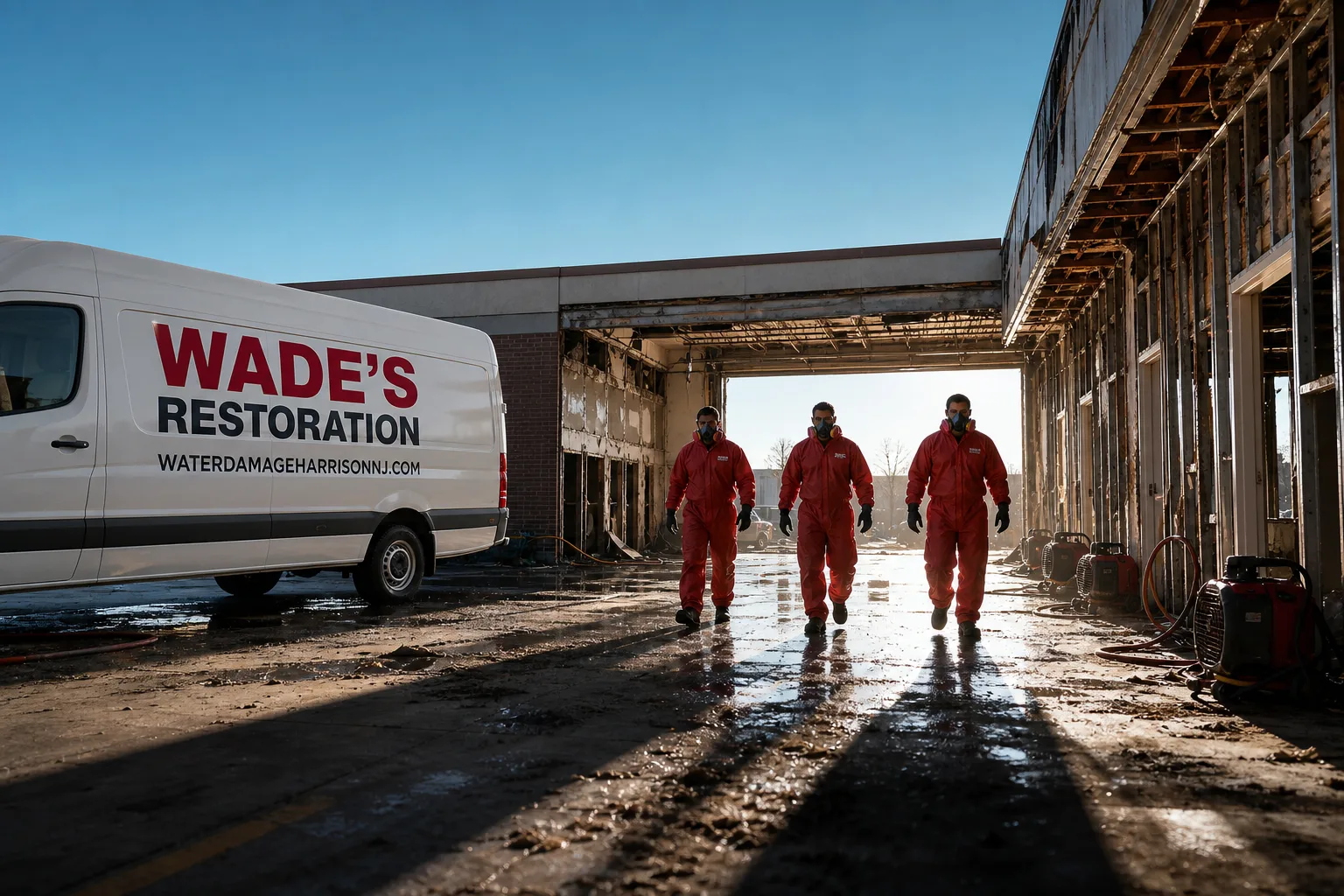
Free visual inspection and a written scope of work before any mitigation begins - photos, moisture readings, and drying logs go in your claim file
The scope we write is the scope we bill. Anything new gets shown to you, in writing, before we touch it.
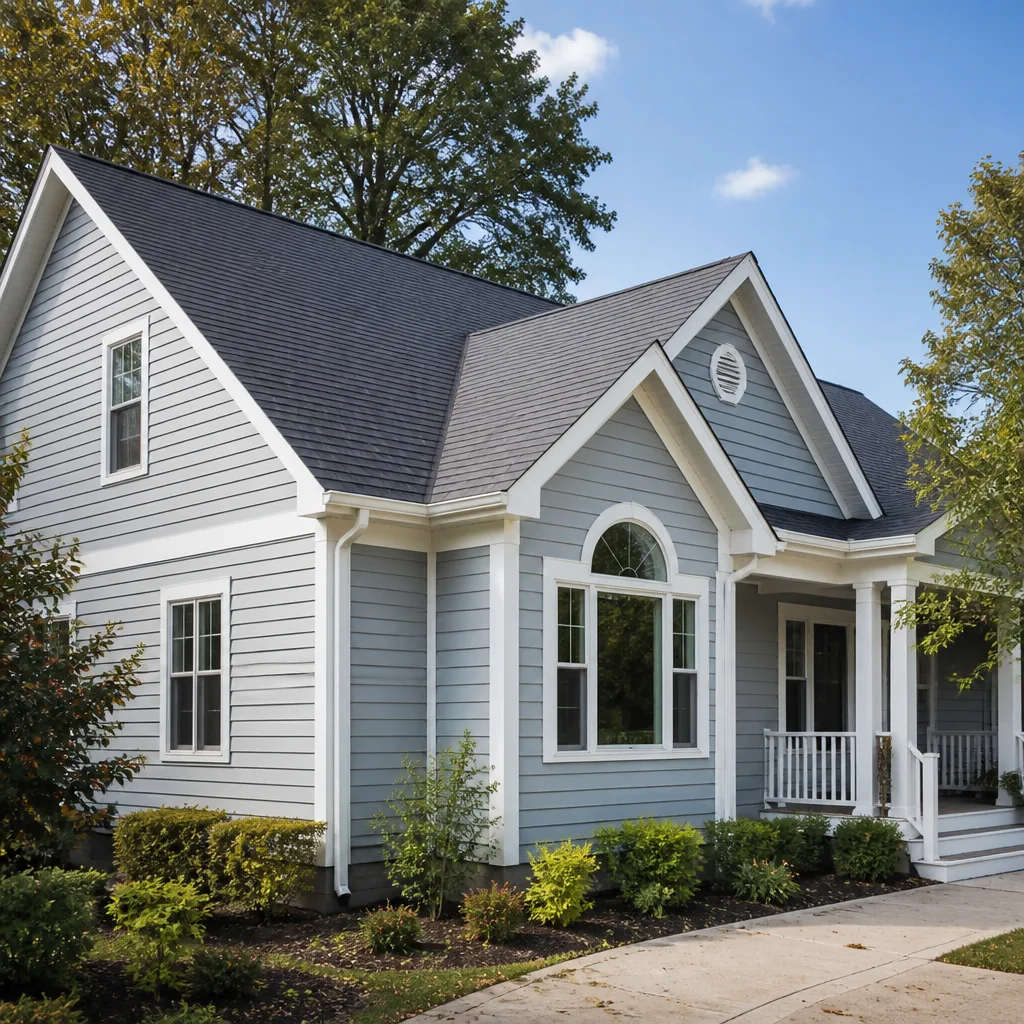
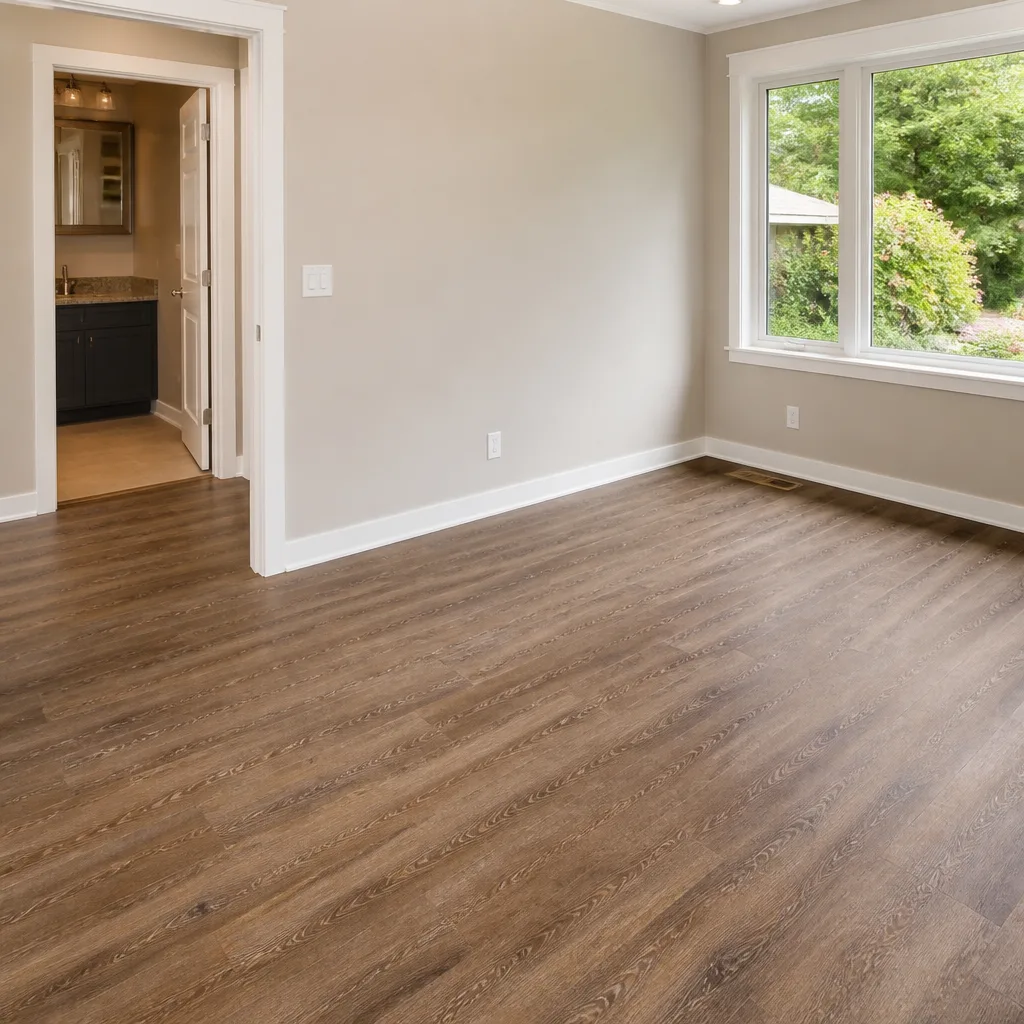
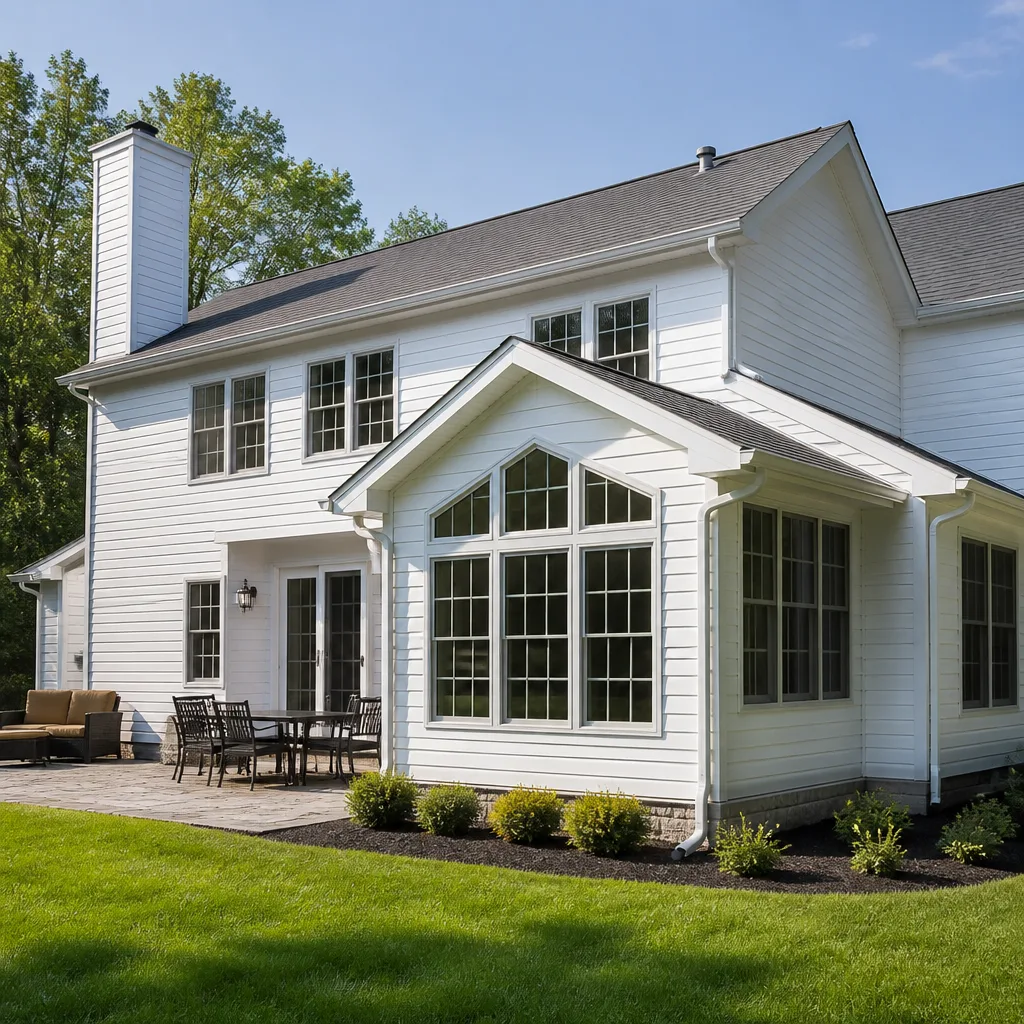
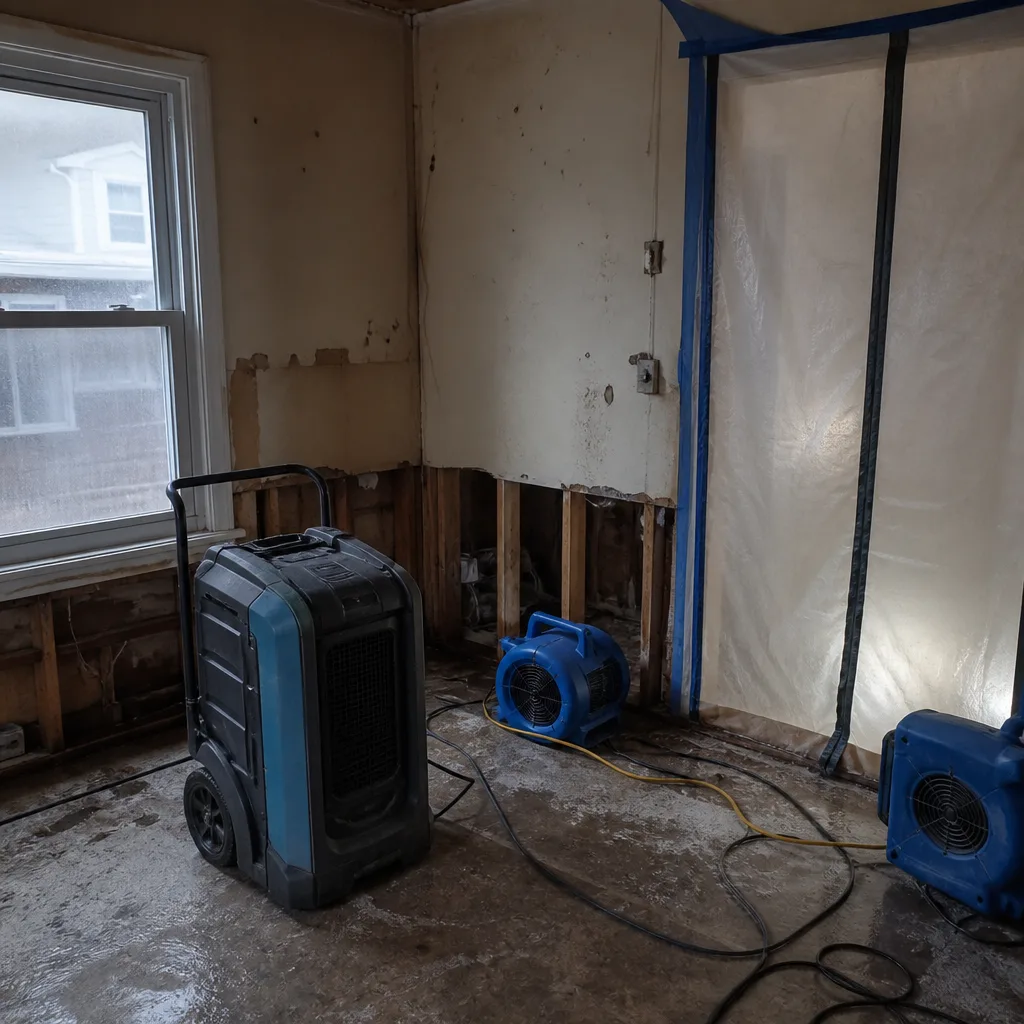 Before
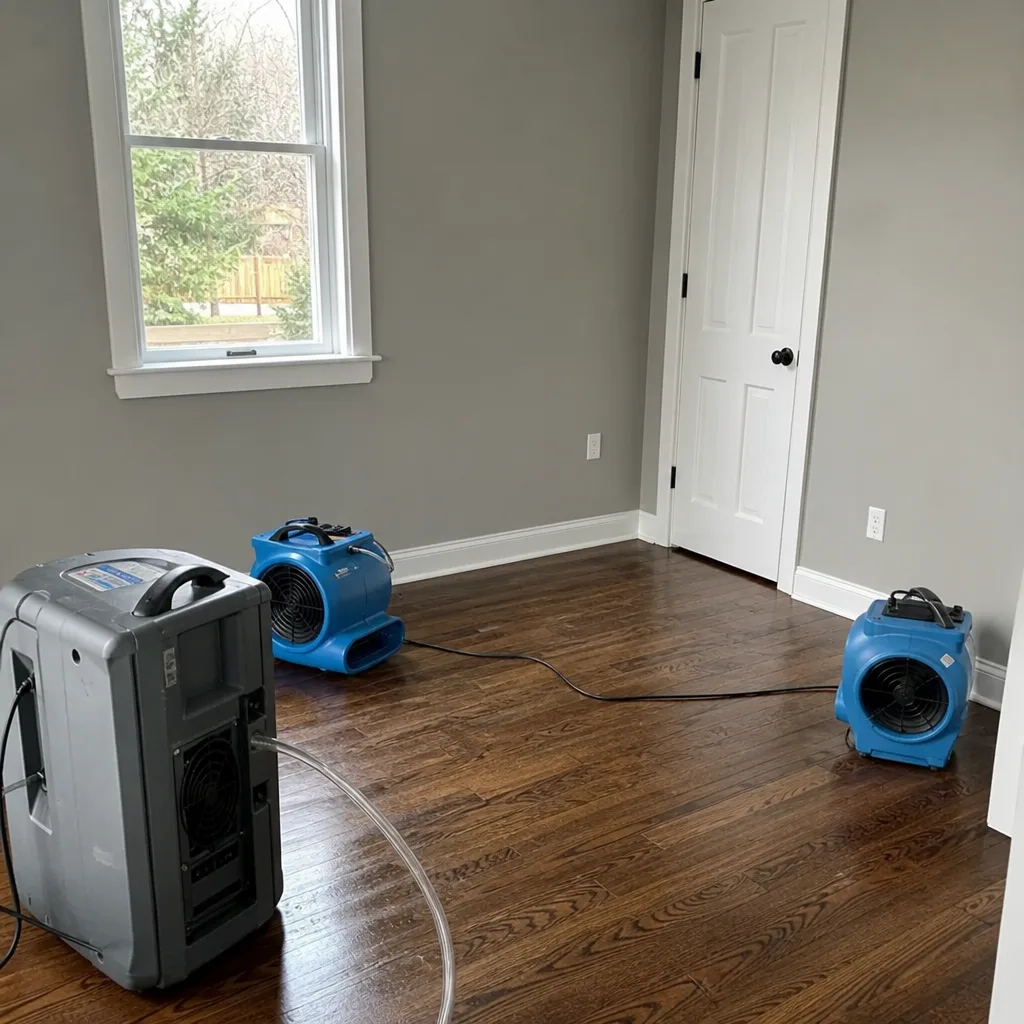 After
After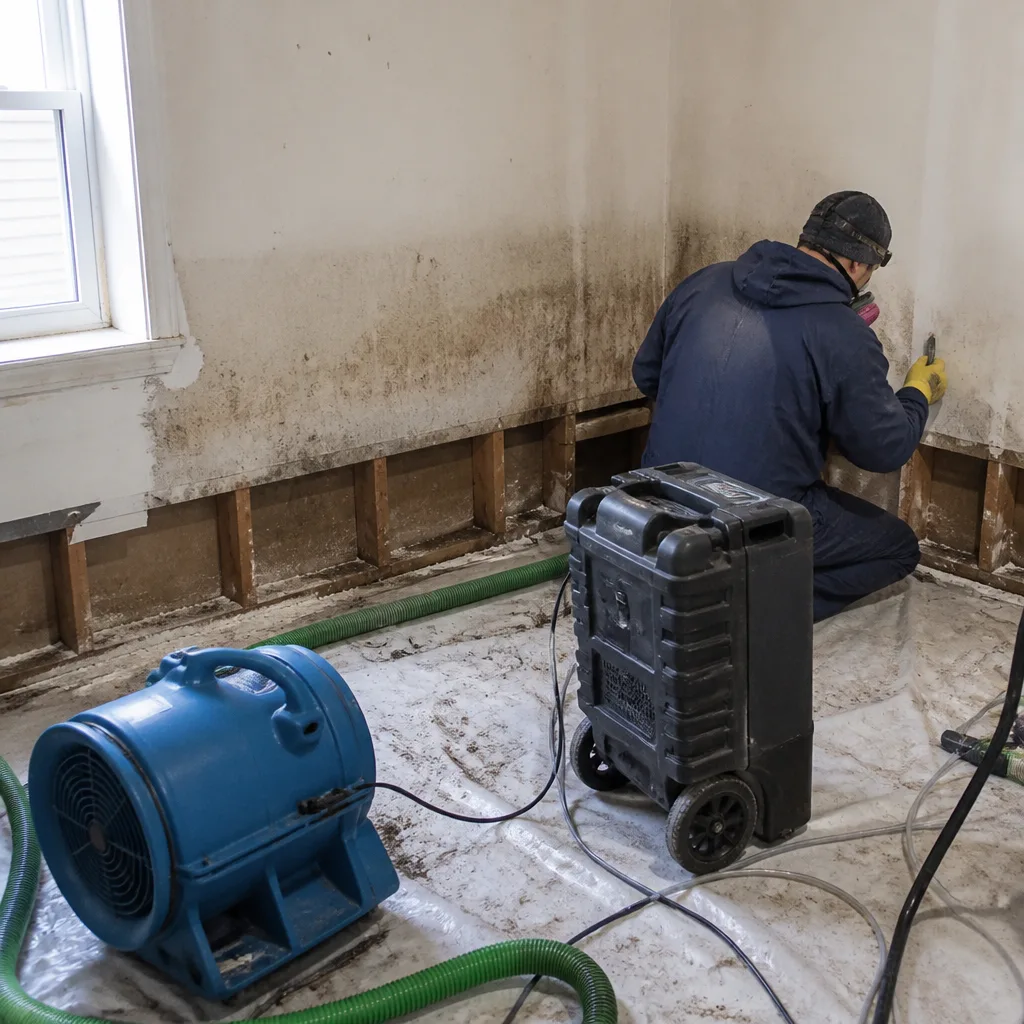 Before
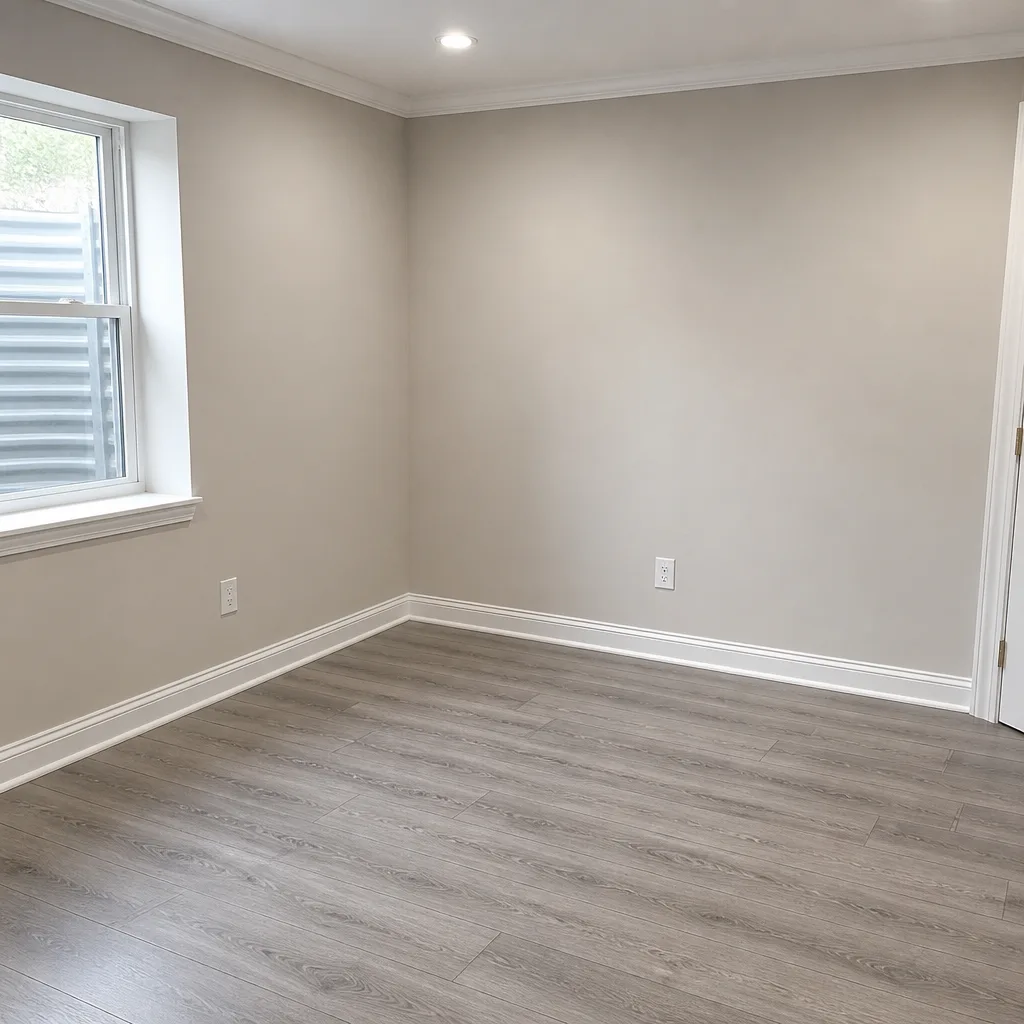 After
After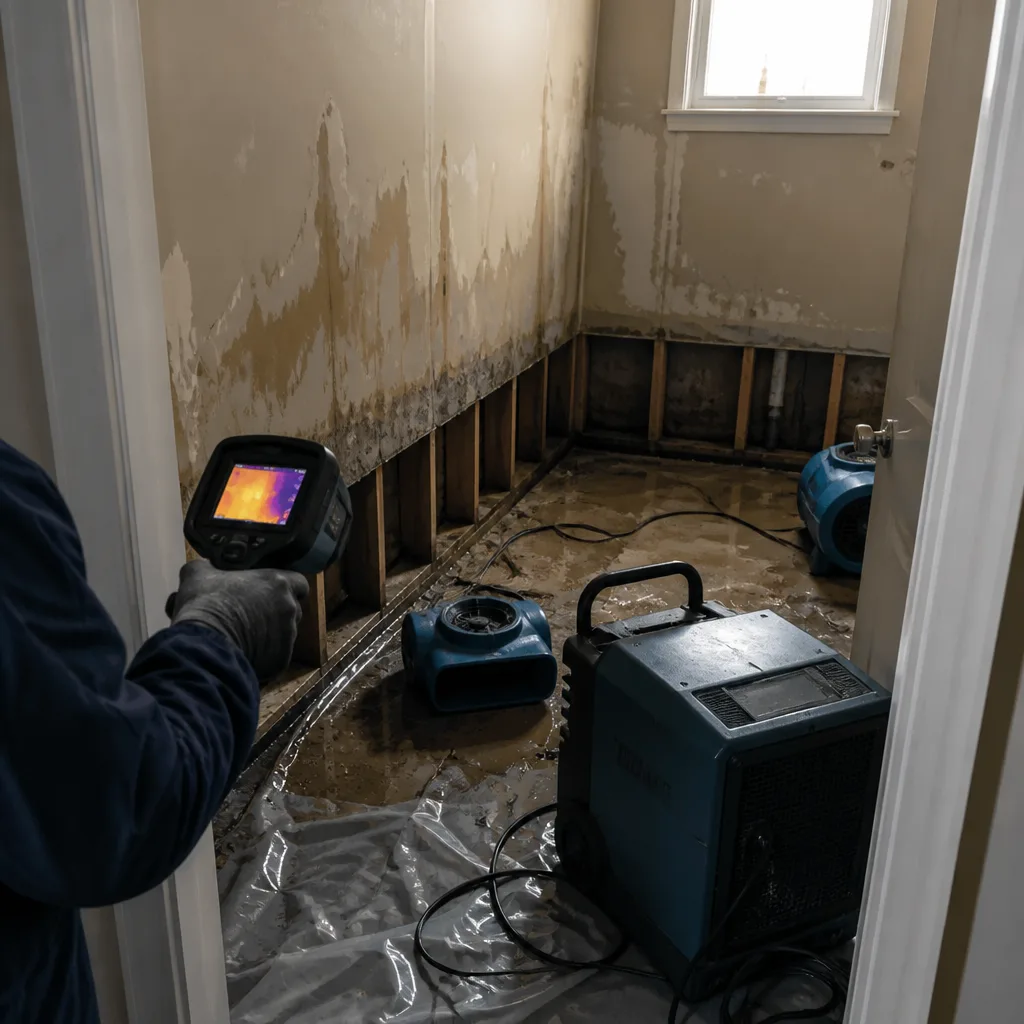 Before
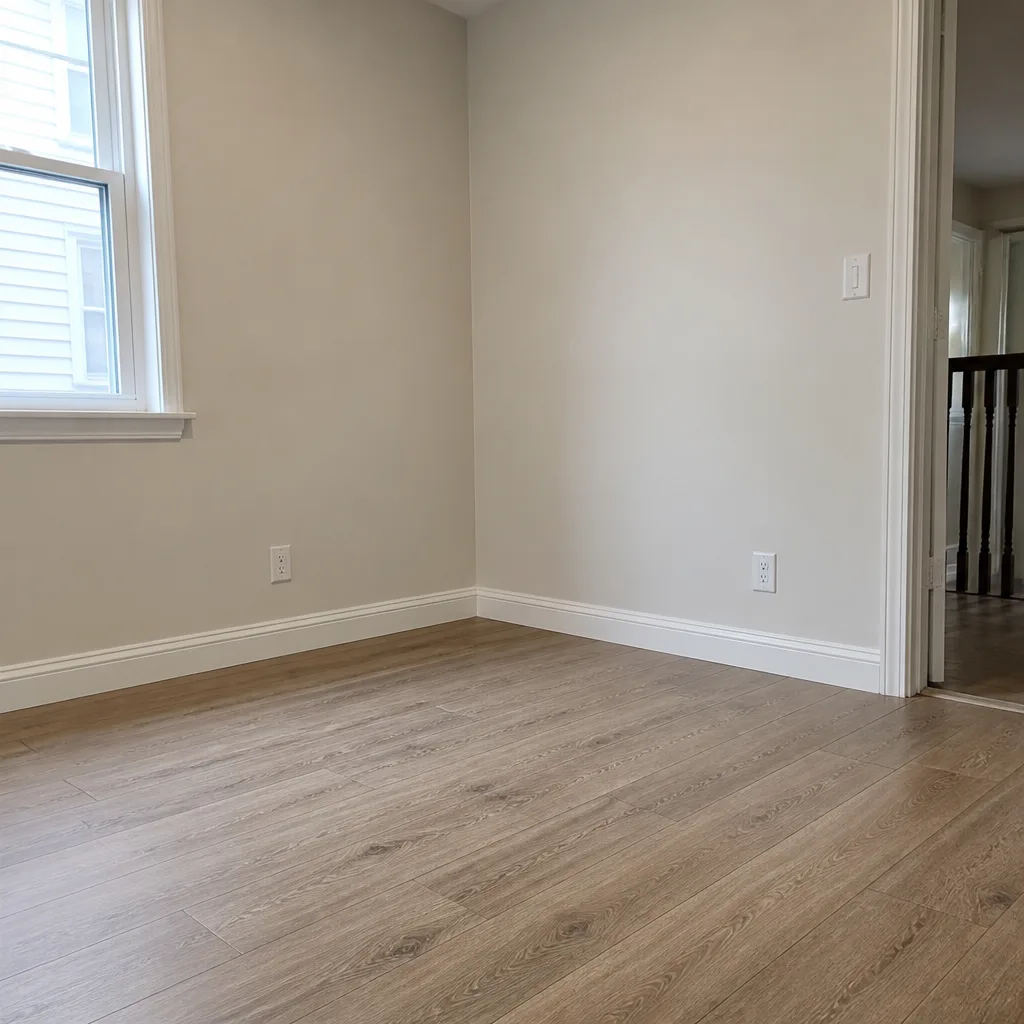 After
After24/7 Emergency Sewage Cleanup in Lyndhurst
Sewage backing up into a Lyndhurst basement is an emergency that cannot wait until morning. Category 3 water carries bacteria, viruses, and parasites that turn porous materials into a health hazard within hours. Our crews are on call around the clock, and we can typically have someone at a home near Valley Brook Avenue or Riverside County Park within 45 minutes of your call. Call (856) 501-6142 right now and you’ll get a live person, not an answering service. The first hour matters because sewage wicks into drywall, baseboards, and concrete fast, and every hour it sits means more material that has to be cut out and replaced. Don’t wait for the water to recede on its own. Call and we’ll start the extraction while the damage is still contained.
Understanding Sewage Cleanup Severity in Lyndhurst Properties
Not all water in a basement is the same. Clean water from a supply line is Category 1. Gray water from a washing machine overflow is Category 2. Sewage is Category 3, meaning it contains pathogens that require full containment, removal of affected porous materials, and disinfection with EPA-registered antimicrobials. In Lyndhurst, the severity conversation is shaped by the town’s housing stock. Homes along Kingsland Avenue and Stuyvesant Avenue are largely 1930s through 1960s construction, with cast-iron drain lines that have spent 60 to 90 years underground. These lines crack, bell, and clog with root intrusion, and when the Passaic River rises, the sewer system loses its discharge capacity entirely. Water then finds the path of least resistance, which is the lowest drain in your home. A 1950s Cape Cod with a floor drain in the basement is especially vulnerable. The concrete slab sits at or below the river’s flood elevation, so groundwater pressure pushes water up through the slab even when the sewer main itself hasn’t backed up. That’s why we treat every Lyndhurst sewage call as a potential floodplain event, not a simple plumbing issue.
Why Lyndhurst Property Owners Choose Wade’s Restoration
- 45-minute response commitment across Lyndhurst. We’re not dispatching from another county. Wade heads out from the metro office and is on the road to your door before most national franchises have even opened a claim file.
- Live answer, 24/7. You call, a person picks up. Not a voicemail, not a call center. Often it’s Wade Ferris himself. That’s the business model.
- IICRC-certified crews. Our people carry WRT and AMRT certifications, which means they know how to handle Category 3 water without cross-contaminating the rest of your house.
- Free visual inspection. We will come look at the damage and tell you what you’re dealing with. No charge for the trip inside Bergen County.
- Direct insurance billing. We handle the adjuster communication, the documentation, and the billing. You focus on getting your house back.
- One team from extraction to reconstruction. The same crew that pumps out the sewage is the crew that rebuilds the basement. No handoffs, no lost information.
Our Sewage Cleanup Process
Inspection & Assessment
We start with a full walkthrough of the affected area, checking for sewage migration under baseboards, inside wall cavities, and beneath the slab. We test for moisture in materials you can’t see. Then we give you a written scope before any work begins.
Extraction & Stabilization
We pump out standing sewage using truck-mounted extraction units and submersible pumps. We pull out saturated carpet, pad, drywall, and any other porous material that absorbed Category 3 water. If the water is still coming in, we stop the source first.
Containment & Air Scrubbing
We set physical containment barriers and run HEPA air scrubbers with negative air pressure. This prevents aerosolized sewage particles from moving into the living areas of your Lyndhurst home while we work.
Drying & Dehumidification
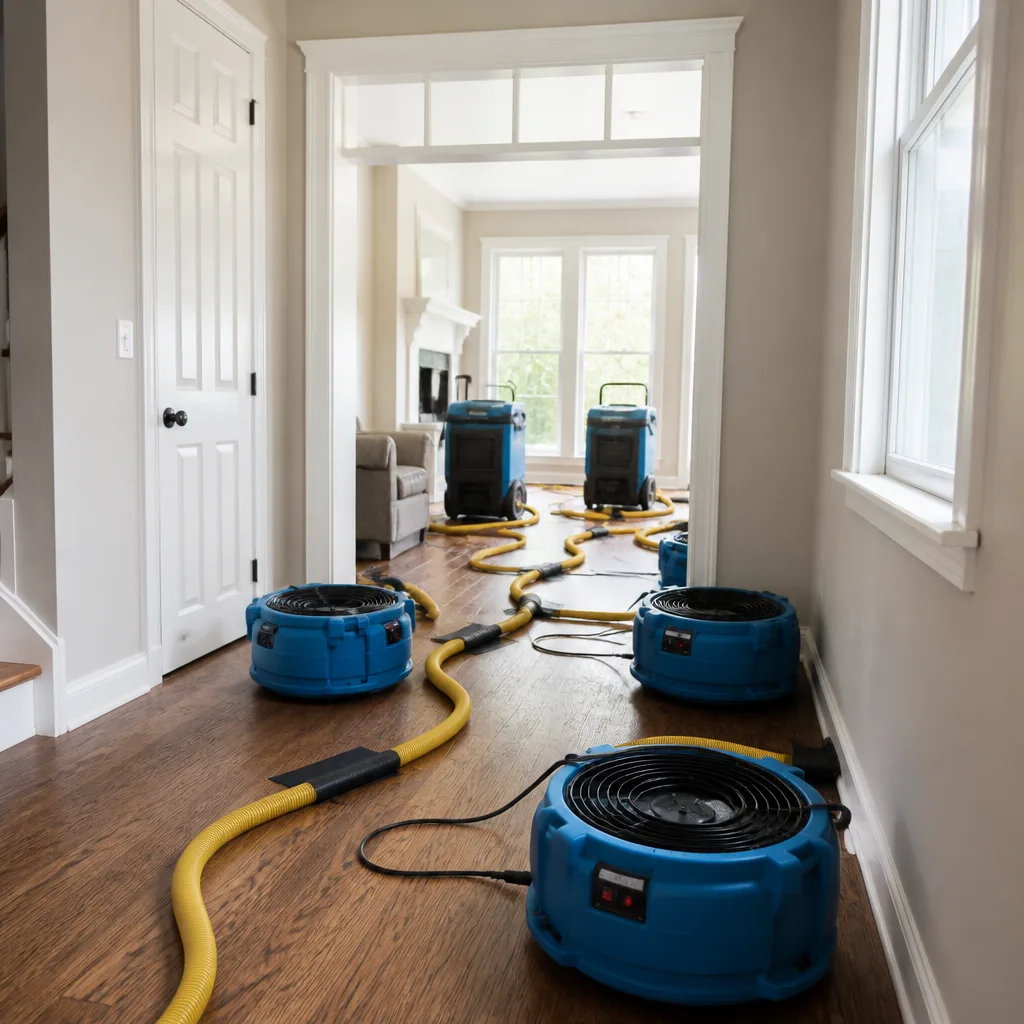
Using Dri-Eaz and Phoenix dehumidifiers plus XPOWER air movers, we dry the remaining structure. We place hygrometers and take moisture readings every single day, and you get the full log when the job is done. That’s a Wade’s Restoration standard.
Sanitization & Disinfection
We treat all affected surfaces with EPA-registered antimicrobials and clean every exposed area. Crawl spaces get special attention because sewage pools there silently and keeps off-gassing into the house.
Repairs & Restoration
Once the structure is dry and sanitized, we rebuild. New drywall, baseboards, flooring, and any necessary plumbing repairs. One crew, start to finish, done right. That’s what the 90-Day Done Right Promise is for.
Need Emergency Sewage Cleanup in Lyndhurst Now?
Crews minutes away, answering live 24 hours a day. The sooner we start, the less it costs.
Working With Your Insurance Company
Insurance claims for sewage damage in Lyndhurst are not straightforward. A sewer backup caused by a clog in your own line is often covered by a standard homeowner’s policy, but a backup caused by the Passaic River rising is a flood event, and that’s a separate flood insurance policy through FEMA. We document everything from the first hour so your claim has the evidence it needs. We photograph every wet surface before we touch it, we log moisture readings daily, and we write a line-item scope that matches what your adjuster expects to see. We also talk to your adjuster directly, so you’re not stuck as a middleman translating between a restoration company and an insurance carrier. That’s a headache nobody needs at 2 a.m. with sewage in the basement.
What We Provide Your Insurer
- Thorough documentation of the loss
- Photos of all damage, room by room
- Moisture readings and drying logs
- A detailed, line-item scope of work
- Direct coordination with your carrier
Built for Lyndhurst’s Loss Calendar
Lyndhurst’s sewage problems do not obey a single season. January and February bring deep freezes that crack cast-iron lines and send sewage backing into basements along Fern Avenue and Court Avenue. Spring thaw saturates the ground and raises the water table, which pushes groundwater up through the concrete slabs of older homes. Summer thunderstorms dump inches of rain in an hour onto streets with almost no runoff relief, because the town sits flat between the Passaic River and the Meadowlands. The storm drains back up, then the sewer lines back up, then the basements back up. Autumn brings nor’easters, and a slow-moving nor’easter can put river water into the sewer system for days. If you live in Lyndhurst, you don’t need us to explain any of this. You’ve probably lived it. What we bring is the equipment, the drying logs, and the documentation to make sure the cleanup is done in a way your insurance company and the township both accept.
Sewage Cleanup Across Lyndhurst’s Neighborhoods
The blocks closest to the Passaic are a different job than the blocks on the east side of town. Valley Brook and the streets off Riverside Avenue deal with river-driven backups, where the sewer main itself loses capacity and pushes water back through every floor drain in the neighborhood at once. Homes on the east side near Kingsland and Ridge Road deal more with localized storm drain overflow and aging private laterals. The 1930s bungalows around Lyndhurst High School have shallower basements and tighter stairwells, which changes how we run hoses and air movers. The mid-century colonials near Lincoln Park and the township’s southern border with North Arlington often have driveways sloping toward the foundation, which adds surface water to the sewage equation. Wherever you are in Lyndhurst, we know the roads, and we know which ones flood first. You can’t get that from a national dispatch center.
Specialized Sewage Cleanup Services We Offer in Lyndhurst
Sewage Backup Cleanup
When the main line backs up into your basement on Stuyvesant Avenue or anywhere else in Lyndhurst, we extract, contain, sanitize, and rebuild. A standard backup in a Lyndhurst basement typically runs $2,800 to $6,500 depending on how far the sewage traveled and what materials absorbed it. We scope the job in writing before we start.
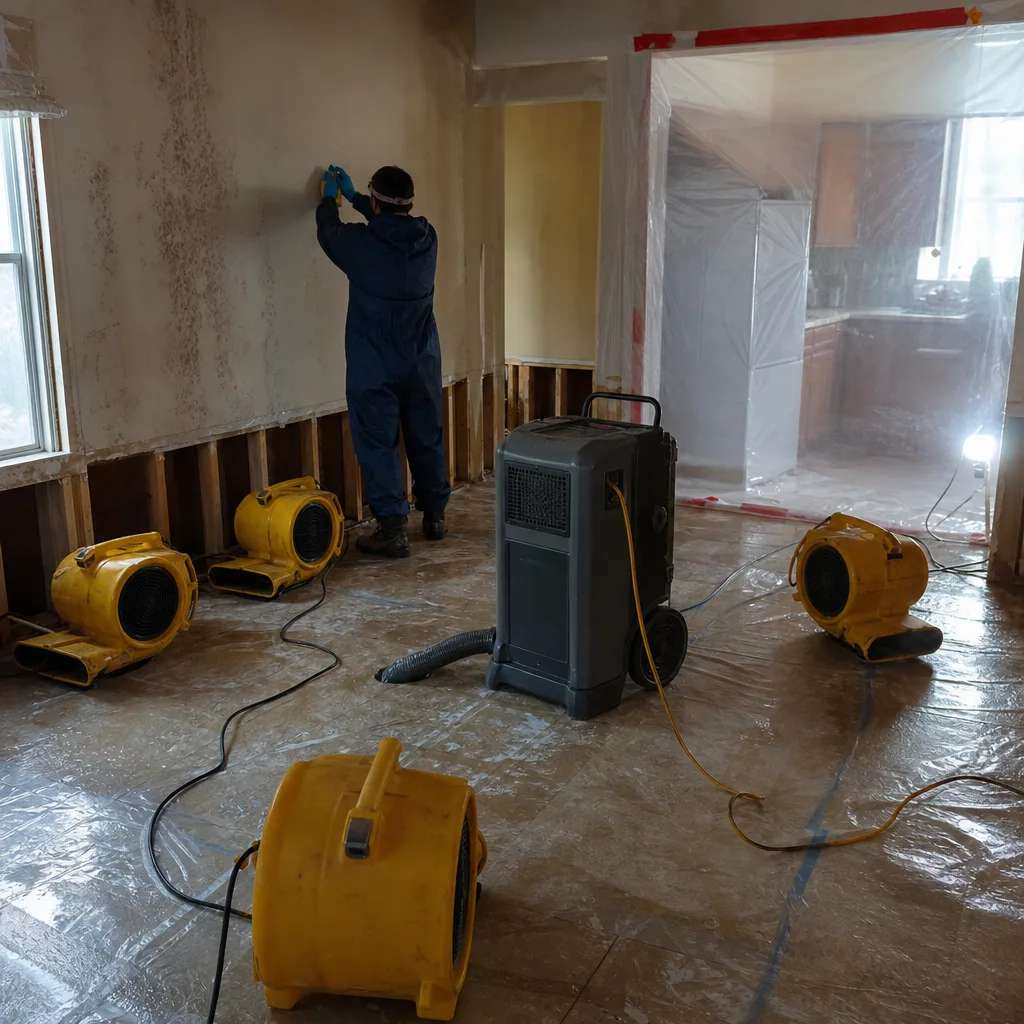
Black Water Extraction
Black water is what the industry calls Category 3 water from sewage, river flooding, or long-standing standing water. In Lyndhurst, black water from a Passaic River surge is common in Valley Brook and the surrounding streets. We treat it with full containment and EPA-registered disinfectants. This is not a pump-it-out-and-call-it-done job.
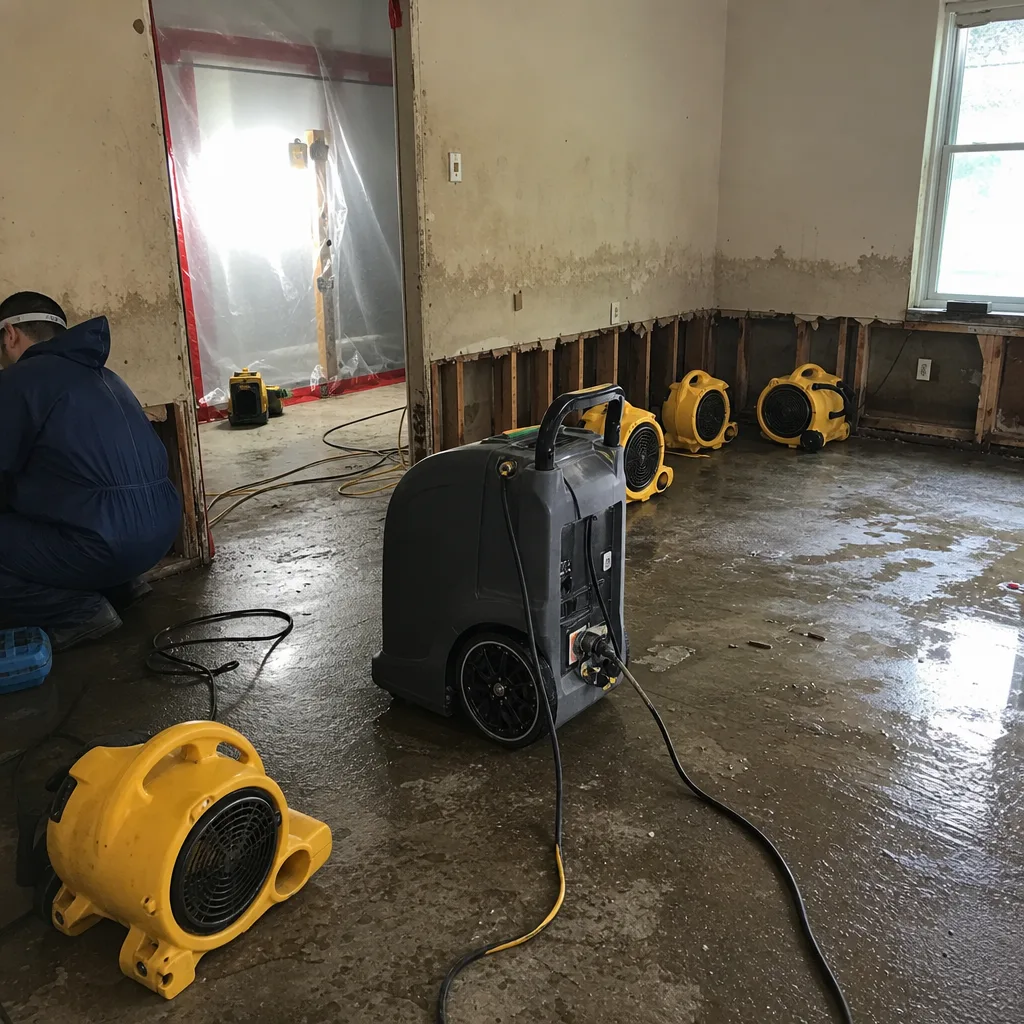
Crawl Space Sewage Removal
The crawl spaces under Lyndhurst bungalows are tight, dark, and often ignored until the smell gets into the living room. Sewage in a crawl space means working on your back in a confined space with full PPE. We do it, and we dry the ground and the joists, not just the visible surface. Crawl space sewage removal in Lyndhurst generally runs $3,200 to $7,800 depending on access and how far the waste traveled under the structure.
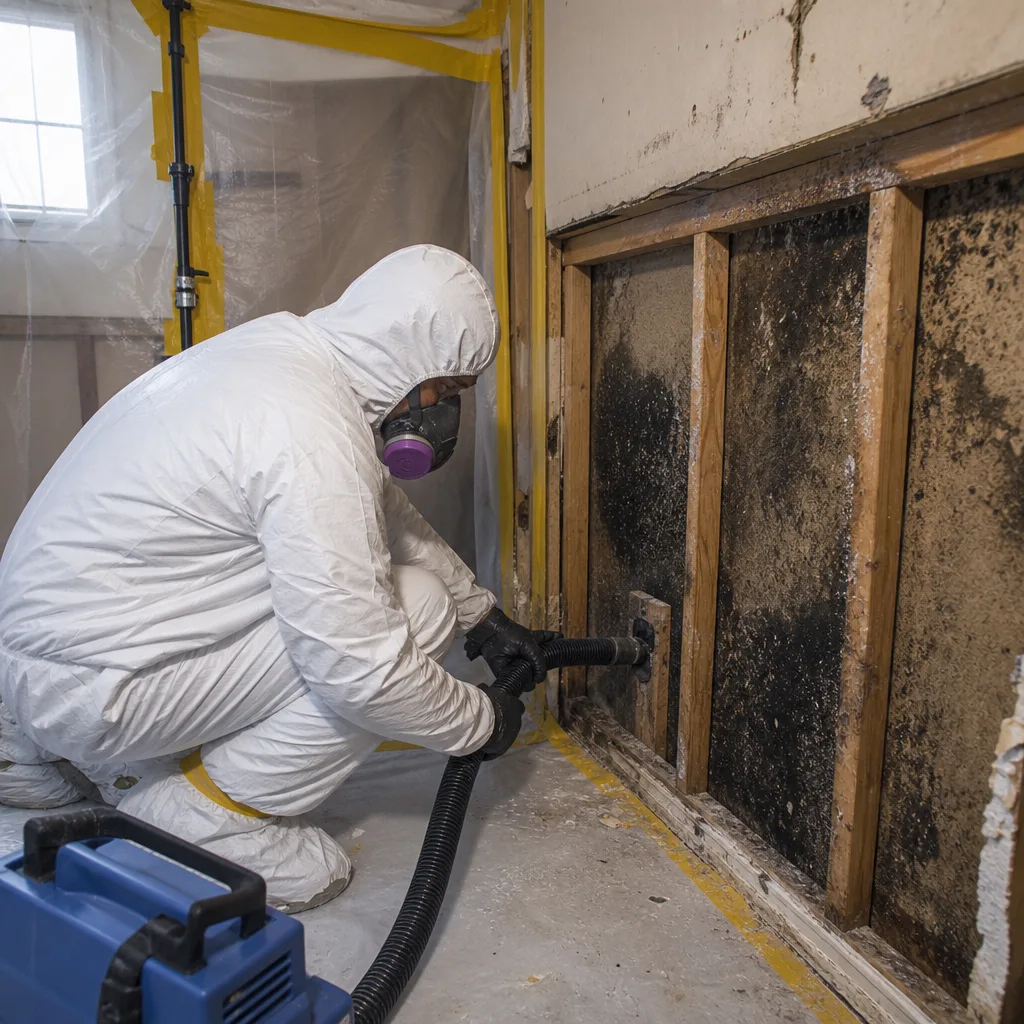
Toilet Overflow Cleanup
A toilet overflow that’s caught immediately and cleaned properly is one job. A toilet overflow in a second-floor bathroom that runs for an afternoon is another, because it soaks through the subfloor and drips into the ceiling below. In Lyndhurst, we see this in the older colonials on the east side, where 1940s plumbing meets modern dishwashers and washing machines. We cut out the affected ceiling, dry the cavity, and sanitize the whole path of the water.
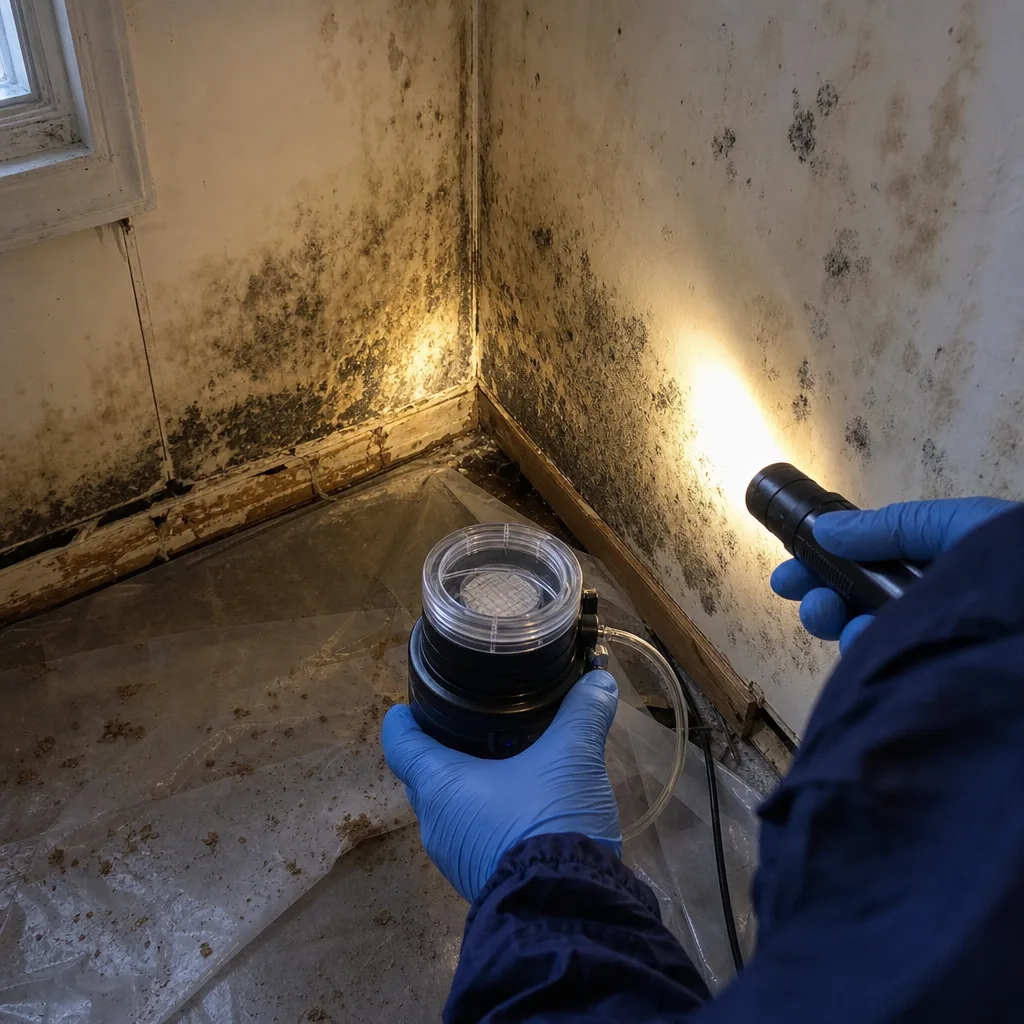
Sanitization & Disinfection
After sewage is gone, the microbes are not. We fog and wipe every affected surface with hospital-grade antimicrobials. We treat wall cavities, subfloor edges, and floor drains. In Lyndhurst, where basement humidity stays high year-round, this matters more because mold moves in fast after sewage leaves organic residue behind.
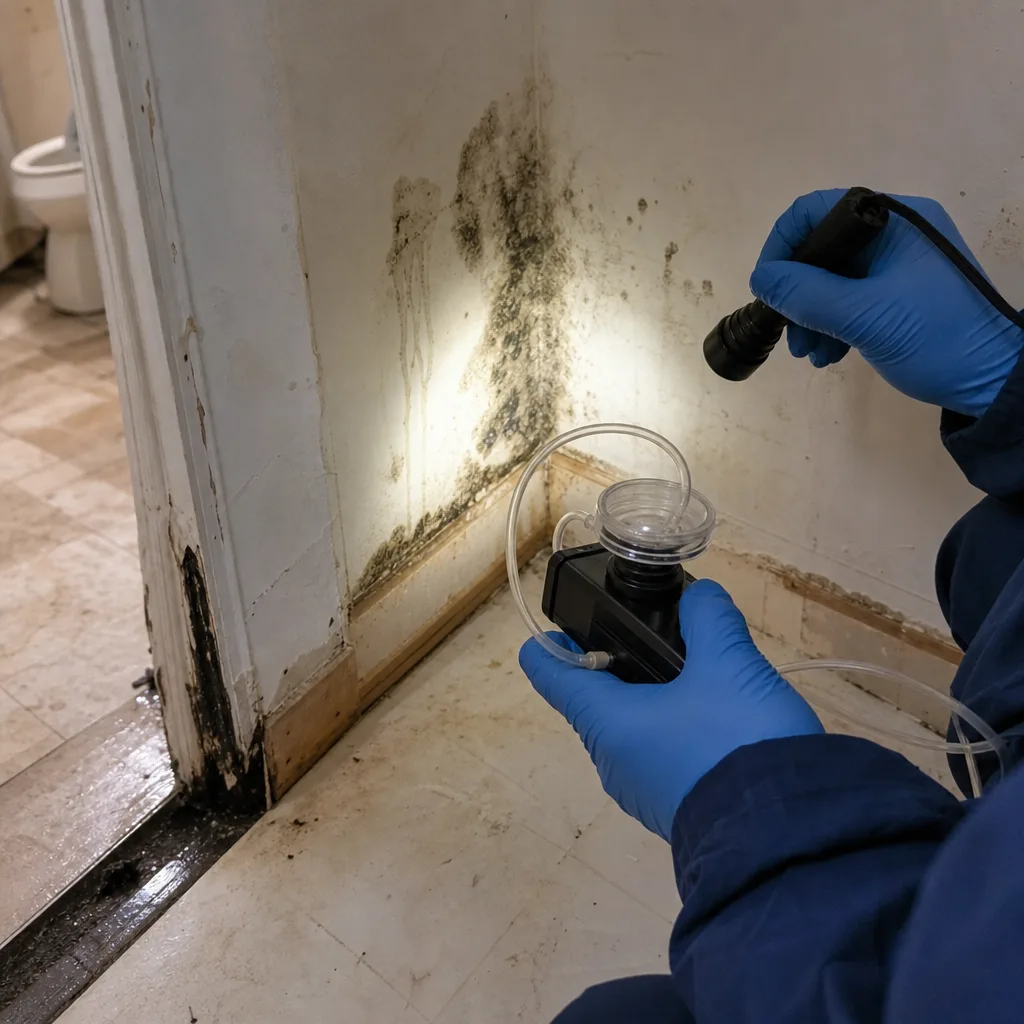
What happens when you call
- 1
A real person answersNo phone trees - you reach a local pro.
- 2
You get an upfront price rangeHonest numbers before anyone is dispatched.
- 3
A background-checked tech heads outLicensed & insured, dispatched right away.
- 4
You approve before work beginsNothing starts until you say go.
Sewage Cleanup Costs in Lyndhurst, NJ
Most sewage backup cleanups in Lyndhurst run between $2,500 and $7,500. A small toilet overflow caught immediately might be under $2,000. A full basement backup after a Passaic River surge with saturated drywall, carpet, and a contaminated crawl space can hit $12,000 or more before reconstruction. The big cost drivers are how much drywall and flooring has to come out, whether the crawl space or slab is affected, and whether repairs require township permits because of floodplain rules. If your policy covers sewage backup, you pay the deductible and we bill the carrier directly. If it’s a flood event and you have FEMA flood insurance, the process is slower but the coverage is there. Either way, we give you a free visual inspection and a written scope before you spend a dime. Call (856) 501-6142 and we’ll tell you what you’re looking at.
We Also Serve Cities Near Lyndhurst
Wade’s crews are on the road every day in North Arlington, Rutherford, East Rutherford, and Kearny. If you’re a mile or two over the Lyndhurst line, the same 45-minute response and the same written scope applies. Bergen County is our backyard.
Serving Lyndhurst, NJ - Our Local Coverage Area
We’re based in the Lyndhurst area and know this community well. Use the map below to see our service coverage - if you’re nearby, we can almost certainly help.
Lyndhurst Sewage Cleanup Questions, Answered
How does Lyndhurst’s location along the Passaic River change how you scope a sewage cleanup?
We have to treat every Lyndhurst sewage backup as a potential floodplain event, not just a plumbing failure.
Because much of the town sits at or below the Passaic’s flood elevation, sewage water can be coming from two sources at once: a backed-up private line and groundwater pushing up through the slab. We check both before we scope. We also check your prior flood insurance claim history, because homes with repeat claims may be subject to FEMA’s substantial damage rule, which changes what the township will allow us to repair without a bigger compliance conversation.
What does the township require before you start sewage mitigation in Valley Brook?
If your home is in a FEMA-designated flood zone and has prior flood claims, the township’s floodplain administrator may require documentation of the pre-loss condition and a repair scope that doesn’t push the home past the 50% substantial damage threshold.
We document everything before we touch the structure. Photos, moisture readings, the pre-loss condition of the slab and walls. If the scope is going to require permits or elevation work, you want to know that before the drywall is out, not after. We flag it early, in writing.
Can you dry out sewage-soaked drywall in these older Lyndhurst basements, or does it all come out?
Sewage-soaked drywall comes out. There is no drying it in place.
Category 3 water leaves pathogens inside the gypsum and paper facing that no antimicrobial can fully reach. We cut the drywall out at least 12 inches above the visible water line, because sewage wicks upward through the material. Baseboards and trim come out too if they absorbed water. Anything that can’t be cleaned goes. We don’t get sentimental about drywall.
How do you handle repeated sewage backups in the same Lyndhurst house?
If you have had sewage in the same basement two or three times, the cleanup is not the real problem. The source is the problem.
We look at the line, the sump discharge, the perimeter drainage, and the relationship between your floor drain and the street main. We documented one Valley Brook Avenue home where a 1950s slab had been re-remediated twice by other companies, and nobody had addressed the undersized sump that was pumping in a loop. Fix the source, and the third cleanup becomes the last cleanup.
Will my Lyndhurst homeowner’s insurance cover sewage cleanup from a Passaic River surge?
Generally no. The Passaic River rising is classified as flood damage, not sewer backup, and standard homeowner’s policies exclude flood.
If you carry a separate FEMA flood insurance policy, that’s the coverage that applies. If the backup came from a clog inside your own line with no river involvement, your homeowner’s policy probably covers it under the sewer backup endorsement, if you have one. We can help you figure out which carrier to call and handle the documentation either way.
How fast can you actually get to a sewage backup in Lyndhurst?
We aim for 45 minutes from your call to our arrival at your door, anywhere in Lyndhurst.
Wade answers his own phone, and he is already on the road when he hangs up. We’re not queuing your call behind a call center in another state. The fastest way to find out is to call (856) 501-6142 and see for yourself.
Do you deal with my adjuster, or do I have to be the middleman?
We deal with the adjuster directly.
You hired us to clean up sewage, not to spend hours on hold with an insurance company. We send the adjuster the photos, the moisture logs, the line-item scope, and the daily drying logs. When they have questions, they call us. If they need to inspect, we meet them at your house. You stay out of the middle.
What should I do in the first 30 minutes after sewage backs up in Lyndhurst?
Shut off the water to the affected fixture, turn off power to the basement if water is near outlets or the panel, move anything you care about to higher ground, and call us.
Do not run the HVAC system. Do not flush toilets or run washing machines. Do not walk through the sewage and then walk through the rest of the house. The goal is to stop the spread while you wait for us to get there. One call to (856) 501-6142 and we’re on the way.
One More Thing About Lyndhurst Sewage Work
In Lyndhurst, a sewage backup is rarely just a plumbing issue. It’s a floodplain event. The town sits directly on the Passaic River, and the flat Meadowlands terrain to the east means there’s almost no natural runoff relief when the water rises. Homes near Valley Brook and Riverside Avenue get hit during river surges, then hit again a year or two later. Repeated claims on the same property can trigger FEMA’s substantial damage rule, which means when cumulative repair costs pass 50% of the home’s pre-flood value, the township gets involved and the project changes from a cleanup to a structural compliance situation. We have walked homeowners through this before. We know to pull your prior claim history before we scope, so you don’t get surprised mid-mitigation. That’s the kind of thing you can only learn by doing sewage work in Lyndhurst, not by reading a franchised training manual.
If you have sewage in the basement right now, call (856) 501-6142. The call is free, the inspection is free, and you’ll talk to a real person who knows Lyndhurst. If it’s not an emergency yet, call anyway. Better to know what you’re dealing with before the next storm does the scoping for you.
Written by Wade Ferris, Owner at Wade’s Restoration, serving Lyndhurst and all of Bergen County since 2007.