
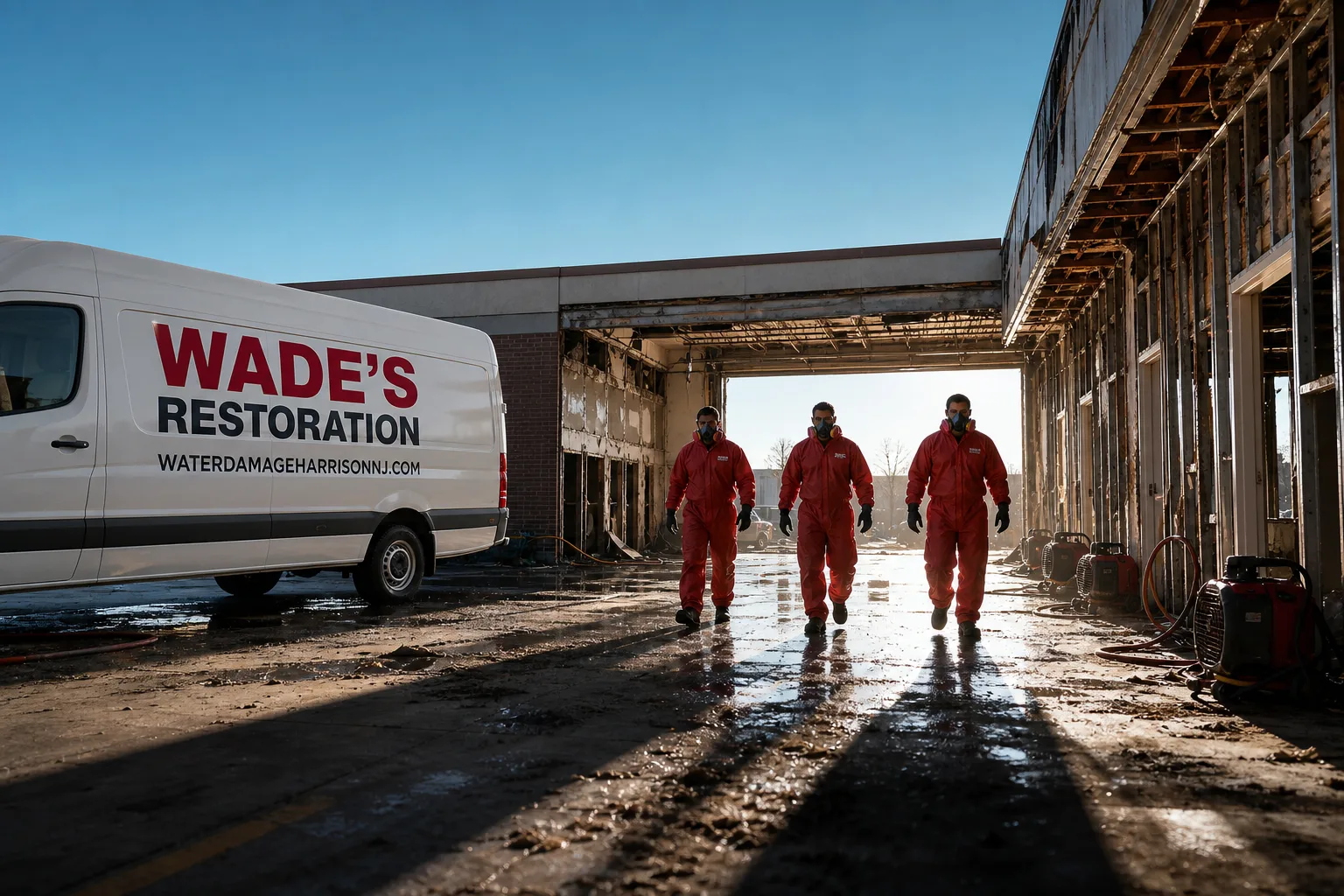
Free visual inspection and a written scope of work before any mitigation begins - photos, moisture readings, and drying logs go in your claim file
The scope we write is the scope we bill. Anything new gets shown to you, in writing, before we touch it.
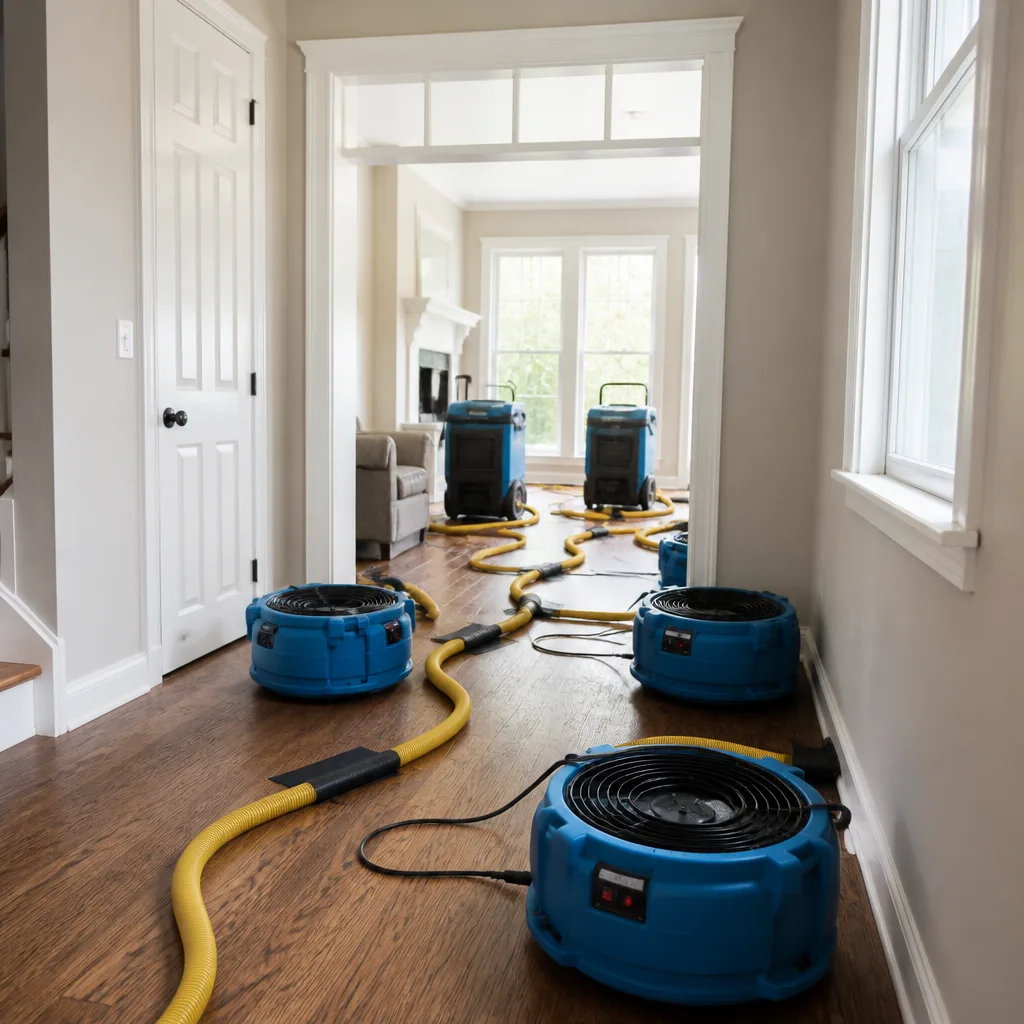
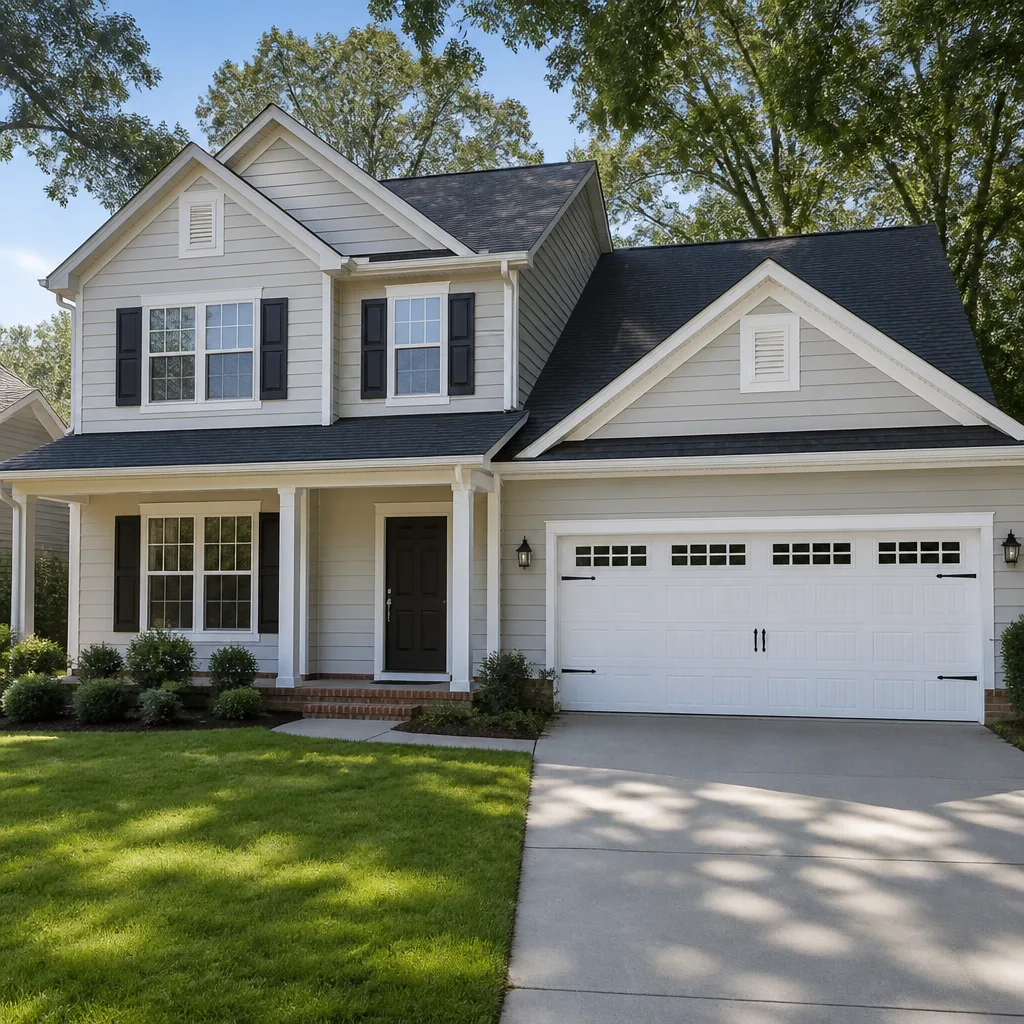


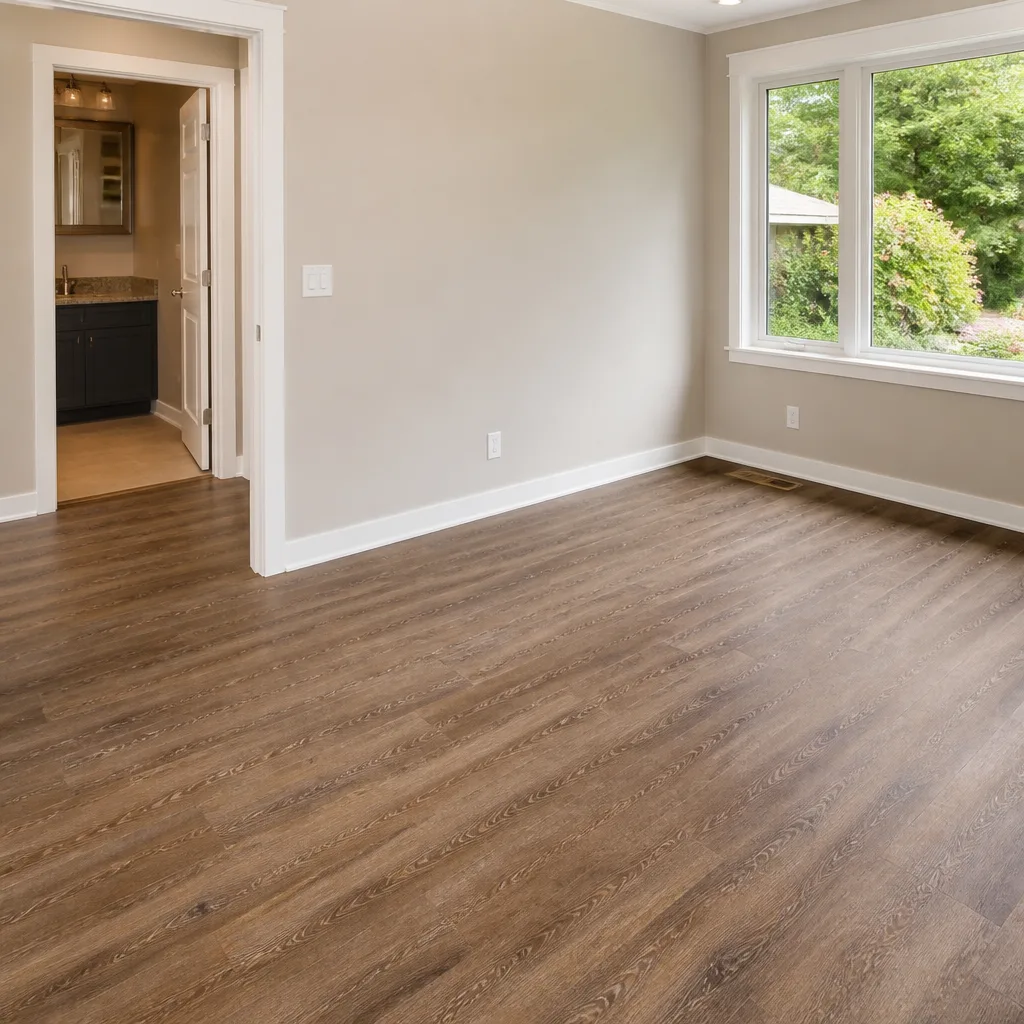
 Before
 After
After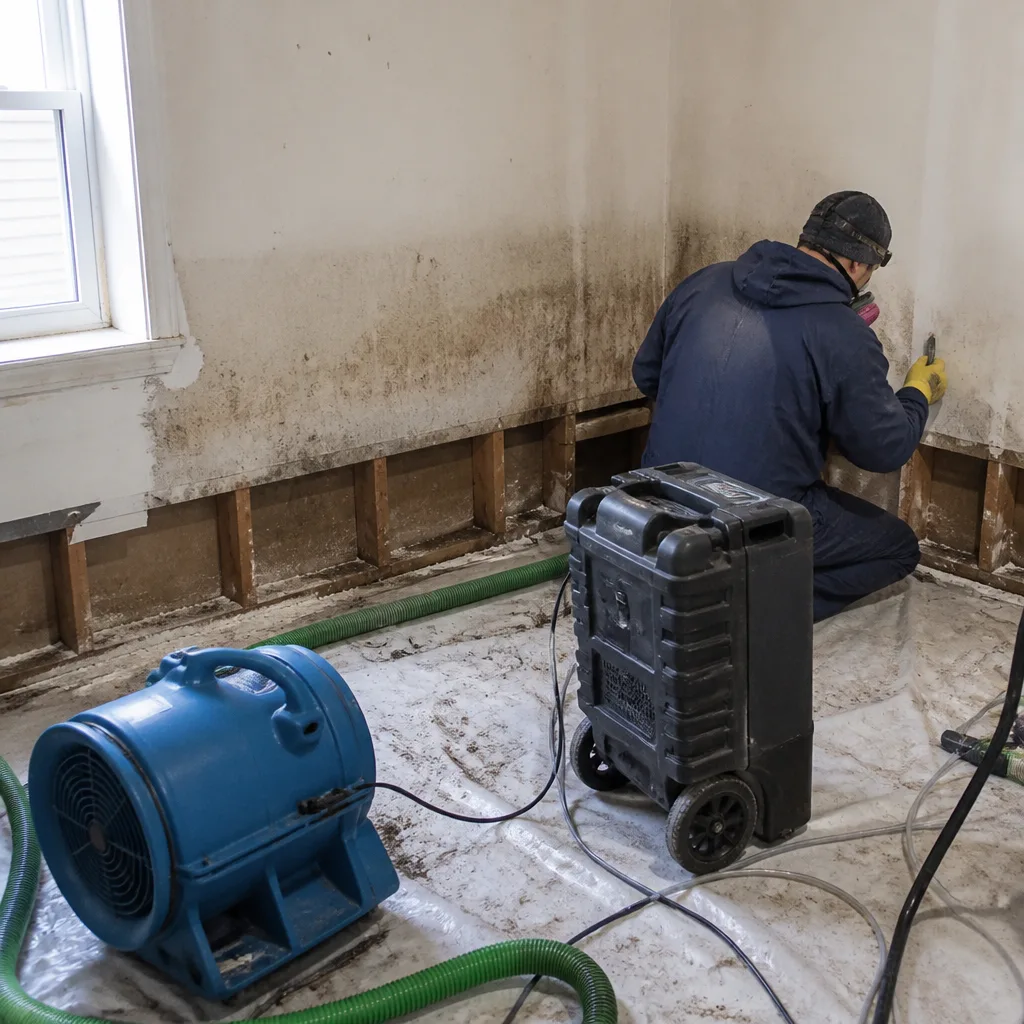 Before
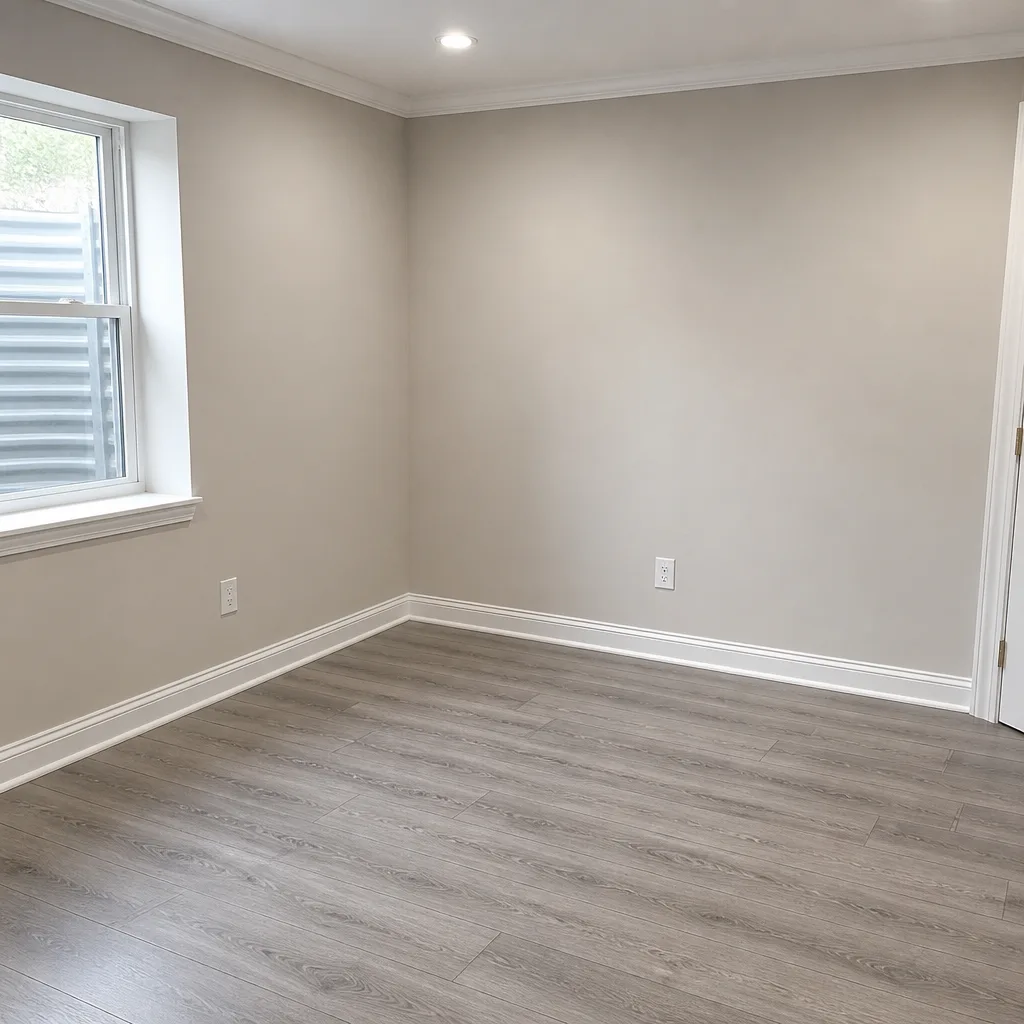 After
After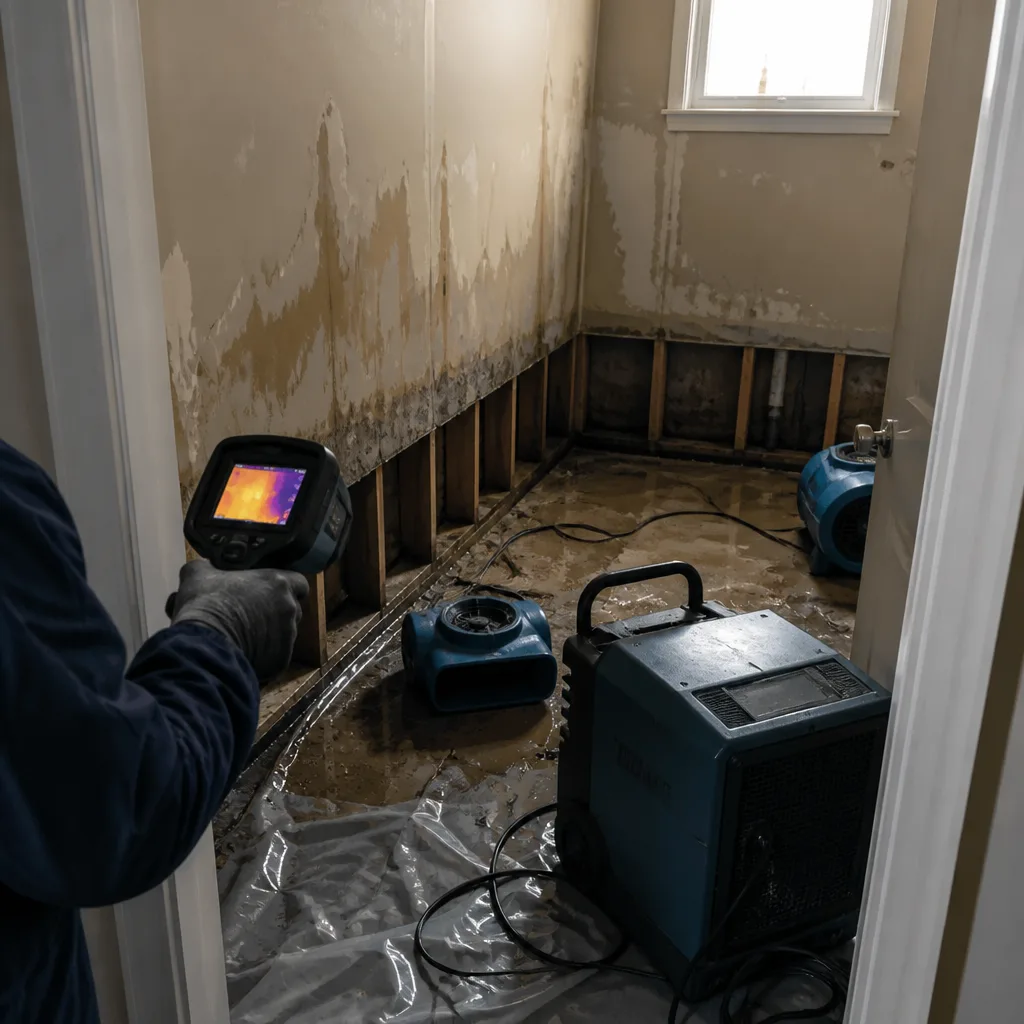 Before
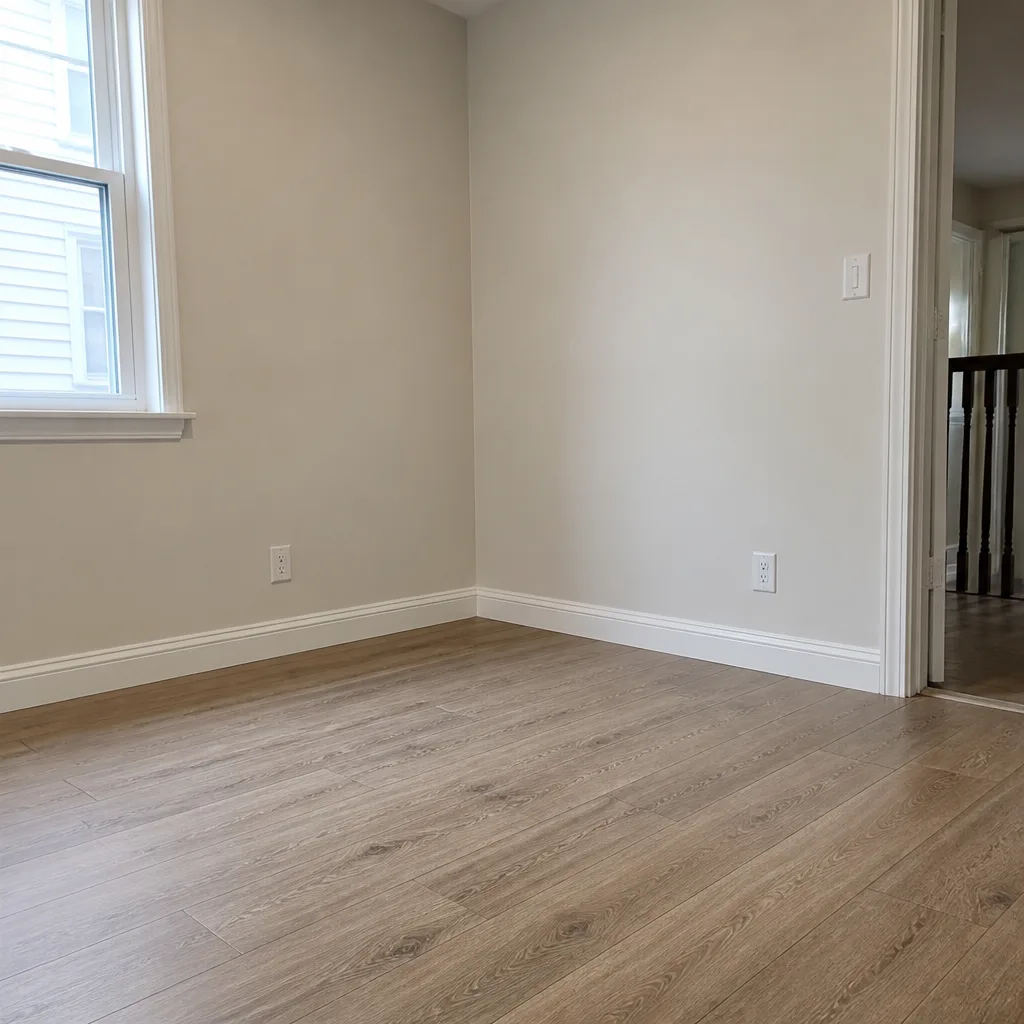 After
After24/7 Emergency Sewage Cleanup in Hoboken
A sewage backup in a Hoboken garden apartment or basement is not a mop-and-bucket problem. It is Category 3 water, loaded with bacteria, viruses, and whatever the combined sewer system pushed back through your floor drain. We answer live around the clock, and our crews staging near the Observer Highway corridor can be on site and starting extraction before the water line finishes climbing your baseboards. Call (856) 501-6142 the moment you see it. The first hour matters more in Hoboken than almost anywhere else in the region, because sewage-laden moisture migrates laterally through century-old brick party walls into adjacent units within 24 to 48 hours. What starts as one garden-level backup becomes two or three affected apartments, fast. A free visual inspection puts eyes on the scope immediately, and we carry the equipment on every truck to begin black water extraction without waiting on a warehouse run.
Understanding Sewage Cleanup Severity in Hoboken Properties
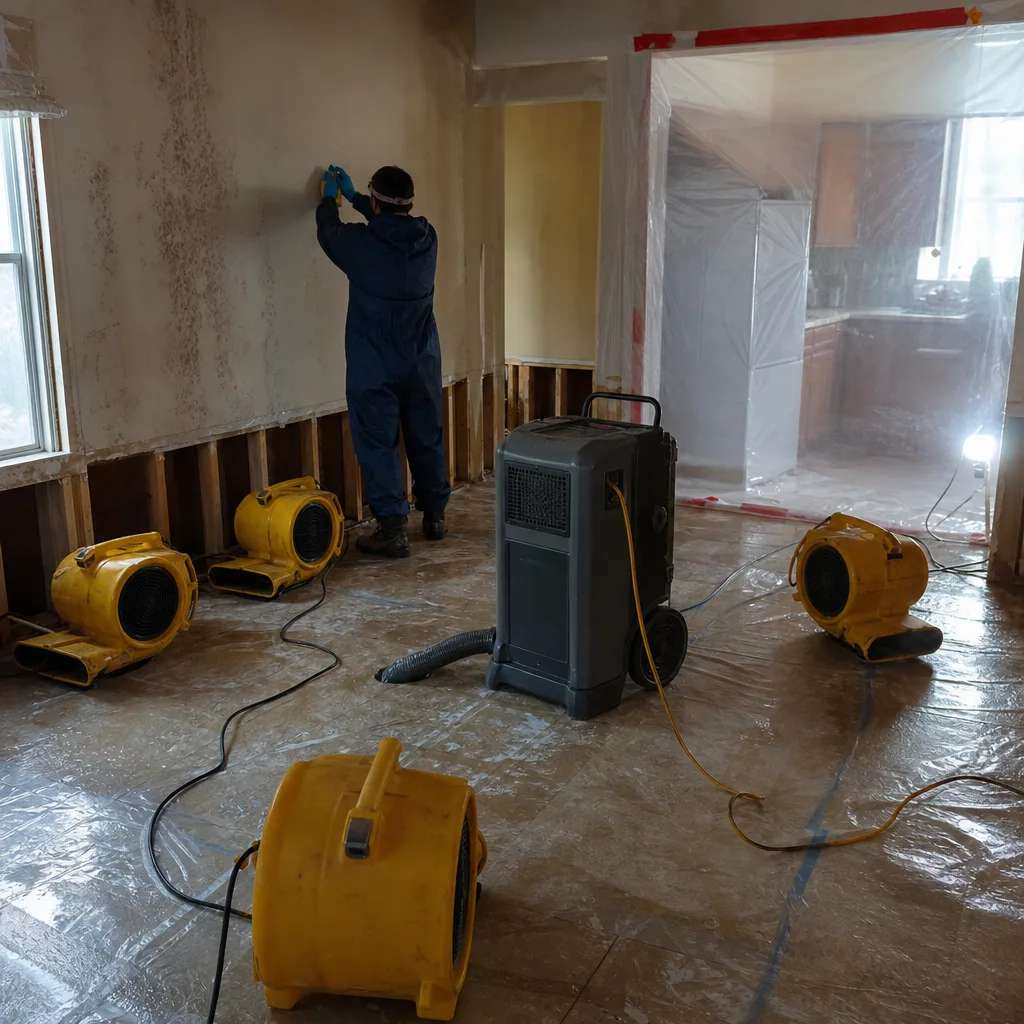
The restoration industry classifies water damage in three categories, and Hoboken’s flood-bowl geography pushes a remarkable number of incidents straight to the worst one. Category 1 is clean water from a supply line. Category 2 is contaminated, gray water from washing machines or dishwashers. Category 3 is black water: sewage, floodwater that has picked up waste, or anything that has sat long enough to breed pathogens. When the Hudson River tides push seawater backward through Hoboken’s combined sewer outfalls, the water rising through floor drains in garden-level units on Monroe or Jefferson Street is Category 3 by definition. It is not rainwater. It is diluted sewage. That distinction drives protocol: full PPE for our crew, containment barriers to stop aerosolized contaminants from spreading, removal of saturated porous materials (drywall below the water line, carpet, pad), antimicrobial treatment, and days of structural drying with Phoenix desiccant dehumidifiers and high-volume air movers. Hoboken’s housing stock makes this harder than it looks to the untrained eye. Brick and plaster from the 1890s absorbs water differently than modern gypsum and pine. You cannot rush masonry dry. You can only measure it daily and hold the line until the moisture meter reads dry standard.
Why Hoboken Property Owners Choose Wade’s Restoration
- 45-minute response commitment in Hoboken. Crews stage near the city’s low-lying blocks during storm watches, so when the call comes we are already close. Not “we’ll be there this afternoon.” Minutes.
- Live answer, 24 hours a day. You get a person on the phone at 2 a.m., not a menu tree. Often that person is Wade Ferris, who still answers his own cell.
- IICRC-certified crews trained for WRT and ASD protocols. Sewage work is Category 3, full stop. The people we send know the difference between cleaning and decontaminating, and they log everything.
- Free visual inspection, with a written scope before work starts. You will know what we are going to do, what it will cost, and why, before a single piece of equipment comes off the truck. No surprises at the door.
- Direct insurance billing and adjuster communication. We hand your carrier the photos, moisture readings, and line-item estimate ourselves. You are not the messenger between two parties who do not know each other.
- One team from extraction through reconstruction. The same crew that pumps out the black water is the crew that hangs the new drywall. No handoffs, no lost context, no re-explaining your rowhouse’s quirks to a stranger.
Our Sewage Cleanup Process
Inspection & Assessment
We walk the affected area, identify the entry point (floor drain, toilet, service line), and classify the contamination level. Moisture mapping with thermal imaging shows how far sewage-laden water has moved through walls, under cabinets, and into the slab. You get a written scope and a firm price before work begins.
Extraction & Stabilization
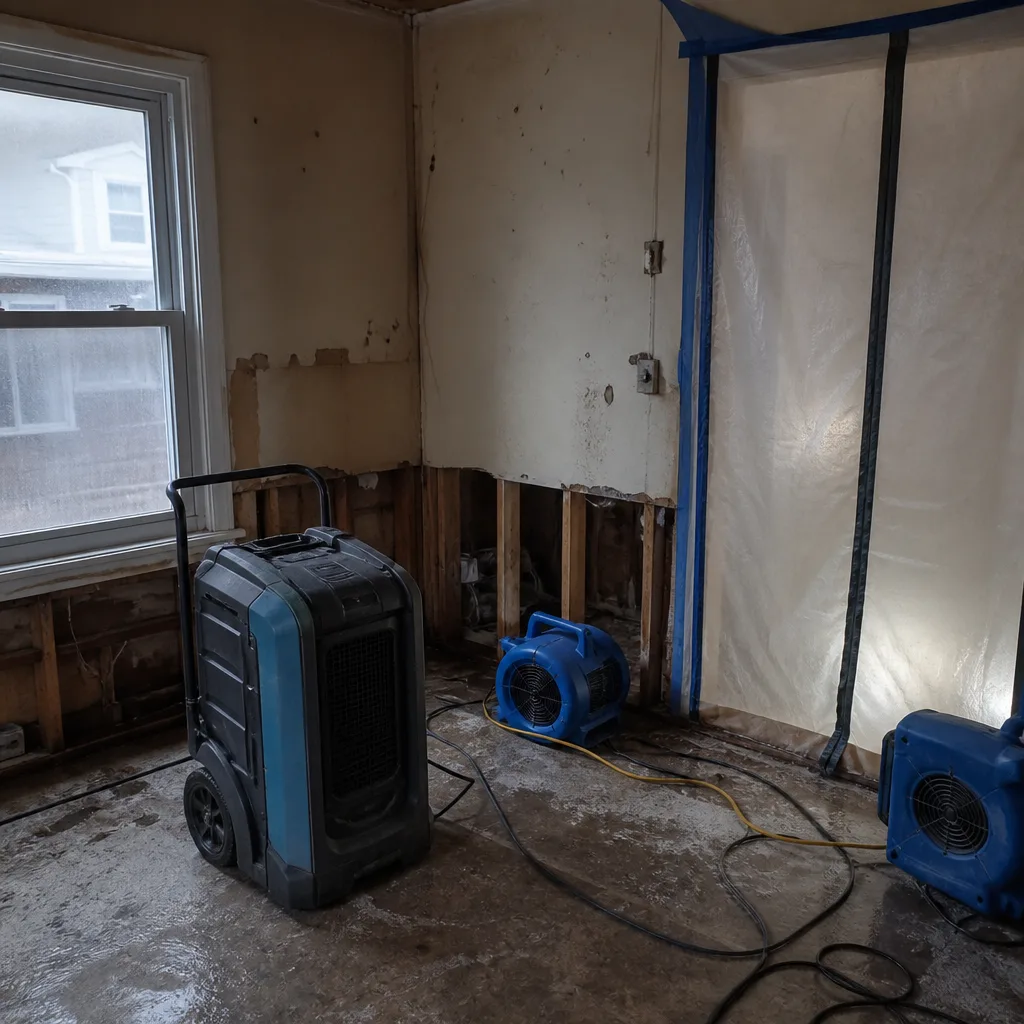
Black water comes out using a Dri-Eaz truckmount, which pulls hundreds of gallons per hour. We remove saturated carpet, pad, and drywall below the water line. Containment goes up before we disturb anything, so contaminated air does not spread into clean parts of the building.
Drying & Dehumidification
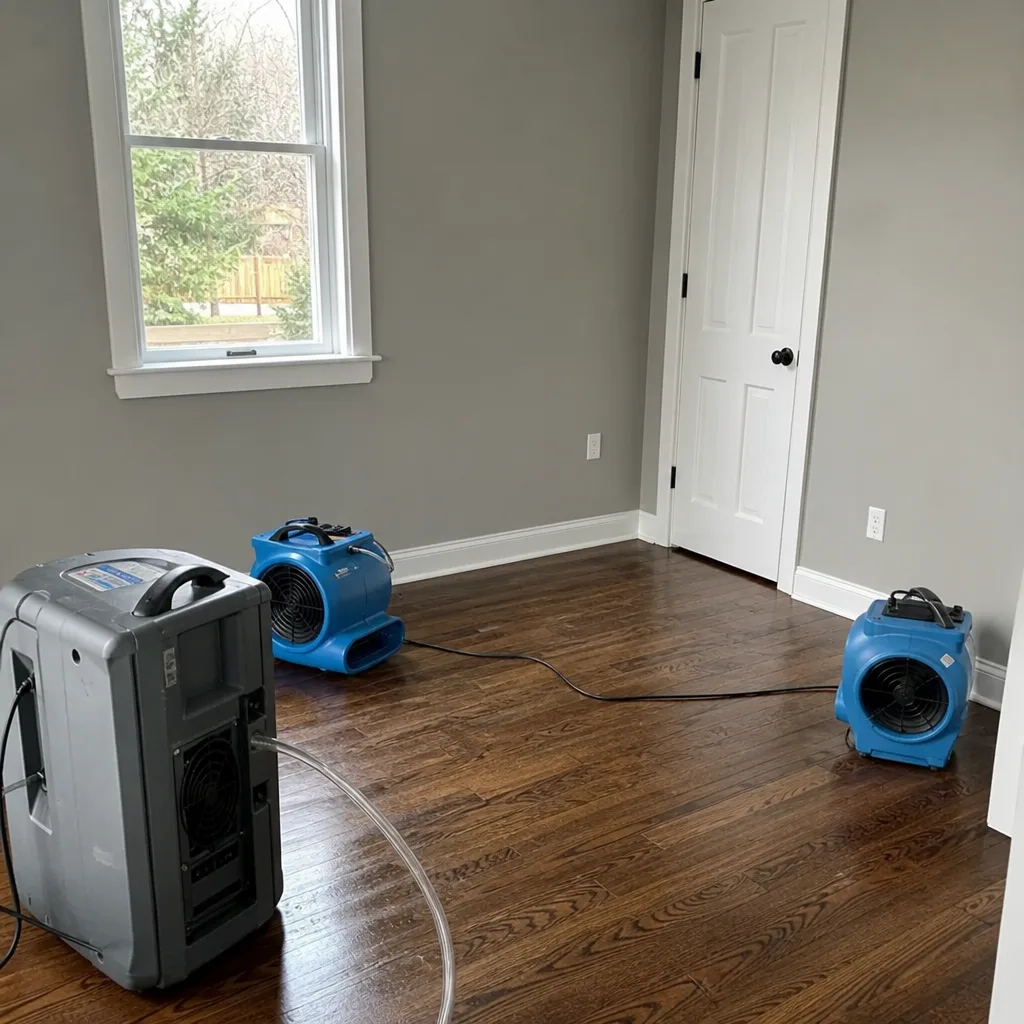
Hoboken’s high water table keeps slabs saturated, so extraction alone is never enough. Phoenix desiccant dehumidifiers run continuously for days, with air movers positioned to dry wall cavities from inside. We take moisture readings every single day and hand you the full log at job’s end.
Cleaning & Sanitization
All affected hard surfaces get antimicrobial treatment appropriate for Category 3 contamination. Framing, subfloor, and masonry that can be saved are scrubbed, treated, and sealed. We do not just dry a surface that had sewage on it and call it clean.
Containment of Lateral Migration
In attached Hoboken brownstones, moisture moves through party walls into the neighboring unit. We inspect the adjoining wall and floor system, map any cross-contamination, and expand containment as needed. This step saves building owners from a second claim two weeks later.
Repairs & Restoration
Once drying logs confirm dry standard, we rebuild: new drywall, trim, flooring, and paint. The same crew handles it, so the 90-Day Done Right Promise stays simple: if it is not done right, Wade makes it right, in writing.
Need Emergency Sewage Cleanup in Hoboken Now?
Crews minutes away, answering live 24 hours a day. The sooner we start, the less it costs.
Working With Your Insurance Company
Sewage backup claims in Hoboken are familiar territory for adjusters, but the details win or lose coverage. Most policies treat sudden sewer backup as a separate coverage line, often with a sublimit that can be exhausted quickly if the damage spreads into walls and flooring. We document from the first hour: photos of the standing water, the entry point, and every affected surface, before and after extraction. Daily moisture readings from our drying logs become the evidence your carrier uses to approve additional living expenses if the unit is uninhabitable. We have been dealing with adjusters in New Jersey for years. We know what they need to see, and we send it directly. You do not sit on hold with an 800 number trying to explain Category 3 water to a claims clerk. We handle it.
What We Provide Your Insurer
- Thorough documentation of the loss
- Photos of all damage, room by room
- Moisture readings and drying logs
- A detailed, line-item scope of work
- Direct coordination with your carrier
Built for Hoboken’s Loss Calendar
Hoboken’s sewage cleanup calls do not arrive evenly across the year. They spike hard in specific windows, and the locals know it. January and February bring deep freezes that burst aging supply lines in unheated garden units and converted basements. March and April thaw, and the water table stays so high that lower-floor units see seepage even without rain. Summer thunderstorms dump inches per hour onto a city that is, topographically, a bowl. The stormwater pipes fill past capacity, and whatever cannot drain down comes back up through the lowest openings it can find. Nor’easters in late fall and winter bring the tidal surge that pushes the Hudson backward into the combined sewer. The combined system under Hoboken carries sewage and stormwater in the same pipes. When the city gets hit from both directions, tide plus rainfall, the result is sewage-laden water rising through floor drains in garden apartments on the western blocks and around Church Square Park. Our crews watch the same forecasts you do and stage equipment before the worst arrives, because in Hoboken, the calls all come at once when the rain stops.
Sewage Cleanup Across Hoboken’s Neighborhoods
Hoboken is one square mile, but the failure patterns change block to block. The garden-level apartments west of Washington Street, down near Observer Highway and the old rail corridor around Willow Avenue, sit lowest and flood first. These are the units that back up within hours, not days, of a storm. We route crews to that corridor early when forecasters mention tidal surge. The brownstones along Bloomfield and Garden Streets, built tight to the sidewalk in the 1880s and 1890s, share party walls that transmit moisture laterally within 24 to 48 hours, so a single-unit sewer backup often means checking the neighbor’s wall cavity before it becomes a second loss. Up in the uptown blocks near 11th and 12th Streets, the housing stock is slightly younger but the sewer laterals are just as old. Cast iron and clay pipe from the 1920s finally gives out, and tree roots in the narrow tree pits along the curb find the cracks. The result is a backup that has nothing to do with weather and everything to do with a century-old waste line doing what century-old waste lines do. Our Sewage Cleanup team knows these patterns block by block because we have pulled water out of nearly every type of building Hoboken has.
Specialized Sewage Cleanup Services We Offer in Hoboken
Sewage Backup Cleanup
The defining Hoboken version of this job is the combined sewer backup during heavy rain. Sewage enters through floor drains, tubs, and the lowest toilet in the building. We treat it as full Category 3 contamination, not a water spill. Containment, extraction, removal of saturated materials, antimicrobial treatment, and drying to standard. In a city where this recurs, we also document the entry point clearly so you can take the repair to your plumber or landlord with evidence.
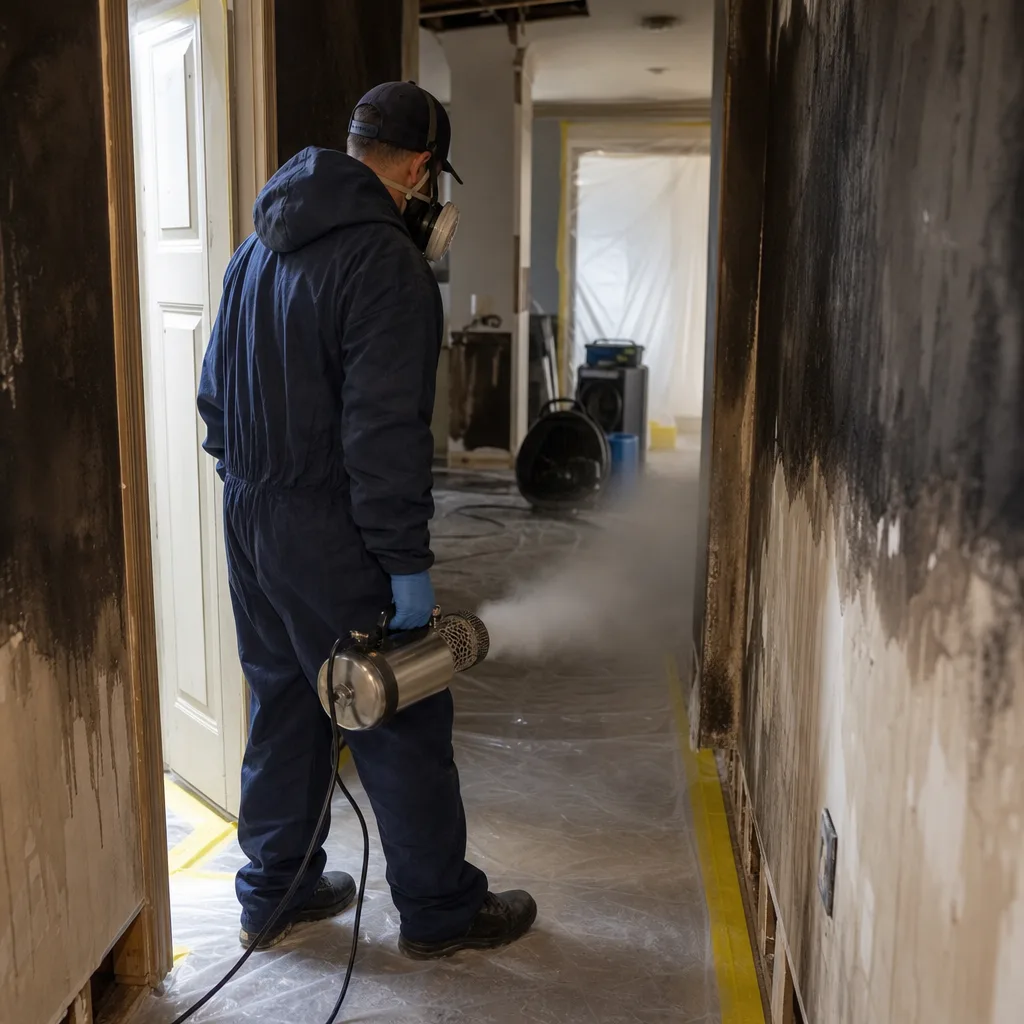
Black Water Extraction
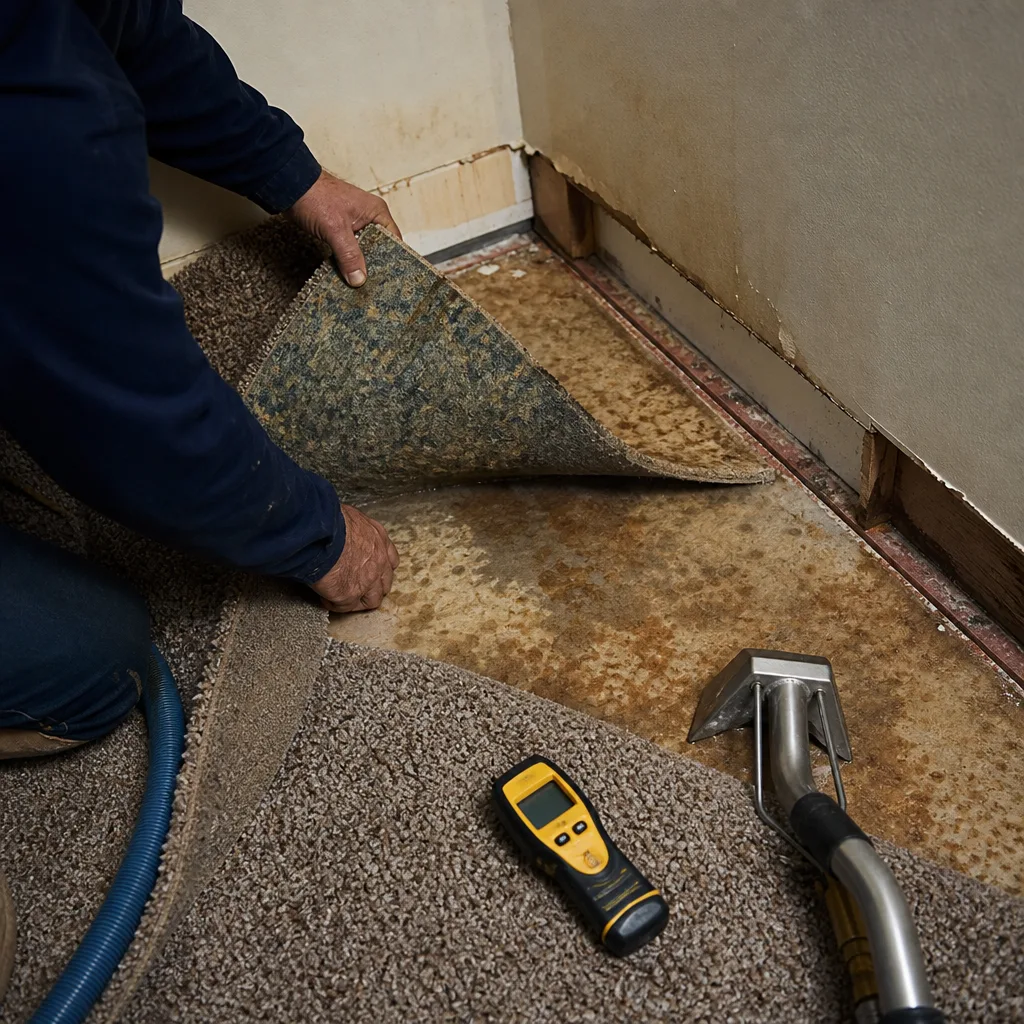
On a nor’easter shift near Observer Highway and Willow Avenue, our crew arrived as water pooled in a 1890s brownstone’s garden apartment. We set containment and used a Dri-Eaz truckmount for black water extraction before the call volume spiked across the block; moisture mapping showed lateral migration through the party wall, so we expanded scope to the adjoining unit and logged antimicrobial treatment and structural drying on every affected surface. Speed matters because the water is not just wet. It is infectious.
Sanitization & Disinfection
Drying a surface is not the same as making it safe. Sewage contains E. coli, Salmonella, Hepatitis A, and a long list of other pathogens that survive in porous materials long after the water is gone. Every surface we treat gets the appropriate antimicrobial protocol, and we pay attention to what most contractors miss: the floor drain itself, the underside of baseboards, the cavity inside the wall, the back side of the toilet. If it touched Category 3 water or the aerosols that rose from it, it gets treated or removed.
What happens when you call
- 1
A real person answersNo phone trees - you reach a local pro.
- 2
You get an upfront price rangeHonest numbers before anyone is dispatched.
- 3
A background-checked tech heads outLicensed & insured, dispatched right away.
- 4
You approve before work beginsNothing starts until you say go.
Sewage Cleanup Costs in Hoboken, NJ
A one-room garden-level sewage backup cleanup in Hoboken with no structural impact typically runs $1,800 to $4,200. That covers extraction, containment, removal of saturated carpet and lower drywall, antimicrobial treatment, and several days of drying equipment. When the backup affects multiple rooms, requires opening brick party walls, or includes a full bathroom rebuild, the number moves to $6,000 to $12,000 or more. What drives cost in Hoboken specifically: access. Garden units have narrow stairwells, no freight elevator in most buildings, and parking is tight. Masonry walls dry slowly, so equipment runs longer. If you file a sewer backup claim, most policies cover the cleanup under a backup endorsement, which may have a $5,000 or $10,000 cap. We give you a written line-item scope before work starts, and we bill your carrier directly. Call (856) 501-6142 for a free inspection. No charge for that, and if you already have an estimate from another company, bring it in. A second opinion is free.
We Also Serve Cities Near Hoboken
Same team, same live answer, same equipment. We cover Hoboken plus the surrounding communities including Union City, Jersey City, Secaucus, and Kearny. Wherever the call comes from, the crew is close and the answer is a person.
Serving Hoboken, NJ - Our Local Coverage Area
We’re based in the Hoboken area and know this community well. Use the map below to see our service coverage - if you’re nearby, we can almost certainly help.
Hoboken Sewage Cleanup Questions, Answered
Why does sewage back up into Hoboken garden apartments during moderate rain, not just hurricanes?
Hoboken runs on a combined sewer system, meaning stormwater and sewage share the same underground pipes. When rain fills those pipes past capacity, the mixture has to go somewhere, and the lowest openings in your plumbing are the path of least resistance. In garden-level and below-grade units, that means floor drains and toilets back up with Category 3 black water. Moderate rain is enough when the tide is already high because the system’s outflow to the Hudson is physically blocked by river water. It is geography and infrastructure, not bad plumbing. Call us the moment you see it, and do not flush or run water anywhere in the building until the drain stops backing up.
How fast does moisture move from a flooded Hoboken unit into my neighboring brownstone?
Within 24 to 48 hours. The party walls in Hoboken’s 19th-century brownstones are unreinforced brick and mortar, not sealed assemblies. Water and moisture vapor move through them laterally, especially when both sides are garden level and share the same footing. We routinely find the adjoining unit’s baseplate and wall cavity wet on jobs where the original backup was contained to one apartment. That is why we inspect and map the adjacent wall on every attached-building sewage job, and why fast extraction matters more in Hoboken than in a detached house in the suburbs. A free inspection after a backup catches the spread before it becomes a second claim.
What does ‘Category 3 water’ mean for a Hoboken toilet overflow cleanup?
Category 3 means the water contains or is likely to contain pathogenic, toxigenic, or other harmful agents. A toilet overflow where it is just clean tank water is one thing. A toilet that backed up from a combined sewer line is something else entirely. That water carries whatever was in the municipal sewer, and it demands full PPE for the crew, containment, removal of porous materials, and antimicrobial treatment. It is not a cleaning job. It is a decontamination job, and treating it as anything less leaves your family and your neighbors exposed to pathogens you cannot see.
Can you dry out sewage-soaked brick walls in an old Hoboken rowhouse, or do they have to be opened?
Brick itself does not absorb water the way drywall does, but the mortar joints do, and the wall cavity behind the lath and plaster stays wet for weeks without intervention. Usually the interior finish below the water line has to come out to dry the cavity and treat the framing. The brick is cleaned, treated, and dried in place. We run Phoenix desiccant dehumidifiers and air movers for days on old masonry, because it releases moisture slowly. Rushing this in a Hoboken brownstone means the wall cavity stays damp behind new drywall, and that is how mold claims start. We take daily moisture readings and show you the log.
Why does Hoboken flood more than neighboring Jersey City, and what does that mean for sewage cleanup scope?
Hoboken sits in a flat topographic bowl, nearly at sea level, where stormwater draining off the Palisades at the west side pools with nowhere to go. Jersey City has more elevation and newer stormwater separation in parts, so water runs off instead of backing up. In Hoboken, the floodwater mixes with sewage in the combined system and comes back up through drains. That means a Hoboken basement flood is more likely to be Category 3 than similar flooding across the river. The scope is bigger: more removal, more treatment, more drying days, and more documentation for your carrier. We know the difference because we work both sides.
How fast can you actually get to my Hoboken apartment?
Our commitment in Hoboken is 45 minutes or less for emergency sewage backup calls, because crews are stationed near the low-lying western blocks when weather is threatening. Routine calls are scheduled same day. You reach a live person at (856) 501-6142. Not a call center. Not a queue. If Wade Ferris answers, that is him, and he will tell you when the truck rolls.
Will my insurance cover sewage cleanup in Hoboken?
Most homeowner and condo policies cover sudden sewer backup only if you carry a specific backup endorsement, and it usually has a cap, often $5,000 to $10,000. We file directly with your carrier and document everything from hour one so the claim is clean. If you do not have the endorsement, you are looking at out-of-pocket, and we will tell you the real number before we start, with a written scope. No pressure to add work. A free inspection gives you the exact figure.
What should I do in the first 30 minutes after sewage backs up in Hoboken?
Turn off power to the affected area at the breaker if you can reach it without stepping in water. Do not flush toilets or run sinks, anywhere in the building. Do not use a shop vac. Keep children, pets, and anyone with a compromised immune system away from the area. Call (856) 501-6142. The faster we extract, the less material has to come out and the lower the chance of lateral migration into a neighboring unit. Then call your landlord or your insurance carrier, but call us first. The water is not waiting.
Written by Wade Ferris, Owner at Wade’s Restoration, serving Hoboken with 24/7 sewage cleanup and restoration crews.