
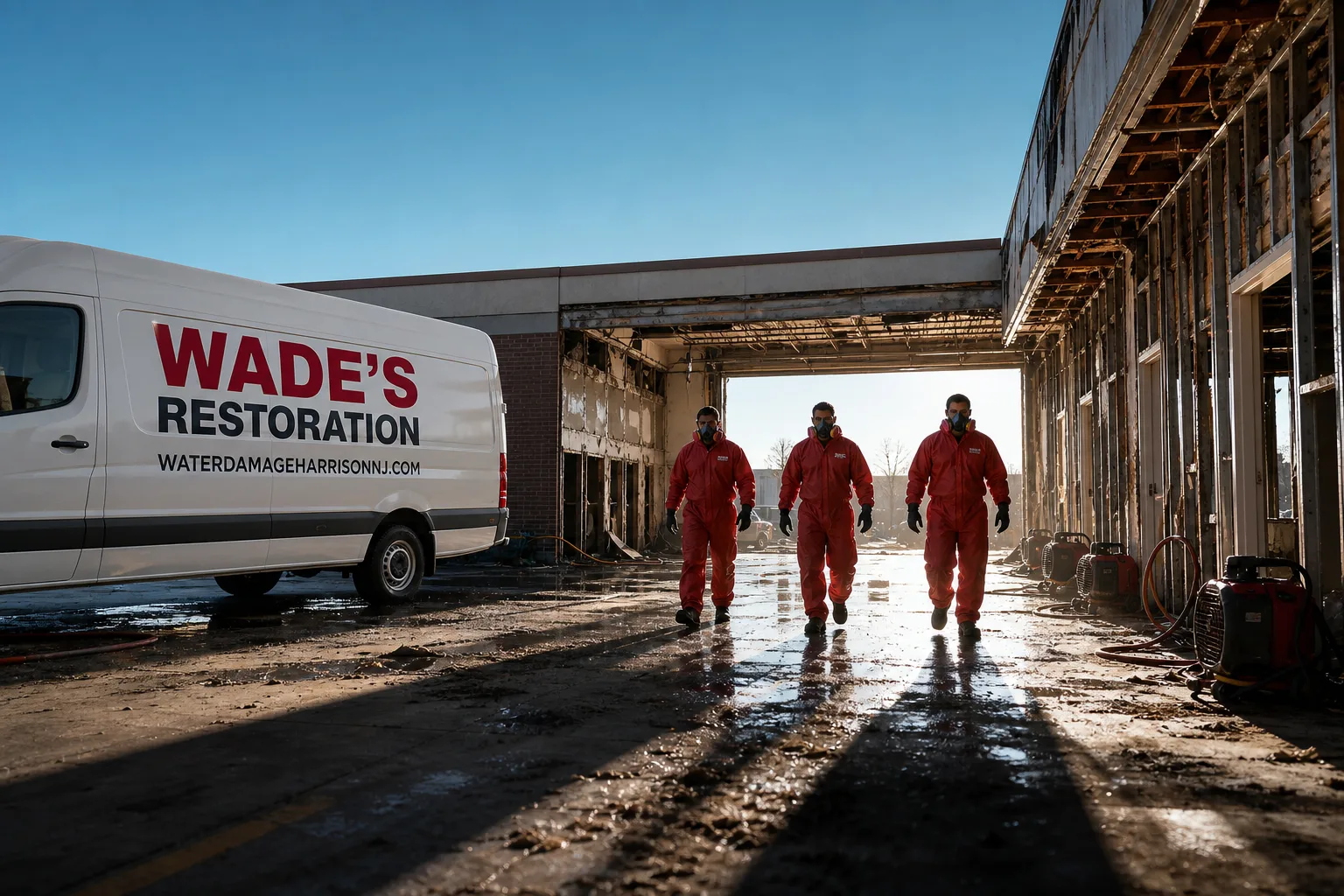
Free visual inspection and a written scope of work before any mitigation begins - photos, moisture readings, and drying logs go in your claim file
The scope we write is the scope we bill. Anything new gets shown to you, in writing, before we touch it.
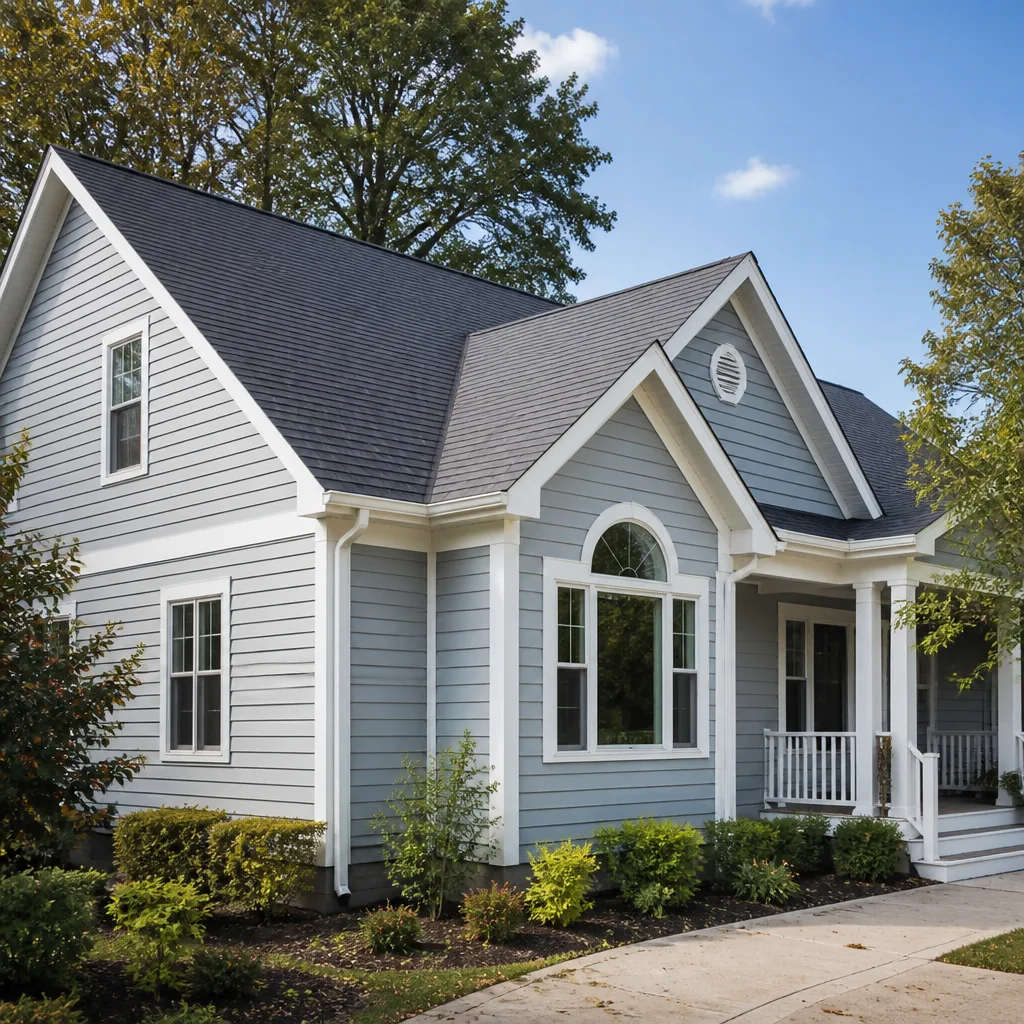
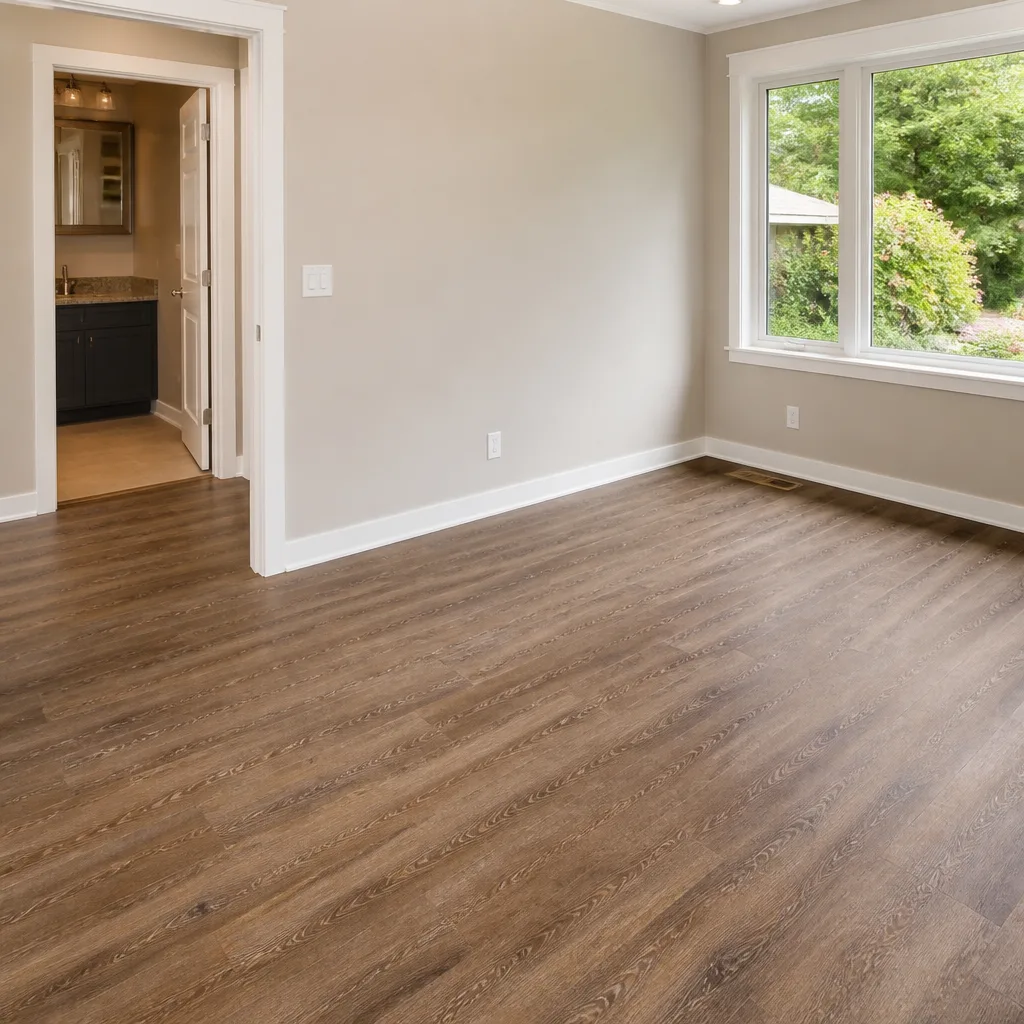
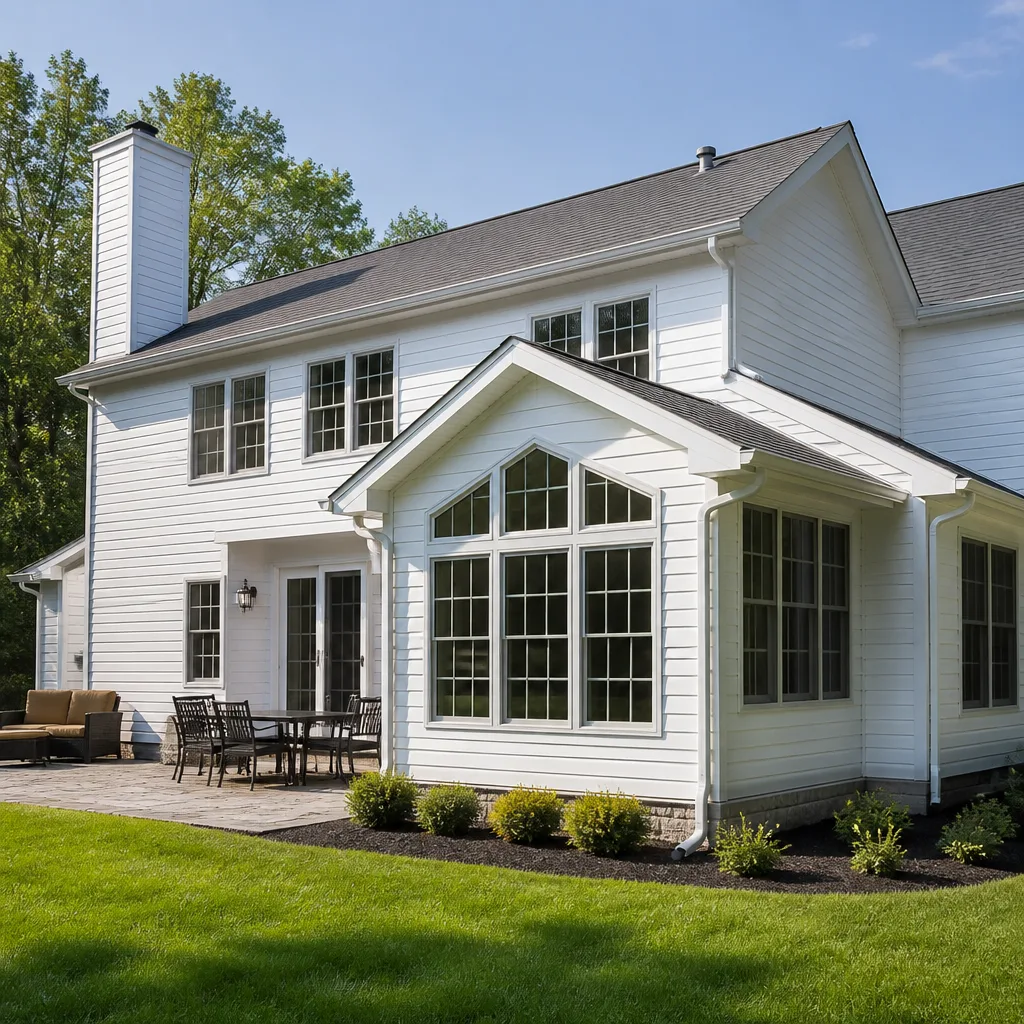
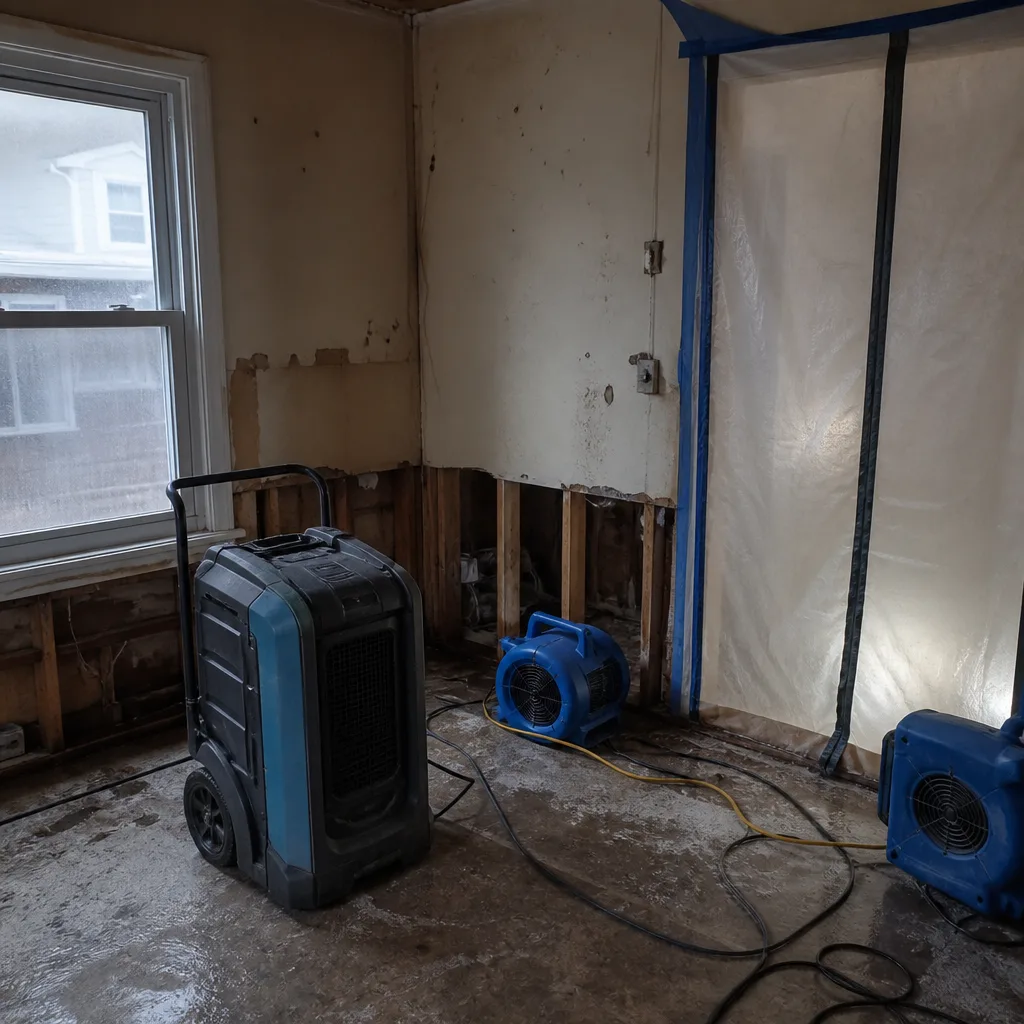 Before
 After
After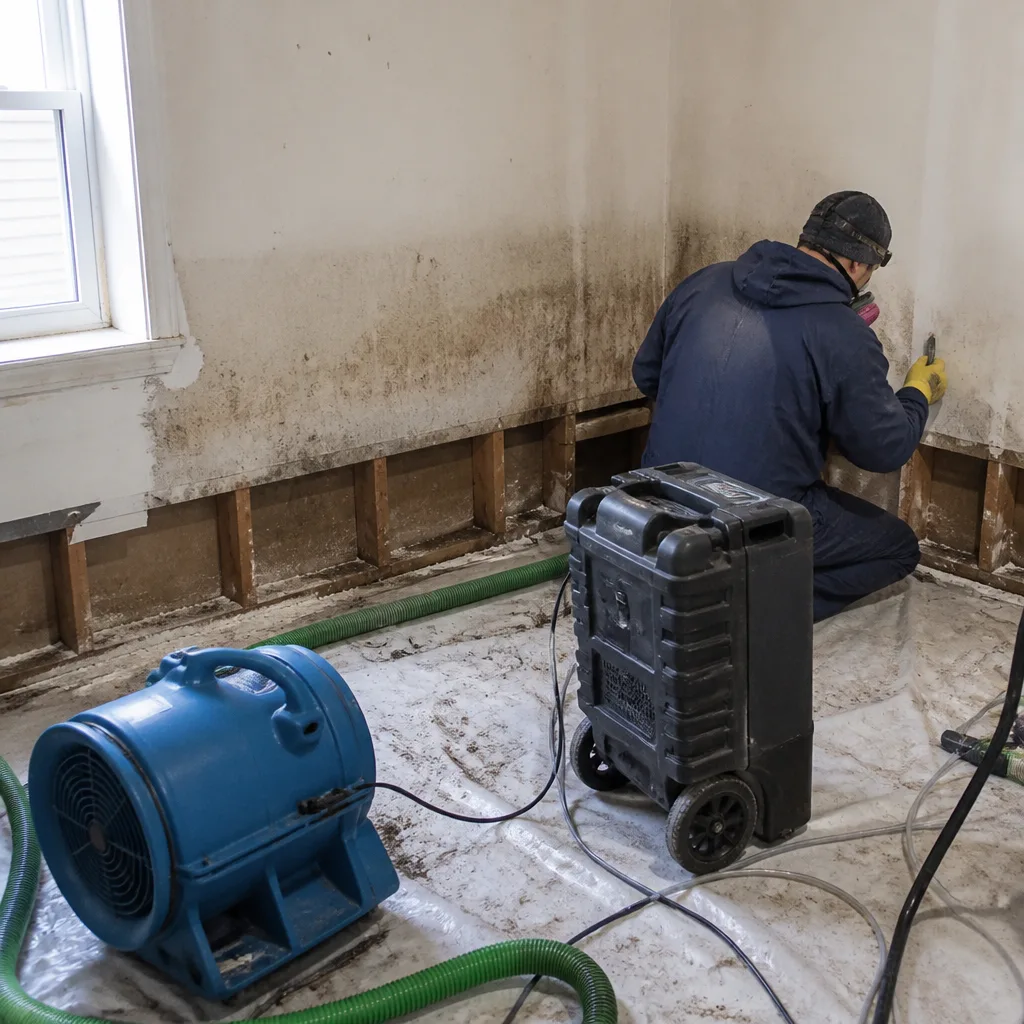 Before
 After
After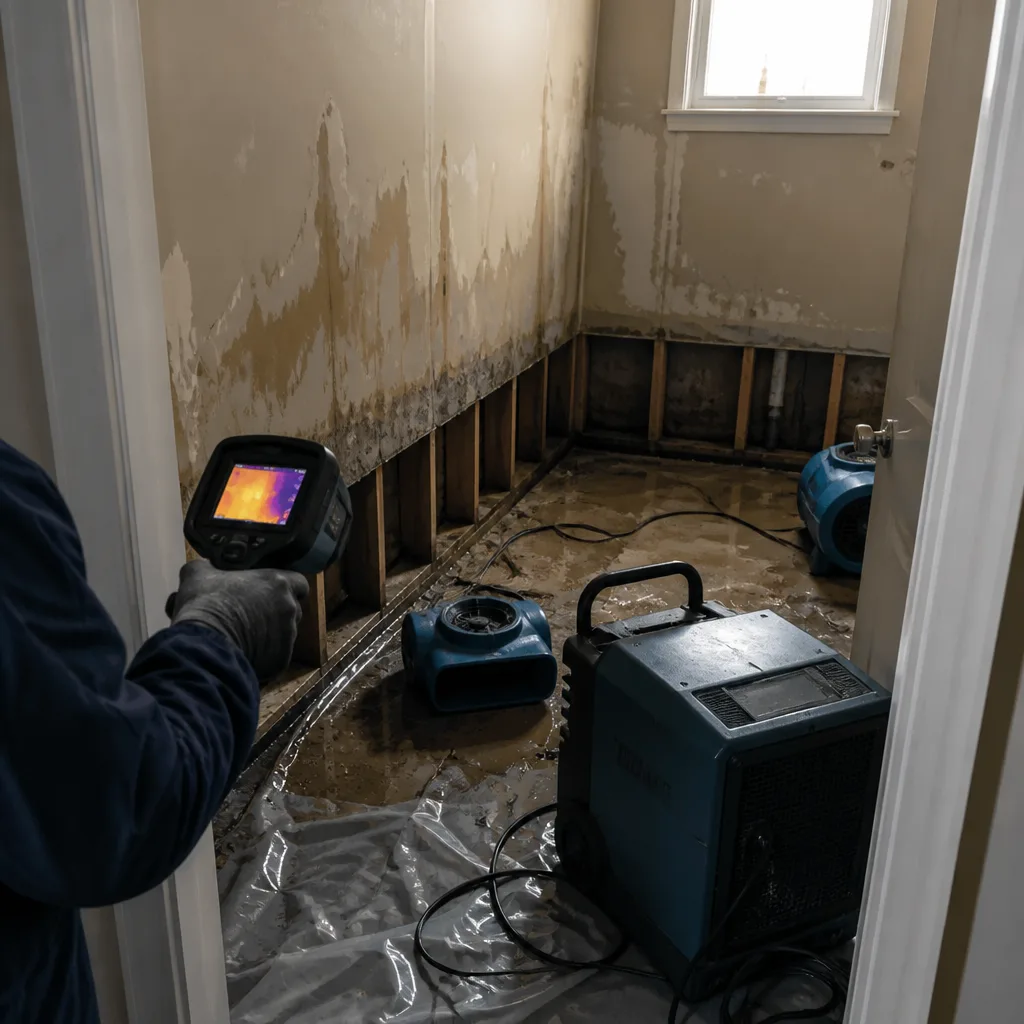 Before
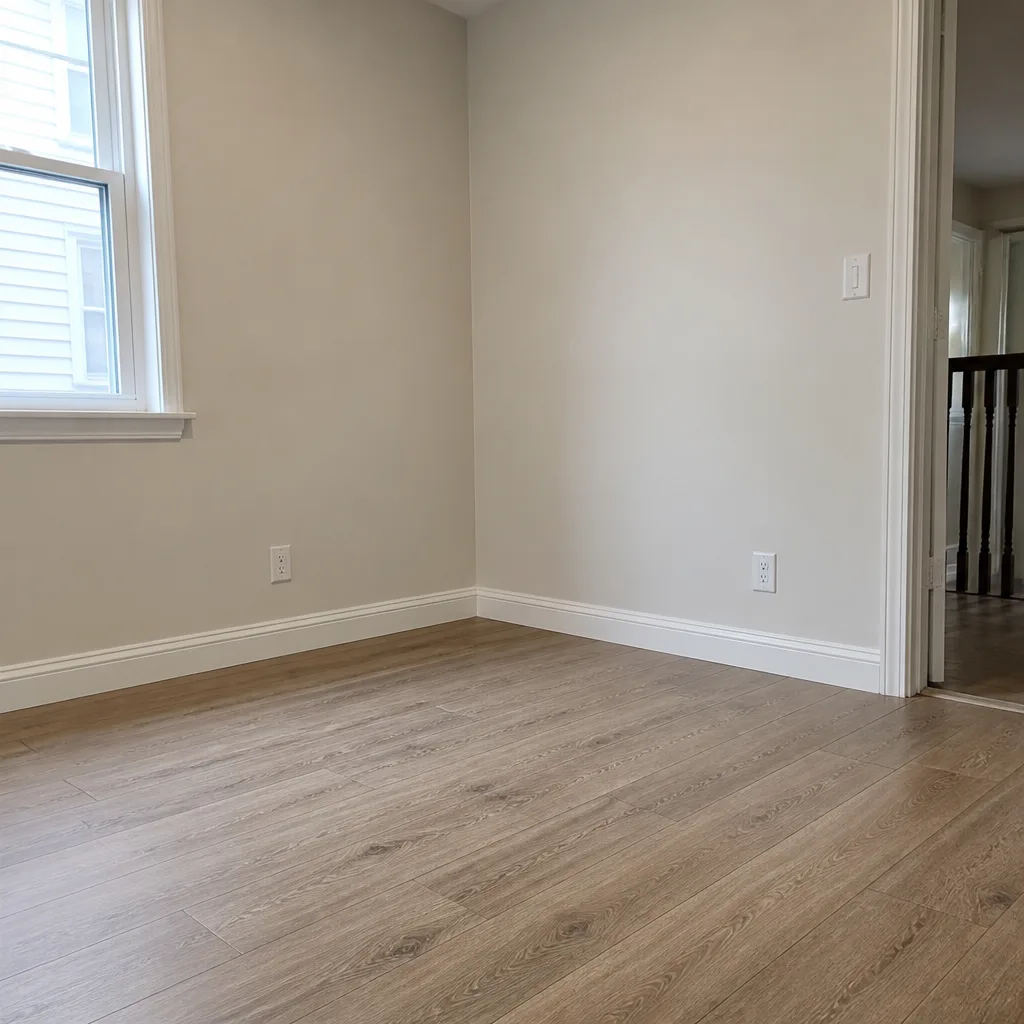 After
After24/7 Emergency Fire & Smoke Damage Restoration in Harrison
Fire damage in Harrison moves fast. Smoke works its way into brick party walls, joist cavities, and the shared attic spaces of attached row homes within the first hour. That’s why Wade’s Restoration answers live around the clock and can have a crew on the road to Harrison within 45 minutes of your call. We do a free visual inspection, document everything for your insurer, and start board-up and soot containment the same visit if you want us to. Call (856) 501-6142 any hour, day or night. The sooner we can stop smoke migration and get drying equipment running after fire suppression water is removed, the less damage spreads into adjoining rooms and the less the rebuild ultimately costs.
Understanding Fire & Smoke Damage Restoration Severity in Harrison Properties
Most Harrison homes were built between 1900 and 1945. That matters when fire strikes. The attached brick row homes along Harrison Avenue, Frank E. Rodgers Boulevard, and the side streets toward the river share structural elements: continuous roof framing, masonry party walls, and wood joists pocketed into brick. Smoke moves through those shared cavities quickly. We classify what we find by soot type: light dry soot from a fast-burning kitchen fire needs different chemistry than the greasy wet soot left by a smoldering mattress or upholstery fire. Protein fires in kitchens, common in Harrison’s galley-style row home kitchens, leave a nearly invisible residue that still carries a stubborn odor and bonds to painted surfaces. Then there’s the water. Fire suppression in a pre-war wood-frame or masonry building saturates lathe and plaster, old-growth floorboards, and the debris inside wall cavities. That water migrates down into uncoated concrete cellar floors and rubble-stone foundations, which is where Harrison’s flood history enters the picture. We measure moisture before anything else because in this town, the fire damage and the water damage are never separate events.
Why Harrison Property Owners Choose Wade’s Restoration
- 45-minute response commitment. When you call about fire or smoke damage in Harrison, Wade Ferris heads out immediately. Not a call center. Him.
- 24/7 live answer. You get a real person on the phone at 2 a.m. Wade answers his own phone. No voicemail, no automated system, no runaround.
- IICRC-certified crews. Fire and smoke restoration technicians carry FSRT and OCT certifications, with WRT-certified team members handling the water side of every fire loss.
- Free visual inspection. We come out, look at the damage, tell you what we see, and write up a scope. No charge for that.
- Direct insurance billing. We bill your carrier directly and coordinate with your adjuster from day one so you’re not stuck in the middle.
- One team from board-up to rebuild. Wade’s crew handles emergency containment, smoke and soot removal, structural fire repair, and reconstruction. You never get handed off to a subcontractor you’ve never met.
Our Fire & Smoke Damage Restoration Process
Inspection & Assessment
We walk the entire structure, including the basement and shared wall cavities. We use thermal imaging and moisture meters to find hidden water, and we document soot patterns to map smoke migration. In Harrison row homes, this means checking the party wall you share with your neighbor’s home.
Board-Up, Tarping, and Containment
We secure windows and roof openings, then seal off damaged areas with containment barriers to stop soot and odor from spreading into clean rooms. In attached homes, this also protects the neighboring unit from cross-contamination.
Water Extraction and Drying
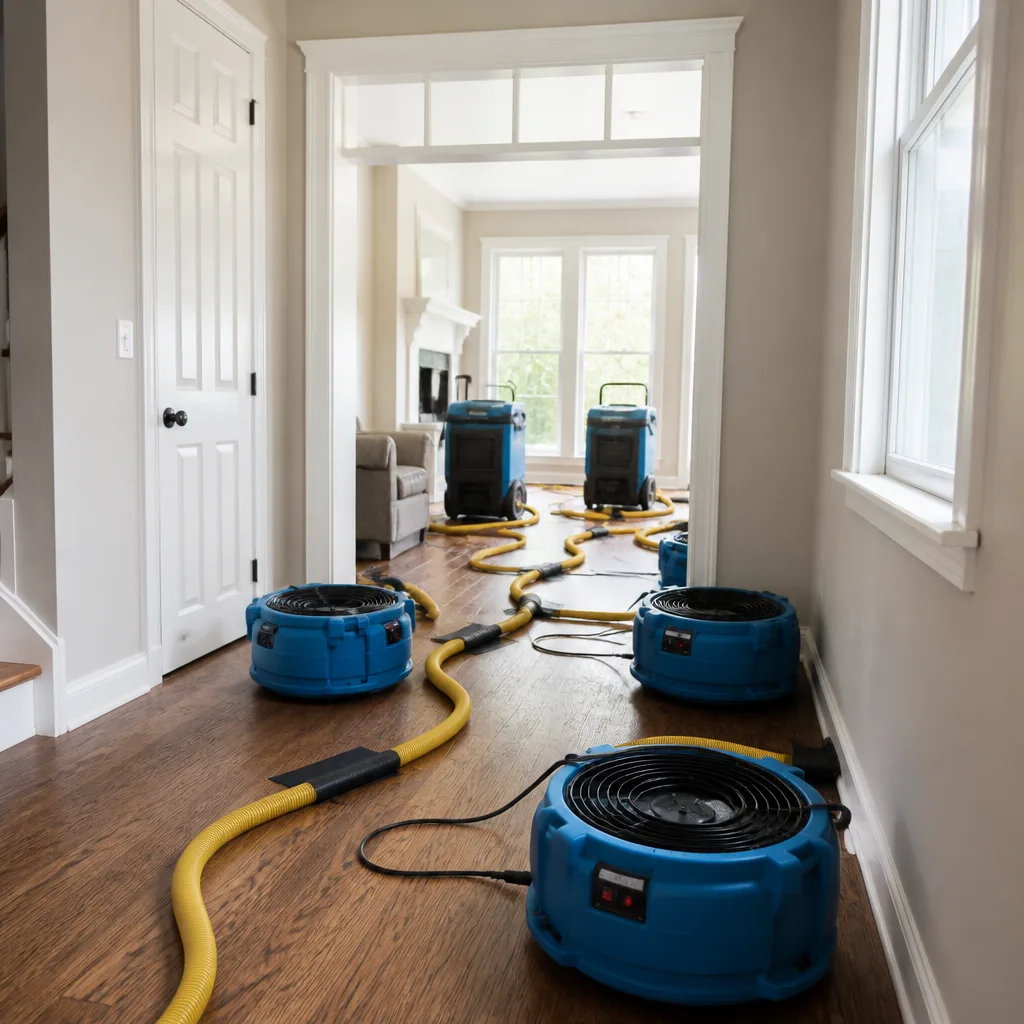
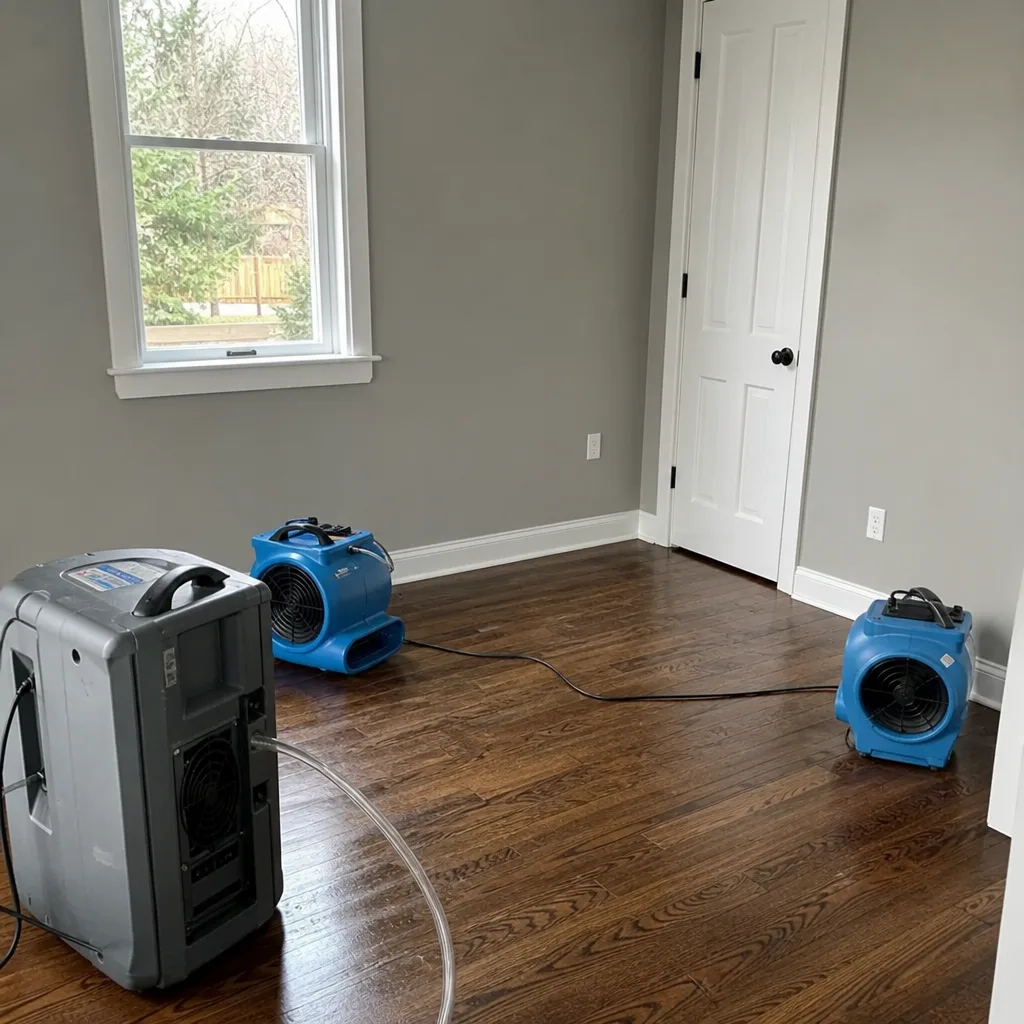
Fire suppression water is removed with truck-mounted extraction units. Then we place Dri-Eaz and Phoenix air movers and dehumidifiers, with humidity and moisture readings logged daily. In Harrison’s old basements with uncoated concrete floors, this step takes careful monitoring because those slabs wick moisture for weeks.
Soot and Residue Removal
We clean affected surfaces using the right chemistry for the soot type present. Hard surfaces get wiped with dry-chem sponges first, then wet-cleaned. Soft goods and contents get inventoried and set aside for pack-out or cleaning.
Odor Removal & Deodorization
Smoke odor in Harrison’s attached row homes penetrates brick, plaster, and old wood. We use thermal fogging, hydroxyl or ozone treatment, and, where needed, seal incompatible surfaces. We also clean HVAC ducts and replace furnace filters so the smell doesn’t relaunch after we leave.
Structural Fire Repair & Restoration
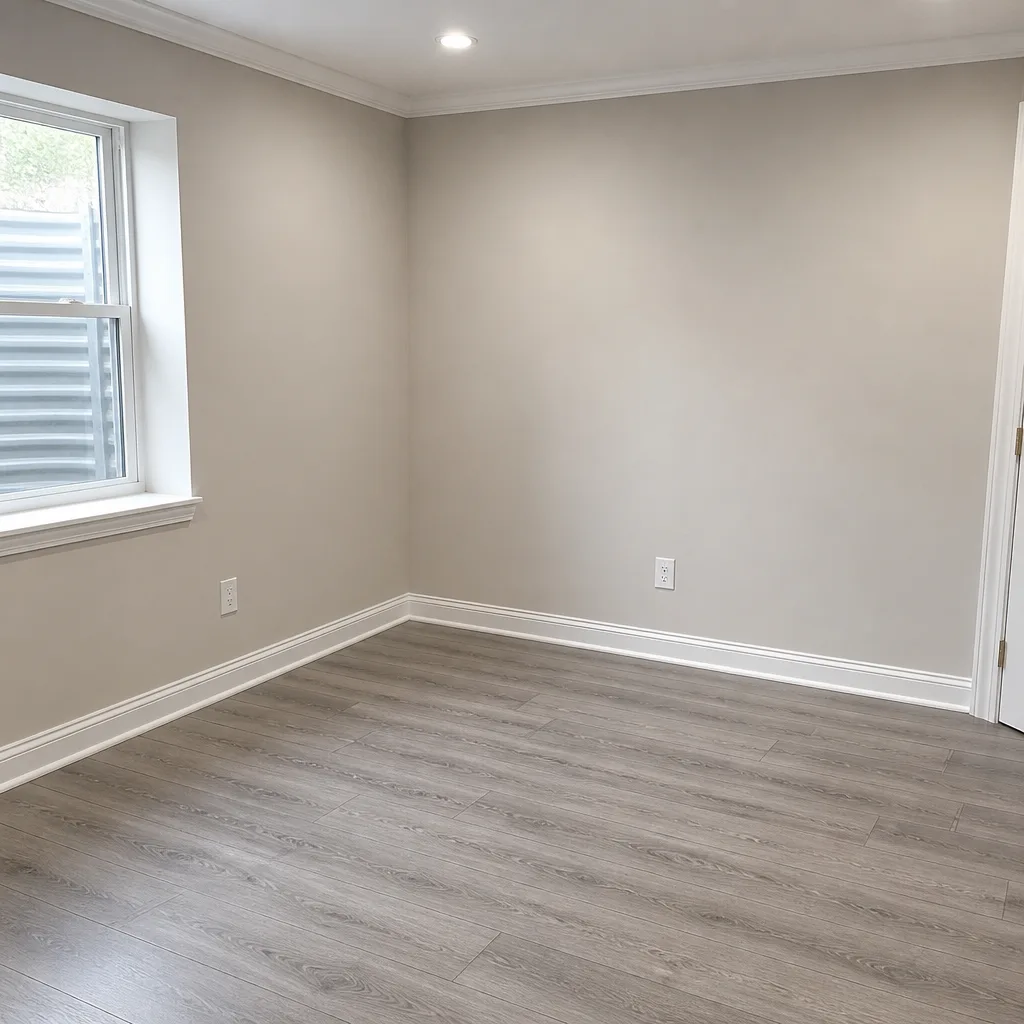
We rebuild what fire, smoke, and water destroyed: framing, drywall, flooring, trim, and paint. If we find hidden mold from prior Passaic River flooding, we stop, contain it, document it for a separate claim, and remediate it before closing walls back up.
Need Emergency Fire & Smoke Damage Restoration in Harrison Now?
Crews minutes away, answering live 24 hours a day. The sooner we start, the less it costs.
Working With Your Insurance Company
We’ve handled fire claims in Harrison long enough to know that what happens in the first 48 hours determines how smoothly the claim goes. We photograph everything before we move a single charred beam. We log moisture readings from day one through the end of structural drying. We write scopes in insurance-industry format so your adjuster recognizes every line item. And when the adjuster calls with questions, we talk to them directly. You don’t relay messages between two parties. We’ve done this with every major carrier, and we know what adjusters need to approve supplemental claims when hidden damage surfaces during demolition: photo proof, logged data, and a clear narrative of what was found and why the scope changed.
What We Provide Your Insurer
- Thorough documentation of the loss
- Photos of all damage, room by room
- Moisture readings and drying logs
- A detailed, line-item scope of work
- Direct coordination with your carrier
Built for Harrison’s Loss Calendar
Harrison’s fire losses follow a local rhythm. Deep-winter cold snaps send space heaters into overdrive in pre-war homes where the original wiring was never meant for that load, and electrical fires spike from December through February. Spring brings the nor’easters. When the Passaic rises and combined sewers back up, basement fires from sump-pump short-outs and water-heater failures become common because the mechanicals sit in flood-prone cellars. Summer is stove-fire season: fans in windows, doors propped open, and row home kitchens running hard. Fall is when we see the aftermath of residents re-lighting old boilers and furnaces for the first time, with dust and debris igniting inside the unit. None of this is unique to Harrison, but the density of attached housing around Frank E. Rodgers Boulevard and the riverside blocks means one fire touches two and three-family structures where the stakes, and the smoke migration paths, are bigger.
Fire & Smoke Damage Restoration Across Harrison’s Neighborhoods
The riverfront blocks near the Passaic between Bergen Street and the Jackson Street Bridge are the most flood-hardened homes in town, and fire work there always involves checking for older water remediation that went unfinished. Moving inland toward Harrison Avenue and the Center Street corridor, you find the densest row of attached brick homes. Fires here demand aggressive containment because the party walls transmit smoke into neighboring units within minutes. Around the Hamilton Street and Warren Street area, the older two-family wood-frame homes have balloon-framed walls, which means smoke travels from a first-floor kitchen fire straight up into the attic in the time it takes the fire department to arrive. Near the Red Bulls stadium and the redeveloped blocks just west, newer construction brings different conditions: sealed building envelopes trap smoke and odor, making deodorization work less about chasing giant gaps and more about slow air exchange through mechanical ducts. Every area has its own failure pattern, and we adjust our approach accordingly.
Specialized Fire & Smoke Damage Restoration Services We Offer in Harrison
Fire Damage Cleanup
We remove charred debris, clean salvageable framing, and prepare surfaces for rebuild. In Harrison’s older homes, this frequently means testing for asbestos in pipe insulation and plaster before we disturb walls and ceilings. We coordinate testing and abatement through licensed partners so your project doesn’t stall at inspection.
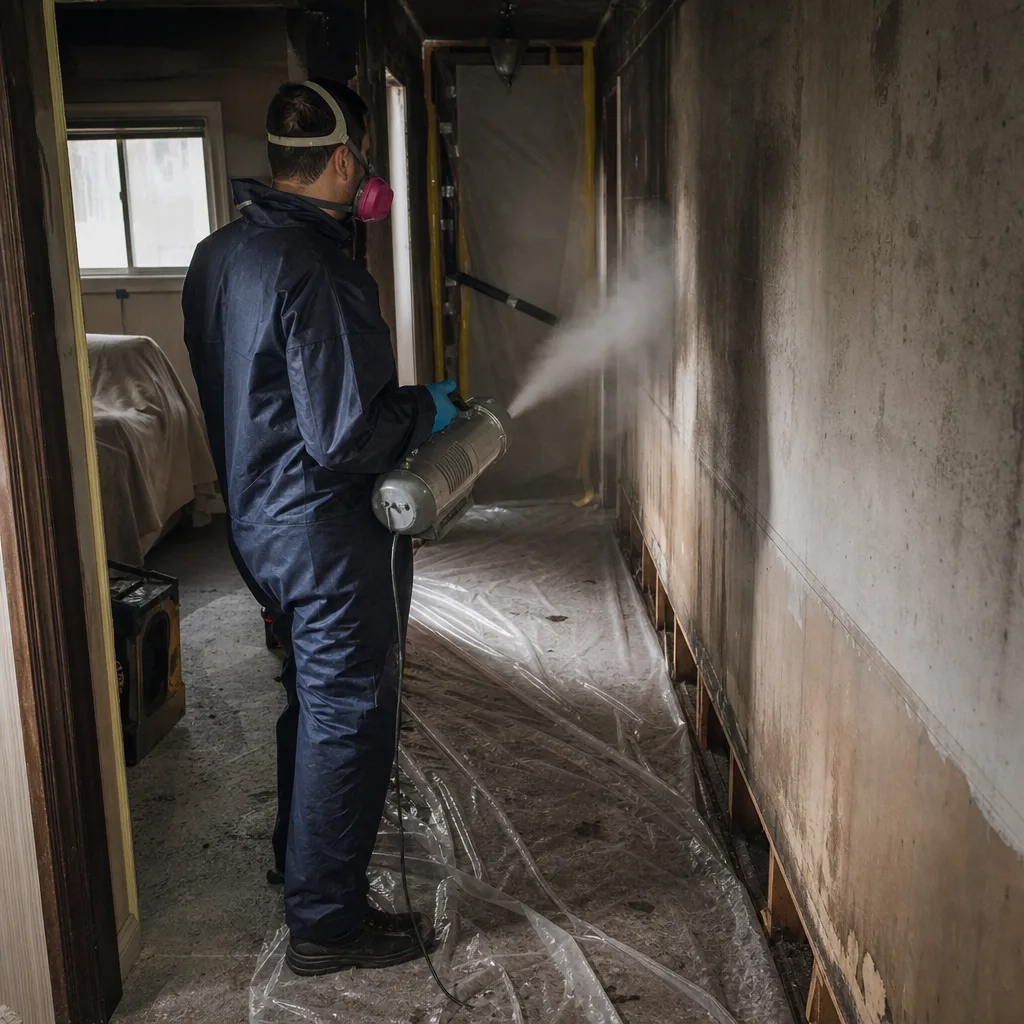
Smoke & Soot Removal
Soot from an electrical fire in a Harrison row home leaves a fine black film on every surface in the room, and it spreads through the forced-air ducts to rooms the fire never touched. We clean ducts, replace filters, and wipe all affected surfaces with chemistry matched to the residue type. No shortcuts.
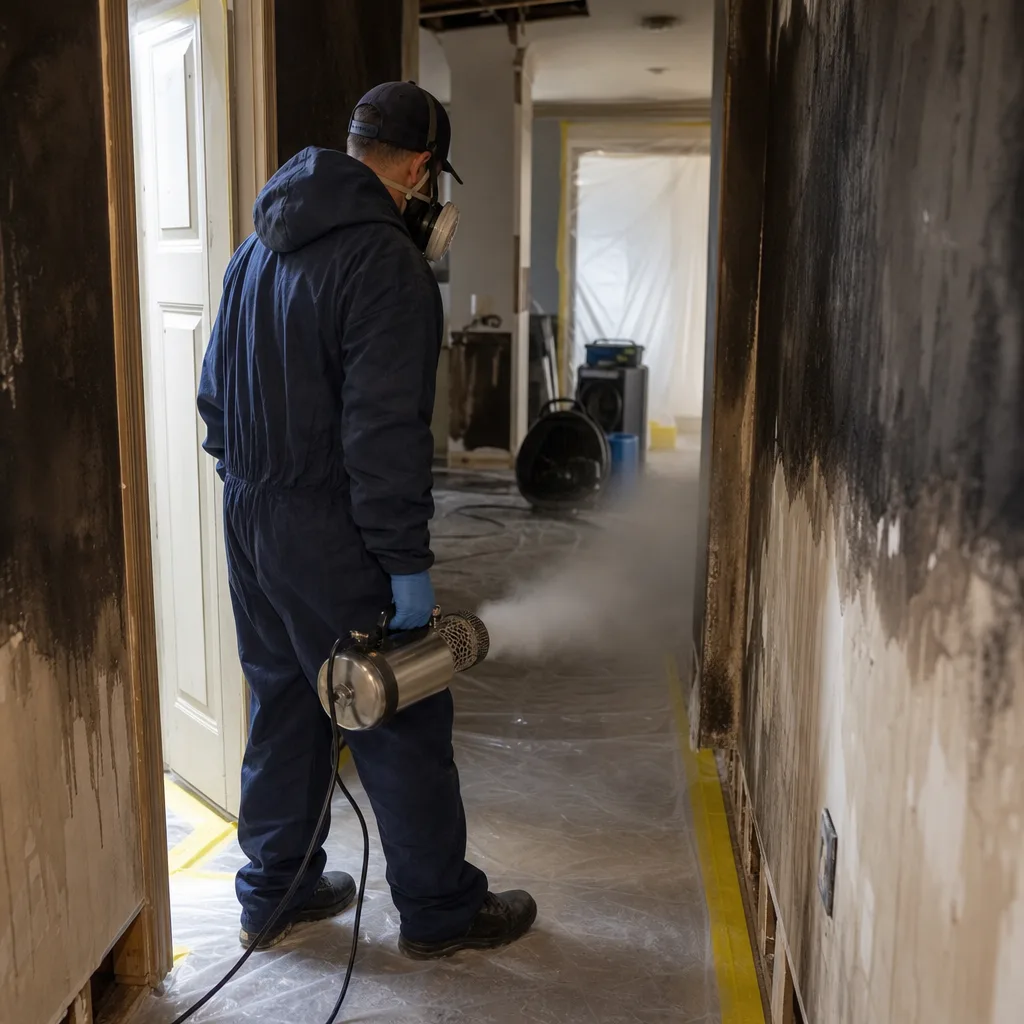
Odor Removal & Deodorization
This is the service that separates a job done right from a home that still smells like smoke six months later. We use thermal fogging to push deodorant into porous materials, hydroxyl generators for occupied spaces, and sealers on charred framing that would otherwise off-gas. In attached brick homes, we isolate and treat the party wall cavity so your neighbor doesn’t inherit the odor.
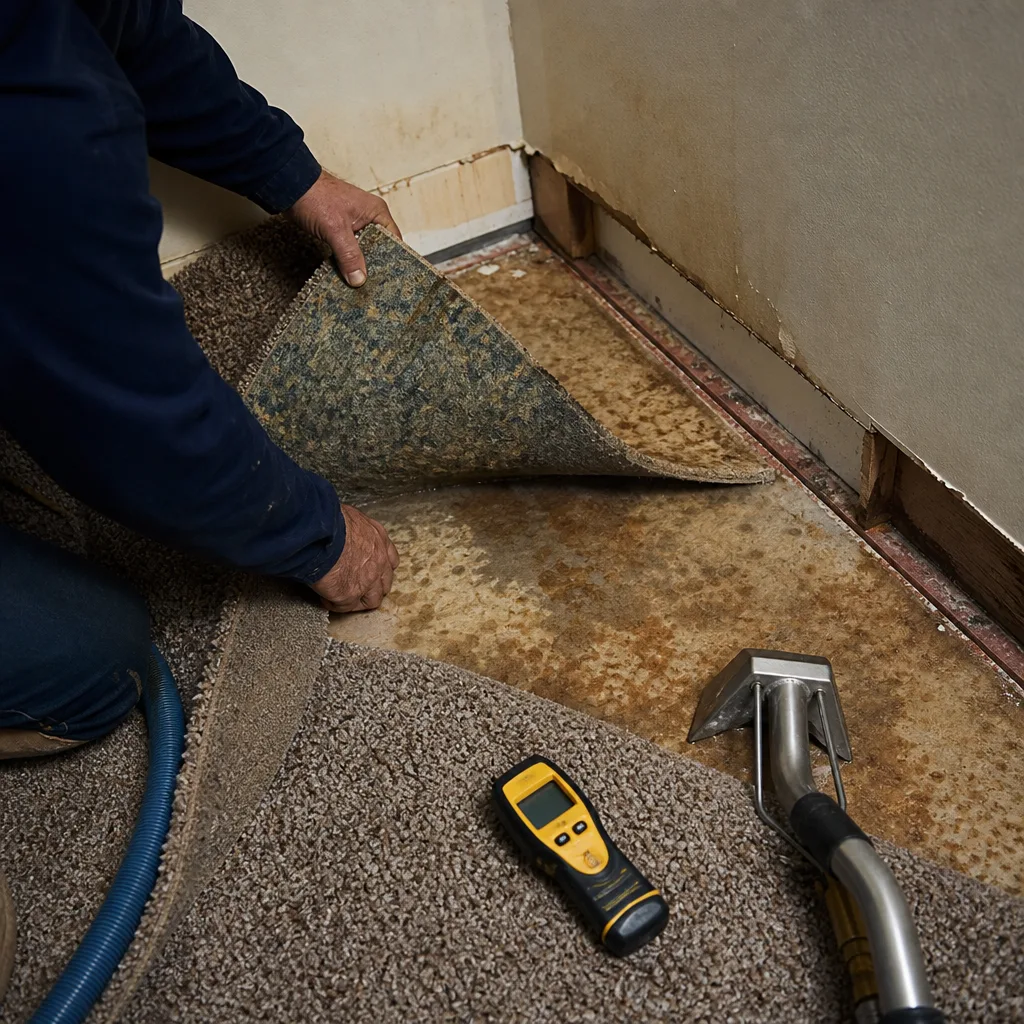
Contents Cleaning & Pack-Out
We inventory every item we pack out with photos and line-item documentation. Soft goods, clothing, books, and furniture get cleaned at our facility using ultrasonic systems and ozone chambers where appropriate. Hard goods are wiped by hand. You get a complete contents list for your insurer and your own records. When the rebuild is done, we bring everything back and put it where it belongs.
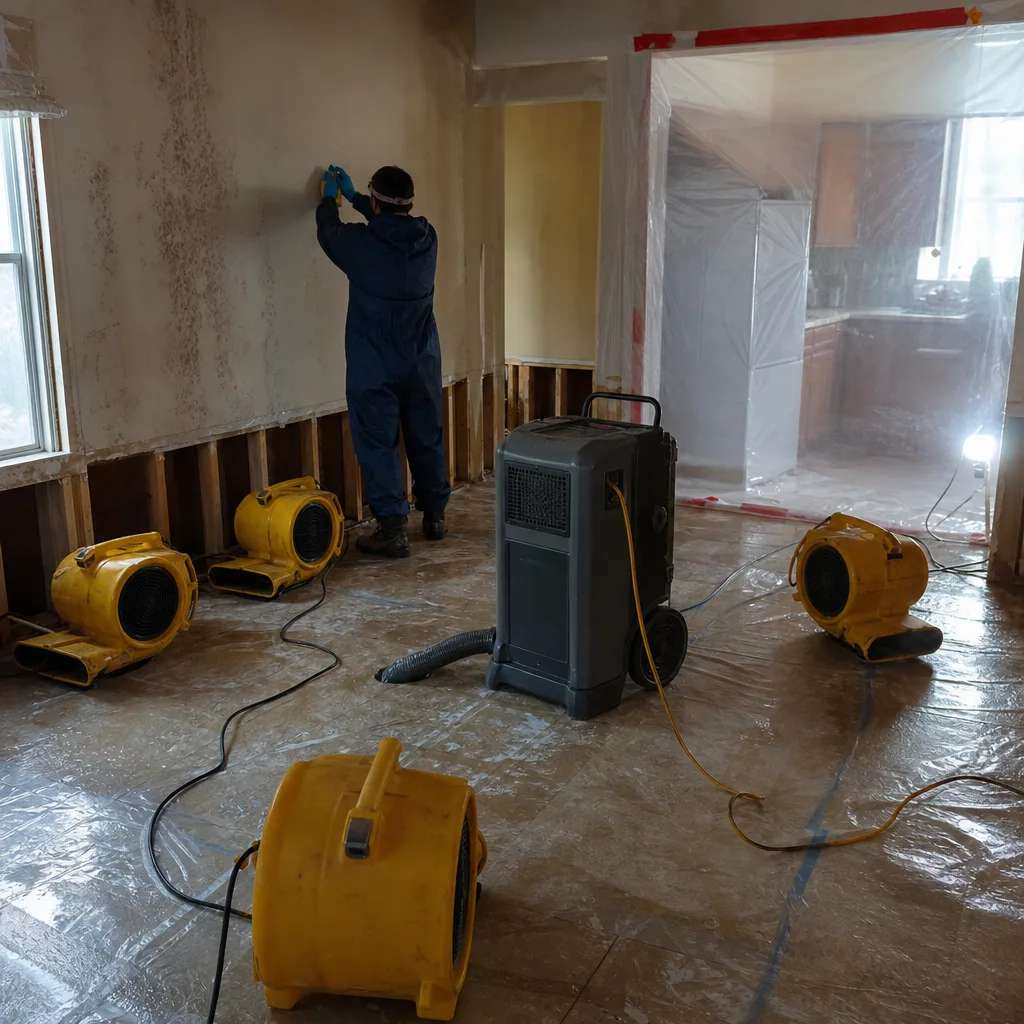
Emergency Board-Up & Tarping
We board up broken windows and door openings with plywood and secure roof damage with heavy tarps within hours of the fire. This prevents weather, vandals, and animals from making the loss worse while your claim is being adjusted. In Harrison’s attached homes, we also secure shared entryways and any breach in the party wall so your neighbor’s unit stays protected too.
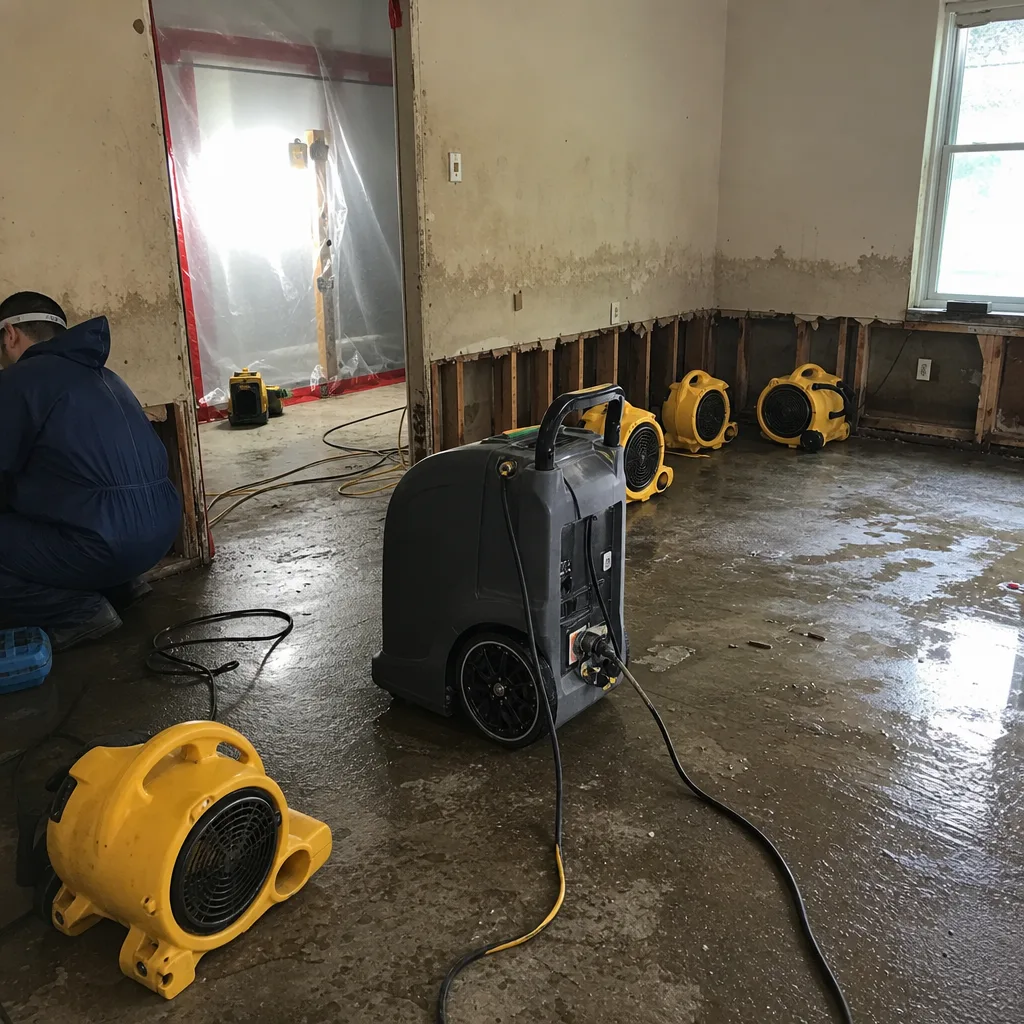
Structural Fire Repair
This is the rebuild phase: framing, drywall, flooring, electrical, plumbing, and finish work. We pull permits, we meet code, and we build to last. If the fire compromised joists or roof members, we sister or replace them properly. Harrison’s housing stock is old, and no fire repair in this town should ever be treated as a cosmetic overlay on top of structural damage.
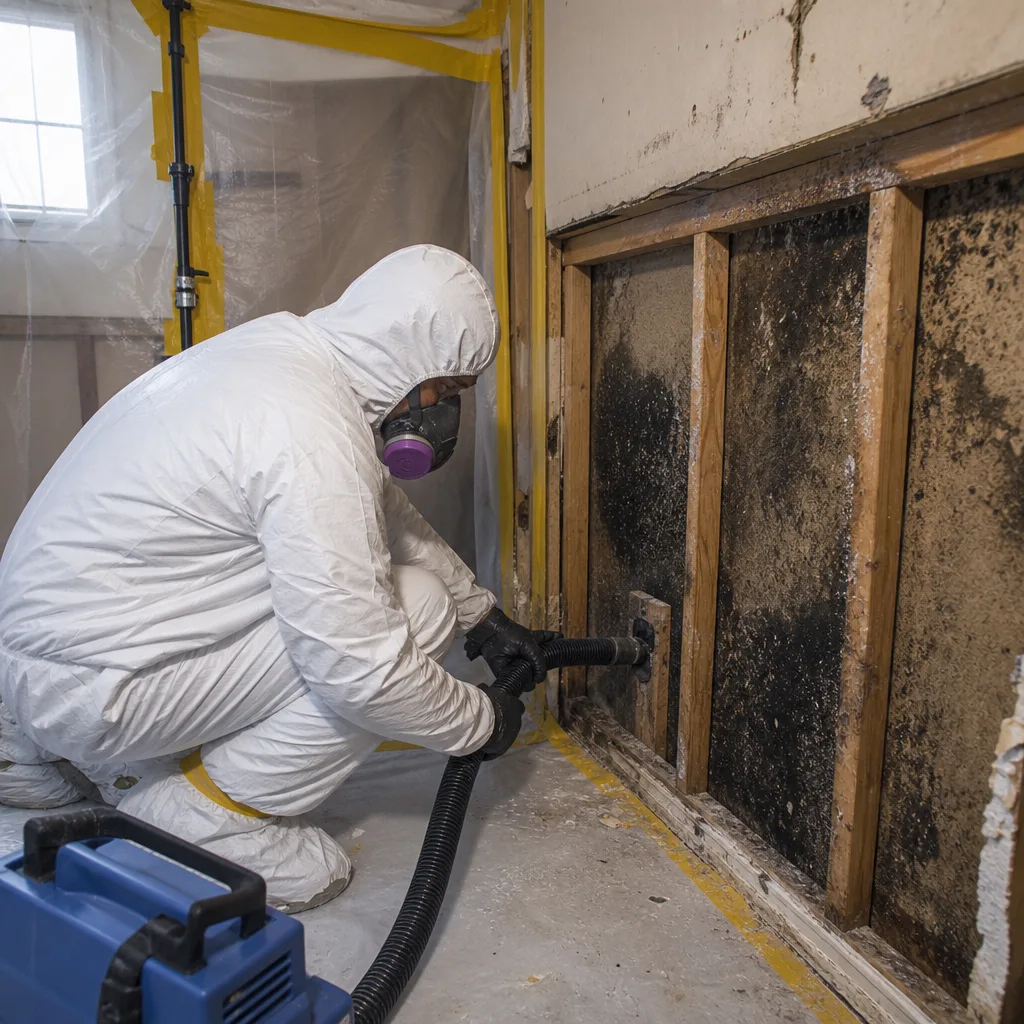
What happens when you call
- 1
A real person answersNo phone trees - you reach a local pro.
- 2
You get an upfront price rangeHonest numbers before anyone is dispatched.
- 3
A background-checked tech heads outLicensed & insured, dispatched right away.
- 4
You approve before work beginsNothing starts until you say go.
Fire & Smoke Damage Restoration Costs in Harrison, NJ
Emergency board-up and tarping in Harrison typically runs $400 to $1,200 depending on openings and roof access. Soot and smoke cleanup for a contained kitchen fire starts around $1,800 and can reach $5,000 when the whole first floor needs wall, ceiling, and duct cleaning. Full odor removal, including thermal fogging and sealers, usually runs $2,000 to $6,000. Pack-out and contents cleaning add $1,500 to $8,000 depending on volume, which is driven by how many rooms were affected and how much upholstered furniture needs processing. Structural fire repair, including drywall, flooring, trim, and paint in one or two rooms, runs $8,000 to $25,000 in Harrison. A full two-story rebuild after a significant fire can exceed $60,000. Most of this is covered by homeowners insurance, minus your deductible. The free visual inspection gives us, and you, and your insurer, a firm number to work with before anyone starts cutting. Call (856) 501-6142 and we’ll come look. No charge for that.
We Also Serve Cities Near Harrison
Wade’s Restoration serves the surrounding area, including Harrison and the adjacent communities of Kearny, North Arlington, Jersey City, and Lyndhurst. If you’re in one of these towns and dealing with fire or smoke damage, the same crew, the same 45-minute response, and the same written 90-Day Done Right Promise applies.
Harrison Fire & Smoke Damage Restoration Questions, Answered
How does Harrison’s flood history affect a fire and smoke restoration job?
Harrison’s riverfront and low-lying blocks have been flooded repeatedly, including Hurricanes Irene and Sandy, and many homes still carry moisture or hidden mold from those events. When we open walls after a fire, we regularly find mold colonies behind framing from prior remediation that was never finished. We document what we find, contain it, and coordinate with your insurer to address it as a separate line item so the fire restoration doesn’t get derailed. Call (856) 501-6142 and we’ll help you sort out what belongs to which claim.
Will my older Harrison row home require special handling for fire repairs?
Yes. Homes built before 1978 in Harrison often contain asbestos pipe insulation, lead paint, and plaster walls that crumble when disturbed. We test for asbestos before cutting into ceilings or walls, and we use containment and PPE protocols whenever lead or asbestos is present, which keeps your family safe and keeps the job compliant with local requirements.
How do you prevent smoke odor from traveling to my neighbor’s attached brick home?
In Harrison’s attached row homes, we seal the party wall cavity on your side with containment barriers and negative air pressure during cleanup, then we treat the shared wall surfaces with sealers and deodorizing agents. If smoke migrated through gaps in the brick, we open the cavity and clean it before closing it back up so your neighbor doesn’t get odor bleed-over.
What moisture readings do you take after fire suppression water is removed?
We take daily moisture readings from structural wood, drywall, plaster, and concrete using penetrating and non-penetrating meters plus thermal imaging. We hand you the full log at the end of the job, so you can see exactly how the drying progressed and that every area returned to pre-loss moisture levels before rebuild.
Can you handle pack-out and contents cleaning after a fire in Harrison?
We can. We inventory every item with photos, pack out what’s cleanable, clean it at our facility, and store it until your rebuild is done. You get a full contents list for your insurance company, and we coordinate the whole thing directly with your adjuster. Call (856) 501-6142 to talk through what’s salvageable.
How fast can you actually get to a fire in Harrison?
We commit to 45 minutes from your call to wheels rolling toward Harrison. We answer live 24 hours a day, and Wade Ferris himself is usually on the road within the hour. Board-up, tarping, and containment start the same visit. Call (856) 501-6142 and see for yourself.
Do I need full restoration or just a cleaning after a small fire in Harrison?
It depends on what burned and how far the smoke traveled. A small stovetop fire contained to the kitchen might only need soot cleanup and deodorization, but a fire that burned synthetic materials, wiring, or insulation often leaves odor and residue in ducts and wall cavities that a surface cleaning won’t fix. We’ll tell you honestly what we see during the free inspection.
What should I do in the first 30 minutes after a fire in my Harrison home?
Get everyone out, call 911 if it’s active, and then call us at (856) 501-6142. Don’t wipe or wash soot-covered surfaces, because improper cleaning can drive residue deeper into paint and fabric. Don’t turn on your HVAC system, which can spread soot through the ducts. We’ll board up, contain, and start the restoration the same visit.
Serving Harrison, NJ - Our Local Coverage Area
We’re based in the Harrison area and know this community well. Use the map below to see our service coverage - if you’re nearby, we can almost certainly help.
Fire & Smoke Damage Restoration in Harrison Starts With One Call
On a block off Harrison Avenue, we opened walls after a stove fire and found mold colonies hiding behind drywall from a previous Sandy-era flood that had been dried in place. Our crew contained the area, removed the compromised material, and coordinated with the fire damage scope to ensure every moisture reading returned to pre-loss condition before rebuild. That’s what experience in this town actually looks like. We’re not a national outfit quoting one price on the phone and another at the door. Wade’s Restoration is locally owned and owner-operated, with a published name, a published address, and a 90-Day Done Right Promise written into every contract. If it’s not done right, Wade makes it right. And he’s the one who’ll run into you again on a Saturday at the hardware store. Ask anyone on your street. Then call (856) 501-6142 for a free estimate. You get a real person, a straight answer, and a crew that knows exactly what Harrison homes need after a fire.
Written by Wade Ferris, Owner at Wade’s Restoration, serving Harrison and surrounding communities since 2007.