
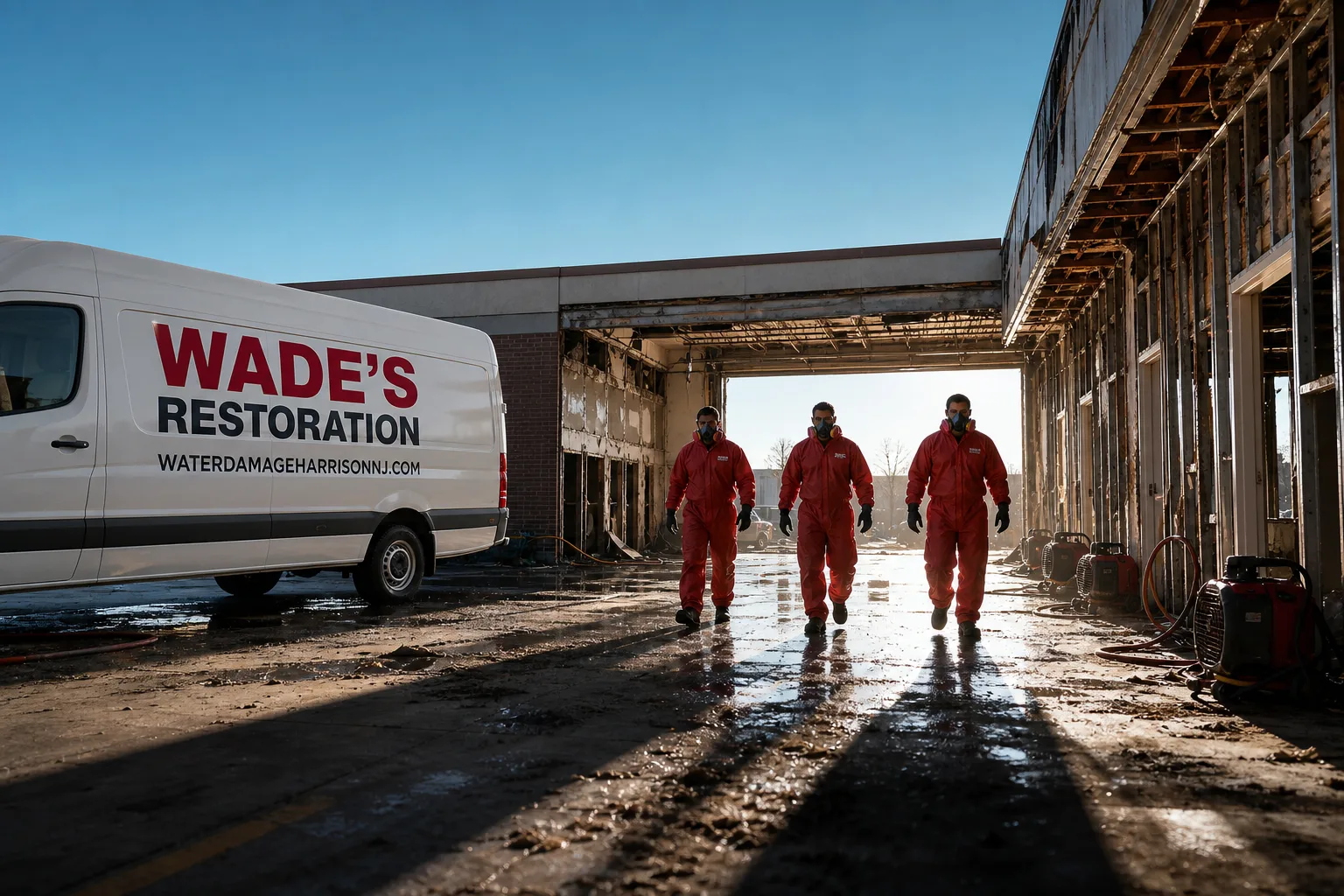
Free visual inspection and a written scope of work before any mitigation begins - photos, moisture readings, and drying logs go in your claim file
The scope we write is the scope we bill. Anything new gets shown to you, in writing, before we touch it.
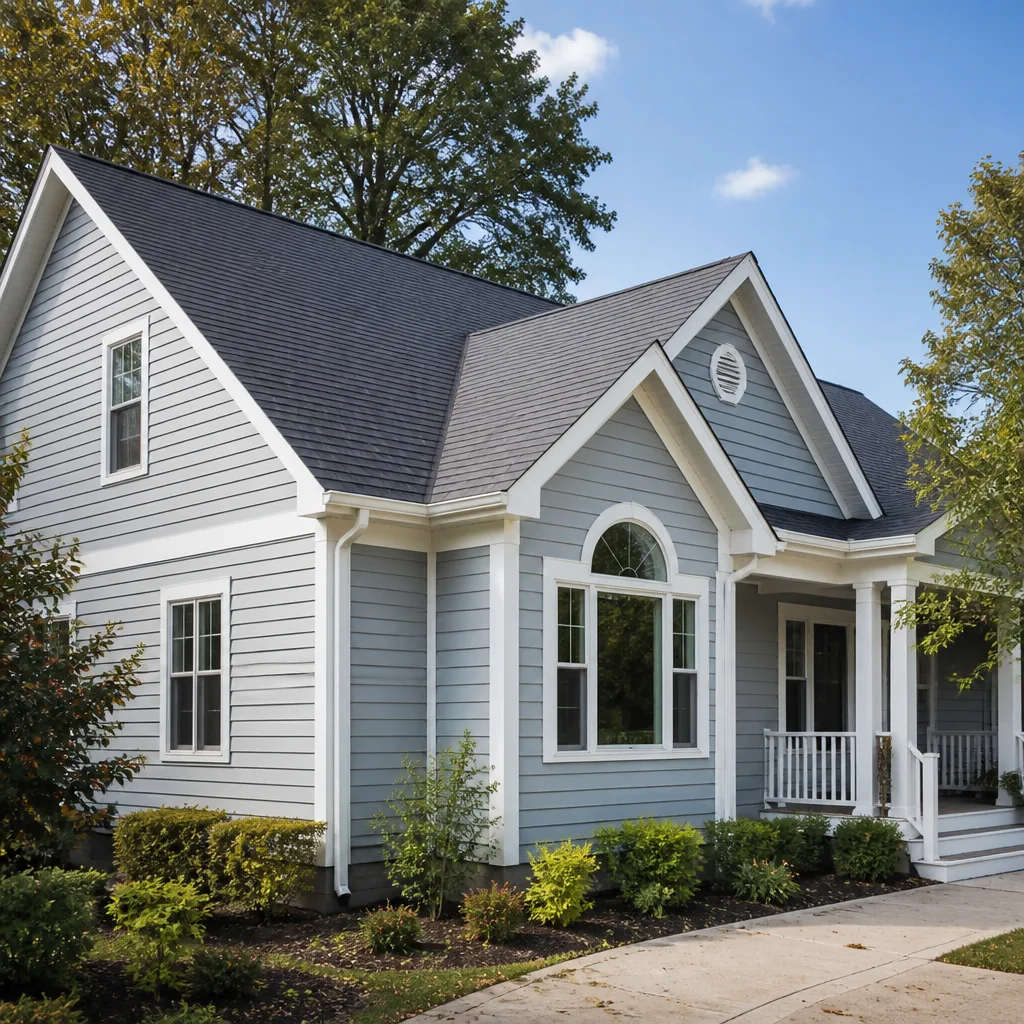
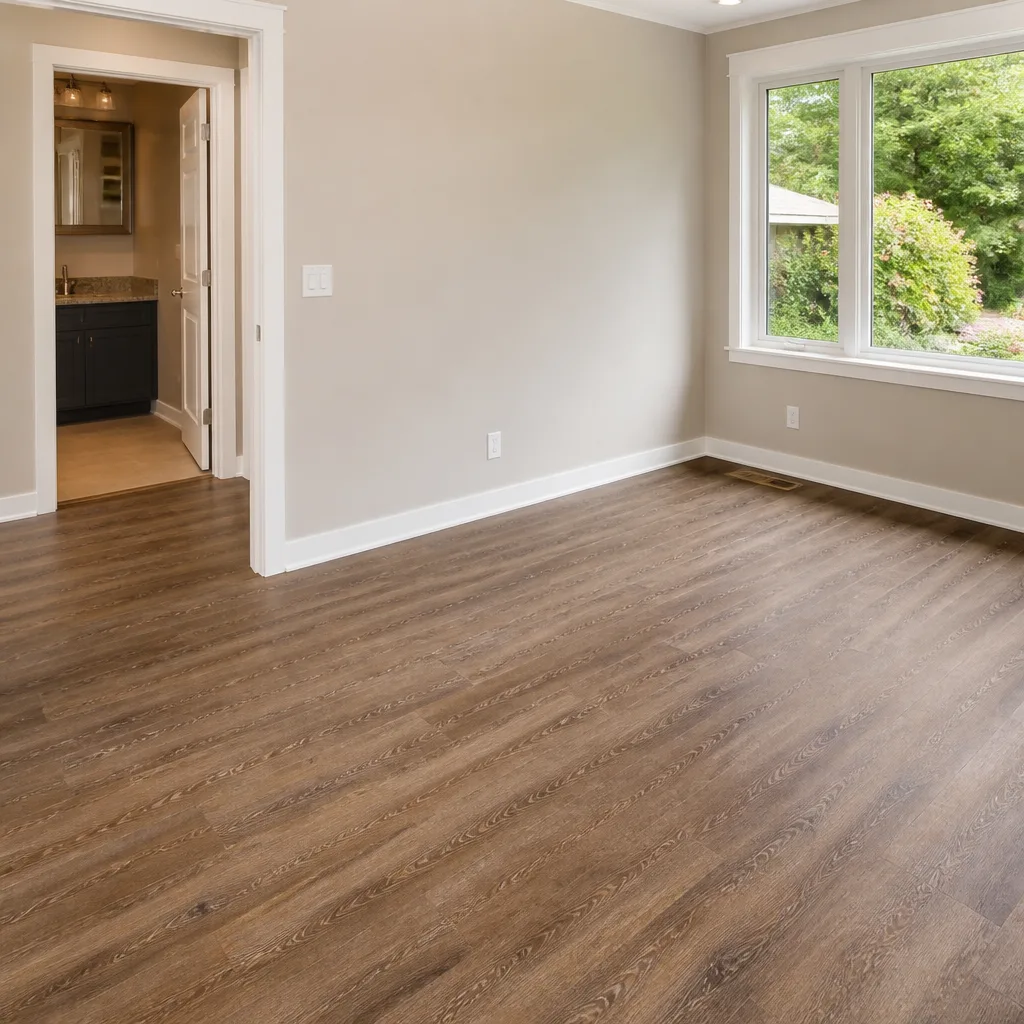
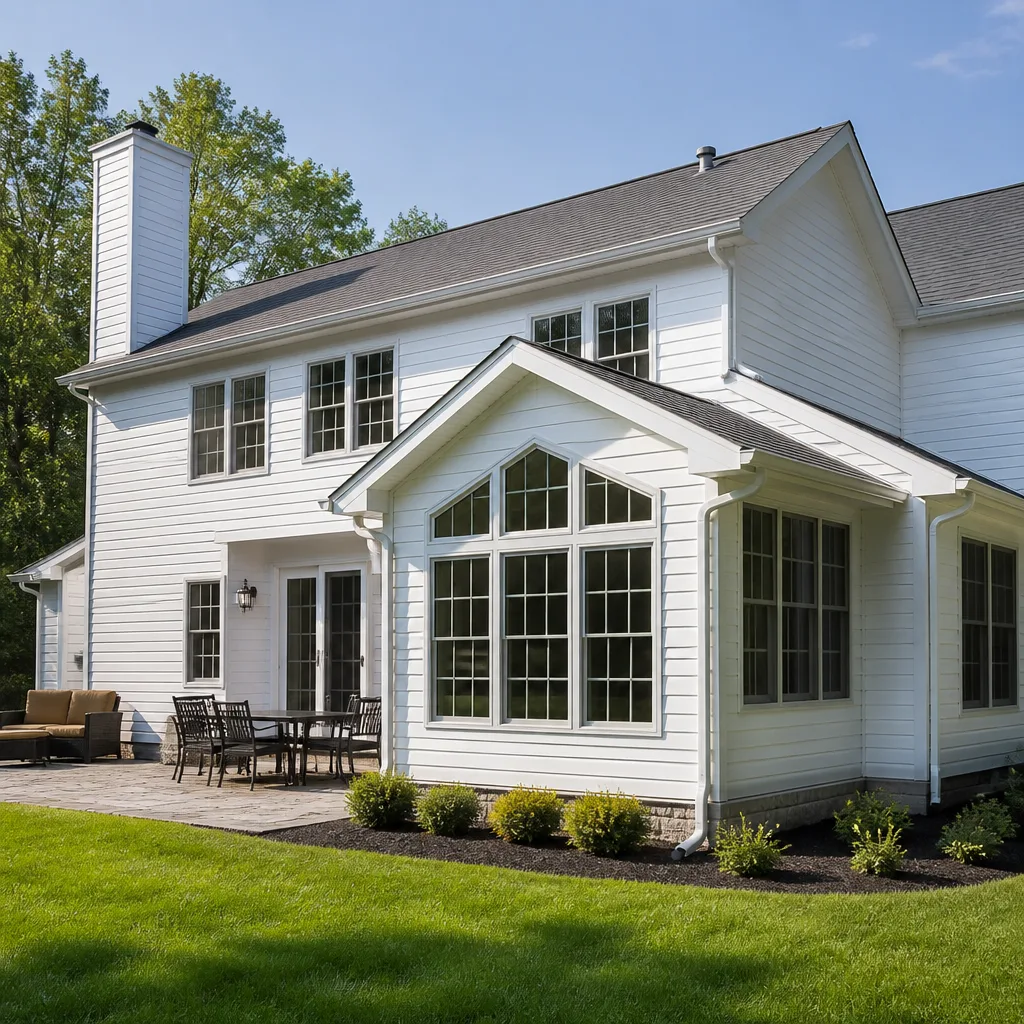
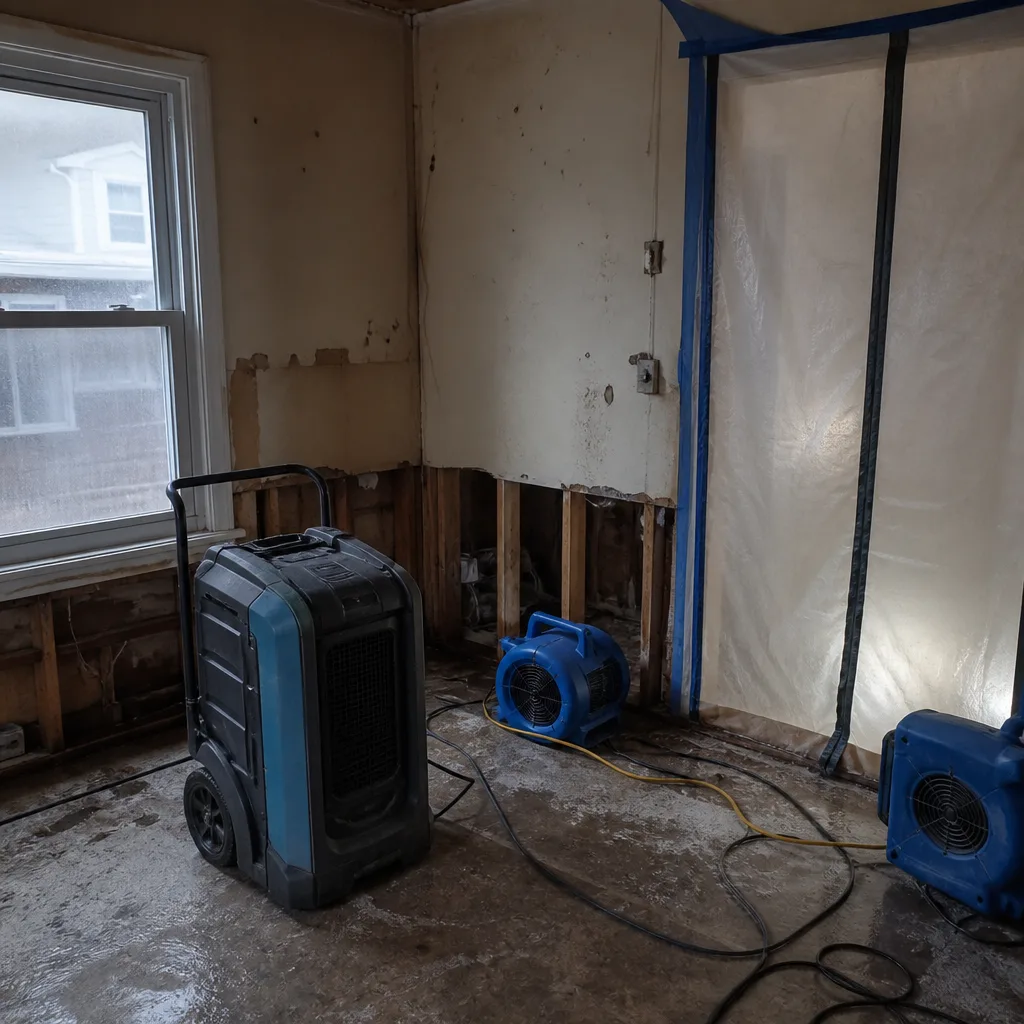 Before
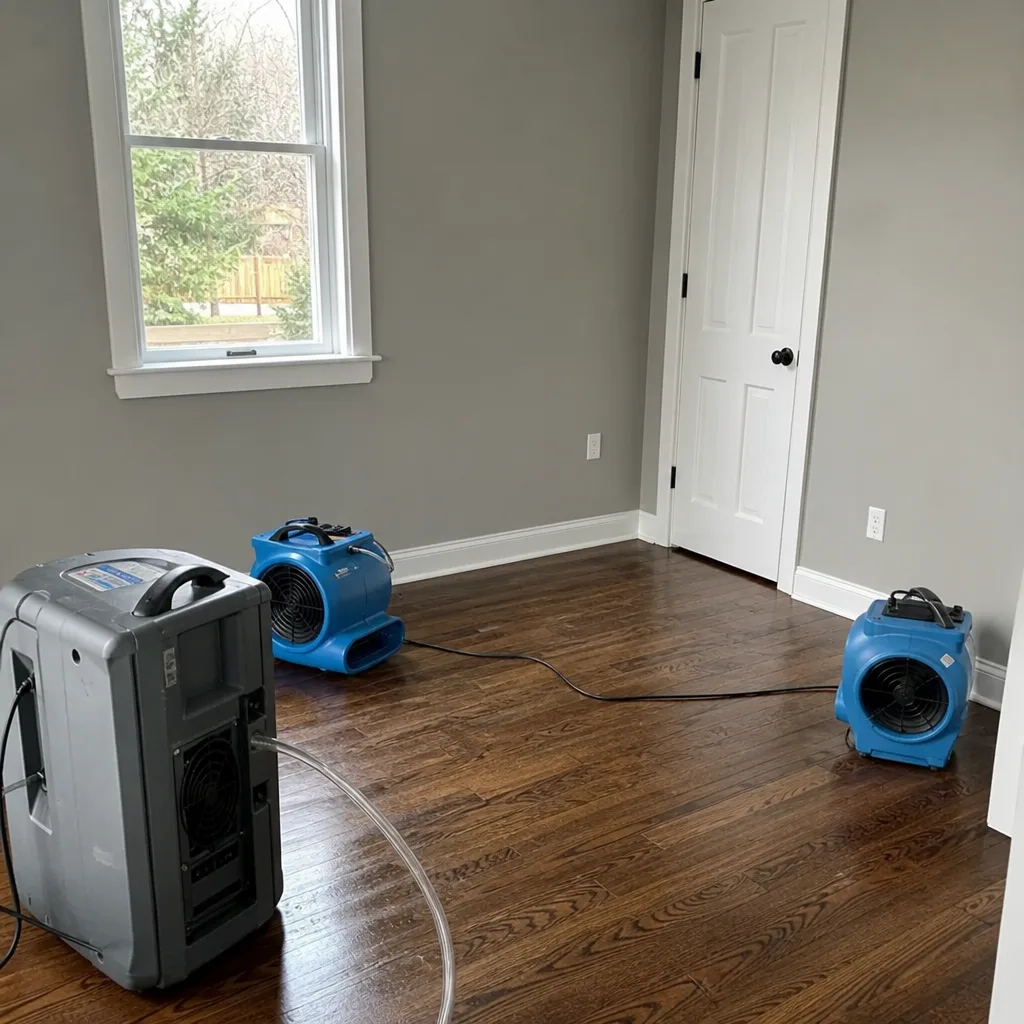 After
After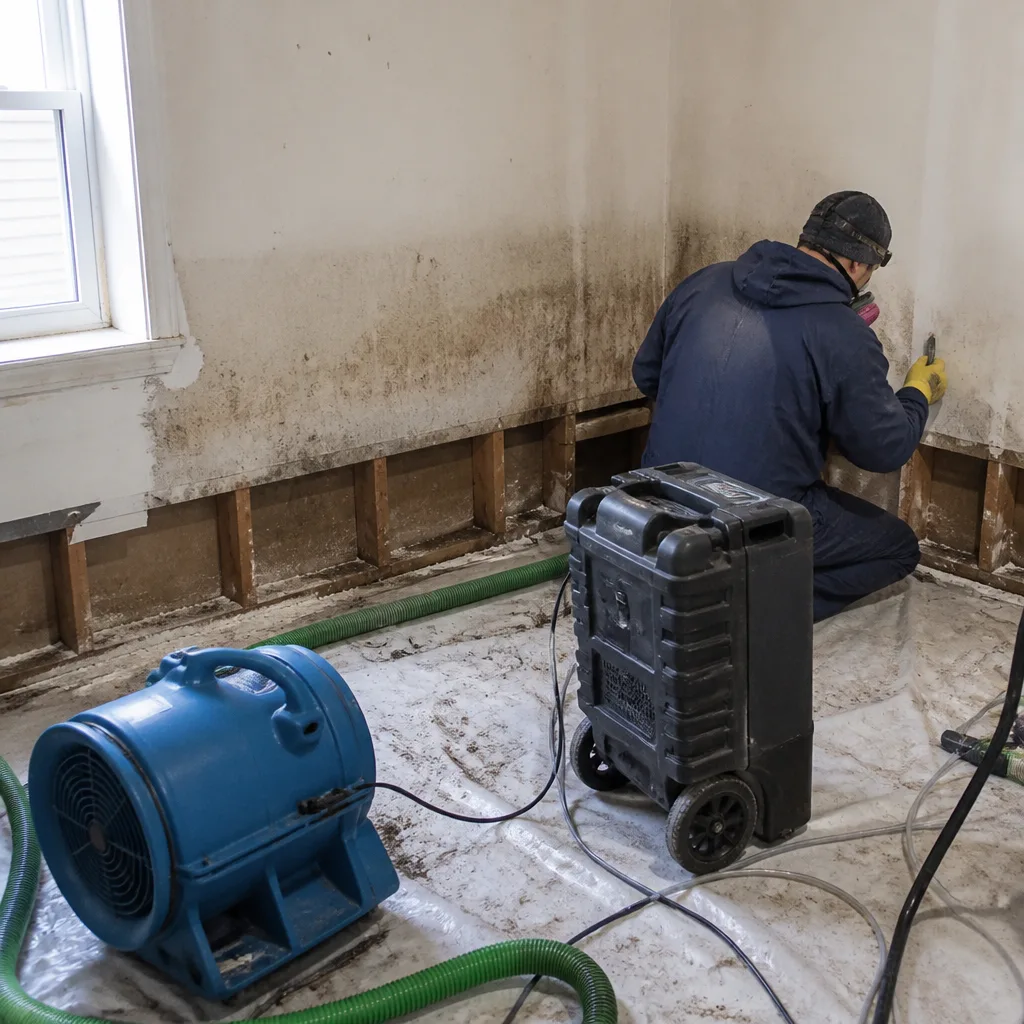 Before
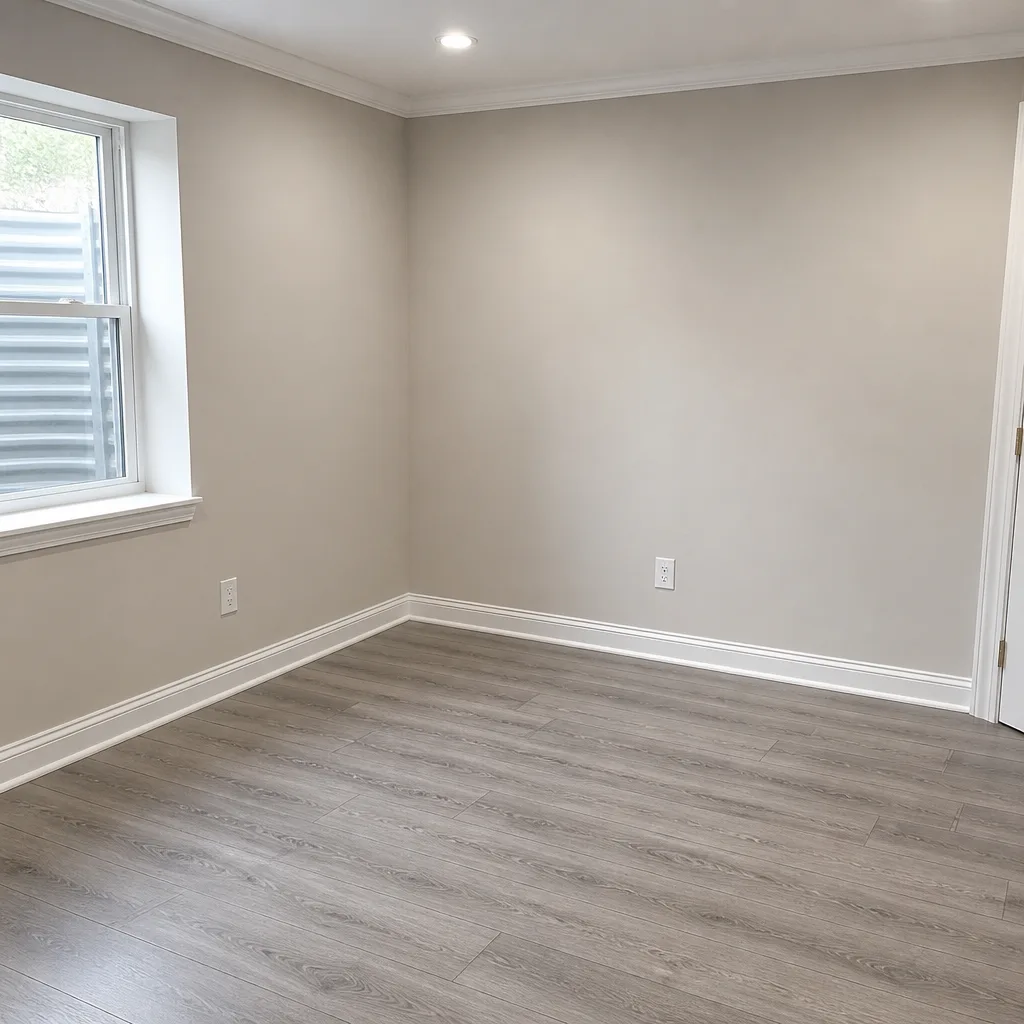 After
After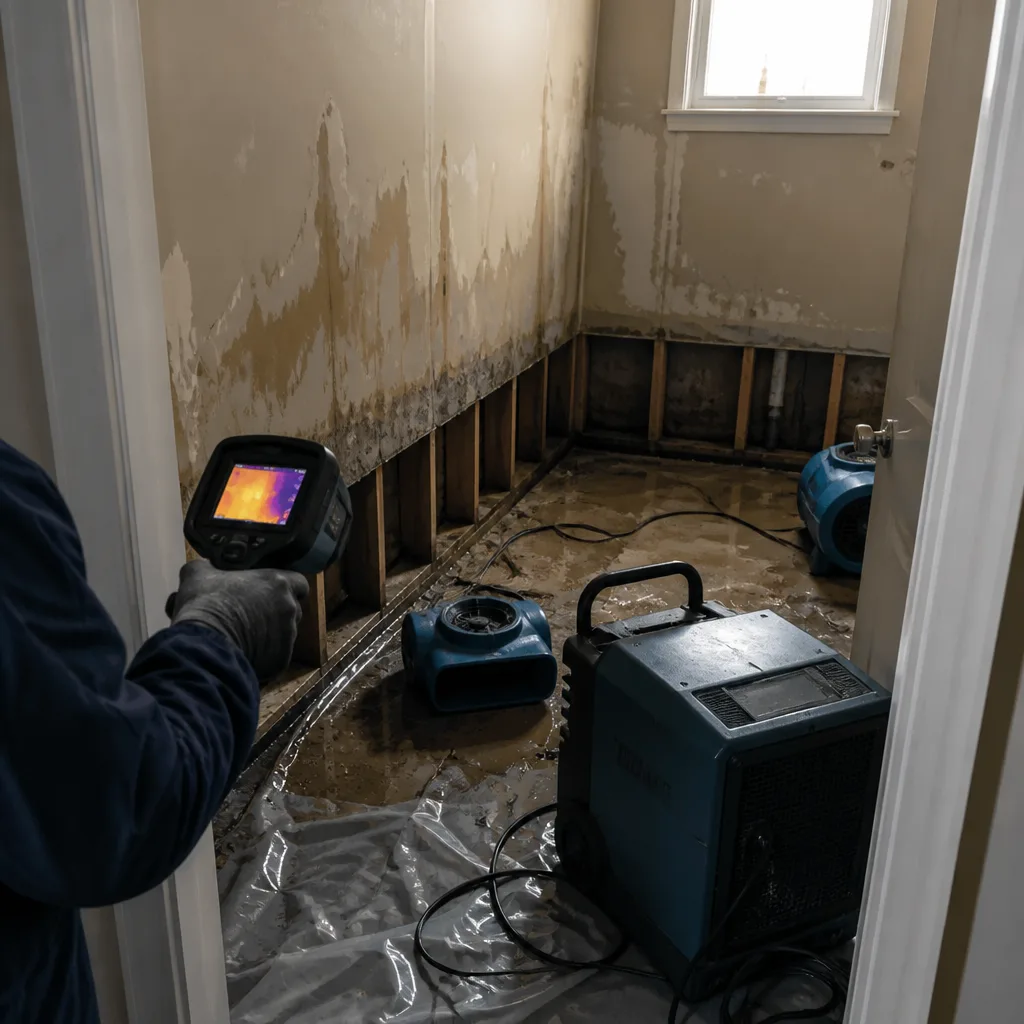 Before
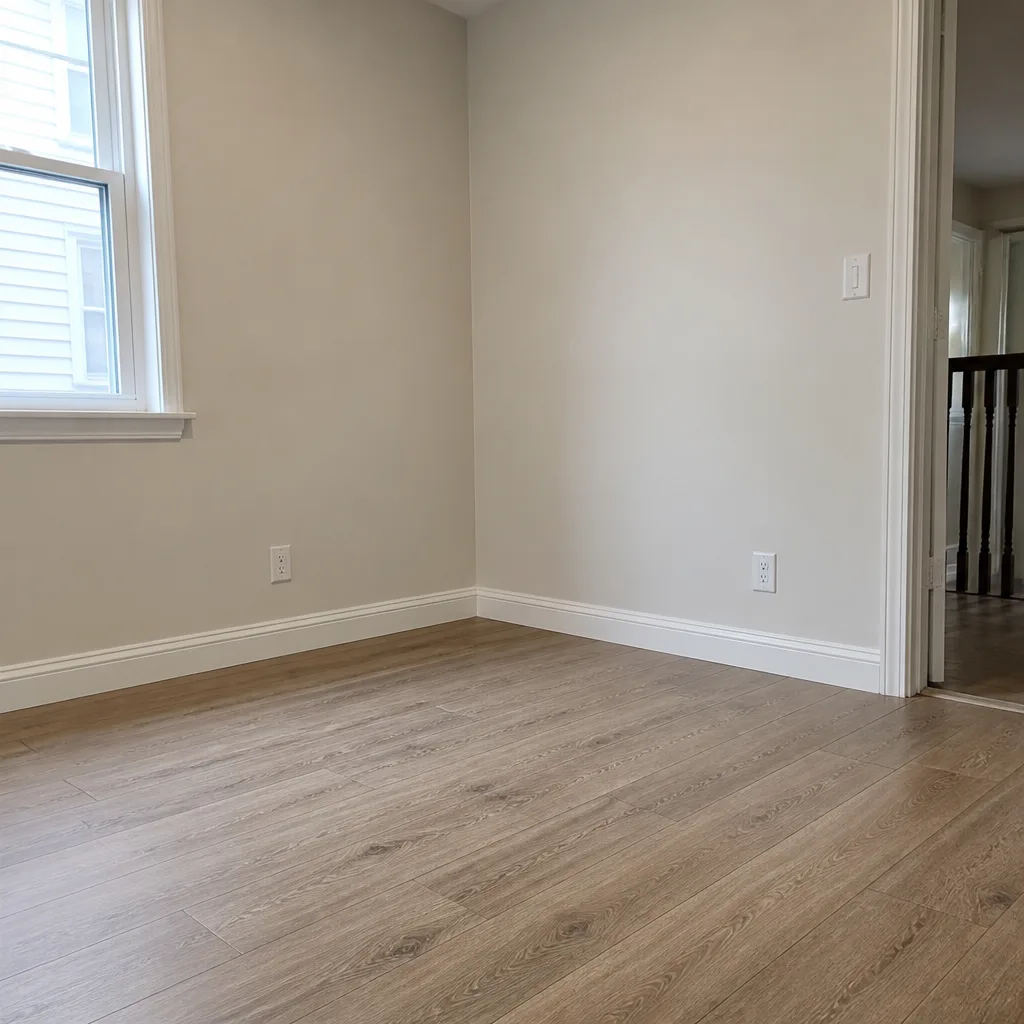 After
After24/7 Emergency Reconstruction & Cleanup in Bayonne
Reconstruction and cleanup after a flood, fire, or sewage loss in Bayonne starts with one call to (856) 501-6142, answered live around the clock. Saltwater and Category 3 water move through attached row houses fast, and every hour that passes pushes moisture deeper into plaster, floor joists, and shared party walls. Our Reconstruction & Cleanup team reaches most Bayonne blocks within 45 minutes, and the initial visual inspection is free. If you’re standing in a wet basement near the Kill Van Kull right now, call before the next tide cycle pushes more water through the foundation, because in Bayonne the water almost always comes back once more before it’s done.
Understanding Reconstruction & Cleanup Severity in Bayonne Properties
Bayonne’s housing stock is predominantly attached two- and three-family brick and wood-frame homes built between 1890 and 1940. That means plaster-over-lath walls, full basements, and lot-line-to-lot-line construction where a neighbor’s downspout discharge can end up soaking your foundation. We classify water losses by category: Category 1 is clean supply-line water, Category 2 carries significant contamination, and Category 3, common after Bayonne storm surge or sewage backup, is grossly unsanitary and requires full containment, removal of saturated porous materials, and disinfection. For Water Damage Restoration - Bayonne properties, each category demands a different protocol. In fire losses, protein soot from a kitchen fire behaves differently from the oily soot of a dryer fire or the acidic residue left by burning building materials, and each requires different chemistry before any drywall mud will bond. In saltwater-intrusion scenarios unique to Bayonne’s low-lying blocks near Newark Bay and the Kill Van Kull, chloride-laden moisture reaches deep into wood framing and corrodes metal hardware, electrical components, and even the corner bead behind drywall. We map moisture across every affected surface before and during drying, because in attached row houses the readings on your side of the wall alone never tell the full story.
Why Bayonne Property Owners Choose Wade’s Restoration
- 45-minute response commitment: Wade Ferris keeps crews staged around Hudson County so someone is rolling toward Bayonne within minutes of your call, not hours.
- 24/7 live answer: A real person picks up the phone at 3 a.m. No answering service, no voicemail tree, no call center. Often it’s Wade himself.
- IICRC-certified crews: WRT, FSRT, and AMRT certified technicians run the job, backed by RIA and IFA standards on every scope.
- Free visual inspection: We walk the loss with you, map what we find, and hand you a written scope of work before any invoice is ever mentioned.
- Direct insurance billing: We coordinate with your adjuster from the first hour and bill the carrier directly when coverage applies.
- One team from extraction to reconstruction: The same people who dry your house are the ones rebuilding it, so nothing gets lost between vendors.
Our Reconstruction & Cleanup Process
Inspection & Assessment
We walk the entire structure, not just the visible mess. Thermal imaging and hygrometers tell us where moisture is hiding inside walls and under floors, which matters more in Bayonne’s row houses than in detached homes because hidden water travels laterally through shared framing.
Extraction/Stabilization
We remove standing water, cut away saturated materials that can’t be saved, and set containment where Category 3 water or Mold Remediation in Bayonne is needed. Stabilization means stopping the spread before it becomes your neighbor’s problem too.
Drying & Dehumidification
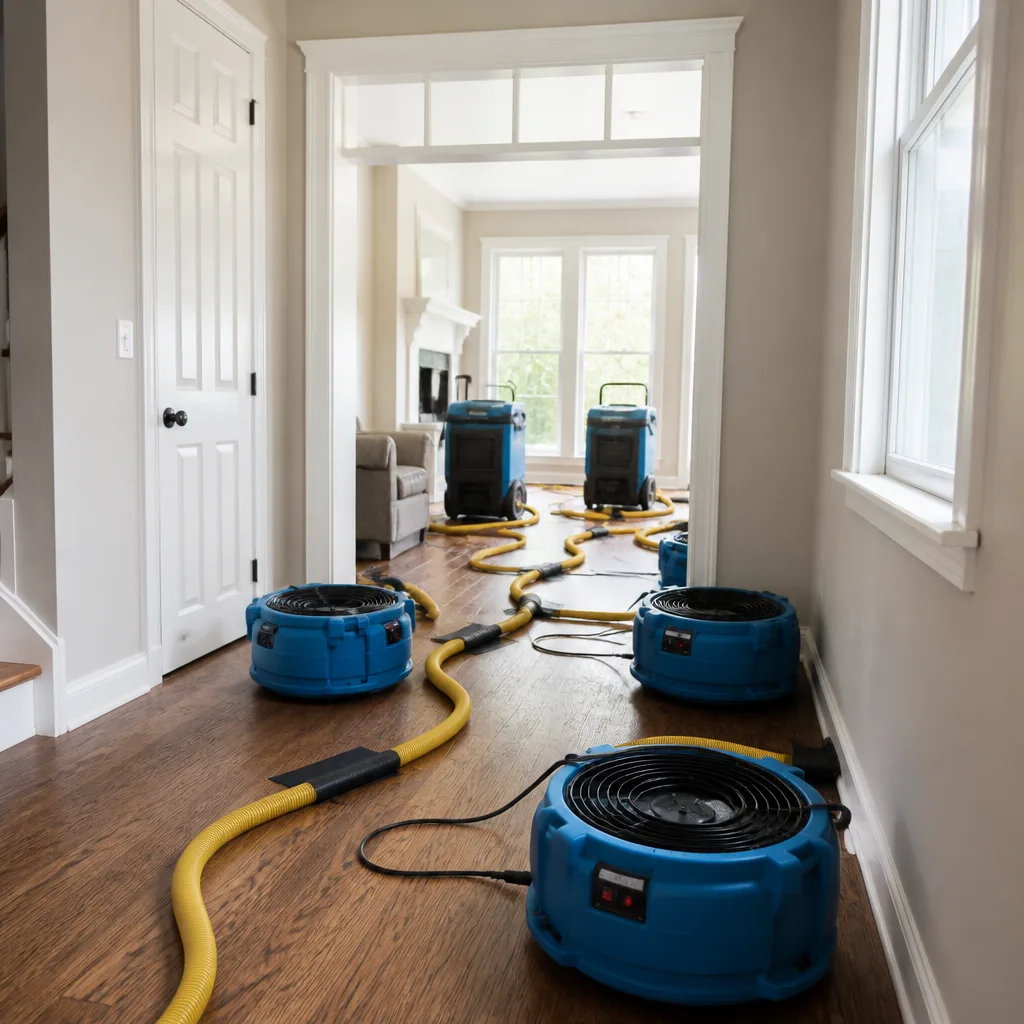
Phoenix dehumidifiers and XPOWER air movers turn a wet basement into a controlled drying environment. In Bayonne, we log moisture readings every few hours because tidal pressure can re-wet surfaces from below, long after surface water is gone.
Cleaning & Sanitization
HEPA scrubbers clear the air while we clean and disinfect every affected surface. In saltwater losses, we’re aggressive here because chlorides left behind keep pulling moisture out of the air for months.
Coastal-Specific Treatment
Before any finish materials go back in, we check fastener and hardware specs. Bayonne’s salt air and tidal moisture mean we spec stainless or coated hardware where inland crews might use standard zinc, and we do not close walls until multiple tidal cycles have passed with stable readings.
Repairs & Restoration
From drywall and flooring to full reconstruction, our Bayonne Commercial Restoration crew rebuilds your space to its pre-loss condition or better. The 90-Day Done Right Promise, in writing, covers the entire job, not just the drying.
Need Emergency Reconstruction & Cleanup in Bayonne Now?
Crews minutes away, answering live 24 hours a day. The sooner we start, the less it costs.
Working With Your Insurance Company
Insurance claims in Bayonne get complicated fast because attached row houses mean multiple policyholders, shared walls, and the question of whose coverage pays for what. We handle that part directly with your adjuster, starting from the first hour. Our team documents everything: photos room by room, moisture readings taken on a timed schedule, and a line-item scope of work written in the format insurance carriers expect. You never have to translate between us and the insurance company, and you never have to guess whether your side of a shared wall was fully dried. Wade deals with the adjuster directly, and he hands you every log and photo at the end of the job, because the documentation belongs to you.
What We Provide Your Insurer
- Thorough documentation of the loss
- Photos of all damage, room by room
- Moisture readings and drying logs
- A detailed, line-item scope of work
- Direct coordination with your carrier
Built for Bayonne’s Loss Calendar
Bayonne’s losses follow the tides and the seasons, not a generic calendar. January deep freezes burst supply lines in pre-war houses whose original pipes run through unheated crawlspaces and exterior walls. February and March bring nor’easters that push Newark Bay up over bulkheads and into basements that never flooded before. Spring thaw saturates Bayonne’s clay-heavy soil, and the water table rises under foundations until basement floor slabs sweat and weep. Summer thunderstorms overwhelm the combined storm-sewer system, sending Category 2 water back up through floor drains. Fall hurricane remnants and king tides raise the Kill Van Kull again, and in the low blocks south of the city, salt water works its way through mortar joints and foundation cracks. We plan every drying job around the tide chart as much as the weather forecast, because in Bayonne the two are inseparable.
Reconstruction & Cleanup Across Bayonne’s Neighborhoods
The loss patterns change block by block in Bayonne. Down near the Constable Hook peninsula and the Kill Van Kull waterfront, we see saltwater intrusion through foundations on almost every storm job, and the water keeps coming back with the tide even after the rain has stopped. Up in the Central Avenue corridor and the blocks around 22nd Street, the tight row houses share party walls, so a kitchen fire on one side means smoke migration through floor cavities into the unit next door, and our containment has to account for your neighbor’s side. Over near Bayonne Park and the midtown grid, older homes still carry original plaster-over-lath, which handles water differently than drywall, it holds together longer but dries slower and hides mold longer before it shows. Out toward the eastern blocks near Hudson County Park and the Route 440 edge, we work on larger detached homes and industrial-adjacent properties where sewage backup from the combined system is the more common culprit. Every one of these areas gets the same first response time and the same live-answer phone line, but the drying plan is written for the specific block, not a template.
Specialized Reconstruction & Cleanup Services We Offer in Bayonne
Full-Service Reconstruction
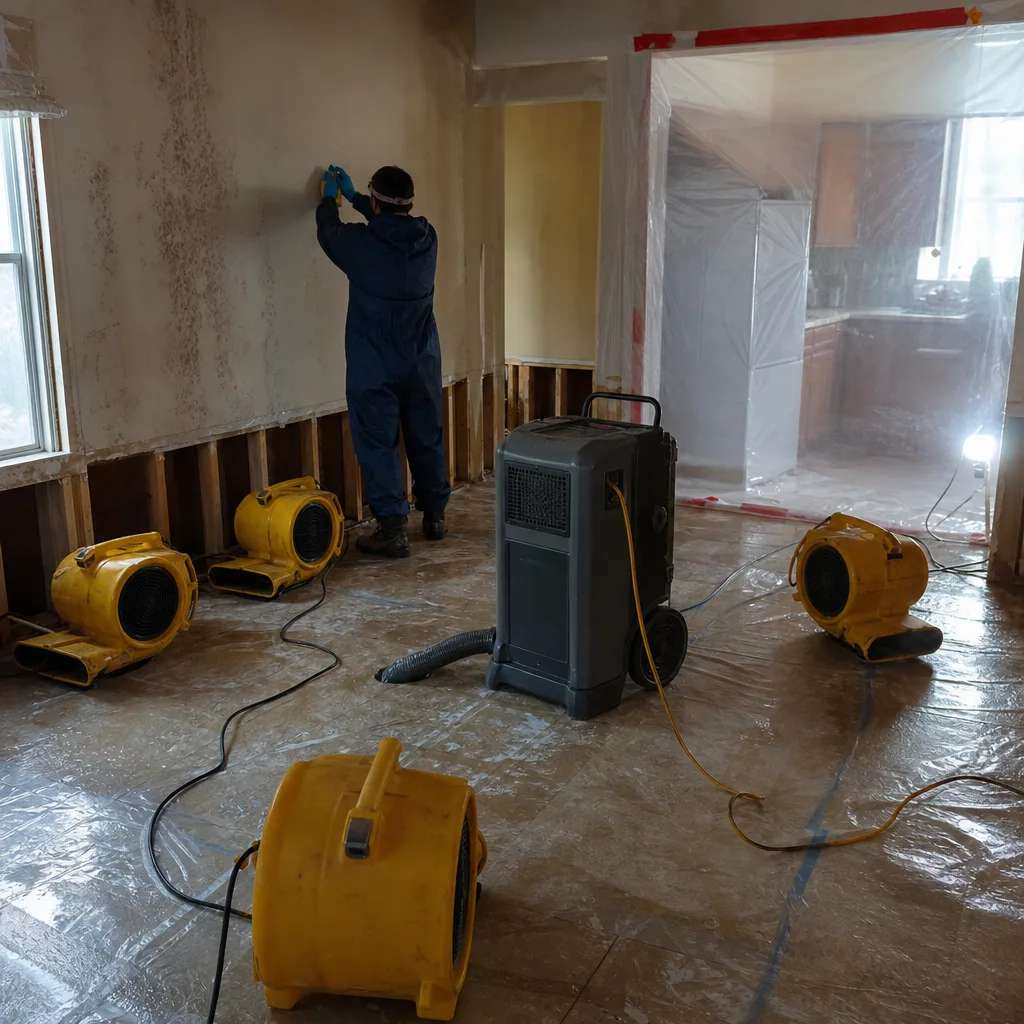
After the drying is done, if drying is even possible before demolition, our crew handles the full rebuild in house. In Bayonne’s older homes, that often means replacing plaster walls with drywall, sistering floor joists that have lost structural integrity, and rebuilding basements with materials that can handle the next saltwater event. We do not hand you off to another contractor, and we do not leave a job half-finished.
Drywall & Flooring Repair
Salt-laden moisture corrodes metal corner bead and fasteners faster than freshwater does, so we spec coated or stainless hardware in Bayonne and hold off on closing walls until the tidal-cycle readings have stabilized. That patience is the difference between a repair that lasts ten years and one that grows rust streaks within twelve months.
Contents Restoration & Pack-Out
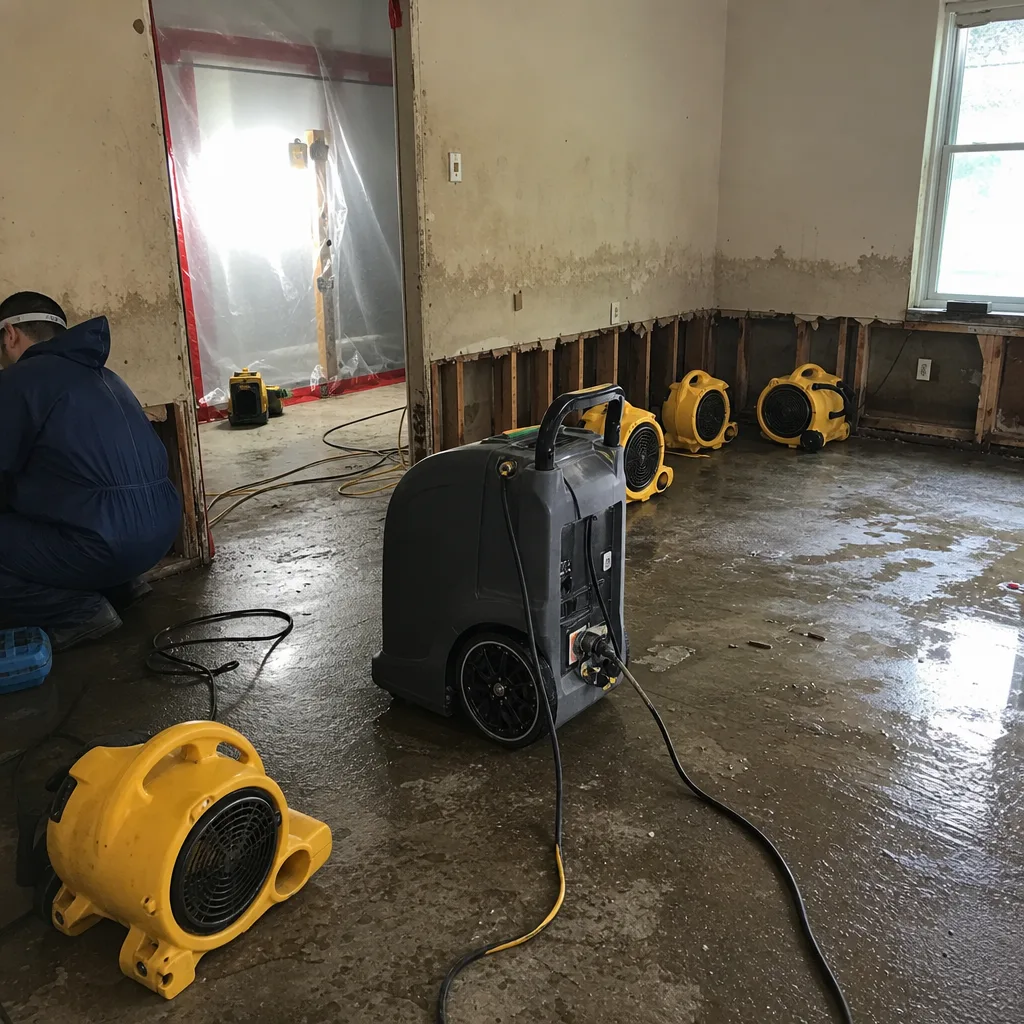
When a Bayonne basement floods, the contents usually include more than furniture: seasonal gear, family photos, tools, and boxes of paperwork are common casualties. We inventory, pack out, clean, and store affected contents, then return them once the structure is rebuilt. For anything touching Category 3 water, we let you know honestly what can and cannot be safely cleaned and returned to use.
Carpet & Upholstery Cleaning
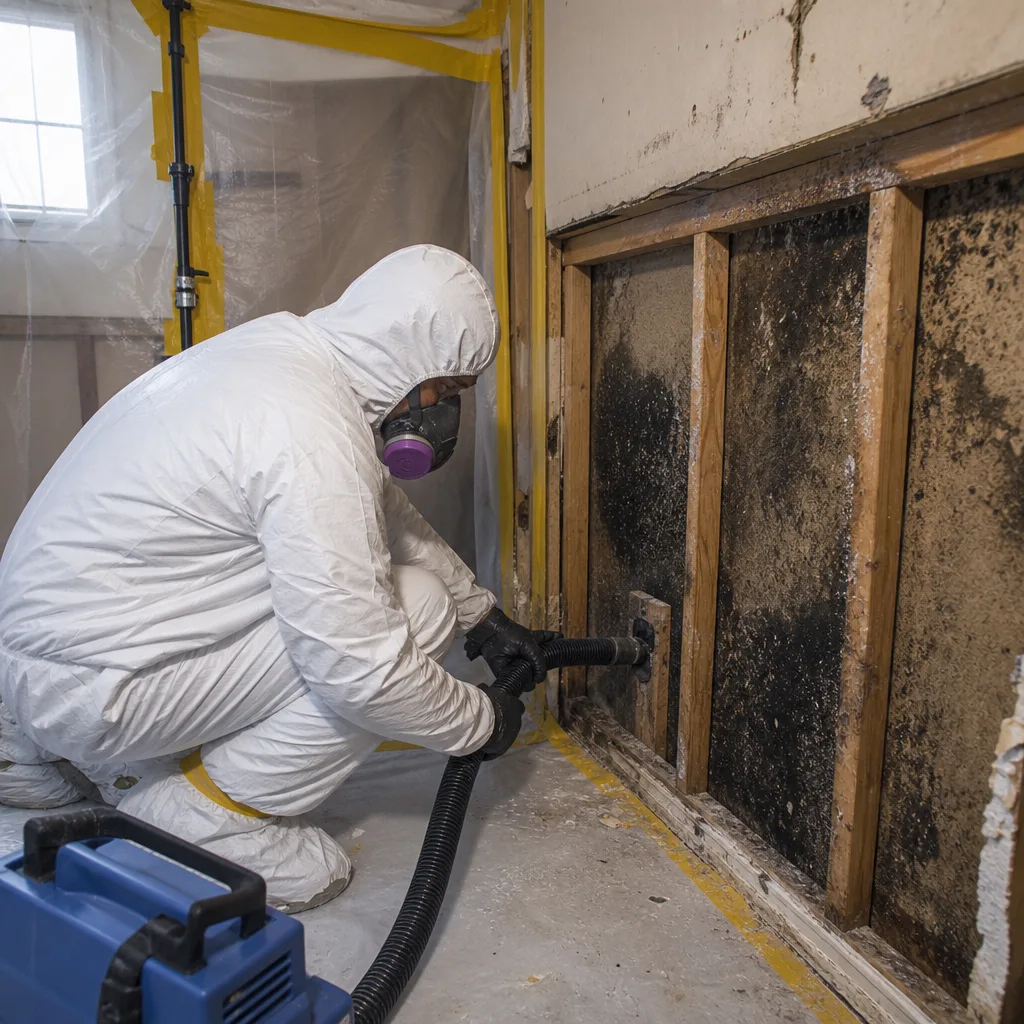
Freshwater spills and minor sewage backups sometimes end with salvaged carpet and upholstery rather than replacement. We run professional-grade cleaning and deodorizing, then verify dryness with moisture meters before telling you the piece is safe to put back in service. Not every home in Bayonne needs full reconstruction after every loss, and we will not sell you one.
Post-Construction Cleanup
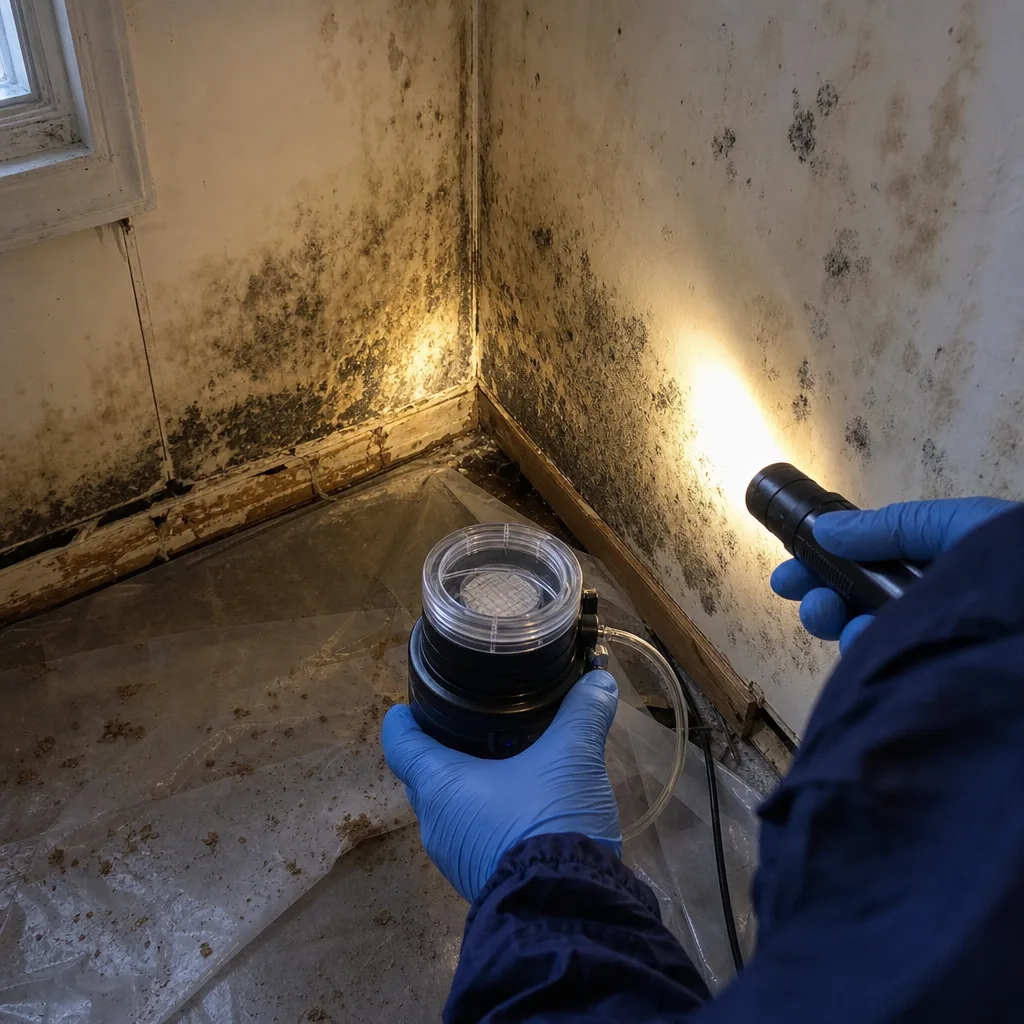
After any rebuild, we do a full post-construction clean: HEPA vacuuming of every surface, dust containment, and air scrubbing so the house is actually livable, not just structurally finished. In Bayonne’s attached homes, this step matters double because the dust from your unit migrates into the neighbor’s side through shared walls and floor cavities.
Insurance Claim Documentation
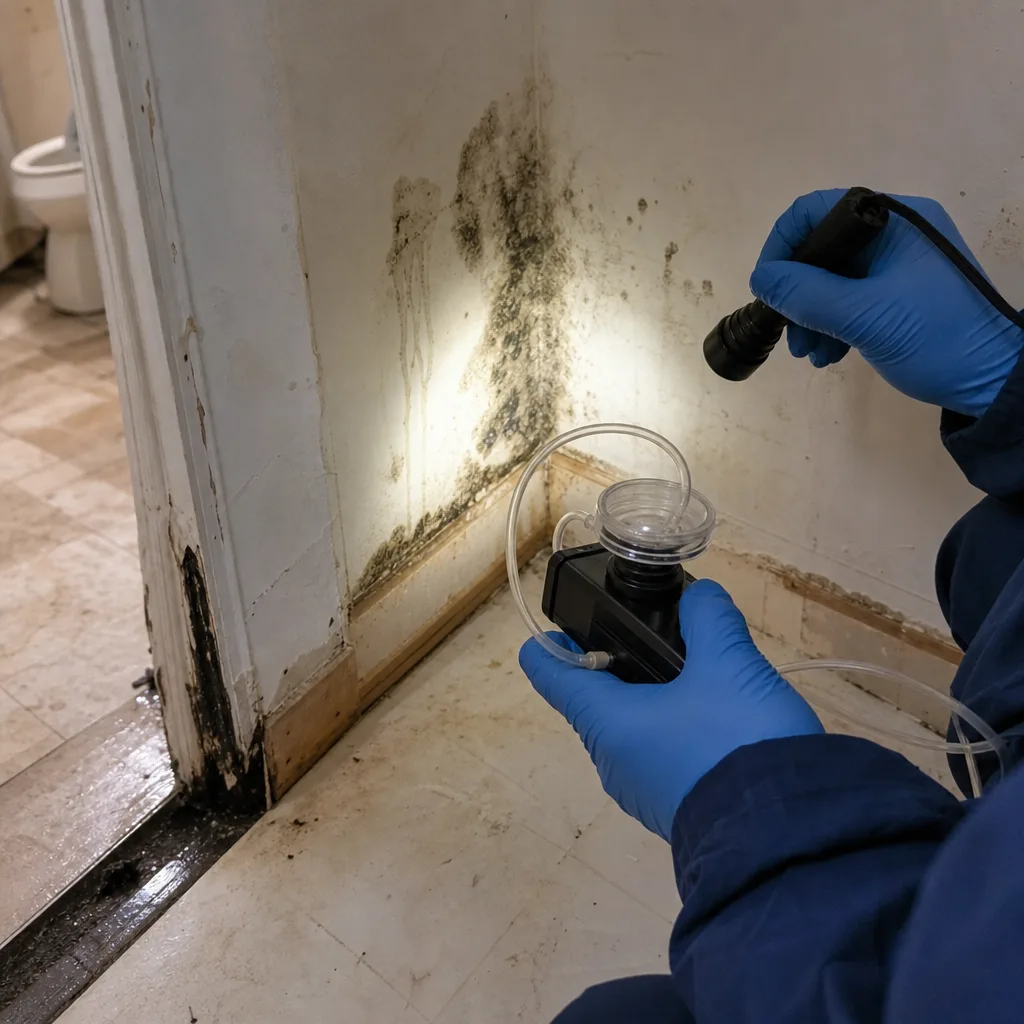
We build a documentation packet your adjuster can actually use: timed moisture logs, daily photos, thermal imaging captures, and a line-item scope of work with materials and labor broken out. In multi-unit Bayonne row houses, we also document what we did on your neighbor’s side of the party wall, because that information often determines whether your claim covers the full drying or gets nickel-and-dimed later.
What happens when you call
- 1
A real person answersNo phone trees - you reach a local pro.
- 2
You get an upfront price rangeHonest numbers before anyone is dispatched.
- 3
A background-checked tech heads outLicensed & insured, dispatched right away.
- 4
You approve before work beginsNothing starts until you say go.
Reconstruction & Cleanup Costs in Bayonne, NJ
Reconstruction and cleanup pricing in Bayonne runs higher than inland Hudson County towns for a simple reason: the tidal factor adds time and material costs. A Category 1 basement water loss with full drying in a typical Bayonne row house runs $2,800 to $6,500. Category 3 sewage or saltwater intrusion with demolition and full rebuild starts around $9,000 and commonly lands between $14,000 and $30,000 depending on how far the water traveled through the structure. Drywall replacement in a bay-front living room runs $1,200 to $3,200. Flooring tear-out and replacement for a finished basement in Bayonne runs $4 to $12 per square foot, with materials varying from standard to mold-resistant to marine-grade depending on your block’s flood history. Full-service reconstruction after a fire in an attached two-family home often starts at $40,000 and moves up quickly. Most Bayonne losses involve insurance, and we work directly with your carrier so the scope is documented from the first hour, not reconstructed from memory later. Call (856) 501-6142 for a free inspection and a written scope before any work begins, no trip charge inside Hudson County.
We Also Serve Cities Near Bayonne
Beyond our Reconstruction & Cleanup in Bayonne service area, Wade’s Restoration runs crews daily through Jersey City, Harrison, Kearny, and Hoboken. The same live-answer phone line, the same 45-minute response commitment, and the same owner-operated accountability on every job.
Bayonne Reconstruction & Cleanup Questions, Answered
Why did my Bayonne basement flood even though we’re not in a mapped flood zone?
Bayonne sits at or near sea level throughout, and its clay-heavy soils drain poorly, so tidal backflow and surface runoff can flood basements nowhere near a FEMA floodplain designation. The mapped flood zone is an insurance and planning tool, not a hydrology map, and in Bayonne the actual water table and the combined storm-sewer system regularly push water into foundations that look safe on paper. If your basement has never flooded before and now it has, the tide table and recent construction uphill from you are often the two variables that changed. Call (856) 501-6142 and we’ll map where the water entered and what’s needed to dry your structure.
Our row house shares a wall with a neighbor who won’t fix their side. Can you still dry our unit?
Yes, and we do it in Bayonne every week. We set containment along the shared party wall so mold spores and humidity from the neighbor’s wet side do not compromise your drying environment, then run our equipment on a schedule that tracks both your readings and the moisture we can indirectly measure through the wall. The challenge with a wet neighbor is that drying one side of a shared wall while the other stays saturated slows the whole process, and sometimes the scope of work has to include extending drying into their unit, even if that means working through their insurer or a shared wall agreement. Wade has handled enough of these to know the right conversation to have with an adjuster or an attached-home neighbor.
After Sandy, our Kill Van Kull basement seeps even when it hasn’t rained. Is that normal?
Normal for Bayonne’s low-lying blocks, yes, though not a condition you have to live with. The tidal pressure in the Kill Van Kull pushes water through foundation cracks and mortar joints twice a day, rain or no rain, and after Sandy many foundations developed new seep paths that still open during high tide. We track moisture readings against tide tables and often find that a basement that reads dry at 2 p.m. starts climbing at 6 p.m. when the tide turns. The fix is usually a combination of targeted foundation sealing, interior drainage, and in some cases a sump system, but the exact answer depends on your foundation type and lot position. Call (856) 501-6142 and we’ll come read the tide cycle with you.
Do saltwater floods require different reconstruction than freshwater floods?
Completely different. Freshwater dries out and leaves little behind; saltwater leaves chloride residue that keeps absorbing humidity from the air long after the visible water is gone, and chloride is corrosive, so it eats new fasteners, electrical connections, and metal corner bead within months. In saltwater losses, we use a different drying protocol, often a slower and longer one, plus coated or stainless hardware, and we delay closing walls until we have charted multiple stable readings across several tidal cycles. Skip any of that and you get rust streaks and failed drywall seams inside a year. Most out-of-town crews never see saltwater losses because they do not work in bay-front towns like Bayonne, so the standard playbook fails here.
How soon after a basement flood can you start rebuilding in Bayonne?
In a freshwater loss with cooperative tide conditions, drying typically takes 3 to 5 days for a Bayonne basement before reconstruction can begin. In a saltwater or Category 3 loss, the timeline stretches to 7 to 14 days because we need stable moisture readings across multiple tidal cycles, and in cases where the neighboring unit is also wet, the whole process can run beyond that. Starting rebuild before the readings stabilize is the most common mistake we see in Bayonne; it locks moisture inside the wall assembly and guarantees a return trip within a year. We’d rather spend an extra week drying than rebuild twice. Call (856) 501-6142 and we’ll give you a written timeline specific to your block.
How fast can someone actually get to my Bayonne house?
Most Bayonne calls get a crew at the door within 45 minutes. Wade keeps response teams staged in Hudson County during storm season, and on a normal day the drive from our dispatch point into Bayonne is short even crossing the bay bridge traffic. The phone is answered live, twenty-four hours a day, and the person answering is often Wade himself, so the clock starts on your call, not after a voicemail is finally returned. If it’s a tidal flood, starting extraction while the water is still pressing in buys you hours of drying time, or at least keeps the damage from spreading further through the house.
Are you certified for this kind of work?
Our crews carry IICRC certifications including WRT for water damage, FSRT for fire and smoke, and AMRT for applied microbial remediation, plus RIA affiliation and IFA recognition. In Bayonne, where saltwater and sewage losses carry bacterial and mold risks, certification is not a marketing badge; it is the difference between a clean rebuild and a house that never airs out properly. Wade publishes his name, address, and license number because he answers for the work personally, and the 90-Day Done Right Promise is stamped in writing on every restoration contract.
What should I do in the first 30 minutes after a flood in Bayonne?
If water is still rising, which it often is in Bayonne as the tide comes in, turn off electricity to affected areas only if you can reach the panel safely and not standing in water, then call (856) 501-6142. Do not enter standing water that could be carrying sewage or saltwater intrusion from Newark Bay or the Kill Van Kull, and do not move wet contents into dry rooms, because that spreads moisture and mold spores. Get photos where you safely can, but the priority is the call. Every hour the water sits in a Bayonne basement, it moves deeper into plaster, floor joists, and through the party wall into attached neighbors, and those extra hours often add thousands to the rebuild.
Serving Bayonne, NJ - Our Local Coverage Area
We’re based in the Bayonne area and know this community well. Use the map below to see our service coverage - if you’re nearby, we can almost certainly help.
Call Wade’s Restoration for Bayonne Reconstruction & Cleanup
On a two-family brick row house near the Kill Van Kull waterfront, our crew arrived after a nor’easter had pushed Category 3 water through the party foundation. We set containment across the shared basement wall, ran Injectidry panels behind the plaster-over-lath, and logged moisture readings every four hours, watching them climb back up with each high tide. Because the neighbors’ side stayed wet, our scope of work had to include extending drying into their basement before any reconstruction could begin. That’s what Reconstruction & Cleanup in Bayonne actually requires: understanding the tidal hydrology, the attached row house reality, and the saltwater material science, then sticking around long enough to prove the house is dry, not just claim it. If you’re dealing with water, fire, sewage, or mold in Bayonne, call (856) 501-6142 for a free visual inspection and a written scope of work before anything else happens. Wade Ferris and his team answer the phone live, twenty-four hours a day, and they’ll be on the road to your block minutes after you do.
Written by Wade Ferris, Owner at Wade’s Restoration, serving Bayonne, NJ with reconstruction and cleanup since our founding in 2007.