
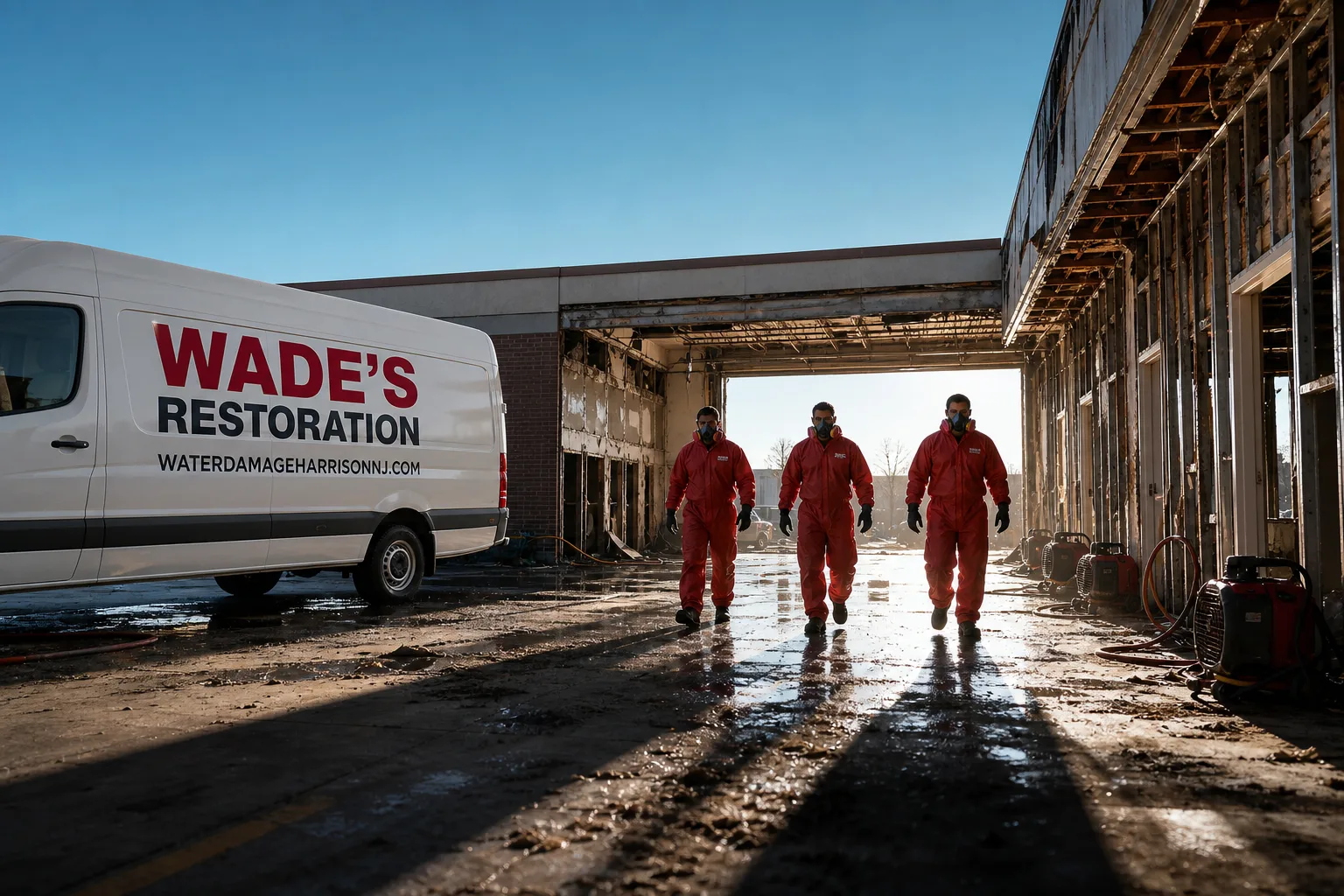
Free visual inspection and a written scope of work before any mitigation begins - photos, moisture readings, and drying logs go in your claim file
The scope we write is the scope we bill. Anything new gets shown to you, in writing, before we touch it.
 Before
 After
After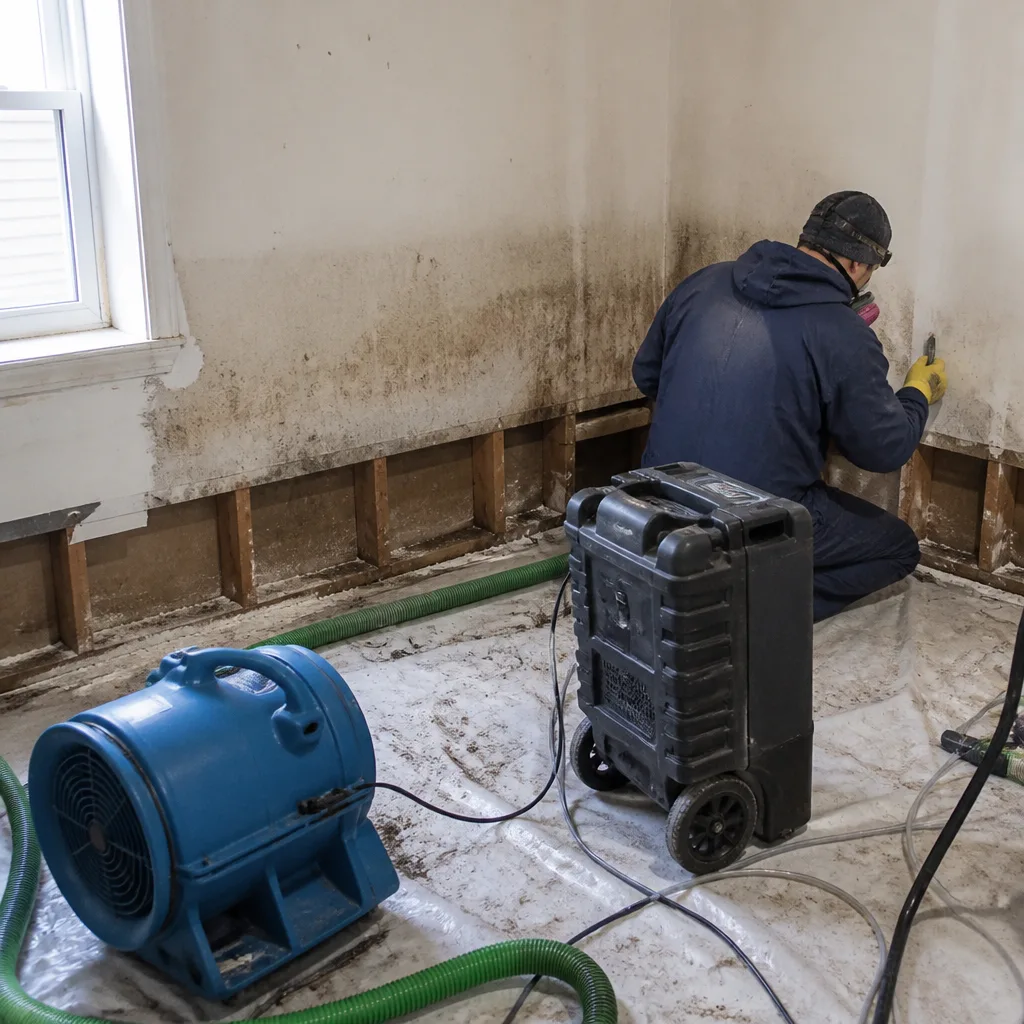 Before
 After
After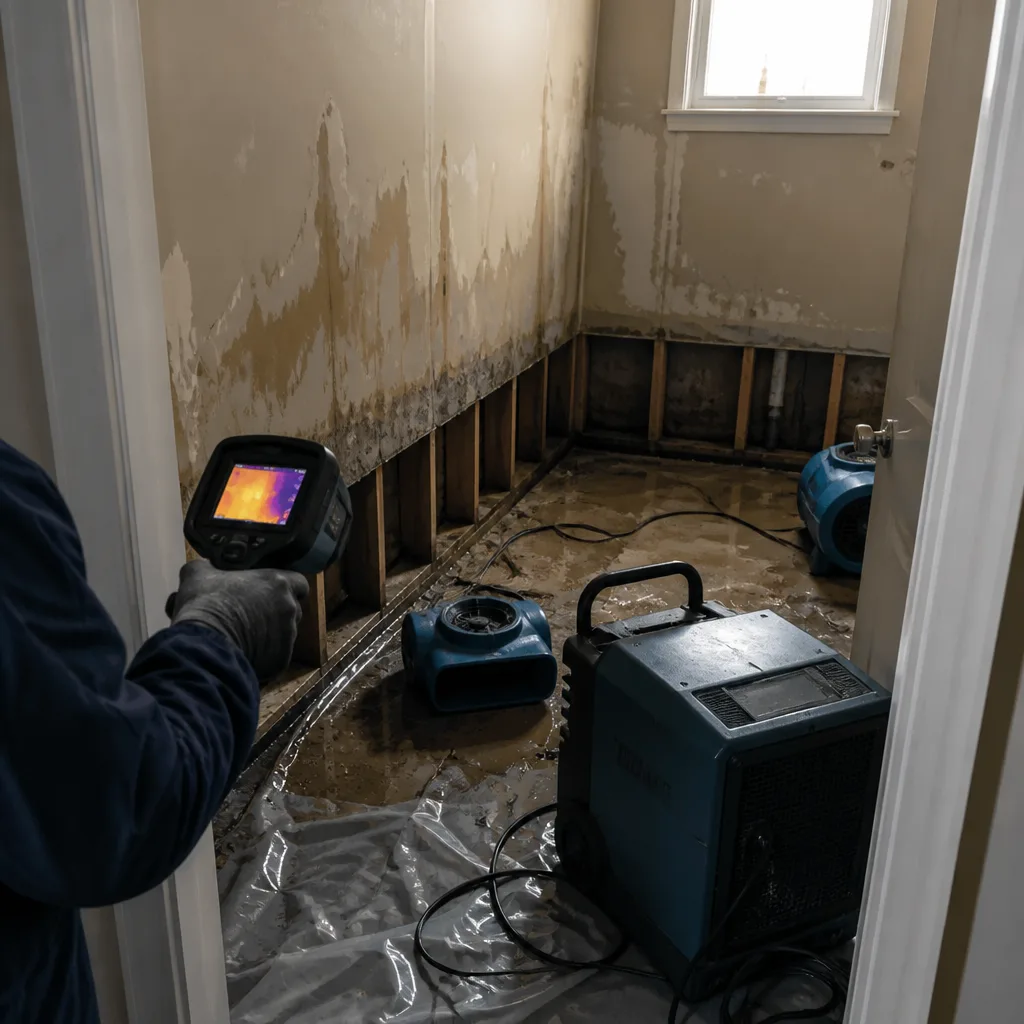 Before
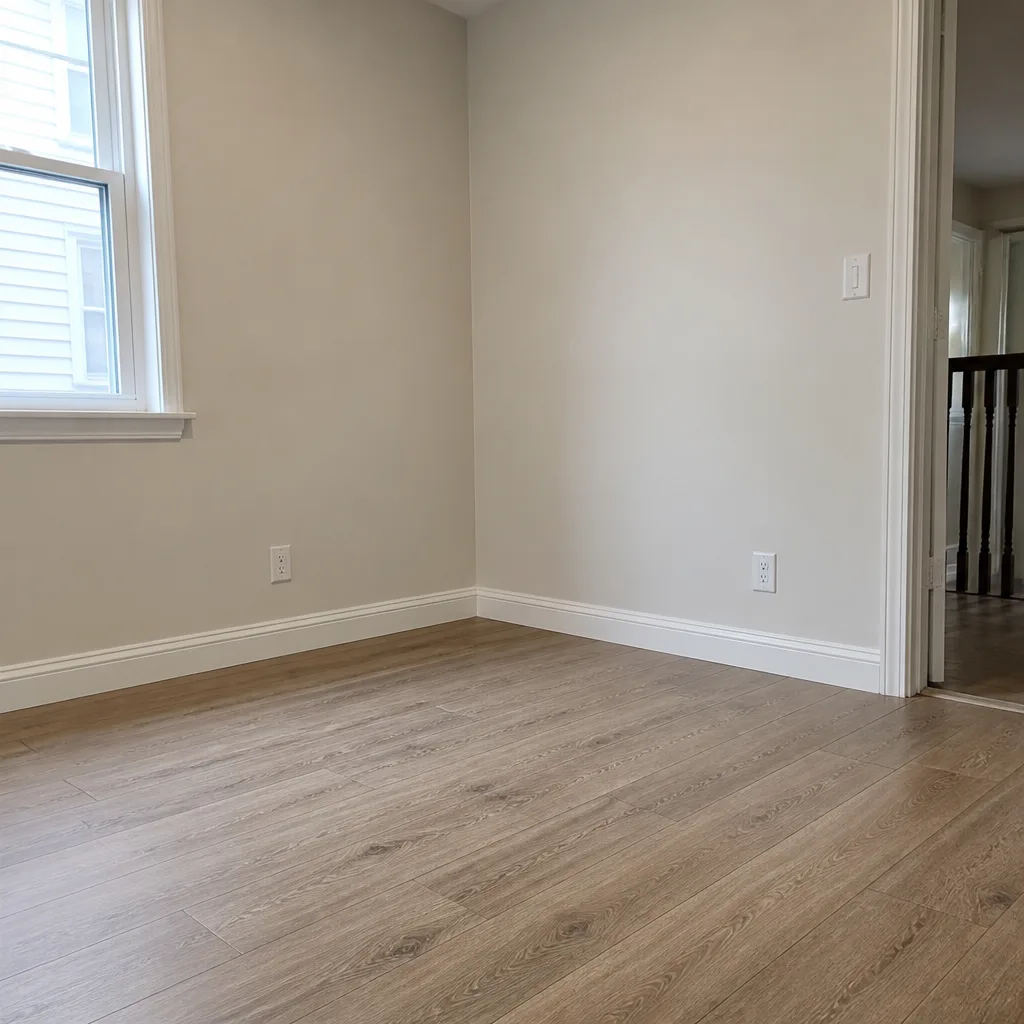 After
After24/7 Emergency Fire & Smoke Damage Restoration in Hoboken
Fire and smoke damage in Hoboken needs a response right now, not tomorrow morning. Smoke keeps moving through shared walls and floor cavities long after the flames are out. Soot settles into plaster, wiring, ductwork, and your belongings. The sooner someone starts pulling saturated drywall, running air scrubbers, and sealing off affected areas, the less you lose and the less it costs to put back. That’s why Wade’s Restoration answers live around the clock. You call, a real person picks up, and Wade heads out to Hoboken himself. The first hour after a fire determines how much of your home survives. Call (856) 501-6142 for a free visual inspection, no trip charge inside the county.
Understanding Fire & Smoke Damage Restoration Severity in Hoboken Properties
Fire damage in Hoboken’s housing stock is rarely a fire-only job. The overwhelming majority of buildings here are attached brick row houses and brownstones built between roughly 1870 and 1930, and fire in one unit doesn’t stay in one unit. Smoke migrates laterally through shared party walls, open joist bays, and the gaps around old cast-iron plumbing chases. Garden-level and below-grade units add a second layer of trouble: the water used to suppress the fire pools at the lowest point of the building, saturating century-old pine subfloors and plaster that were never designed to dry quickly. Soot residue types matter too. Protein soot from a kitchen fire is nearly invisible and greasy. Dry soot from paper and wood is fine and acidic, eating into finishes within hours. Oily soot from burnt synthetics smears and spreads if you touch it wrong. In Hoboken, restoration always includes a Category 3 water assessment because the firefighting runoff that ends up in a garden-level unit has almost certainly picked up contaminants from the building’s aging plumbing and the high water table pushing up through floor drains. You’re not just cleaning smoke. You’re mitigating a biohazard and drying a structure that fights you the whole way.
Why Hoboken Property Owners Choose Wade’s Restoration
- 45-minute response commitment: Wade coordinates from the metro office and has crews positioned around Hoboken. He can be on-site at a Washington Street brownstone or an Observer Highway garden unit inside 45 minutes of your call.
- 24/7 live answer: No answering service, no voicemail tree. Wade answers his own phone. If he’s on another job, his team picks up and reaches him directly.
- IICRC-certified crews: FSRT and WRT certified technicians handle both the fire work and the water work that comes with it. You don’t juggle two companies.
- Free visual inspection: Wade walks the property with you, tells you what he sees, and hands you a written scope before any work begins. No charge for that.
- Direct insurance billing: Wade talks to your adjuster directly. You’re not the one relaying information between two sides at 9 p.m.
- One team from extraction to reconstruction: The same crew that pulls saturated plaster also runs the dehumidifiers and rebuilds the wall. No hand-offs, no dropped details.
Our Fire & Smoke Damage Restoration Process
Inspection & Assessment
We walk every room, the stairwells, the shared wall cavities, and the floor below the fire. Thermal imaging shows us where heat and moisture traveled. We map smoke migration with a scope that covers what you can see and what you can’t.
Emergency Board-Up, Tarping & Stabilization
Hoboken’s attached historic districts mean an open window or compromised party wall exposes neighboring units too. We board and tarp first, then secure entry points. This is about liability and about stopping further damage.
Water Extraction & Structural Drying
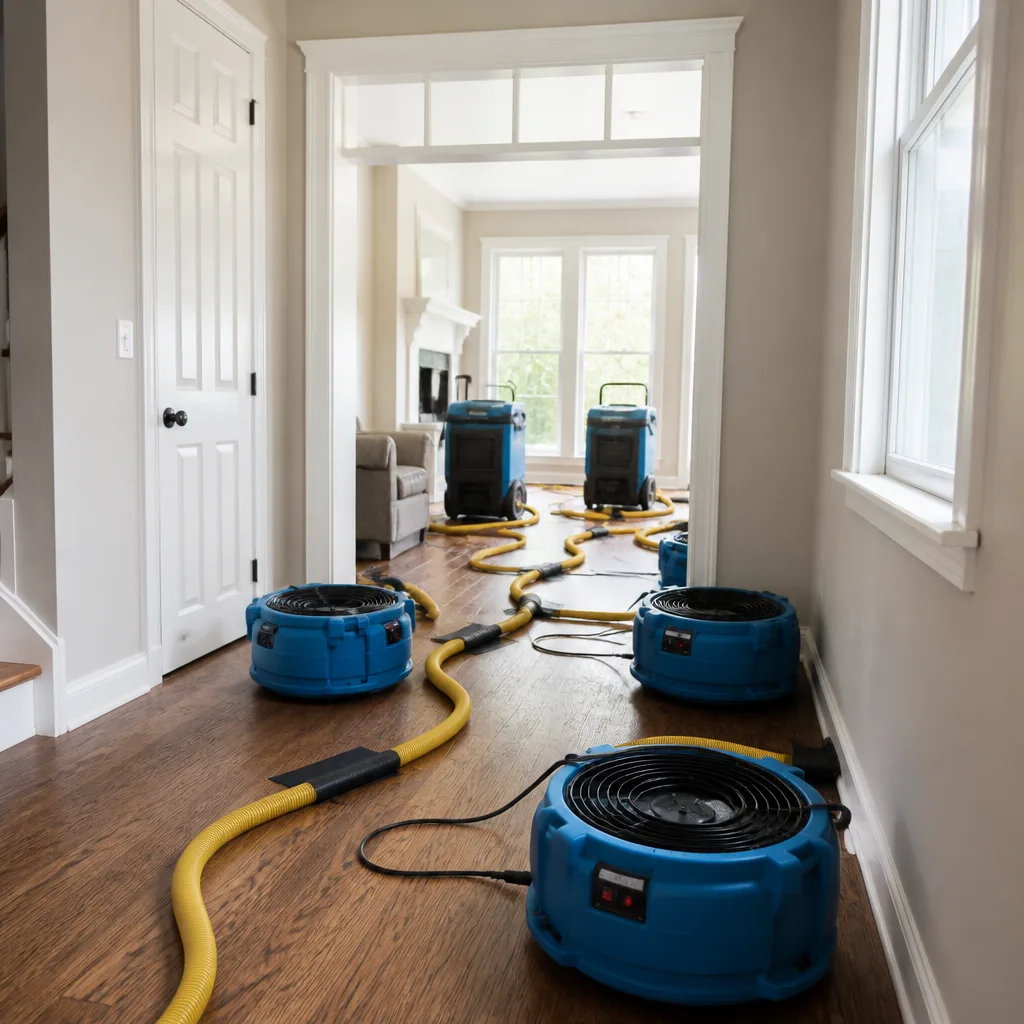
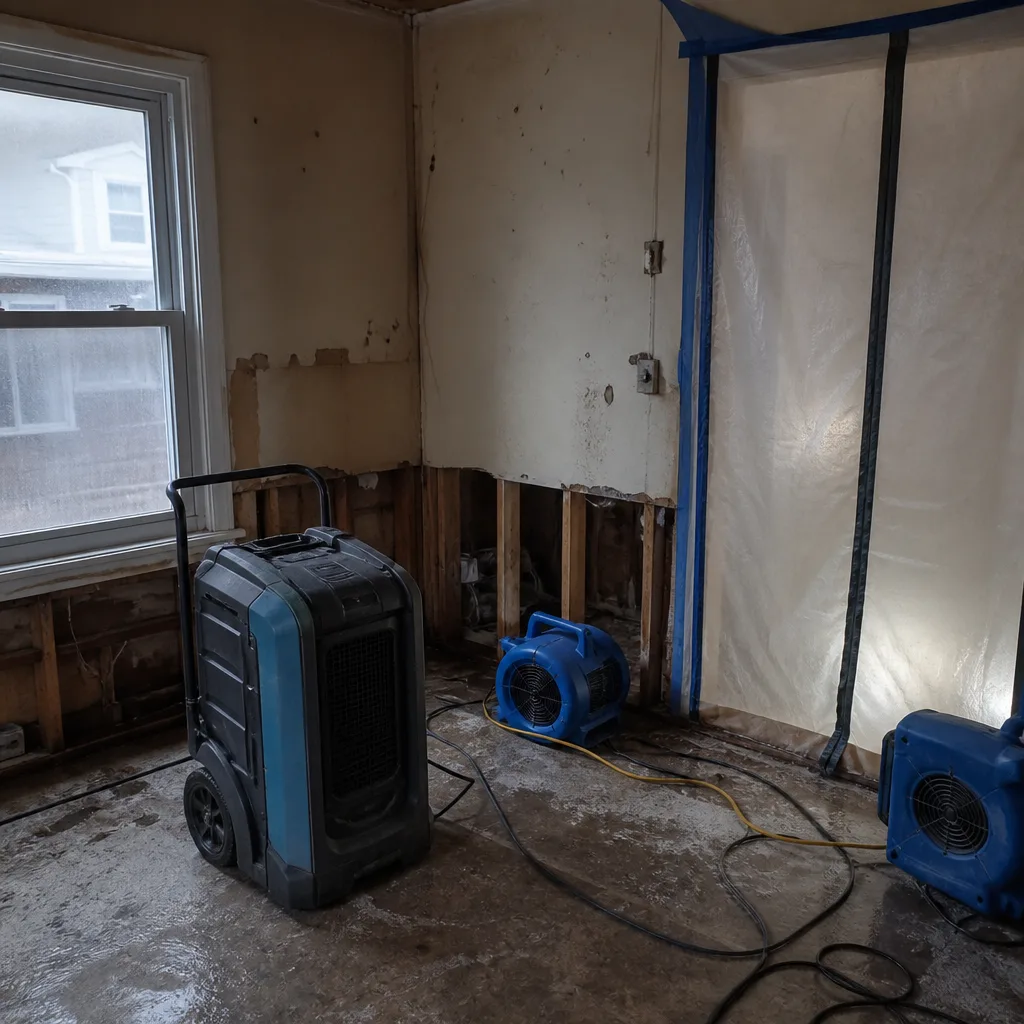
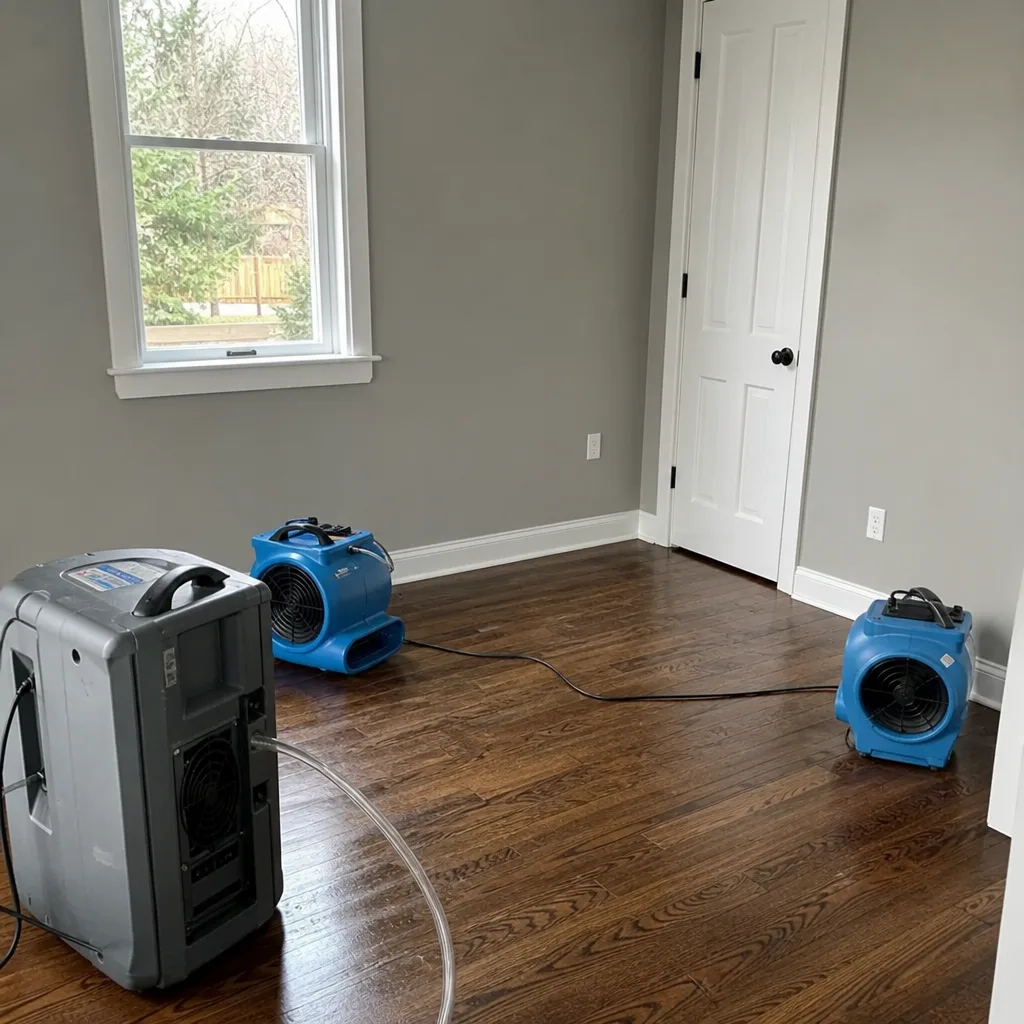
Firefighting water goes down, not just across. We cut drains where needed, pull standing water from garden-level floors, and run Dri-Eaz LGR dehumidifiers and XPOWER air movers. Daily moisture readings go into a log you get at the end.
Smoke & Soot Removal
Every surface gets cleaned by soot type. Dry soot vacuums with HEPA filtration. Oily soot needs chemical sponges and careful wiping, never water, to avoid smearing. We run HEPA air scrubbers throughout to capture what’s airborne.
Odor Removal & Deodorization
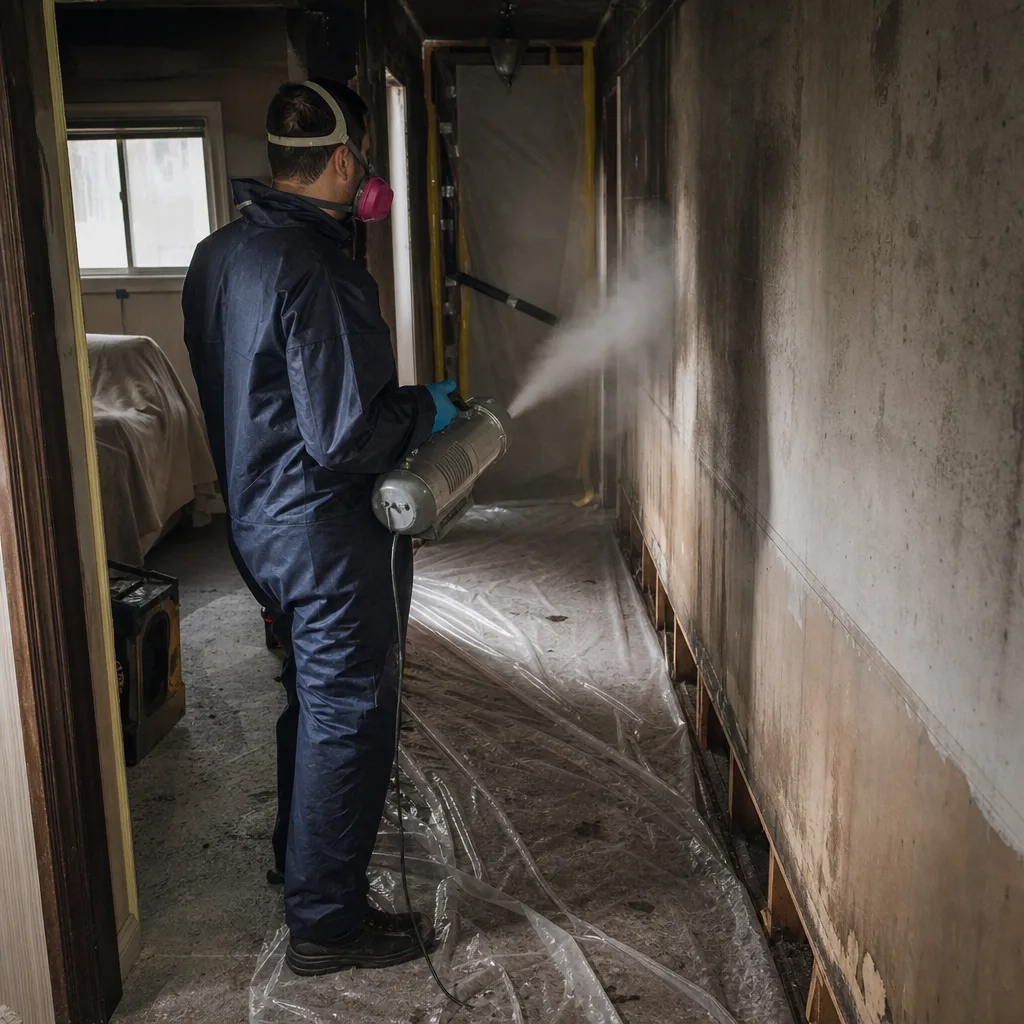
Smoke odor in a brownstone travels through party walls and shared floor cavities. We use thermal fogging and hydroxyl generators, not air fresheners. You can’t mask smoke that’s embedded in plaster and subfloor. It has to be chemically broken down or removed.
Repairs & Restoration
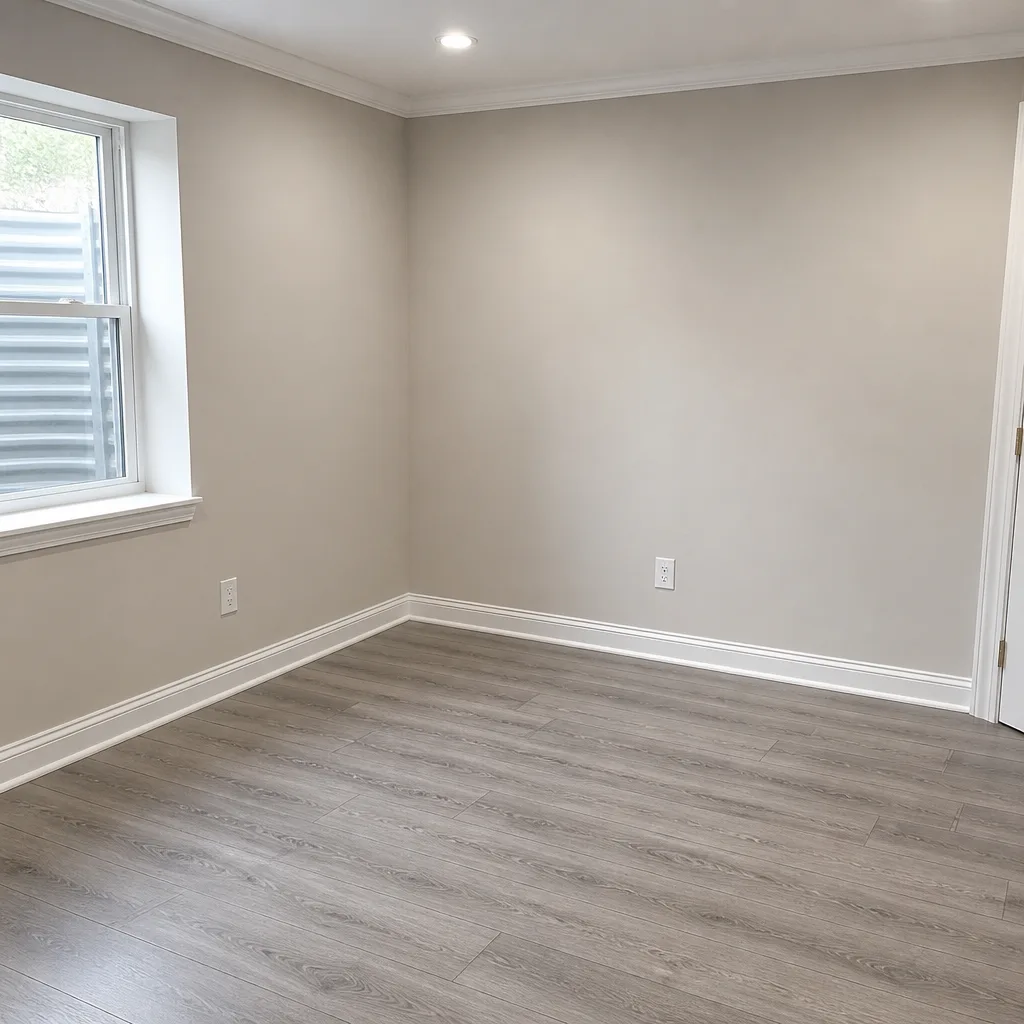
We rebuild what was cut out, replace what couldn’t be saved, and hand you a finish that matches the original character of your Hoboken home. The 90-Day Done Right Promise is in writing on the contract. If it’s not right, Wade comes back and makes it right.
Need Emergency Fire & Smoke Damage Restoration in Hoboken Now?
Crews minutes away, answering live 24 hours a day. The sooner we start, the less it costs.
Working With Your Insurance Company
We’ve handled hundreds of fire claims, and the difference between a smooth claim and a denied one is almost always documentation. Photos taken before anything is moved. A line-item scope written the first day. Moisture readings that prove what was wet and for how long. Wade deals with your adjuster directly, so you’re not the one stuck relaying information between two sides. Fire and smoke restoration in Hoboken almost always involves water damage too, and if that water is black water from firefighting runoff in a garden-level unit, the contamination level has to be documented properly or the claim gets shorted. We provide everything your insurer needs, the way the industry expects to see it.
What We Provide Your Insurer
- Thorough documentation of the loss
- Photos of all damage, room by room
- Moisture readings and drying logs
- A detailed, line-item scope of work
- Direct coordination with your carrier
Built for Hoboken’s Loss Calendar
Hoboken’s fire season doesn’t follow one clean pattern. Winter brings space heaters in garden-level apartments and overloaded circuits in buildings wired for a different century. Kitchen fires spike around the holidays, and they’re the messiest because grease and protein soot coat everything. Summer thunderstorms and coastal storms flood basements first, then the electrical panels, then the fire starts from a short in a system that was already borderline. What makes Hoboken different from the rest of the metro area is what happens after the fire is out. This city sits in a flat, low-lying bowl, roughly one square mile, where stormwater from Weehawken and Jersey City’s heights drains toward the Hudson and pools. That geometry means the water used to fight a fire in a garden-level unit on Jackson Street or Adams Street doesn’t just sit there. It meets hydrostatic pressure from a high water table and tidal backflow through combined sewer lines. The result is contaminated water that keeps coming back. Our Fire & Smoke Damage Restoration team in Hoboken builds every job around that reality: fire cleanup first, then structural drying that accounts for groundwater, or you’ll be back here in six months with mold.
Fire & Smoke Damage Restoration Across Hoboken’s Neighborhoods
Hoboken compresses a lot of building stock into 1.25 square miles, and the damage patterns shift block to block. Around Washington Street and the numbered cross streets, you’re looking at four- and five-story brownstones with storefronts below and apartments above. A restaurant kitchen fire there means smoke migrated through the duct chase into four floors of residential units before anyone noticed. The Observer Highway corridor and streets near Willow Avenue sit lowest, closest to the old rail cut. Garden-level units there flood during firefighting, and the water has nowhere to go. Around Church Square Park and the surrounding blocks, the housing is slightly older, with more original plaster and fewer modern fire-stops, so lateral smoke spread through joist bays is the main problem. Uptown, around 14th Street and the viaduct, we see more converted industrial loft spaces with open floor plans and high ceilings. Those units burn differently and clean differently, with soot hanging high above reach and requiring lift work. The 07030 zip code covers most of the city. The response route matters, because parking a box truck on a narrow Hoboken street during a fire call means knowing which blocks have loading zones and which don’t.
Specialized Fire & Smoke Damage Restoration Services We Offer in Hoboken
Fire Damage Cleanup
We remove charred materials, demo what can’t be saved, and stabilize what can. In Hoboken’s attached row houses, that means cutting out fire-damaged plaster from shared wall cavities carefully, without destabilizing the neighbor’s side of the wall. Fire cleanup here is surgical, not brute force.
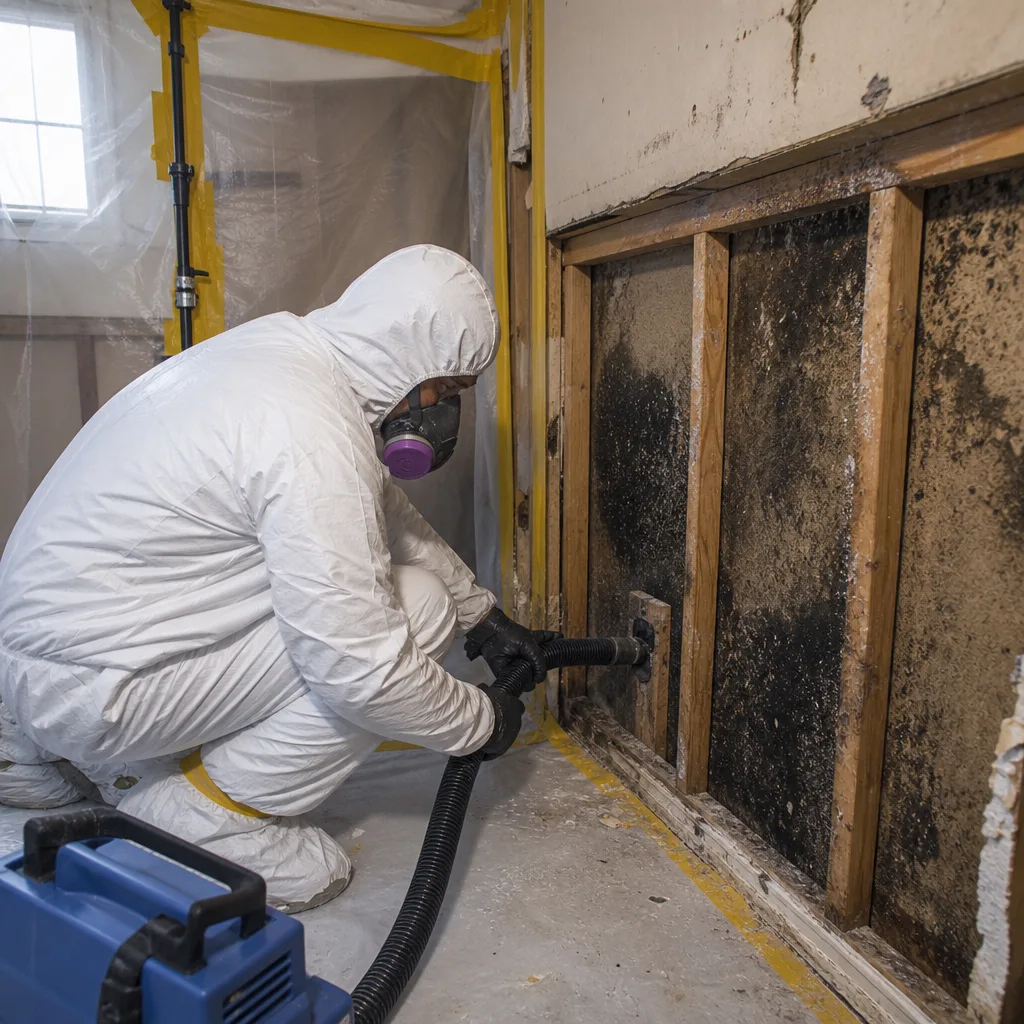
Smoke & Soot Removal
Smoke settles everywhere, including behind radiators, inside light fixtures, and in the gap between old windows and their frames. We clean by soot type, using HEPA vacuums for dry soot and chemical sponges for oily residue from burnt synthetics. Every surface gets touched, because the smoke did too.
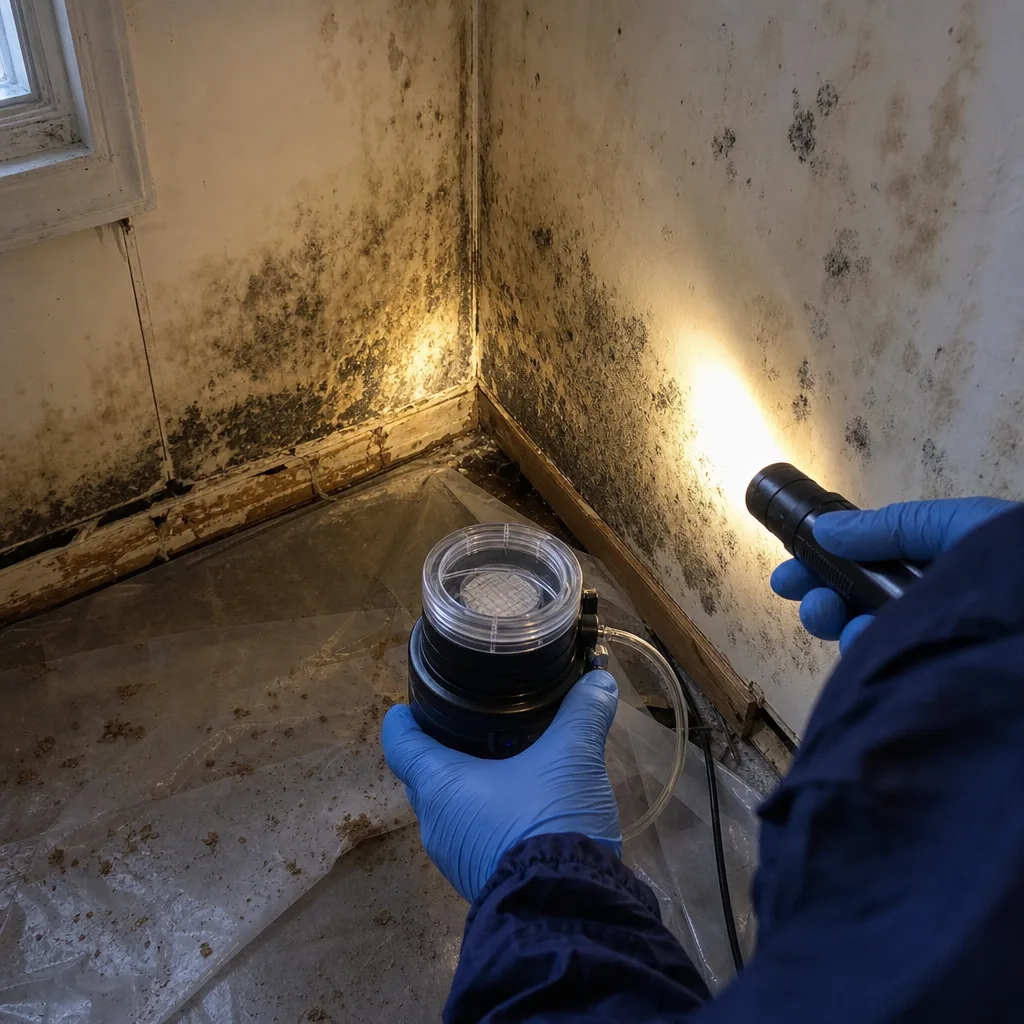
Odor Removal & Deodorization
This is the service Hoboken landlords call us about after another company “finished.” Odor from smoke migrates through party walls and shared floor joists, then resurfaces weeks later. We use thermal fogging and hydroxyl generators to break down the odor molecule, not cover it. If the material still smells after treatment, it gets removed.
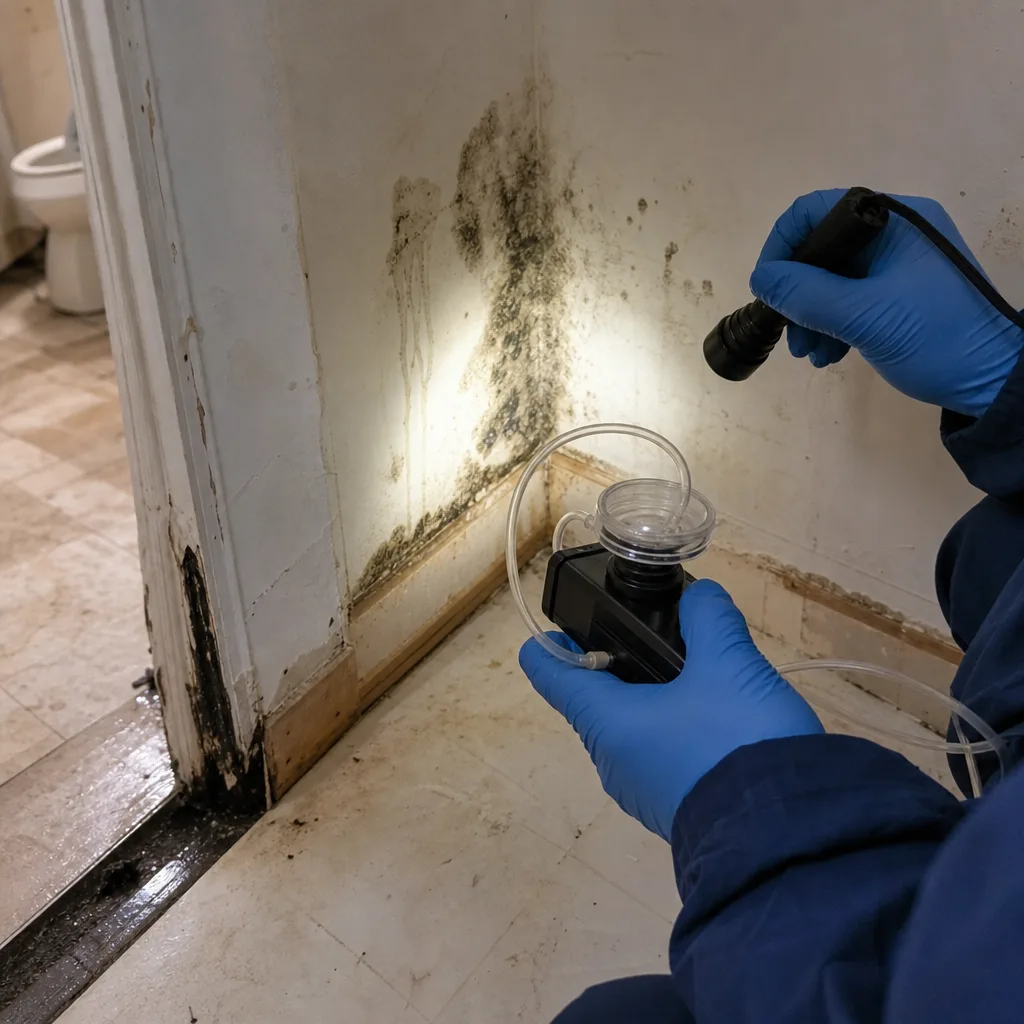
Contents Cleaning & Pack-Out
We pack out, inventory, clean, and store your belongings off-site while the structure dries. For garden-level units in Hoboken, contents cleanout almost always includes water-damaged items too, because the fire and the firefighting water hit the same space. We document everything for your claim.
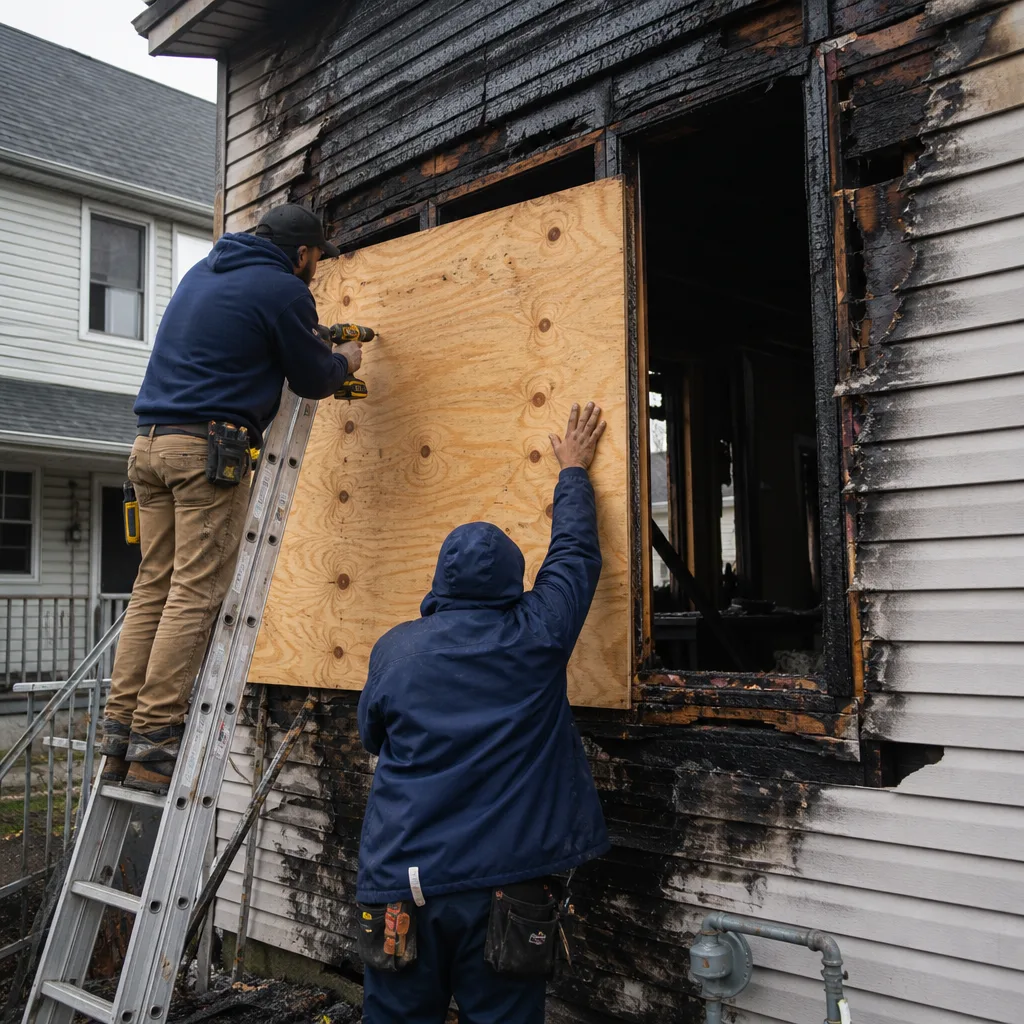
Emergency Board-Up & Tarping
An open fire-damaged window in a Hoboken brownstone is an invitation to weather, pests, and trespassing. We board and tarp within hours of the fire, because in a dense historic district, one exposed opening affects the whole building. This is standard on every fire job in town.
What happens when you call
- 1
A real person answersNo phone trees - you reach a local pro.
- 2
You get an upfront price rangeHonest numbers before anyone is dispatched.
- 3
A background-checked tech heads outLicensed & insured, dispatched right away.
- 4
You approve before work beginsNothing starts until you say go.
Fire & Smoke Damage Restoration Costs in Hoboken, NJ
Hoboken pricing runs higher than the surrounding suburbs because the buildings are old, attached, and hard to access. A small kitchen fire with smoke cleanup in a standard apartment typically runs $4,000 to $8,000 before contents. A full garden-level unit with Category 3 water extraction, structural drying, and rebuild work lands between $18,000 and $45,000. Emergency board-up and tarping alone is $800 to $1,800 depending on how many openings you have. Odor removal for a whole brownstone with thermal fogging and hydroxyl treatment runs $1,500 to $4,000. Contents cleaning and pack-out for a one-bedroom unit starts around $2,500. What moves the number most is whether the firefighting water saturated the garden level and whether smoke got into shared wall cavities. A free inspection gives you a written scope with firm numbers before you commit. Call (856) 501-6142 to set one up.
We Also Serve Cities Near Hoboken
Our restoration crews respond across the North Jersey waterfront from the same metro office. If you’re in Union City, Jersey City, Secaucus, or Kearny, we’ll be there just as fast. Same live answer, same written scope, same 90-Day Done Right Promise.
Serving Hoboken, NJ - Our Local Coverage Area
We’re based in the Hoboken area and know this community well. Use the map below to see our service coverage - if you’re nearby, we can almost certainly help.
Hoboken Fire & Smoke Damage Restoration Questions, Answered
How does Hoboken’s high water table affect fire and smoke restoration in garden-level apartments?
Hoboken’s water table sits high year-round, so garden-level units collect water from below even when the fire is on an upper floor. Firefighting runoff meets hydrostatic groundwater pressure pushing up through the slab, and that water gets classified as Category 3 because it passes through the building’s aging cast-iron plumbing and floor drains. Any fire restoration in a Hoboken garden unit has to include water extraction, antimicrobial treatment, and structural drying, or you’ll have mold inside 48 hours. Call (856) 501-6142 for a free inspection if you’re not sure what you’re dealing with.
Do fire and smoke odors migrate through shared party walls in Hoboken brownstones?
Yes, and it’s one of the most common things another crew misses. Hoboken’s brownstones share unreinforced brick party walls, and the joist bays run continuously between units. Smoke enters those cavities and travels laterally, so the neighbor two units down can smell your kitchen fire a week later. Odor treatment has to account for those shared cavities, not just the burned unit. That’s why we run thermal fogging into wall spaces and check adjacent units before closing a job.
What should Hoboken landlords do about fire-damaged contents in garden-level units before pack-out?
Document everything first. Photograph each item where it sits, then inventory it as it’s packed. For Hoboken landlords, the insurance claim hinged on proving which tenant-owned contents were in the unit before the fire and which were water-damaged by firefighting runoff, not just smoke-damaged. We handle the pack-out, the cleaning, the storage, and the inventory list your adjuster needs. Don’t throw anything away before it’s documented.
Why is emergency board-up critical after a fire in Hoboken’s dense historic districts?
Because your building touches the building next door. An unsecured window or a compromised wall in a Hoboken brownstone exposes neighboring units to weather, rodents, and vandalism. Board-up also stops further smoke spread by sealing off the affected area from the hallways and stairwells that serve the rest of the building. In a four-story walk-up, one open unit drags down the whole building’s security.
How soon should structural drying begin after a fire in a Hoboken row house to prevent mold?
Within 24 to 48 hours, and sooner is always better. Mold starts colonizing wet plaster and saturated subfloor in that window, and century-old pine subfloors in Hoboken row houses hold moisture for weeks without mechanical drying. We run Dri-Eaz LGR dehumidifiers and XPOWER air movers, take daily moisture readings, and hand you the full log when the job is done. That log is your proof that the drying was done right, and it’s nearly unheard of from other crews in this trade.
How fast can someone actually get to my Hoboken property?
Wade’s crews are positioned around Hoboken and can be on-site within 45 minutes of your call, often sooner for jobs near the 14th Street viaduct or Observer Highway. Calls are answered live 24 hours a day by a real person, not an answering service. If it’s Wade’s phone, Wade answers it. If he’s on a call, his team picks up and reaches him directly. Call (856) 501-6142 and find out.
Will my insurance cover fire and smoke restoration in Hoboken?
Most homeowner and landlord policies cover fire damage, including smoke cleanup, water extraction from firefighting, and contents restoration. The fight is usually over scope, not coverage. That’s why we document everything from the first hour, provide line-item scopes in the format insurers expect, and deal with your adjuster directly. If the firefighting water in a garden-level unit is Category 3, we prove it with photos and contamination logs so your carrier can’t classify it as a lesser category.
What should I do in the first 30 minutes after a fire in my Hoboken unit?
Call your insurer, then call us. Don’t enter the unit until the fire department clears it. Don’t touch soot-covered surfaces with bare hands, and don’t turn on fans or the HVAC system. Air movement spreads soot into cleaner areas. If it’s safe, open windows to let smoke out, but keep doors to other rooms closed. Then stay out and let us start the assessment. The less that gets disturbed, the more we can save. Call (856) 501-6142 and we’ll walk you through it from the street.
Written by Wade Ferris, Owner at Wade’s Restoration. Wade has answered his own phone since 2007 and still does today.