
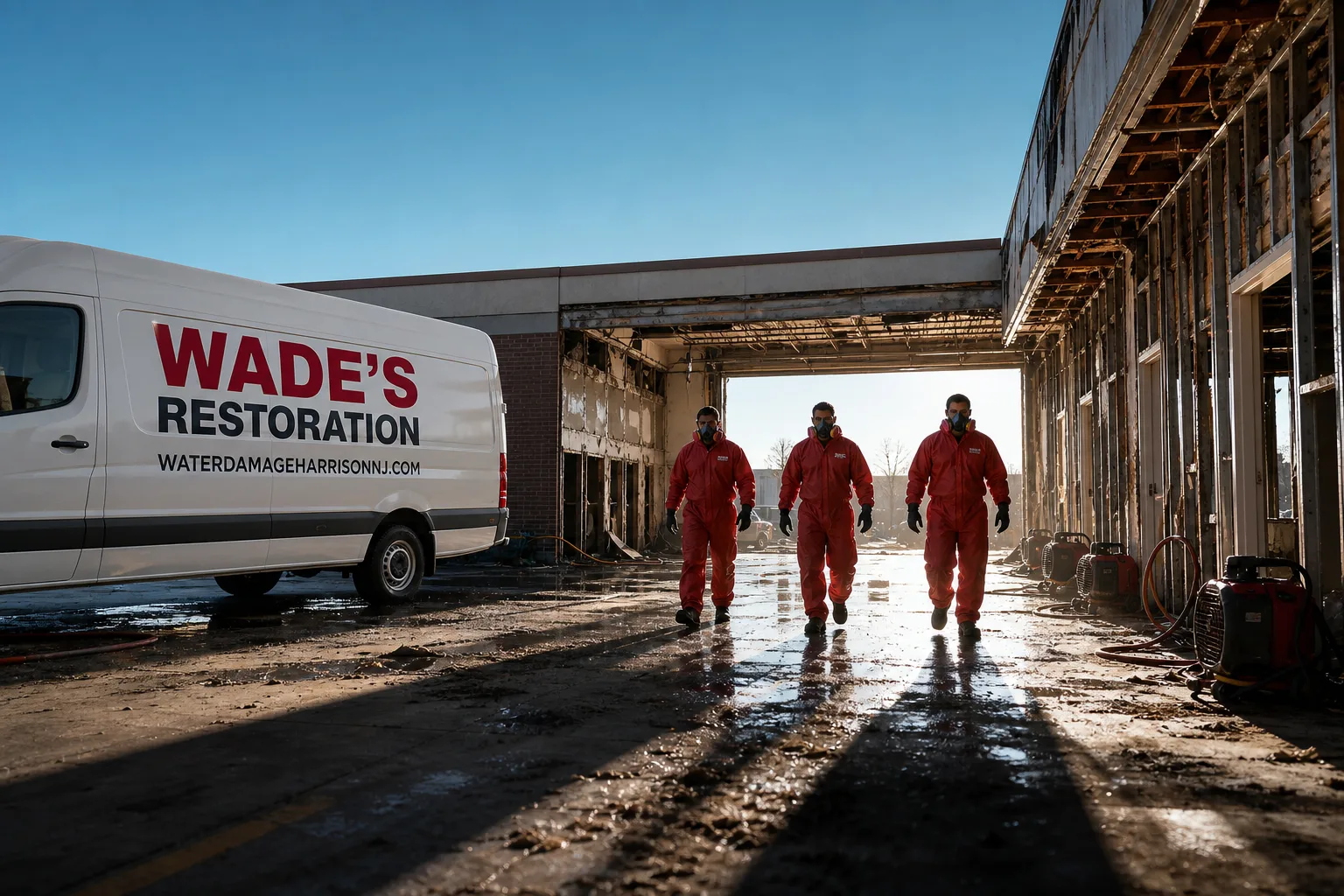
Free visual inspection and a written scope of work before any mitigation begins - photos, moisture readings, and drying logs go in your claim file
The scope we write is the scope we bill. Anything new gets shown to you, in writing, before we touch it.
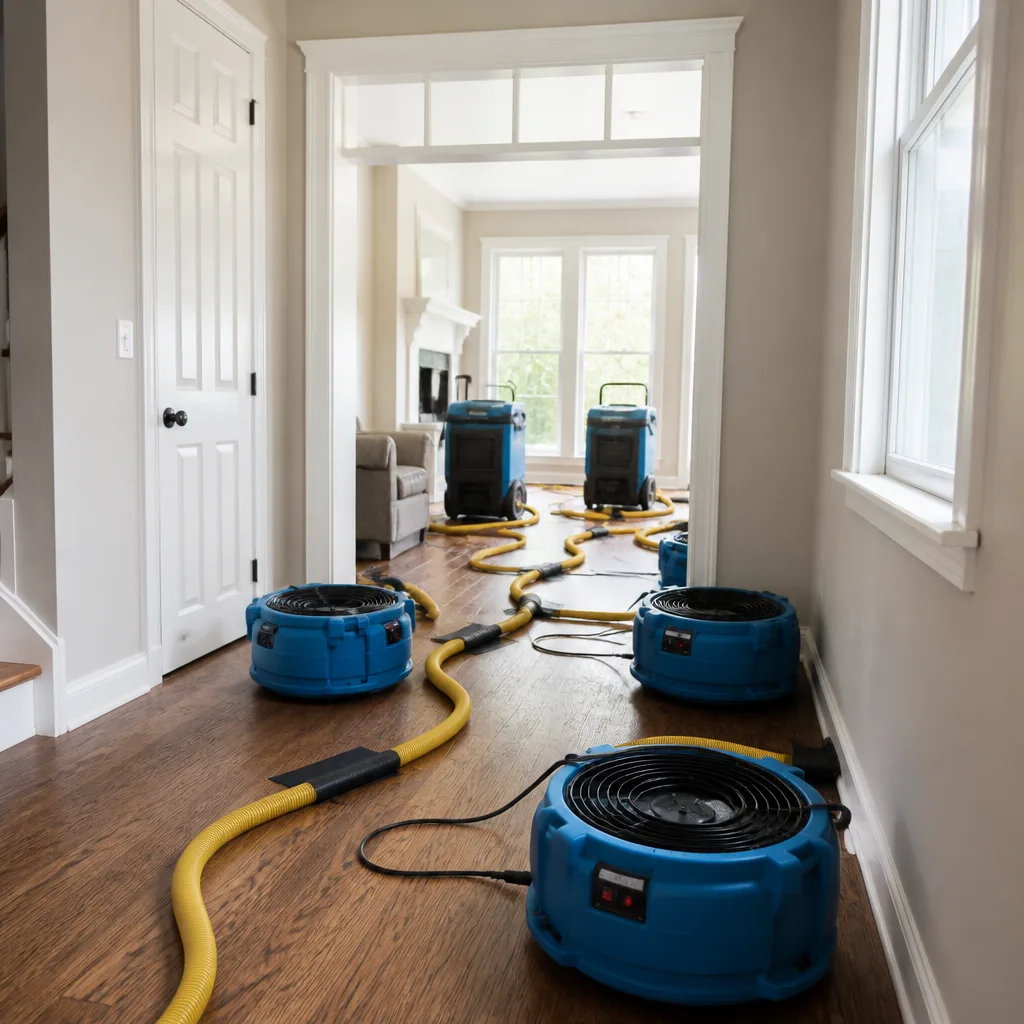
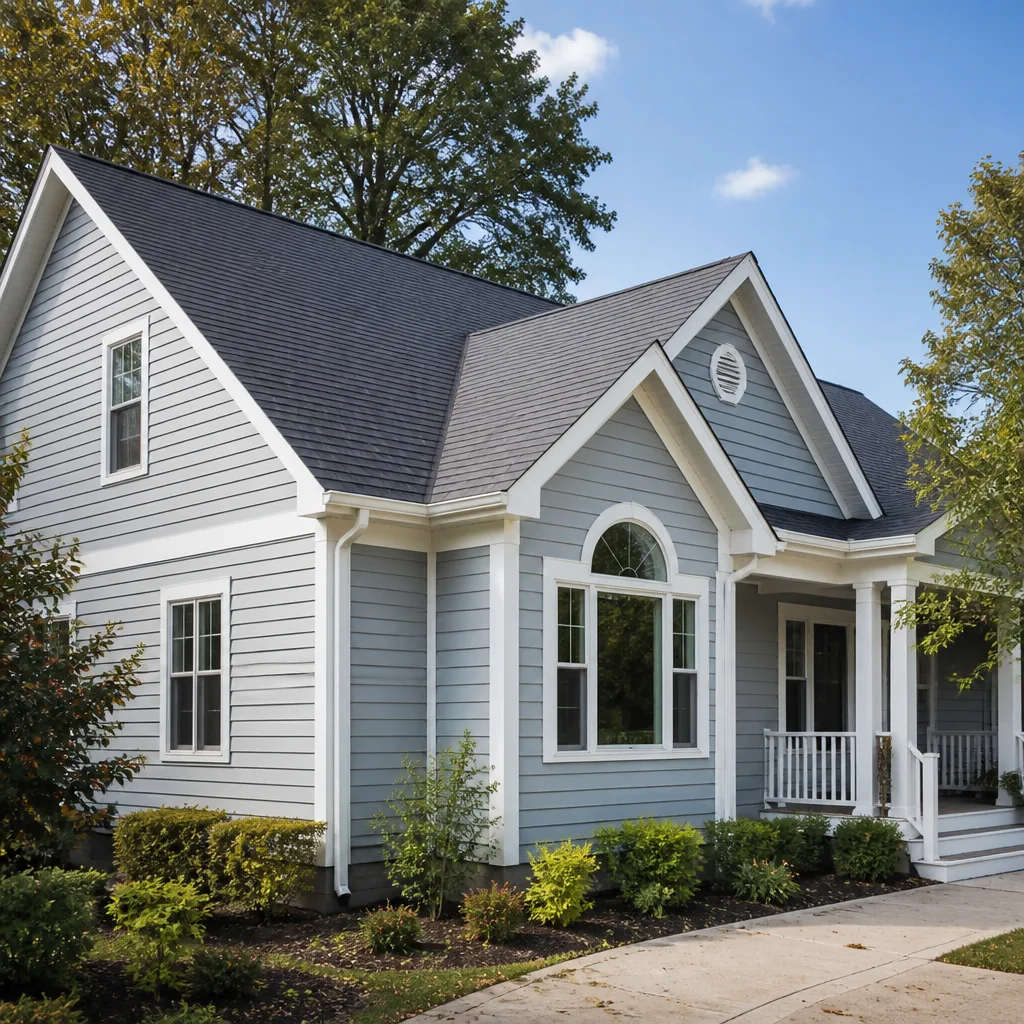
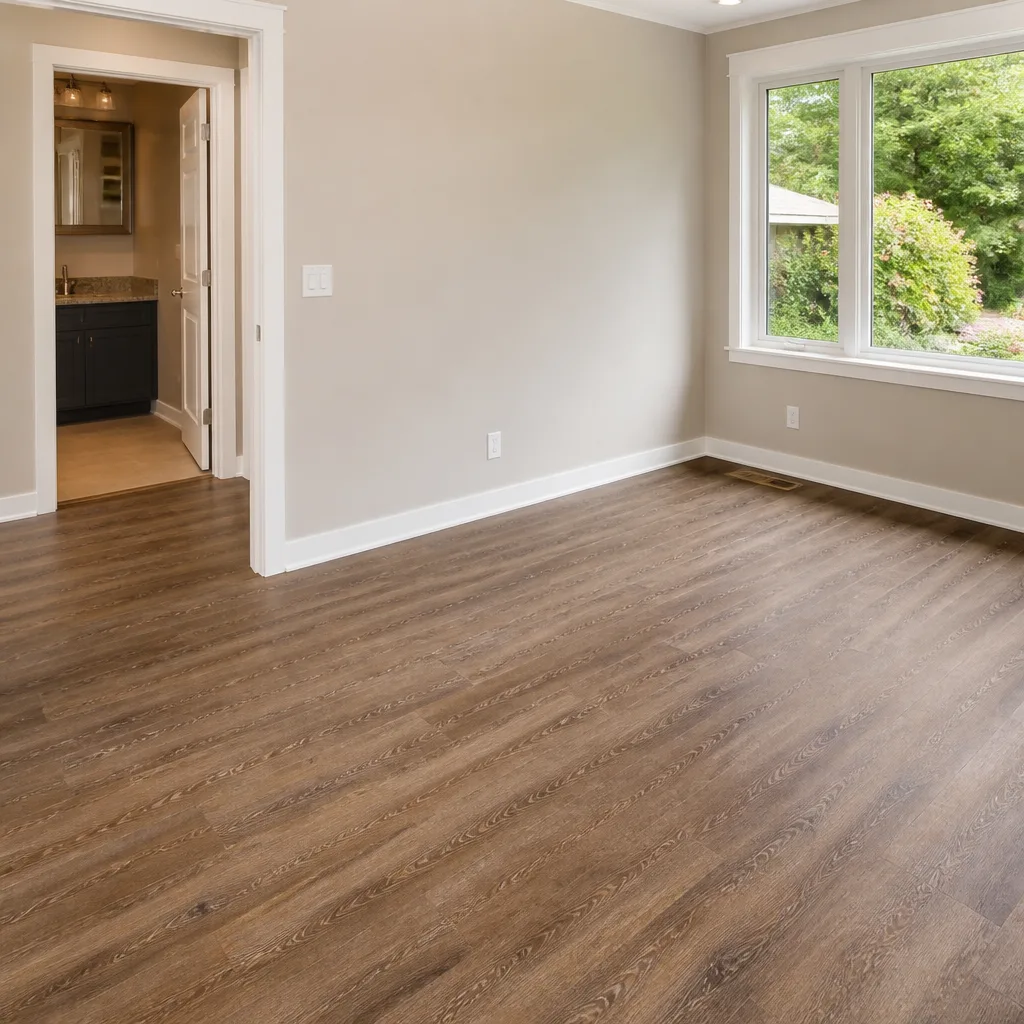
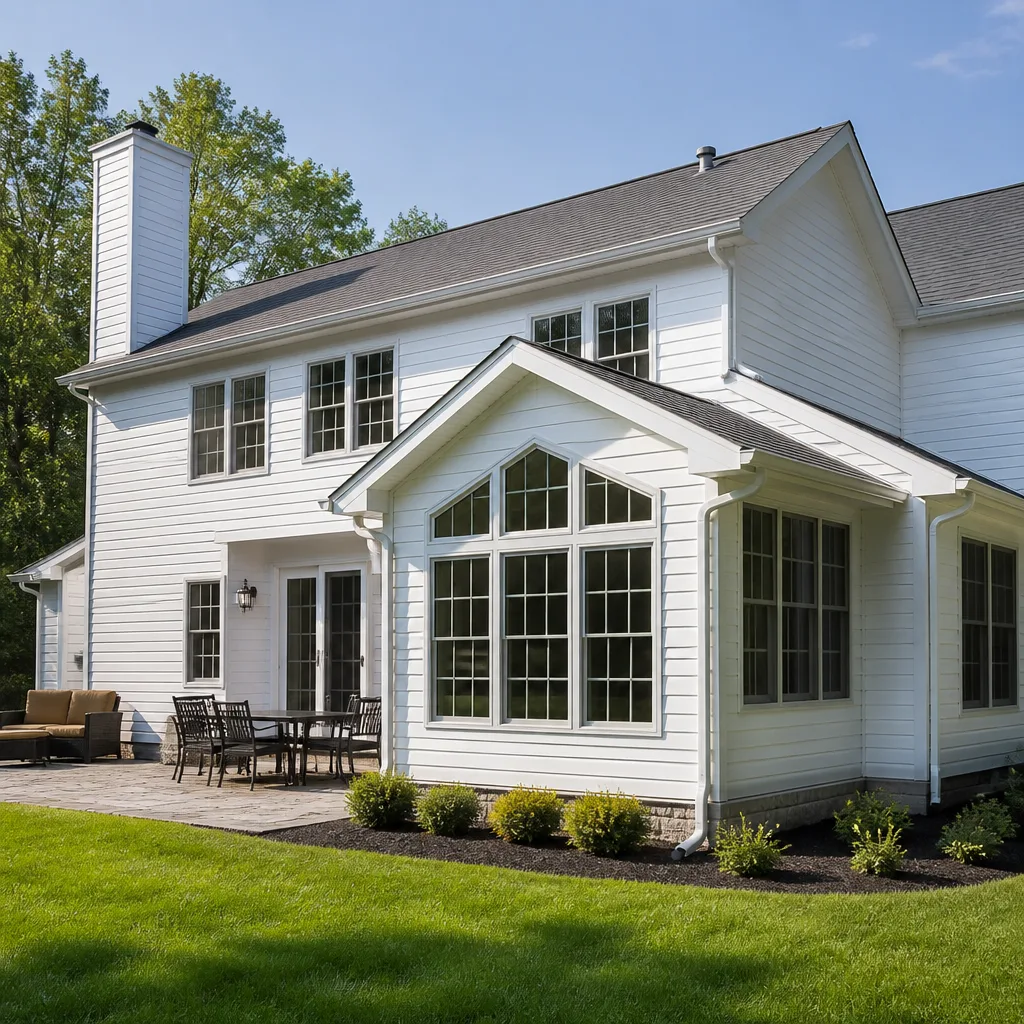
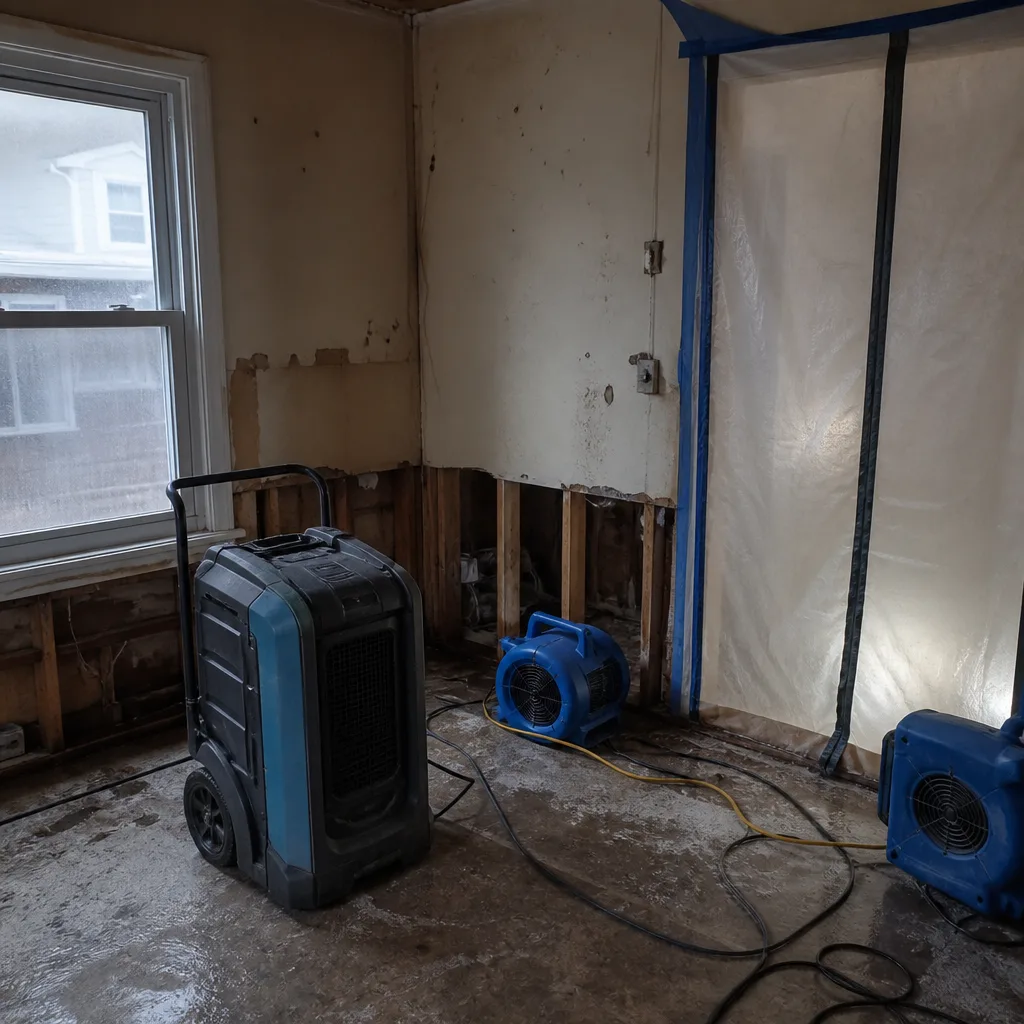 Before
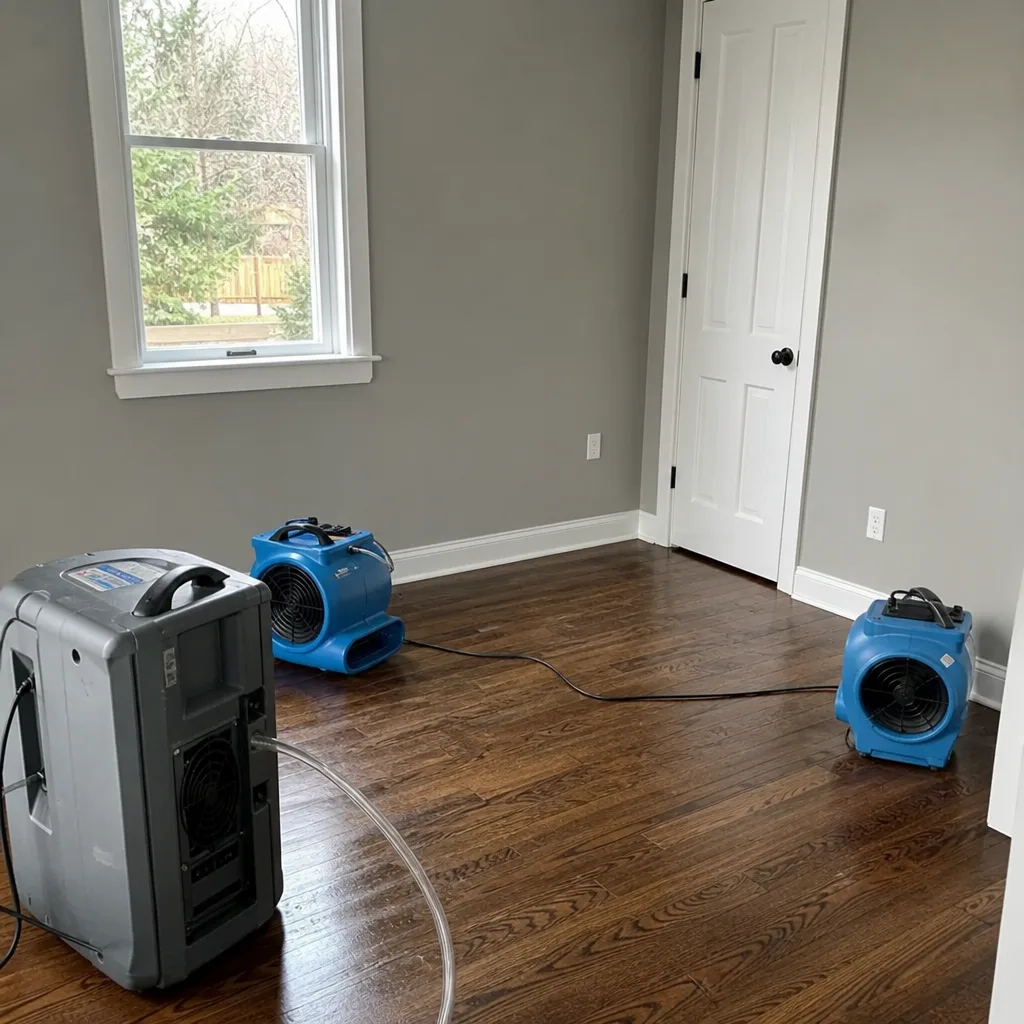 After
After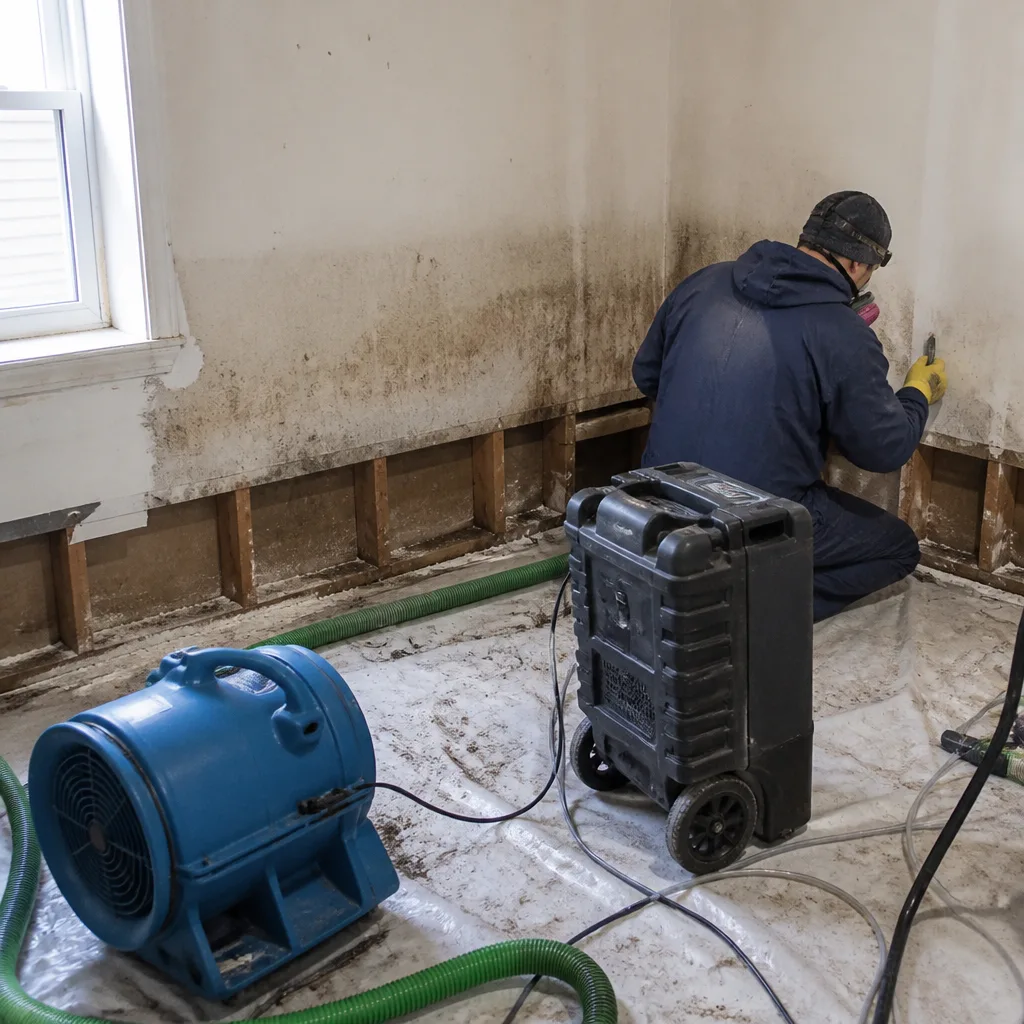 Before
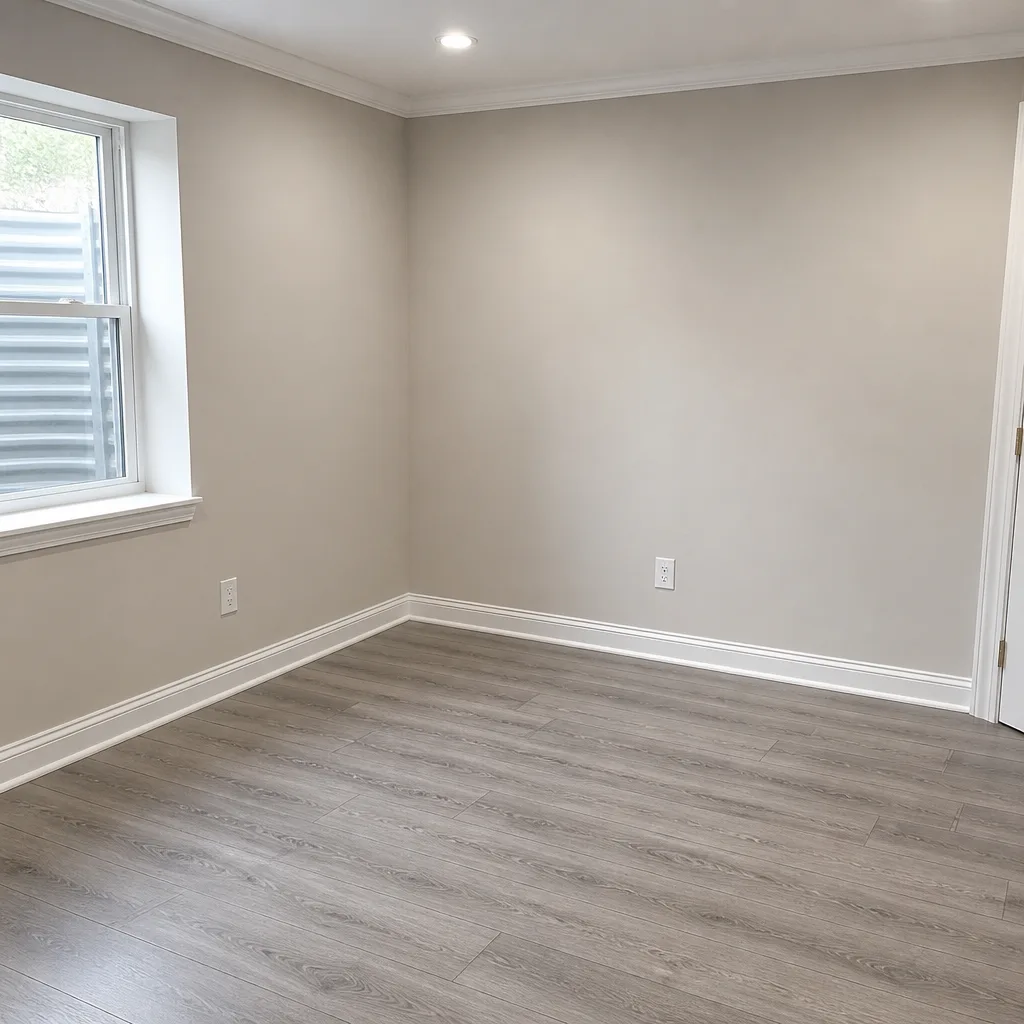 After
After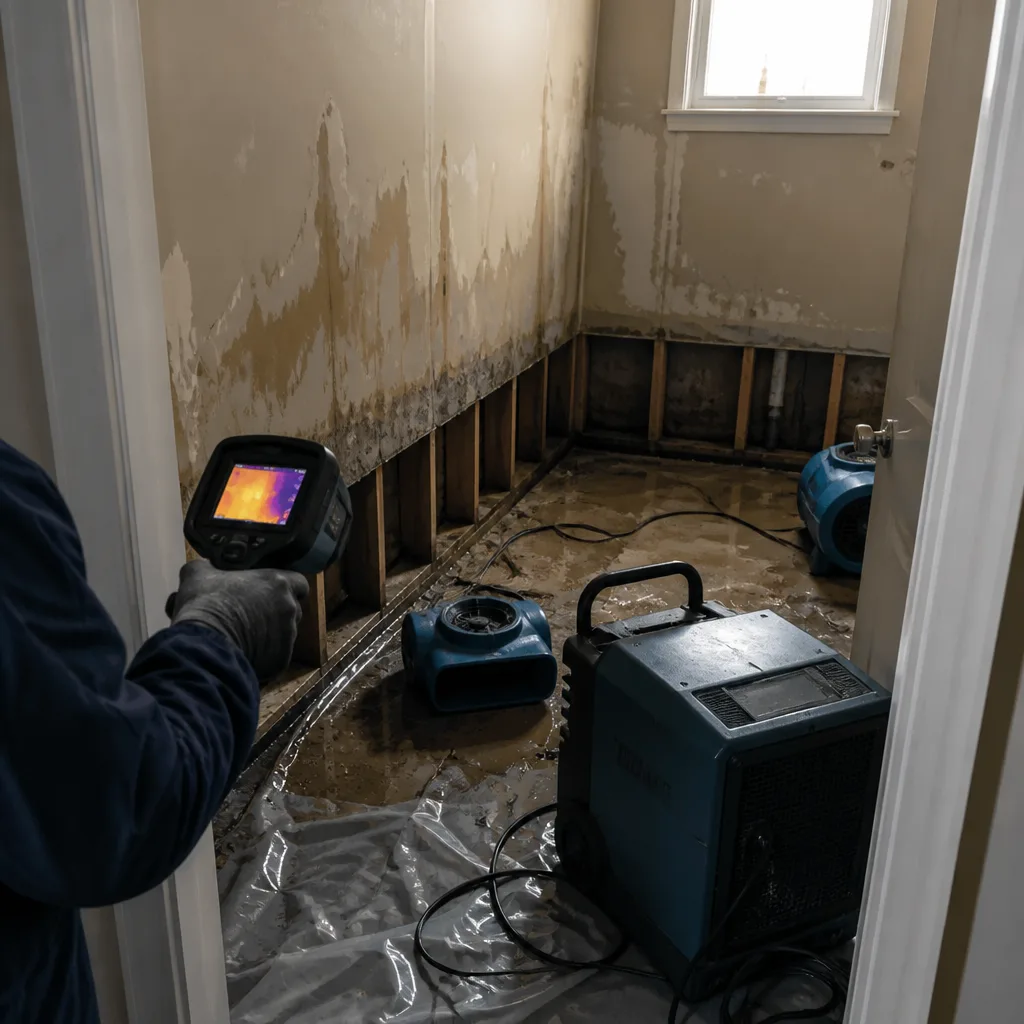 Before
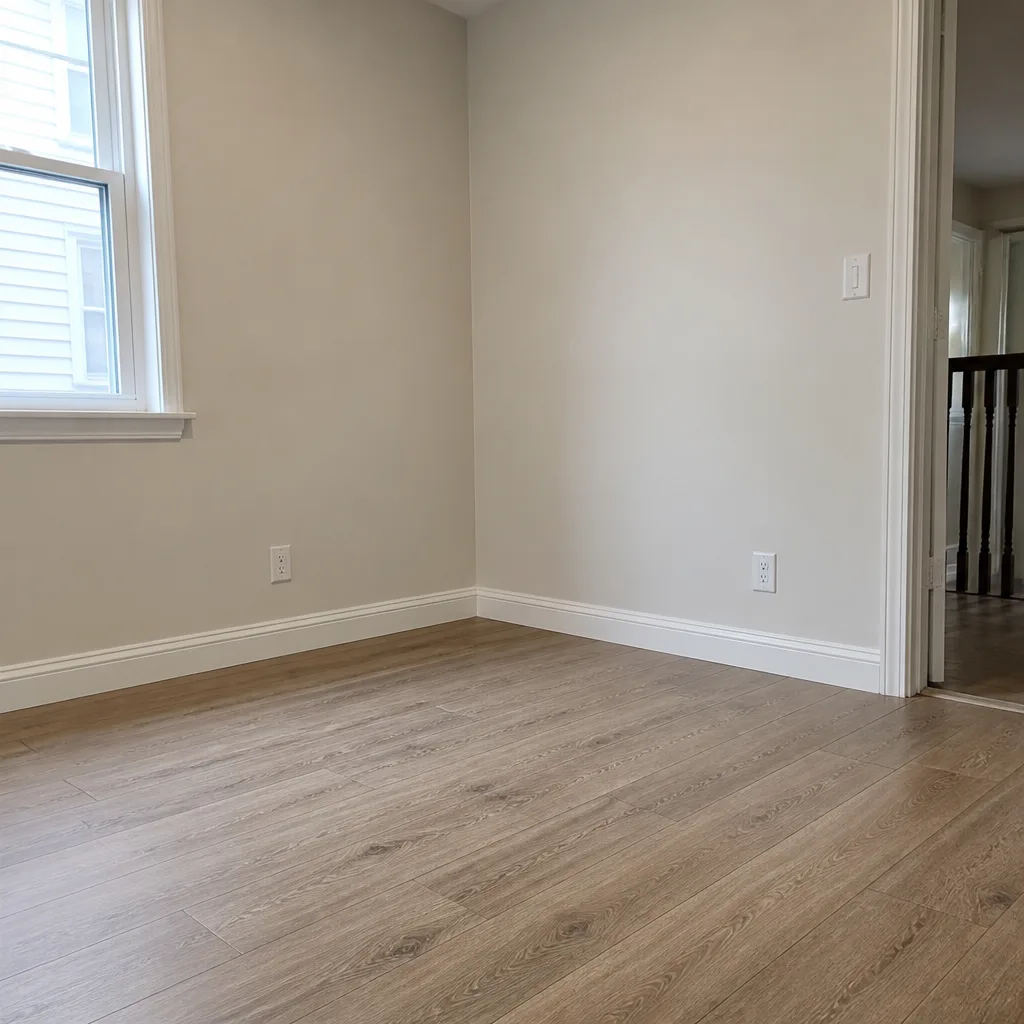 After
After24/7 Emergency Commercial Restoration in Rutherford
Commercial restoration in Rutherford means responding to the Passaic River when it climbs over its banks, and to burst supply lines when January hits single digits. We answer live at (856) 501-6142 around the clock, and Wade heads out to Rutherford commercial properties within 45 minutes of your call. No answering service. No “we’ll get back to you.” If a flooded basement at your Park Avenue office is soaking tenant records right now, the first hour determines whether those records survive. The first 30 minutes determine whether your tenant’s operations resume tomorrow or next month. Our crews arrive with commercial-grade extraction equipment already staged on the truck, run a free visual inspection, and give you a straight answer about what you’re facing before any work begins. The longer Passaic floodwater sits against a 1920s stone-and-mortar foundation, the deeper it wicks into plaster walls and the faster mold gets a foothold in the humid Meadowlands air. We don’t wait for the adjuster to call back before we start pulling water.
Understanding Commercial Restoration Severity in Rutherford Properties
Most commercial buildings in Rutherford fall into one of three damage categories, and the classification drives everything downstream: drying time, containment requirements, and what insurance will actually pay for. Category 1 water is clean supply-line water from a failed pipe. Category 2 carries contaminants from appliances or sump overflow. Category 3 is what Hurricane Ida pushed through this borough: Passaic River water loaded with silt, sewage, fuel residue, and whatever else the river picked up on its way over the banks. In a Rutherford pre-war building, Category 3 water doesn’t just wet the concrete floor and dry out. It saturates the full-height stone-and-mortar foundation walls, wicks upward through lime-based plaster, and lingers behind original wainscoting and built-in millwork for weeks if you don’t map it properly. We use thermal imaging to find moisture where you can’t see it, hygrometers to track the drying curve day by day, and Dri-Eaz dehumidifiers sized to the cubic footage of each affected space, not a guess. Many older Rutherford commercial buildings have asbestos in floor tile or pipe insulation, which changes how we approach any material disturbing restoration work. That’s not a complication we discover mid-job; it’s in the scope from the first walkthrough.
Why Rutherford Property Owners Choose Wade’s Restoration
- 45-minute response commitment to any commercial property in Rutherford when you call with a live emergency. Wade himself answers the phone and is on the road while you’re still explaining the problem.
- Live answer, 24/7. A real person picks up at 2 a.m. - never a machine. Wade’s cell is the company phone. He runs into you at the Rutherford hardware store on a Saturday, and that’s the oldest accountability mechanism there is.
- IICRC-certified crews holding WRT, FSRT, and AMRT certifications, working with professional-grade equipment: Dri-Eaz, Phoenix, Injectidry, XPOWER, and B-Air air movers.
- Free visual inspection on any commercial restoration call in Rutherford - no trip charge inside our own county. You get a straight written scope before any work begins.
- Direct insurance billing. We write estimates in the format carriers expect, photograph everything, and talk to your adjuster directly. You don’t relay information between two parties.
- One team from extraction to reconstruction. Same crew that pulls the water also manages the drying, the pack-out, and the rebuild. No handoff gap where documentation gets lost and timelines slip.
Our Commercial Restoration Process
Inspection & Assessment
We walk the building with thermal imaging, map every wet surface, and classify the water category. In Rutherford pre-war structures, we specifically check plaster walls for hidden moisture and flag any asbestos-suspect materials before we touch them. You get a written scope with real numbers.
Extraction & Stabilization
Commercial-grade extraction rigs and XPOWER submersible pumps pull standing water fast. If Passaic River floodwater is still rising against the building, we stage sandbags and manage the entry points until the water recedes. The goal is stopping the saturation while it’s still shallow.
Drying & Dehumidification
Dri-Eaz dehumidifiers and B-Air air movers sized to the cubic footage of each space. On Rutherford stone-and-mortar basements, drying cycles run longer than what a drywall-only building needs. We take moisture readings daily and hand you the full log at job’s end - almost nobody else in this trade does that.
Cleaning & Sanitization
HEPA-filtered air scrubbers run while we remove contaminated materials and clean salvageable surfaces. Category 3 water from the Passaic gets antimicrobial treatment on every surface it touched, including the foundation walls.
Document & Inventory Recovery
For office and retail losses, we pack out waterlogged files, freeze-dry critical records, and work with document recovery specialists to save legally required paperwork. Tenant inventories get photographed, logged, and itemized for the adjuster.
Repairs & Restoration
From drying-in to full reconstruction. We rebuild plaster walls, replace rotted framing, rewire damaged circuits, and repaint. The 90-Day Done Right Promise covers every water, Rutherford Fire & Smoke Damage Restoration, and mold restoration job in writing: if it’s not done right, we make it right.
Need Emergency Commercial Restoration in Rutherford Now?
Crews minutes away, answering live 24 hours a day. The sooner we start, the less it costs.
Working With Your Insurance Company
Commercial claims in Rutherford come with a specific wrinkle: many properties near the Passaic carry FEMA repetitive-loss designations, which means the adjuster isn’t just looking at one event, they’re looking at a file full of prior claims. That’s where documentation discipline matters. We photograph everything before we move anything. We run daily moisture readings and hand you the log. We write line-item scopes in the exact format carriers expect, and we get on the phone with your adjuster directly. You shouldn’t be the one stuck translating technical drying requirements between us and your carrier. On flood claims tied to FEMA repetitive-loss properties, we also walk you through whether Increased Cost of Compliance funds apply - because most property owners never hear about ICC until someone tells them it exists. That’s the difference between a cleanup paid entirely out of pocket and elevation or flood-proofing work the NFIP actually funds.
What We Provide Your Insurer
- Thorough documentation of the loss
- Photos of all damage, room by room
- Moisture readings and drying logs
- A detailed, line-item scope of work
- Direct coordination with your carrier
Built for Rutherford’s Loss Calendar
Rutherford’s commercial restoration calendar is dominated by the Passaic River’s rhythm, but the river isn’t the only thing that puts water in buildings here. January and February deep freezes burst aging cast-iron and galvanized supply lines in pre-war structures, especially along older commercial corridors where pipes were installed before WWII. A ruptured line on the second floor of a 1920s building doesn’t just flood the room it broke in - it rains down through plaster ceilings and into tenant spaces below. Spring brings thaw and the first basement seepage of the year through stone-and-mortar foundations that have been absorbing groundwater for decades. Summer thunderstorms can overwhelm the flat Hackensack Meadowlands drainage, which means water has nowhere to go quickly. And August through October is hurricane and nor’easter season, when our Storm & Disaster Restoration - Rutherford teams are on standby and the Passaic’s sluggish flow through the Meadowlands keeps floodwater elevated against low-lying commercial blocks for 48 to 72 hours after rainfall ends. Every one of those failure modes plays out differently in a pre-war building than in a modern one, and our drying protocols account for that from the first day.
Commercial Restoration Across Rutherford’s Neighborhoods
The commercial landscape in Rutherford changes block by block, and so do the loss patterns. Downtown along Park Avenue, retail storefronts in century-old mixed-use buildings face the classic winter pattern: a frozen supply line on the second floor takes out the store below, damaging original tin ceilings and plaster walls that need careful drying. The low-lying commercial blocks nearest the Passaic River bend - near the Meadowlands side of the borough - are the ones that flooded during Irene and Ida, and those properties carry the repetitive-loss designations that change how every claim is handled. On the higher ground near Lincoln Park and the borough’s eastern blocks, we see more sewer backups and sump failures during heavy rain, because the aging municipal drains were never sized for today’s storm volumes. The industrial and flex spaces along the Route 3 corridor face a different beast entirely: large flat roofs that give way under snow load, and warehouse flooding where the real loss is inventory and equipment, not the building itself. Wade’s team has worked commercial properties in every one of these zones, and we know which buildings in Rutherford have cast-iron waste lines, which have galvanized supply lines, and which sit low enough to be a flood repeat offender.
Specialized Commercial Restoration Services We Offer in Rutherford
Office & Retail Restoration
When a Park Avenue storefront loses its ceiling to a burst pipe, the property owner has two problems at once: the building damage and a tenant losing revenue every day the door stays closed. We run extraction and drying overnight so the space can reopen, and we document everything in the format the tenant’s own insurance carrier needs. Our Commercial Restoration team handles everything from water-damaged storefronts to fire-damaged offices with a written scope agreed before work starts.
Multi-Unit & HOA Restoration
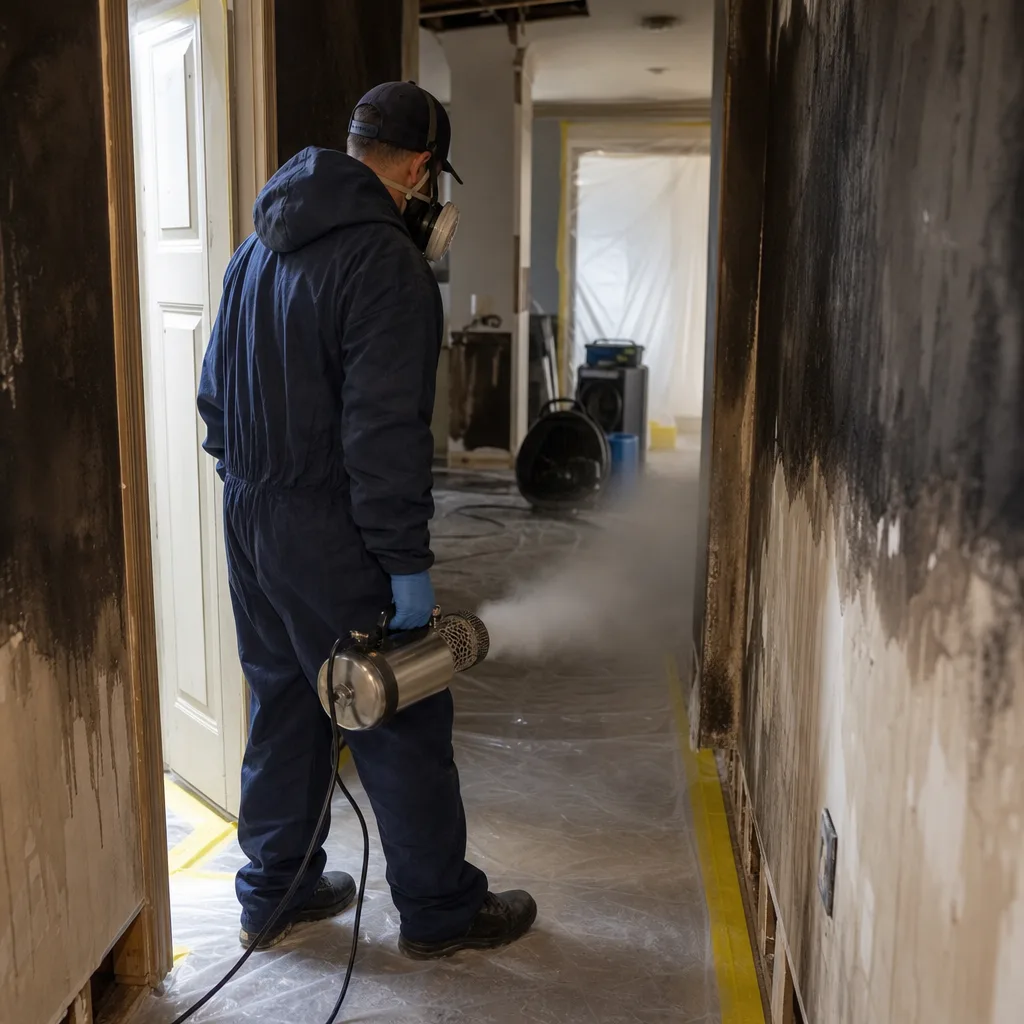
Rutherford’s multi-unit buildings are almost all pre-war construction, which means a water loss in one unit travels through shared plaster walls and original framing into the units next door. HOA boards call us because they need one contractor who can manage drying across multiple units, handle asbestos-suspect materials properly, and give the association’s insurance carrier a single coherent loss file. We’ve worked with HOAs throughout Rutherford on exactly that kind of building-wide claim.
Industrial Facility Cleanup
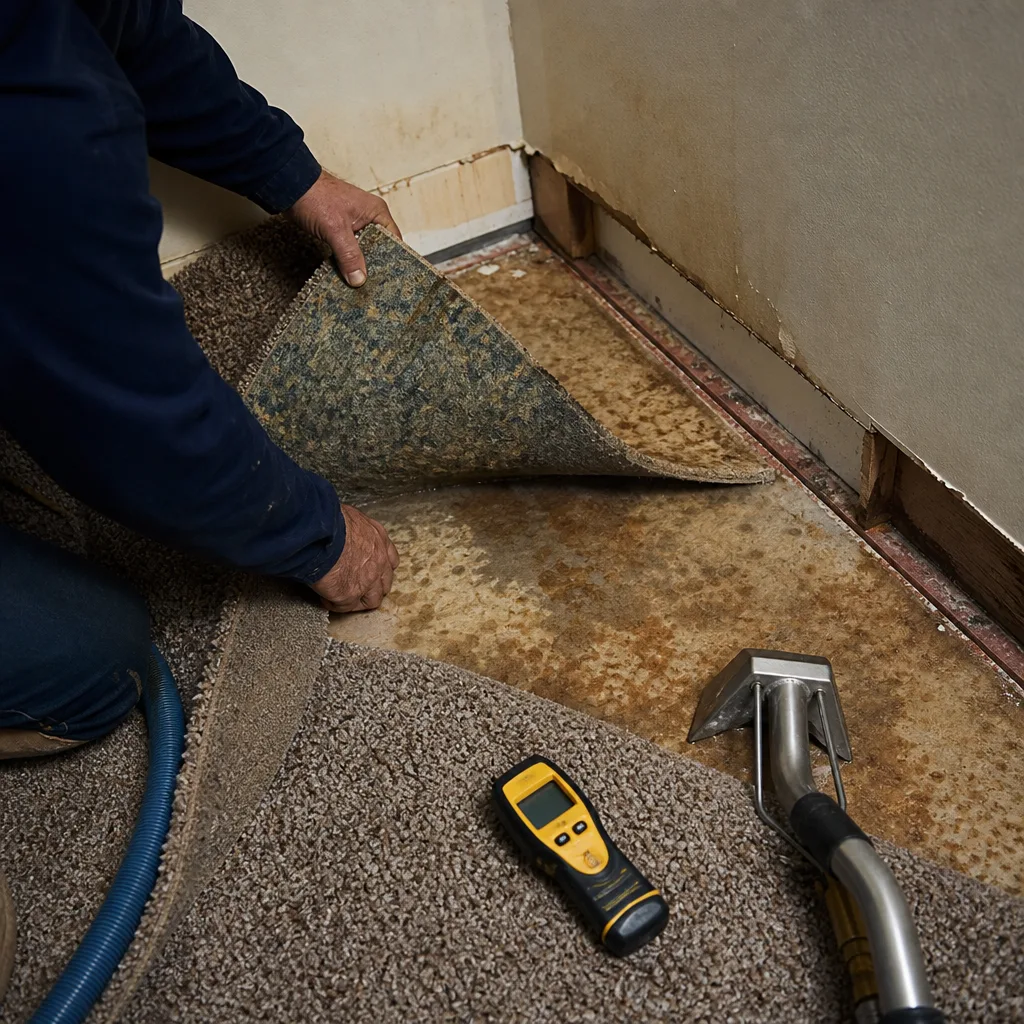
Route 3-adjacent industrial spaces and warehouse buildings in Rutherford deal with roof failures, groundwater intrusion through foundation seams, and spilled process water. These jobs are measured in square footage and in how fast we can get machinery back online. We bring in commercial desiccant dehumidifiers for large open bays and run air scrubbers continuously while work proceeds.
Large-Loss Response
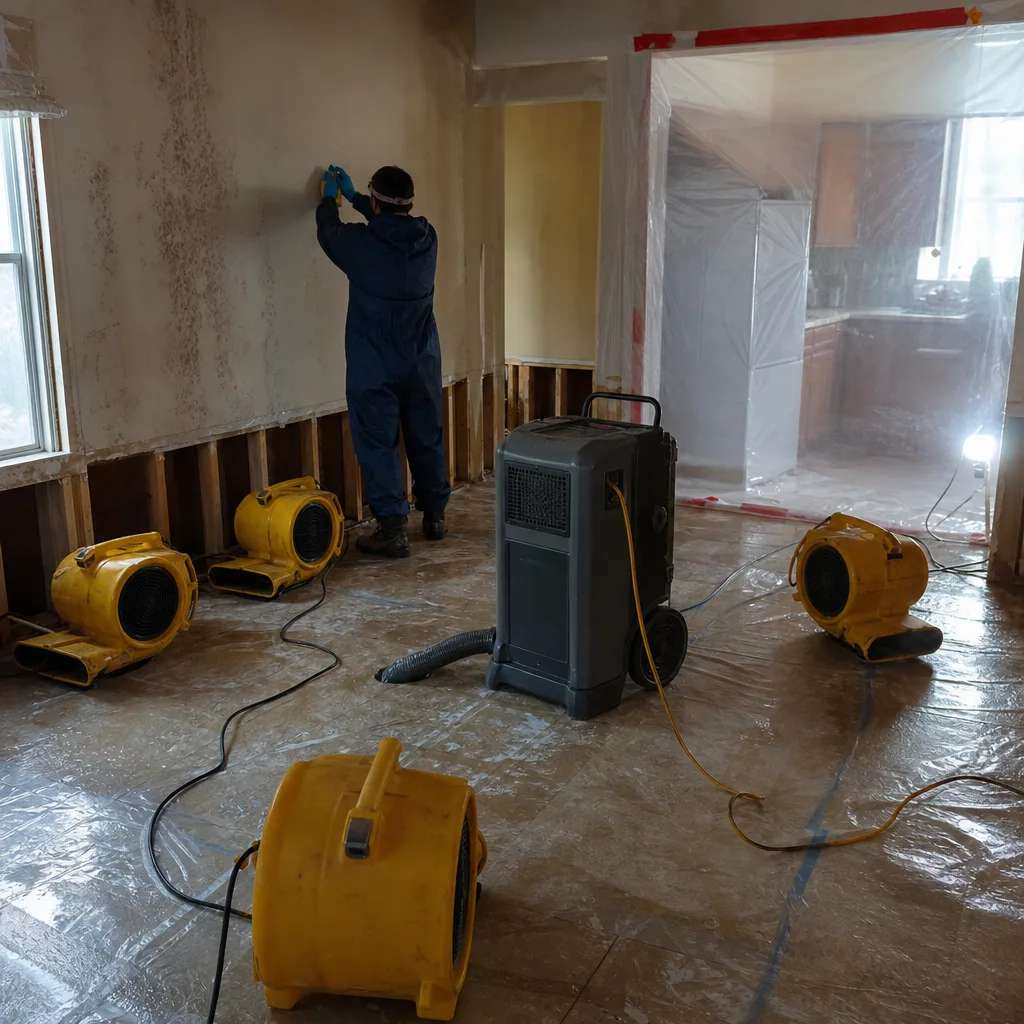
Hurricane Ida proved what a large-loss event in Rutherford looks like: multiple commercial buildings flooded simultaneously, every one of them needing extraction, containment, drying, and documentation at the same moment. Our crew staged equipment in the borough and ran multi-week drying operations on several buildings in sequence. Large-loss work is about logistics and discipline more than anything: keeping every building’s documentation separate, every drying log accurate, and every adjuster informed.
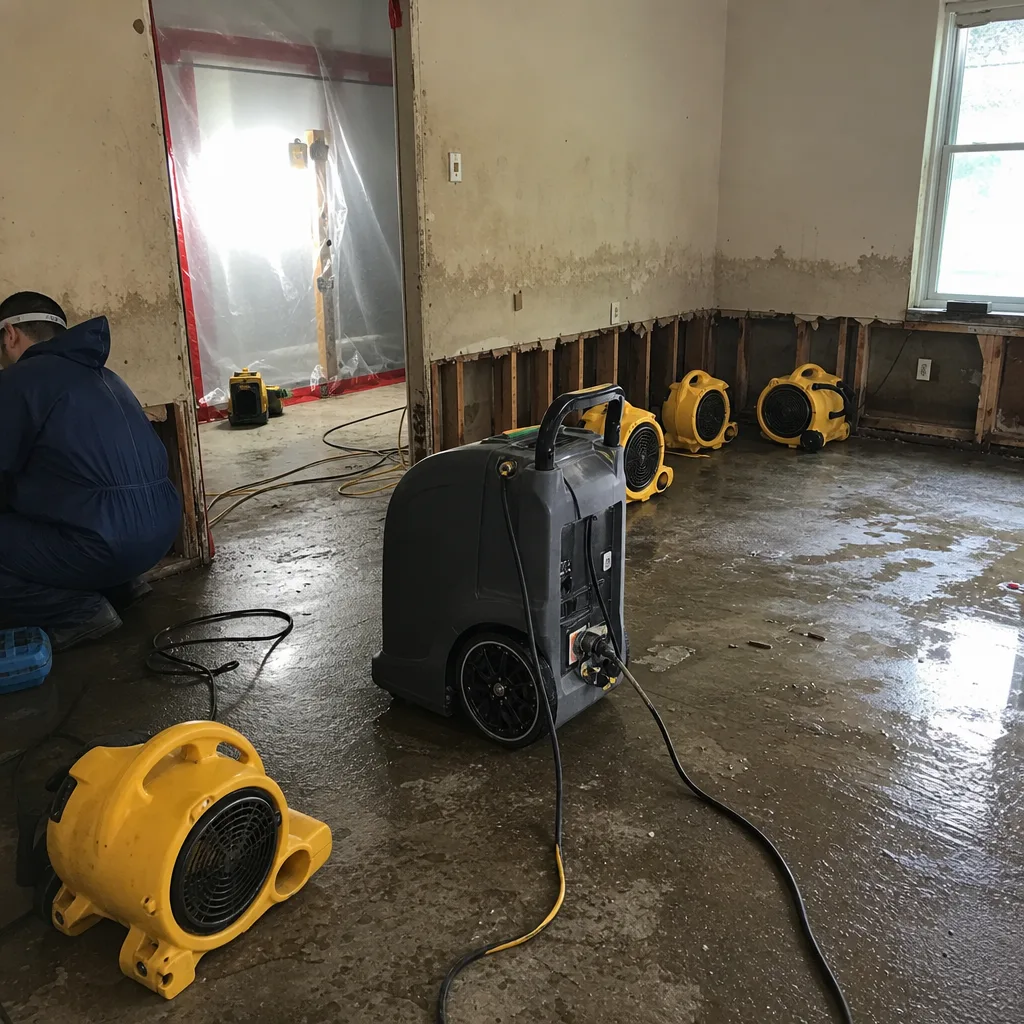
Business Interruption Minimization
The financial damage from a flood or pipe break isn’t just the water. It’s the rent abatement, the lost inventory, the tenant who walks. Every hour we cut from the drying timeline is an hour of revenue you get back. On the Park Avenue office building we dried after Ida, we had tenants back operating in portions of the building while drying continued in the basement. That’s the standard we aim for on every commercial job in Rutherford: keep the business running, keep the loss contained, document the interruption so the carrier has what it needs.
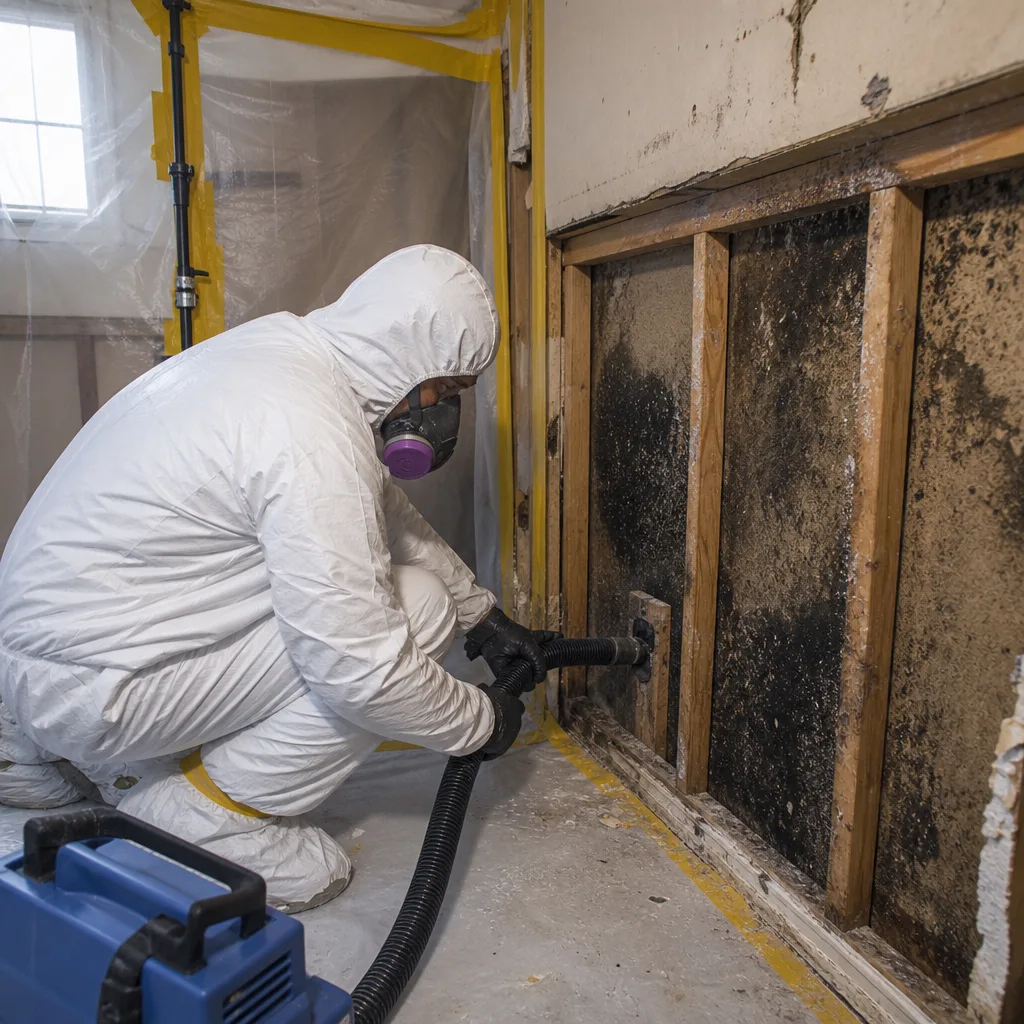
Document & Inventory Recovery
Rutherford’s law offices, medical practices, and professional services firms keep paper records that are legally irreplaceable. When Category 3 floodwater hits a basement records room, the clock starts immediately. We pack out wet files, prioritize by criticality, and route them to freeze-drying and document recovery specialists. Tenant inventories get photographed, itemized, and dated. If a claim ever goes to litigation, the documentation trail we build is what protects the property owner.
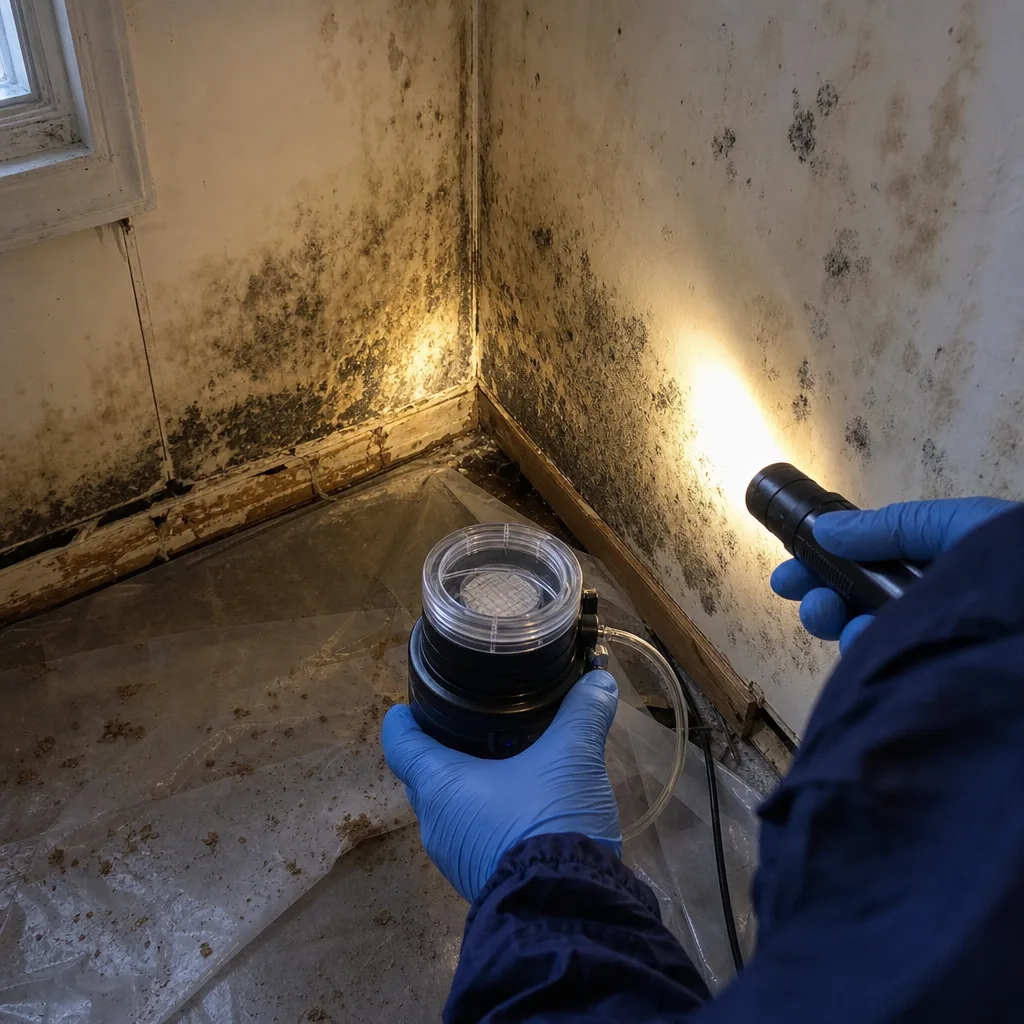
What happens when you call
- 1
A real person answersNo phone trees - you reach a local pro.
- 2
You get an upfront price rangeHonest numbers before anyone is dispatched.
- 3
A background-checked tech heads outLicensed & insured, dispatched right away.
- 4
You approve before work beginsNothing starts until you say go.
Commercial Restoration Costs in Rutherford, NJ
Commercial restoration in Rutherford runs anywhere from $3,500 for a contained Category 1 pipe break in a small office to $85,000 or more for a full Category 3 Passaic River flood loss in a multi-tenant pre-war building. Large-loss riverine flood response - think a basement plus first-floor commercial space on a Park Avenue building - typically lands between $35,000 and $90,000 depending on square footage, the amount of original plaster and millwork involved, and whether asbestos abatement comes into play. Document recovery for a flooded records room adds $1,800 to $7,500 depending on volume and urgency. The single biggest price driver in Rutherford is whether the water is Category 1 or Category 3: river water means full containment, antimicrobial treatment, and much longer drying cycles in stone-and-mortar basements. A free inspection gives you a firm written scope, and our second-opinion offer means we’ll review any written estimate you already have at no charge. Call (856) 501-6142 and Wade will come out himself.
We Also Serve Cities Near Rutherford
Wade’s Restoration covers commercial properties in East Rutherford, Lyndhurst, North Arlington, and Secaucus with the same 45-minute response commitment and 24/7 live answer. If your commercial building sits in any of these towns, the same crew, the same documentation discipline, and the same written scope applies.
Serving Rutherford, NJ - Our Local Coverage Area
We’re based in the Rutherford area and know this community well. Use the map below to see our service coverage - if you’re nearby, we can almost certainly help.
Rutherford Commercial Restoration Questions, Answered
How does Rutherford’s Passaic River flood pattern change the drying timeline for a commercial basement?
Rutherford’s Passaic River floodwater stays elevated against low-lying commercial blocks for 48 to 72 hours after rainfall ends because the river drains sluggishly through the flat Hackensack Meadowlands. That extended saturation window means stone-and-mortar foundation walls absorb water far deeper than a standard concrete basement would, and the drying cycle stretches from the typical 3-5 days to 7-14 days or longer. Rushing that timeline means mold takes hold inside the wall cavity and you’re tearing out plaster you could have saved. Call (856) 501-6142 for a free assessment if your commercial basement has been sitting in floodwater.
Does my Rutherford commercial building qualify for ICC funds if it has a repetitive-loss designation?
Yes, most repetitive-loss and severe repetitive-loss commercial properties in Rutherford qualify for Increased Cost of Compliance funds under NFIP policies, up to the policy’s ICC coverage limit. The catch is that the funds have to be requested through a documented claim process, and most property owners never know ICC exists until someone walks them through it. We help building owners in the Passaic flood zone document their loss, coordinate with the adjuster, and apply ICC funds toward elevation or flood-proofing work instead of just one more cleanup. That’s the difference between breaking the cycle and paying for the same flood damage every few years.
Why do my plaster-and-lath walls in a pre-war Rutherford building require a different water extraction approach than drywall?
Plaster-and-lath walls in Rutherford’s pre-WWII commercial buildings absorb water differently than gypsum drywall: the lime-based plaster is porous and wicks moisture upward through the lath strips, hiding saturation behind a surface that can look dry to the touch. Drywall protocols that call for setting air movers and waiting don’t work here. We use thermal imaging to map the actual moisture profile inside the wall cavity, then run targeted drying with Injectidry systems that pull air through the wall from inside. On older buildings, we also flag asbestos-suspect plaster and pipe insulation before any demolition begins, because the last thing a claim needs is an abatement problem nobody scoped.
Can you keep my Rutherford office running while you dry out a Category 3 flood loss?
In most cases, yes. On commercial jobs in Rutherford we isolate the affected area with containment barriers and negative air pressure, so the rest of the building keeps operating while we run extraction and drying on the damaged zone. For the Park Avenue office building we restored after Hurricane Ida, tenants were back in portions of the building while we were still drying the stone-and-mortar basement. The key is containment discipline from day one, which keeps Category 3 contaminants out of the spaces tenants still occupy. Every job gets a written scope that tells you which areas are off-limits and which stay open.
What is the biggest mold risk for commercial buildings in Rutherford after a flood?
The biggest mold risk in Rutherford is the combination of pre-war stone-and-mortar basement construction and the borough’s warm, humid summers - which is why we offer Mold Remediation in Rutherford designed for these exact conditions. Floodwater soaks deep into those foundation walls, stays there for days, and then the Meadowlands humidity keeps the relative humidity above 60 percent even after the water recedes. Mold colonization starts within 48-72 hours in those conditions, which is why we run containment and air scrubbing immediately on any Category 3 loss. If drying equipment gets pulled too early - which happens when a contractor treats a stone foundation like a poured concrete slab - the mold comes back in weeks. We run clearance testing at the end so you know the space is actually clean.
How fast can you actually get to my Rutherford commercial property?
Within 45 minutes for any emergency call in Rutherford. Wade answers the phone himself, 24 hours a day, and he is on the road while you’re still describing the problem. Our crews stage equipment in the area, so there’s no waiting on a national dispatcher three states away to find someone local. The first 30 minutes of a commercial flood decide whether your tenant records survive and whether your drying cycle takes one week or three. Call (856) 501-6142 now if you have an active emergency.
Does my insurance cover commercial restoration in a Rutherford flood zone?
It depends on your policy. Commercial properties in Rutherford’s low-lying Passaic River blocks need flood insurance through the NFIP or a private carrier to cover riverine flood damage, and many building owners discover too late that their standard commercial property policy excludes it. If you do have flood coverage, direct communication with your adjuster from day one is what determines how smoothly the claim goes. We handle that communication directly. If you’re in a repetitive-loss building, ICC funds may also apply. The free inspection includes a claim strategy conversation so you know what you’re working with before any money is spent.
What should I do in the first 30 minutes of a commercial water loss in Rutherford?
Call (856) 501-6142, shut off the water source if you can identify it safely, and cut power to any affected area that has standing water near outlets or equipment. Don’t enter a flooded basement if the water is touching live electrical components - wait for our crew to assess that. If Category 3 river water is involved, mark which areas have been touched and keep people out; that water carries sewage and contaminants. Photograph everything before anything is moved, but don’t delay the call waiting for the photos to be perfect. The first call matters more than the first photo.
Written by Wade Ferris, Owner at Wade’s Restoration, serving Rutherford commercial properties with Commercial Restoration since 2007.