
Quick Summary
Securing professional water damage restoration near me is essential because hidden moisture trapped within subflooring, drywall, and historic masonry can cause severe structural decay and mold colonization within 24 to 48 hours. Wade's Restoration provides a direct, owner-operated solution with a guaranteed 45-minute emergency dispatch, utilizing IICRC-certified extraction, deep-cavity desiccant drying, and complete reconstruction under one roof. Property owners can immediately call the 24/7 dispatch line at Wade's Restoration to secure a rapid 45-minute response, comprehensive insurance claim documentation, and a free on-site visual inspection.
Water Damage Restoration Near Me: 45-Minute Emergency Cleanup & Full Recovery
If you have standing water in your home or business right now, Wade’s Restoration provides direct emergency extraction, structural drying, and full repairs with a 45-minute on-site arrival. When a pipe splits or a storm pushes water into your basement, running standard shop vacuums and household fans is not enough. In the older buildings across Hudson and Essex counties, surface drying leaves gallons of water trapped behind plaster, under subflooring, and deep inside historic masonry foundations. Within 48 hours, that hidden moisture causes wood rot and triggers mold growth.
Proper mitigation requires precise thermal imaging and thermodynamic drying, not guesswork. Unlike large national franchises that send calls through remote call centers and pass jobs to unvetted subcontractors, our owner-operated team manages every phase directly. Wade’s Restoration brings IICRC-certified technicians to your door with commercial extractors, desiccant dehumidifiers, and daily moisture logs that give your insurance company the exact documentation needed for fast claim approval. Call our 24/7 dispatch line now for immediate response and a free visual inspection.
How Fast Can You Get Water Damage Restoration Near Me?
How Fast Can You Get Water Damage Restoration Near Me? in brief: A professional restoration crew should be on-site within 45 to 60 minutes. Emergency mitigation starts by isolating the water source, extracting standing pools with truck-mounted units, and setting up structural drying equipment. Quick action within the first hour prevents clean water from degrading into hazardous gray or black water and stops mold from colonizing damp materials within 24 to 48 hours.
When water is pouring through a ceiling or pooling across a hardwood floor, every minute counts. Wade’s Restoration keeps local crews on standby around the clock, guaranteeing a 45-minute response time across Harrison, Kearny, Jersey City, and neighboring towns. Fast arrival stops water from migrating deeper into structural framing, subfloors, and shared party walls.
Immediate Action Checklist in the First 60 Minutes
- Shut off the main water valve: Stop the flow immediately. If the leak is from an isolated fixture, turn the local stop valve; otherwise, kill the main supply entering the building.
- Cut the power: Switch off the circuit breakers for any flooded areas. Never step into standing water if electrical outlets, appliances, or extension cords are submerged.
- Call a certified mitigation specialist: Avoid using standard vacuum cleaners on large pools of water, which can create electrical hazards and push moisture further into carpet pads and baseboards.
Why Rapid Dispatch Prevents Structural Demolition
Under the IICRC S500 Standard for professional water damage restoration, standing clean water (Category 1) begins degrading into gray water (Category 2) or black water (Category 3) within 24 to 48 hours as it mixes with indoor contaminants. Getting a professional extraction crew on-site right away allows technicians to save original wood framing, historic plaster, and subfloors rather than having to rip them out down to the studs.
Emergency Water Damage Restoration in Local Properties
Emergency restoration stabilizes your property through rapid containment, high-capacity water removal, and controlled dehumidification. Having an experienced crew on-site within the hour protects structural joists and stops water from seeping into difficult-to-dry masonry substrates.
24/7 Live Response vs Automated Answering Hubs
When an upstairs radiator pipe cracks at 2:00 AM, dealing with automated phone menus or waiting for an out-of-state call center to page an on-call tech costs valuable time. At Wade’s Restoration, our emergency line connects you directly to local restoration professionals. We gather your details, give you immediate safety steps, and mobilize a fully equipped truck to your address within 45 minutes.
IICRC-Certified Emergency Extraction Protocols
Water-related incidents and freezing pipes make up roughly 24% of all property loss claims filed by homeowners each year, based on figures from the Insurance Information Institute. Our certified technicians use truck-mounted extraction units and weighted subfloor extraction tools to pull bulk water from flooring layers, taking the physical pressure off underlying structural assemblies.
Thorough physical removal is essential in regional architecture. Basements in towns like Harrison and Kearny that are dried with simple box fans often hold high moisture levels inside porous foundation stones. Professional mitigation combines deep water removal with commercial dehumidifiers to ensure the entire structure meets verified dry standards.
Flood Damage Restoration: Riverfront and Ground-Level Recovery
Ground-level flooding from heavy storms requires immediate hazardous water pumping, mud and silt removal, and deep antimicrobial washing. Storm runoff and river overflows bring Category 3 biohazards directly into porous foundations, requiring specialized sanitation to protect indoor air quality and structural stability.
Passaic Riverfront and Low-Lying Runoff Hazards
Runoff from the Passaic River basin and low-lying coastal areas carries severe contaminants into lower levels. FEMA classifies overland floodwaters as Category 3 black water because they carry raw sewage, street runoff, motor oils, and bio-contaminants. In older regional buildings, this contaminated water quickly soaks into historic brick party walls, mortar beds, and rubble-stone footings.
Managing Heavy Silt, Contaminants, and Standing Ingress
Unlike a clean domestic pipe break, floodwater leaves behind thick, foul-smelling silt that stains building materials and harbors bacteria if not handled correctly. Our emergency teams follow a methodical cleanup process:
- Submersible Pumping: Deploying high-volume submersible pumps to remove bulk floodwater from basements and crawl spaces.
- Manual Silt and Debris Removal: Shoveling out heavy mud and sediment before it dries and hardens against porous stone and concrete.
- Botanical Disinfection: Washing structural framing and masonry surfaces with EPA-registered botanical antimicrobials to eliminate bacteria and neutralize odors.
Handling these initial steps immediately prevents deep-set structural odors and sets up wet framing for deep drying.
Mold Remediation: Halting Rapid Spore Growth After Water Loss
Mold remediation stops active fungal colonies after water intrusion by building containment barriers, running HEPA filtration units, and safely taking out ruined materials. According to the EPA, indoor mold spores can start colonizing wet surfaces within 24 to 48 hours of moisture exposure.
The 24-to-48 Hour Mold Window
When humidity spikes and water sits against drywall, subfloors, or plaster, dormant spores wake up and spread through building cavities. Bringing in professional mitigation crews right away halts active growth before fungal roots sink deep into structural timbers and require extensive removal.
HEPA Air Scrubbing and Negative Air Containment
Our Applied Microbial Remediation specialists protect clean living spaces using strict containment methods:
- Isolate Contaminated Rooms: Set up sealed plastic barriers under continuous negative air pressure to keep spores from escaping into unaffected rooms.
- Filter the Air: Run industrial HEPA air scrubbers that capture 99.97% of airborne mold spores and particulate matter down to 0.3 microns.
- Clean and Dry: Remove water-damaged drywall and insulation that cannot be saved, treat the framing, and dry the structure completely so it passes clearance testing.
Sewage Cleanup: Safe Category 3 Biohazard Remediation
Need water damage restoration near me?
We’re available now - call for a fast, free estimate.
Sewage backups require strict biohazard containment and specialized extraction to eliminate dangerous viruses, bacteria, and waste materials. Professional cleanup removes contaminated water, strips out unsalvageable porous items, and sanitizes remaining hard surfaces with hospital-grade disinfectants.
The Dangers of Municipal Sewer Backups
Category 3 black water contains dangerous pathogens, including E. coli and Salmonella, which pose serious health risks through skin contact or aerosolized droplets. In older municipal sewer grids, heavy rains can push sewage back through basement floor drains and fixtures. Our team arrives with full protective gear to isolate the affected rooms and establish negative air pressure right away.
Sanitization and Non-Salvageable Porous Material Removal
Safe cleanup after a black water backup follows an exact sequence:
- Waste Extraction: Pumping out black water behind sealed containment zones using dedicated biohazard equipment.
- Material Removal: Cutting out ruined carpet padding, tack strips, baseboards, and saturated drywall in line with health and safety standards.
- Disinfection and Deodorization: Treating remaining concrete and structural framing with broad-spectrum biocides to eliminate microscopic pathogens and odors.
Fire and Smoke Damage Restoration: Managing Combined Fire and Water Losses
Recovering from a fire requires structural drying alongside chemical soot cleanup. When firefighting operations leave behind thousands of gallons of water mixed with acidic soot, immediate professional care stops framing from rotting, prevents mold outbreaks, and neutralizes smoke residues before they etch permanently into surfaces.
Firefighter Water Suppression Residuals
According to the U.S. Fire Administration, extinguishing a structural fire often leaves behind thousands of gallons of suppression water trapped inside floors, ceilings, and wall cavities. Wade’s Restoration extracts this water quickly, coordinating the drying and smoke restoration together under one team.
Corrosive Soot Removal and Structural Deodorization
Restoring a building after a combined fire and water incident involves three clear steps:
- Soot Stabilization: Neutralizing acidic soot deposits quickly to keep them from pitting metal plumbing fixtures and staining brick or tile.
- Deep Structural Drying: Pulling trapped water out of joist pockets, subfloors, and internal wall cavities.
- Molecular Odor Removal: Running hydroxyl generators and air scrubbers to break down deep smoke compounds inside structural framing.
Why Basic Air Drying Fails in Pre-War Masonry Structures
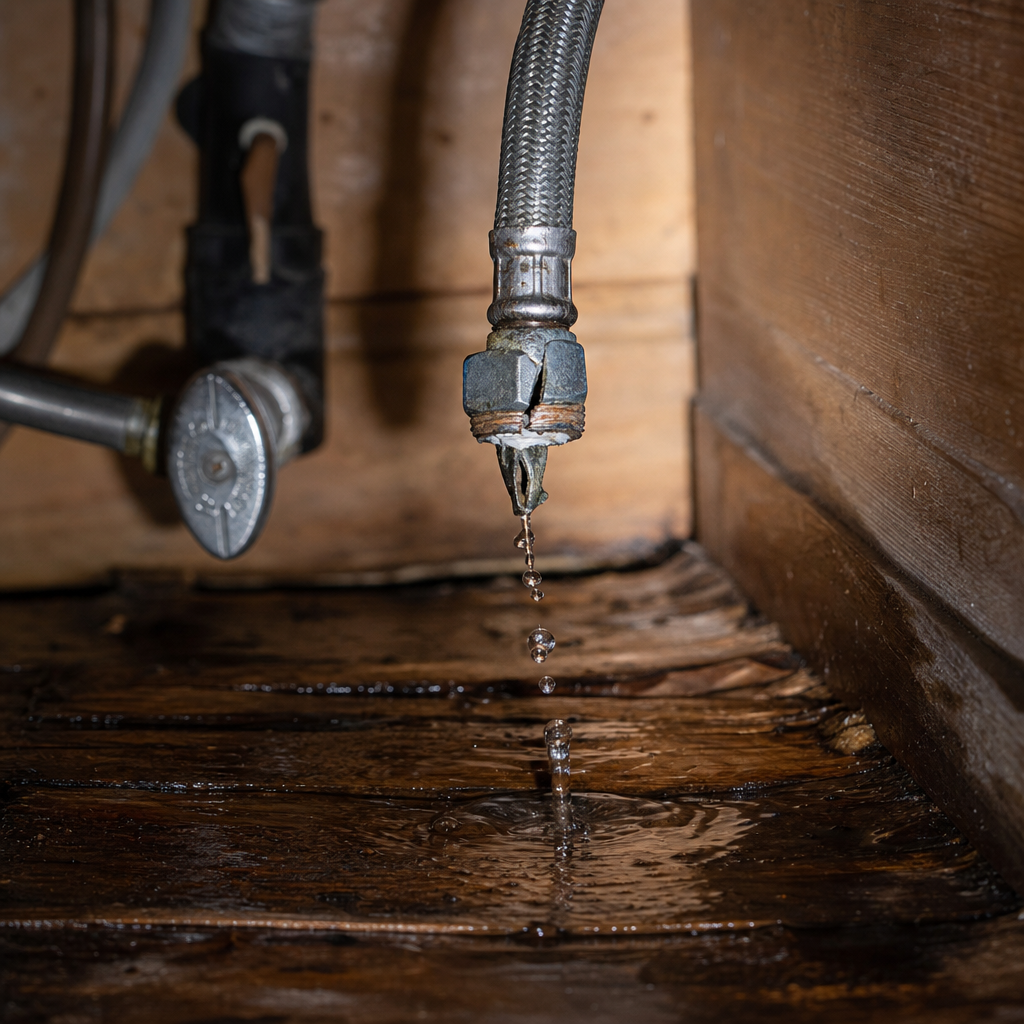
Standard air drying fails in pre-war buildings because high-velocity fans only evaporate surface water while driving deeper moisture into thick brick and rubble-stone party walls. Without targeted thermodynamic extraction, trapped moisture degrades historic lime mortar, rots embedded joist ends, and fuels hidden mold behind plaster walls.
Why High-Velocity Fans Fail Rubble-Stone and Brick Walls
According to IICRC drying principles, moisture bound inside dense, multi-wythe brick and stone foundations requires specific vapor-pressure differentials rather than fast surface air to pull water out. Generic contractors often drop off a few carpet fans that dry the exterior plaster within a couple of days, giving a false impression that the wall is dry while the masonry core remains saturated.
Deep Cavity Desiccant Dehumidification vs Surface Evaporation
| Drying Method | Equipment Deployed | Masonry Penetration | Structural Risk |
|---|---|---|---|
| Surface Evaporation | Standard centrifugal fans | Superficial (top 1/8 inch) | Hidden mortar decay and dry rot |
| Deep Cavity Extraction | Desiccant / LGR dehumidifiers | Draws water from deep inside core | Complete structural stabilization |
To safely dry older structures across North Jersey, our technicians pair low-grain refrigerant (LGR) and desiccant dehumidifiers with infrared cameras. This allows us to track moisture levels inside the stone and brick until the structure reaches true dry standards.
Common Local Water Intrusion Scenarios We Resolve
Local water emergencies range from burst heating lines and failed basement sump pumps to multi-story pipe leaks in attached row homes. Fixing these problems requires proven restoration methods that target wood framing, masonry cavities, and vertical water channels before long-term damage develops.
Burst and Frozen Heating and Domestic Supply Lines
Cold winter snaps regularly freeze and burst aging copper pipes and cast-iron radiator loops in older multi-family properties. Our emergency crew arrives quickly to isolate the break, pump out the standing water, and start drying the subfloor assemblies.
Basement Sump Pump Failures and Foundation Seepage
During heavy downpours, high water tables easily overwhelm older or undersized sump pumps, leaving basements under inches of water. Our team pumps out the water, sanitizes the slab, and dries the foundation perimeter thoroughly.
Multi-Unit Overhead Pipe Leaks and Ceiling Collapses
In attached brick row houses and condominium buildings, an upstairs bathroom leak travels down through shared utility chases and party walls. We use thermal imaging to trace water paths across every floor, locating hidden dampness before ceilings collapse.
Structural Components and Building Materials We Repair
Complete restoration means fixing and rebuilding every damaged building component, including drywall, historic plaster, subflooring, and finish trim. Wade’s Restoration manages the whole project from initial extraction through final carpentry, avoiding the headaches of managing multiple contractors.
Drywall, Plaster, and Suspended Ceilings
We make neat flood cuts 12 to 24 inches above the visible water line, which stops moisture from wicking upward while preserving sound plaster and wall framing above.
Hardwood Flooring, Subfloors, and Joists
Using specialized negative-pressure floor mat systems, we draw trapped moisture directly through tongue-and-groove hardwood and underlying subflooring. This process helps flatten cupped boards and often saves original flooring without requiring total replacement. We also verify that the floor joists underneath are completely dry before closing up the space.
Custom Kitchen Cabinetry, Vanities, and Trim
We use targeted cavity drying systems to direct warm, dry air under cabinet toe-kicks to dry built-ins in place. When repairs are needed, our in-house carpenters handle trim replacement, finish millwork, and painting.
What Does Water Damage Restoration Cost Near Me?
Need water damage restoration near me?
We’re available now - call for a fast, free estimate.
Professional water damage restoration generally costs between $1,200 for minor clean-water extraction and drying up to $8,500 or more for major black water cleanups involving structural repairs. The overall price depends on the water category, the square footage involved, and how long the materials take to dry properly.
Transparent Flat-Price Estimates vs Open-Ended Billing
Instead of charging vague daily equipment rates that add up unexpectedly, our team provides clear, written estimates after a thorough visual inspection. We handle the entire job, from emergency water removal through structural rebuild, with clear, upfront communication.
Factors Influencing Overall Mitigation and Rebuild Investment
Industry data from HomeAdvisor shows that the national average cost to repair residential water damage is roughly $3,454, with major structural losses costing significantly more. In historic pre-war buildings, drying dense brick foundations and multi-layered subflooring requires specialized dehumidification setups rather than simple fans.
| Loss Classification | Typical Cost Range | Key Restoration Drivers |
|---|---|---|
| Category 1 (Clean Supply Line) | $1,200 – $3,000 | Rapid water removal, baseboard release, structural drying |
| Category 2 (Gray Water Appliance) | $2,500 – $5,200 | Antimicrobial wash, drywall flood cuts, subfloor drying |
| Category 3 (Sewage or Flood Ingress) | $4,000 – $8,500+ | Biohazard protocols, desiccant drying, material rebuild |
Choosing Local Certified Restorers vs National Franchise Call Centers
Working with an owner-operated local team gives you direct accountability, fast arrival times, and real familiarity with North Jersey building types. While national franchises often rotate subcontractors who simply set up fans and leave, a dedicated local restorer manages the entire process from the first phone call through the final coat of paint.
Direct Owner Accountability on Every Job Site
National chains often route emergency calls to distant centers that dispatch whoever is available on a vendor list. With our company, leadership remains directly involved on the job. Our technicians continuously monitor psychrometric conditions to make sure your property is dried properly.
The Value of Verified Daily Moisture Logs and Thermal Scans
Hiring a certified local restorer ensures you receive detailed daily moisture readings and infrared photos rather than unsupervised equipment drops.
| Feature | Owner-Operated (Wade’s) | National Franchises | Independent Handymen |
|---|---|---|---|
| Dispatch Model | Direct 45-minute local dispatch | Remote call center queue | Vague scheduling windows |
| Daily Monitoring | Thermal imaging and psychrometric logs | Infrequent check-ins | Visual estimation only |
| Workflow Continuity | Single team from cleanup to rebuild | Separate subcontractor handoffs | Mitigation equipment not available |
Insurance Claim Clarity: Straightforward Carrier Documentation
Getting your insurance claim approved quickly requires thorough documentation that proves the extent of the damage with verifiable numbers. Wade’s Restoration simplifies this process by providing itemized Xactimate estimates, daily moisture logs, and room-by-room photo evidence directly to your adjuster.
Room-by-Room Photographic Evidence and Xactimate Billing
Claims often hit delays when initial reports fail to show clear proof of damaged materials. Our technicians take comprehensive photos before, during, and after mitigation, writing estimates using standard industry software that insurance carriers recognize and accept without disputes.
Daily Moisture Logs for Faster Claim Approvals
Because water damage represents nearly a quarter of all homeowner insurance claims, adjusters look closely for proof that drying equipment was necessary and properly managed. We supply daily psychrometric logs showing exact moisture levels from day one until your structure reaches baseline dryness.
Local Communities Served Across Hudson and Essex Counties
When unexpected plumbing breaks or stormwater floods hit your property, fast local response makes all the difference. Wade’s Restoration maintains crews across North Jersey corridors, arriving on-site within 45 minutes to protect your property and stop damage in its tracks.
Harrison, Kearny, East Newark, and North Arlington
Being based right nearby allows us to reach properties in Harrison, Kearny, East Newark, and North Arlington in minutes. We know the specific construction methods used in local pre-war homes and converted industrial spaces, helping us find moisture hidden behind plaster and shared brick party walls before problems escalate.
Jersey City, Hoboken, Secaucus, and Surrounding Areas
We provide water extraction, drying, and structural repairs across Jersey City brownstones, Hoboken riverfront properties, and commercial buildings throughout Secaucus. The New Jersey Department of Community Affairs sets specific rehabilitation subcodes for work on older properties, and our certified team handles mitigation and rebuilding in full compliance with local building requirements.
Frequently Asked Questions About Water Damage Restoration Near Me
Selecting the right restoration team comes down to fast response, clear pricing, and proven structural drying methods. Wade’s Restoration operates 24/7 with a 45-minute emergency response to stop water damage and keep your property safe.
How much does water damage restoration cost in my area?
Basic clean-water extraction and structural drying typically ranges from $1,200 to $3,500. More complex incidents involving contaminated water, extensive drywall cuts, or multi-room repairs generally run between $4,000 and $8,500 or more depending on square footage and drying requirements.
Does homeowners insurance cover emergency water damage?
Standard homeowner insurance policies cover water damage that is sudden and accidental, such as a burst pipe, water heater split, or sudden appliance line failure. They generally exclude damage caused by ongoing leaks, neglected maintenance, or regional floodwaters unless you carry a separate flood insurance policy.
How long does the structural drying process take?
Most standard residential drying projects take between 3 and 5 days with industrial dehumidification. Buildings with dense materials, like pre-war brick walls and rubble-stone foundations, may require a few extra days of targeted desiccant drying to ensure core moisture is fully removed.
Can water damage cause mold if cleaned quickly?
Mold will not take hold if mitigation begins promptly, bringing indoor relative humidity below 50% and returning building materials to normal dry standards within the first 24 to 48 hours.
Need water damage restoration near me?
We’re available now - call for a fast, free estimate.
Frequently Asked Questions
Can water-damaged hardwood floors and historic plaster walls be saved without demolition?
Yes, historic plaster and hardwood can often be preserved if mitigation begins immediately using negative-pressure floor mat systems and targeted desiccant dehumidification. Wade's Restoration uses infrared thermal cameras and specialized drying equipment to extract moisture trapped deep inside subflooring and masonry cores, preventing unnecessary structural tear-outs.
How does Wade's Restoration handle both emergency water cleanup and full reconstruction?
Wade's Restoration operates as a single owner-operated provider managing every phase from the initial 45-minute emergency extraction to final structural repairs and painting. This seamless single-team model eliminates delays and miscommunication caused by handing off jobs between separate mitigation crews and third-party rebuild contractors.
What documentation is provided to ensure my insurance carrier approves the water damage claim?
Wade's Restoration supplies itemized estimates written in standard Xactimate software, paired with detailed room-by-room photo evidence and daily psychrometric moisture logs. This rigorous data proves the necessity of the mitigation work and establishes clear baseline drying records for rapid claim processing.
About the author
 |
Sarah Higgins Sarah is a seasoned restoration specialist with over eight years of experience managing complex property recovery projects. Holding a B.S. in Construction Management from Rutgers University, she combines technical expertise with a compassionate approach to guide homeowners through stressful emergencies. Her writing focuses on practical advice for water damage mitigation, mold remediation, and navigating the insurance claims process. |
Water damage, flood, or mold emergency?
We’re available now - call for a fast, free estimate.
Call Now - Free Estimate