
Quick Summary
Effective black mold cleanup requires addressing underlying moisture sources and establishing strict containment rather than relying on superficial surface cleaning. Wade's Restoration delivers complete, IICRC-certified remediation using sealed containment and negative air pressure to eliminate spores at the root while handling full post-remediation rebuilds under one roof. Readers will learn how to identify structural contamination across drywall, foundations, and HVAC systems, and can contact Wade's Restoration 24/7 for immediate dispatch or a free visual inspection and written scope.
Black Mold Cleanup: Safe Removal and Moisture Control
Discovering dark, patchy growth across your baseboards, basement walls, or ceiling framing is an immediate red flag. Black mold cleanup requires proper remediation protocols rather than simply wiping down surfaces. According to EPA drying guidance for water-damaged areas, wet materials should be dried within 24 to 48 hours to help prevent mold growth. Proper remediation demands correcting the moisture source, isolating the area, preventing the spread of spores, removing or cleaning affected materials, disposing of contaminated waste securely, and using appropriate ventilation, containment, respirators, gloves, eye protection, and protective clothing.[3]
Studies evaluating indoor environments estimate that roughly 47% of U.S. homes have issues with dampness or mold. Whether managing a commercial property or a residential building, addressing mold permanently requires correcting the moisture source that feeds it, containing the workspace, and safely clearing affected materials.[1]
Black Mold Cleanup: Assessment and Safe Removal
Black Mold Cleanup in brief: Safe remediation starts with identifying and correcting the water source, isolating the work area to prevent spore spread, using appropriate containment and ventilation, cleaning or removing affected materials, and wearing proper protective equipment including respirators, gloves, eye protection, and protective clothing.[5]
Effective restoration focuses on building assemblies, moisture control, and physical containment to prevent contaminants from spreading into clean living areas.
Immediate Action Checklist for Property Owners
- Isolate the work area: Contain the affected space and limit airflow to prevent spreading spores to other areas of the building.
- Avoid dry sweeping or uncontained wiping: Disturbing dry mold can release spores into the air.
- Consider cleaning methods and protection: A CDC-associated study found that bleach was commonly reported as a cleaning agent used for household mold, and personal protective equipment use varied by cleaning method. Appropriate protective equipment should always be used.
- Take photo and video evidence: Document visible growth, water stains, and damaged property before disturbing materials.
- Consult professional remediation teams when appropriate: For extensive growth, hire qualified technicians who follow established containment, safety, and moisture-control procedures and provide a site-specific written scope of work.
What Are the Health Symptoms and Risks Associated with Dampness and Mold?
Damp indoor environments consistently correlate with adverse health reactions. Scientific evidence generally evaluates indoor dampness and mold together rather than isolating individual mold types. Meta-analyses and public health reviews indicate that the strongest consistently reported health concerns associated with damp indoor environments involve respiratory outcomes, including asthma symptoms, coughing, wheezing, and other respiratory problems. Prolonged exposure in damp environments can present heightened risks for individuals with respiratory conditions, children, and the elderly.[2]
What Does Black Mold Cleanup Cost? (Pricing and Scope)
Professional black mold cleanup costs vary substantially depending on the total contamination area, the types of affected materials, accessibility of the space, the extent of moisture damage, containment requirements, and specific removal and disposal needs. Because conditions differ significantly across properties, property owners should obtain a site-specific written estimate based on a thorough on-site evaluation by experts like Wade’s Restoration.
Key Factors That Influence Remediation Pricing
- Affected square footage: The total surface area requiring remediation directly influences labor and setup requirements.
- Material porosity: Non-porous surfaces may only require cleaning, whereas contaminated porous materials often require removal and secure disposal.
- Accessibility: Crawlspaces, ceiling cavities, and wall voids may require additional containment and access procedures.
- Containment and equipment needs: Project costs reflect the ventilation, containment barriers, and specialized equipment needed for safe removal.
Insurance Coverage Considerations
Note: The following insurance information is general, jurisdiction- and policy-dependent guidance not validated by the research brief.
Insurance coverage depends heavily on the policy terms, local regulations, and the root cause of the moisture. In general, policies may cover mold remediation if it results directly from a sudden and accidental covered peril, while damage resulting from long-term moisture issues or deferred maintenance may be excluded. Property owners should consult their specific policy terms and insurance provider for coverage determinations.
Drywall, Ceilings, and Hidden Cavities: Repair vs Replace
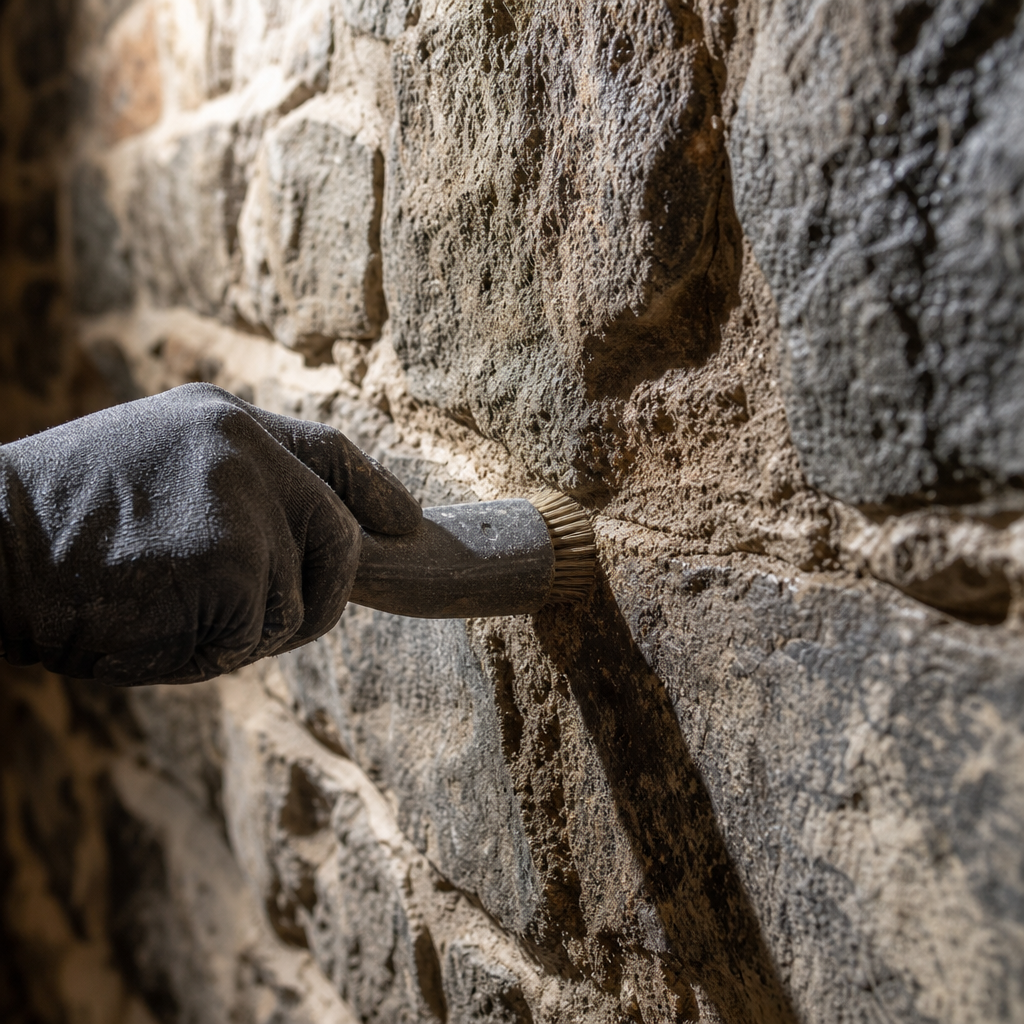
When mold affects porous materials like drywall, ceiling tiles, and insulation, appropriate remediation strategies depend on the material type, the extent of moisture damage, and contamination depth.
| Remediation Measure | Application Context | Containment & Spread Prevention | Moisture Control Role |
|---|---|---|---|
| Surface Cleaning | Appropriate for non-porous and salvageable semi-porous surfaces | Requires care to avoid dispersing spores | Must accompany source moisture repair |
| Physical Removal | Recommended for unsalvageable, heavily contaminated porous materials | Requires containment and secure waste disposal | Ensures damaged, wet materials are fully removed |
| Moisture Source Correction | Essential foundation for all remediation projects | Prevents ongoing mold propagation and re-infestation | Directly resolves the underlying water intrusion |
Signs of Mold Behind Drywall
Mold can develop inside wall cavities where plumbing leaks or elevated moisture levels occur. Key warning signs include:
- Persistent earthy or musty odors.
- Visible discoloration, water stains, or peeling paint along baseboards.
- Drywall that feels soft or damaged by moisture.
- Visible distortion or warping along wall surfaces.
How Restoration Experts Address Mold Safely
To safely remediate affected drywall and ceiling assemblies, remediation teams like Wade’s Restoration rely on core safety and containment principles:
- Establish containment barriers: Isolate the work area to prevent mold spores from spreading into occupied parts of the building.
- Provide appropriate ventilation: Utilize proper airflow management and filtration within the containment zone.
- Remove affected porous materials: Carefully remove water-damaged and mold-contaminated materials while minimizing dust generation.
- Dispose of waste securely: Place contaminated materials into sealed bags or containers before removing them from the containment area.
- Clean and dry structural elements: Clean remaining structural framing using appropriate cleaning methods, ensure proper personal protective equipment (respirators, gloves, eye protection, and protective clothing) is worn, and verify that the area is thoroughly dried.
Basements and Masonry Foundations
Basements and below-grade foundations are frequently subject to dampness and water intrusion due to their contact with ground moisture and exterior water sources.
Moisture Management in Masonry Assemblies
Exterior water intrusion and plumbing leaks can introduce significant moisture into masonry, concrete, and stone assemblies. According to Wade’s Restoration, successfully managing mold in these areas requires resolving moisture intrusion and thoroughly drying building materials.
Remediating Moisture in Foundation Areas
Addressing mold issues in foundation assemblies requires general moisture-control and containment measures:
- Area isolation: Isolate the affected workspace to prevent spore transfer during cleaning.
- Surface cleaning and drying: Clean affected masonry surfaces using appropriate methods and dry materials thoroughly using suitable ventilation and dehumidification equipment.
- Moisture source elimination: Address exterior drainage, plumbing leaks, or foundation water entry to prevent recurring dampness.
Subfloors, Joists, and HVAC Systems: Controlling Spore Spread
When moisture affects subflooring and framing, remediation must prioritize containment, safe cleaning, and comprehensive structural drying.
Treating Structural Subflooring and Joists
When structural wood framing and subfloors are affected, remediation procedures focus on safe cleaning and drying:
- Expose damaged areas: Remove saturated floor coverings that cannot be adequately cleaned or dried.
- Clean structural framing: Clean affected wood surfaces using appropriate physical cleaning methods under proper containment.
- Structural drying: Ensure thorough drying of all structural framing and subflooring to eliminate conditions favorable to mold growth.
General HVAC and Airflow Considerations
Proper containment includes managing air movement to prevent spreading spores throughout the building. If mold contamination is present near or within air handling systems, appropriate isolation, inspection, and specialized cleaning methods should be utilized while workers wear suitable protective gear.
Frequently Asked Questions About Black Mold Cleanup
How much does black mold cleanup cost?
Professional cleanup costs vary substantially based on the square footage of contamination, material types, accessibility, containment requirements, moisture damage, and disposal needs. Property owners should obtain a site-specific written estimate based on an on-site assessment.
Can I clean black mold myself or do I need a professional?
Areas under 10 square feet may potentially be manageable by property owners using minimum protective equipment and appropriate cleaning methods. However, larger areas, building-wide spread, extensive water damage, or situations involving vulnerable occupants warrant professional remediation procedures from experienced contractors such as Wade’s Restoration.
Can I clean mold myself with bleach?
A CDC-associated study found that bleach was commonly reported as a household cleaning agent for mold, and personal protective equipment use varied by cleaning method. When undertaking any mold cleanup, appropriate protective equipment-including respirators, gloves, eye protection, and protective clothing-should be used, and the underlying moisture problem must be resolved.[4]
How can I prevent black mold from returning after cleanup?
Preventing mold growth requires continuous moisture control. Promptly repair plumbing leaks, maintain proper indoor humidity and ventilation, address exterior drainage issues, and ensure water-damaged areas are thoroughly dried within 24 to 48 hours according to EPA drying guidance.
Sources
- Prevalence of Building Dampness – Indoor Air – iaqscience.lbl.gov (2009)
- Dampness and Mold in the Indoor Environment – stacks.cdc.gov (2003)
- Berkeley Lab, EPA Studies Confirm Large Public Health – www2.lbl.gov (2004)
- Association of residential dampness and mold with respiratory tract … – pmc.ncbi.nlm.nih.gov (2010)
- Mold clean-up practices vary by sociodemographic and allergy factors – stacks.cdc.gov (2020)
Related reading: Basement Flood Cleanup Cost – Call Now-10% Off – Same-Day Service – Free Estimate
Related reading: Insurance Restoration Contractors | Call Now-10% Off | Same-Day Service | Free Estimate
Related reading: Iicrc Mold Standard – Call Now-10% Off – Same-Day Service – Free Estimate
Frequently Asked Questions
How does negative air pressure containment protect clean areas during black mold cleanup?
Sealed containment combined with negative air pressure uses specialized HEPA filtration units to pull air inward, preventing disturbed mold spores from migrating into unaffected rooms or HVAC systems. Wade's Restoration establishes these strict, IICRC-certified containment barriers before disturbing any contaminated drywall or subflooring to safeguard your indoor air quality.
What is included in a professional mold inspection and written remediation scope?
A professional assessment identifies visible fungal growth, measures moisture levels across structural materials like masonry and wood framing, and locates the root water intrusion. Wade's Restoration provides a comprehensive written remediation scope that details containment setup, material disposal, and post-remediation rebuild requirements, supported by 24/7 live dispatch.
Can Wade's Restoration handle both mold removal and structural rebuilding?
Yes, Wade's Restoration manages the entire recovery process under a single roof, from initial negative air containment and spore extraction to complete structural rebuilds. This seamless, owner-operated approach ensures that damaged drywall, framing, and insulation are fully restored without the delay of hiring separate general contractors.
About the author
 |
Sarah Higgins Sarah is a seasoned restoration specialist with over eight years of experience managing complex property recovery projects. Holding a B.S. in Construction Management from Rutgers University, she combines technical expertise with a compassionate approach to guide homeowners through stressful emergencies. Her writing focuses on practical advice for water damage mitigation, mold remediation, and navigating the insurance claims process. |
Water damage, flood, or mold emergency?
We’re available now - call for a fast, free estimate.
Call Now - Free Estimate