
Quick Summary
Following property fires, hiring professional fire and smoke restoration companies is essential to stop acidic soot etching, extract standing firefighting water, and prevent irreversible structural damage. Wade's Restoration provides end-to-end recovery through IICRC-certified technicians who handle emergency stabilization, advanced odor removal, and in-house reconstruction without relying on third-party subcontractors. Property owners can understand the cleanup sequence, cost factors, and claims process to confidently call Wade's Restoration 24/7 for immediate emergency dispatch, free visual inspections, and detailed scopes of work.
Fire and Smoke Restoration Companies – Fast 24/7 Recovery
When fire strikes a property, the damage extends far beyond charred wood and blistered paint. Acidic soot begins etching metal fixtures and glass within hours, while firefighting water soaks into subfloors and structural elements. Professional fire and smoke restoration companies stabilize the structure, extract standing water, neutralize residues, and assist with documentation for insurance claims.[2]
Recovering from a fire requires technicians, such as the specialists at Wade’s Restoration, who understand structural drying, airborne particulate containment, and effective soot and odor removal.[1]
What Do Fire and Smoke Restoration Companies Do and How Fast Should You Call?
Quick Answer: Fire and smoke restoration companies handle emergency board-up, water extraction, soot removal, deodorization, and structural reconstruction. Property owners should call an emergency restoration contractor as soon as the property is safe to enter. Fast response helps prevent corrosive soot from permanently staining porous surfaces and stops standing firefighting water from causing structural damage.[3]
The cleanup process follows a clear sequence designed to stabilize the building and prevent secondary loss:
- Emergency Board-Up and Site Triage: Securing broken windows, doors, and compromised roofs against weather and unauthorized entry.
- Water Extraction and Structural Drying: Pumping out suppression water and running industrial dehumidifiers to dry framing.
- Corrosive Soot Removal: Hand-cleaning surfaces using dry chemical sponges and specialized cleaning solutions matched to the soot type.
- Deep Odor Deodorization: Neutralizing airborne particles and embedded odors using HEPA air scrubbers, hydroxyl generators, and thermal fogging.
- Reconstruction and Repairs: Rebuilding damaged drywall, structural framing, and refinishing living spaces.
Immediate Structural Stabilization and Triage
Emergency crews secure exterior openings and brace weakened framing. Because smoke particles can measure as small as 0.1 microns, particulate matter travels through unseen voids into adjoining spaces. Placing industrial HEPA air filtration units on site captures these fine particles while water extractors pull standing water off structural floors.
The 24 to 48 Hour Window to Prevent Irreversible Soot Etching
Soot is acidic. Within minutes of a fire being extinguished, discoloration can occur on synthetic textiles and plastics. Over the first 24 to 48 hours, soot begins chemically etching polished stone, porcelain bathroom fixtures, and metal hardware. Prompt soot removal and odor elimination help prevent repairable surfaces from requiring replacement.[5]
Emergency Water Damage Restoration Services
Extinguishing a residential fire often requires large volumes of water. Professional restoration teams deploy extractors, dehumidifiers, and moisture meters immediately after firefighters clear the scene to stabilize subfloors and protect framing from moisture damage.
Rapid Water Extraction and Moisture Removal
Standing water pools in low spots, runs down wall cavities, and collects inside ceiling spaces. Technicians at Wade’s Restoration use moisture meters and thermal imaging cameras to locate trapped moisture behind walls and subflooring before completing soot removal and smoke damage cleanup.
Fire and Smoke Damage Restoration and Odor Removal
Removing smoke odor requires eliminating physical soot deposits. Technicians evaluate the type of smoke residue to determine appropriate cleaning agents and equipment.
Soot Types: Wet Smoke, Dry Smoke, and Protein Resins
Different materials produce distinct residues that react differently to cleaning:
- Dry Smoke: High-temperature, fast-burning wood and paper fires leave dry, powdery soot that cleans up well with dry chemical sponges and HEPA vacuuming.
- Wet Smoke: Low-heat, smoldering fires involving plastics and synthetic fabrics create sticky residues that require solvent-based cleaners.
- Protein Resins: Kitchen grease fires leave nearly invisible, highly aromatic films that discolor paint and require specialized cleaning solutions.
Thermal Fogging and Hydroxyl Odor Neutralization
Because smoke particles can be as small as 0.1 microns, odor molecules penetrate porous building materials. Restoration crews, including teams from Wade’s Restoration, use thermal fogging to deliver deodorizers along the path of smoke, or deploy hydroxyl generators to break down odor compounds in affected areas.
Mold Prevention and Treatment After Firefighting Water Damage
Need fire and smoke restoration companies?
We’re available now - call for a fast, free estimate.
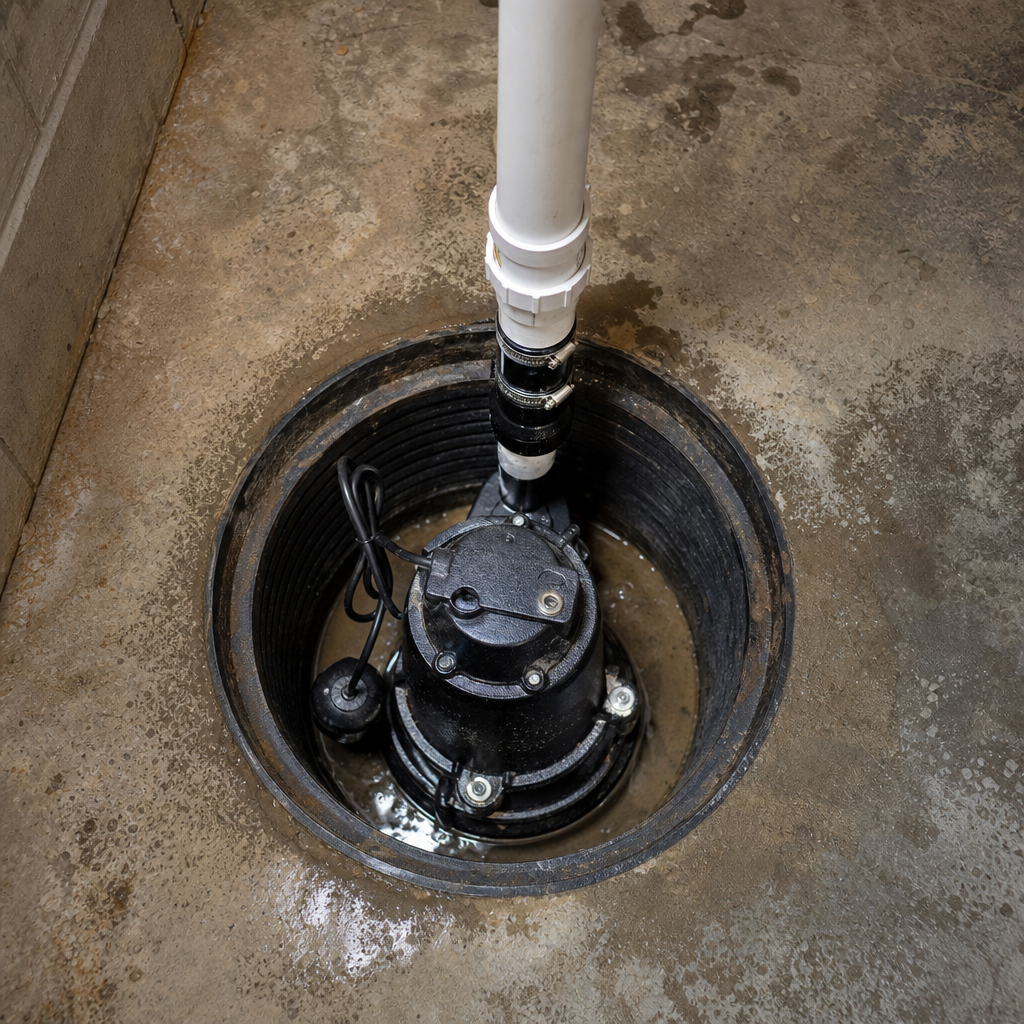
When suppression water saturates framing and drywall, moisture must be mitigated to prevent fungal growth. Remediating both fire and water hazards protects indoor air quality and structural integrity.
- Abrasive Media Blasting: Dry-ice blasting removes heavy char and soot deposits from structural wood.
- Antimicrobial Application: Disinfectants treat exposed framing to inhibit mold growth.
- Sealant Encapsulation: Sealers lock in residual smoke odors and prepare surfaces for rebuilding.
Parts and Components Repaired After Fire and Smoke Damage
Complete recovery requires both structural repairs and cosmetic refinishing to return the building to its pre-loss state.
Structural Framing, Joists, and Subfloors
Technicians inspect charred framing, repair or replace damaged members, and ensure structural integrity before closing walls.
Drywall, Plaster, Ceilings, and Cabinets
Salvageable surfaces are dried and cleaned, while heavily damaged drywall, cabinetry, and trim are removed and replaced.
HVAC Ductwork Decontamination
Smoke drawn into heating and cooling systems deposits soot throughout the supply and return lines. Restorers such as Wade’s Restoration clean duct networks under negative air pressure and sanitize trunk lines so the system circulates clean air.
What Does Fire and Smoke Damage Restoration Cost?
According to consumer and industry estimates, fire and smoke restoration costs vary widely depending on fire severity, square footage, structural damage, and the extent of firefighting water used. Approximate ranges indicate minor smoke remediation typically costs between $200 and $1,000, standard fire and water cleanup ranges from $3,000 to $26,000, and major structural restoration can exceed $50,000 depending on the scope of work.
| Service Tier | Estimated Cost Range | Typical Scope of Work | Timeline |
|---|---|---|---|
| Minor Smoke Remediation | $200 – $1,000 | Surface HEPA cleaning, dry sponge wall wipes, single-room deodorization | 1 to 2 days |
| Standard Fire & Water Cleanup | $3,000 – $26,000 | Water extraction, soot washing, duct cleaning, drywall removal, thermal fogging | 1 to 2 weeks |
| Major Structural Reconstruction | $26,000 – $75,000+ | Structural shoring, framing repairs, full rebuild, complete finish carpentry | 3 to 8+ weeks |
Navigating Insurance Claims
Restoration contractors generate detailed, line-item estimates. Technicians document the loss using photos and moisture tracking logs to assist with the claims process. Coverage may apply depending on policy terms and whether the loss is covered.
Frequently Asked Questions About Fire and Smoke Restoration
Below are answers to common questions property owners ask when dealing with fire and smoke damage.[4]
Cost, Response Times, Licensing, and Insurance
How much do fire and smoke restoration companies charge?
Cost figures are approximate estimates from consumer and industry sources and vary widely based on severity and scope. Minor smoke remediation may cost between $200 and $1,000, while typical fire and water cleanup ranges from $3,000 to $26,000. Major structural repairs can cost significantly more.
What steps are included in the fire and smoke cleanup process?
The standard cleanup includes emergency board-up, water extraction, structural drying, soot removal, deodorization, HVAC cleaning, and structural repairs.
How quickly should you hire a restoration contractor after a fire?
Call a restoration contractor as soon as the property is safe to enter. Fast response helps prevent soot from permanently damaging surfaces and reduces moisture-related secondary damage.
Does homeowners insurance cover professional fire and smoke restoration?
Coverage may apply depending on policy terms and whether the loss is covered.
How do professionals remove persistent smoke odor and soot from walls?
Technicians from Wade’s Restoration clean soot with specialized dry sponges and cleaning solutions, then neutralize embedded odors using thermal foggers, hydroxyl generators, or odor-encapsulating sealers.
What certifications should I look for in a fire restoration company?
Property owners often look for technicians holding certifications from the Institute of Inspection, Cleaning and Restoration Certification (IICRC), such as Fire and Smoke Restoration Technician (FSRT) and Water Damage Restoration Technician (WRT) credentials.
Need fire and smoke restoration companies?
We’re available now - call for a fast, free estimate.
Sources
- Disaster Restoration Services Industry Statistics 2026 – worldmetrics.org (2030)
- Restoration Industry Data: Key Stats & Benchmarks – Diginebel – diginebel.com (2031)
- Fire Damage Restoration Service Market | Size & Outlook … – wiseguyreports.com (2035)
- Research Summary: U.S. Fire Loss in 2024 – NFPA – nfpa.org (2024)
- Homeowners Insurance Claims Statistics - Costs & Causes – healthsurehub.com (2025)
Frequently Asked Questions
How quickly can an emergency fire and smoke restoration crew arrive on-site?
Prompt intervention is critical within the first 24 to 48 hours to prevent acidic soot from permanently etching surfaces and fixtures. Wade's Restoration provides rapid 24/7 emergency dispatch with an average 45-minute arrival time to immediately secure the structure and begin moisture extraction.
Do I need to hire a separate general contractor for structural rebuilding after fire cleanup?
Many restoration firms only mitigate damage and outsource repairs, but full-service providers handle both phases seamlessly. Wade's Restoration delivers complete end-to-end recovery, managing initial soot removal, deodorization, and structural reconstruction entirely in-house without third-party subcontractors.
How do fire restoration companies assist property owners with insurance claims?
Restoration specialists capture detailed photographic evidence, moisture tracking logs, and itemized line-item repair scopes required by adjusters. Wade's Restoration provides a free visual fire damage inspection and comprehensive written scope of work to ensure accurate documentation for your claim.
About the author
 |
Sarah Higgins Sarah is a seasoned restoration specialist with over eight years of experience managing complex property recovery projects. Holding a B.S. in Construction Management from Rutgers University, she combines technical expertise with a compassionate approach to guide homeowners through stressful emergencies. Her writing focuses on practical advice for water damage mitigation, mold remediation, and navigating the insurance claims process. |
Water damage, flood, or mold emergency?
We’re available now - call for a fast, free estimate.
Call Now - Free Estimate