
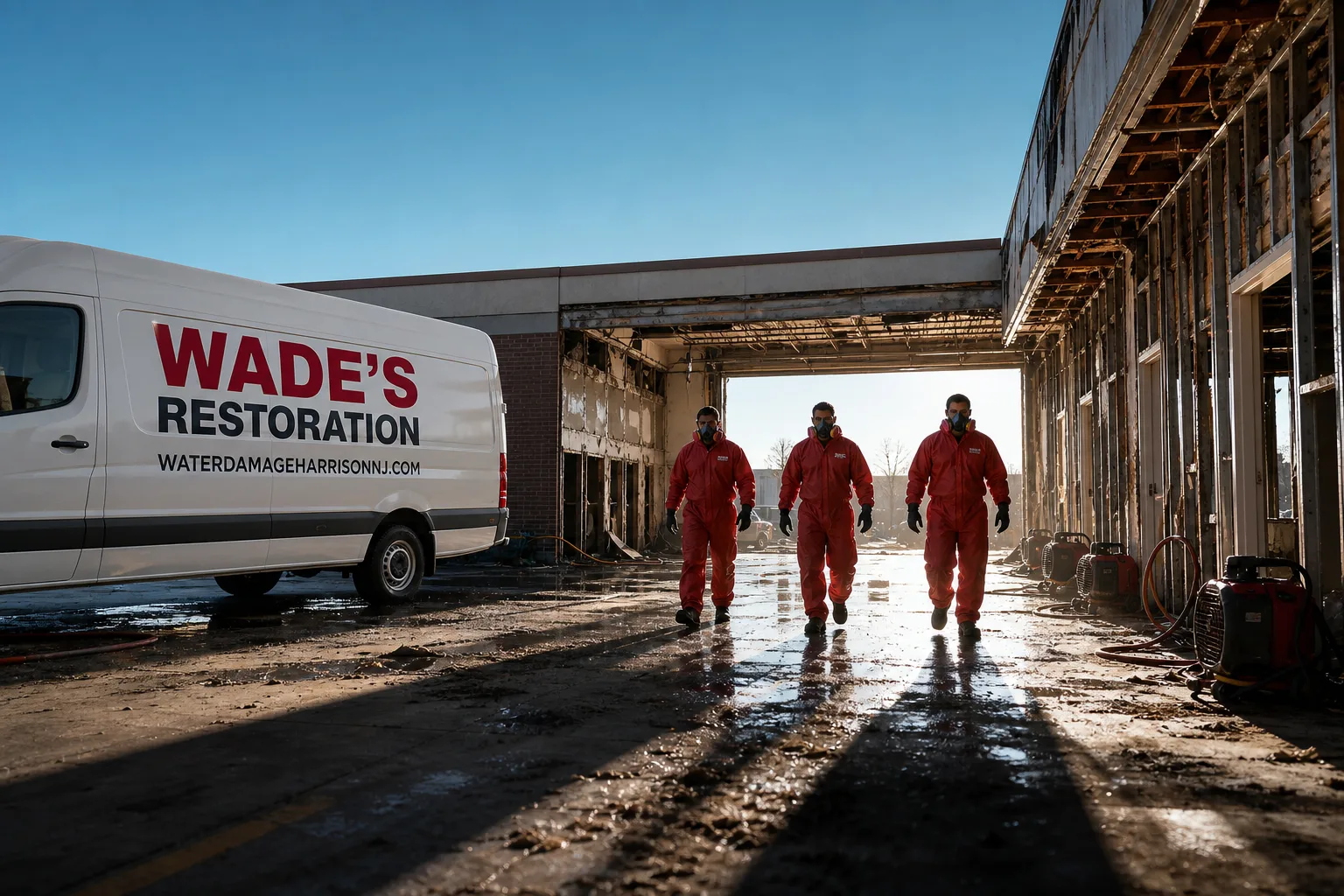
Free visual inspection and a written scope of work before any mitigation begins - photos, moisture readings, and drying logs go in your claim file
The scope we write is the scope we bill. Anything new gets shown to you, in writing, before we touch it.
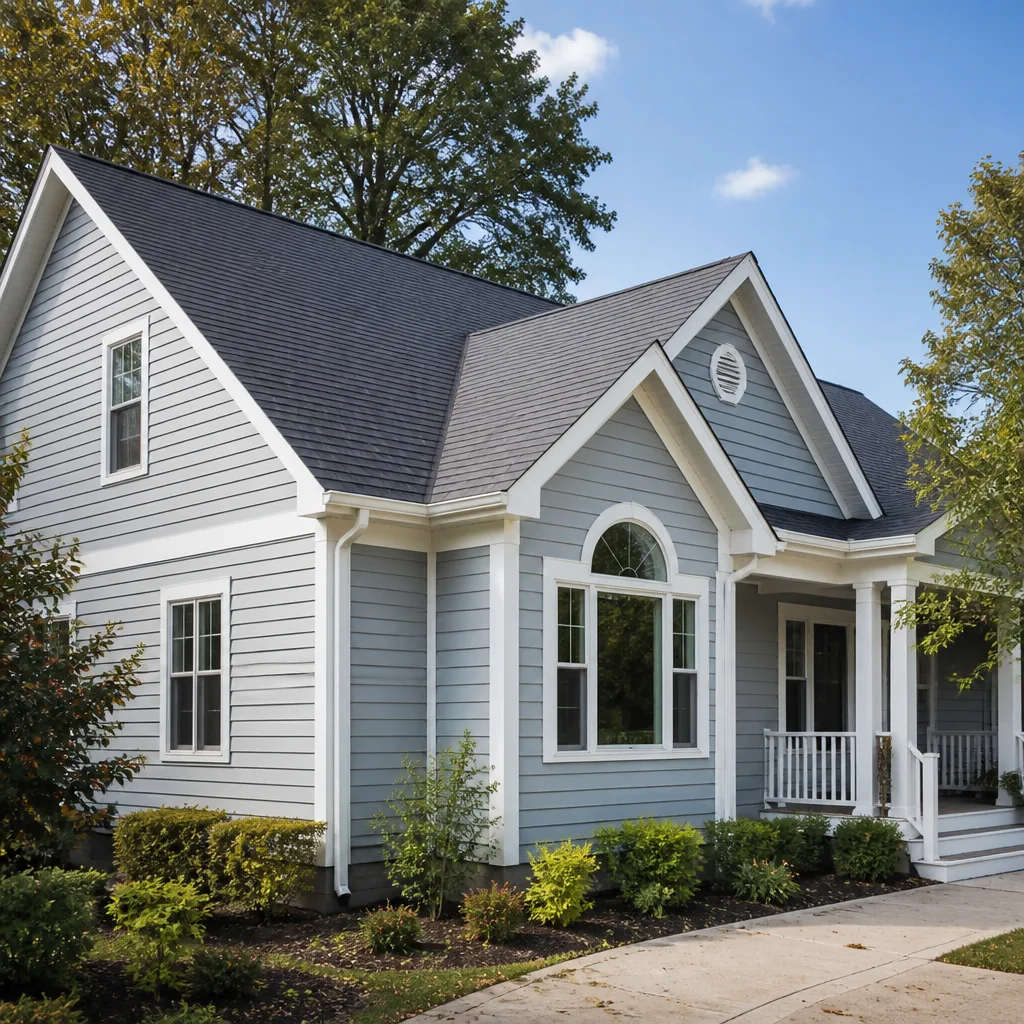
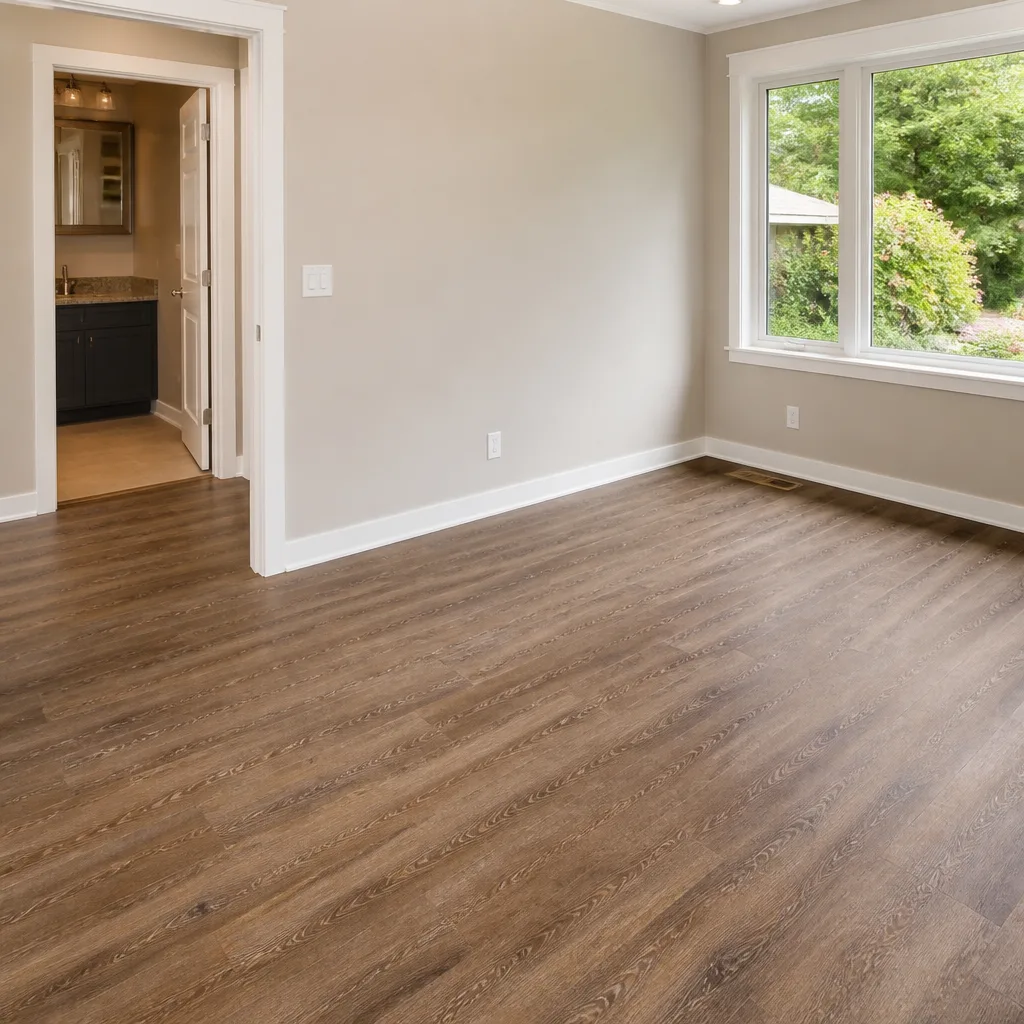
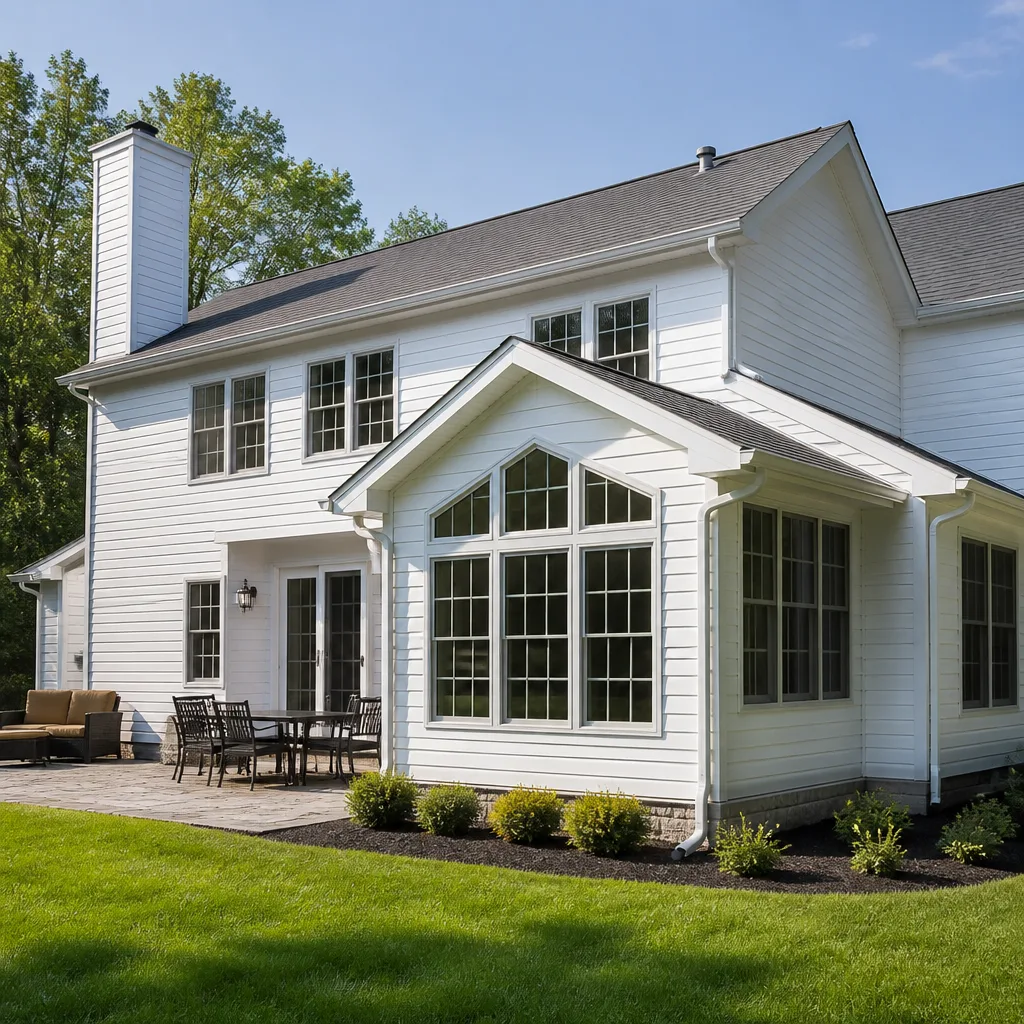
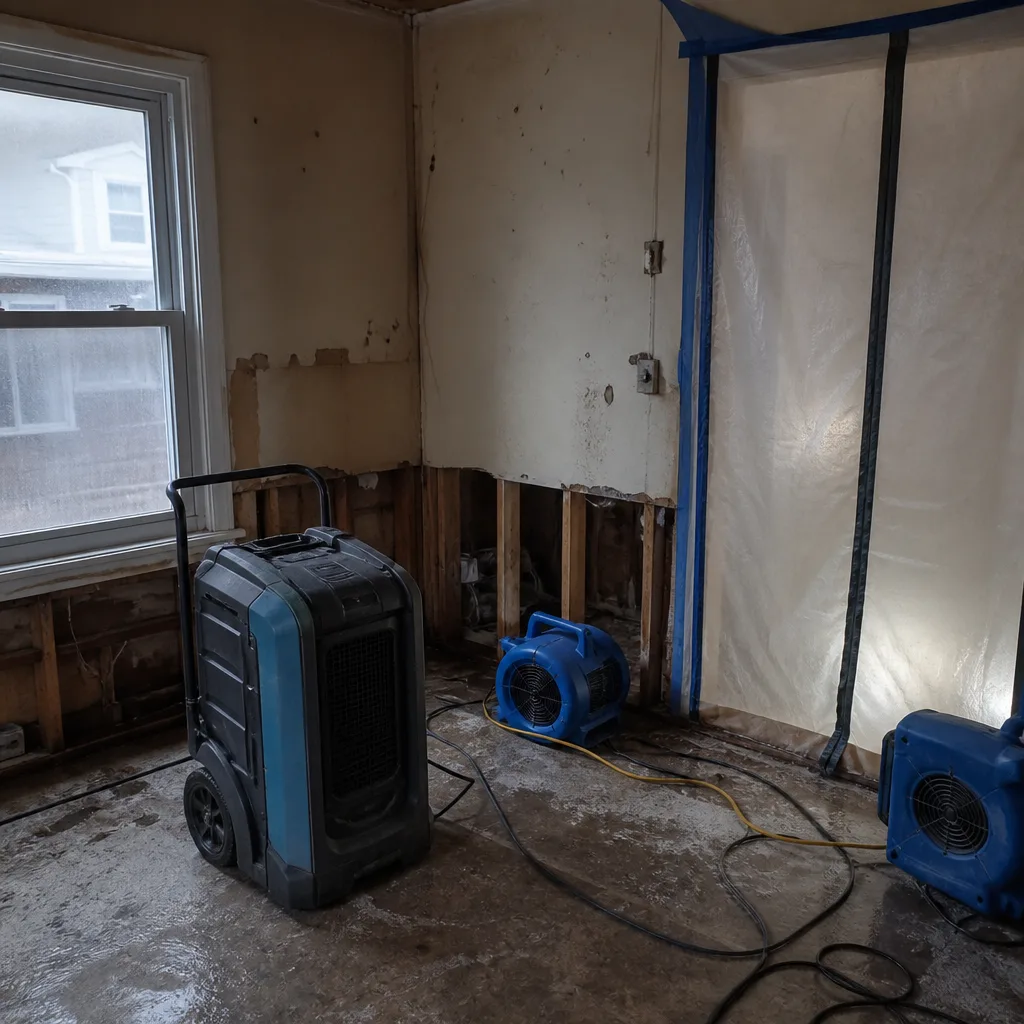 Before
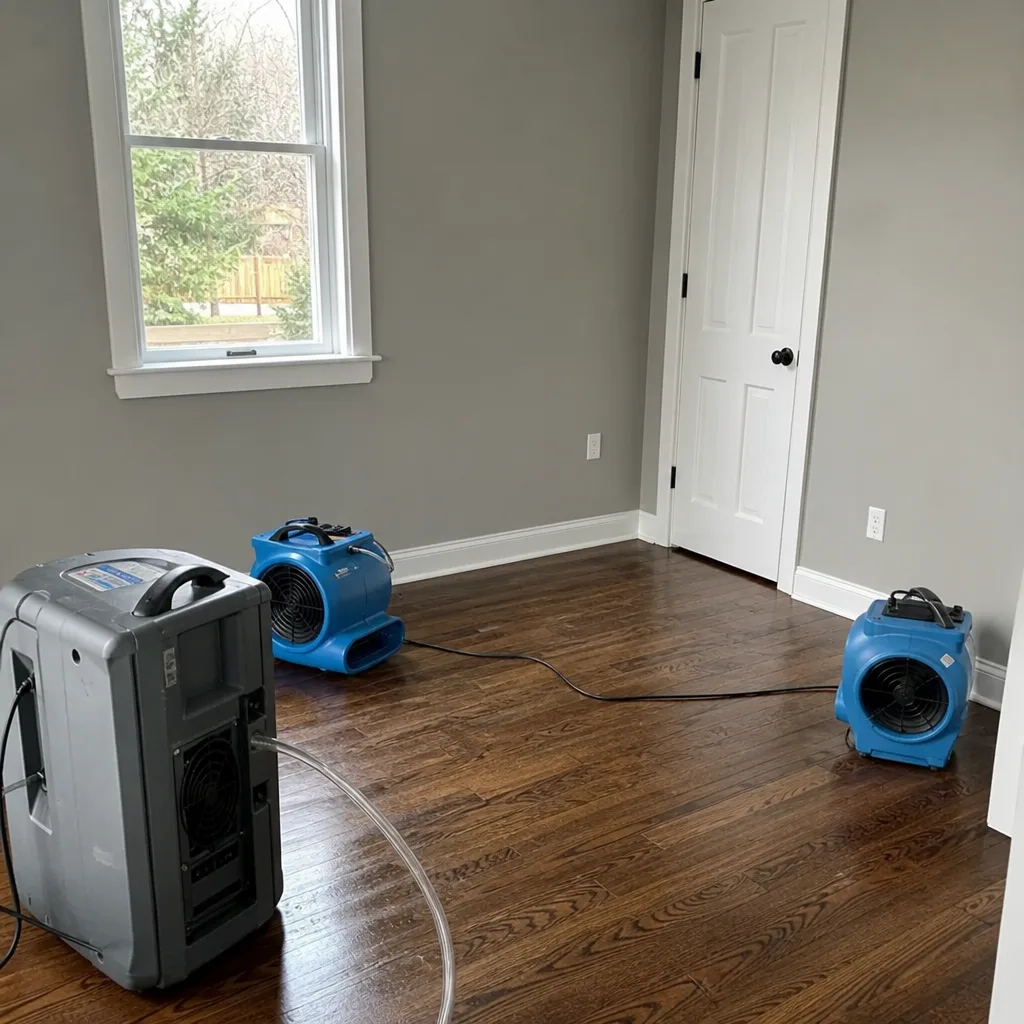 After
After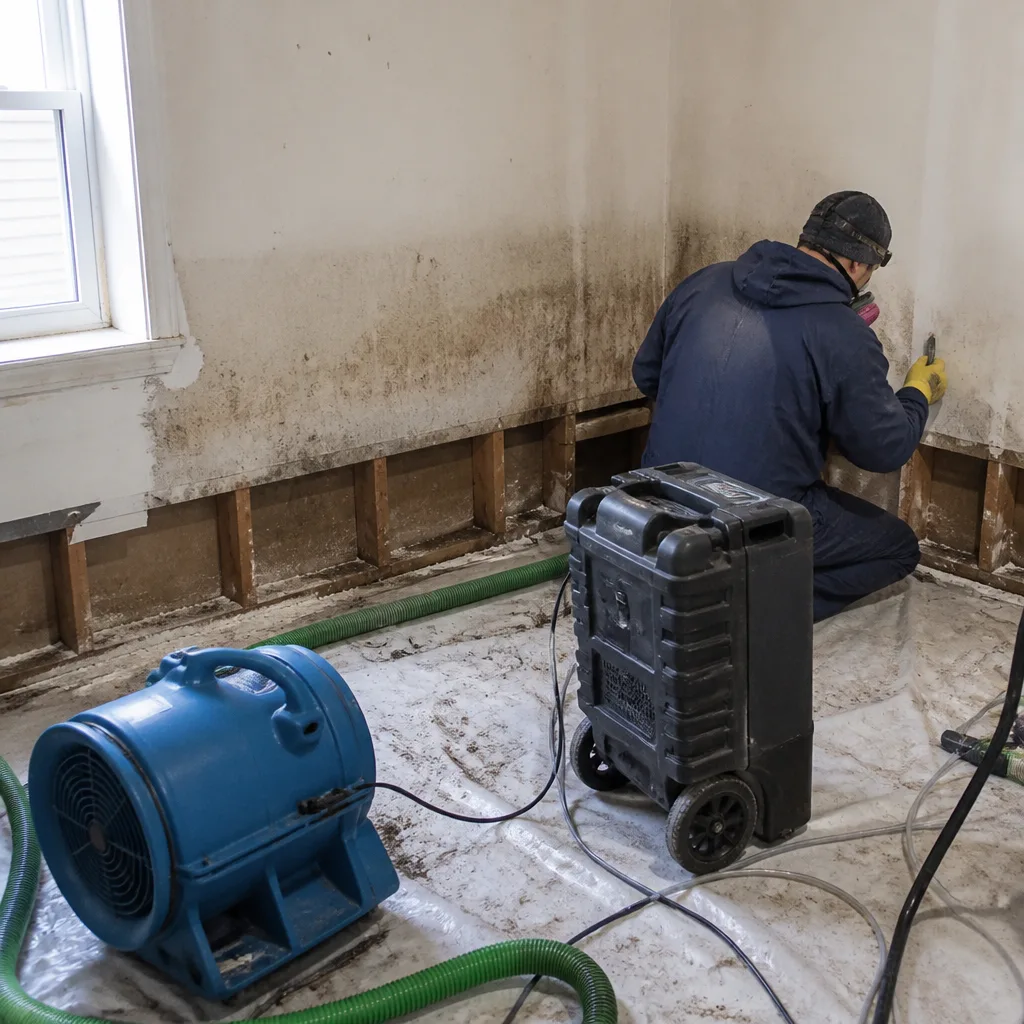 Before
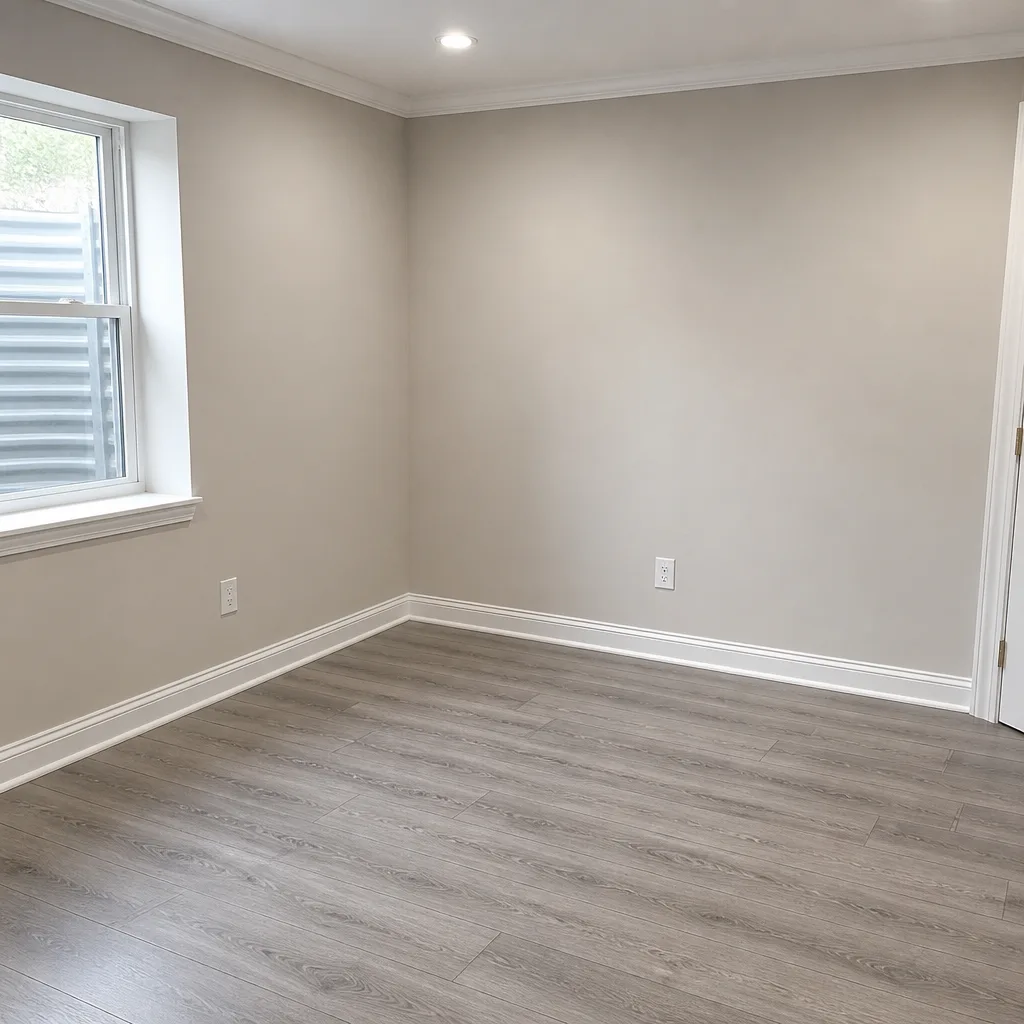 After
After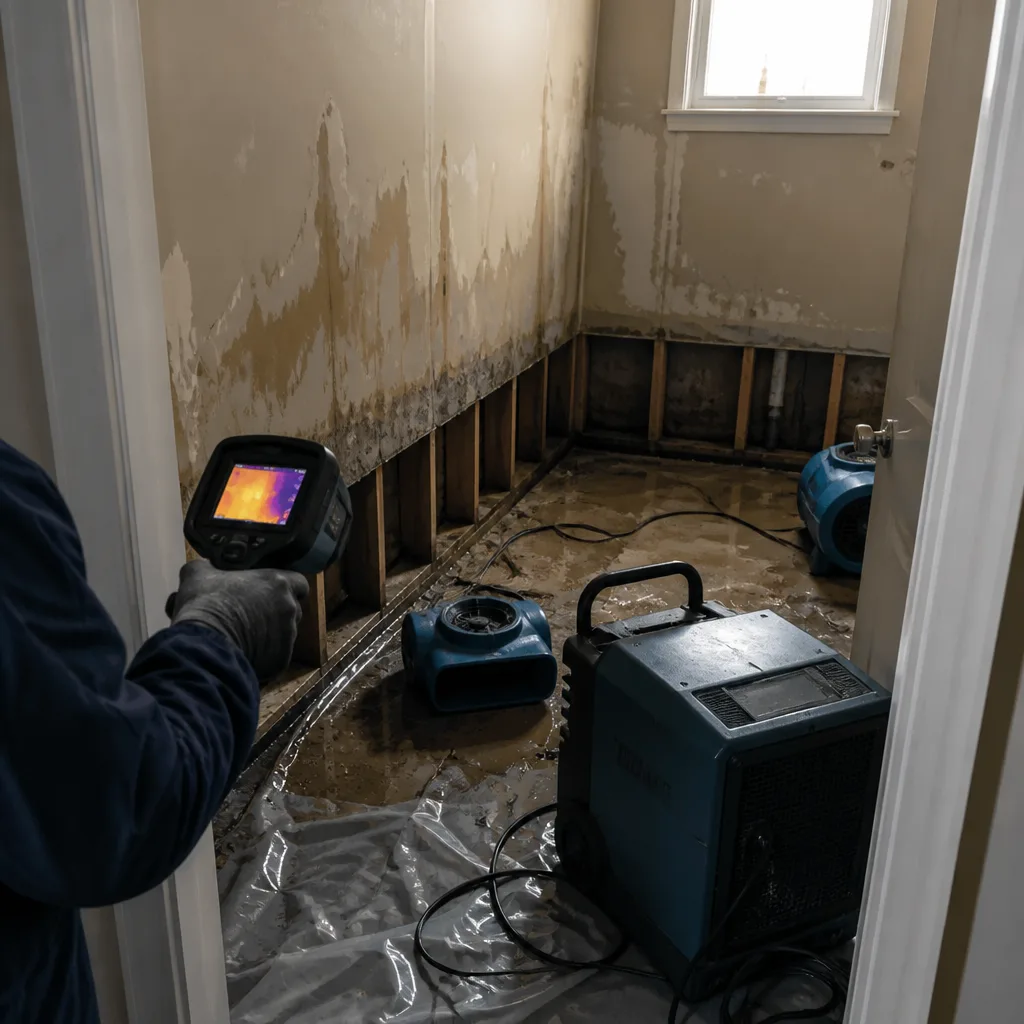 Before
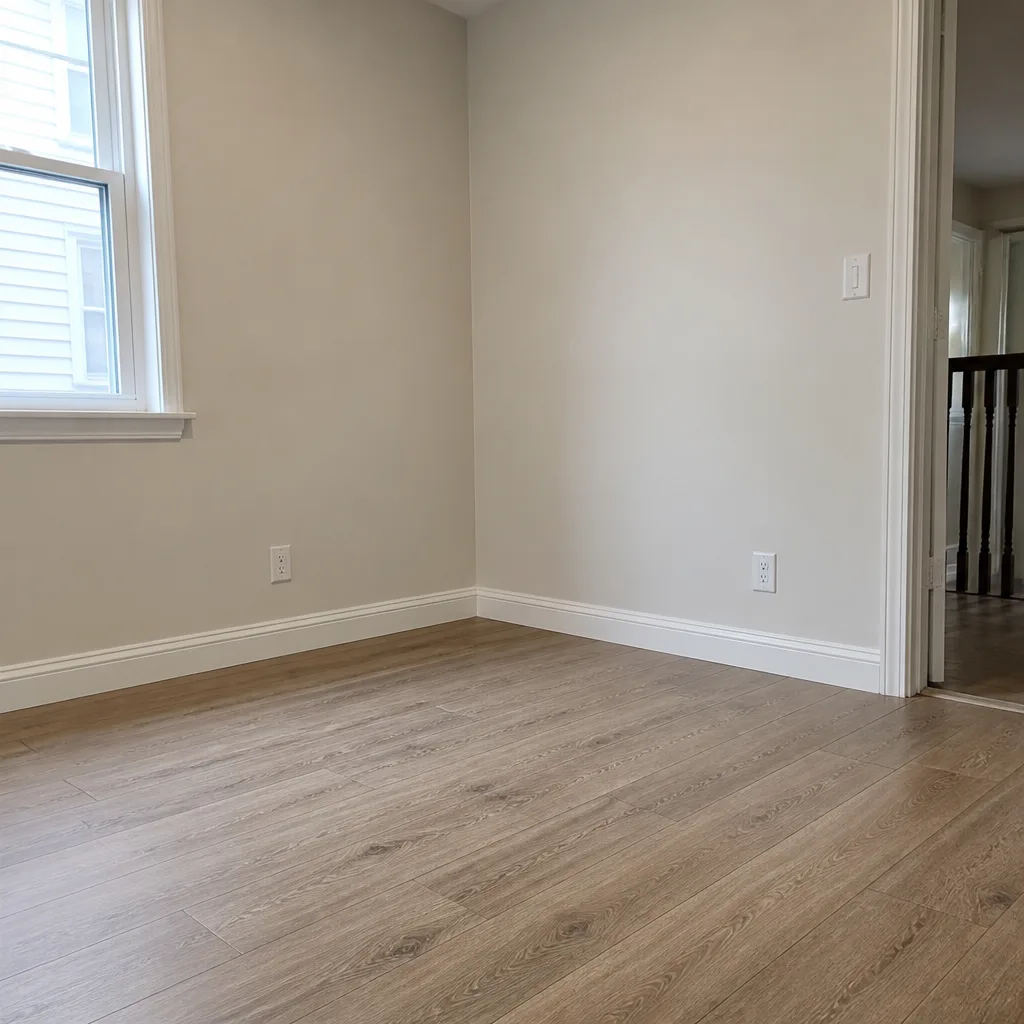 After
After24/7 Emergency Storm & Disaster Restoration in Lyndhurst
Storm damage in Lyndhurst doesn’t wait for business hours, and neither do we. Call (856) 501-6142 any hour, any day, and you’ll get a live person on the line, not a voicemail tree. Our Storm & Disaster Restoration crews stage in the Lyndhurst area during heavy weather events, which means we can usually have extraction running inside the hour when the Passaic or a summer cloudburst puts water where it doesn’t belong. The first 60 minutes decide how much of your home is salvageable, because river water and sewage backflow don’t stop wicking into drywall, flooring, and framing just because it’s 2 a.m. We do a free visual inspection on every call, walk you through what we’re seeing with a moisture meter in hand, and put a written scope in front of you before any equipment gets unloaded.
Understanding Storm & Disaster Restoration Severity in Lyndhurst Properties
Storm restoration in Lyndhurst isn’t one problem; it’s three stacked on top of each other. First, there’s category classification. Clean rainwater that pours through a roof breach is category 1. Groundwater that rises through a basement floor or foundation wall is category 2, carrying soil bacteria and whatever else the Meadowlands runoff picked up. River water from the Passaic and backflow from Lyndhurst’s combined storm/sanitary lines is category 3: sewage-adjacent, pathogen-bearing, and requiring full containment, antimicrobial treatment, and pack-out of porous materials. Second, there’s moisture migration. Lyndhurst’s 1930s-1960s Cape Cods and bungalows have block and poured-concrete basements that wick water upward into sill plates and wall cavities, where it lingers for weeks if you don’t map it properly. Third, there’s the structural question: repeated flood events saturate the same framing members again and again, which means we’re often drying lumber that’s already been dried twice before. That changes the drying plan, the scope, and sometimes the entire project.
Why Lyndhurst Property Owners Choose Wade’s Restoration
- 45-minute response commitment. When the Passaic is rising or a tree just came through the roof, Wade Ferris is on the road, not queuing you for a callback.
- 24/7 live answer, always. Wade answers his own phone. No answering service, no automated system, no “press 2 for emergencies.”
- IICRC-certified crews. WRT, FSRT, and AMRT certified techs, plus the drying logs and moisture mapping to back up every decision we make.
- Free visual inspection. No charge for Wade to look at the damage, tell you what you’re dealing with, and hand you a written scope.
- Direct insurance billing. We document from the first hour, coordinate with your adjuster, and handle the paperwork so you’re not the one relaying information.
- One team from extraction to reconstruction. The same Wade’s Restoration crew that pumps the water also rebuilds the wall. No handoffs to strangers.
Our Storm & Disaster Restoration Process
Inspection & Assessment
We start with thermal imaging and moisture mapping to find water you can’t see, then document everything with photos. Before we touch a thing, we pull context: prior flood history, FEMA claim status, and township requirements that shape the scope. You get a written plan before we begin.
Extraction / Stabilization
Truck-mounted and portable extraction units pull standing water fast. If the storm opened the structure, we board up, tarp the roof, and secure the property so the damage stops compounding while we work.
Drying & Dehumidification
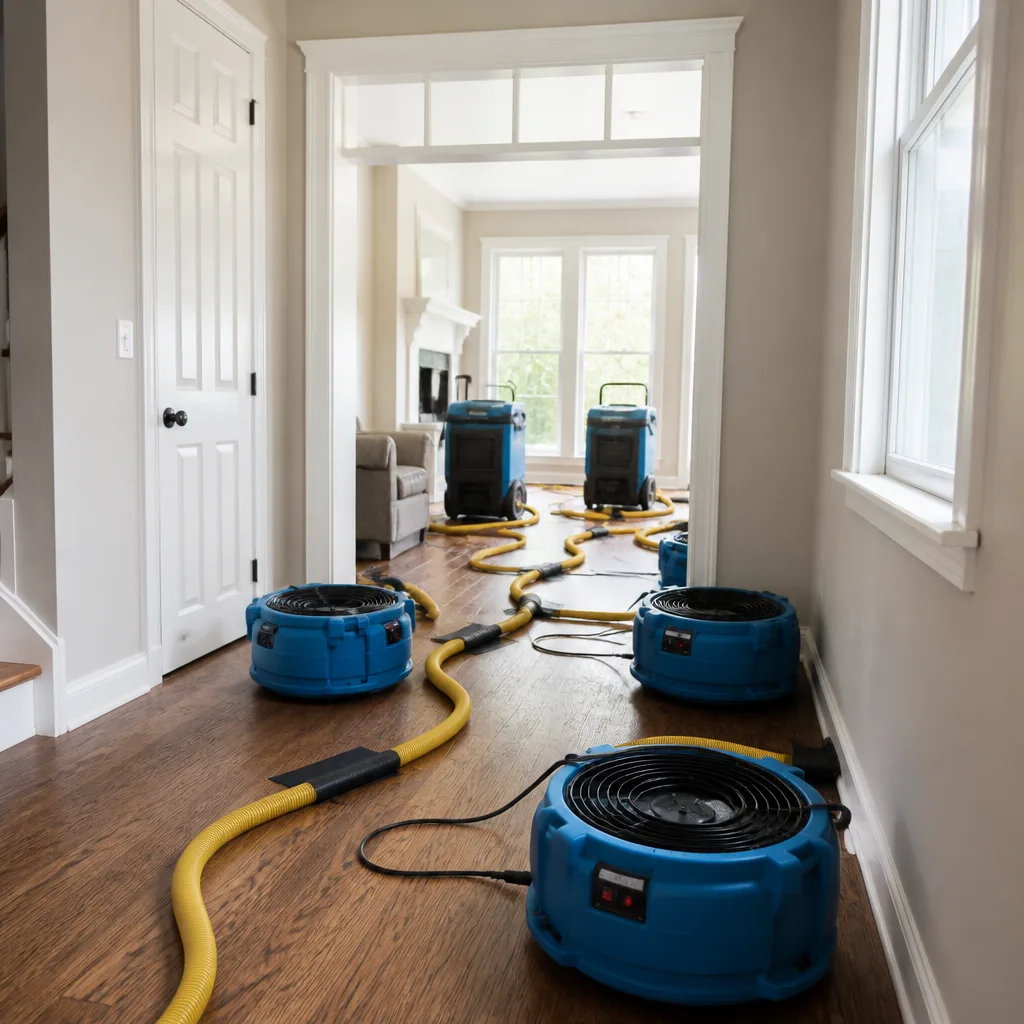
Dri-Eaz LGR dehumidifiers and Phoenix air movers run around the clock, with hygrometers tracking relative humidity and moisture content in framing. We take readings daily and hand you the complete log at the end of the job. Almost nobody in this trade does that.
Cleaning & Sanitization
For biohazard and crime scene cleanup in Lyndhurst situations like category 3 water from river surges or sewer backups, we set containment, run HEPA air scrubbers, and apply antimicrobial treatment to every affected surface. Porous materials that absorbed contaminated water get packed out and replaced, not sprayed and left in place.
Specialty Treatment
Storm work in Lyndhurst often means dealing with what the water left behind: silt, fuel residue, and sewage contamination that requires Lyndhurst sanitization services. We handle debris removal, structural drying of sill plates and joists, and odor control specific to flood-damaged materials.
Repairs & Restoration
Once the structure is dry and clean, our reconstruction and cleanup team in Lyndhurst rebuilds what the storm took. Drywall, flooring, electrical, trim, paint. The same crew that extracted the water is the one putting the final coat on your walls.
Need Emergency Storm & Disaster Restoration in Lyndhurst Now?
Crews minutes away, answering live 24 hours a day. The sooner we start, the less it costs.
Working With Your Insurance Company
Storm and flood claims get complicated fast, especially in Lyndhurst where FEMA flood policies and standard homeowners coverage overlap and sometimes conflict. We document the loss from the first hour: photos of every room before anything is moved, moisture readings at each stage of drying, and a line-item scope of work written in industry-standard format that your adjuster can read without a translator. Wade talks to your adjuster directly, so you’re not stuck on the phone trying to explain why the dehumidifier ran for six days. That direct communication is the single biggest reason our Lyndhurst customers don’t end up paying out of pocket for work their policy covers. And if you haven’t filed before, we’ll walk you through it without the jargon.
What We Provide Your Insurer
- Thorough documentation of the loss
- Photos of all damage, room by room
- Moisture readings and drying logs
- A detailed, line-item scope of work
- Direct coordination with your carrier
Built for Lyndhurst’s Loss Calendar
Lyndhurst’s storm losses follow a predictable rhythm, and restoration work here has to match it. Late summer and early fall are the hurricane season months, when a stalled frontal system or a direct hit sends the Passaic over its banks and into Valley Brook, the area around Riverside County Park, and every block between Park Avenue and the river. Winter brings nor’easters and the freeze-thaw cycle that splits aging cast-iron drain lines and sends water into basements that the snowmelt then saturates. Spring is the thaw: frozen ground that can’t absorb meltwater, combined with Lyndhurst’s flat, low-drainage terrain and its position between the river floodplain and the Meadowlands, means basements seep for days even when the storm that caused it is a week gone. Summer brings the violent thunderstorm cells that dump two inches an hour and overwhelm the combined storm/sanitary lines, pushing sewage back up through floor drains in some of the older homes near the town center. Each season has its own damage profile, and a restoration crew that only knows how to run fans isn’t enough here.
Storm & Disaster Restoration Across Lyndhurst’s Neighborhoods
The restoration needs change block by block in Lyndhurst. Valley Brook, down along the Passaic side of town, is the repeat-flood ground zero. Homes there, many of them 1930s and 1940s Cape Cods with block foundations, have been inundated by Irene, Ida, and a half-dozen lesser storms since. We know these houses; some of them we’ve dried out more than once. Riverside County Park and the streets that back up to it face the same river surge pressure but with the added complication of park runoff and saturated ground that holds water for days. Up toward Ridge Road and the denser blocks around the high school, storm damage leans more toward wind-driven rain intrusion through aging roofs and siding, plus the sewer backup problem when the combined lines overload. The townhome clusters near the Meadowlands edge of Lyndhurst have their own challenge: tight clearance, narrow rear yards, and nowhere to park a full-size truck-mount. We stage portable extraction units and run hoses through rear doors instead. The point is we don’t bring the same playbook to every neighborhood here, because the water doesn’t behave the same way across all of them.
Specialized Storm & Disaster Restoration Services We Offer in Lyndhurst
Flood Damage Restoration
Passaic River flooding in Lyndhurst isn’t the kind you dry out with a shop vac and a prayer. Category 3 water carrying sewage, fuel, and whatever else the current picked up requires full containment, antimicrobial treatment, and selective demolition of porous materials. We’ve run jobs on Valley Brook Avenue where the water line hit four feet in the basement and the only thing that saved the house was pulling the drywall, insulation, and flooring out fast before the framing wicked the contamination upward. In a 1940s Cape Cod with a block foundation, the sill plates absorb that water and hold it. That’s where the real damage lives.
Emergency Board-Up
When a tree branch comes through a window or wind peels a door off its hinges, your house is open to weather, animals, and the kind of people who cruise storm-damaged blocks. We board up openings the same day we’re called, using heavy plywood cut to fit the actual opening, not a tarp stapled over a hole. In Lyndhurst’s tighter rowhouse sections, we carry materials in through alleys and stage them in rear yards, because there’s no front driveway to work from.
Roof Tarping
A damaged roof on a Lyndhurst townhome near the Passaic can’t wait until the adjuster schedules a visit next week. Water getting through a roof breach lands on insulation, drywall, and electrical. We tarp roofs same-day with heavy-weight reinforced polyethylene, secured with furring strips and cap nails, not loose bungees. The goal is to stop the water intake by nightfall, then do the actual repair properly once the weather clears.
Debris Removal
Storm debris in Lyndhurst is usually a mix of tree limbs, construction material, flood-damaged personal property, and anything the river left on your lawn when it receded. We haul it, sort what’s salvageable, and get the rest off your property before it breeds mold or attracts pests. If FEMA or the township needs documented debris photos for a claim, we take those as we go.
What happens when you call
- 1
A real person answersNo phone trees - you reach a local pro.
- 2
You get an upfront price rangeHonest numbers before anyone is dispatched.
- 3
A background-checked tech heads outLicensed & insured, dispatched right away.
- 4
You approve before work beginsNothing starts until you say go.
Storm & Disaster Restoration Costs in Lyndhurst, NJ
Flood extraction and drying for a typical Lyndhurst basement runs $2,500 to $6,000, depending on square footage and water category. Category 3 river water pushes that up: full containment, antimicrobial treatment, and pack-out of contaminated materials typically lands between $4,000 and $9,000. Emergency board-up runs $350 to $1,200, and roof tarping runs $600 to $1,800 depending on roof height, slope, and access. Debris removal is usually $250 to $800 for a basic haul, more if it’s mixed construction material that needs sorting. What moves the price most in Lyndhurst is the water category and whether the home has been flooded before, because re-drying saturated framing takes longer and costs more than first-time water. Insurance covers most of this when it’s sudden and accidental; gradual seepage and pre-existing mold are usually on you. The free visual inspection is the way to get a firm number: Wade looks, measures, and hands you a written scope with real dollars attached. Call (856) 501-6142 and we’ll schedule it.
We Also Serve Cities Near Lyndhurst
We’re just as close to Lyndhurst‘s neighbors. North Arlington, Rutherford, East Rutherford, and Kearny all fall in our response area, and our crews know those streets and building types as well as they know Lyndhurst’s. If you’re in one of those towns and the water is rising, call (856) 501-6142; the same crew, the same equipment, the same written-scope guarantee.
Lyndhurst Storm & Disaster Restoration Questions, Answered
How does Lyndhurst’s floodplain administrator ruling affect my storm restoration scope?
It can change everything. If your cumulative repair costs from all flood events exceed 50% of your home’s pre-flood market value, the township’s floodplain administrator must be notified and your home may be required to meet current elevation standards before repairs are finalized. We check FEMA claim history before scoping any job on a flood-prone Lyndhurst property, because drying and patching a house that’s about to cross that threshold means doing the work twice. Call (856) 501-6142 and we’ll walk you through where your property stands.
My Valley Brook basement flooded with river water. Is it safe to just dry it out?
No. River water from the Passaic is category 3: it carries sewage, fuel, and biological contamination. Drying it without full containment and antimicrobial treatment leaves dangerous pathogens in porous materials like drywall, carpet, and insulation, and they’ll make you sick long after the moisture meter says dry. We treat every Valley Brook flood as category 3 until proven otherwise. Call (856) 501-6142 for a free inspection.
Can you handle a flooded basement in a 1930s Cape Cod with a cast-iron drain line?
That’s most of what we do in Lyndhurst. Those older cast-iron lines back up during river surges, which means the water in the basement is usually sewage, not just groundwater. We scope the drain line, extract, contain, treat, and dry the structure properly, then repair the drain issue so the next storm doesn’t push the same water back in. The 90-Day Done Right Promise covers the whole job, in writing.
Why do you ask for my FEMA flood insurance claim history before giving a storm restoration estimate?
Because in Lyndhurst, that history determines whether your restoration is a dry-out or a structural compliance project. A property that’s already claimed $40,000 in flood repairs on a $70,000 valuation has almost no room left before the 50% substantial-damage threshold trips, and anything we do to that house has to be scoped with elevation compliance in mind. Skipping that step leaves you out of compliance with the township and potentially facing a stop-work order. It’s the first thing we check.
What’s the fastest you can get a roof tarp on a townhome near the Passaic?
We can usually have a crew tarping within four hours in Lyndhurst, often sooner during active storm events when our crews are already staged locally. Narrow alleys and tight rear access near the Passaic side of town take extra staging time, but we plan for that and bring portable ladders and materials sized for those lots. Call (856) 501-6142 and Wade will give you an honest arrival window.
Does homeowners insurance cover storm and flood restoration in Lyndhurst?
Standard homeowners policies cover wind-driven rain, roof leaks from storm damage, and sudden pipe bursts, but NOT river flooding from the Passaic. That takes a separate FEMA flood policy. Sewer backup is often a rider you have to add. We document everything with photos and drying logs from the first hour, and Wade talks to your adjuster directly so you know early what’s covered and what isn’t.
How long does structural drying take after a Lyndhurst storm flood?
Most basement floods in Lyndhurst take three to five days to dry to pre-loss moisture levels, but 1930s block foundations that have been saturated before can take longer. We take moisture readings daily and log them, and you get the full log at the end. You’ll know exactly how dry your framing is and why we’re still running the dehumidifiers on day four.
What should I do in the first 30 minutes after storm water enters my Lyndhurst home?
Shut off electricity to affected areas, move valuables and documents to higher ground, and take photos of everything before you touch anything. Then call (856) 501-6142. Do not enter standing water if it’s touching electrical outlets or appliances. Do not run a wet carpet fan from Home Depot; you’ll spread category 3 contamination into your air ducts. Wade will be there inside the hour.
Serving Lyndhurst, NJ - Our Local Coverage Area
We’re based in the Lyndhurst area and know this community well. Use the map below to see our service coverage - if you’re nearby, we can almost certainly help.
How the Passaic River Floodplain Rules Decide Your Restoration Scope
Here’s the thing no generic storm damage page will tell you about Storm & Disaster Restoration in Lyndhurst: your house’s FEMA claim history is more important than the current water level in your basement. Restoration crews working the blocks closest to the Passaic near Valley Brook routinely re-remediate the same houses they dried out one or two storms prior. We’ve been on jobs where the homeowner called us for what looked like a simple basement pump-out, and a quick check of their flood insurance history showed the property was already $38,000 into repairs on a $75,000 valuation. That’s not a dry-out anymore. That’s a structural compliance conversation with the township before a single air mover gets plugged in. The Passaic River floodplain rules, not generic storm damage logic, decide whether Lyndhurst restoration is a five-day drying job or a six-month rebuild. We pull that history before we scope every flood-damaged property in Lyndhurst, because a contractor who skips it might leave you legally out of compliance and facing an elevation order from the floodplain administrator after you’ve already paid for repairs. Wade has been doing this in Bergen County for over 29 years, and he’s seen what happens when that step gets missed. It’s not pretty, and it’s expensive twice.
Written by Wade Ferris, Owner at Wade’s Restoration, serving Lyndhurst since 2007.